Wholesale & Manufacturing Engineering Whitepaper

Wholesale How To Install Pipe Insulation Foam Manufacturer & Manufacturers

The Ultimate Engineering Blueprint for Thermal Efficiency, Industrial Cold Preservation, and High-Performance Installation Methods by Kingflex Insulation

Premium Closed-Cell Insulation Selection

Direct supply from state-of-the-art Chinese manufacturing facilities. Select the engineered NBR/PVC elastomer solution for your industrial cold storage, HVAC, or cryogenic project.
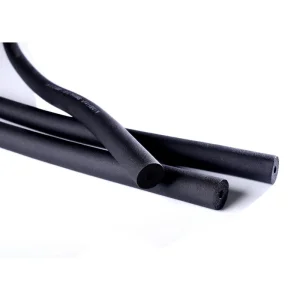
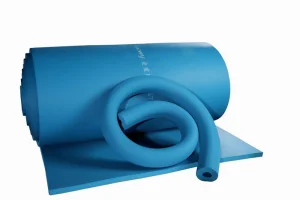
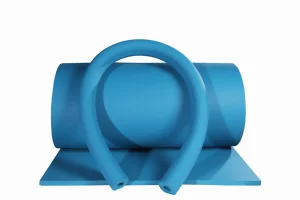
China Kingflex NBR Flexible Thermal Insulation Foam

China Kingflex NBR Flexible Closed Cell Elastomeric Thermal Insulation Foam Factory

View Details & RFQ
Wholesale Cryogenic Insulation LNG

Wholesale Cryogenic Insulation for Large Scale Cryogenic Storage Tanks, LNG Manufacturers

View Details & RFQ
China Ultra Low Temperature Foam Insulation

China Ultra Low Temperature Rubber Foam Insulation for Cryogenic Systems

View Details & RFQ
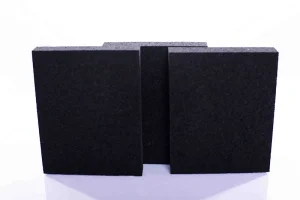
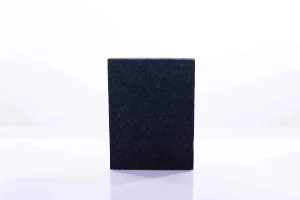
China Acoustic Rubber Foam Insulation Board

High Density Acoustic Rubber Foam Insulation Board For HVAC Duct Systems

View Details & RFQ
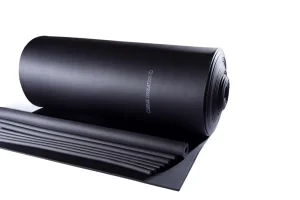
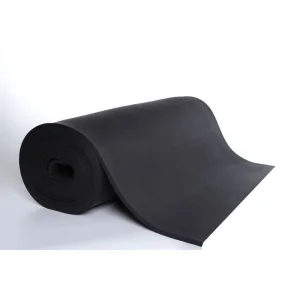
China NBR PVC Nitrile Rubber Foam Insulation Sheet Roll

China NBR PVC Nitrile Rubber Foam Insulation Sheet Roll Supplier

View Details & RFQ
China Rubber Foam Sound Insulation

China Flexible Rubber Foam Sound Insulation Sheet (6mm Thickness)

View Details & RFQ
China Cryogenic Insulation Ultra Low Temperature

China Cryogenic Insulation System for Ultra Low Temperature Projects

View Details & RFQ
Wholesale Industrial Rubber Foam Insulation Pipe

Wholesale Industrial Rubber Foam Insulation Pipe Manufacturer

View Details & RFQ

Engineering Blueprint: How to Install Pipe Insulation Foam Properly

A comprehensive technical protocol designed by engineering specialists to ensure optimal thermodynamic isolation, moisture prevention, and durability.

Standard Operating Procedure

1. Professional Preparation and Substrate Inspection

Before installing elastomeric NBR/PVC rubber foam pipe insulation, make sure the steel, copper, or PVC pipe surface is clean, dry, and free of rust, dust, or grease. Substrate contamination will weaken adhesive bonds, creating micro-air-gaps that lead to condensation and Corrosion Under Insulation (CUI).

2. Precision Cutting and Measuring

Measure the outer diameter (OD) of the pipe and match it to the correct internal diameter (ID) of the Kingflex rubber foam insulation tube. Use a high-carbon steel cutting blade. Never pull or stretch the foam during measurement; this compromises its thickness, raises the thermal conductivity value (K-value), and damages the closed-cell matrix.

3. Applying Adhesive and Joining Seams

Apply a thin, uniform coat of specialty contact adhesive to both slit edges. Let it dry until it is tacky to the touch (typically 3–8 minutes depending on humidity). Bring the edges together and press firmly, starting at the ends and working toward the middle. Make sure the seam is completely sealed without compression.

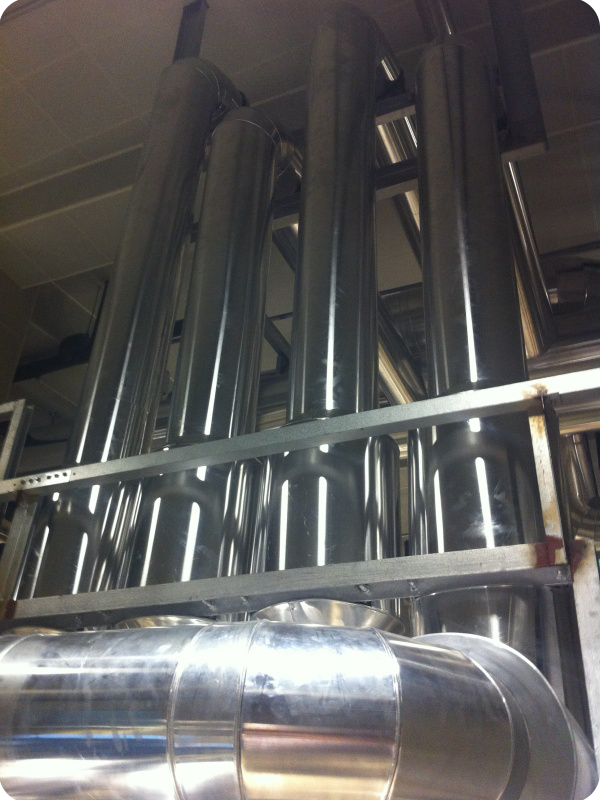
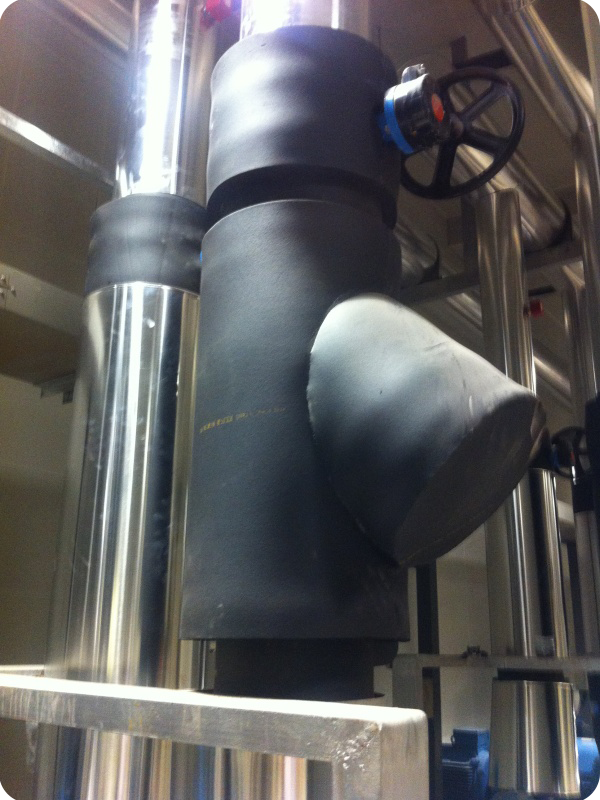
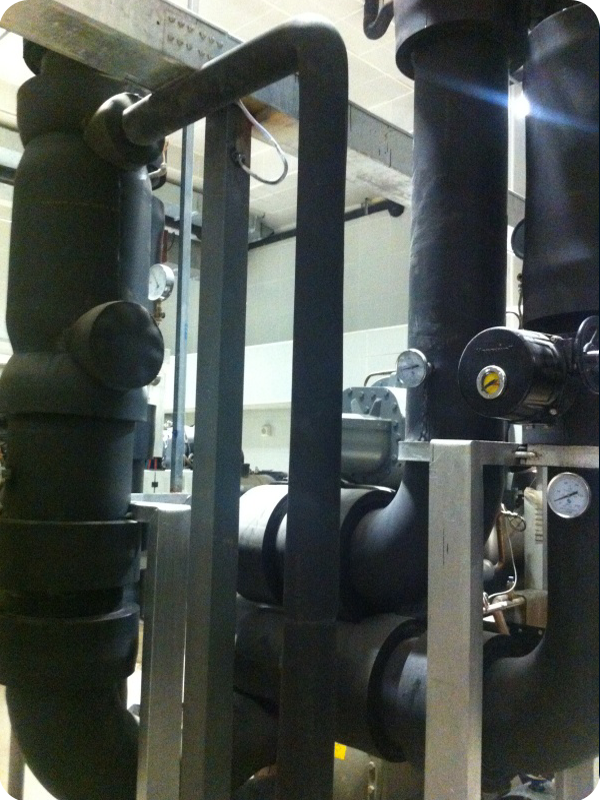
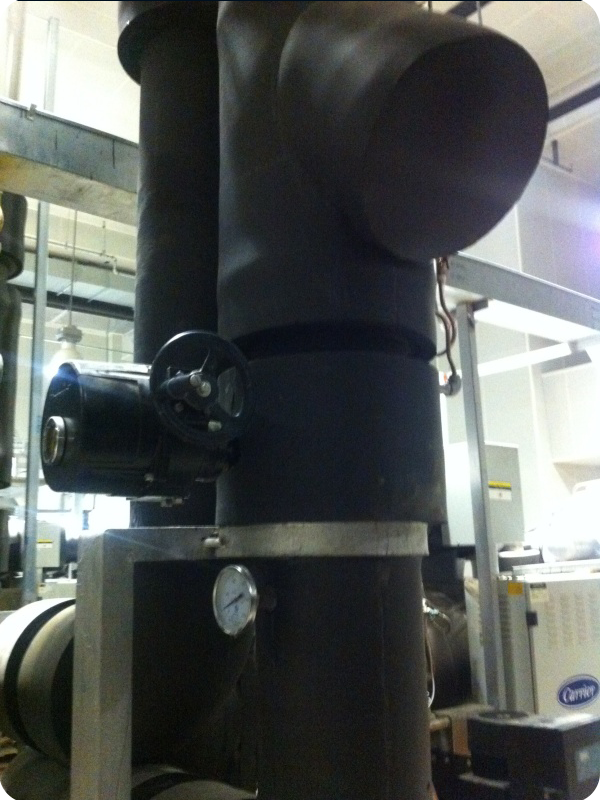
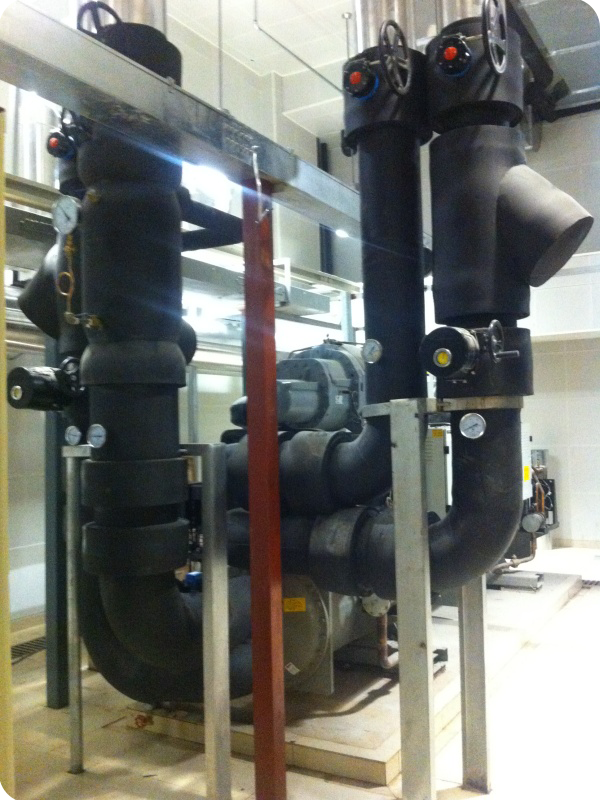
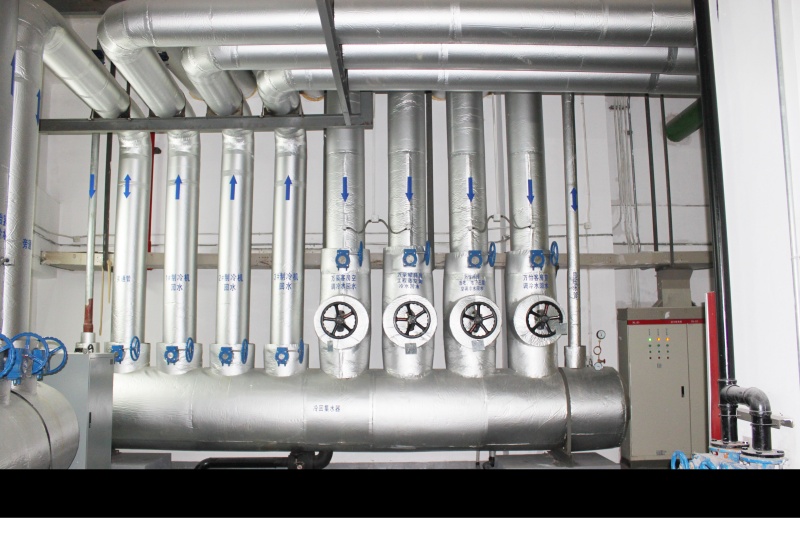
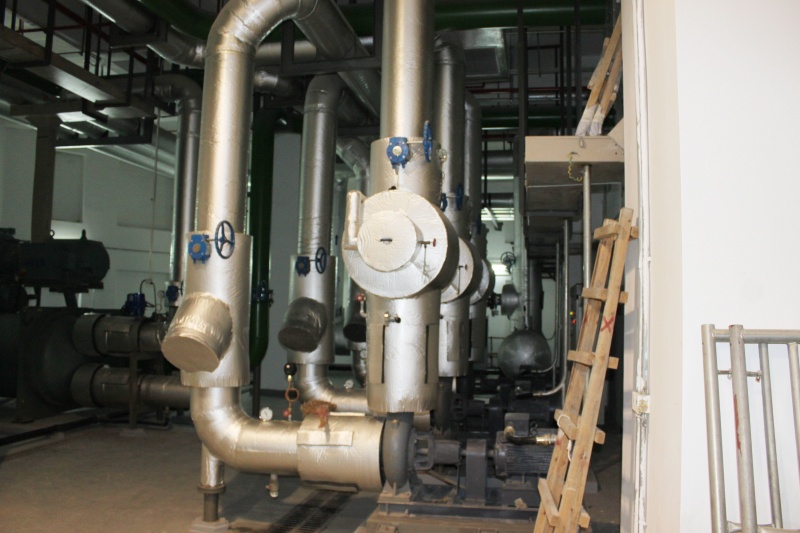
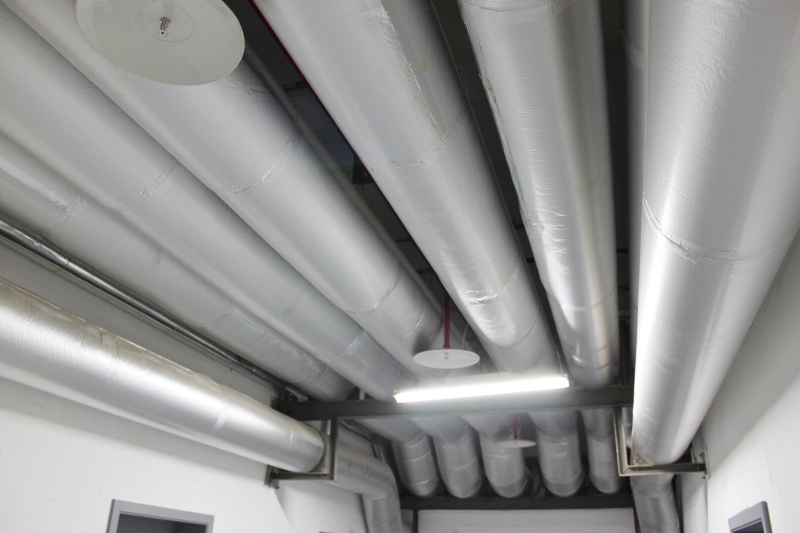
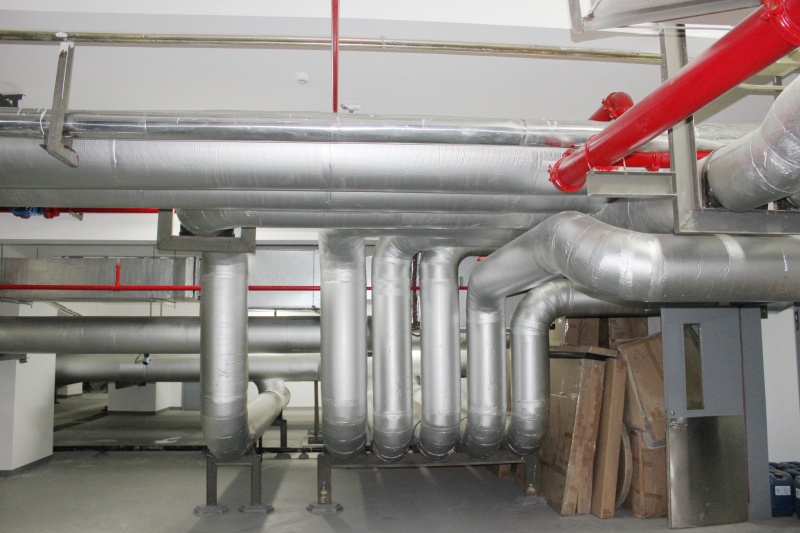
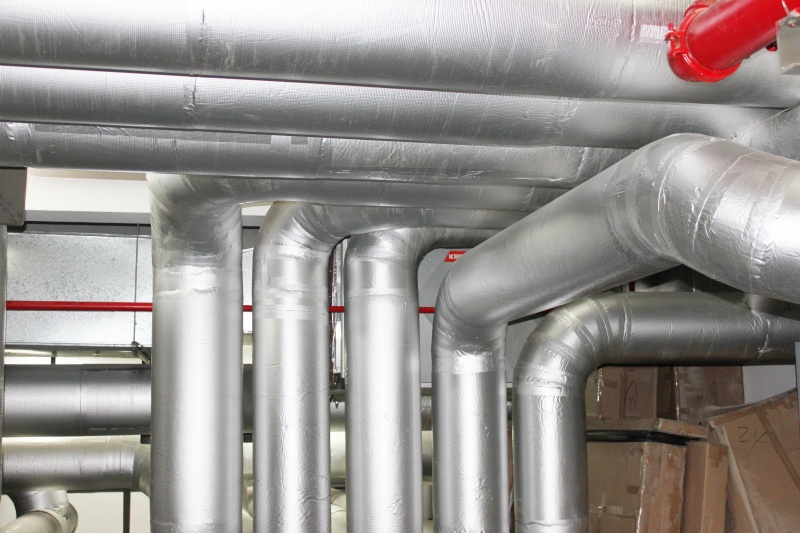
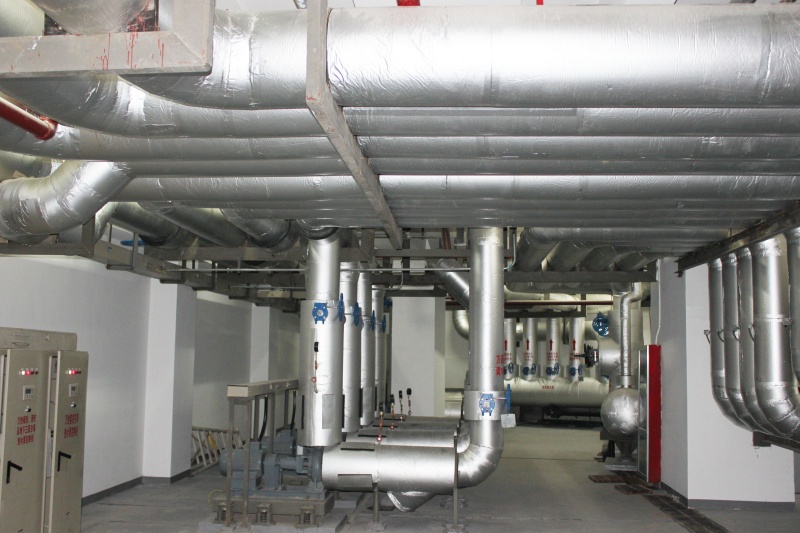
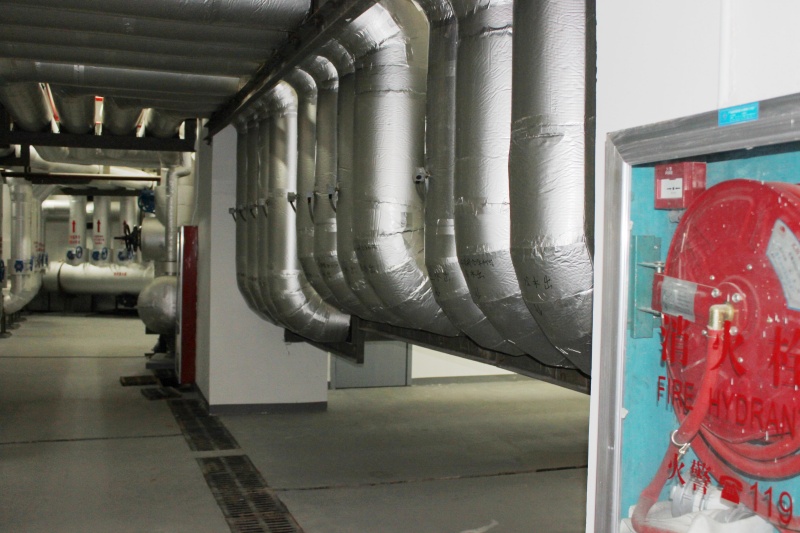
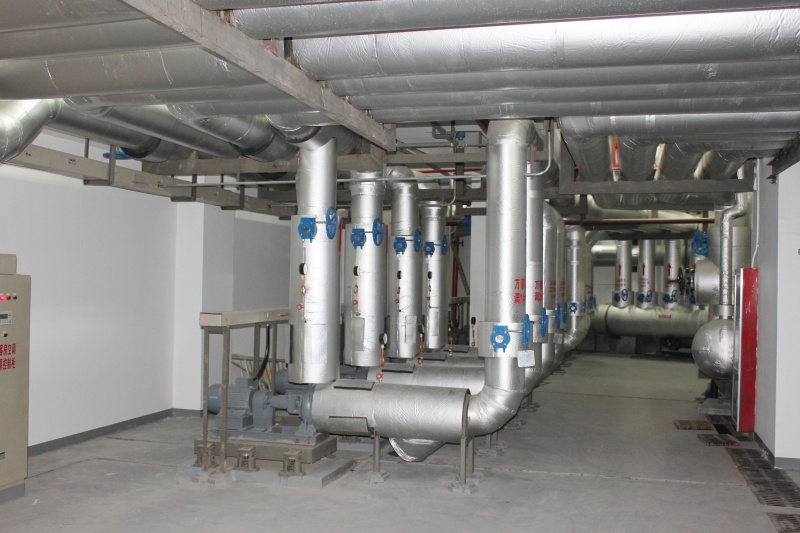
Kingflex Pipe Insulation Installation Setup

Mitigating Thermal Bridging

Thermal bridging happens when uninsulated metal supports connect directly to the pipework. Install Kingflex insulated pipe hangers or polyurethane support blocks with elastomeric insulation sheets wrapped around them. This creates a continuous thermal envelope and stops condensation at support brackets.

Handling Complex Fittings

For elbows, T-joints, and valves, cut mitered segments from standard insulation tubes. Calculate templates using 45-degree or 90-degree equations to ensure consistent wall thickness. Use wet adhesive to seal every butt joint; dry joints are prone to vapor intrusion.

Outdoor Protection and Coatings

Outdoor elastomeric installations need UV protection. Apply two coats of protective weather barrier paint or encase the insulation in aluminum cladding or UV-resistant PVC jackets. Inspect the jacket system every year for cracks or vapor seal damage.
Kingflex Manufacturing Facility Production Line
Manufacturing Excellence

Kingflex Insulation: A Heritage of Technical Excellence

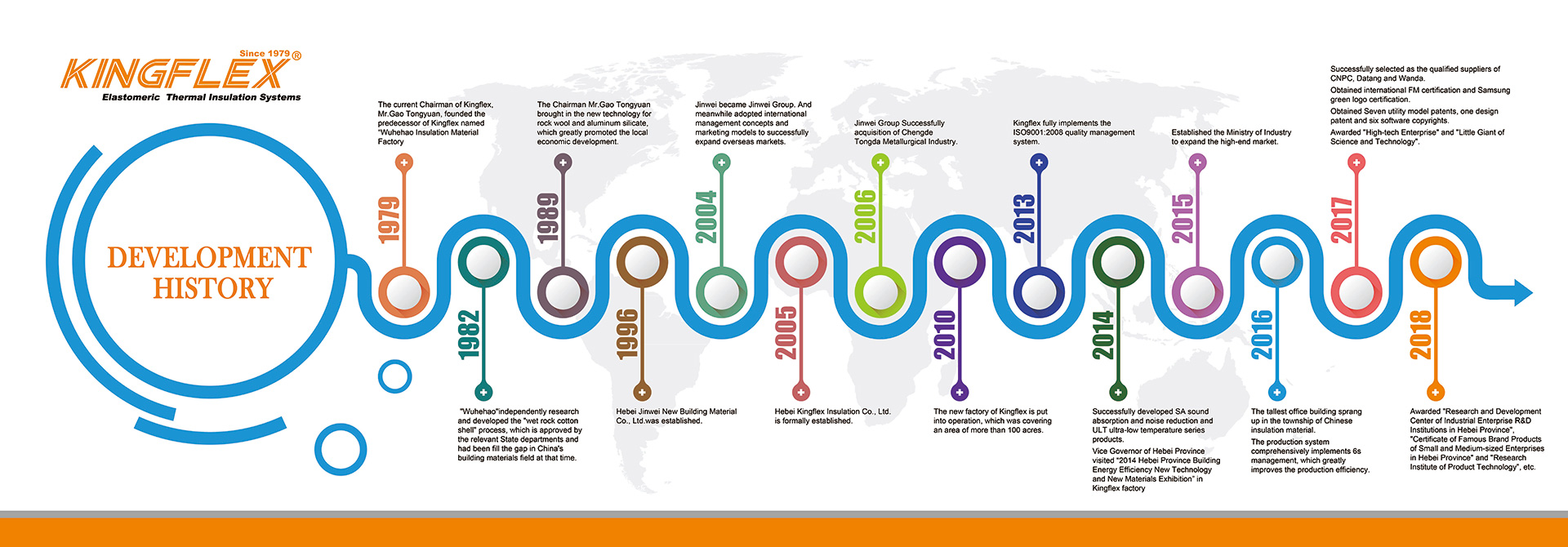
Founded by the Jinwei Group, which has more than 40 years of industry history (established in 1979), Kingflex Insulation Co., Ltd. is the first manufacturer of thermal insulation materials north of the Yangtze River. We run an energy-saving, environmentally friendly enterprise focusing on R&D, precision manufacturing, global distribution, and technical installation guidance.

Our facility is in Dacheng, China, the recognized center for green building materials. We provide consulting, custom engineering design, bulk wholesale supply, and post-sale technical audits. This comprehensive service model supports large-scale industrial projects, municipal HVAC pipelines, and low-temperature storage operations worldwide.

600,000+
Annual Capacity (m³)
5
Automatic Assembly Lines
66+
Countries Exported To
40+
Years of Group History

World-Class R&D and Strict Quality Control

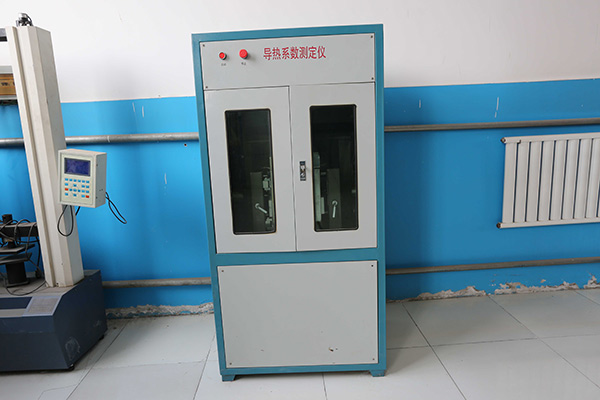
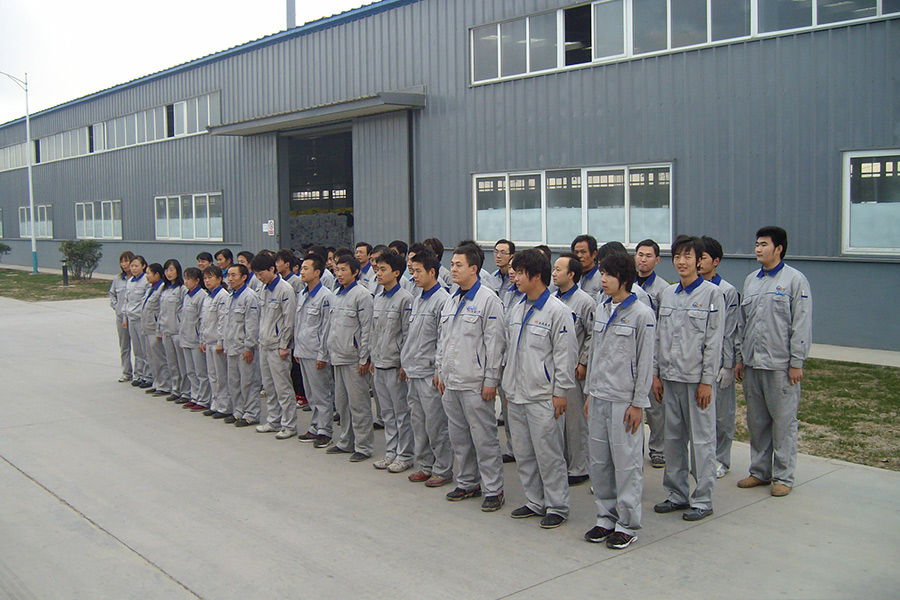
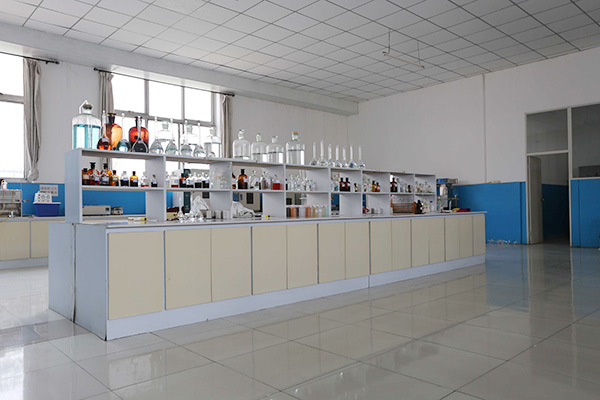
Our team includes 8 professional R&D engineers, 6 dedicated international sales consultants, and over 230 production workers. Our state-of-the-art laboratory continually tests products for thermal conductivity, water vapor permeability, smoke density, and flame propagation.

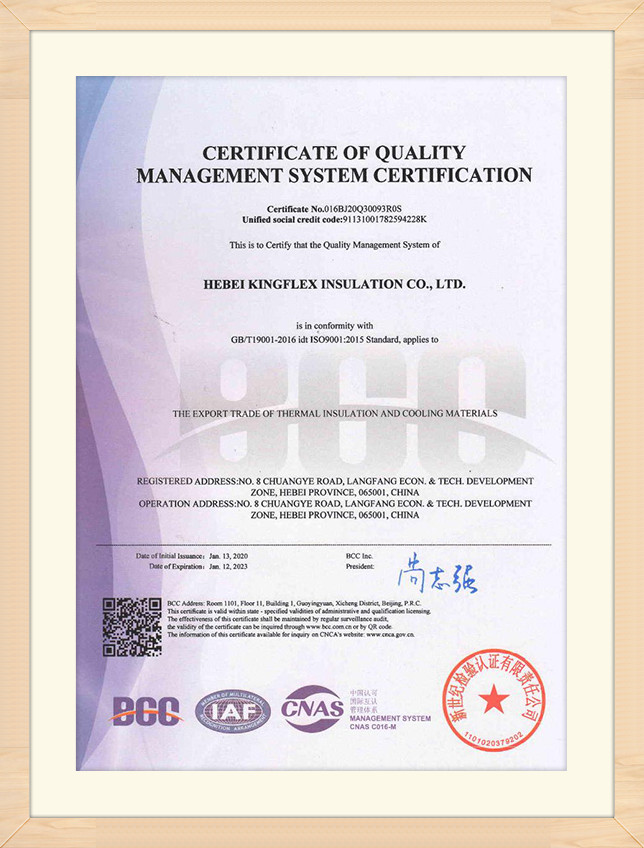
Kingflex insulation is designated by the Chinese Ministry of Energy, Ministry of Electric Power, and Ministry of Chemical Industry for critical national projects. We export to over 66 countries, maintaining international certifications to meet the standards of diverse markets.
Compliance Certifications Include:
  • BS 476 Part 7 Class 1 & Part 6 Class 0 - Premium Fire Safety rating
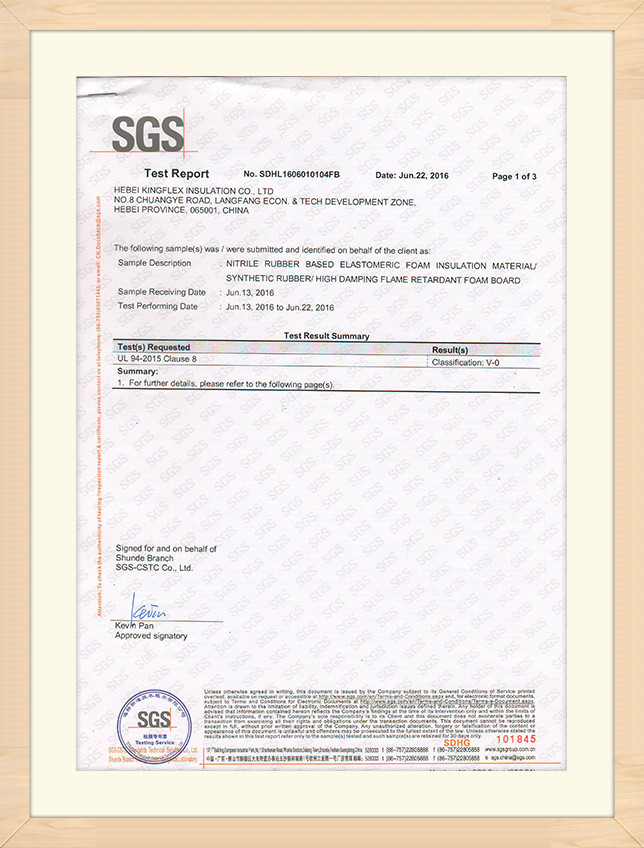
  • CE & UL94 - European safety compliance and plastic flammability testing
  • REACH & RoHS - Eco-friendly and hazard-free polymer formulas
  • ASTM C534 - Standard specification for preformed flexible elastomeric cellular insulation
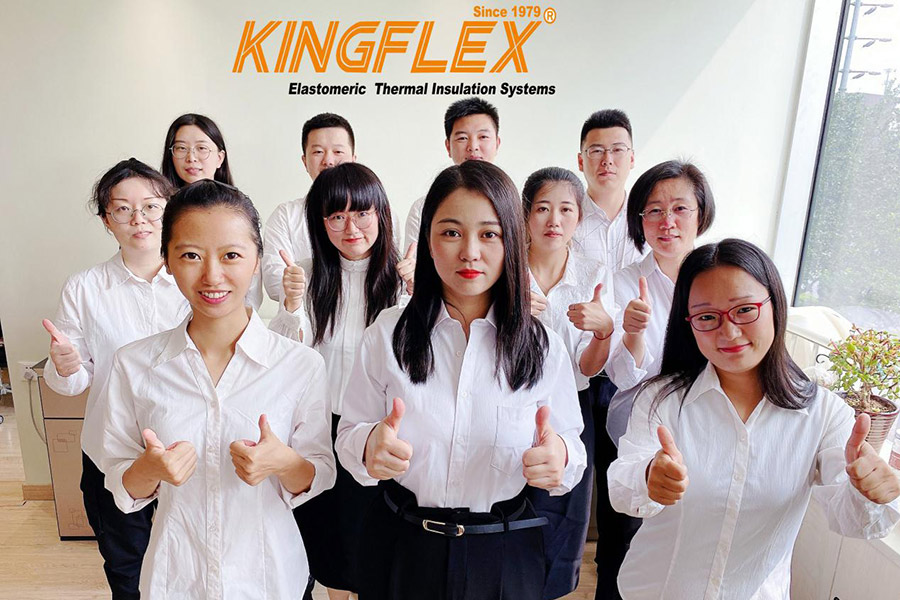
Kingflex Technical Sales and R&D Team

Why Procurement Directors Partner with Kingflex (China Factory Advantages)

Strategic geographic location, specialized manufacturing ecosystems, and advanced process automation ensure high-volume output and reliable quality.

Dacheng Green Cluster Advantage

Located in the Dacheng green building materials cluster, Kingflex works with nearby chemical suppliers, polymer raw material compounders, and logistics networks. This helps control material acquisition costs while securing high-grade rubber and PVC polymers.

Continuous Automated Extrusion

Our five automatic assembly lines run continuous extrusion and micro-foaming vulcanization. This keeps cell structures uniform and guarantees consistent wall thickness. It also prevents internal voids that are common with manual batch production.

Cost Efficiency and Scalability

Advanced automation reduces waste and optimizes energy consumption. Because we operate at high volume (600,000+ cubic meters annually), we can offer cost advantages to global distributors and large infrastructure projects without compromising raw materials or density.

Global Enterprise Procurement & Solutions Flow

Large infrastructure operations need more than simple product shipments. We work with engineering partners to provide complete solutions, including custom packaging, technical design support, custom wall thicknesses, and site installation supervision.

Phase 1: Deep Specification Aligning Assessing the thermal properties, dew point, and local conditions (relative humidity, ambient air temperature) of the target pipeline system.
Phase 2: Custom Prototyping & Testing Providing samples for thermal conductivity, water permeability, and fire ratings to ensure compliance with local building codes.
Phase 3: Automated Mass Production Running materials through continuous automated lines, then using batch barcoding to trace raw materials and test results.

Kingflex Standard Dimensions & Technical Specifications

Verify the precise mechanical, thermal, and dimensional specifications of our rubber foam product lines before placing a bulk order.

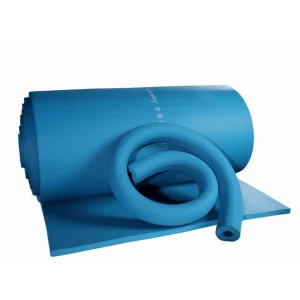
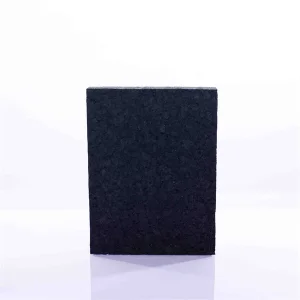
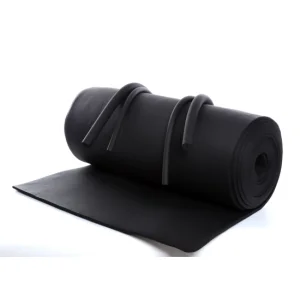
Black Rubber Foam Insulation Sheet Roll

Specifically engineered for large-diameter pipelines, ventilation ductwork, storage vessels, and flat industrial surfaces. Our sheet rolls provide high flexible resilience, ensuring tight seams and easy cutting around complex shapes.

  • Base Compound: Acrylonitrile Butadiene Rubber (NBR) & Polyvinyl Chloride (PVC)
  • Standard Thicknesses: 6mm, 9mm, 13mm, 19mm, 25mm, 32mm, 40mm, 50mm
  • Bulk Density Range: 40 - 55 kg/m³
  • Operating Temperature Range: -40℃ to 105℃
  • Moisture Resistance: Closed-cell structure (>98% cell density) prevents water absorption
Black Rubber Foam Insulation Sheet Roll Specs

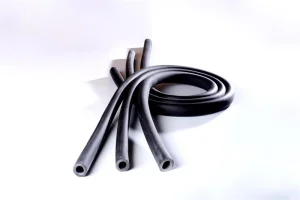
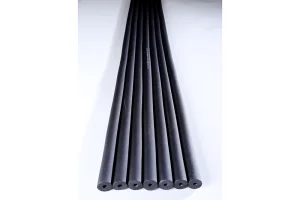
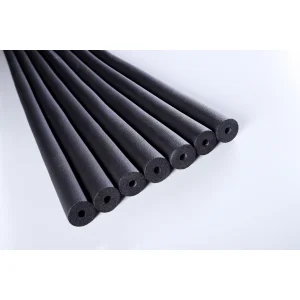
Black Rubber Foam Insulation Pipe / Tube

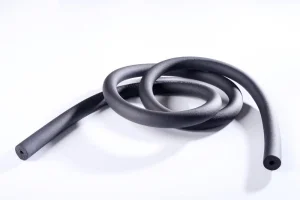
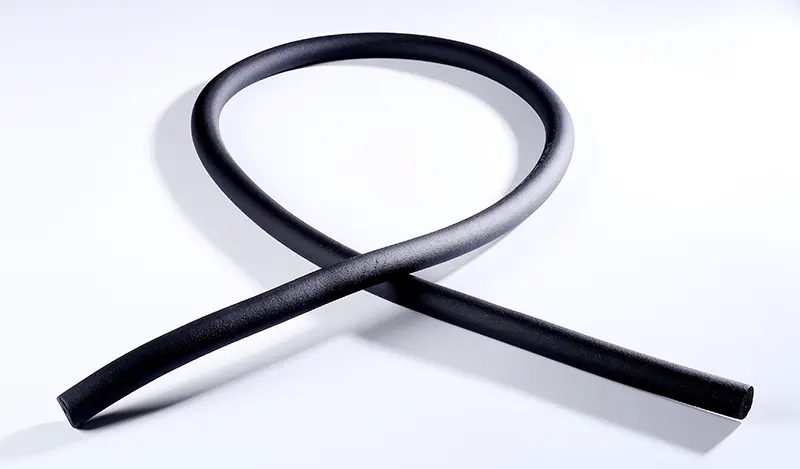
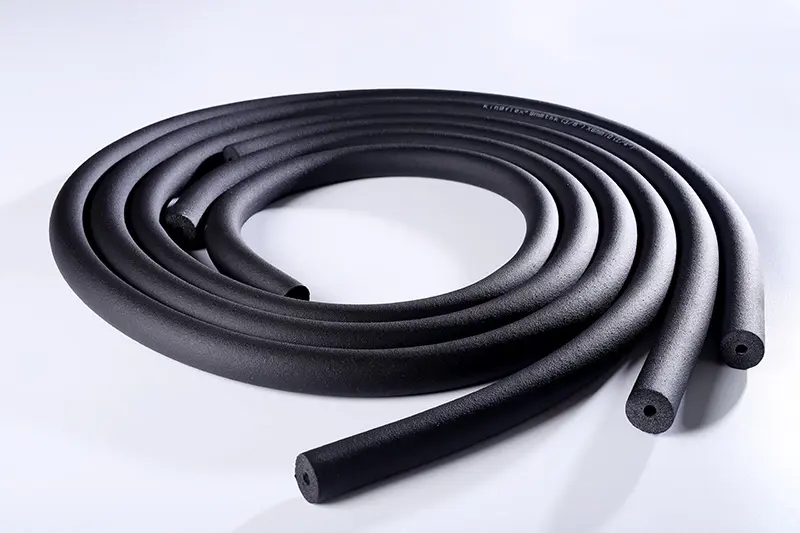
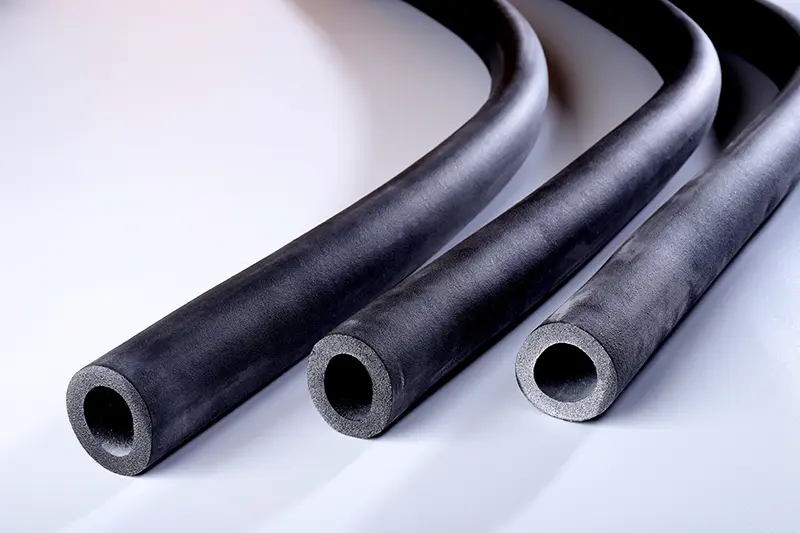
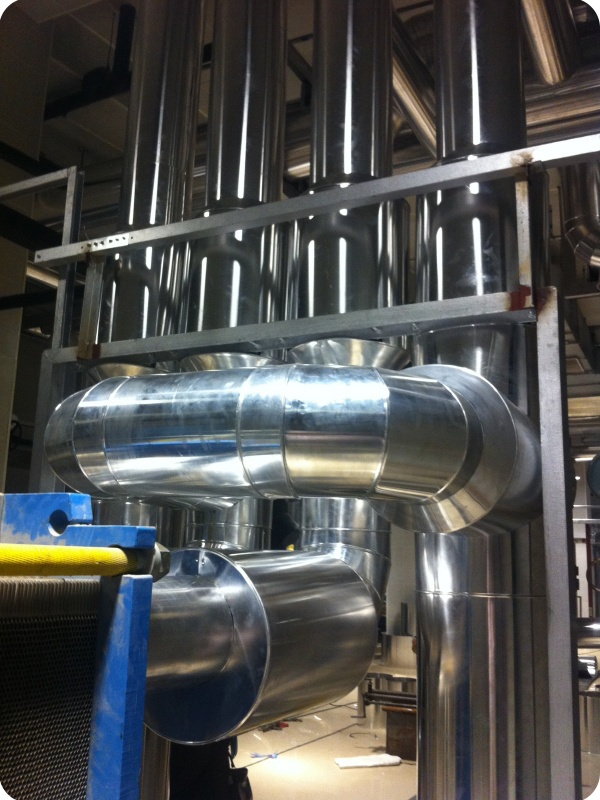
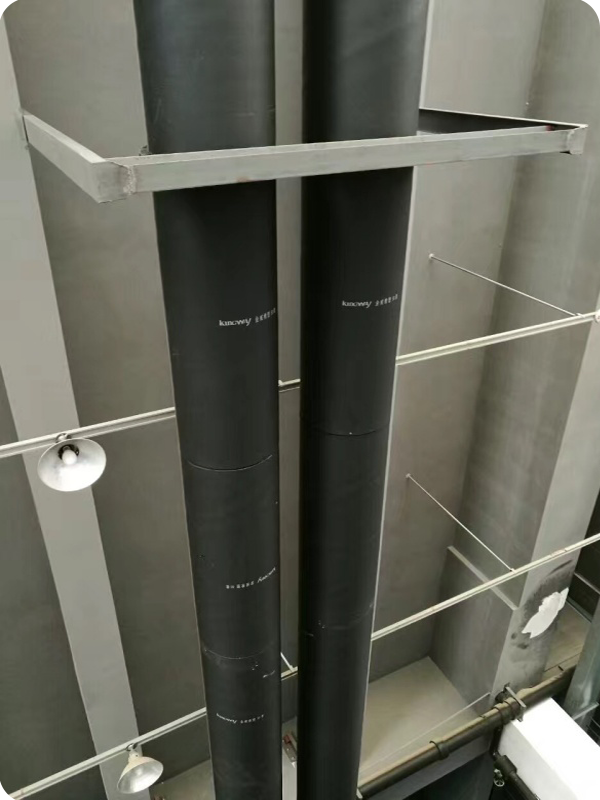
Pre-extruded tubes designed to slide easily onto copper, steel, or iron pipes. Our precise internal diameters make installation faster and reduce the need for field cutting on long pipe runs.
  • Internal Diameters (ID): 6mm to 114mm
  • Available Thicknesses: 9mm, 13mm, 19mm, 25mm, 32mm, 40mm
  • Precision Coatings: Available with aluminum foil facing or self-adhesive backings
  • Elastic Resilience: Compression resilience over 80% prevents permanent deformation
  • Applications: Condensate lines, commercial HVAC chilled water lines, geothermal pipe loops
Black Rubber Foam Insulation Pipe Specs

Global Project Applications & Macro Industry Solutions

From central HVAC systems in public buildings to cryogenic pipe networks in LNG terminals, Kingflex products perform under demanding industrial conditions.

HVAC & Building Services

Prevents condensation drip and energy loss in central air conditioning chilled water pipes, condensate loops, and duct networks in commercial malls, hotels, and hospitals.

Cryogenic & LNG Pipe Isolation

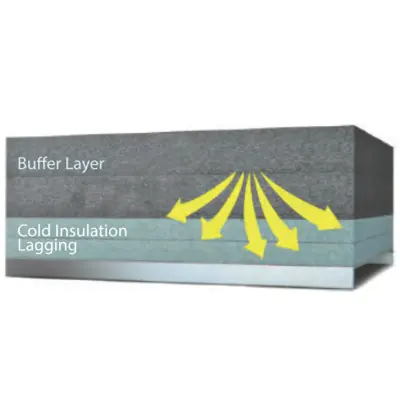
We supply specialized low-temperature, ultra-low-temperature elastomeric foam designed to withstand extreme cold. This system stops thermal exchange and vapor ingress in storage tanks, gasification terminals, and cold pipelines down to cryogenic levels.

Acoustic Dampening & Noise Reduction

High-density NBR foam boards damp structural vibrations and absorb airborne noise in ventilation casings, machine rooms, industrial plants, and rail transit coach floors.

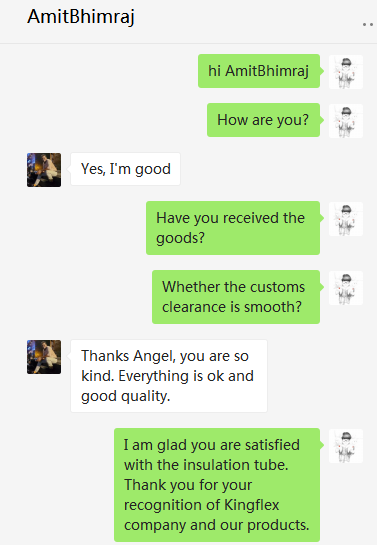
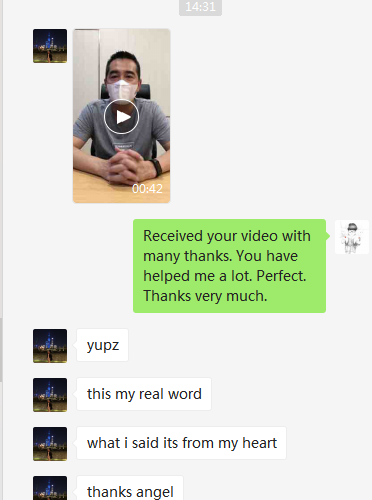
Featured Project Sites and Client Communications

Quality Control Inspection of Extruded Tubes

Strict Manufacturing Quality Assurance (QA)

Our quality assurance process begins with raw material inspection. We verify the molecular purity of rubber polymers and fire-retardant additives before they enter the mixer. During extrusion, laser sensors monitor the dimensions of the foam sheet and pipe products, keeping sizing within strict limits.

Each production run receives a unique batch code. This code links to physical test results, including density measurements, K-value checks, and fire behavior tests. If a product does not meet our standards, it is removed from the batch before packaging.

Key Industry Trends: The Future of Elastomeric Insulation

Global regulatory updates, energy efficiency targets, and environmental initiatives shape the evolution of polymer foaming technologies.

1. Low smoke and non-toxic formulations

Fire codes are becoming stricter worldwide. Next-generation NBR/PVC foams use halogen-free, non-toxic additives that minimize smoke density and acid gas generation during fire events, meeting standard requirements like Euroclass B-s1,d0.

2. Automated smart production

Modern factories are moving toward AI-driven line monitoring. Continuous feedback systems track density and thermal conductivities in real time, adjusting vulcanization variables automatically to keep product properties consistent.

3. Zero-ODP & low-GWP foam expansion

As sustainability regulations tighten, manufacturers are using chemical foaming agents with zero Ozone Depletion Potential (ODP) and low Global Warming Potential (GWP) to reduce the environmental footprint of production.

Frequently Asked Questions: Specifications, Installation & Sourcing

Find technical answers about material performance, installation methods, and global procurement directly from our engineering team.

Q1: What is elastomeric rubber foam insulation used for? +
It is primarily used for commercial and industrial HVAC ducts, air conditioning piping, building thermal envelope components, high-density acoustic dampening, and cold/chilled water pipelines to prevent energy loss and surface condensation.
Q2: Is Kingflex rubber foam insulation fire resistant? +
Yes. Kingflex rubber foam is formulated with fire-retardant additives, allowing it to meet international standards such as Class 0 and Class 1 of British Standard BS 476, CE standards, and UL94 flammability ratings.
Q3: What is the difference between rubber foam and rock wool insulation? +
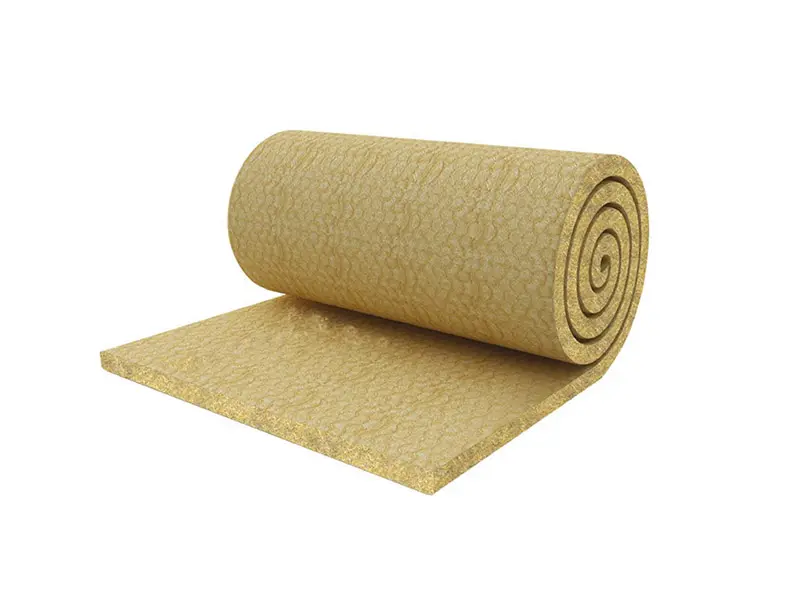
Rubber foam is a flexible, closed-cell material with high built-in moisture resistance, making it suitable for cold processes, chilled water lines, and HVAC systems. Rock wool is an open-fiber mineral structure that excels in high-temperature settings and structural fire barriers, but it requires a separate vapor barrier to prevent water ingress.
Q4: Do you provide customized insulation products? +
Yes, we offer OEM and ODM services. We can customize sheet thicknesses (6mm to 50mm), pipe internal diameters, backing adhesives, and surface finishes like aluminum foil facing or protective cladding.
Q5: What certifications do your products have? +
Our materials are certified under BS 476, CE, REACH, RoHS, UL94, and ASTM C534. This ensures compliance with environmental, performance, and safety codes in international markets.
Q6: Does Kingflex products have traceability? +
Yes. Every production run has a distinct batch tracking barcode. This code tracks the raw material mix, process parameters on the extrusion line, and quality control test records.
Q7: What thickness of Rubber foam insulation sheet roll can you produce? +
We produce sheet rolls in thicknesses ranging from 6mm to 50mm, allowing engineers to choose the right depth for their specific thermal design.
Q8: What is the service life of rubber plastic pipe and board? +
When installed correctly and protected from UV exposure, our rubber foam systems typically have a service life of 10 to 15 years.
Q9: How do you prevent shrinkage in elastomeric foam installations? +
To prevent shrinkage, never stretch the insulation during installation. Always cut lengths 5mm to 10mm longer than the target pipe measurement and slide the joints together under slight compression. Use high-quality contact adhesive to seal all seams and joints securely.
Q10: Can rubber foam insulation be used on hot water pipelines? +
Yes, our standard NBR/PVC foam handles operating temperatures up to 105°C. For steam lines or higher temperatures, we recommend rock wool or specialty high-temperature EPDM insulation systems.

Commercial Tubes, Technical Liners & Accessories

Explore the remainder of our engineered product range, complete with direct access to our manufacturing team.
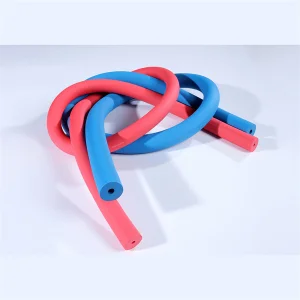
Wholesale Kingflex Rubber Foam Insulation Tube

Wholesale KINGFLEX Brand Rubber Foam Insulation Tube (High Efficiency)

View Details & RFQ
Wholesale Cryogenic Rubber Foam Insulation

Wholesale Cryogenic Rubber Foam for Low & High Temp Insulation Factory

View Details & RFQ
Wholesale Kingflex Soundproof Insulation Sheet

Wholesale Kingflex Open Cell Flexible Soundproof Insulation Sheet Manufacturers

View Details & RFQ
Wholesale Ultra Low Temperature Systems

Wholesale Ultra Low Temperature Cryogenic Insulation Systems Manufacturer

View Details & RFQ
Wholesale Insulation Rubber Foam

Wholesale Industrial Thermal Insulation Rubber Foam Material Factory

View Details & RFQ
China Kingflex Pipe Insulation Factory

China Kingflex Closed Cell Flexible Rubber Foam Pipe Insulation Factory

View Details & RFQ
Wholesale Kingflex Foam Insulation Supplier

Wholesale Kingflex Foam Rubber Pipe Insulation Supplier, Factory

View Details & RFQ
Wholesale Rubber Foam Insulation Tube Suppliers

Wholesale Closed Cell Rubber Foam Insulation Tube Suppliers, Factory

View Details & RFQ

Standard Technical Reference & Custom Spec Variants

Verify options, surface finish types, and product configurations below.