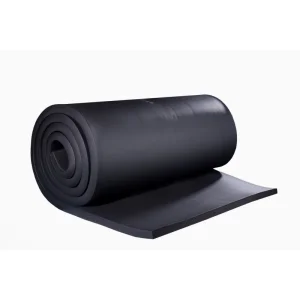
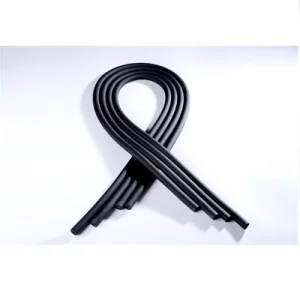
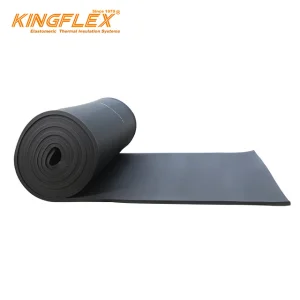
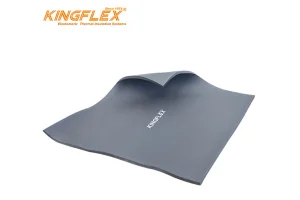
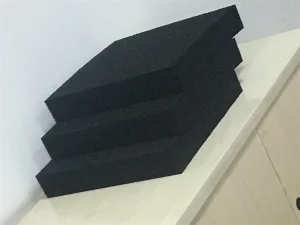
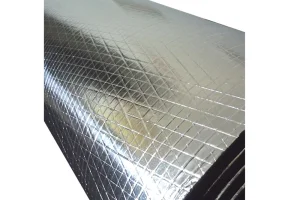
Premium closed-cell and open-cell elastomeric solutions designed to eliminate acoustic resonance and maximize thermal efficiency.
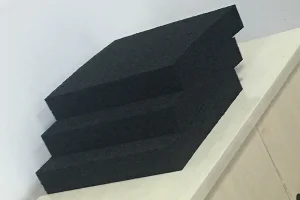
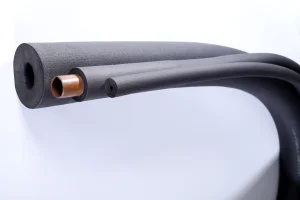
Analyzing industry noise control demands, energy directives, and the science of elastomeric acoustic control.
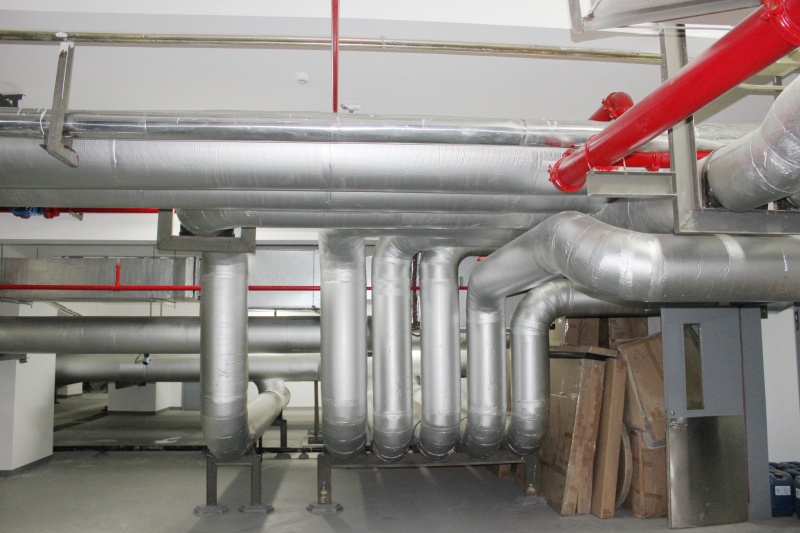
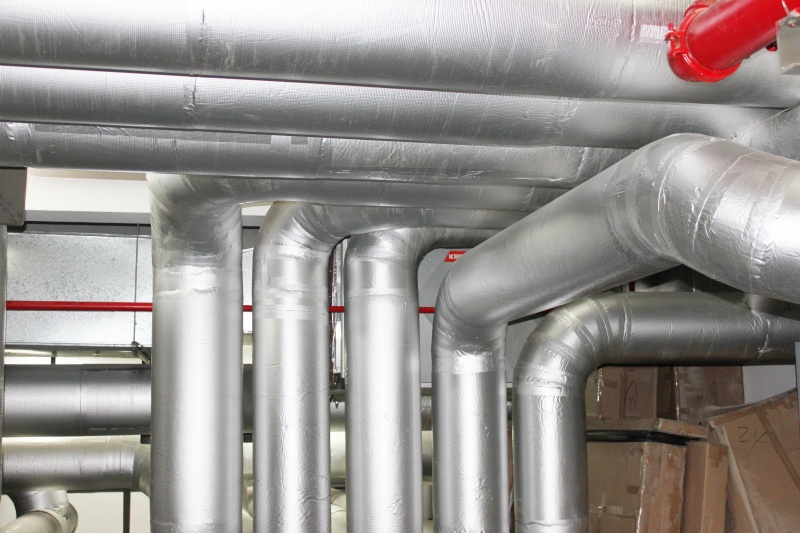
As commercial architecture moves towards lightweight structural designs and high-capacity HVAC systems, noise pollution has emerged as a primary environmental challenge. In high-rise residential properties, hospitals, cleanrooms, and data centers, high air velocities coupled with mechanical vibrations propagate severe structural and airborne noise. Effective sound dampening at the source—internally lining the ductwork with engineered elastomeric rubber foam materials—mitigates low, medium, and high-frequency sound waves.
Traditional fibrous insulation carries the risk of particulate shedding, which degrades Indoor Air Quality (IAQ). Modern engineered NBR/PVC elastomeric rubber foam sheets, boasting a closed-cell or engineered open-cell structure, solve this issue. They do not emit micro-fibers, possess a high moisture-vapor barrier, and feature exceptional Noise Reduction Coefficients (NRC), satisfying stringent mechanical standards worldwide.

Increasingly stringent urbanization noise ordinances (such as the EU Environmental Noise Directive and WHO regional guidelines) are pushing commercial developers to demand high-grade elastomeric acoustic linings. High-performance HVAC duct systems are no longer evaluated solely on heating or cooling capacity, but on their operational acoustic decibel (dB) footprint.
HVAC systems contribute significantly to building energy consumption. Solutions must perform dual roles: high acoustic absorption alongside low thermal conductivity. Utilizing elastomeric rubber foam with a high thermal resistance (R-value) prevents thermal bridging and condensation in localized environments, reducing chiller loads globally.
In municipal construction, class-rated performance against fire is critical. Product lines must meet local codes such as BS 476 Part 7 Class 1 (or Class 0 ratings), UL 94, and ASTM E84, ensuring that the sound-dampening insulation does not fuel flames or produce hazardous toxic smoke during fire emergencies.
Pioneering the industrial development of high-density thermal and acoustic elastomeric structures in Dacheng, China.
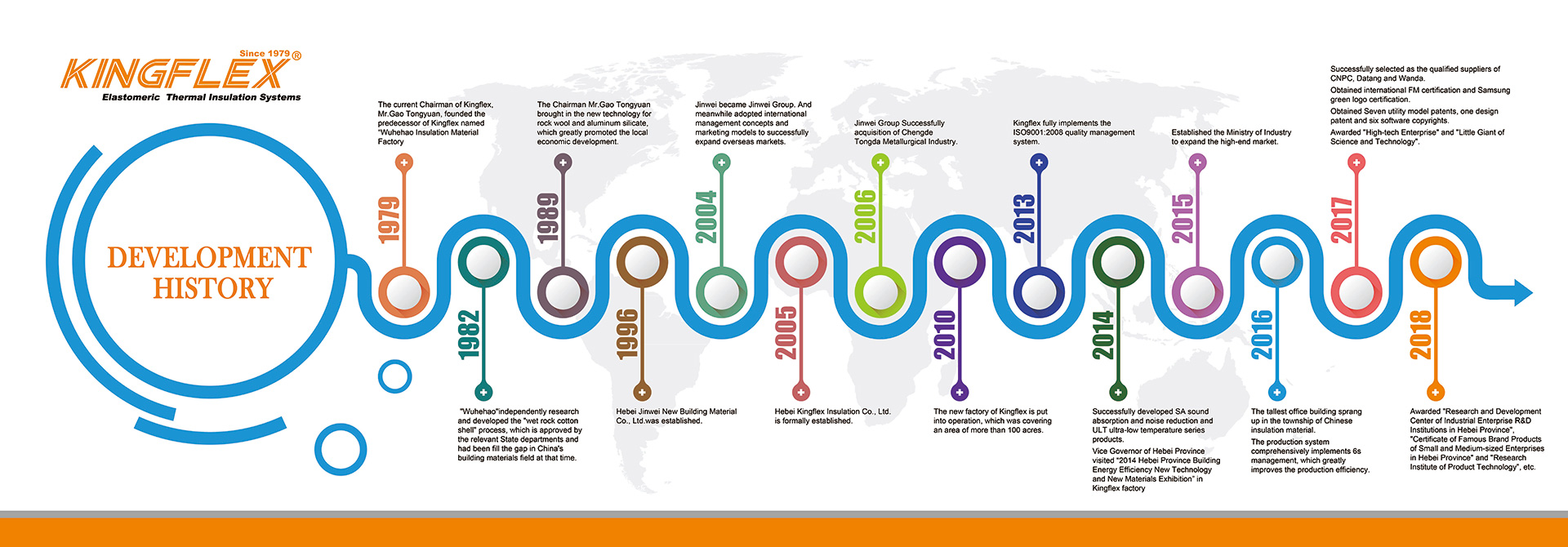
Established by the Jinwei Group, which boasts a rich heritage dating back to 1979, Kingflex has grown from the first manufacturer of thermal insulation materials north of the Yangtze River to a modern global market supplier. Today, the Kingflex research, development, and production facility is nestled in Dacheng, China—renowned as the capital of green-building materials.
Operating as an energy-saving, environmentally conscious enterprise, Kingflex bridges the gap between massive manufacturing capability and advanced research, development, and customized product options. By concentrating on energy conservation and consumption reduction, our team supports projects from initial consultation and tailored thickness configurations to installation oversight and localized technical support.
Providing ultimate project reliability through rigorous testing procedures, premium formulations, and validated performance certifications.
Our dedicated R&D department, consisting of eight professional engineers, collaborates with international testing labs to refine the physical, chemical, thermal, and acoustic properties of NBR/PVC elastomeric rubber. This enables Kingflex products to successfully navigate international structural codes, providing structural compliance for high-value tenders.
Our solutions have been tested and certified under global standards, including:
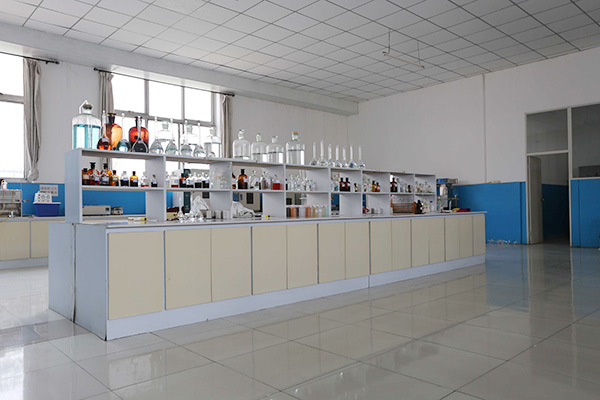

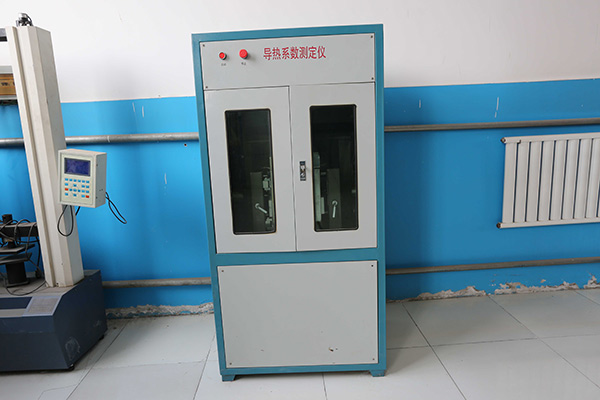
Over 230 specialized workers operating 5 high-speed automated lines under continuous quality monitoring.
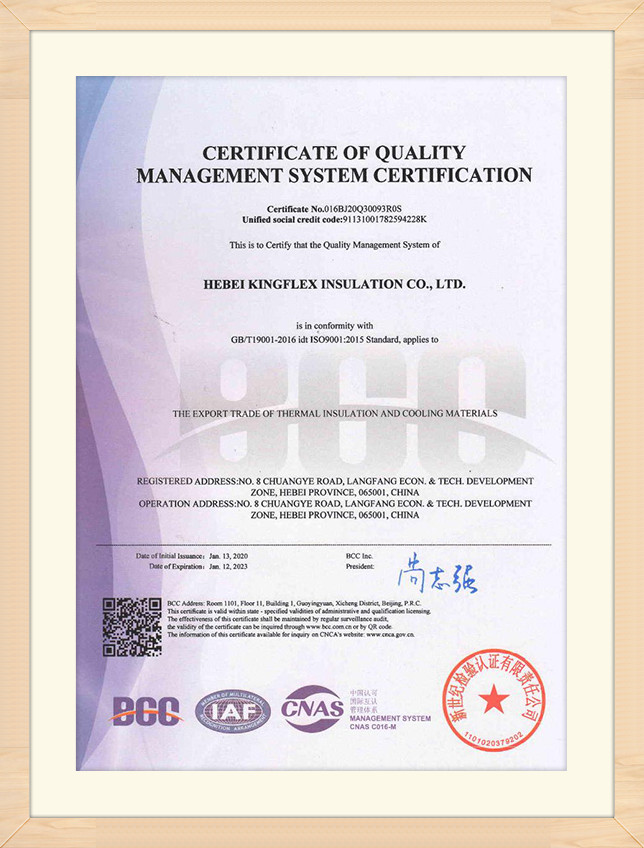
ISO system controls covering chemical blending, extrusion, foaming, splitting, and packing.

Dedicated export logistic specialists ensuring safe delivery and tracking across 66 countries.
Tracing advancements in elastomeric materials, acoustic barriers, and sustainable engineering initiatives.
Developing micro-cellular formulations to lower the thermal conductivity coefficient to ≤ 0.034 W/(m·K) at 0°C. Focus remained on structural moisture prevention and condensation control inside sheet lines.
Integrating semi-open structures to balance high-end noise absorption (NRC values of 0.60 to 0.85) with mechanical strength and fire resistance, utilizing optimized cross-linking agents during vulcanization.
Adding reflective aluminum foils, glass cloth, or composite visco-elastic layers to target structural low-frequency vibrations (50Hz-250Hz), primarily for heavy industrial and LNG setups.
Transitioning to bio-derived NBR polymers and chlorine-free compounding agents to shrink the carbon footprint of structural elements, aligning with next-generation LEED Zero carbon goals.
How Kingflex insulation and dampening solutions support high-spec engineering requirements across sectors.
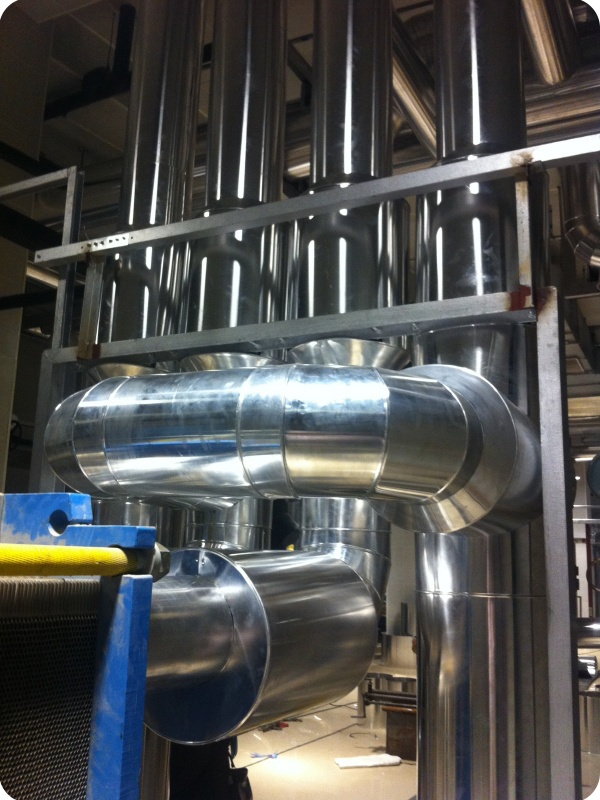
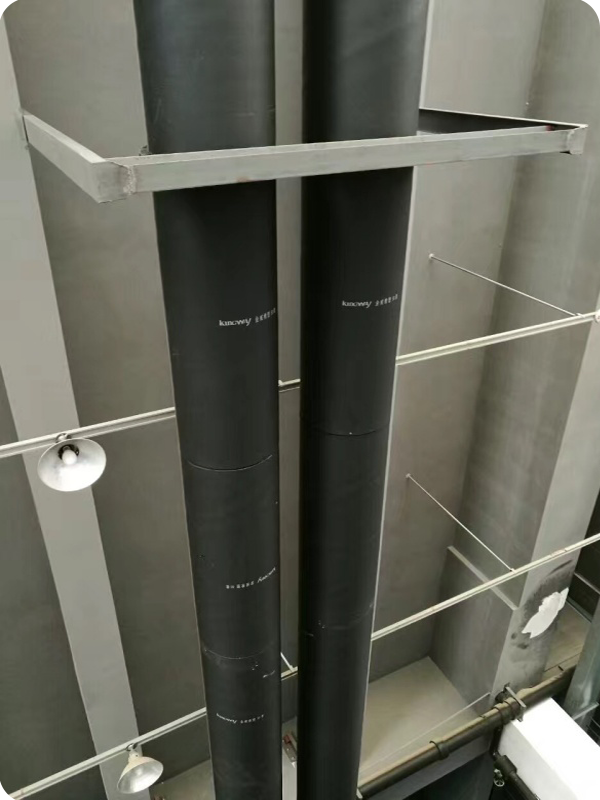
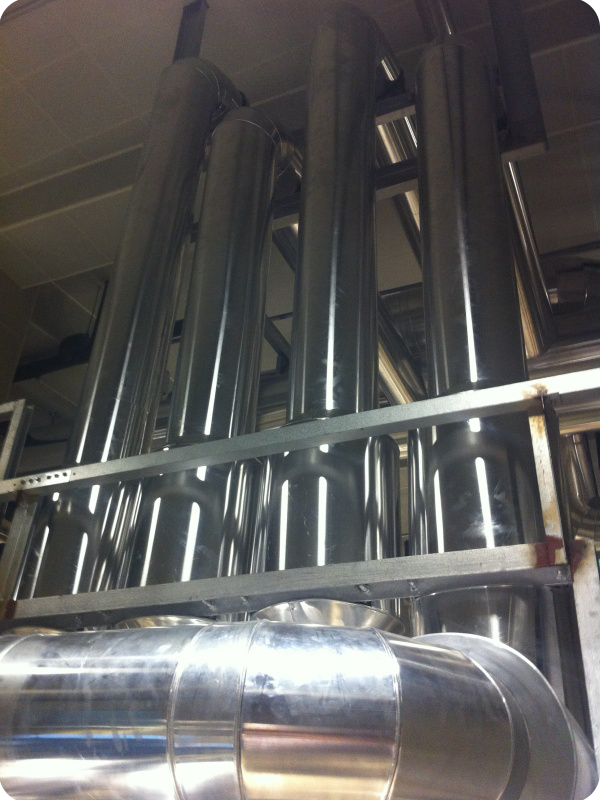
Different structures demand specific dampening strategies. High-velocity duct lines in data centers require materials that resist air erosion, preventing loose fibers from short-circuiting electrical contacts. In LNG storage and maritime process pipelines, extreme cryogenic temperatures require thermal layers that remain flexible under extreme sub-zero conditions (-196°C) without developing micro-cracks.
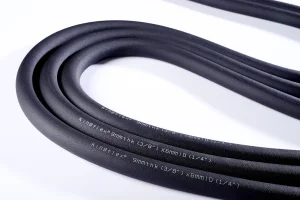
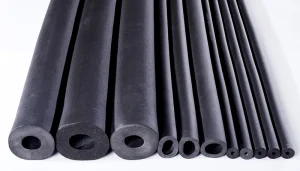
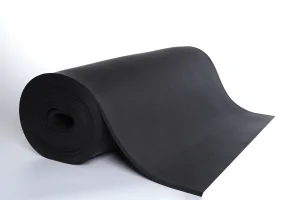
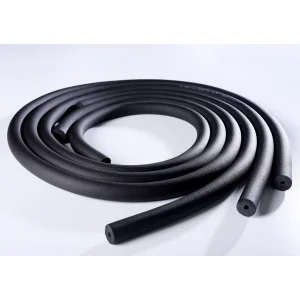
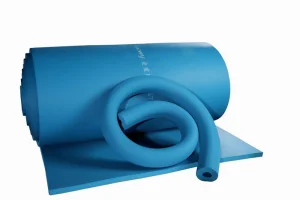
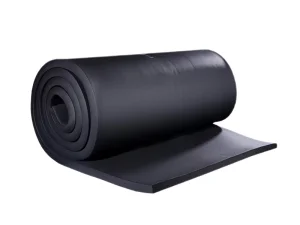
For high-traffic buildings like hospitals, office towers, and hotels, the priority centers on fire safety combined with structural decoupling. Our NBR/PVC sheets and rubber pipes prevent structural noise transfer from machine rooms, protecting the comfort of residents and occupants.

Standard Dimensions & Tolerances:
Material Advantages:
Standard Dimensions & Tolerances:
Technical Application Benefits:
Delivering consistent insulation quality and building international project relationships.


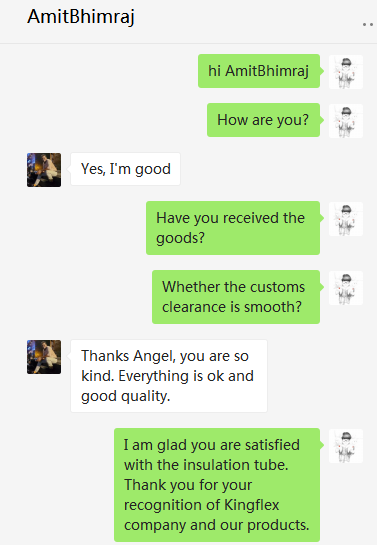


Our commitment to transparent operations is demonstrated through client interactions across multiple continents. From discussing density profiles in custom acoustic orders to verifying loading schedules for multi-container shipments, we maintain constant communication. Every project is backed by comprehensive traceability, ensuring quality consistency from batch blending to final onsite installation.
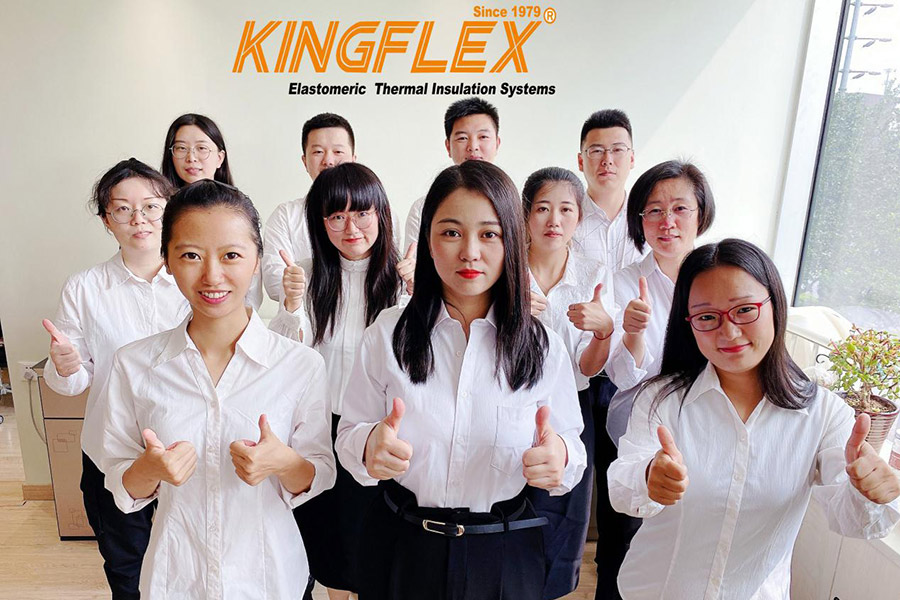
This operational transparency is why mechanical specifiers and industrial distributors in more than 66 countries choose Kingflex. Whether verifying ASTM thermal ratings or arranging custom thickness configurations, our engineers and sales support staff ensure a smooth, worry-free process.
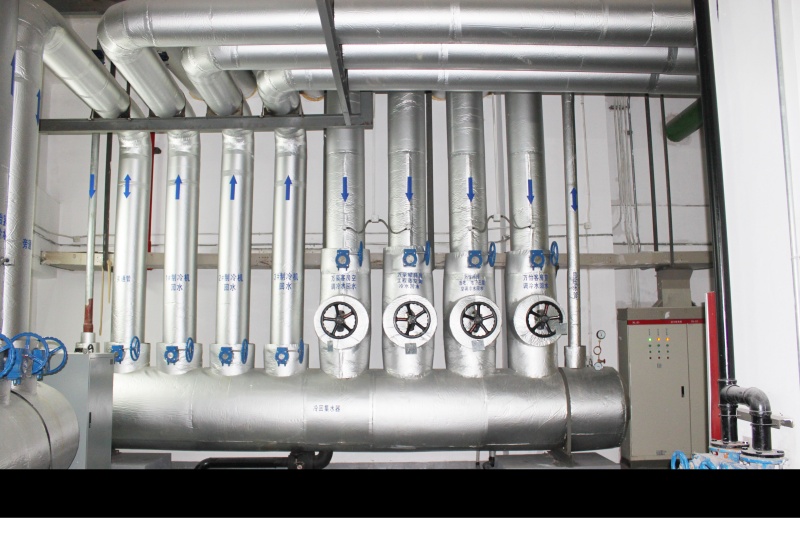


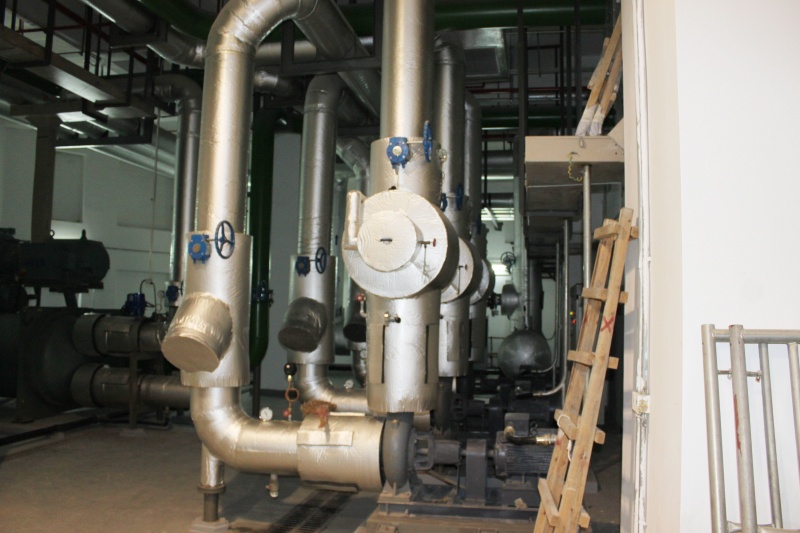
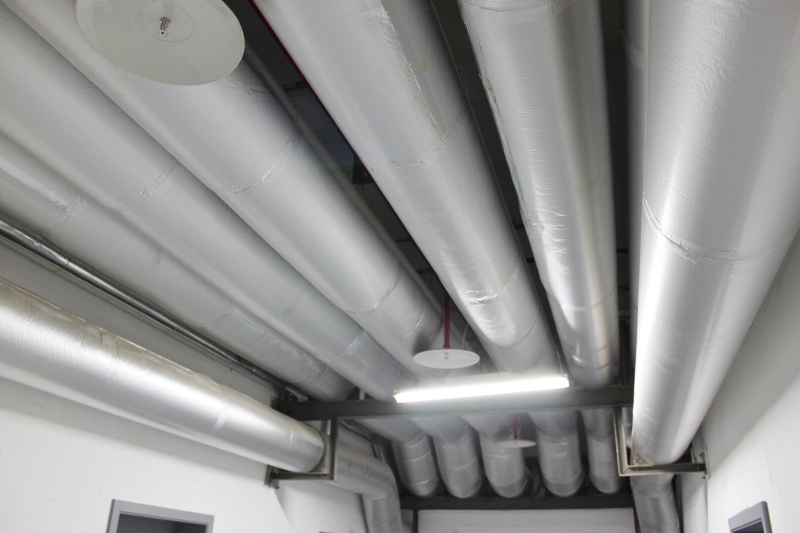

Get answers to common technical, manufacturing, and application inquiries regarding HVAC acoustic insulation.
A1: It is mainly used for HVAC ducts, air conditioning pipes, building thermal insulation, industrial pipeline cold insulation, and sound insulation.
A2: Yes, our rubber foam insulation is fire retardant, meeting the strict safety standards of building and industrial projects worldwide.
A3: Rubber foam is flexible, closed-cell, and moisture-proof, making it ideal for HVAC ducts, plumbing systems, and acoustic dampening. Rock wool is high-temperature resistant and fireproof, making it suitable for high-heat industrial applications.
A4: Yes, we provide full OEM/ODM support, allowing you to customize dimensions, wall thicknesses, adhesive backings, and exterior coatings to match specific project parameters.
A5: Our product lines have passed BS 476, CE, REACH, RoHS, UL 94, ASTM, and other international certifications, ensuring global quality and compliance.
A6: Yes, every production batch is logged with a unique batch number, tracking the material from raw compounding to the shipping container for full accountability.
A7: We can manufacture thicknesses ranging from 6mm up to 50mm, matching specific thermal resistance and sound-dampening needs.
A8: In standard indoor commercial operations, the service life ranges from 10 to 15 years, depending on environmental factors like humidity and temperature stability.
A9: When sound waves strike the elastomeric surface, their energy is absorbed and converted into thermal energy within the micro-cellular matrix, reducing noise transmission.
A10: Yes. Because our NBR/PVC foam is fiber-free and resistant to mold growth, it prevents particulate shedding, making it ideal for healthcare ventilation systems.
Custom-engineered thermal barriers, structural pipe coverings, and specialized low-temperature cryogenic systems.
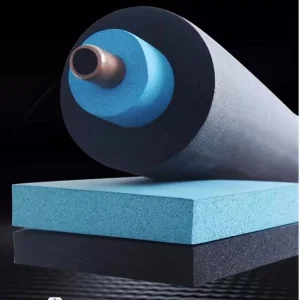
Delivering high-performance insulation solutions for demanding commercial and industrial systems.
With an annual capacity exceeding 600,000 cubic meters, Kingflex is a designated supplier for major energy, power generation, and chemical projects. Our 5 automated production lines guarantee constant output, ensuring we meet delivery schedules for large-scale developments.
Beyond our manufacturing capacity, our engineers provide project consultation, helping select the right density, fire-retardant properties, and dimensions. This hands-on support helps ensure compliance with local building codes, from high-rise office towers to industrial process facilities.
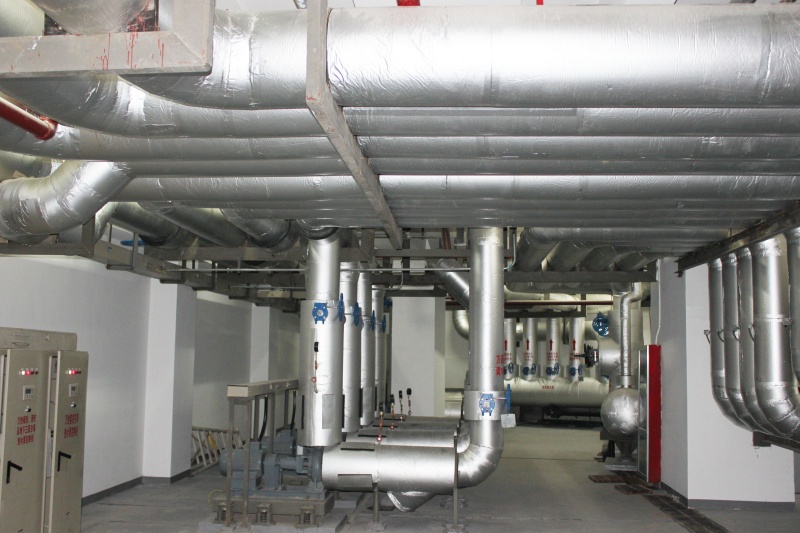
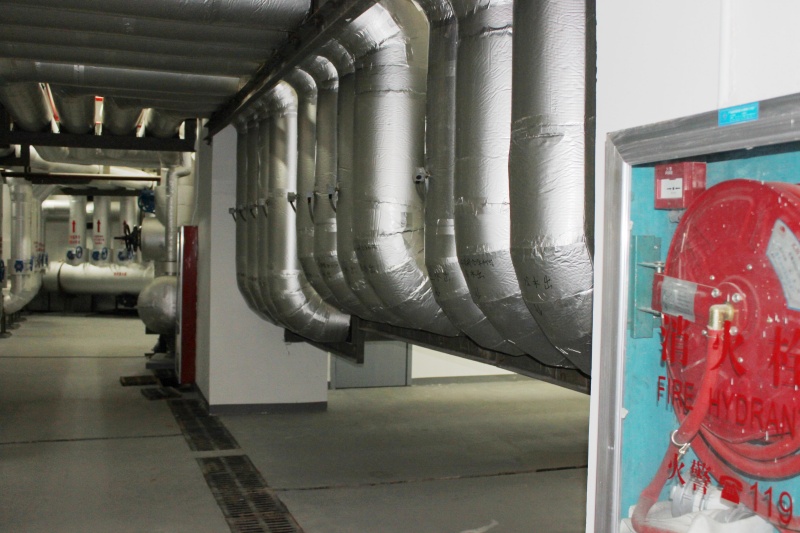
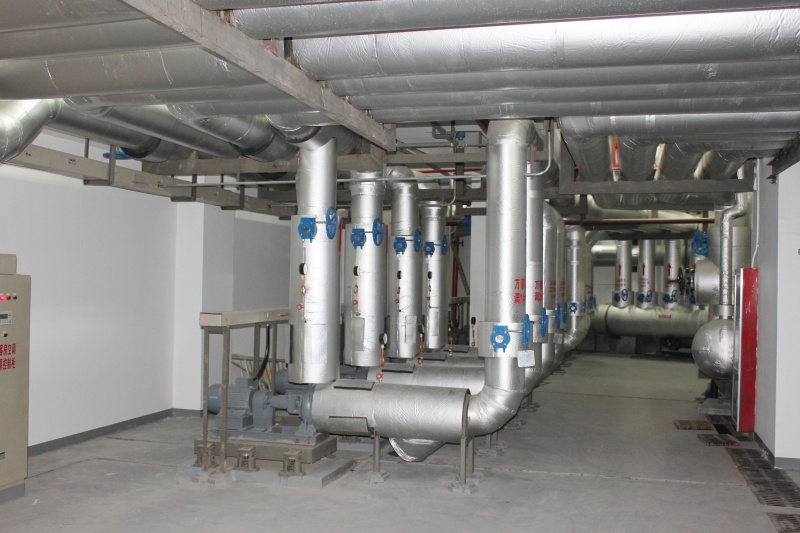
 Kingflex