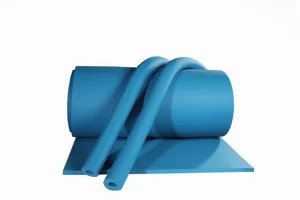
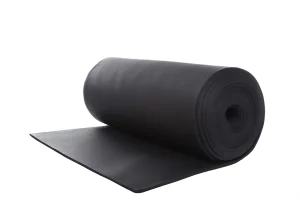
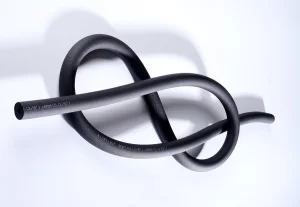
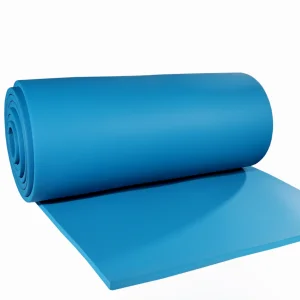
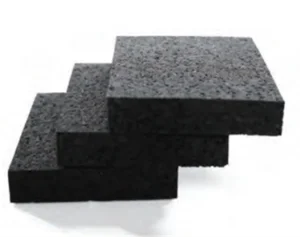
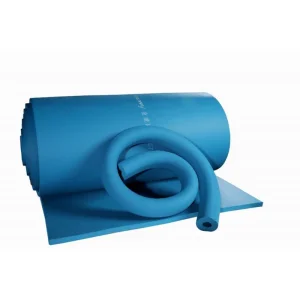
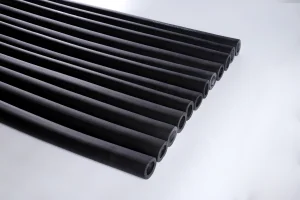
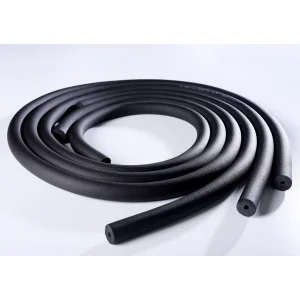
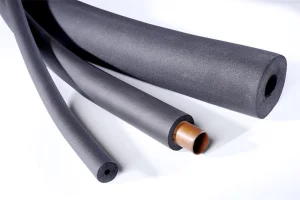
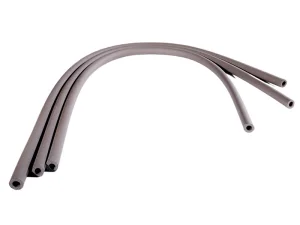
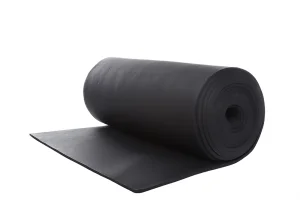
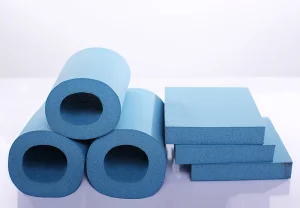
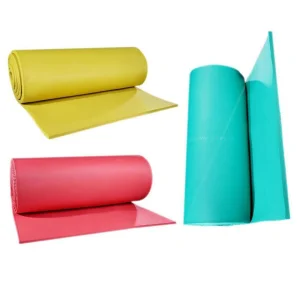
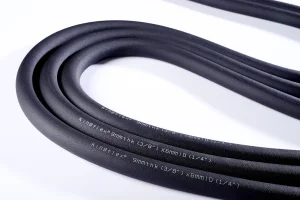
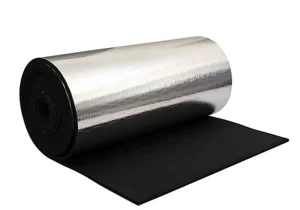
Explore our high-performance closed-cell elastomeric rubber foam sheets, rolls, and pipes optimized for energy efficiency and anti-condensation.
The expansion of Thailand's commercial infrastructure, high-tech manufacturing, and chemical process industries has created an unprecedented demand for high-efficiency HVAC configurations. As a prominent geographic hub in South-East Asia, Thailand exhibits a tropical wet-and-dry climate characterized by persistently elevated temperatures and high relative humidity. Under these environmental parameters, inadequate insulation of chilled-water distribution pipelines and air-distribution networks leads inevitably to condensation, structural corrosion under insulation (CUI), mold growth, and massive energy losses.
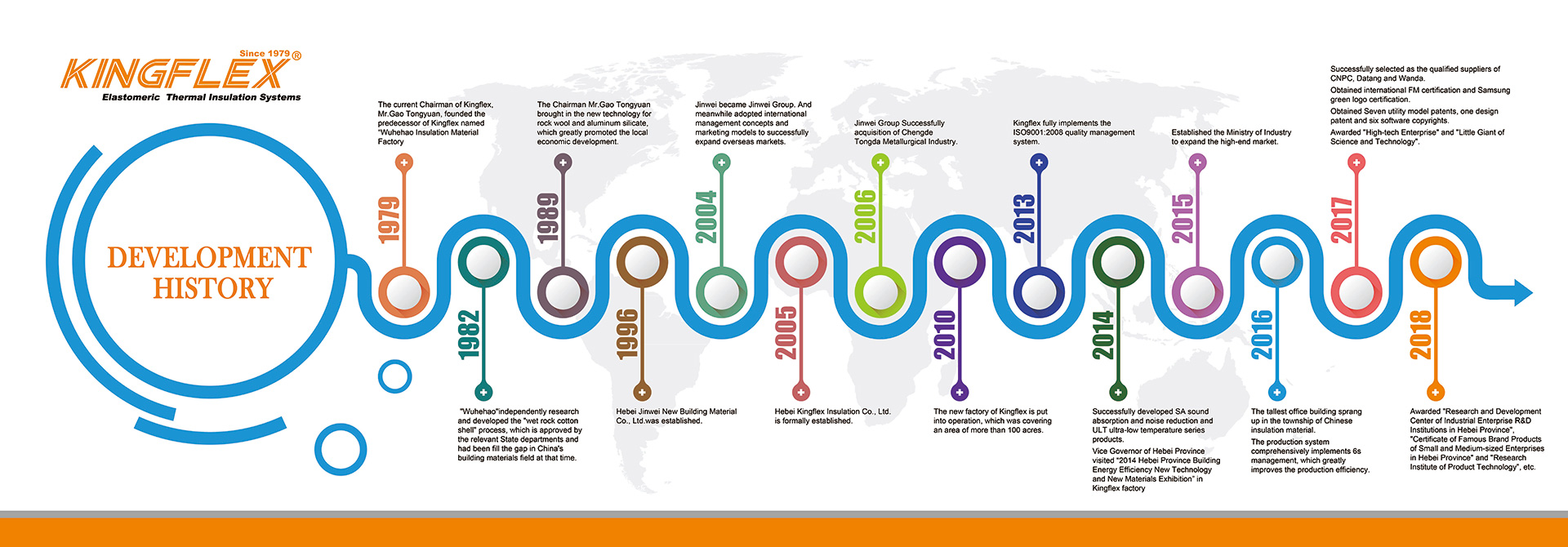
Kingflex Insulation Co., Ltd., backed by the 40-year legacy of the Jinwei/Kingway Group (established in 1979), stands as a pioneering global force delivering advanced elastomeric closed-cell rubber foam insulation systems. Our high-performance NBR/PVC elastomeric formulations are engineered to perform under the most challenging thermodynamic conditions, providing reliable thermal barriers, moisture protection, and acoustic attenuation.
Thailand is experiencing a significant industrial shift, notably driven by the Eastern Economic Corridor (EEC) development plan, which has accelerated the construction of semiconductor fabricators, automotive plants, food processing plants, and luxury commercial complexes. These cleanrooms and production spaces require extremely stringent climate stability. The HVAC design for these environments places strict demands on the durability and thermal resistance of insulation materials.
In tropical environments like Bangkok, Chonburi, or Rayong, the average outdoor dew point temperature frequently rises to 24°C or above. If a chilled water pipe carrying water at 5°C to 7°C is insulated with material that has a poor water vapor transmission rate or low thickness, surface condensation occurs immediately. This run-off water causes drywall damage, promotes hazardous indoor pathogens, and compromises mechanical efficiency. Thus, wholesale HVAC components must incorporate high-resistance factor (μ) materials to guarantee system longevity.
Traditional materials, such as fiberglass or rock wool, rely on trapped air within open fibers. While they work well in low-humidity heating applications, they fail in tropical cooling environments because moisture rapidly penetrates the fiber matrix. Water has a thermal conductivity ($\lambda$) of approximately 0.6 W/(m·K), which is roughly 17 times higher than static air. When water replaces air in porous insulation, the insulation performance collapses. Kingflex's closed-cell rubber foam features a cell matrix where over 98% of the cells are closed, providing a built-in water vapor barrier that maintains thermal integrity over the lifetime of the installation.
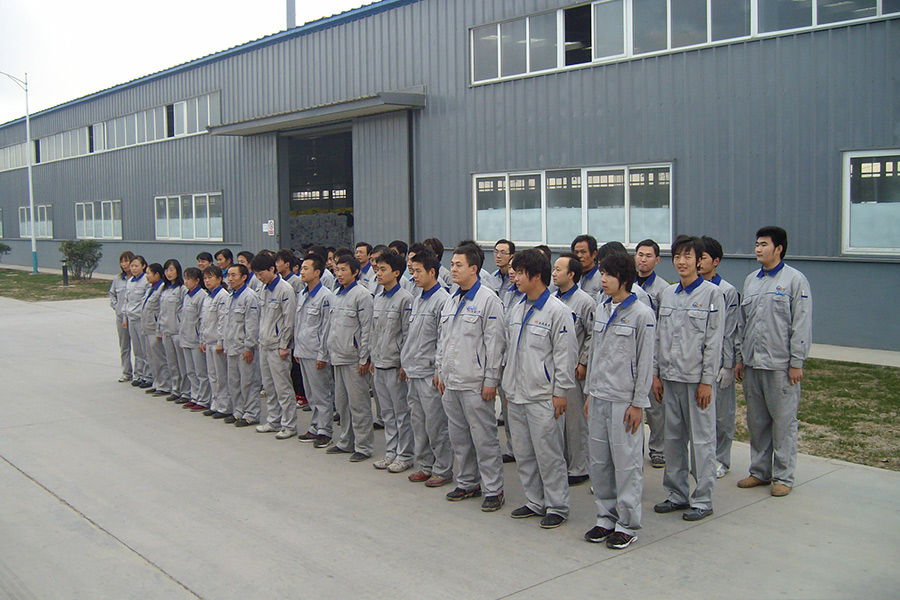
Kingflex operates at the forefront of green building material manufacturing. Located in Dacheng, China—a hub for energy-conserving environmental technology—our production campus operates 5 large-scale automated continuous foaming lines. This infrastructure delivers an annual production capacity exceeding 600,000 cubic meters.
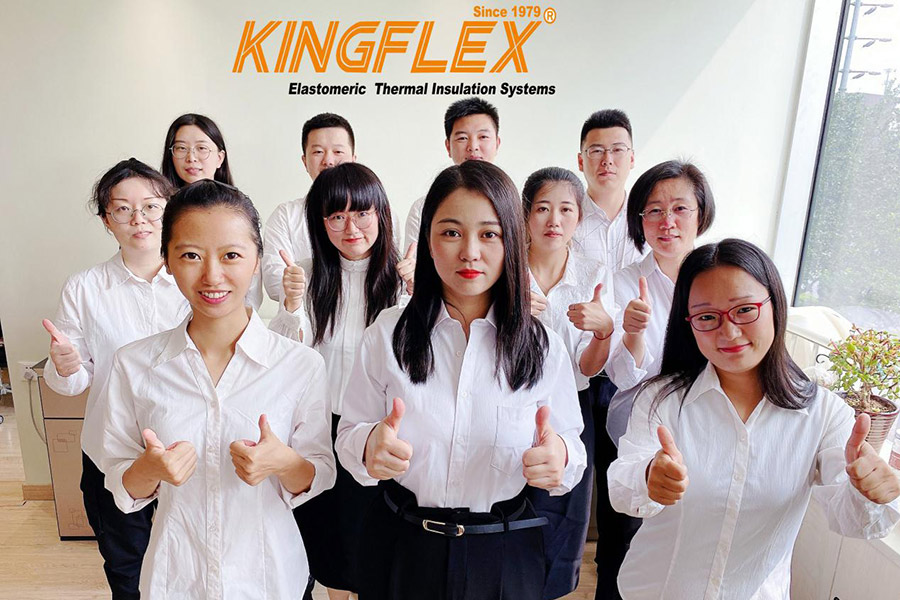
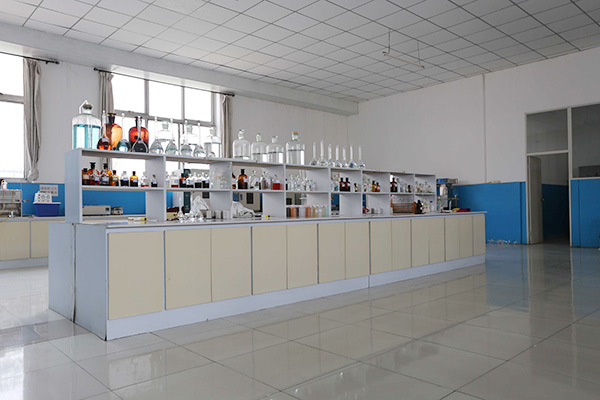
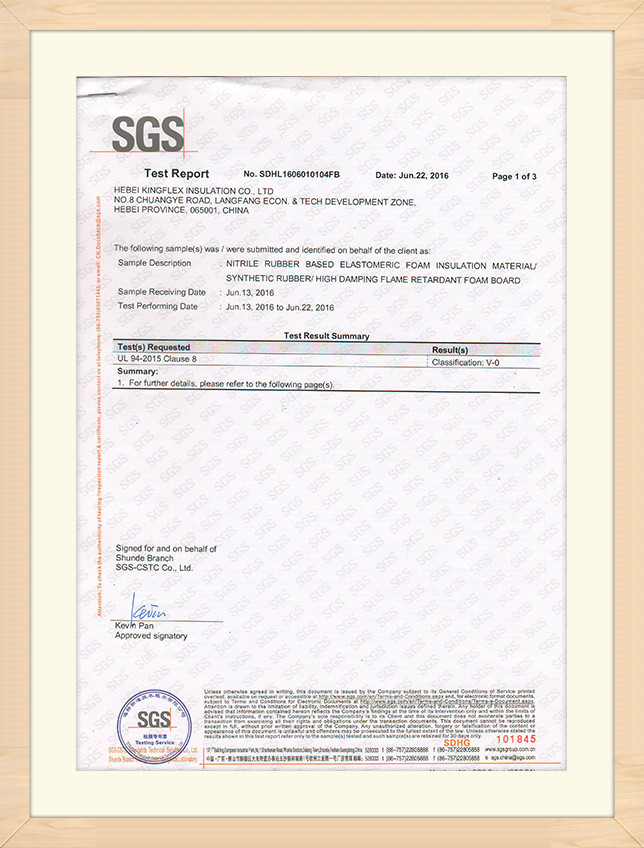
Our organization is a designated manufacturer certified by major administrative bodies in Energy, Electric Power, and Chemical Processing. Our dedicated R&D department houses 8 professional chemical and mechanical engineers who collaborate with international laboratories to formulate halogen-free, low-smoke, non-toxic elastomeric polymers. Each product batch complies with comprehensive global standards including BS 476, CE, REACH, RoHS, UL94, and ASTM.

As carbon neutrality regulations tighten globally, the HVAC industry must move toward sustainable life-cycle values. The Kingflex R&D roadmap targets zero-halogen formulations with improved flame retardancy without relying on brominated fire retardants. By integrating recycled organic materials into our NBR-PVC structures, we aim to reduce our carbon footprint while improving long-term thermal performance.
Additionally, we are exploring advanced outer cladding materials, such as multilayer aluminum foil laminates and UV-resistant thermoplastic elastomers. These solutions protect the insulation from weather and physical damage in outdoor installations.


Providing thermal stability, condensation control, and noise reduction across diverse mechanical applications.
Complete insulation for air ducts and water pipelines. Kingflex prevents condensation in environments with high relative humidity, reducing energy consumption and maintaining indoor air quality.
Engineered for low outgassing and high chemical resistance, our halogen-free series provides stable thermal barriers for semiconductor fabrication and pharmaceutical cleanrooms.
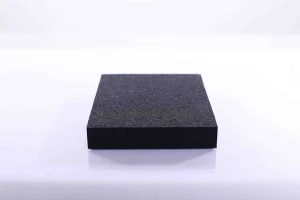
Our acoustic panels feature an optimized cell structure that dampens vibration and absorbs airborne noise. They are suitable for generator enclosures, mechanical rooms, and large air ducts.
Trusted in over 66 countries for commercial buildings, industrial piping, and ultra-low temperature cryogenic insulation.

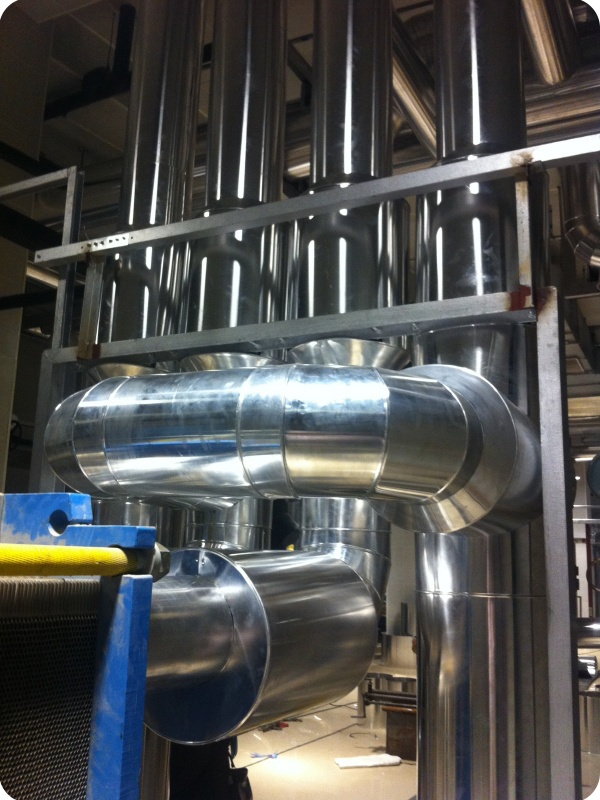
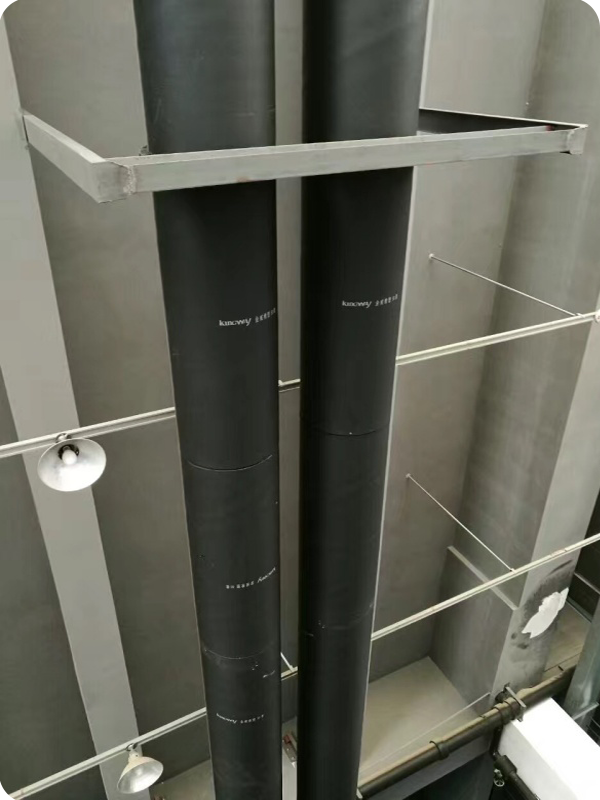
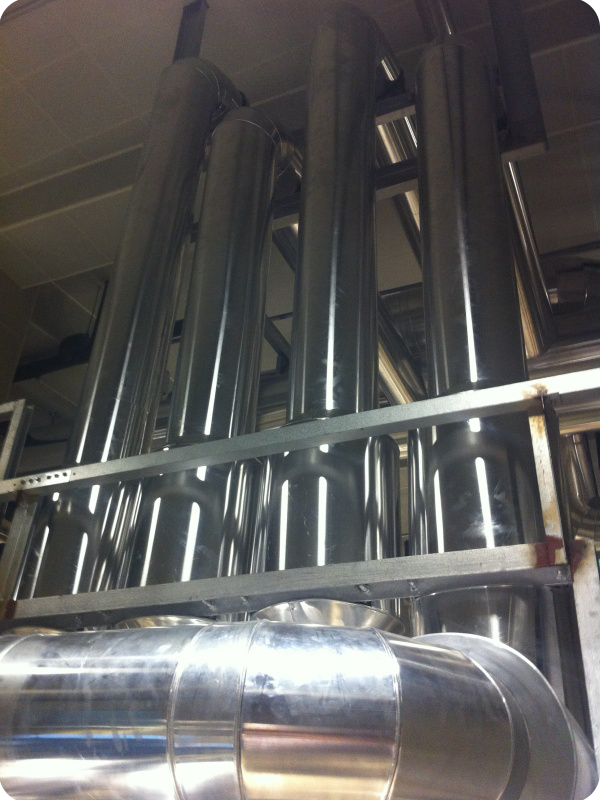
Selecting the correct polymer base is critical for HVAC efficiency. Nitrile Butadiene Rubber (NBR) offers high oil and solvent resistance alongside low thermal conductivity. Combining NBR with PVC yields an optimized elastomer that features excellent flexibility, ozone resistance, and flame-retardant properties. For specific chemical plants or high-UV installations, EPDM formulations can also be specified. Kingflex NBR/PVC closed-cell structures ensure optimal moisture resistance ($\mu \ge 10,000$), preventing water infiltration and structural degradation.
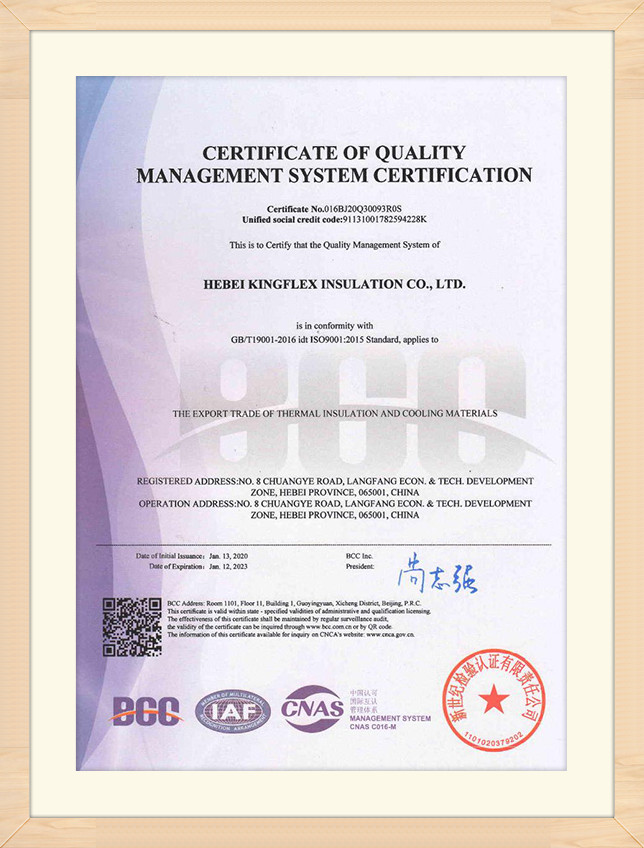
Maintaining full traceability and transparency from chemical formulation to on-site delivery.



Get answers to common technical queries about elastomeric rubber foam insulation and HVAC design requirements.
It is mainly used for HVAC ducts, air conditioning pipes, building thermal insulation, industrial pipeline cold insulation, and sound insulation. Its closed-cell structure prevents moisture absorption, making it suitable for cold systems where condensation is a concern.
Yes, our rubber foam insulation products are flame-retardant and self-extinguishing. They comply with standard fire safety requirements, including BS 476 Class 0 and Class 1, UL94, and other international building safety certifications.
Rubber foam is a flexible, closed-cell material that is highly resistant to moisture, making it suitable for chilled systems and building HVAC. Rock wool is an open-fiber material that withstands high temperatures, making it suitable for high-temperature industrial piping and heavy fireproofing.
Yes, we support comprehensive OEM/ODM services. We can customize density, thickness, diameter, and cladding configurations (such as self-adhesive backing or aluminum foil laminates) to suit specific project designs.
Our products have passed BS 476, CE, REACH, RoHS, UL94, ASTM, and other international certifications, ensuring compliance with global environmental and safety standards.
Yes. Every production run is logged, from raw material inspection to final packaging. Serial numbers and testing logs allow us to track and verify the performance metrics of all delivered batches.
We produce standard sheet rolls in thicknesses ranging from 6mm to 50mm. Custom dimensions can be configured upon request to meet specific thermal performance requirements.
Under standard operating conditions and correct installation practices, the service life of our elastomeric insulation materials is typically 10 to 15 years.
Heavy-duty, halogen-free, and high-density elastomeric profiles engineered for demanding pipeline designs.
 Kingflex