In mechanical engineering, process heating, and refrigeration systems, calculating the optimal insulation thickness is not merely a matter of material optimization; it is a critical thermodynamic balance. Selecting the right thickness ensures energy conservation, prevents surface condensation, controls process line temperatures, and secures personnel safety.
To compute the exact insulation thickness required, engineers must evaluate the complex relationship between thermal conduction (within the material) and thermal convection/radiation (at the outer boundary). The calculations differ between flat surfaces and cylindrical geometries.
To prevent condensation, the outer surface temperature of the insulation ($T_s$) must be kept above the ambient dew point temperature ($T_{dp}$). The mathematical expression to determine the minimum insulation thickness ($x$) for a flat surface is:
Where:
For pipes, radial heat flow requires calculating the log-mean area of heat transfer. The thickness calculation utilizes the formula for radial thermal resistance:
Where:
By solving for R_o, engineers determine the outer boundary radius, thereby yielding the net required insulation thickness ($R_o - R_i$).
Different climate zones and operating conditions require adjustment of variables within the thermal thickness equations:
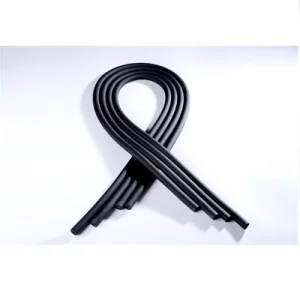
In cryogenic installations utilizing liquid nitrogen or LNG (operational temperatures from -160°C down to -196°C), the temperature gradient is massive. If the thickness is calculated incorrectly, the thermal shock will lead to structural stress and rapid material failure. Here, multilayered cryogenic elastomeric systems are modeled using customized density patterns. Engineers rely on Diolefin Flexible Rubber Foam to resist thermal contraction while maintaining structural elasticity.
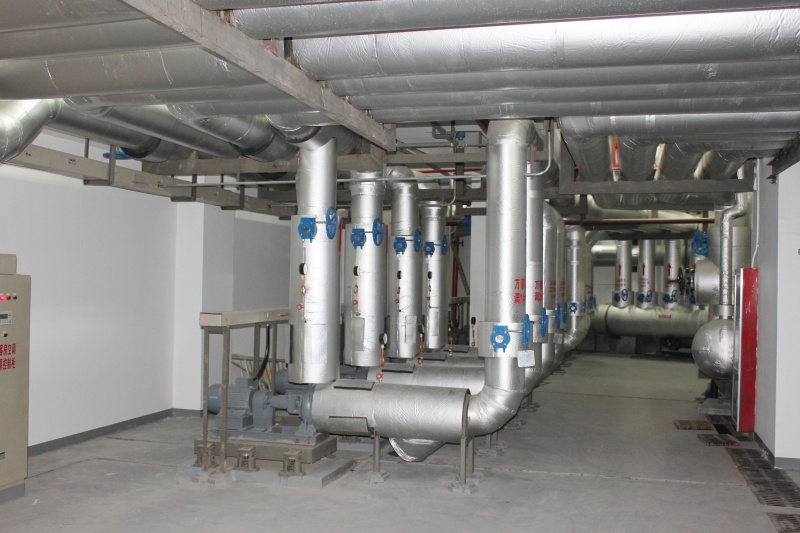
In regions with high ambient relative humidity (often exceeding 90% RH) and elevated ambient temperatures (above 40°C), the dew point temperature is very close to the ambient temperature. The delta ($T_a - T_dp$) becomes minimal. Looking at the condensation control formula, as this difference approaches zero, the required insulation thickness increases exponentially. This is where Kingflex NBR/PVC sheets with exceptionally high water vapor resistance ($μ \ge 10,000$) prevent moisture ingress and thermal bridging.
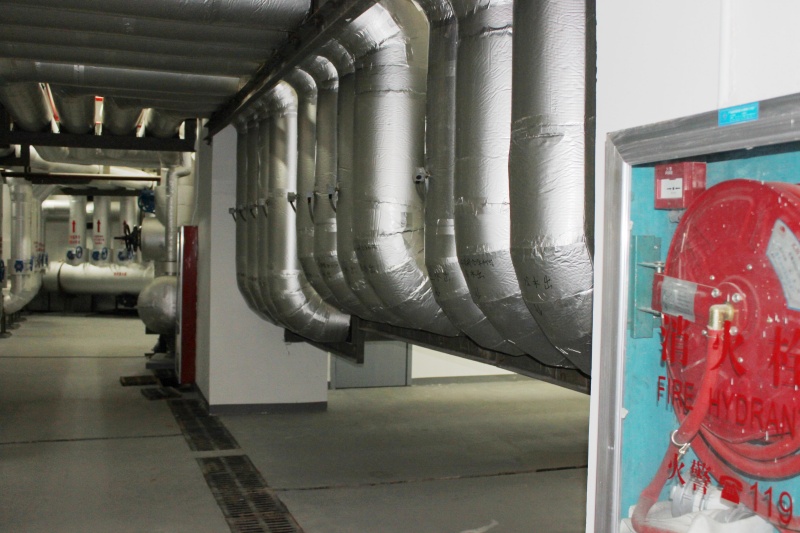
For steam and high-temperature processing pipelines, the focus shifts to personnel protection and heat loss prevention. The design parameter limits the surface temperature to a safe threshold (typically ≤ 60°C). By adjusting the convective heat transfer coefficient ($\alpha$) for wind speed and surface orientation, engineers compute the precise thickness required to meet industrial safety regulations.
| Application Scenario | Typical Process Temp (°C) | Crucial Design Factor | Recommended Material Class |
|---|---|---|---|
| Cryogenic (LNG / ULT) | -196°C to -40°C | Contraction prevention & low thermal conductivity | Cryogenic Rubber Foam / Diolefin NBR |
| HVAC Chilled Water | 4°C to 12°C | Condensation control & moisture barrier | NBR/PVC Flexible Foam (high μ-factor) |
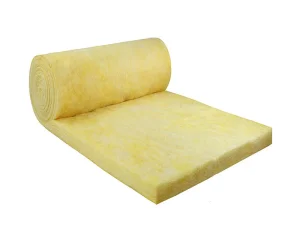
| Process Steam Lines | Up to 150°C | Heat loss prevention & personnel protection | High-Temp NBR / Mineral Wool Composite |
Kingflex Insulation Co., Ltd. is a professional manufacturing and trading combo for thermal insulation products. Kingflex's research development and production department is located in the well-known capital of green building materials in Dacheng, China. We are an energy-saving, environmentally friendly enterprise concentrated on research, development, production, and sales. In operation, Kingflex takes energy saving and consumption reduction as its core concept. We provide insulation solutions by means of consultation, research and development, production, installation guidance, and post-sale service to lead the development of the global building materials industry.

Kingflex was established by the Jinwei Group, which has more than 40 years of history. Jinwei Group was established in 1979. It was the first manufacturer of thermal insulation materials north of the Yangtze River.
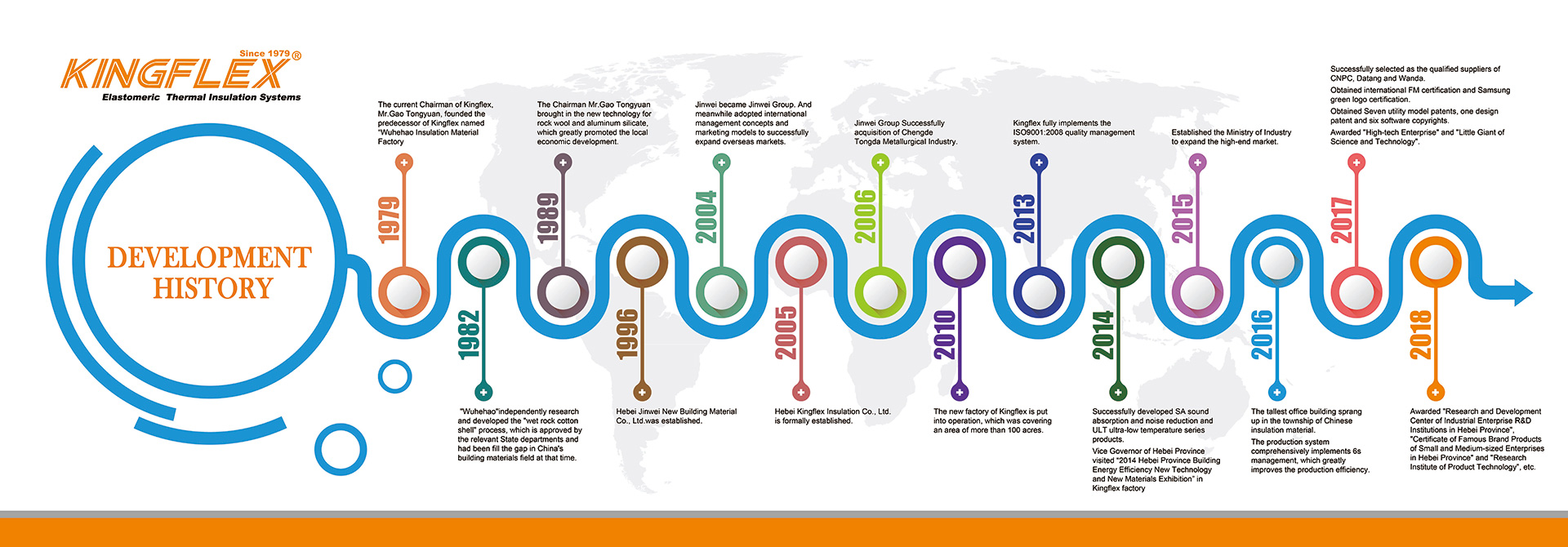
Kingflex Insulation Co., Ltd. leverages the advanced manufacturing ecosystems of Dacheng, China. Our facilities are designed to deliver reliable supplies to global megaprojects while keeping wholesale costs highly competitive.
At present, Kingflex operates 5 large automatic continuous foaming lines. This high automation ensures precise density control (40-55 kg/m³), uniform cell structure distribution, and clean cut lines, reducing mechanical failures and material variations. The automated curing tunnels maintain precise temperature and pressure, ensuring a closed-cell structure rate exceeding 98%.
Our annual production capacity exceeds 600,000 cubic meters. Kingflex is designated as a production enterprise by the Ministry of Energy, the Ministry of Electric Power, and the Ministry of Chemical Industry in China. This capacity allows us to fulfill large orders for commercial skyscrapers, international airports, LNG cargo ships, and chemical complexes without production bottlenecks.
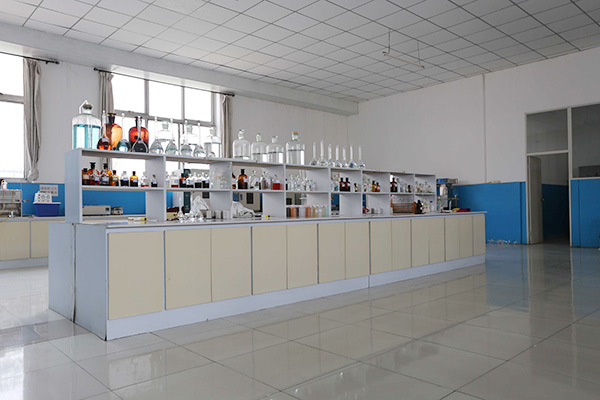

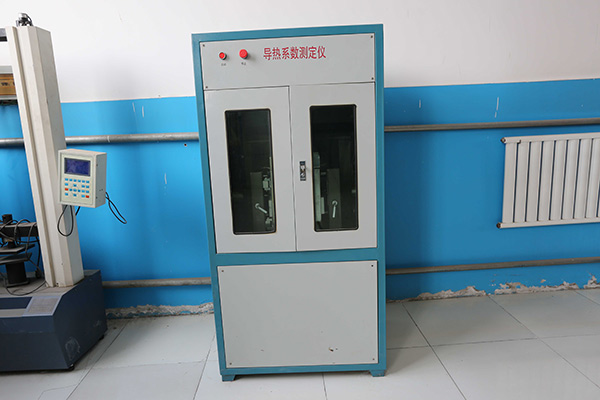
Every batch of elastomeric foam undergoes testing for thermal conductivity, water vapor permeability, and fire retardancy before shipment. Our R&D team works to improve the physical properties of our polymer matrix to achieve lower k-values and higher fire safety indexes.
Our employees bring diverse skills to the workplace, working together to deliver quality services. The Kingflex team focuses on providing consistent service to our clients. We employ 8 professional engineers in our R&D Department, 6 international sales representatives, and 230 workers in our production department.
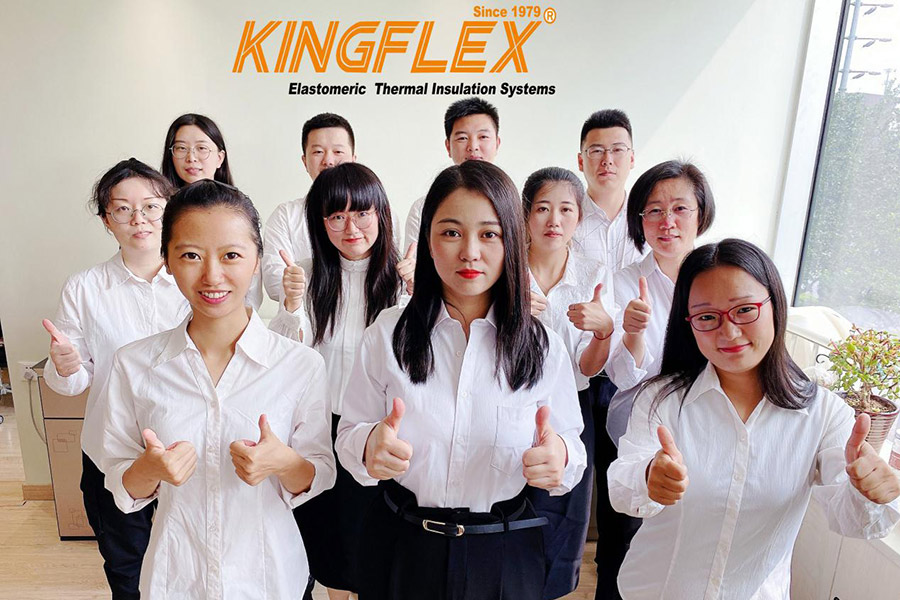
We work closely with global engineering companies, distributors, and site managers. Our communication channels remain open 24/7 to provide calculation assistance, supply updates, and custom specification matching.


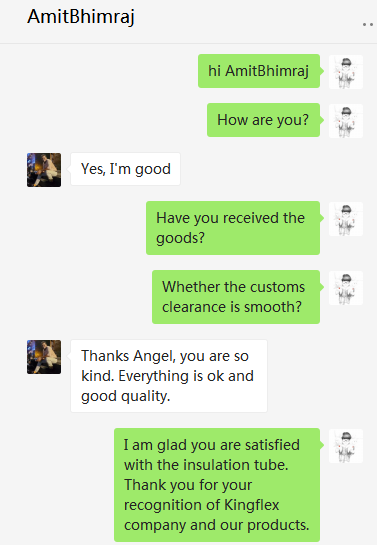

To ensure compatibility with strict international building codes and fire safety regulations, Kingflex rubber foam insulation is continuously tested and certified by independent global agencies.
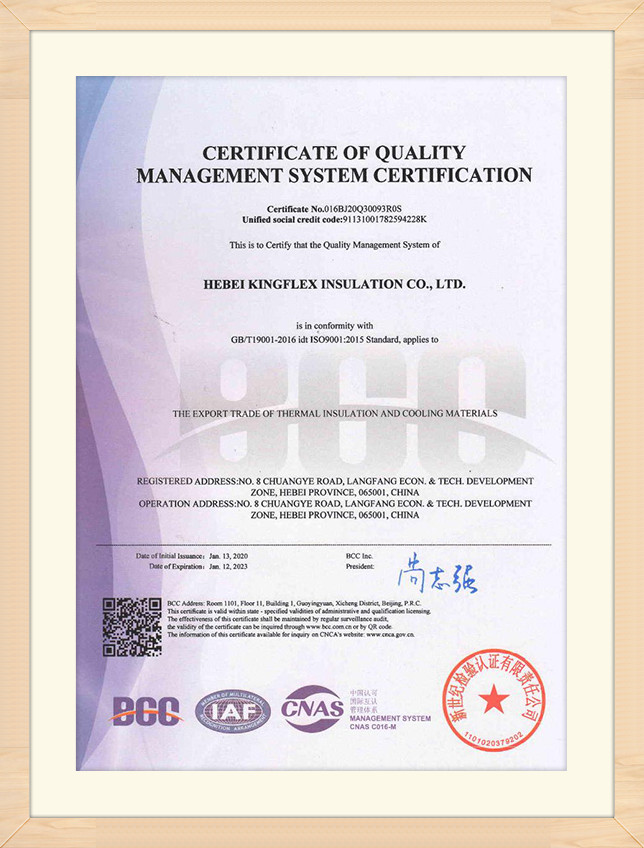


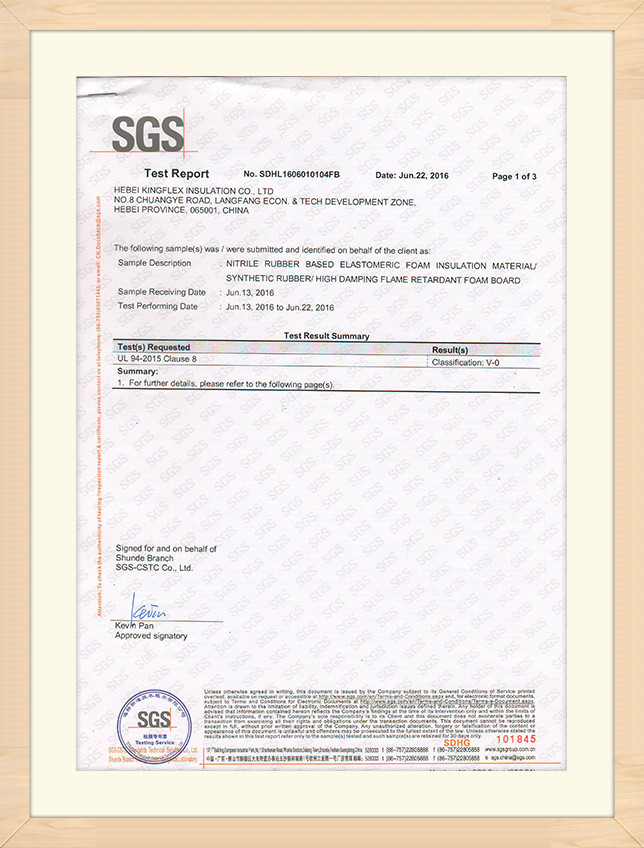
Our products are certified under BS 476 Part 6 & 7 (Class 0 / Class 1), CE (EN 14304), REACH, RoHS, UL 94 (V-0 rating), and ASTM C534. This ensures compliance with local building standards across North America, Europe, Asia, and the Middle East.
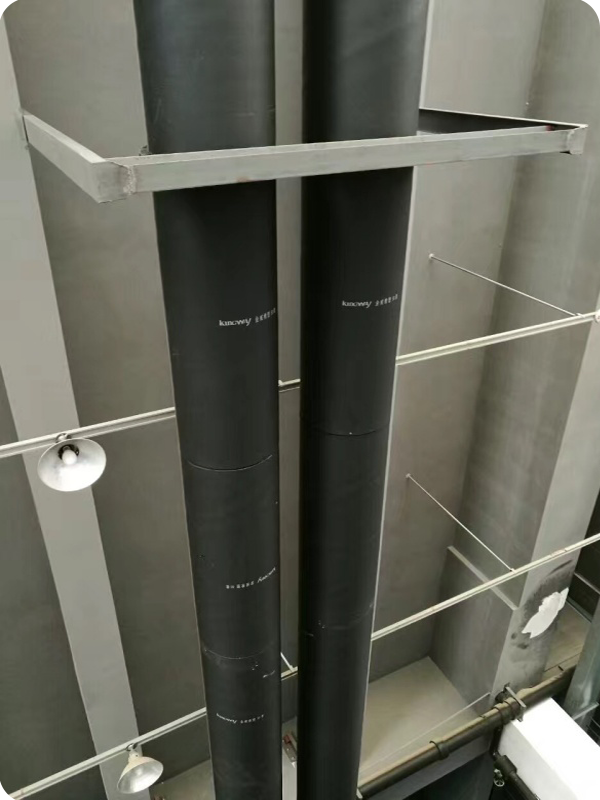
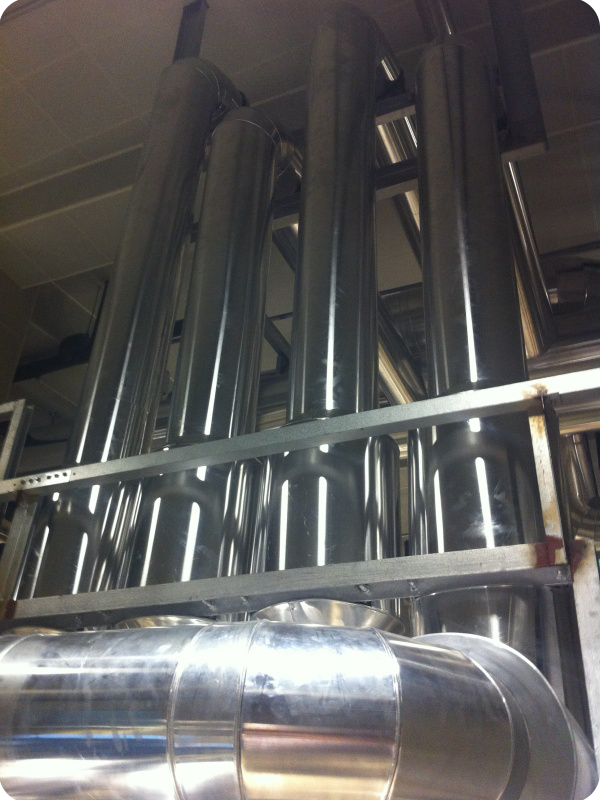
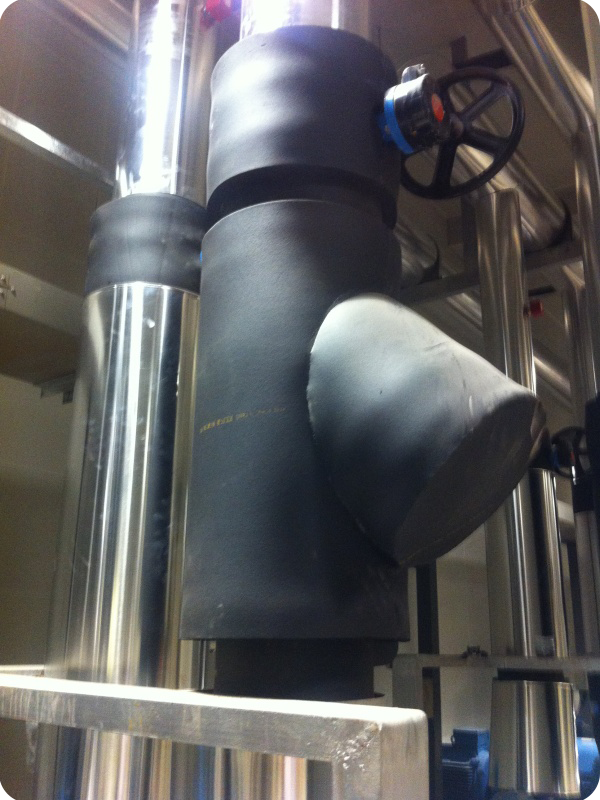
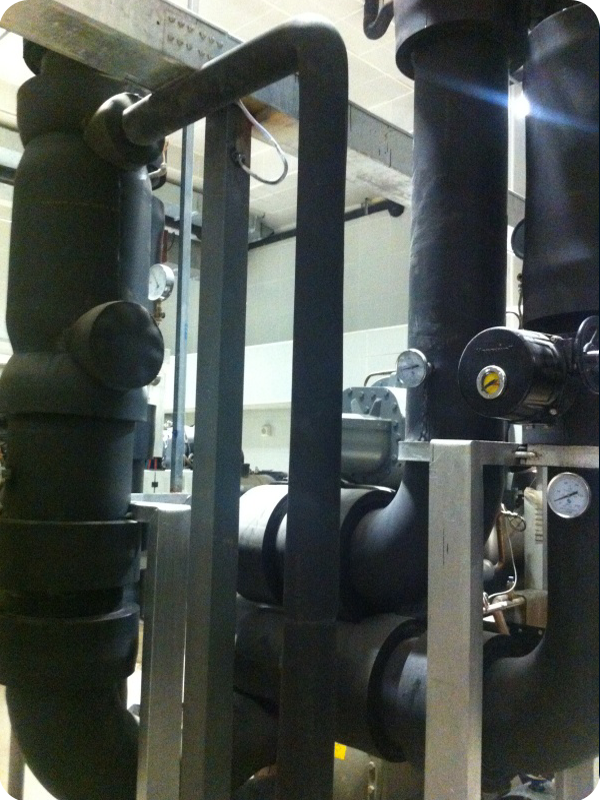
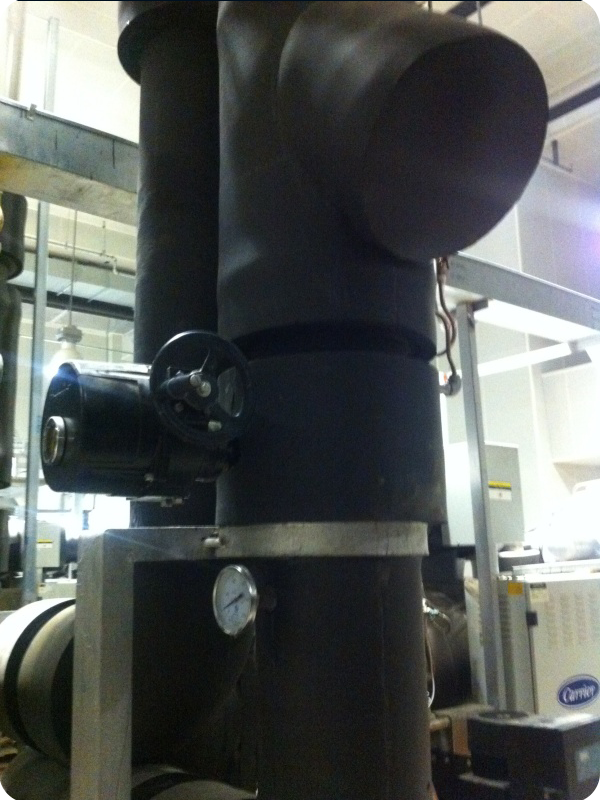
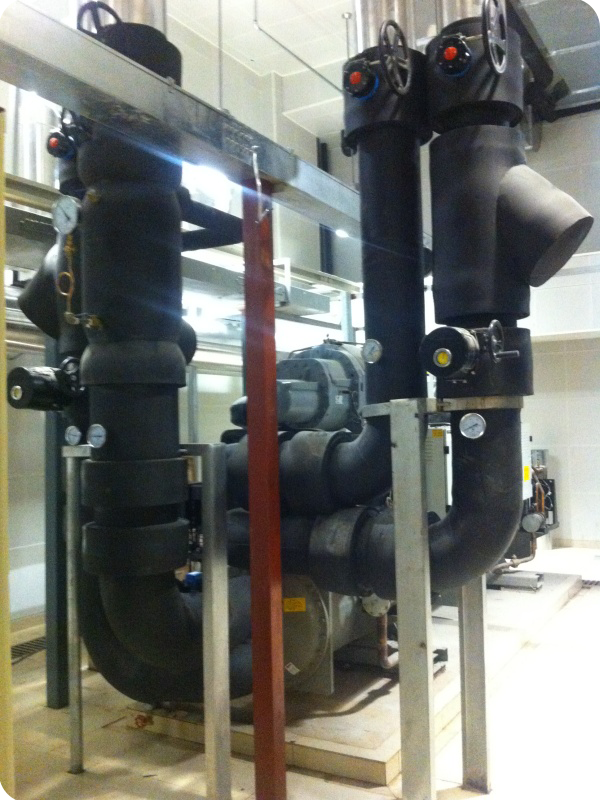
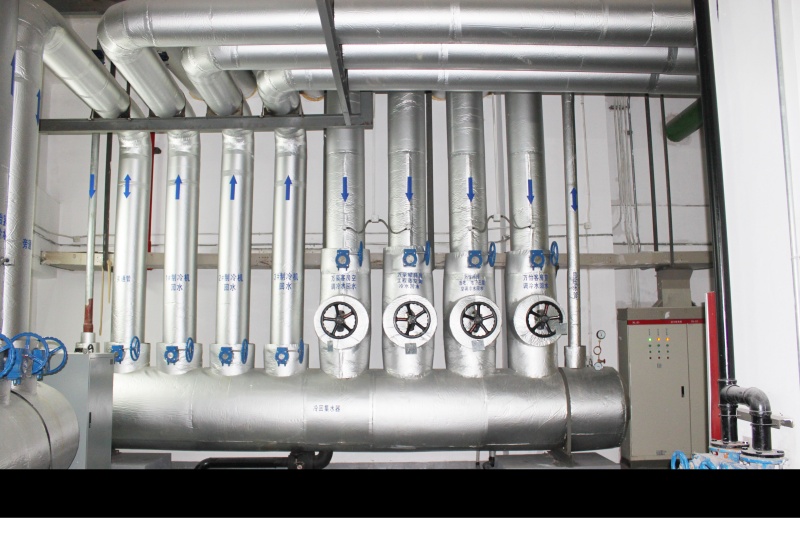
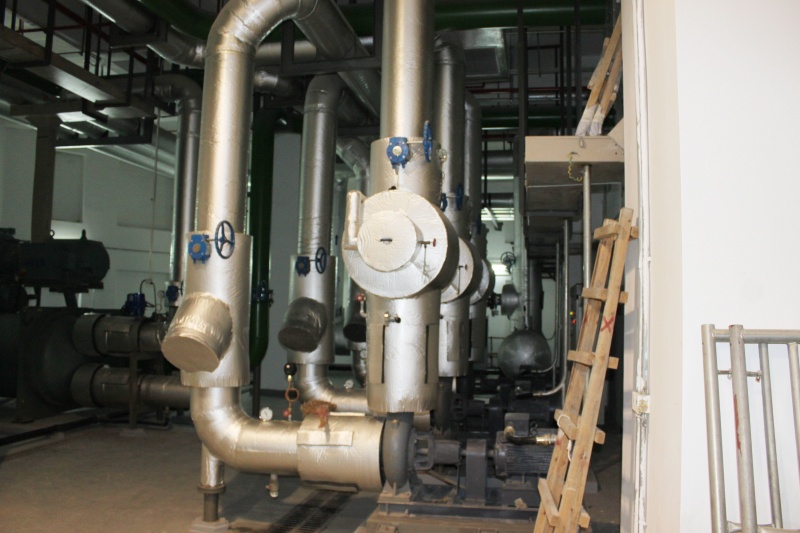
Kingflex insulation solutions are utilized in HVAC systems, airport terminals, pharmaceutical plants, and industrial complexes.

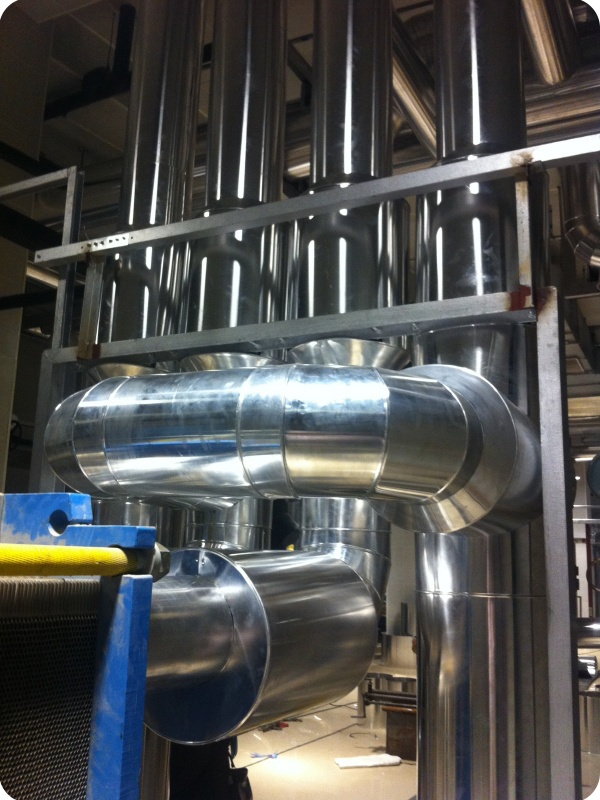
As the construction and industrial manufacturing sectors adapt to meet global net-zero carbon targets, thermal insulation materials are evolving to provide higher performance with lower environmental impact. Kingflex is committed to investing in the following research directions:
By incorporating silica aerogel structures into our traditional NBR/PVC polymer matrix, we aim to reduce the thermal conductivity coefficient (k-value) from $0.034$ W/m·K down to less than $0.024$ W/m·K. This enables equivalent thermal performance with up to 40% less thickness, saving space in tight industrial chases and building designs.
We are researching alternative foaming agents and plasticizers, moving toward halogen-free, bio-derived raw materials. This reduces the carbon footprint of production while maintaining fire-retardant properties and thermal resistance.
Future industrial pipelines will feature smart insulation barriers. We are designing elastomeric sheets with integrated moisture sensors. These sensors alert operators to moisture under insulation (CUI) before corrosion damage occurs, extending the service life of industrial piping.
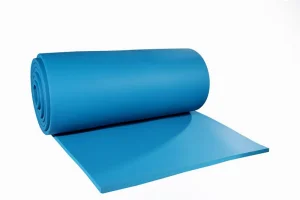
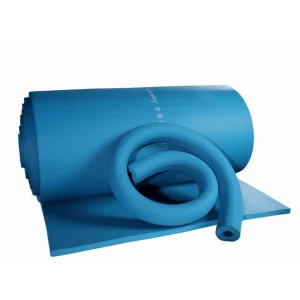
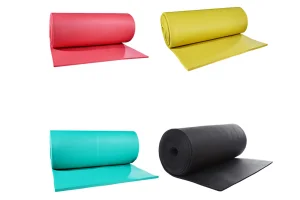
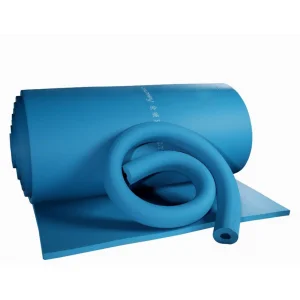
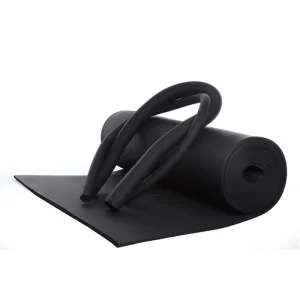
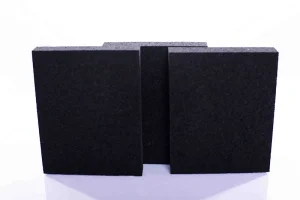
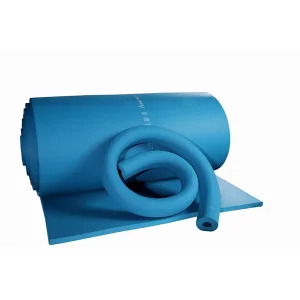
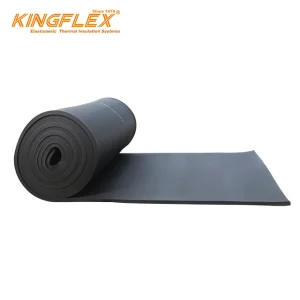
Material: NBR/PVC Blend
Thickness Range: 6mm - 50mm
Density: 40 - 55 kg/m³
Service Temperature: -40℃ to +105℃
Key Advantages: Even cell structure, low moisture absorption, high elasticity, and fire resistance.
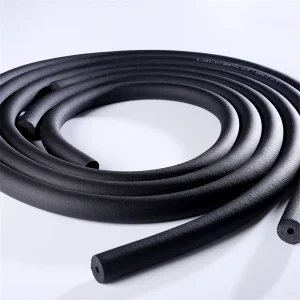
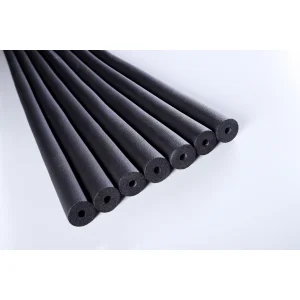
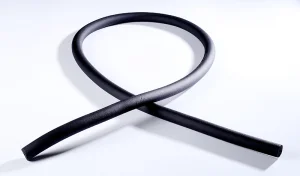
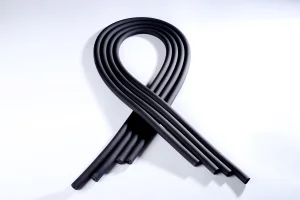
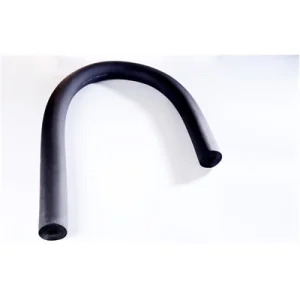
Material: NBR/PVC Blend
Thickness Range: 9mm - 40mm
Inner Diameter (ID): 6mm - 114mm
Density: 40 - 55 kg/m³
Service Temperature: -40℃ to +105℃
Key Advantages: High dimensional stability, low thermal conductivity, and prevents condensation on cold pipes.




 Kingflex