Explore our engineered line of high-density closed-cell insulation materials customized for professional HVAC, acoustic, and low-temperature process pipe environments.

The K-Value (also represented as λ - lambda) measures the thermal conductivity of a material, expressing the amount of heat energy (measured in Watts) that passes through a 1-meter thick layer of material per square meter, per degree Kelvin difference in temperature (W/m·K). A lower K-value indicates superior insulation capabilities, directly translating to minimized heat loss, prevention of surface condensation, and reduced mechanical energy consumption.
For engineers and project specifications in commercial HVAC, industrial piping, and cold-chain storage, determining the precise K-value is paramount. At Kingflex, we achieve a highly stable thermal conductivity level via advanced vulcanization. Our NBR/PVC closed-cell structures exhibit structural insulation characteristics that stand up to high humidity and intense operational wear.
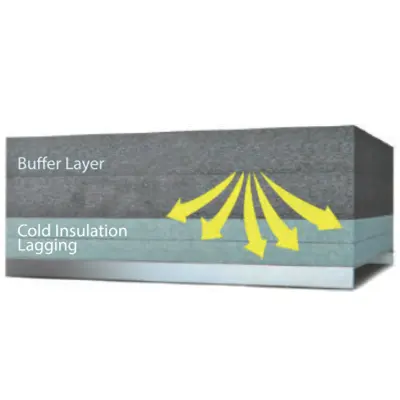
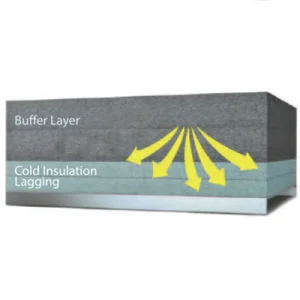
By sealing millions of microscopic air pockets in our elastomeric matrix, our materials block convection currents. This maintains a long-term low K-value that resists aging and performance decay over a lifespan of 10 to 15 years.
Kingflex Insulation Co., Ltd. represents the peak of thermal insulation engineering. Backed by the historical legacy of the Jinwei Group (established in 1979), the pioneer manufacturer of thermal insulation materials north of the Yangtze River, Kingflex has led the market through rigorous innovation. Our integrated manufacturing hub is situated in Dacheng, China—widely recognized as the capital of energy-efficient building materials.
Our state-of-the-art facility runs 5 large-scale automated assembly lines certified by the Chinese Ministry of Energy and Chemical Industries. Driven by a core vision of conservation, we manage our processes through dedicated experts: our engineering lab features 8 specialist R&D researchers, supported by 6 seasoned international business managers and 230 technical factory staff. This ensures that every order aligns with ASTM, CE, BS 476, and REACH compliance requirements.
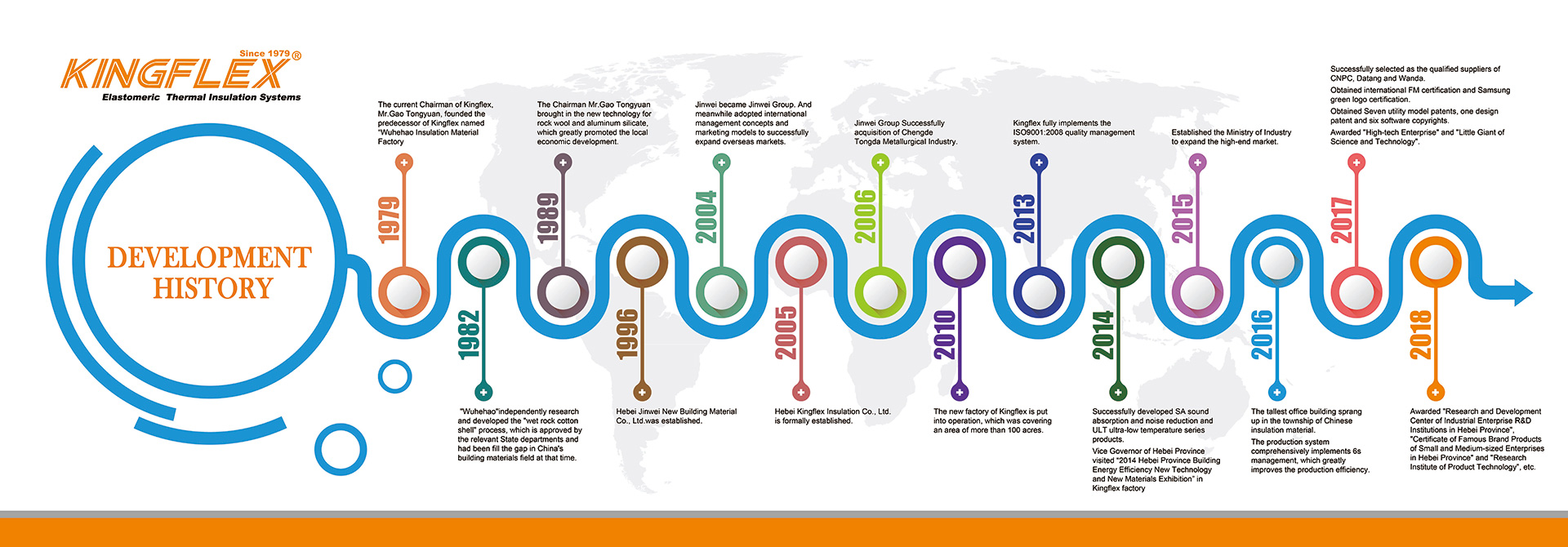
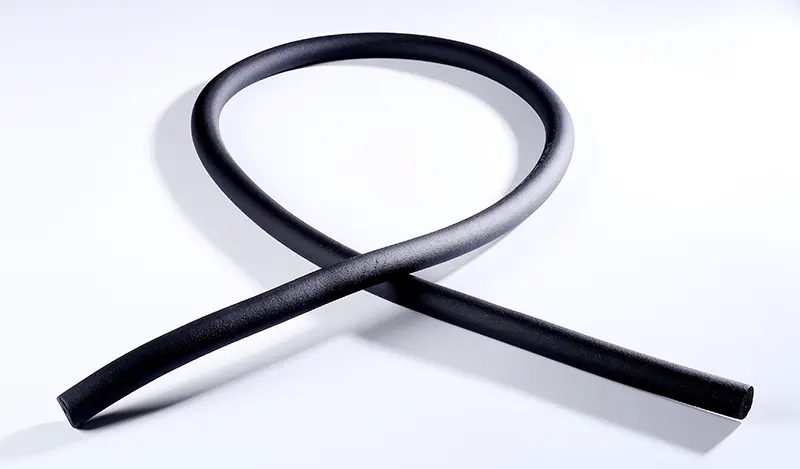
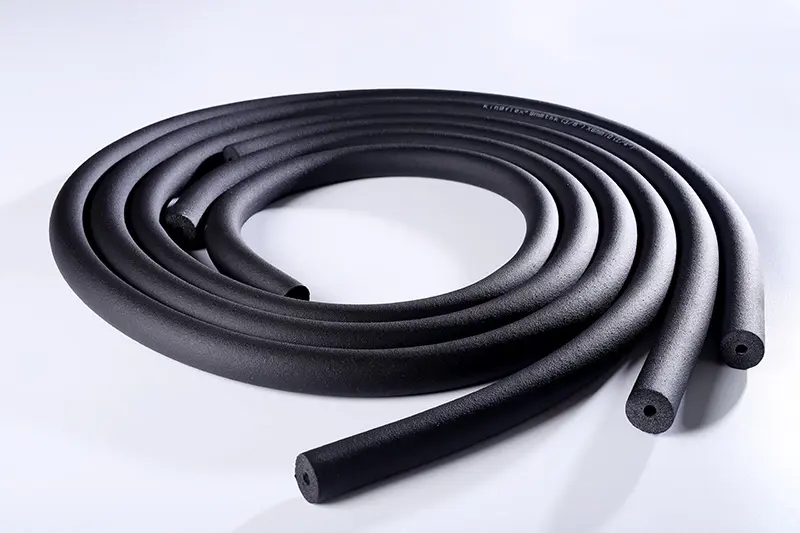
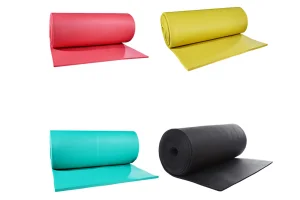
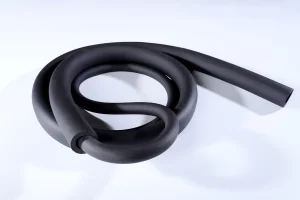
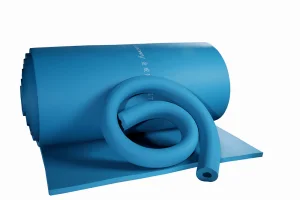
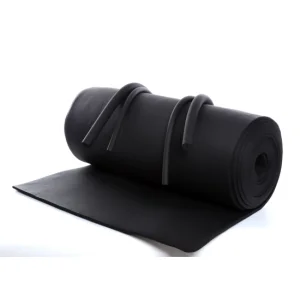
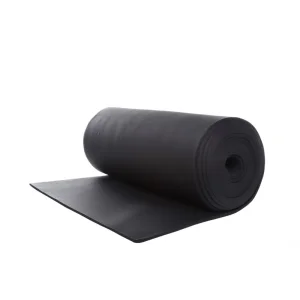
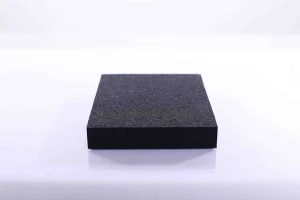
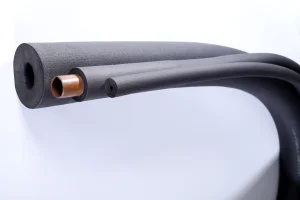
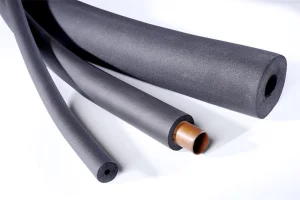
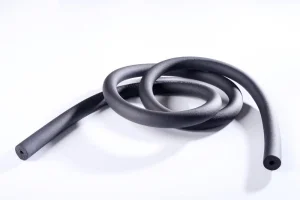
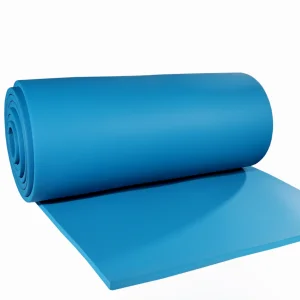
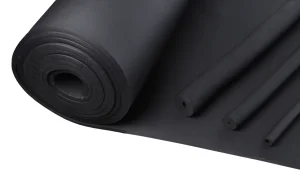
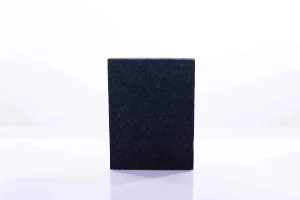
Our elastomeric solutions are split into two primary formats: Black Rubber Foam Insulation Sheet Rolls and Elastic Rubber Foam Pipes. Both are engineered to provide maximum thermal resistance under extreme conditions.
Ideal for ductwork, equipment casing, and large diameter lines. Easily cut, wrapped, and sealed to provide a seamless barrier against moisture ingress.
| Parameters | Specifications |
|---|---|
| Material Matrix | High-grade NBR/PVC Blend |
| Thickness Range | 6mm to 50mm |
| Bulk Density | 40 - 55 kg/m³ |
| Operational Temperature | -40℃ to 105℃ |
| Closed-Cell Ratio | > 98% |
Key Advantage: Compression resilience value > 80% with an extremely low thermal conductivity index to prevent condensation in high relative humidity zones.
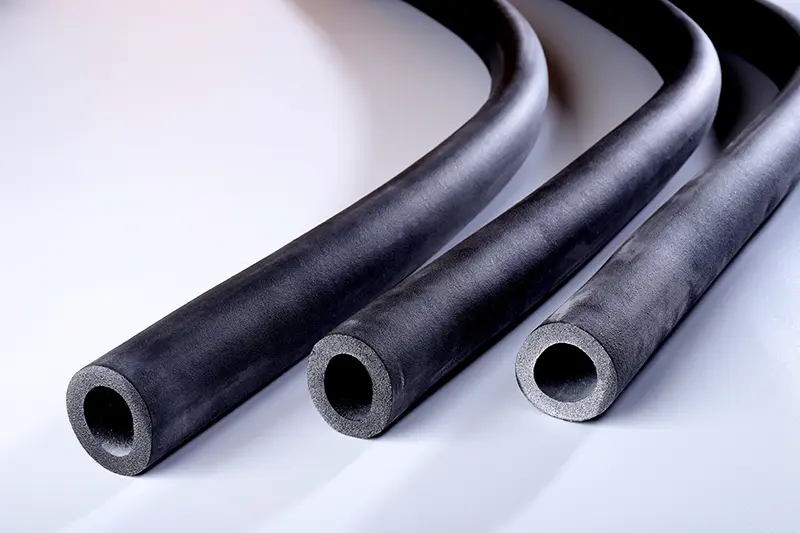
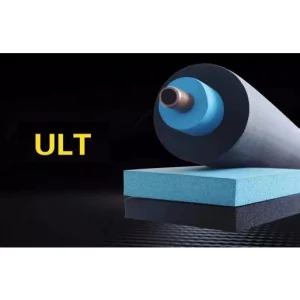
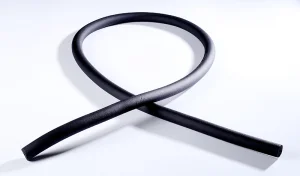
Extruded sleeves engineered for standard copper, iron, and steel tubes. The flexible cylindrical design slides on easily during installation.
| Parameters | Specifications |
|---|---|
| Material Matrix | High-grade NBR/PVC Blend |
| Wall Thickness | 9mm to 40mm |
| Internal Diameter (ID) | 6mm to 114mm |
| Bulk Density | 40 - 55 kg/m³ |
| Risk Mitigation | Anti-freeze & anti-corrosion |
Key Advantage: Advanced internal coating prevents moisture buildup between the pipe surface and the elastomer layer.
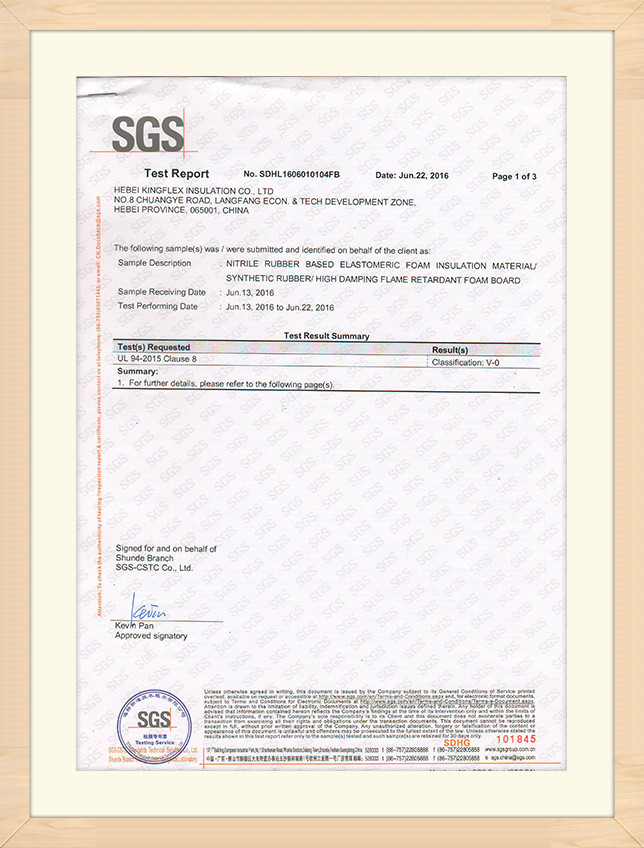
We perform batch testing for thermal conductivity coefficients, aging resistance, density, and fire ratings to ensure consistent performance for critical operations.
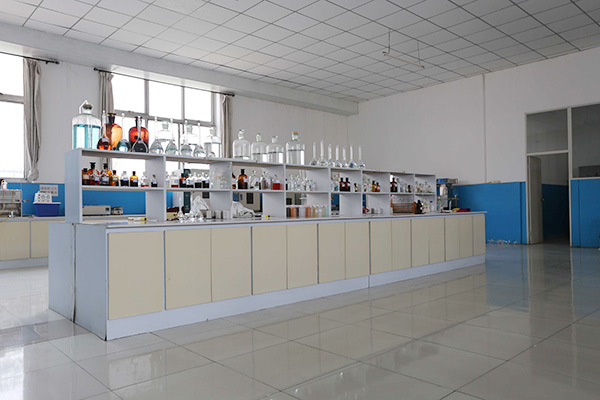

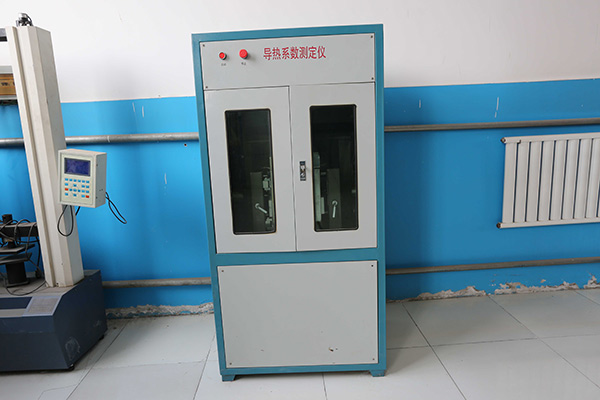
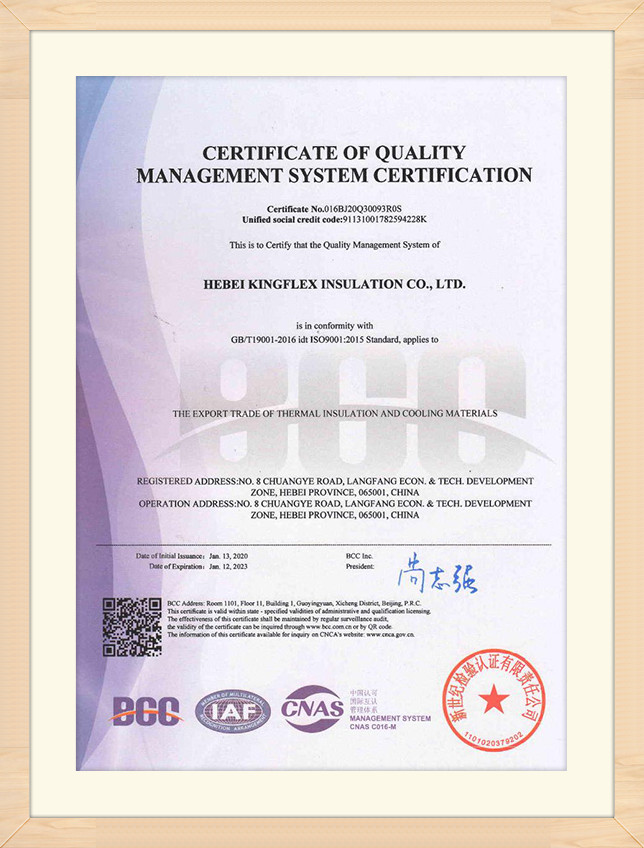
Our products undergo rigorous assessment by international safety organizations to ensure complete compliance across global supply chains.


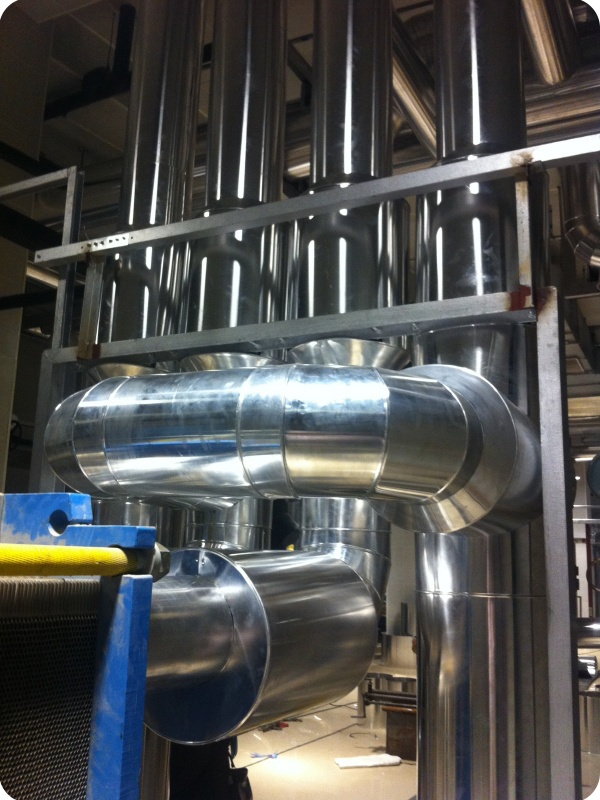
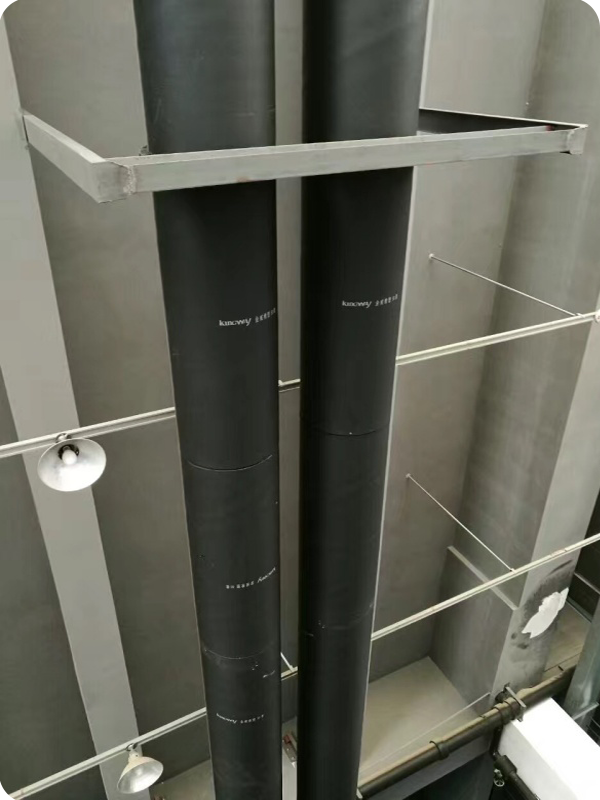
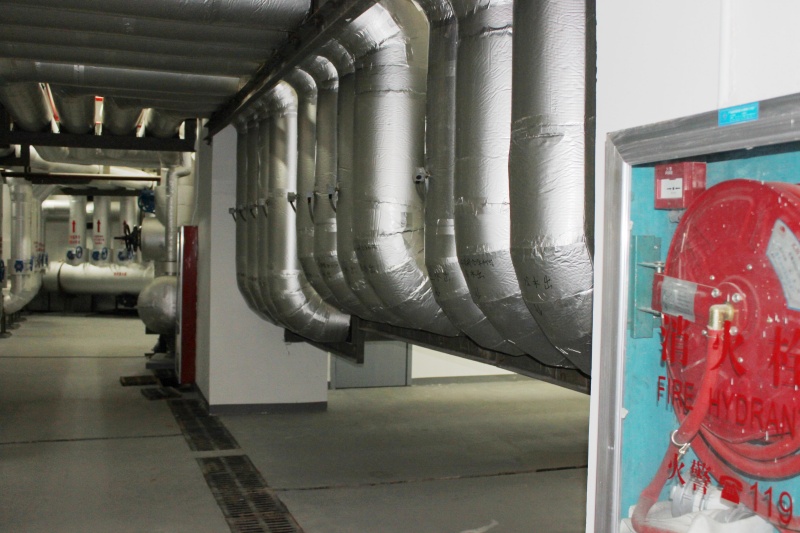
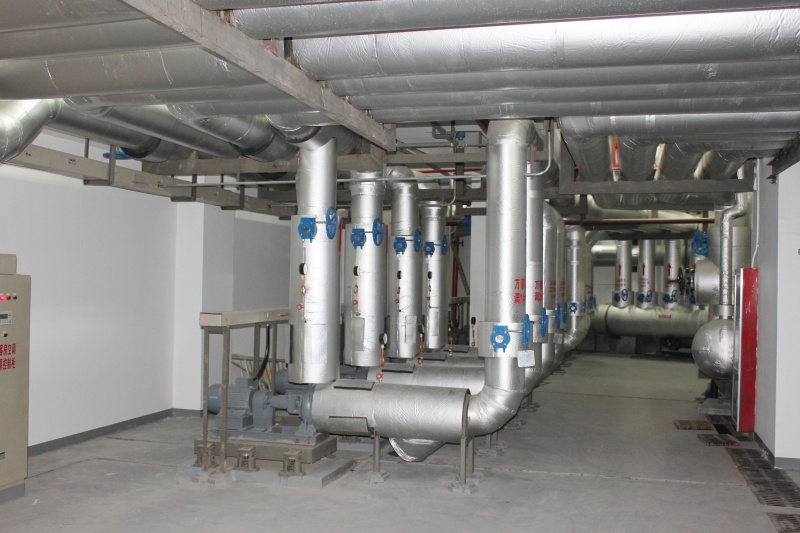
Industrial HVAC/R systems, power plants, and chemical process piping rely on low K-value materials. Our elastomeric foam solutions are engineered for a wide range of critical applications.
Provides anti-condensation and energy conservation on supply air ducts, chiller lines, and split air conditioning lines. Minimizes temperature loss in complex distribution systems.
Designed to withstand conditions down to -196°C. Excellent performance in cryogenic pipelines, cold room facilities, and liquefied gas infrastructure.
The open-cell rubber variant provides excellent sound absorption properties. Ideal for plant rooms, marine hulls, and commercial ventilation machinery.

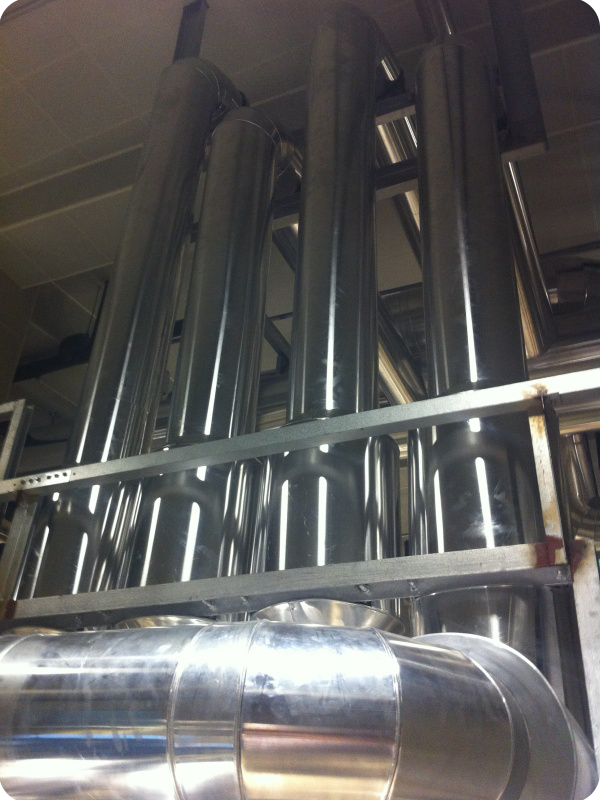
For global procurement, safety and regulatory compliance are non-negotiable. At Kingflex, we maintain a complete end-to-end quality tracking system that logs every step from raw elastomer formulation to final vulcanization.
Our materials are tested under global building codes to ensure they meet stringent international fire safety and chemical standards, including BS 476, CE, REACH, RoHS, UL94, and ASTM. This ensures peace of mind for specifiers on large-scale infrastructure projects.
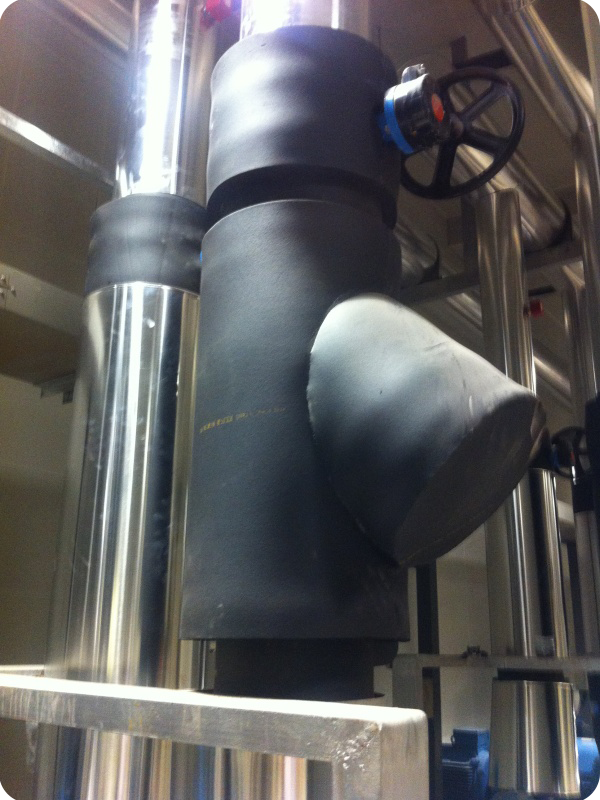
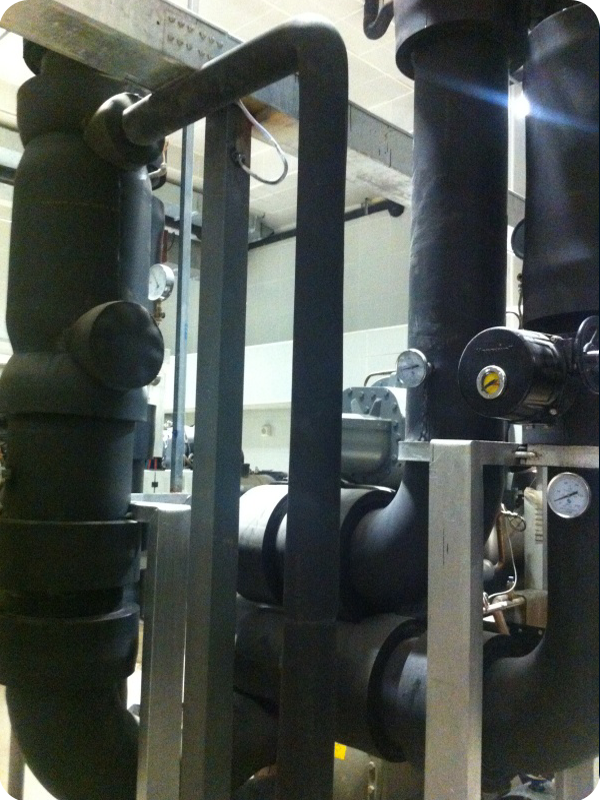
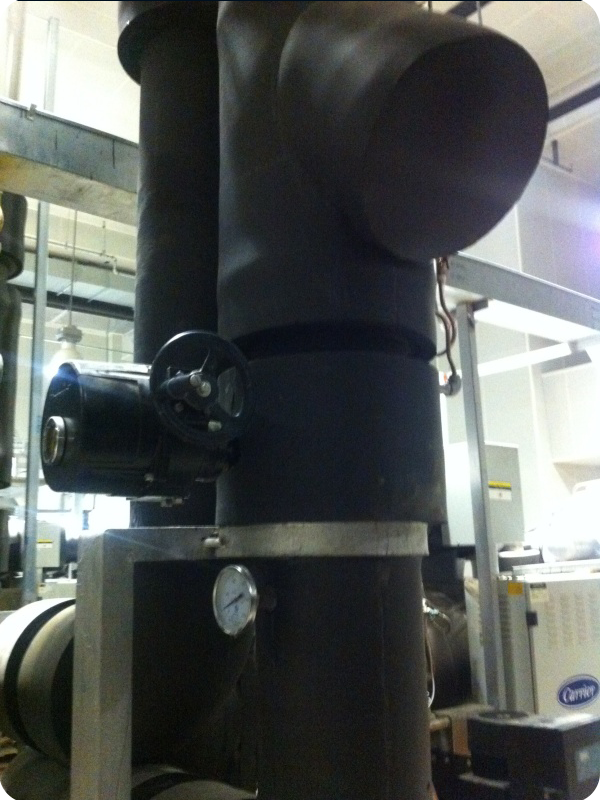
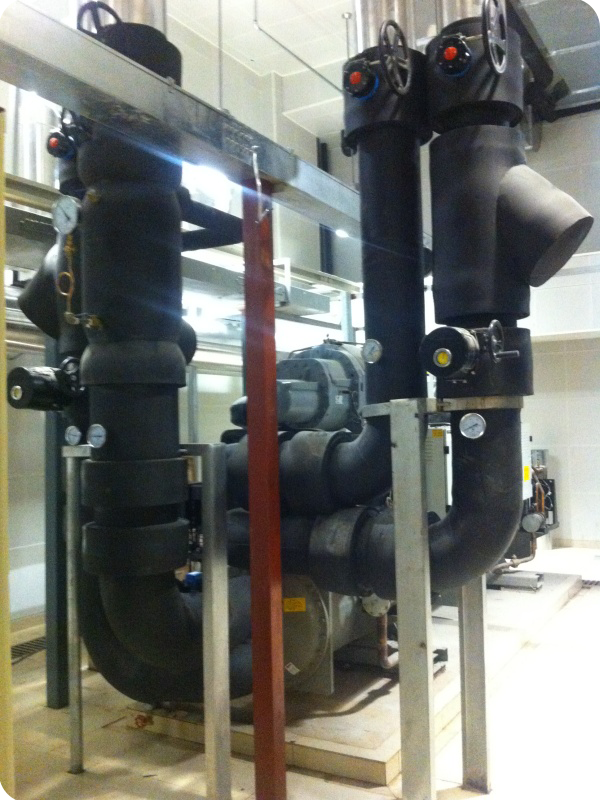
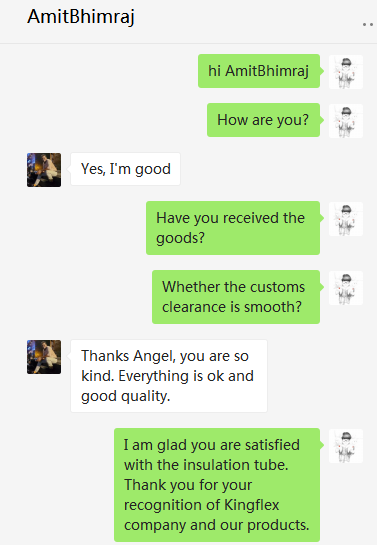
We prioritize reliable communication and customer support, maintaining transparent logistics updates from our Dacheng plant to shipping ports around the world.




Our logistics division coordinates closely with leading container shipping lines to ensure all insulation materials arrive safely and on time.
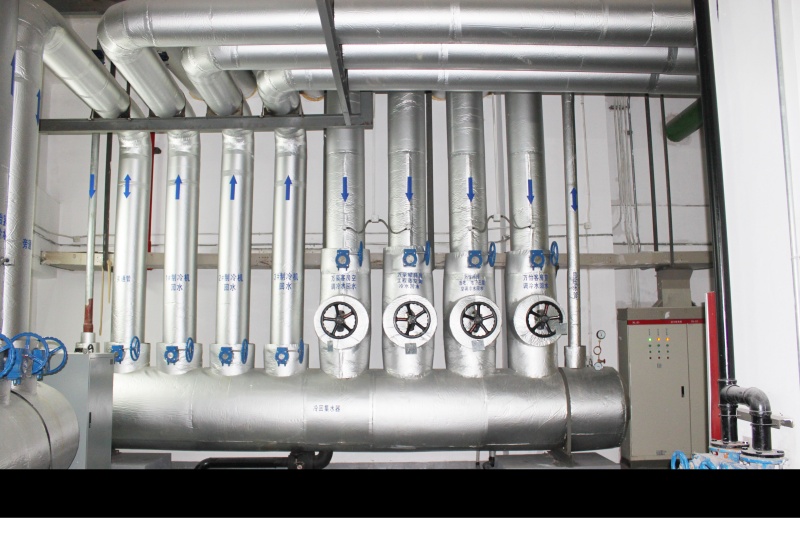


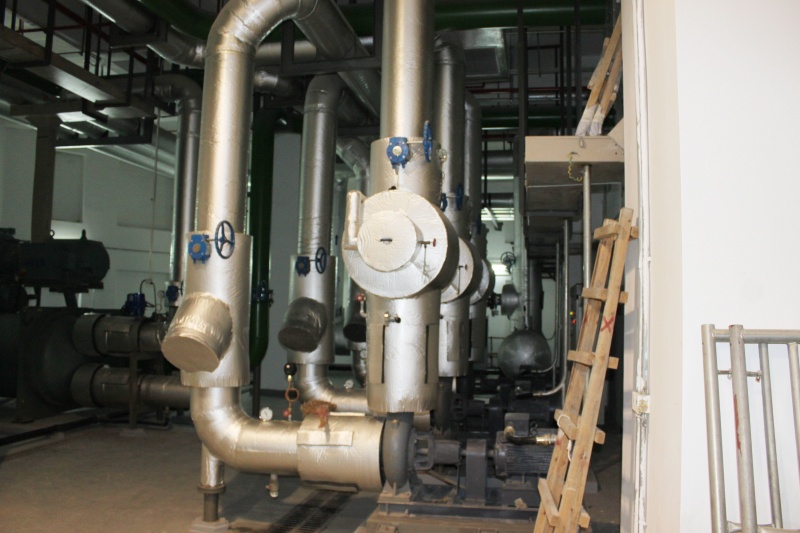
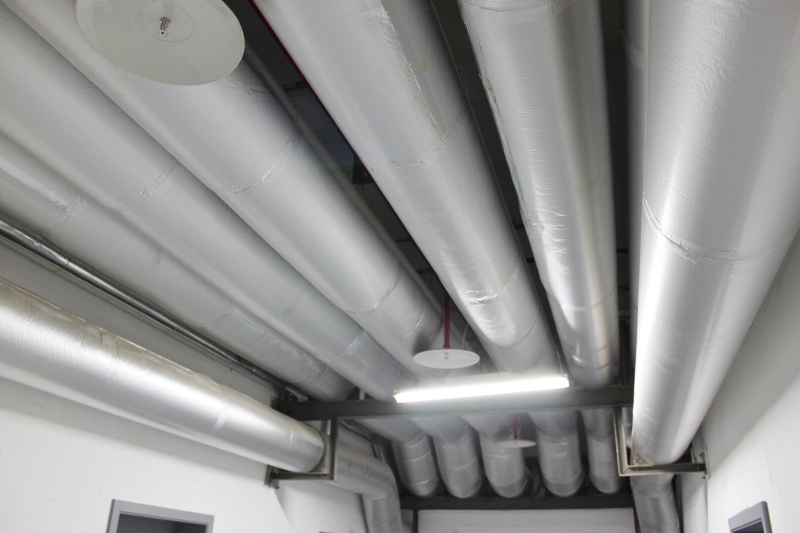

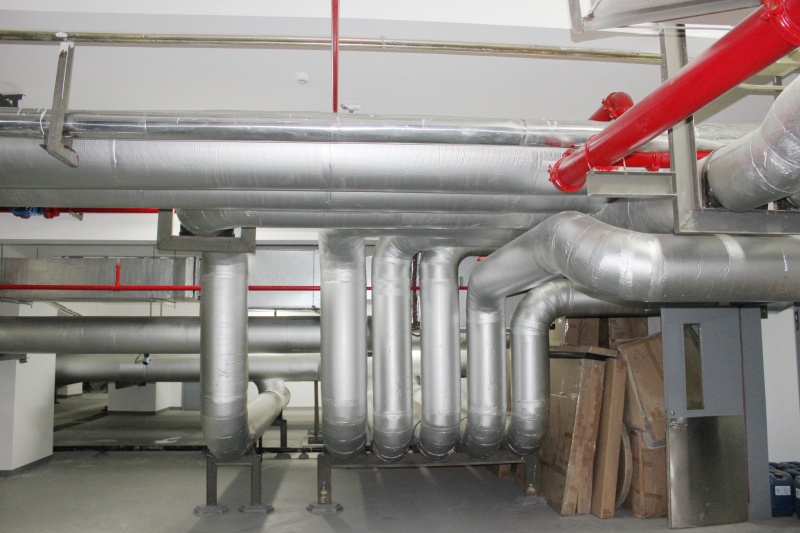
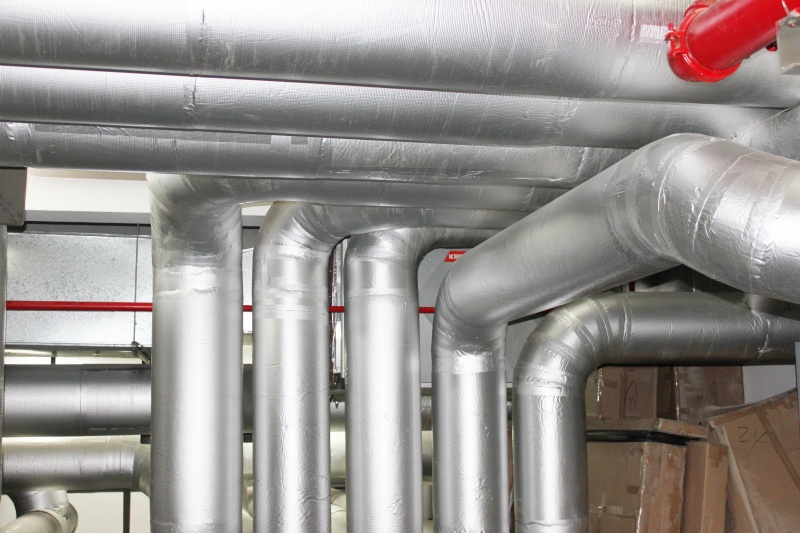
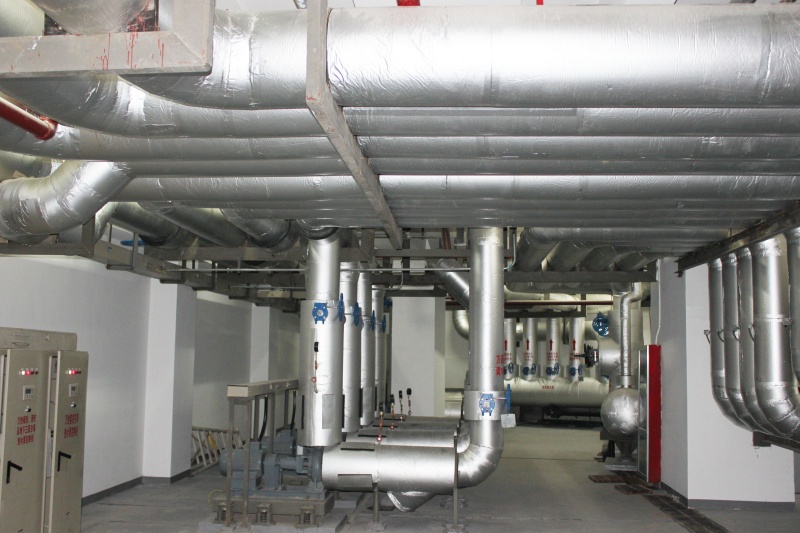

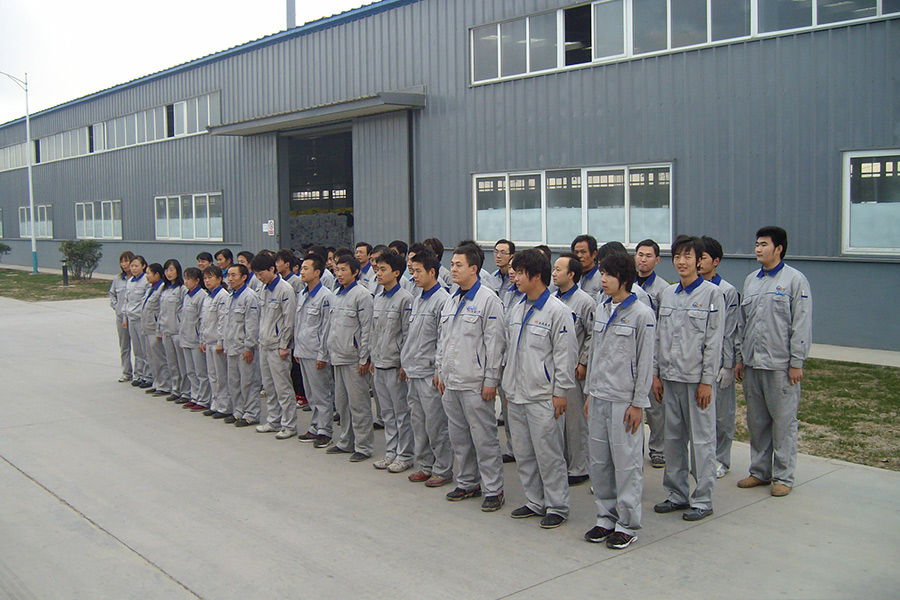
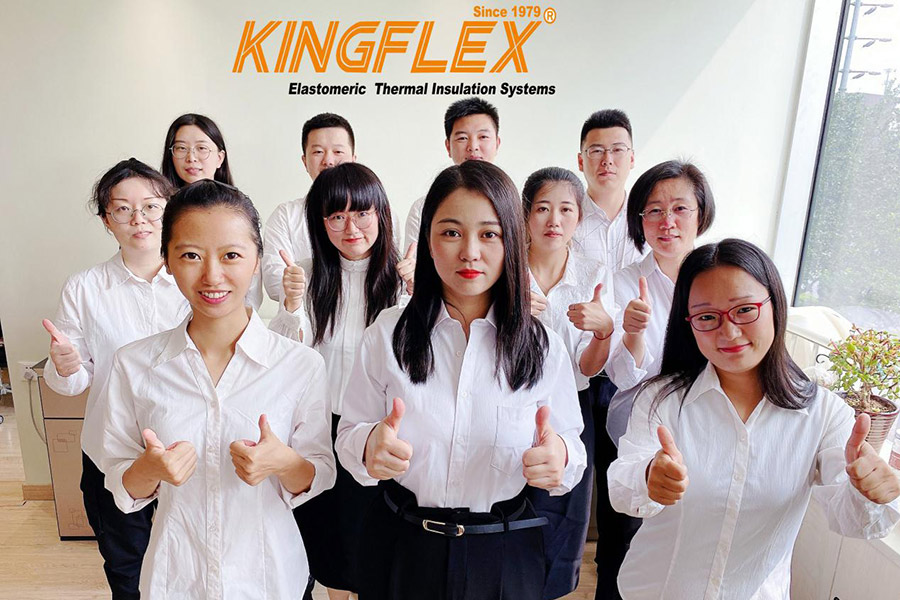
"Our employees are amazing in their own right, but together they are what makes Kingflex such a fun and rewarding place to work. The Kingflex team is a tight-knit, talented group with a shared vision of giving consistently first-class service for our clients."
From initial engineering consultations and K-value customization to container packing and delivery tracking, our international customer support division is ready to assist at every step of your project.
Get answers to the most common technical questions regarding elastomeric rubber foam insulation performance, fire safety ratings, and custom specifications.
Discover our specialty elastomeric products, from acoustic sound barriers to extreme low-temperature cryogenic insulation systems.
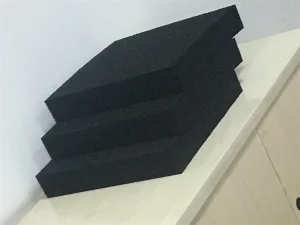
We offer a wide range of insulation materials, including glass wool, rock wool, and elastomeric systems, designed to meet diverse thermal requirements.
Our products serve critical fields including central air conditioning ventilation, industrial steam processing, cryogenic storage, building envelop systems, cleanrooms, hotels, hospitals, and heavy marine engine rooms.
 Kingflex