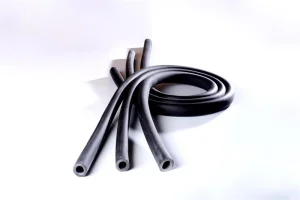
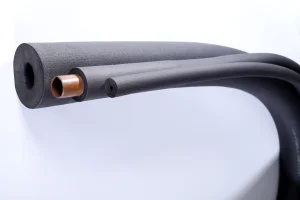
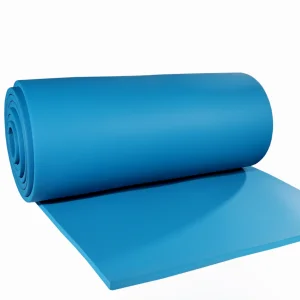
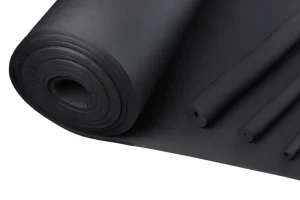
The global industrial sectors face an ongoing battle against energy dissipation, environmental structural decay, and volatile operating conditions. Outdoor piping networks in massive process facilities, central HVAC systems, and thermal distribution loops are highly vulnerable to atmospheric anomalies. Exposed directly to intense UV radiation, wild ambient temperature shifts, and persistent moisture ingress, these lines demand advanced elastomeric polymer barriers to survive.
Historically, insulation was regarded simply as a basic barrier to slow heat transfer. In contemporary engineering, however, it serves as a critical structural component essential for maintaining process stability, preventing condensation, and mitigating corrosion under insulation (CUI). As chemical, pharmaceutical, and energy distribution systems push toward larger scale, the demands on thermal protection elements have risen accordingly.
Recent shifts in building codes and environmental certifications (such as LEED, BREEAM, and DGNB) mandate strict compliance regarding thermal losses and toxic outgassing. The use of advanced NBR/PVC closed-cell structures has grown rapidly due to their high moisture resistance factor (μ) and low thermal conductivity (λ). These properties make them standard choices for modern HVAC designs worldwide.
Furthermore, cryogenic processing and liquefied gas transportation require insulation systems that can operate at temperatures below -40°C without losing physical flexibility or risking structural failure. The development of specialized low-temperature elastomeric foams has transformed these complex applications, offering reliable performance while lowering maintenance and operating costs.
Selecting the correct material for outdoor installations is crucial. The comparative table below details the performance characteristics of closed-cell elastomeric rubber foam against conventional insulation solutions:
| Performance Attribute | Kingflex Elastomeric NBR/PVC | Traditional Rock Wool | Fiberglass Blanket Systems |
|---|---|---|---|
| Thermal Conductivity (λ) | ≤ 0.034 W/m·K at 0°C | ~ 0.040 W/m·K at 0°C | ~ 0.038 W/m·K at 0°C |
| Moisture Resistance (μ) | Excellent (Closed Cell Rate ≥ 98%) | Poor (Requires External Jacketing) | Vulnerable to Water Infiltration |
| Operating Temp Range | -40°C to +105°C | Up to +650°C | Up to +450°C |
| Acoustic Attenuation | High structure-borne absorption | Excellent airborne absorption | Moderate airborne mitigation |
| Flexibility & Installation | Excellent; fits tight bends easily | Rigid; requires custom cutting | Flexible but prone to fiber shedding |
Kingflex Insulation Co., Ltd. is a leading manufacturer and exporter in the thermal insulation industry. Strategically based in Dacheng, China—a major hub for green building materials—our operations combine advanced research and development with large-scale production. We deliver energy-efficient, environmentally friendly insulation solutions to markets worldwide.
We provide full-service support, including technical consultations, custom sizing, engineering guidance, and post-installation support. At Kingflex, we help design complete insulation systems tailored to the needs of modern industrial projects.

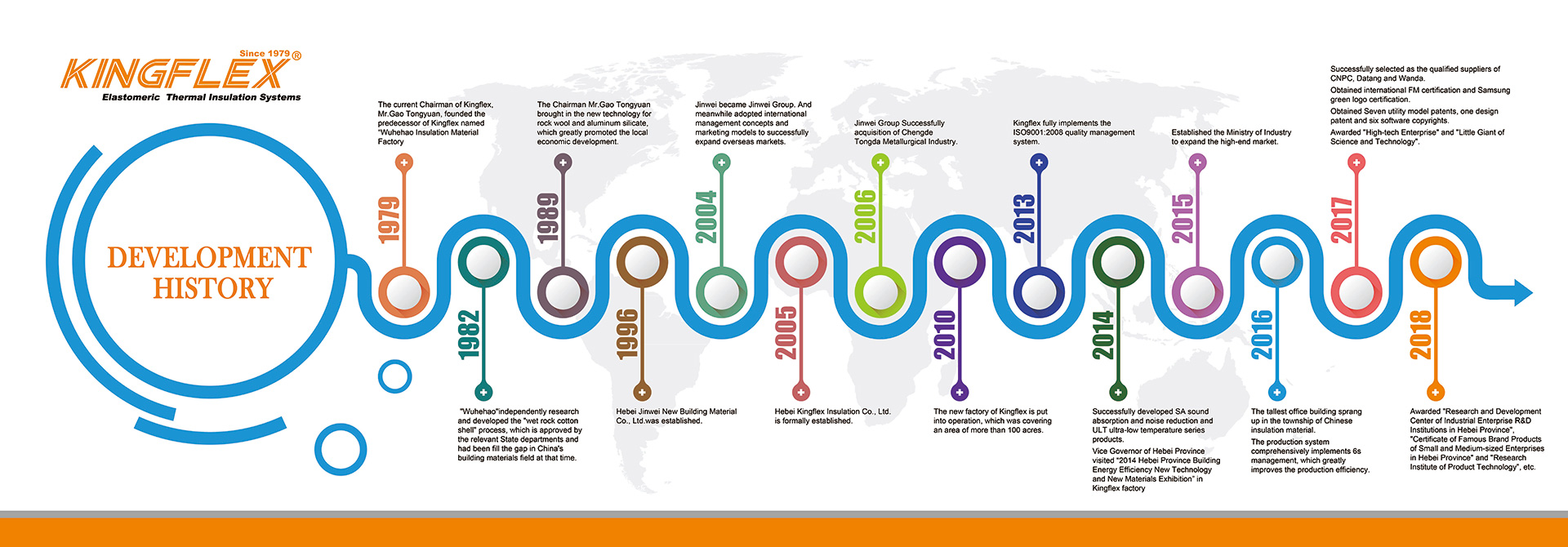
Our history began with the Jinwei Group, established in 1979 as the first thermal insulation manufacturer north of the Yangtze River. Built on this foundation of expertise, Kingflex continues to deliver reliable, high-performance insulation systems for modern infrastructure projects.
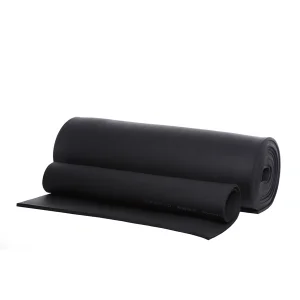
Designed for durability in outdoor settings, Kingflex products utilize closed-cell technology to minimize water absorption and maintain consistent thermal resistance over their service life.
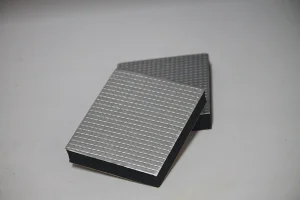
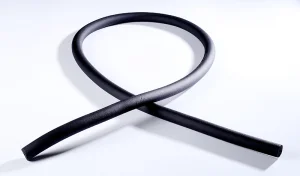
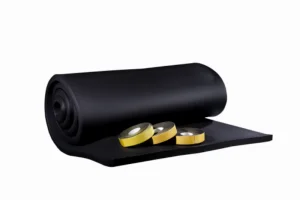
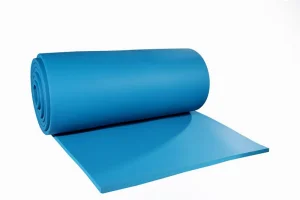
Primary Applications: Air ducts, storage tanks, and building walls/roofs requiring sound dampening and thermal barrier protection.
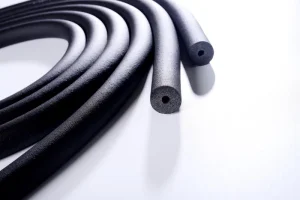
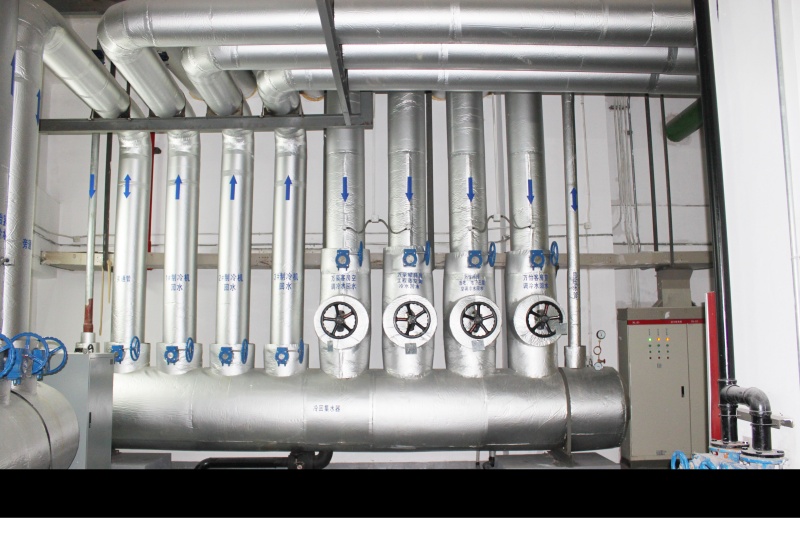
Primary Applications: Industrial steam lines, solar systems, hot water loops, and chemical process piping vulnerable to freezing or condensation.

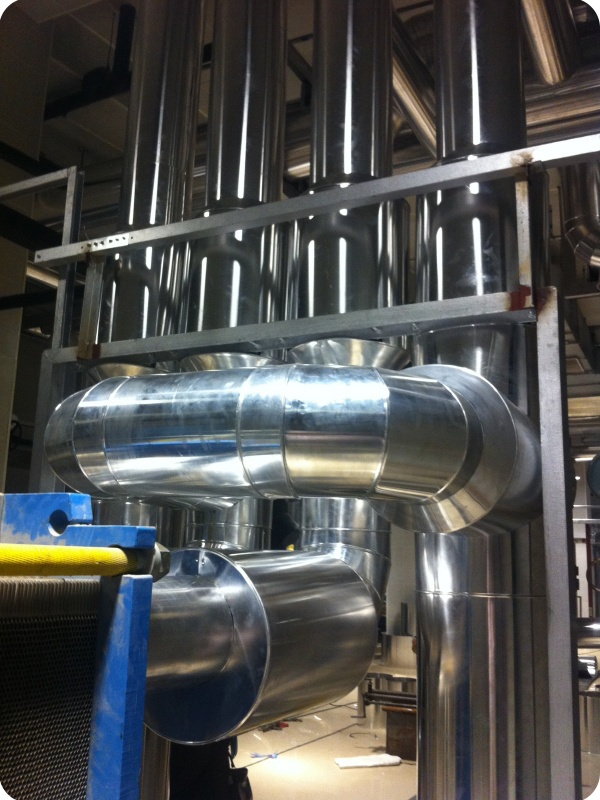
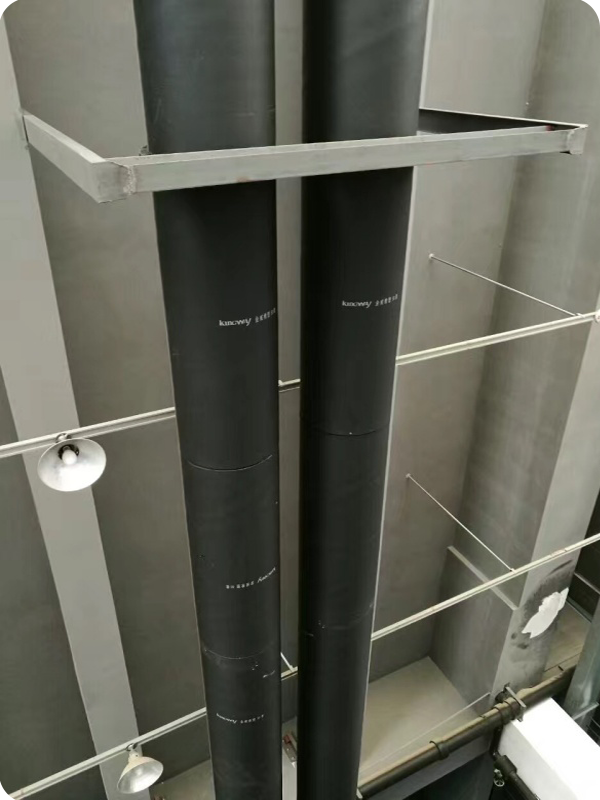
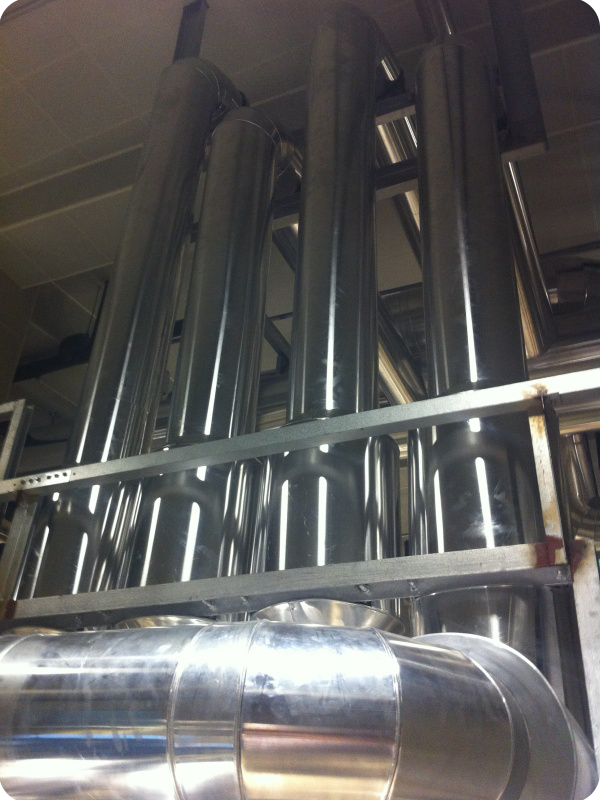
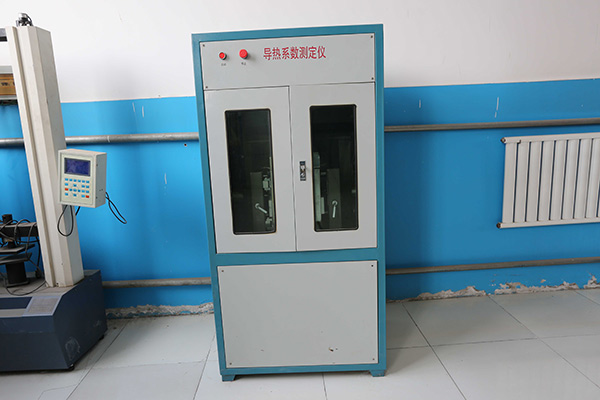
Our dedicated engineering department focuses on improving formulation stability to resist UV degradation and chemical exposure. Kingflex operates a dedicated testing laboratory equipped to verify flame-retardant performance, smoke toxicity, and long-term thermal resistance (drift testing) under simulated field conditions.
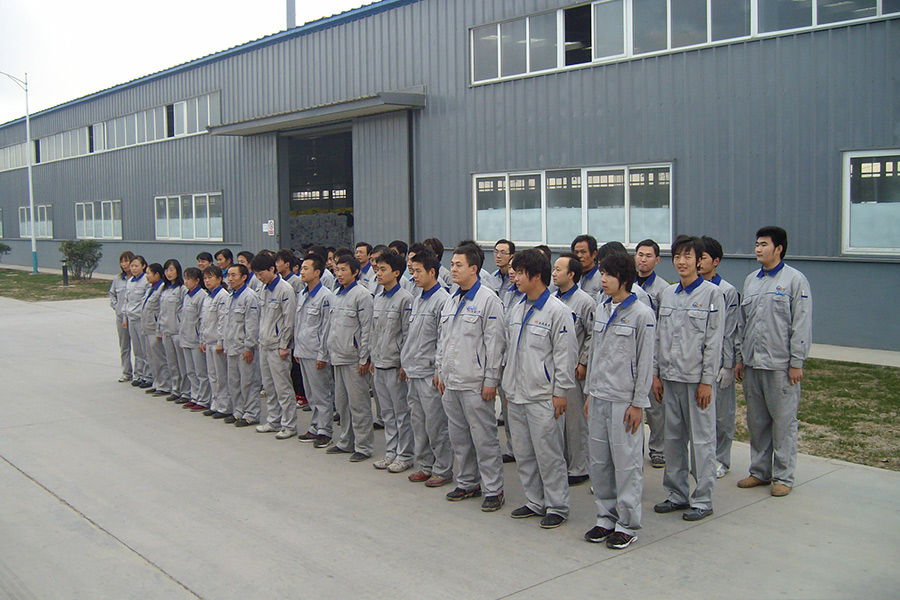
Our technical team includes eight design and research engineers, working alongside six international sales representatives and 230 production workers. This integrated structure ensures that product quality aligns with technical specifications from raw material sourcing through to final delivery.
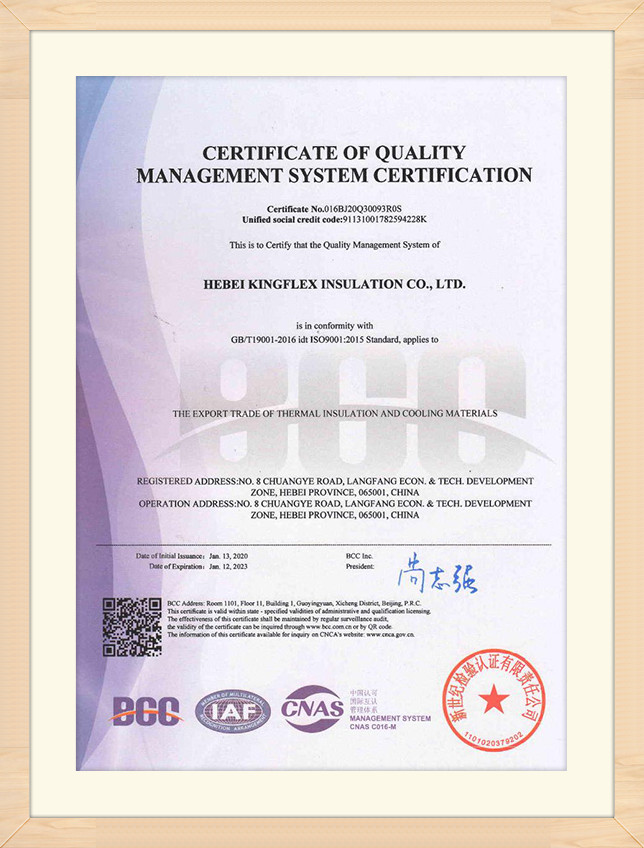
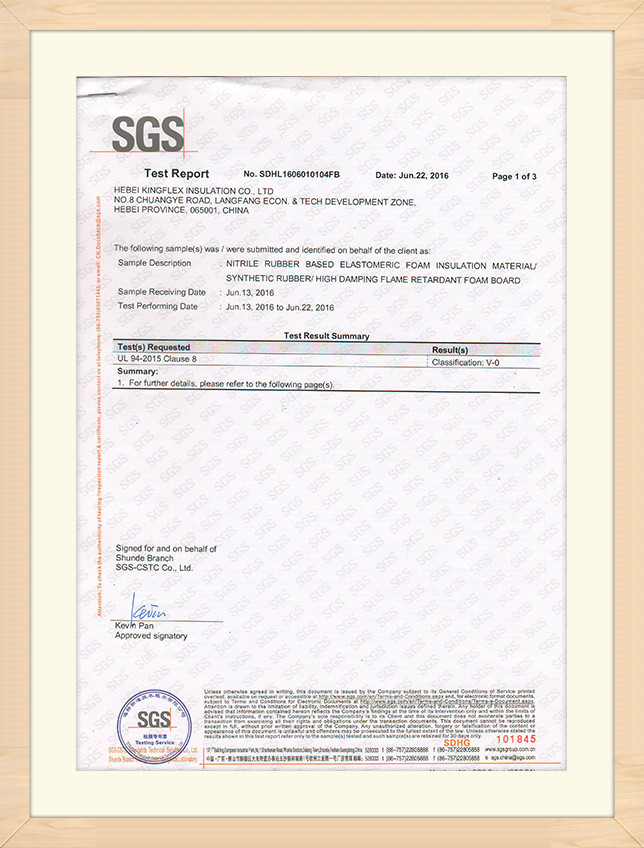
Kingflex materials undergo regular verification to meet international safety and environmental standards, including:
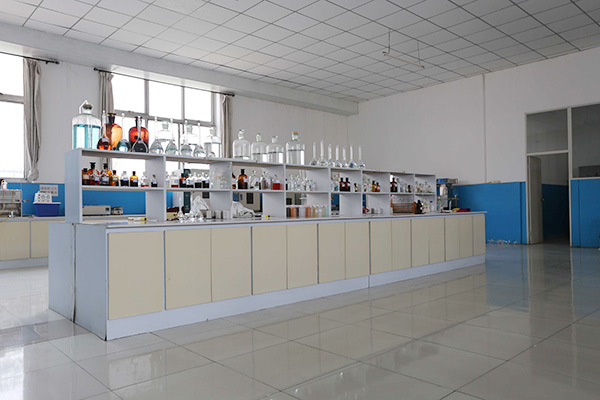



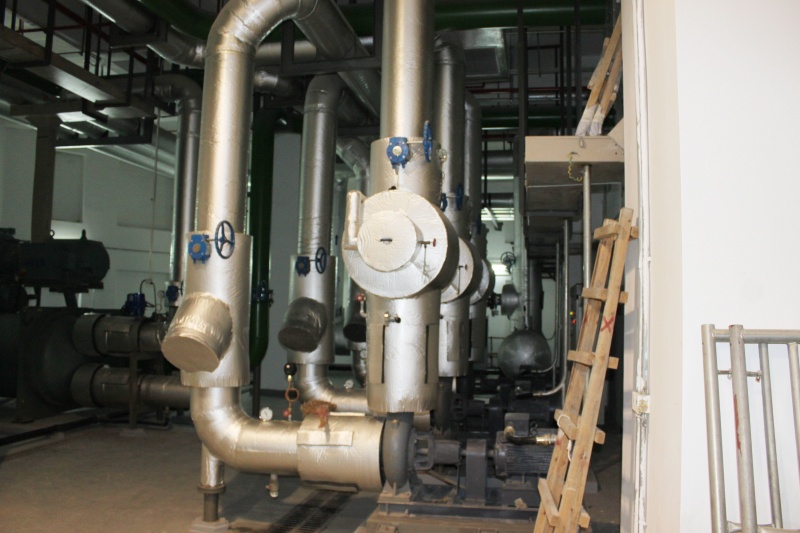
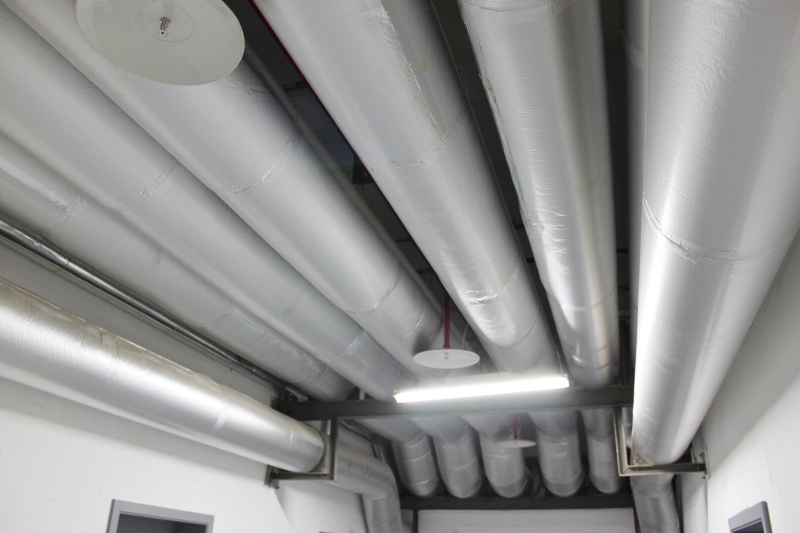
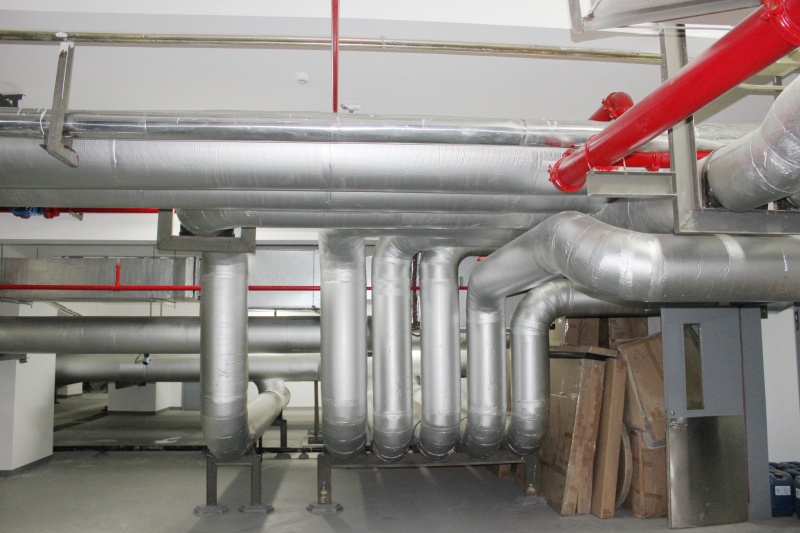
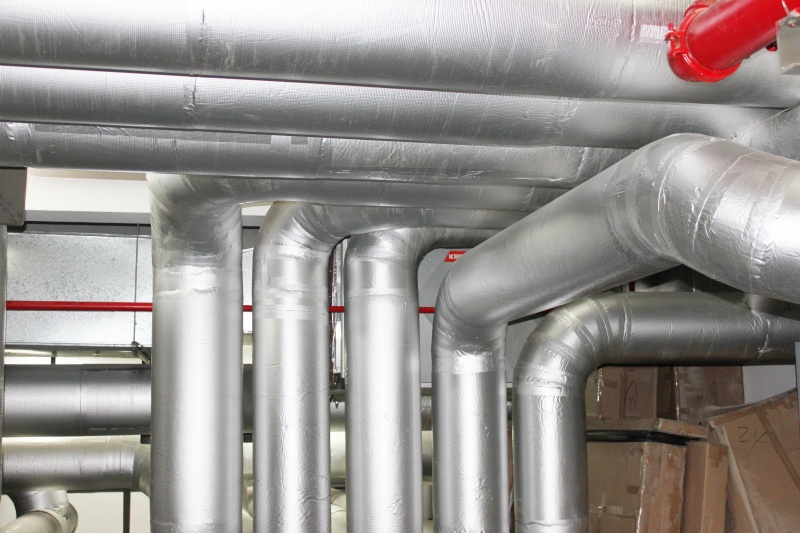
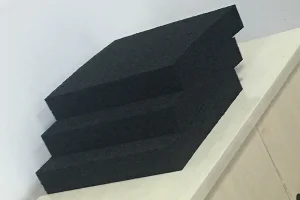
To support global supply chains, our factory maintains structured inventory reserves of standard sizes to minimize lead times for international projects. Below is a look at our Dacheng manufacturing facilities and warehouse storage:



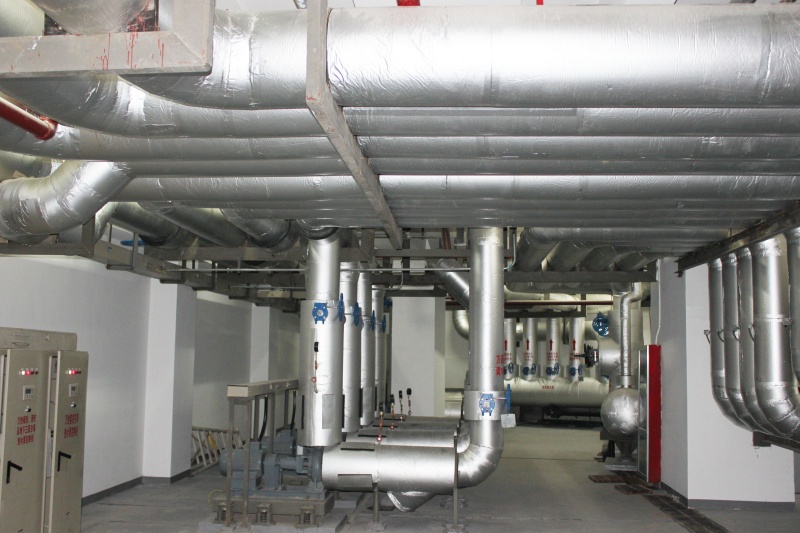
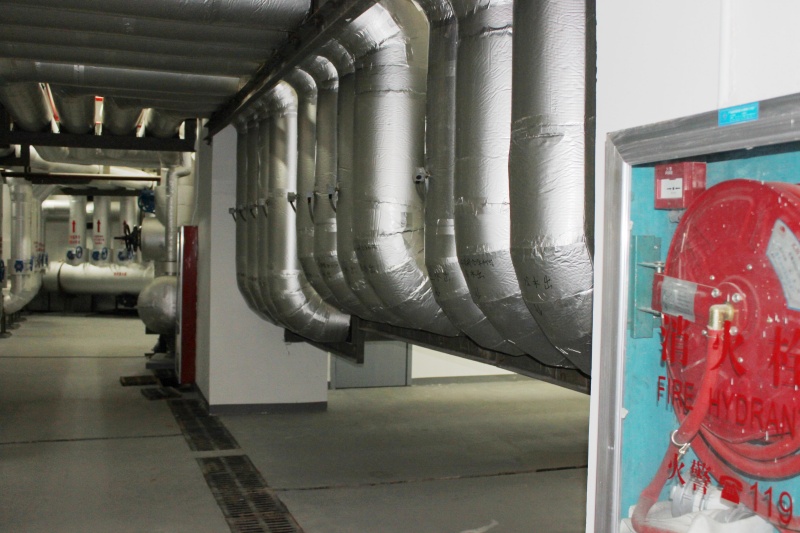
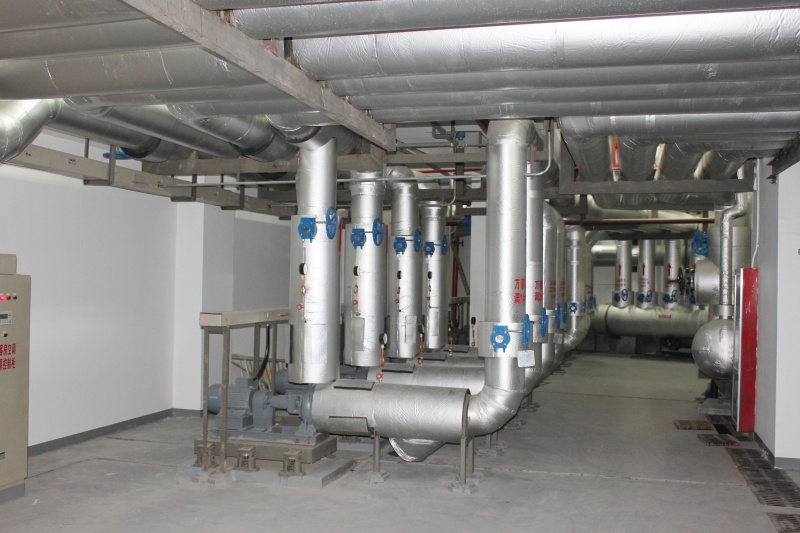

Founded in 1979, the Jinwei Group has over forty years of experience in thermal insulation manufacturing. This deep industry background supports our ongoing R&D and production at Kingflex. Our operations focus on meeting energy conservation requirements and reducing carbon footprints for our global partners.
We work with international logistics providers to coordinate containerized shipments from our factory directly to regional distribution centers. All materials feature batch numbers to ensure clear product traceability.
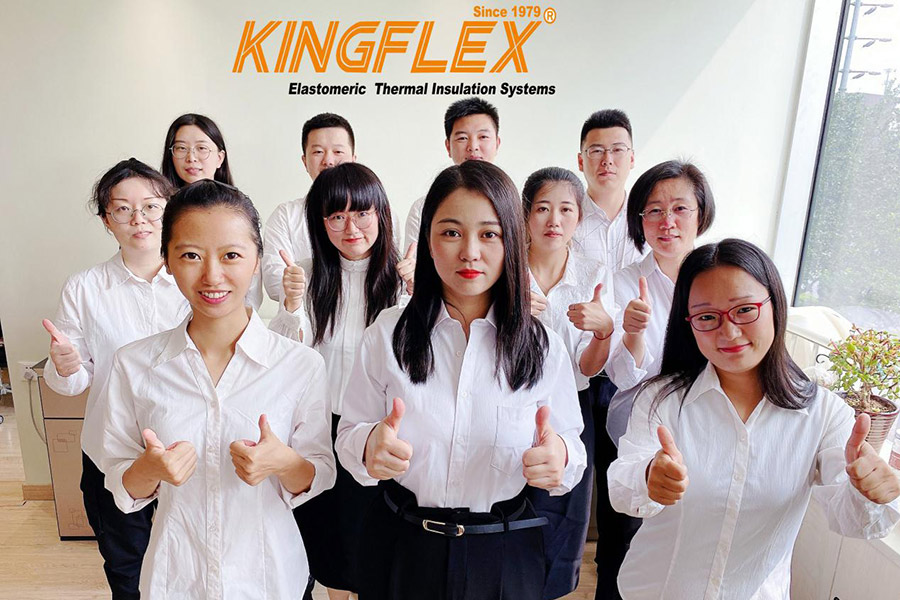
Our team brings together technical specialists and sales representatives focused on providing clear communications and reliable service to our clients. Kingflex employs a production workforce of 230, along with our engineering and sales teams, to support projects of varying scales.
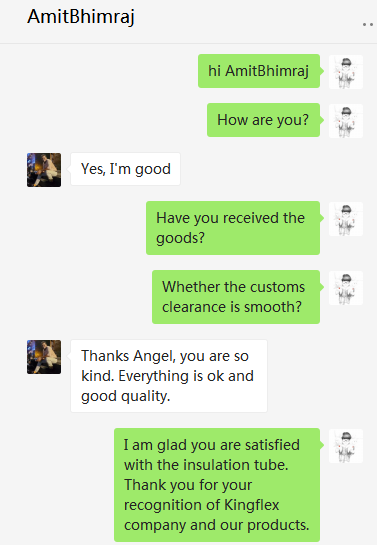
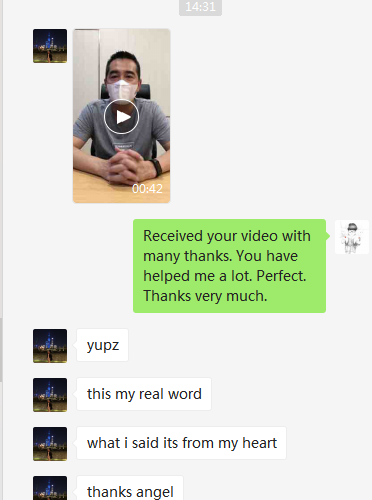
We work closely with procurement officers, HVAC contractors, and project managers to ensure materials meet specific job requirements. Below are references from our client communications and service records:




 Kingflex