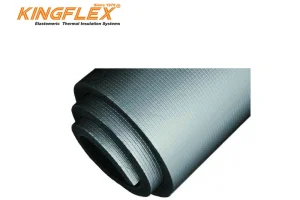
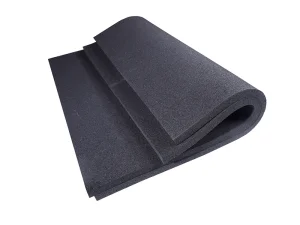
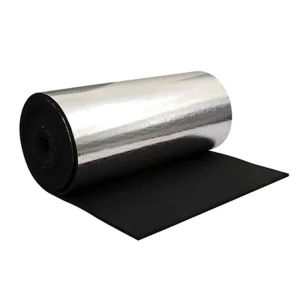
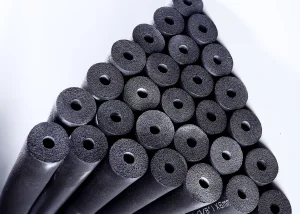
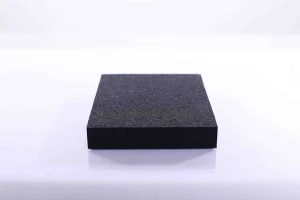
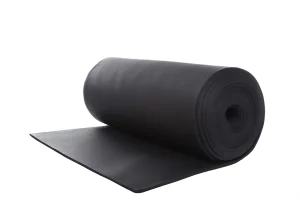
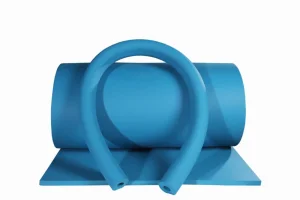
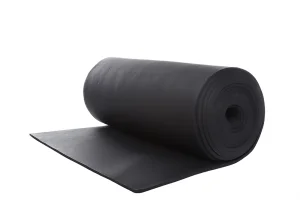
Engineered for low thermal conductivity, high condensation control, and class-leading flame resistance.
Critical analysis of thermal dynamics, vapour diffusion barriers, and mechanical performance metrics.
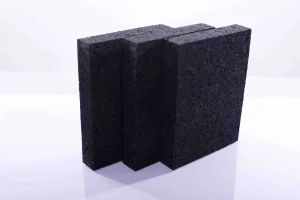
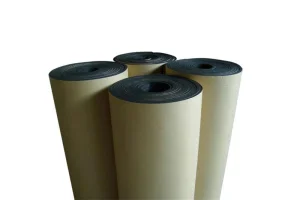
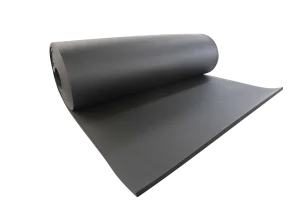
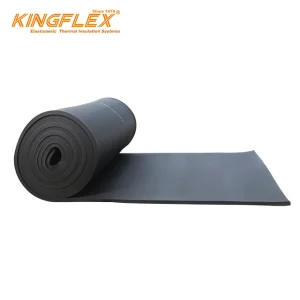
In modern HVAC/R systems, cryogenic liquid pipelines, and large-scale industrial ventilation complexes, the integrity of a thermal boundary is only as reliable as its weakest link. Thermal bridging, localized condensation, and moisture intrusion represent chronic vectors of thermal degradation and structural decay. NBR/PVC closed-cell elastomeric rubber foam insulation tape serves as a primary barrier designed to eliminate these vulnerabilities by sealing joints, flanges, and piping run connections.
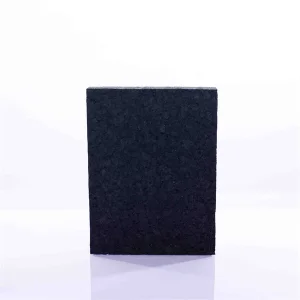
Unlike open-cell alternatives, the uniform microporous molecular architecture of nitrile butadiene rubber (NBR) and polyvinyl chloride (PVC) blended matrices provides a high resistance to moisture vapor diffusion. The closed-cell structure restricts moisture penetration to the superficial outer boundaries, preserving structural thermal conductivity (λ) values throughout the system's operational lifespan. This whitepaper analyzes the mechanical, environmental, and thermal properties that make closed-cell rubber foam insulation the modern global standard.
The dense polymer matrix provides an integrated moisture vapor barrier, eliminating the need for supplementary jackets in most indoor and moderate outdoor setups.
Features an average thermal conductivity of ≤ 0.034 W/m·K at 0 °C, minimizing active heat loss or gain across piping systems.
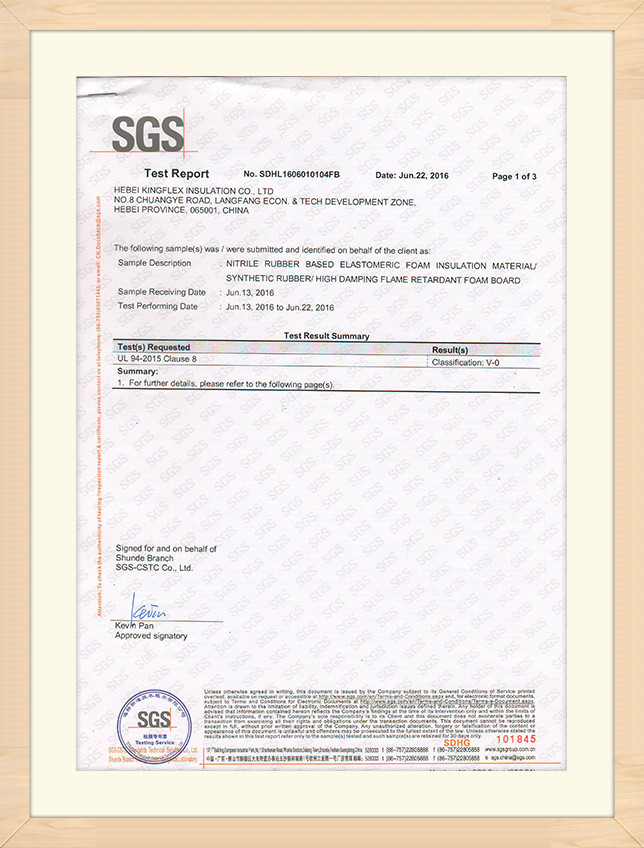
Meets BS 476 (Class 0 and Class 1), UL 94, and ASTM fire protection standards, with auto-extinguishing characteristics and low smoke toxicity.
Located in Dacheng, China—a globally recognized industrial center for energy-saving, green-building insulation materials—Kingflex Insulation Co., Ltd. operates as a specialized manufacturing and trading consortium. Established by the Jinwei Group, which possesses a legacy spanning over 40 years since its founding in 1979, Kingflex has consistently led innovation in energy-saving solutions.
Our primary facility integrates 5 fully automated continuous extrusion and foaming lines, generating an annual manufacturing output in excess of 600,000 cubic meters. By integrating raw material sourcing, automated polymer compounding, dynamic cell-leavening, and direct international logistics, Kingflex delivers cost-effective thermal solutions to clients across more than 66 countries.

Physical parameters tested and validated under strict ISO, BS, and ASTM regulatory protocols.
| Performance Parameter | Elastomeric Sheet Roll Specifications | Elastomeric Pipe / Tube Specifications |
|---|---|---|
| Material Base | NBR/PVC Copolymer Blend (Latex-Free) | NBR/PVC Copolymer Blend (Latex-Free) |
| Thickness Range | 6 mm to 50 mm (Customizable) | 9 mm to 40 mm (Customizable) |
| Internal Diameter (ID) | N/A | 6 mm to 114 mm |
| Density Range | 40 to 55 kg/m³ | 40 to 55 kg/m³ |
| Operating Temperature | -40 °C to +105 °C (Up to -200 °C for Cryogenic systems) | -40 °C to +105 °C (Up to -200 °C for Cryogenic systems) |
| Closed-Cell Rate | > 98% | > 98% |
| Resilience Value | > 80% Compression Recovery | > 80% Compression Recovery |
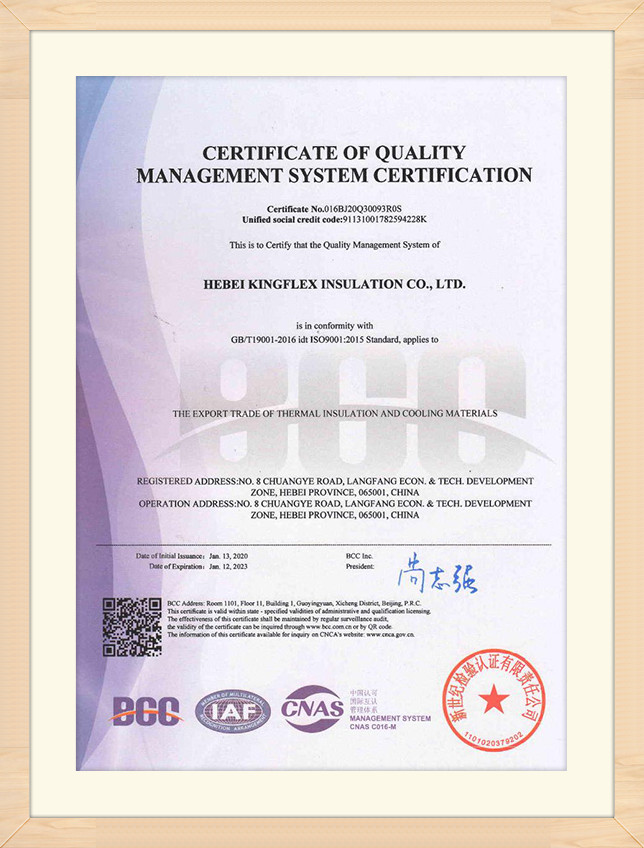
| Certificates Passed | BS 476, CE, REACH, ROHS, UL94, ASTM | BS 476, CE, REACH, ROHS, UL94, ASTM |
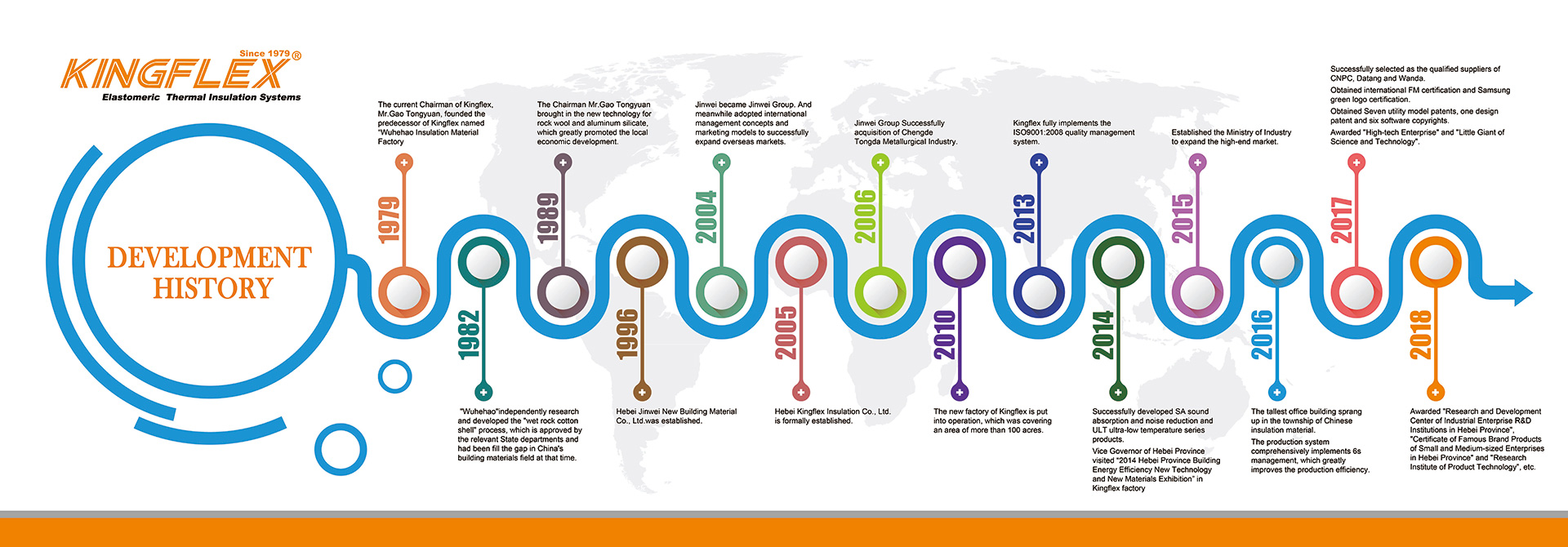
Founded as part of the Jinwei Group in 1979, our parent group pioneered the manufacture of modern thermal insulation products north of the Yangtze River. Decades of specialized engineering research have allowed us to optimize the physical parameters of rubber foam. From early fiberglass trials to high-tech, closed-cell NBR structures, our factory has served major infrastructure projects across China and worldwide.
Ensuring fire retardancy, structural integrity, and environmental compatibility across municipal and industrial standards.
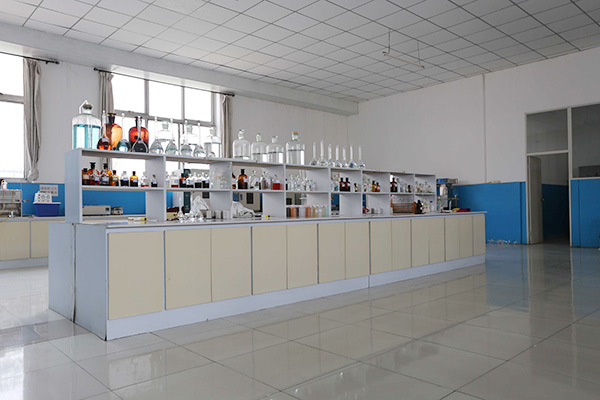

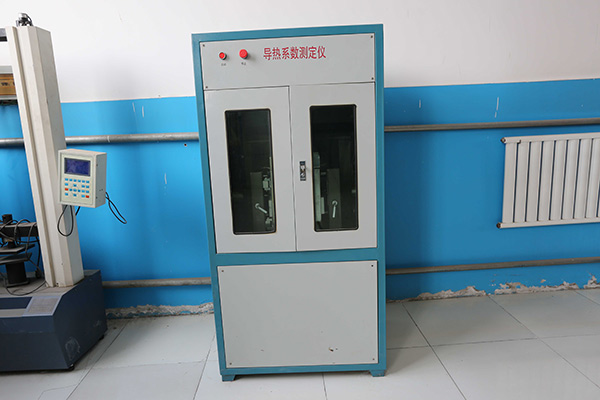
Our R&D department features 8 professional chemical and mechanical engineers dedicated to formula optimization. Testing is conducted continuously for density consistency, moisture barrier retention, and smoke-spread indexes to secure compliance with international building guidelines.


How closed-cell elastomeric rubber foam functions across demanding thermal and acoustic environments.
Used to insulate chilled water pipes, hot water systems, and sheet-metal ducts. The material controls condensation issues arising from high ambient humidity levels in commercial buildings, hotels, and healthcare facilities.
Suitable for liquid gas pipelines, pharmaceutical chilling loops, and marine transport lines operating down to -200 °C. The formulation prevents cracking under severe temperature drops.
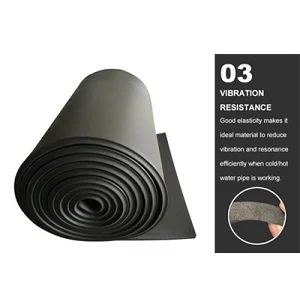
Applied in industrial plant machine rooms, ventilation ducts, and recording studios. The elastomeric matrix absorbs vibrational frequencies and limits airborne sound transmission.
Provides resistance to acids, alkalis, and atmospheric weathering, shielding outdoor utility lines from rust, mechanical wear, and corrosion under insulation (CUI).
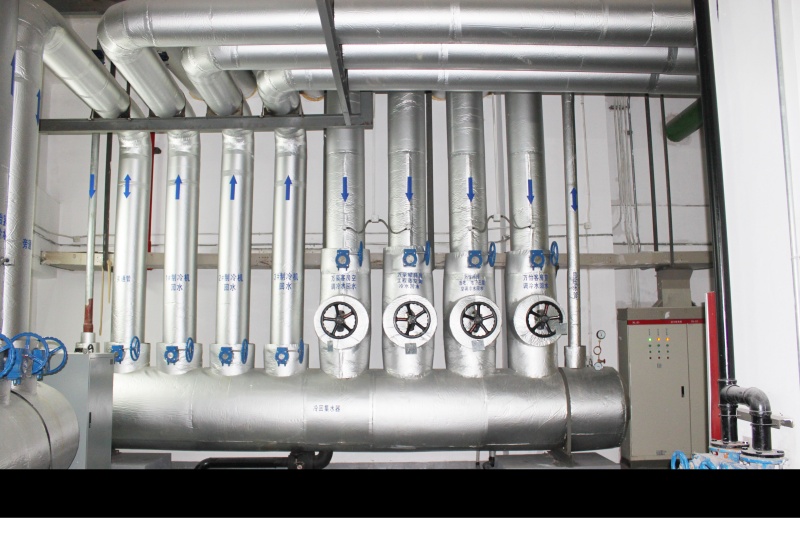


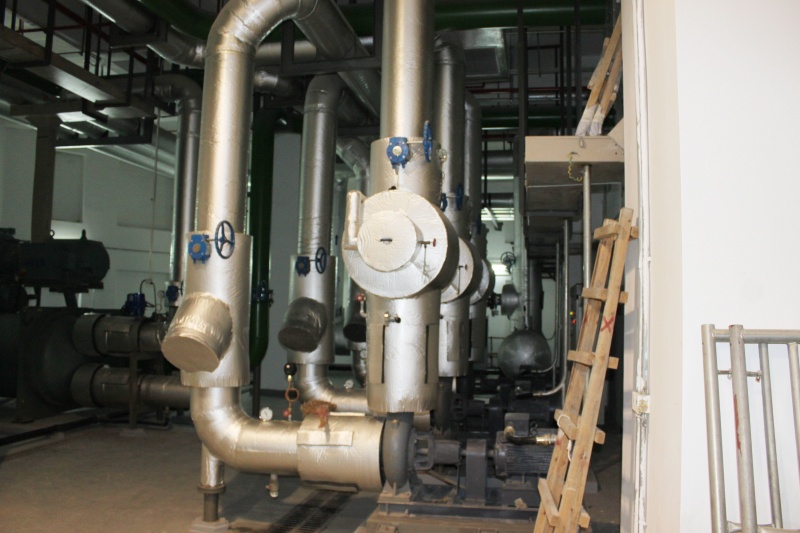
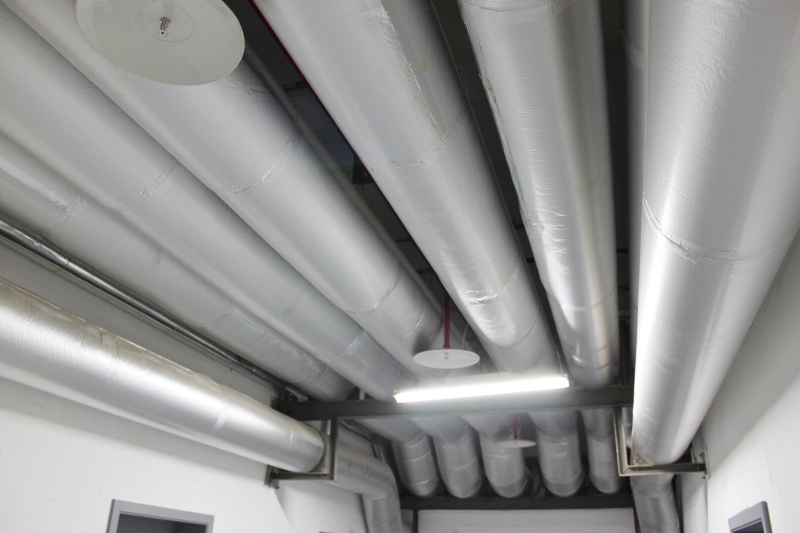

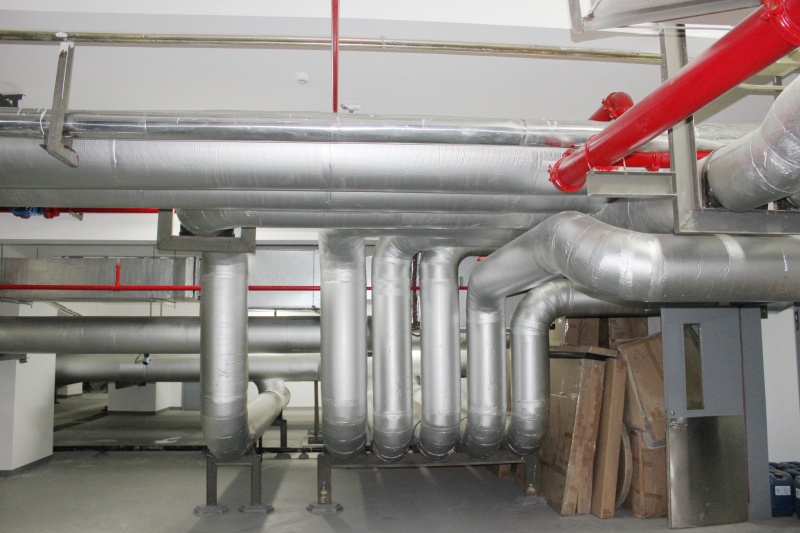
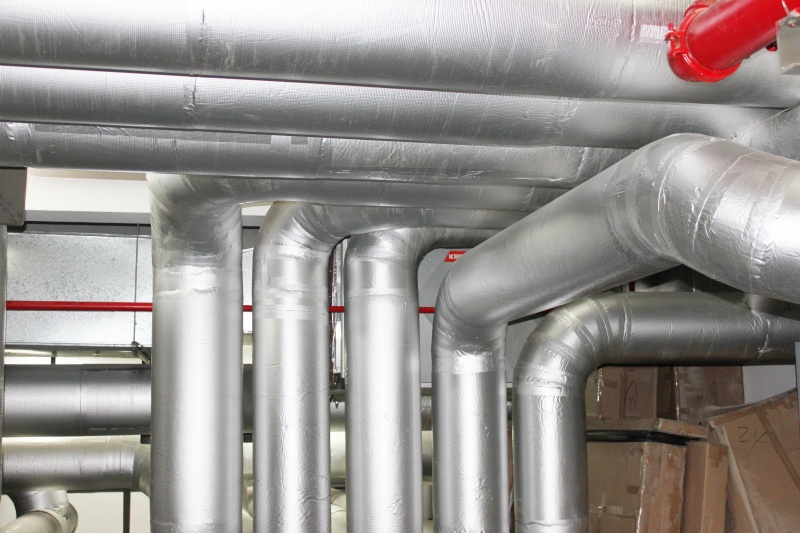
A strategic framework for evaluating elastomeric insulation suppliers and technical parameters.
For B2B procurement managers and engineering specialists, selecting a rubber foam insulation tape supplier requires balancing technical performance, scale of production, and certification compliance. Main challenges in this process include:


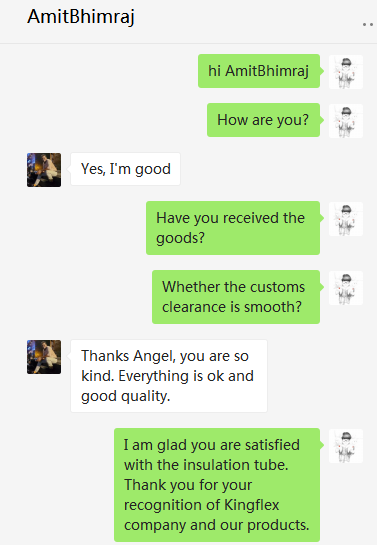


Technical and logistics questions regarding Kingflex elastomeric rubber foam insulation systems.
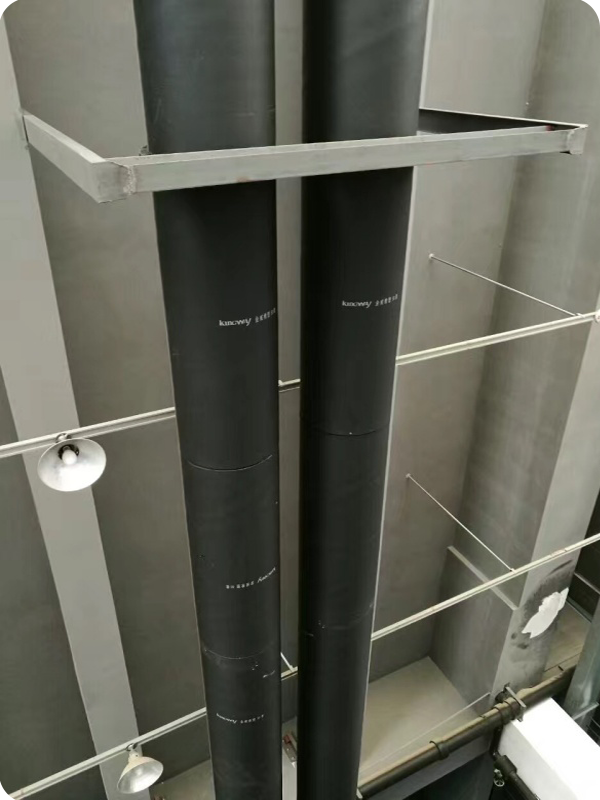
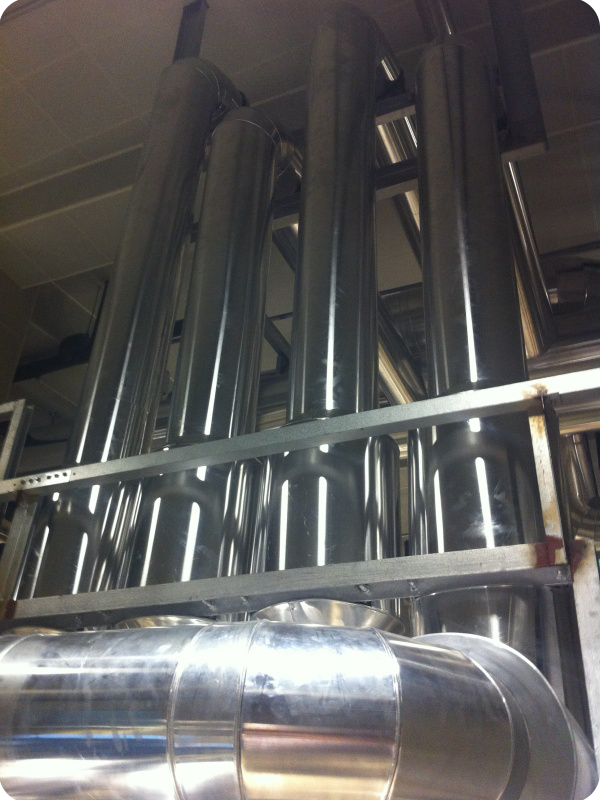
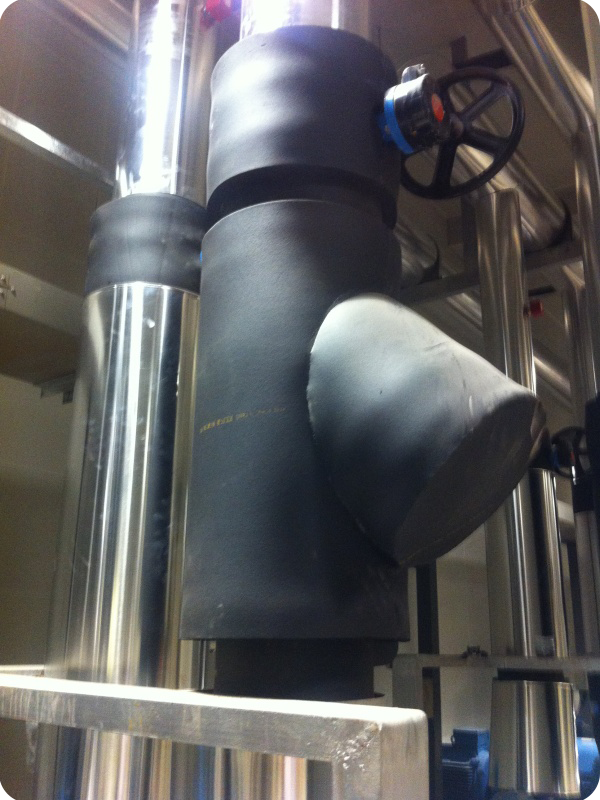
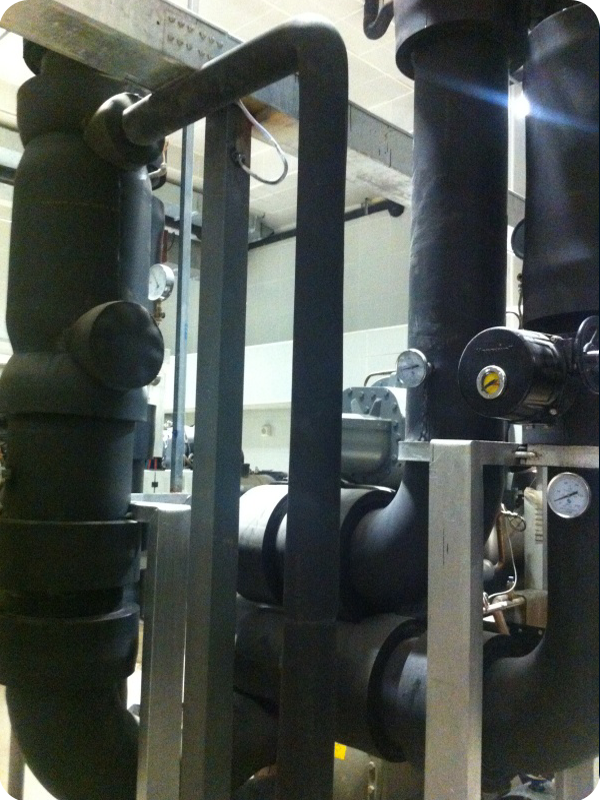
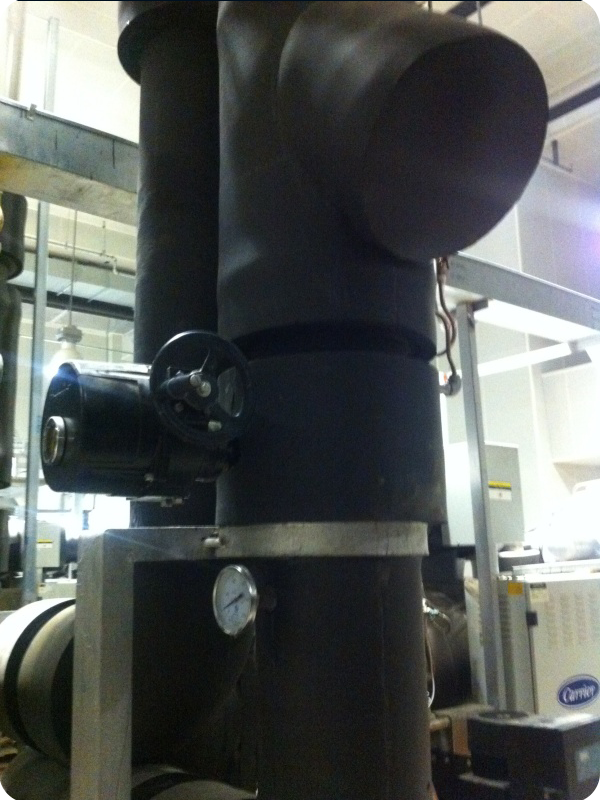
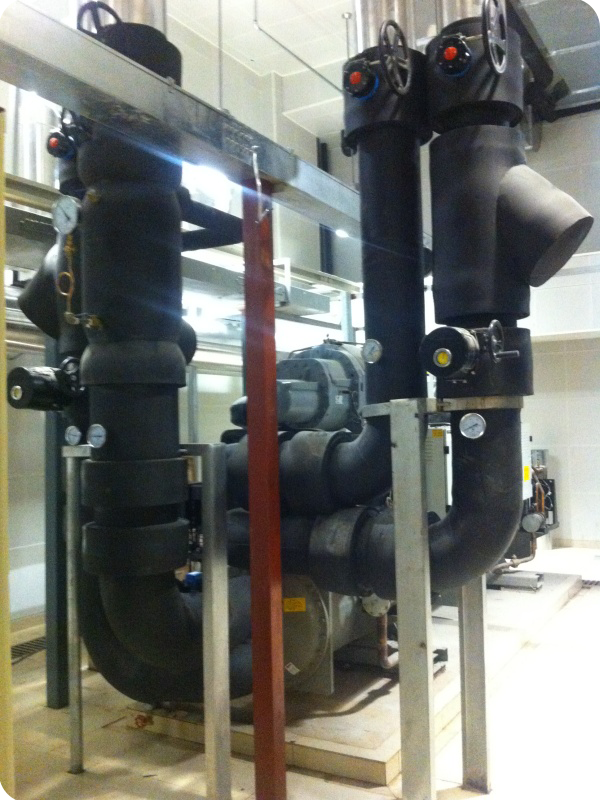
Kingflex insulation materials implemented in large-scale mechanical engineering projects worldwide.

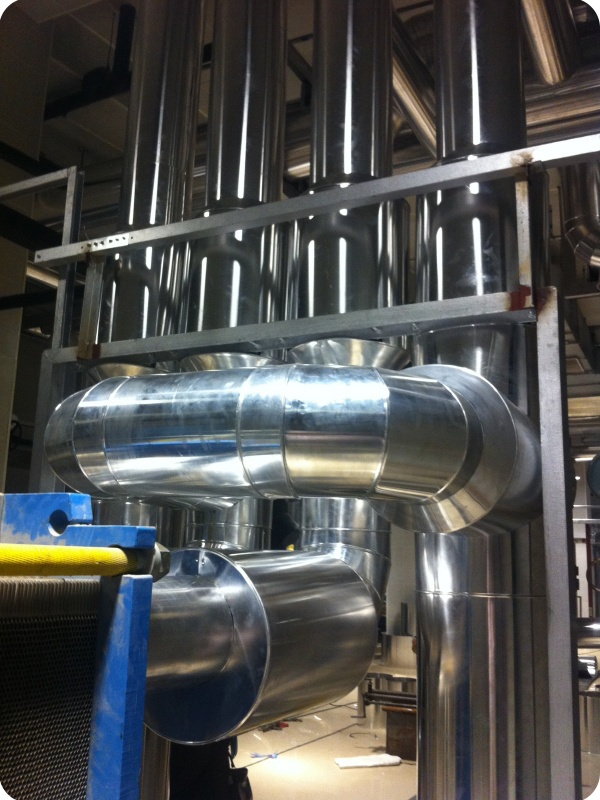
Select from our range of soundproofing, cryogenic, and high-density elastomeric materials.
 Kingflex