Engineered to prevent severe energy losses, control condensation, and resist corrosion under insulation (CUI) in extreme sub-zero applications.
Seattle is a premier global hub for advanced manufacturing, commercial marine logistics, aerospace innovation, and clean energy transition. The deployment of cryogenic technologies is crucial in these sectors. Deep cryogenic fluids—such as liquid natural gas (LNG), liquid oxygen (LOX), and liquid hydrogen (LH2)—require reliable, high-performance insulation to prevent thermodynamic losses, pipe cracking, and moisture intrusion.
In the Puget Sound maritime transport sector, retrofitting vessel hulls and storage terminals with elastomeric cryogenic systems ensures critical vapor barriers. Additionally, Washington State's expanding clean hydrogen economy and aerospace testing facilities in Kent and Everett demand flexible, high-density insulation materials that can withstand structural movements while maintaining insulation down to -200°C.
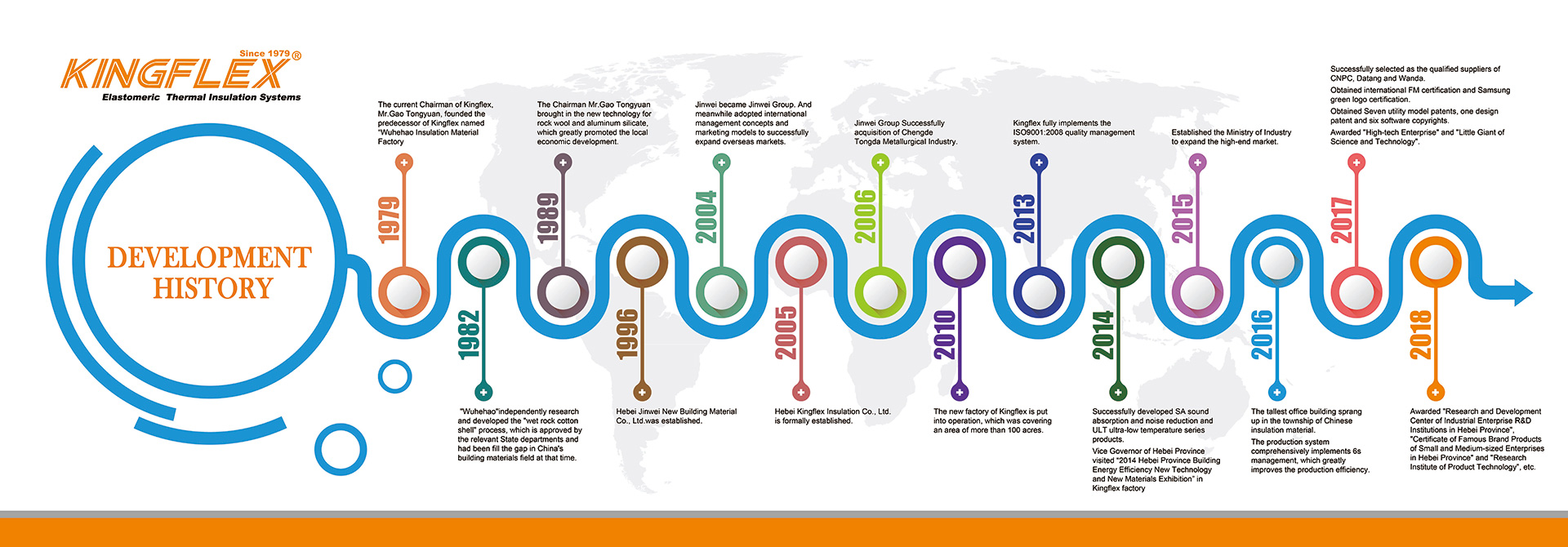
A premier manufacturing and trading combo for thermal and cold insulation products since 1979.
Established by the Jinwei Group with a history of over 40 years. Founded in 1979, we were the first manufacturer of thermal insulation materials north of the Yangtze River in China.
Operating 5 automated lines with an annual capacity of over 600,000 cubic meters. Designated as a certified provider for national ministries of energy, power, and chemical industry.
Our research and production department is situated in Dacheng, China, the capital of green-building materials. Featuring 8 professional R&D engineers and 230 skilled factory workers.

At Kingflex Insulation Co., Ltd., we combine environmental protection with thermodynamic performance. Our closed-cell elastomeric structures are tailored for the Seattle market, addressing critical insulation challenges in high-humidity maritime climates.
We provide comprehensive project guidance, from custom sizing of NBR/PVC blends to onsite installation support for engineers in Seattle, Tacoma, and Bellevue. Our systems ensure long-term thermal conductivity stability, moisture protection, and compliance with local energy and fire-safety codes.
Customized solutions designed to meet Seattle’s high standards for environmental compliance, energy conservation, and safety.
Protects gas storage terminals, vaporization equipment, and processing pipes at ports from thermal intrusion and salt-spray corrosion.
Insulates liquid nitrogen and liquid hydrogen propellant pipes, ensuring reliable thermal barriers during static test cycles and launch protocols.
Designed for large cold chain storage centers, preventing condensation and reducing system workloads in commercial food distribution networks.
Our products maintain their physical stability and thermal resistance down to -200°C. Review our standard specifications below.
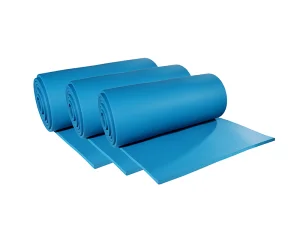
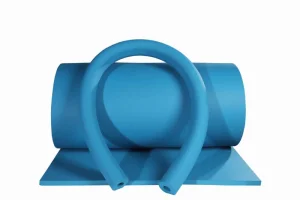
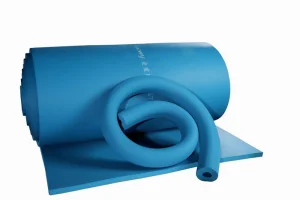
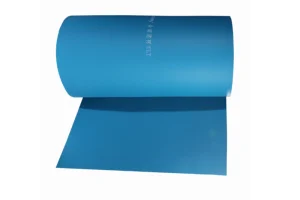
Kingflex sheet rolls feature a high-density, closed-cell structure that limits vapor and thermal transfer. This makes them ideal for large vessels, ducts, and custom-formed fittings.
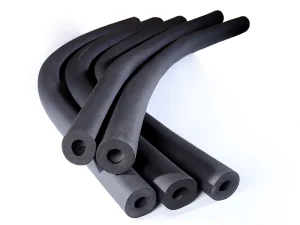
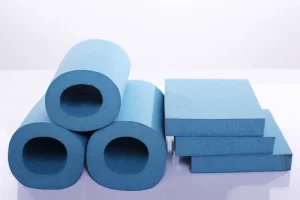
Extruded and calibrated for quick installation. These insulation pipes prevent condensation and freezing on cold lines, HVAC systems, and chemical pipes.
Our production facilities in Dacheng benefit from a specialized regional industrial cluster. This concentration allows us to source raw materials, conduct R&D, and scale production with high efficiency. For procurement managers in Seattle and the broader Pacific Northwest, sourcing from our factory offers clear advantages:

Our core product line is engineered for high-demand industrial applications in Seattle, Washington, and global export markets.
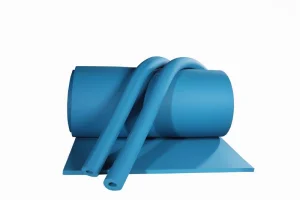
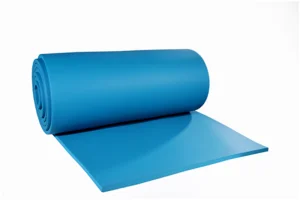
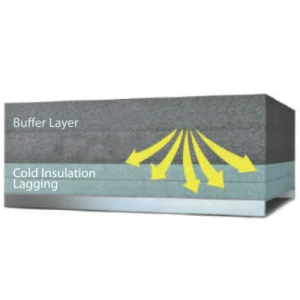
All Kingflex products undergo testing and inspection to ensure compliance with strict environmental and safety codes in international markets, including Seattle.
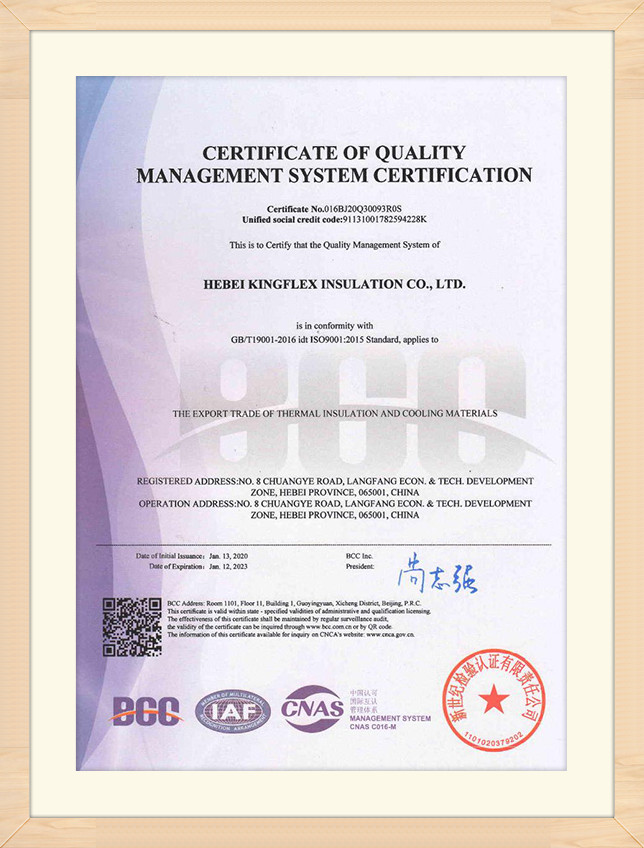
Class 0 & Class 1 fire safety ratings for structural design.

Global standard conformance for industrial thermal barriers.

Halogen-free manufacturing limits hazardous emissions.
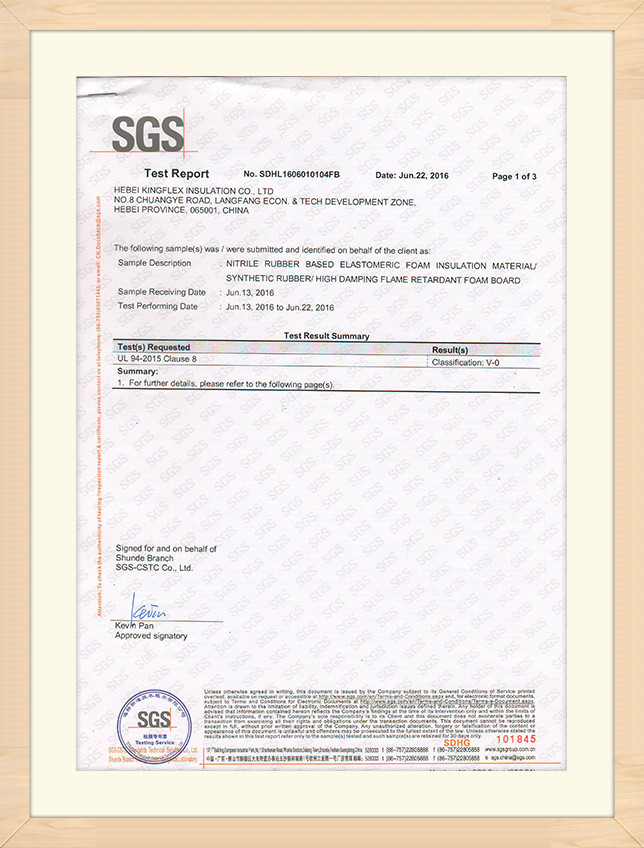
Verified physical properties for low-temperature use.
Find technical details on ordering, testing, and installing cryogenic insulation systems.
It is primarily used for HVAC ducts, air conditioning lines, structural building insulation, industrial pipeline cold insulation, and sound dampening. In cryogenic applications, it provides a flexible barrier down to -200°C, preventing ice formation and pipe cracking.
Yes, our rubber foam insulation is fire retardant. It meets BS 476 Parts 6 & 7 (Class 0 and Class 1), UL94 V-0, and ASTM E84 standards, making it suitable for hazardous environments, industrial plants, and commercial buildings.
Rubber foam is a flexible, closed-cell, moisture-proof material ideal for HVAC, refrigeration, and low-temperature systems where moisture management is critical. Rock wool is a high-temperature resistant, fibrous material suitable for industrial process heat and high-heat fire stops, but it requires a separate vapor barrier to prevent moisture buildup in cold environments.
Yes, we support comprehensive OEM/ODM customization. We can adjust density, thickness, tube IDs, wall thicknesses, and raw material formulations to match specific system layouts and regulatory requirements.
Our materials are certified under BS 476, CE, REACH, RoHS, UL94, and ASTM. This documentation ensures compliance with local building codes, including those in Washington State and the broader United States.
Yes, we maintain a complete traceability program. Every production run has a unique batch code tracking raw material suppliers, manufacturing processes, QC inspection logs, and shipping files to ensure consistent quality.
We manufacture standard rubber foam insulation sheet rolls in thicknesses ranging from 6 mm to 50 mm. Custom layered configurations can also be engineered for specialized low-temperature applications.
Under typical operating conditions and with proper installation, our materials have a service life of 10 to 15 years. Using protective outer jackets in high-UV outdoor environments can further extend this lifespan.
Our closed-cell structure (with a closed-cell rate over 98%) limits moisture absorption. Keeping water vapor away from the pipe surface significantly reduces the risk of Corrosion Under Insulation (CUI).
Sea freight transit from northern China ports (like Tianjin) to the Port of Seattle typically takes 18 to 25 days. We coordinate container loading and customs paperwork to ensure predictable delivery schedules.
 Kingflex