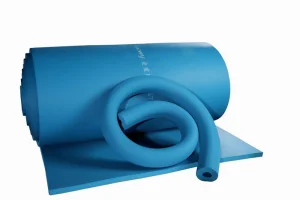
Analyzing industrial expansion, atmospheric gas distribution networks, healthcare medical oxygen supply chains, and cold storage infrastructure in Nepal.
The Kathmandu Valley—encompassing Kathmandu, Lalitpur, and Bhaktapur—alongside adjacent industrial corridors such as Hetauda and Panchkhal, is witnessing an unprecedented surge in industrial gas storage, pharmaceutical manufacturing, food processing facilities, and specialized HVAC networks. As Nepal modernizes its healthcare infrastructure, medical oxygen storage facilities (ranging from liquid oxygen bulk tanks to cryogenic distribution pipelines at major centers like Tribhuvan University Teaching Hospital and Norvic International) require continuous thermal barrier solutions operating reliably at temperatures down to -183°C.
Furthermore, the rapidly growing food & beverage sector, commercial dairy distribution hubs, and cold-chain logistics parks across Bagmati Province face severe energy efficiency challenges. Due to Kathmandu's unique sub-tropical highland climate, characterized by intense humidity gradients during the monsoon season and high diurnal temperature variations, standard insulation materials fail prematurely due to moisture ingress, surface condensation, and thermal bridging.
Why modern cryogenic facilities in Kathmandu are transitioning from cellular glass and PIR to elastomeric rubber foam systems.
Engineered with a closed-cell ratio exceeding 98%, Kingflex cryogenic elastomeric foam minimizes thermal conduction pathways. The high density of nitrogen gas pockets locked within synthetic nitrile rubber matrices delivers superior thermal performance ($\lambda \le 0.034 \text{ W/m}\cdot\text{K}$ at 0°C).
Unlike mineral wool or rigid polyurethane foam requiring external vapor jackets, flexible cryogenic nitrile rubber possesses an inherent resistance to water vapor transmission throughout its entire thickness, eliminating risks of CUI (Corrosion Under Insulation).
Specially formulated with low glass transition temperature ($T_g$) polymers, our cryogenic synthetic rubber maintains elasticity at extreme cold conditions, preventing stress fracturing during rapid thermal shock cycles in LNG or liquid nitrogen lines.
| Insulation Material Type | Service Temperature Range | Thermal Conductivity (λ) | Water Vapor Permeability (μ) | Flexibility & Seismic Adaptation | Kathmandu Landed Value Index |
|---|---|---|---|---|---|
| Kingflex Cryogenic Elastomeric Foam | -200°C to +105°C | 0.034 W/(m·K) at 0°C | ≥ 10,000 (Built-in) | Excellent (High Elasticity) | Highest (Direct China Factory Supply) |
| Cellular Glass (Foamed Glass) | -260°C to +430°C | 0.042 W/(m·K) at 0°C | Infinite (∞) | Brittle (Prone to cracking) | High Material & Freight Cost |
| Polyisocyanurate (PIR) Foam | -180°C to +120°C | 0.028 W/(m·K) at 0°C | Requires Foil Vapor Barrier | Rigid / Limited Flex | Moderate / Risk of Jacketing Damage |
| Standard Rock Wool Blanket | -50°C to +650°C | 0.038 W/(m·K) at 0°C | 0 (Permeable to moisture) | Flexible but absorbs water | Low initial, High failure rate in cold |
Delivering tailor-made insulation configurations across key industrial zones in the Kathmandu region.
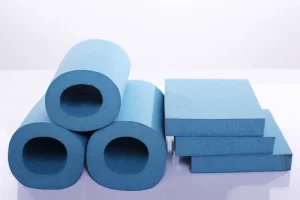
With hospitals in Kathmandu expanding intensive care capacity, bulk liquid oxygen (LOX) tanks stored at -183°C are critical. Our specialized low-temperature synthetic rubber sheet and tube series prevent ice build-up, frost boil-off, and heavy condensation along distribution manifolds running into clinical wards.
Nepal’s major brewing and beverage bottling enterprises utilize secondary glycol lines operating between -5°C and -15°C. Kingflex closed-cell elastomeric tubes provide long-term energy savings, preventing thermal loss and eliminating moisture drips above clean production lines.
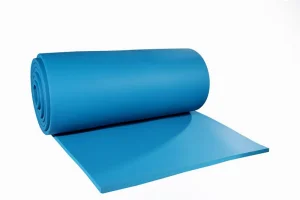
From seed preservation in Lalitpur to high-altitude cold storage in Dhulikhel and Kathmandu, maintaining temperature precision is critical. Elastomeric sheet rolls installed on refrigeration suction lines and pressure vessels dramatically cut compressor power load.
Five-star hotels, international airports, and modern shopping complexes in Kathmandu depend on Kingflex NBR/PVC insulation to prevent indoor air quality degradation caused by mold growth inside moist ductwork.
Budgeting guidelines for engineering procurement managers and MEP contractors in Nepal.
Pricing for cryogenic insulation products in Kathmandu is influenced by wall thickness, inner diameter (for tubes), specialized flame-retardant additives (such as BS 476 Class 0 compliance), and transit logistics via China-Nepal trade routes (Tatopani / Rasuwagadhi border checkpoints vs sea freight via Kolkata). Below is an estimated price range benchmark to assist local project planning:
| Product Category & Specification | Thickness Range (mm) | Estimated Factory Price Range (USD) | Estimated Landed Price in Kathmandu (NPR) | Recommended Industrial Application |
|---|---|---|---|---|
| Standard NBR/PVC Insulation Tube | 9mm – 25mm | $0.45 – $2.80 / meter | NPR 80 – NPR 480 / meter | Chilled Water Piping, HVAC Lines |
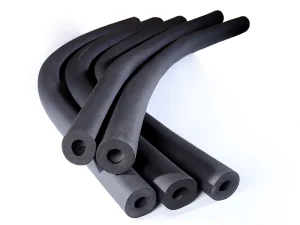
| Cryogenic Foam Rubber Tube (-200°C Grade) | 13mm – 38mm | $1.80 – $6.50 / meter | NPR 300 – NPR 1,100 / meter | Liquid Nitrogen, LOX Lines, Ethylene |
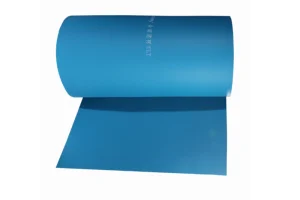
| Rubber Foam Sheet Roll (Standard) | 6mm – 50mm | $1.20 – $8.50 / sq.meter | NPR 200 – NPR 1,450 / sq.meter | Ducts, Air Handling Units (AHU), Chillers |
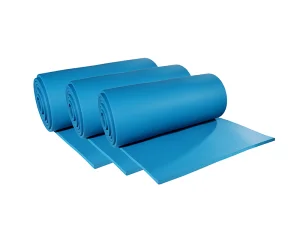
| Cryogenic Elastomeric Sheet Roll (-200°C) | 10mm – 32mm | $4.50 – $18.00 / sq.meter | NPR 750 – NPR 3,000 / sq.meter | Cryogenic Storage Tanks, Gas Skids |
"Procuring cryogenic insulation directly from verified Chinese manufacturing hubs provides Kathmandu project developers with a 30% to 45% cost advantage over European distributor channels, while guaranteeing compliance with ASTM C534 and BS 476 standards."
Streamlined cross-border supply networks linking Hebei manufacturing centers directly to Kathmandu.
By leveraging direct trans-Himalayan freight routes through Kerung/Rasuwagadhi and Tatopani ports, Kingflex reduces delivery lead times to Kathmandu to as little as 10–14 days, compared to 35–45 days required for maritime shipments via Kolkata port.
Operating 5 fully automated continuous extrusion assembly lines with an annual output exceeding 600,000 cubic meters, Kingflex maintains continuous inventory reserves, protecting Nepalese clients from global raw material price spikes.
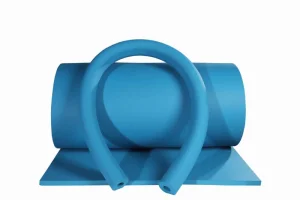
Whether projects in Kathmandu require pre-slit tubes, self-adhesive sheets, aluminum-foil facing, or custom inner diameters up to 114mm, our R&D facility manufactures exact tailored dimensions to minimize job-site installation waste.
Over four decades of technical leadership in green building materials and cold thermal protection.
Kingflex Insulation Co., Ltd. is a professional manufacturing and trading combo for thermal insulation products. Kingflex research, development, and production departments are located in the well-known capital of green-building materials in Dacheng, China. It is an energy-saving, environmentally friendly enterprise concentrating on research and development, production, and global sales.
In operation, Kingflex takes energy saving and consumption reduction as its core concept. We provide solutions regarding insulation by means of consultation, research and development, production, installation guidance, and post-sale service to lead the development of the global building materials industry.
Established by Jinwei Group—which holds more than 40 years of manufacturing history—Kingway Group was originally established in 1979 as the first manufacturer of thermal insulation materials north of the Yangtze River.
Our employees are amazing in their own right, but together they are what makes Kingflex such a fun and rewarding place to work. The Kingflex team is a tight-knit, talented group with a shared vision of giving consistently first-class service for our clients worldwide.
Kingflex houses eight professional senior engineers in our R&D Department, 6 dedicated international trade sales managers, and over 230 highly skilled technical workers in our production department.
At present, Kingflex operates 5 large automatic assembly lines, with an annual production capacity of more than 600,000 cubic meters, serving as a designated supplier for major energy, power, and chemical industry projects globally.
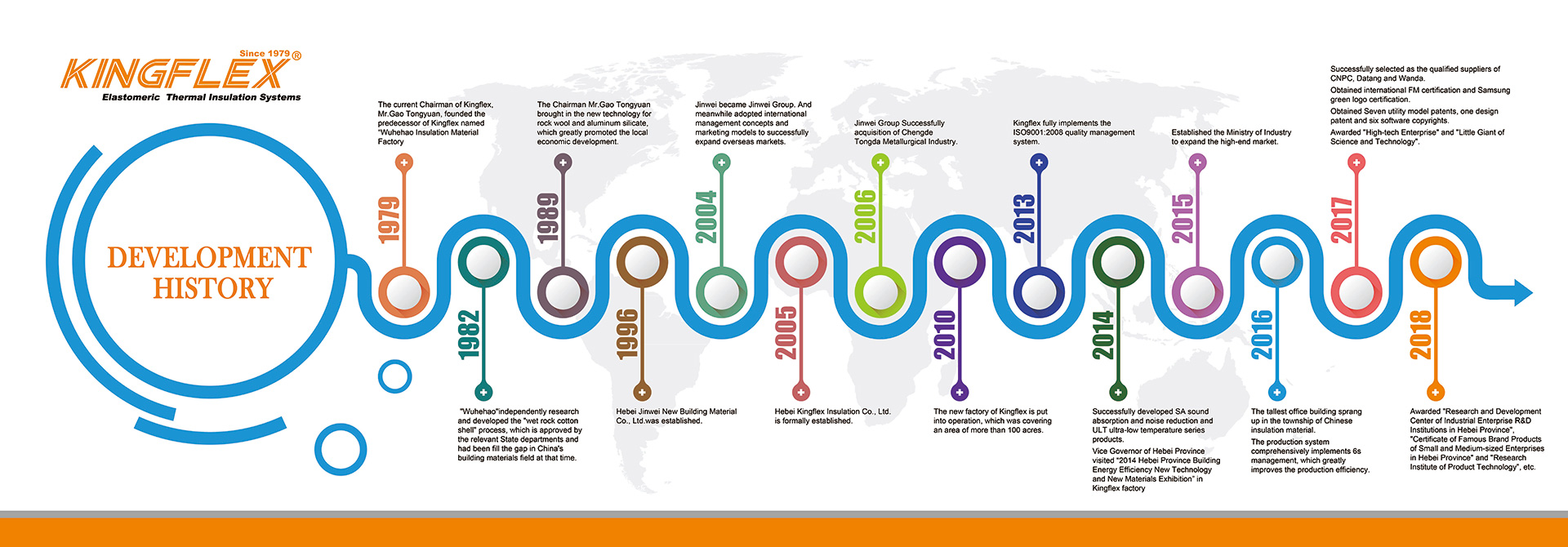
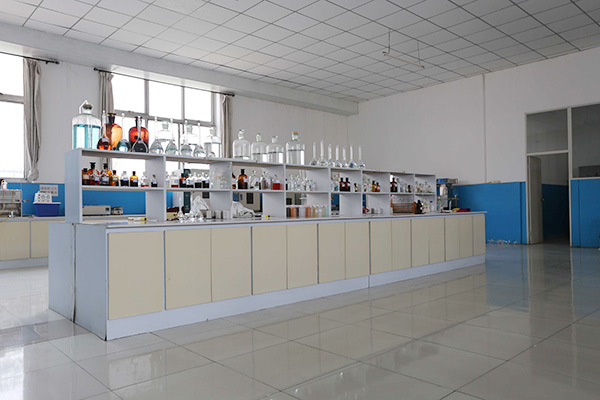

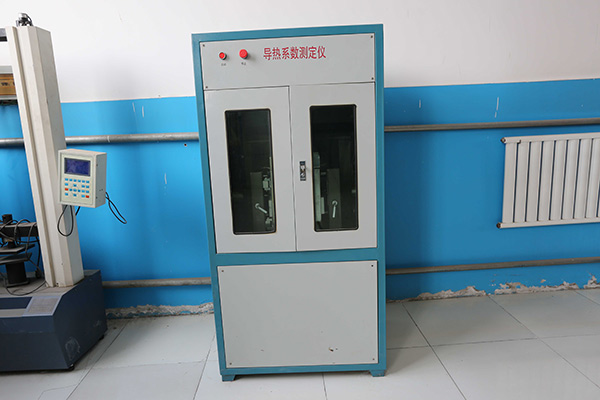
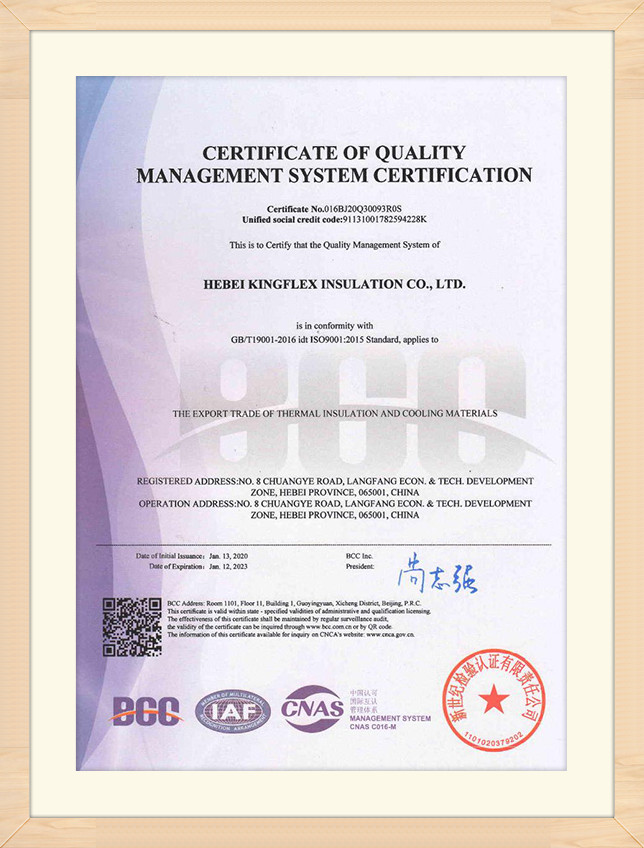
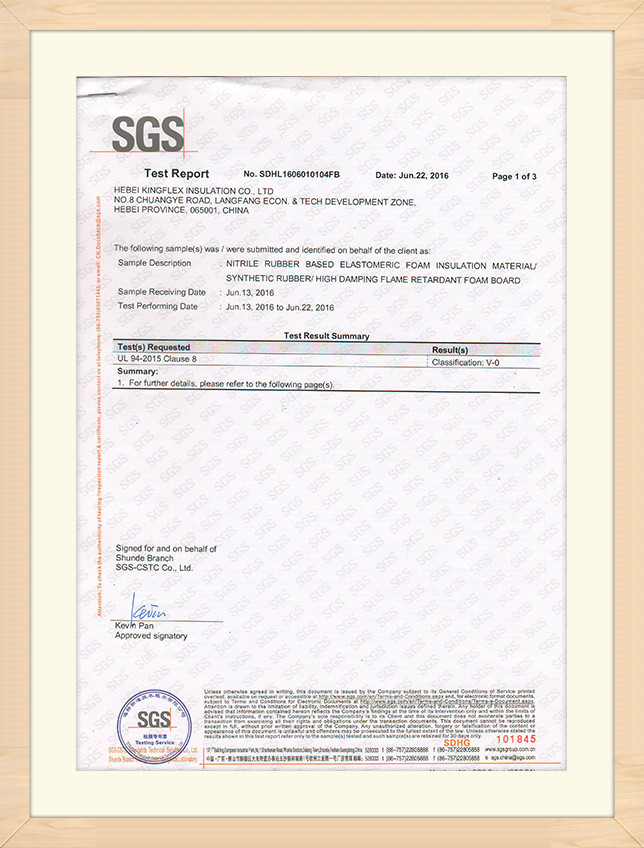
Kingflex cryogenic insulation products have successfully passed rigorous international standard evaluations, including BS 476 Part 6 & 7, CE, REACH, ROHS, UL94, and ASTM C534, ensuring complete traceability and compliance for Nepalese government and commercial tenders.


Innovations shaping sustainable, low-carbon industrial insulation across South Asia.
R&D is advancing hybrid aerogel-elastomeric matrices that achieve ultra-low thermal conductivity ($\lambda < 0.018 \text{ W/m}\cdot\text{K}$) while remaining thin and highly flexible for space-constrained hospital cleanrooms in Kathmandu.
In accordance with global environmental accords, Kingflex continuous expansion lines utilize eco-friendly blowing agents that produce zero Ozone Depletion Potential and negligible Global Warming Potential.
Incorporating embedded fiber-optic moisture sensors into sub-zero insulation systems to provide real-time alerts to facility engineers before condensation or thermal leakage occurs.
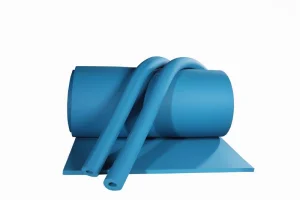
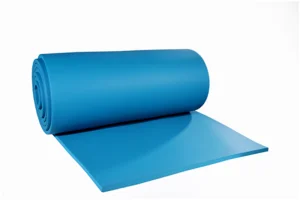
Explore our complete range of specialized NBR/PVC sheets, tubes, and cold-chain thermal barriers.
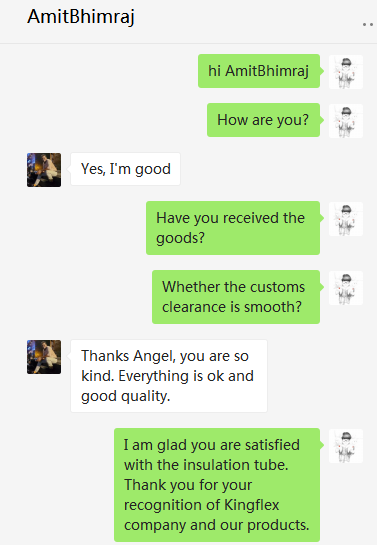
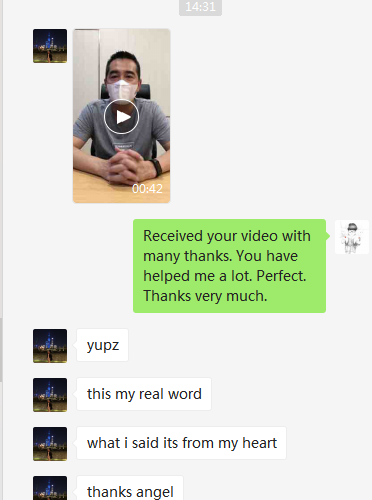
Real-world feedback and successful installations in cold thermal projects.




Expert answers regarding cryogenic foam application, local shipping to Kathmandu, and fire safety ratings.
It is primarily used for sub-zero liquid nitrogen/oxygen transport pipelines, HVAC ducts, commercial refrigeration lines, industrial chemical cold insulation, and medical gas distribution systems operating between -200°C and +105°C.
Yes. Kingflex insulation products are certified fire retardant, achieving BS 476 Part 6 & 7 Class 0 and UL94 V-0 ratings, making them fully compliant with building safety codes in Nepal.
Closed-cell rubber foam features an inherent vapor barrier (μ ≥ 10,000) that prevents moist air during Kathmandu’s monsoon season from condensing inside the insulation. Rock wool is porous and absorbs moisture rapidly, losing thermal resistance.
We provide direct overland logistics via the Tatopani or Rasuwagadhi border checkposts from our Hebei manufacturing facility, as well as multimodal ocean shipping via Kolkata Port directly to Kathmandu dry port customs.
Yes. We support complete OEM customization, producing rubber foam sheets from 6mm to 50mm thickness and pipe tubing with inner diameters ranging from 6mm to 114mm in various color identifiers.
Each container shipment includes Certificates of Origin (CO), ISO9001/14001 Quality Documentation, BS 476 Class 0 Test Reports, CE Declaration of Conformity, and Factory Batch Inspection Certificates.
Yes. Every batch of Kingflex elastomeric sheet and pipe insulation features full manufacturing traceability codes stamped directly onto product packaging and quality certificates.
When correctly installed with recommended adhesives and UV-protective jacketing in outdoor applications, Kingflex products maintain stable thermal performance for 10 to 15+ years.
Partner with China’s premier cryogenic thermal insulation manufacturer. Fast shipping, full international certification, and technical support tailored to your project requirements.
Send Inquiry Now Kingflex