Morocco is rapidly positioning itself as a primary energetic and industrial hub linking Europe, the Mediterranean, and Sub-Saharan Africa. With the development of the Tanger-Med Port complex, the expansions in the Jorf Lasfar industrial zone, and the nation's ambitious plans to implement massive green hydrogen and ammonia projects, the demand for high-reliability cryogenic systems is rising exponentially.
Cryogenic insulation materials are vital in these sectors to maintain liquid gases (such as liquefied natural gas (LNG), liquid nitrogen, oxygen, and green ammonia) at their stable liquid phases. These systems operate at temperatures ranging from -40°C down to -200°C. Improper thermal management can lead to boil-off gas (BOG) losses, pipe cracking due to severe thermal stress, and moisture-induced corrosion under insulation (CUI).
As Morocco continues to expand its imports of LNG to sustain its domestic electrical grid and heavy industrial manufacturing, energy efficiency and safety compliance (conforming to NM and international EN/ASTM standards) have become key metrics for purchasing managers and MEP engineers throughout the country.

Modern low-temperature and cryogenic applications require materials that combine extremely low thermal conductivity with flexibility and dynamic structural stability. Traditional materials, such as rigid cellular glass or polyurethane sectionals, often require complex expansion/contraction joints and are highly susceptible to micro-cracking and moisture ingress over time. In contrast, high-density closed-cell elastomeric rubber foam offers significant performance benefits:
Featuring a closed-cell ratio exceeding 98%, this material functions as an integrated vapor barrier. This prevents moisture from migrating toward the cold metal pipe, which would otherwise result in ice formation, structural damage, and corrosion under insulation (CUI).
Maintains thermal conductivity ($\lambda \le 0.034$ W/m·K at 0°C) across extended temperature cycles. This reduces thermal losses, lowers operating costs, and controls boil-off gas in LNG applications.
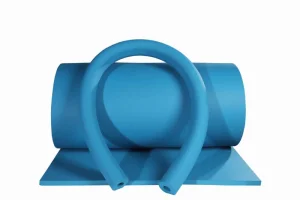
The inherent elasticity of NBR/PVC elastomer sheets and tubes acts as a shock absorber. This accommodates mechanical vibration, thermal contraction, and joint movements without cracking or degrading.
| Performance Indicator | Kingflex Cryogenic Elastomeric Rubber Foam | Traditional Cellular Glass | Polyurethane Foam (PU) |
|---|---|---|---|
| Operating Temperature Range | -200°C to +105°C | -260°C to +430°C | -180°C to +110°C | Thermal Conductivity (at 0°C) | ≤ 0.034 W/(m·K) | ≤ 0.042 W/(m·K) | ≤ 0.028 W/(m·K) |
| Closed-Cell Structure Ratio | ≥ 98% | 100% (Glass Matrix) | ≥ 90% |
| Flexibility & Shock Absorption | Excellent (Self-accommodating) | Extremely Brittle (Requires joints) | Rigid (Prone to cracking) |
| Installation Complexity | Low (Highly flexible, easy wrap) | High (Multi-layered, sealant intensive) | Medium (Requires precise segment cutting) |
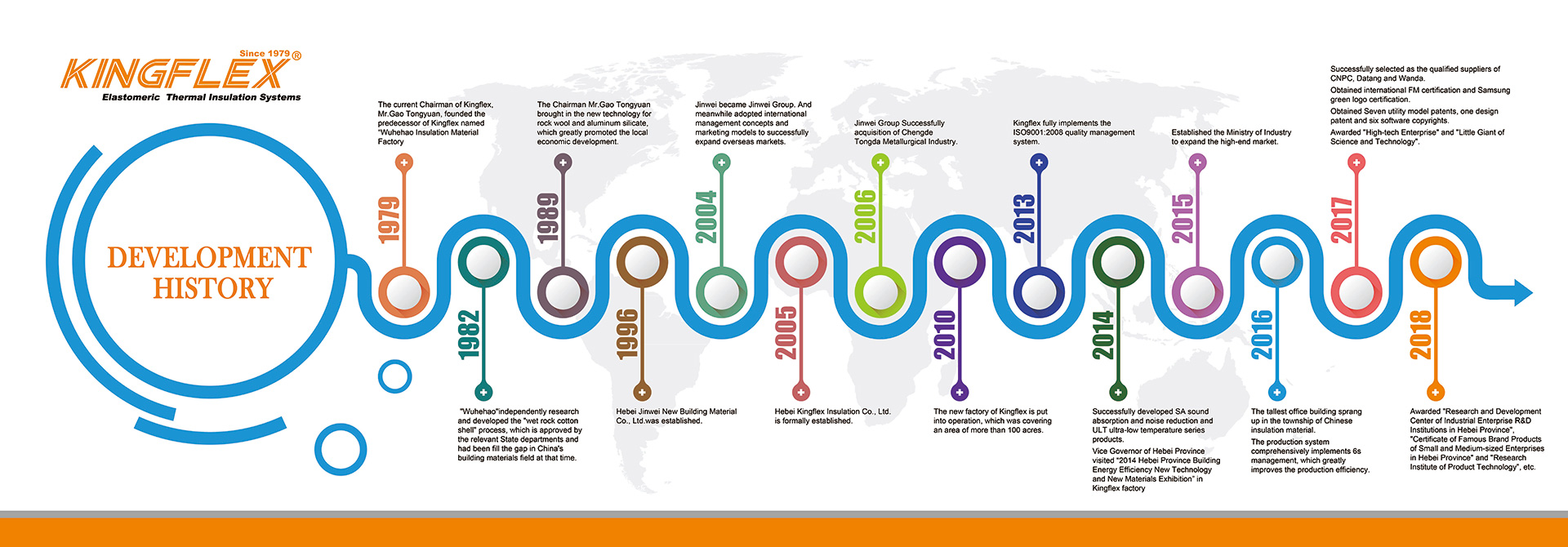
Kingflex Insulation Co., Ltd. is a professional manufacturing and trading combo for thermal and cold insulation products. Headquartered in Dacheng, China—a hub for green building materials development—Kingflex operates as an energy-saving, environmentally conscious enterprise that integrates R&D, advanced manufacturing, and global distribution.
Originally established under the Jinwei Group, which holds a heritage of over 40 years since its founding in 1979, Kingflex has built an extensive technical foundation. The factory is equipped with 5 large automatic assembly lines, generating an annual output exceeding 600,000 cubic meters. Designated as a certified provider by various ministries of energy and chemical industries, Kingflex products serve key industrial applications worldwide.
With an R&D department staffed by 8 professional engineers, 6 international sales specialists, and 230 production personnel, Kingflex manages the entire product lifecycle—from formulation development to project design consultation and technical installation support on site.
Our products conform to major international standards. The material characteristics are validated by certifications from independent testing bodies globally.
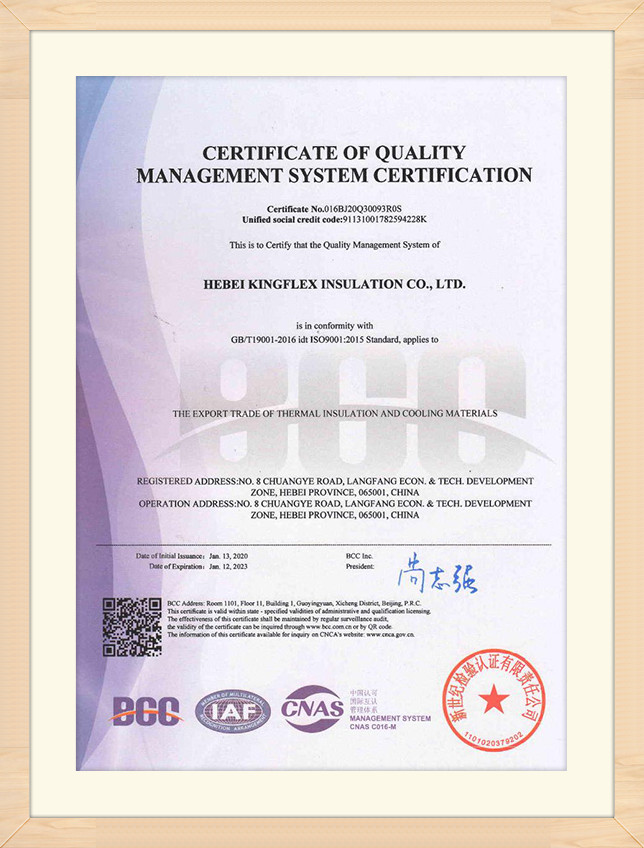
ISO Standards

CE Compliance

BS 476 Approved
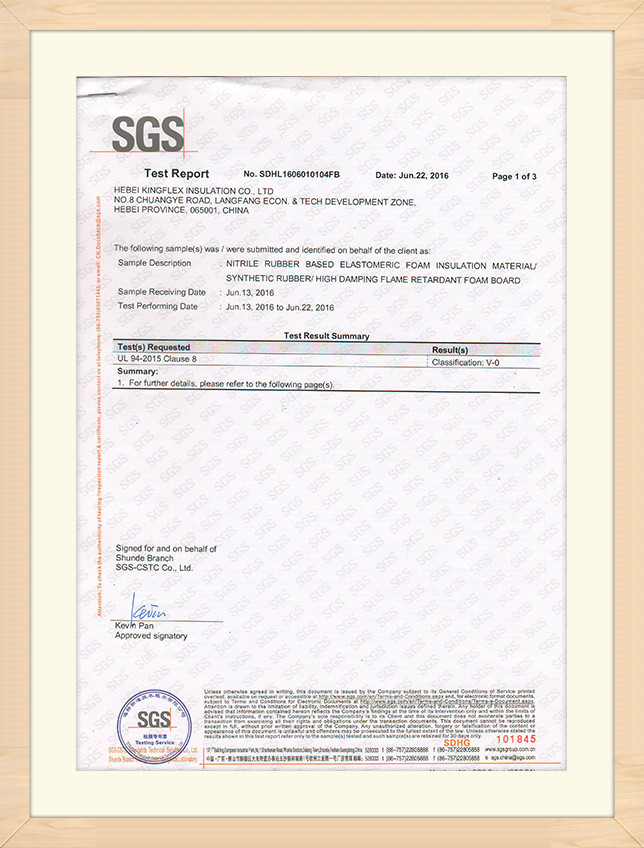
FM & ASTM Certified
Kingflex cryogenic and low-temperature elastomeric foam materials are engineered to support major infrastructure, industrial refrigeration, and HVAC requirements across Morocco.
For import terminals, gas storage, and distribution grids in Morocco (such as the proposed Jorf Lasfar LNG terminal assets):
For commercial high-rises, hospitals, and logistical centers in Casablanca, Rabat, and Tangier:

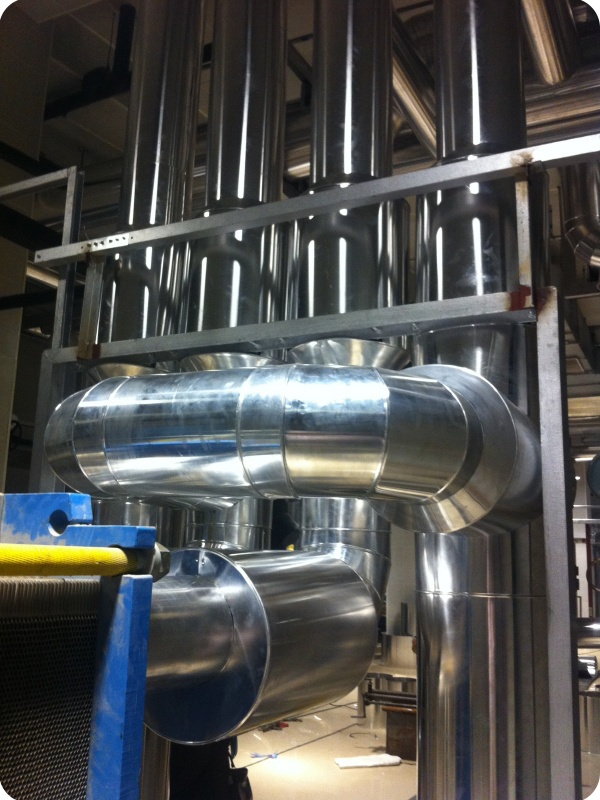
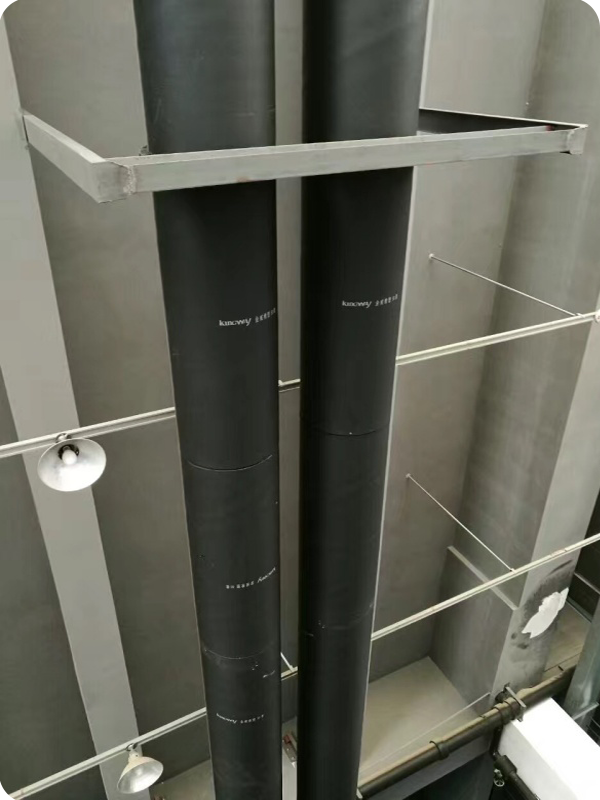
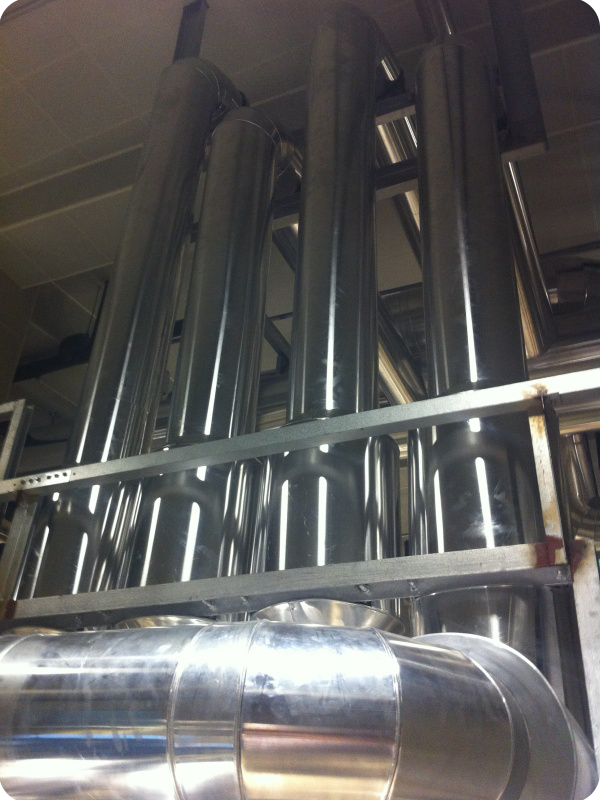
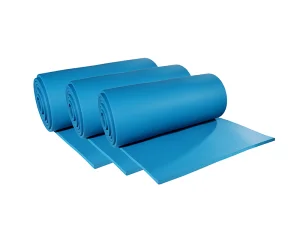
Designed for large surface areas, including storage vessels, large-diameter cryogenic piping, and heavy equipment systems.
Material Composition: High-performance Nitrile Rubber / Polyvinyl Chloride (NBR/PVC) blend.
Standard Thickness Range: 6mm to 50mm
Density: 40 to 55 kg/m³
Service Temperature Limits: -40°C to +105°C (Base formulation; cryogenic formulations support down to -200°C)
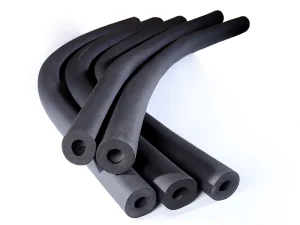
Pre-formed tubular insulation designed for easy installation on refrigeration lines, cleanrooms, and low-temperature pipes.
Material Composition: High-density NBR/PVC elastomer.
Standard Wall Thickness: 9mm to 40mm
Inside Diameter (ID) Range: 6mm to 114mm
Density: 40 to 55 kg/m³
Service Temperature Limits: -40°C to +105°C
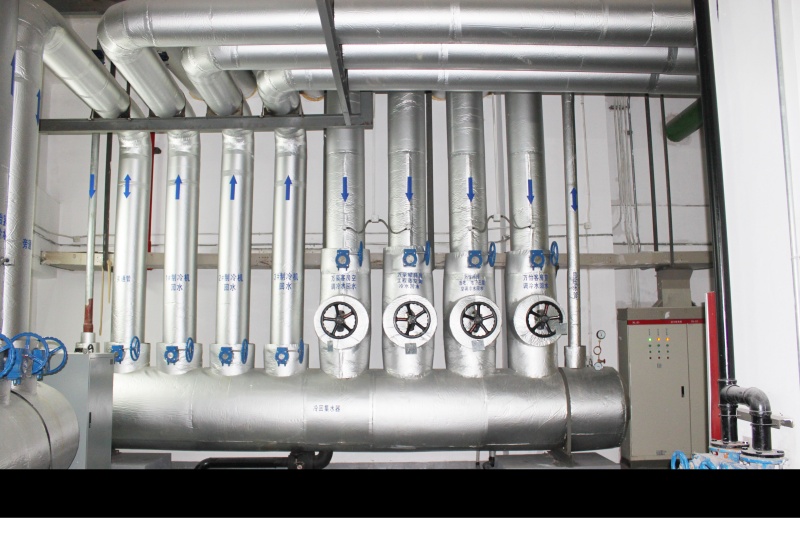


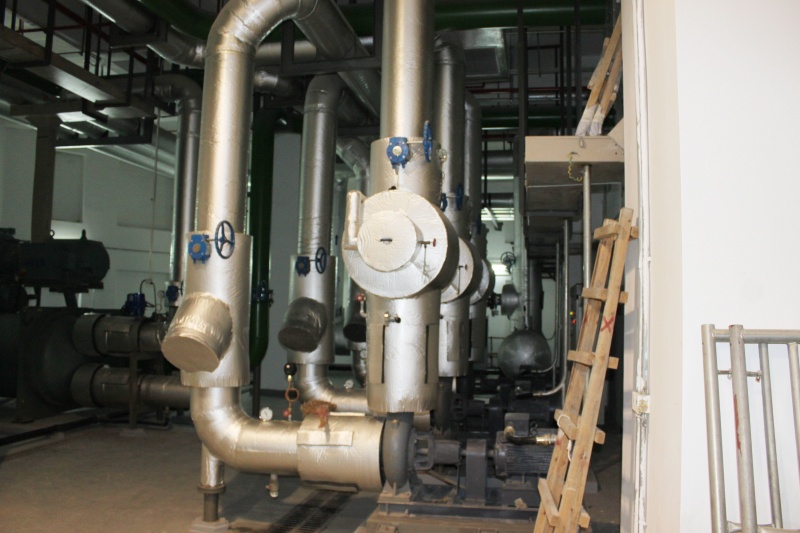
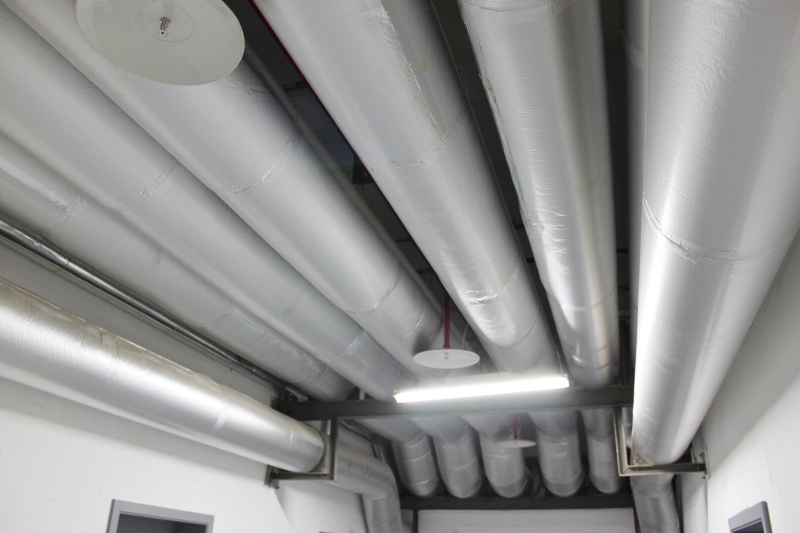

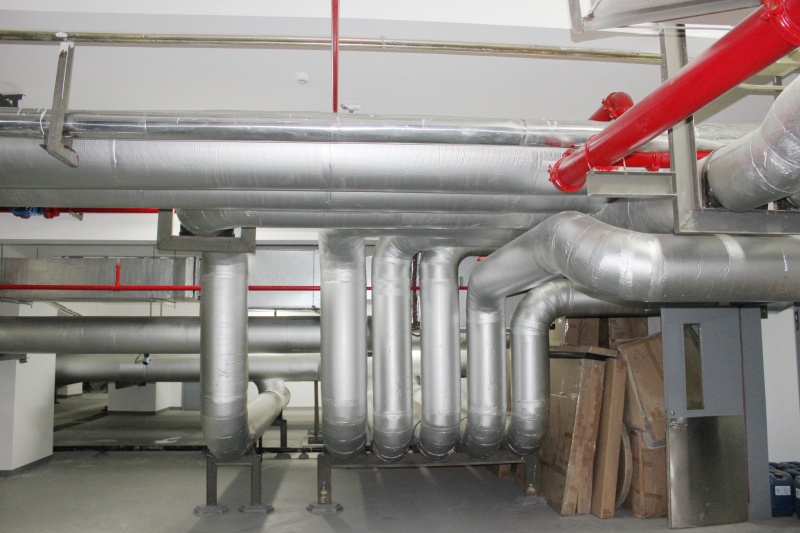
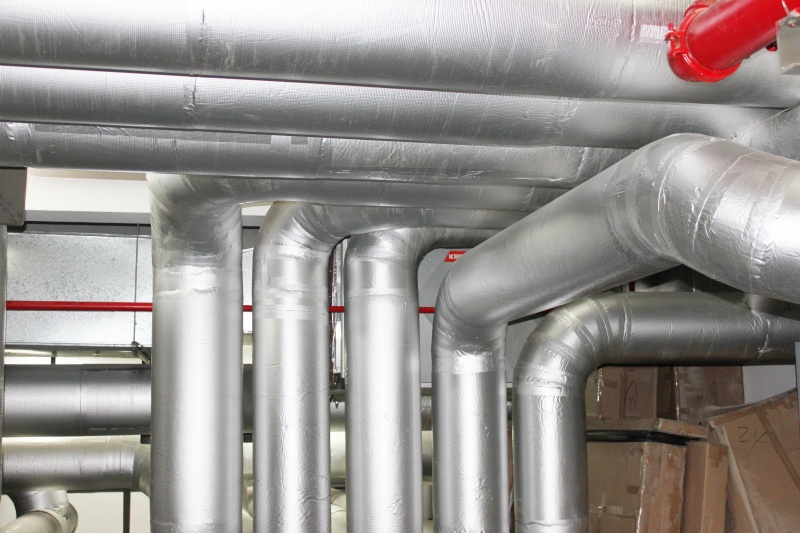
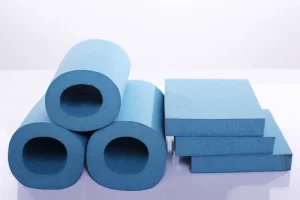
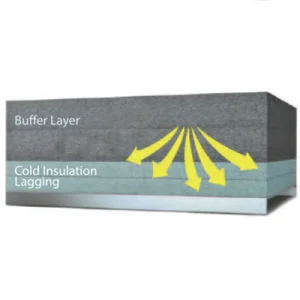
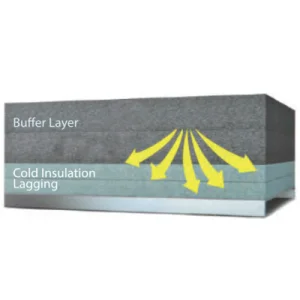
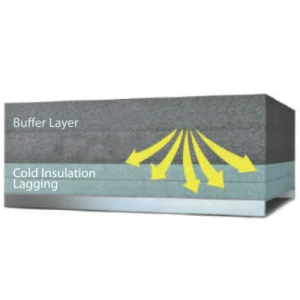
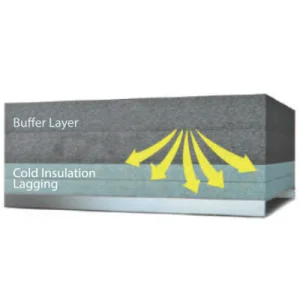
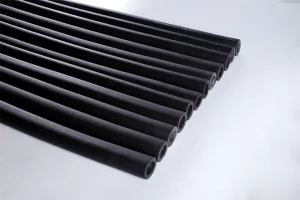
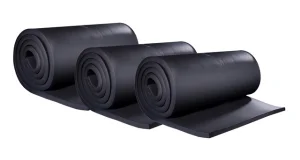
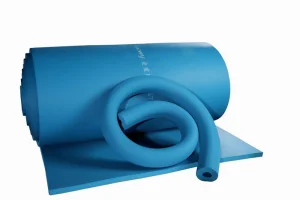
It is mainly used for HVAC ducts, air conditioning pipes, building thermal insulation, industrial pipeline cold insulation, and sound insulation. In cryogenic services, modified elastomeric foam is applied in multiple layers to insulate pipes containing liquid gases (such as ethylene, ammonia, or LNG) at temperatures as low as -200°C.
Yes, our rubber foam insulation products are fire retardant, meeting international standards such as BS 476 Part 7 (Class 1) and UL94. They are formulated to be self-extinguishing upon the removal of an external flame source, complying with building safety regulations for industrial applications in Morocco.
Rubber foam features a flexible, closed-cell structure that resists moisture ingress, making it suitable for HVAC, cold water piping, and sub-zero cryogenic systems where condensation is a primary concern. Rock wool is a rigid, open-cell material designed for high-temperature applications (up to 650°C) and acoustic insulation. It is prone to moisture absorption if not properly jacketed, which can lead to corrosion under insulation (CUI) in cold environments.
Yes, we offer OEM and custom fabrication services. We manufacture custom sheet roll widths, pipe inner diameters, wall thicknesses, and multi-layered configurations designed for specific project requirements in Morocco and globally.
Our products have passed BS 476, CE, REACH, ROHS, UL94, ASTM, and other international certifications, ensuring product quality and compliance with global standards. Test reports are available upon request for engineering submittals.
Yes. Every production run undergoes quality control inspections at our factory. Batch tracking codes are printed directly on the packaging, providing batch traceability from raw material selection through delivery.
We manufacture rubber foam insulation sheet rolls in thicknesses ranging from 6mm to 50mm. For specialized cryogenic applications, these sheets can be layered to achieve the thermal performance required for temperatures down to -200°C.
When installed according to manufacturer specifications and protected from direct UV exposure (using our protective coatings or metal cladding), our elastomeric rubber foam systems have an operational service life of approximately 10 to 15 years in typical industrial environments.
 Kingflex