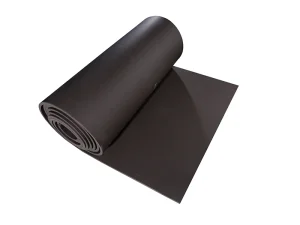
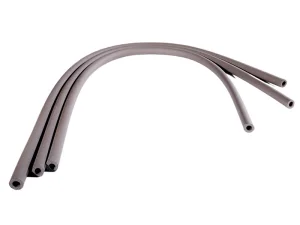
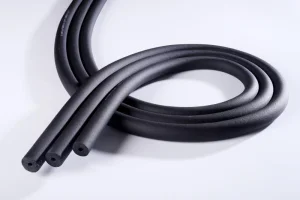
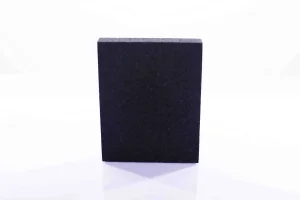
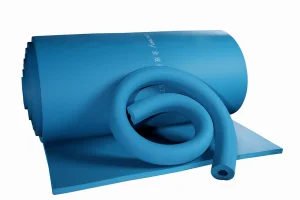
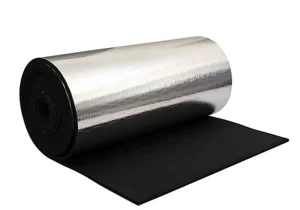
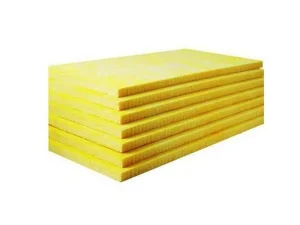
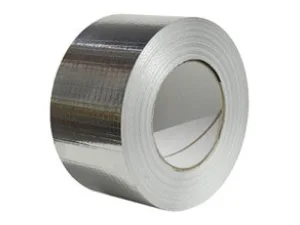
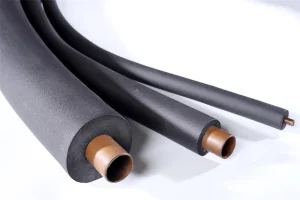
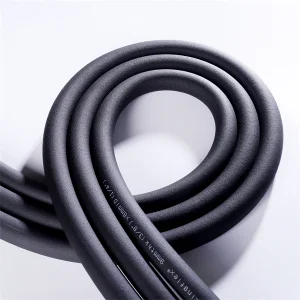
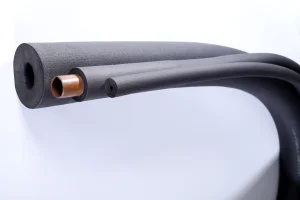
Providing extreme durability and fire safety compliance, certified for direct shipment to Asmara, Massawa, and regional industrial hubs.
An analytical overview of climatic challenges, structural developments, and safety mandates driving halogen-free elastomer adoption.
Eritrea, situated at the Horn of Africa, presents a highly unique set of environmental conditions that challenge modern industrial and commercial infrastructure. From the scorching, hyper-arid coastal lowlands of the Red Sea (such as the port cities of Massawa and Assab), where ambient summer temperatures consistently exceed 45°C with relative humidity levels hovering above 80%, to the temperate, high-altitude highland plateau of Asmara (elevated at 2,325 meters above sea level), thermal management is critical. Traditional insulating materials fail rapidly under these harsh localized demands.
Port developments and cold-chain storage facilities near Massawa Port handle vast amounts of seafood exports and general cargo. In these environments, moisture ingress into HVAC pipelines results in severe structural damage and system failures. Closed-cell structures with a high water vapor diffusion resistance factor (μ-factor ≥ 10,000) are mandatory to prevent energy loss and fungal growth.
Asmara's commercial expansion, historical architectural upgrades, and telecom data centers require stringent fire and smoke safety controls. In closed architectural configurations, smoke toxicity represents the leading cause of fatality. Standard halogenated NBR/PVC foams release highly acidic hydrogen chloride (HCl) and hydrogen bromide (HBr) gases during combustion. Specifying halogen-free formulations protects both human life and high-value technical assets.
Analyzing the molecular characteristics and fire-performance benchmarks of halogen-free closed-cell elastomers.
Standard elastomeric insulation materials rely heavily on chlorinated or brominated organic compounds to meet basic flame-retardant standards. While cost-effective, these halogens act as precursors to corrosive and toxic smoke under thermal decomposition. Kingflex Halogen-Free Insulation replaces these additives with advanced nitrogen-phosphorus synergistic flame retardants and mineral fillers like aluminum trihydroxide (ATH). When exposed to heat, these compounds form a stable carbonaceous char layer that insulates the underlying polymer, yielding superior fire ratings without producing acidic toxic emissions.
| Technical Characteristic | Standard NBR/PVC Foam Insulation | Kingflex Halogen-Free Elastomer | Eritrean Engineering Advantage |
|---|---|---|---|
| Thermal Conductivity (λ) | ≤ 0.035 W/(m·K) at 0°C | ≤ 0.036 W/(m·K) at 0°C | Consistent, high-efficiency insulation in both extreme hot (Massawa) and cool highland zones. |
| Halogen Content (Cl, Br) | Typically 10% - 25% | < 50 ppm (Halogen-Free) | Zero toxic acidic fumes to corrode expensive electronic equipment or cause respiratory failure. |
| Smoke Density & Toxicity | High smoke emission, acidic (pH < 4.0) | Minimal smoke (Class s1/s2), non-acidic | Ensures safe evacuation in indoor settings and prevents breakdown of server rooms in telecom hubs. |
| Water Vapor Diffusion Factor (μ) | ≥ 7,000 | ≥ 10,000 | Blocks heavy maritime humidity and marine aerosols, eliminating condensation on cold lines. |
| Service Temperature Limit | -50°C to +105°C | -50°C to +105°C | Fits all refrigeration, process piping, mining, and solar hot water systems. |
Optimized configurations engineered for the major economic drivers in the Horn of Africa region.
Eritrea’s mining sector requires resilient materials for pipeline transport of slurries and process chemicals. Our halogen-free sheets prevent heat exchanges in chemical processing and withstand the extremely corrosive sulfuric dust and extreme solar radiation common to mines.
At Massawa Port, cold chain systems are crucial for local seafood preservation and logistics. Utilizing aluminum-clad or reinforced halogen-free elastomeric pipes prevents marine condensation and guarantees thermal integrity under 24/7 salt-mist exposure.
Modern administrative and public structures in Asmara rely on centralized cooling systems. Halogen-free insulation protects indoor air quality (IAQ) and complies with global green building standards like LEED and BREEAM, which reject halogenated compounds.
Kingflex Insulation Co., Ltd. is a professional manufacturing and trading combo for thermal insulation products. Our research development and production center is located in Dacheng, China—widely recognized as the capital of green-building materials. We are an energy-saving, environmentally friendly enterprise focusing on the R&D, manufacture, and global distribution of elastomeric materials.
In operations, Kingflex takes energy saving and carbon footprint reduction as core concepts. We provide comprehensive insulation solutions, encompassing technical consultation, R&D, customized product sizing, installation guidance, and dedicated post-sale support to lead the development of the global building materials industry.

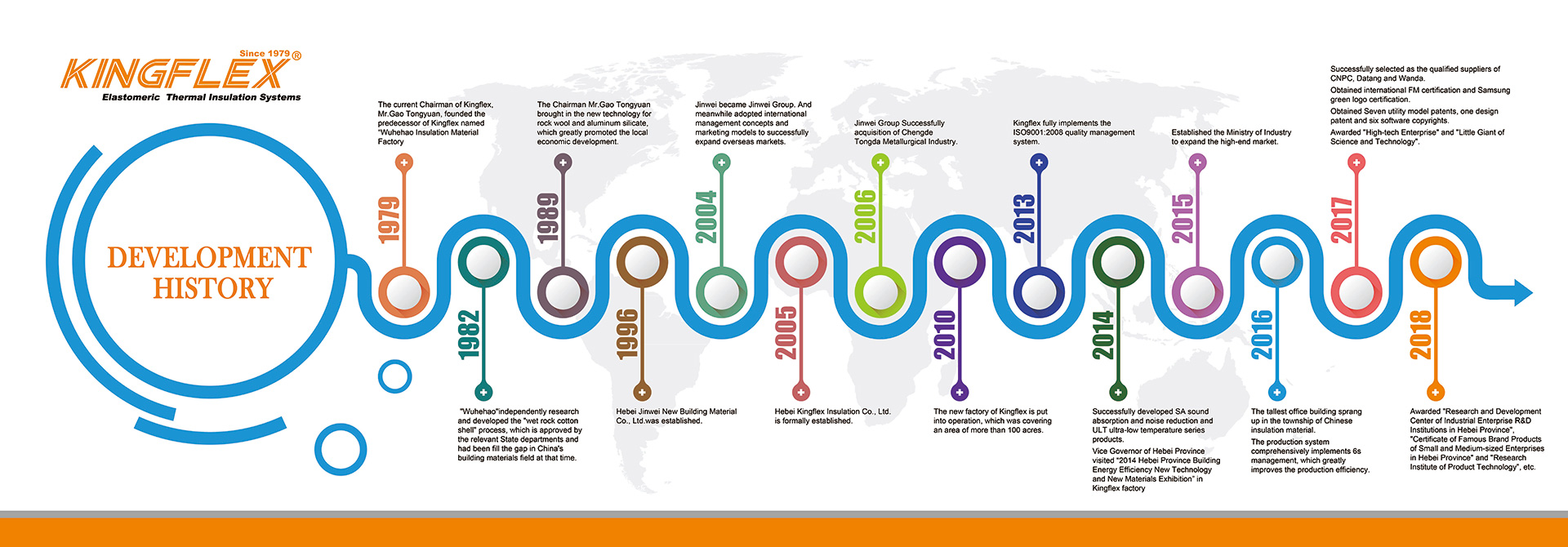
Kingflex was established under the umbrella of the Jinwei Group, which boasts more than 40 years of pioneering history in insulation engineering. The Kingway (Jinwei) Group, established in 1979, was the first thermal insulation manufacturer north of the Yangtze River. This rich legacy guarantees that our technical expertise, batch-to-batch product quality, and supply-chain logistics adhere to the highest international standards.
At present, Kingflex operates 5 large-scale automatic production lines with a designated capacity exceeding 600,000 cubic meters per year. This scale allows us to efficiently handle large-scale municipal and industrial procurement demands from East African contractors, ensuring rapid manufacturing times and continuous supply.
How Kingflex secures steady, efficient logistics routes from China to Massawa and Assab ports.
Global projects succeed when logistics are predictable and highly managed. Kingflex coordinates the entire transit pathway from our manufacturing lines in Dacheng to East African delivery destinations. Because our insulation products have a low mass-to-volume ratio, optimizing container volume utilization is key.
To reduce freight costs, we utilize proprietary compression packaging for elastomeric sheet rolls. The sheets recover their original nominal thickness immediately upon opening on-site, ensuring excellent thermal efficiency.
Through our partnerships with international shipping lines, we guarantee secure ocean freight routes via major Chinese port hubs (such as Tianjin, Qingdao, and Shanghai) directly to Massawa and Assab, ensuring smooth customs processing.
We offer fully customizable sizing, ranging from 6mm to 50mm in thickness, with options for factory-applied aluminum protective jackets or pressure-sensitive adhesives, streamlining on-site installation processes.
Strict quality control verification mechanisms to meet European, American, and international engineering specs.
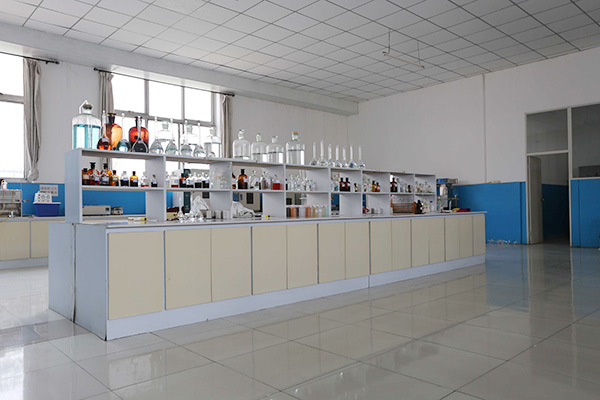
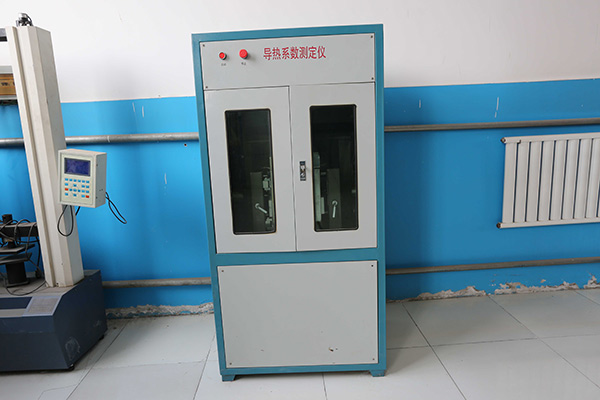
Our research and development division includes 8 specialized insulation material engineers who continuously refine the elasticity, cell structure density, and fire retarding performance of our formulations. All Kingflex products undergo rigorous testing by third-party laboratories.

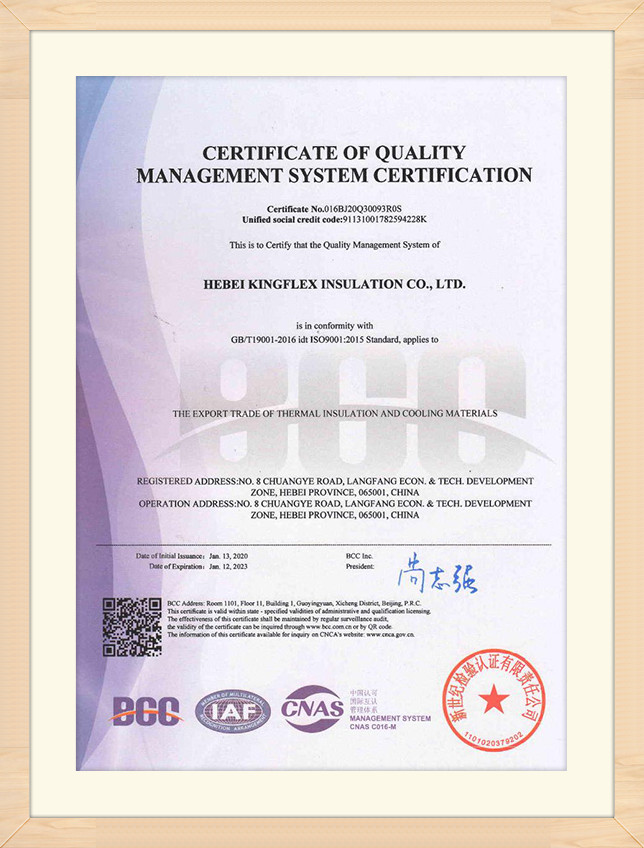
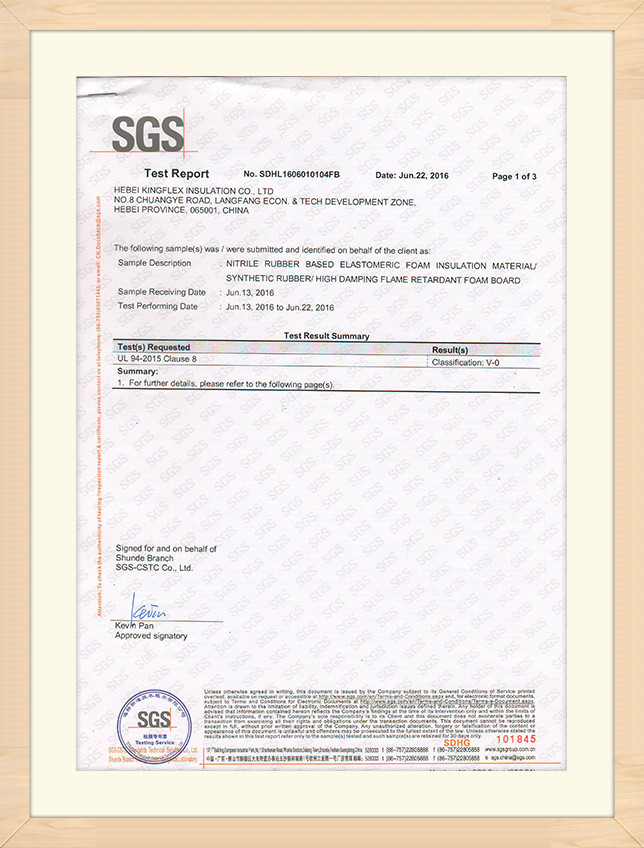
Kingflex products hold global certifications verifying their structural stability, fire retardant qualities, and eco-friendly composition:


Frequently asked questions concerning installation, specification, and safety regulations.
Comprehensive industrial-grade thermal insulation products ready for global distribution.
 Kingflex