Engineered to prevent thermal loss, manage condensation, and provide outstanding flame resistance across Serbian municipal and commercial projects.
Serbia is experiencing a significant infrastructure renaissance. Led by massive projects such as the Belgrade Waterfront development, industrial park expansions in Niš, Novi Sad, and Kragujevac, and the optimization of national district heating networks, the demand for highly efficient insulating materials has reached unprecedented heights. The region's continental climate—characterized by hot summers and freezing winters—poses substantial challenges to HVAC systems, structural envelopes, and processing pipelines.
Local compliance codes, heavily aligning with the European Union's Energy Performance of Buildings Directive (EPBD), strictly dictate energy-saving margins and fire safety guidelines. For developers and mechanical engineers in Serbia, choosing high-performance closed-cell elastomeric rubber foam insulation is no longer merely a budgetary decision; it is a critical regulatory and operational requirement to mitigate condensation, prevent corrosion under insulation (CUI), and optimize thermodynamic processes.
Globally, the transition towards green buildings and high-tech industrial plants has positioned elastomeric NBR/PVC foam as the golden standard for low-to-medium temperature insulation systems. Unlike open-cell products or traditional fibrous insulation like glass wool, elastomeric foam features a built-in vapor barrier due to its high closed-cell concentration (typically exceeding 98%).
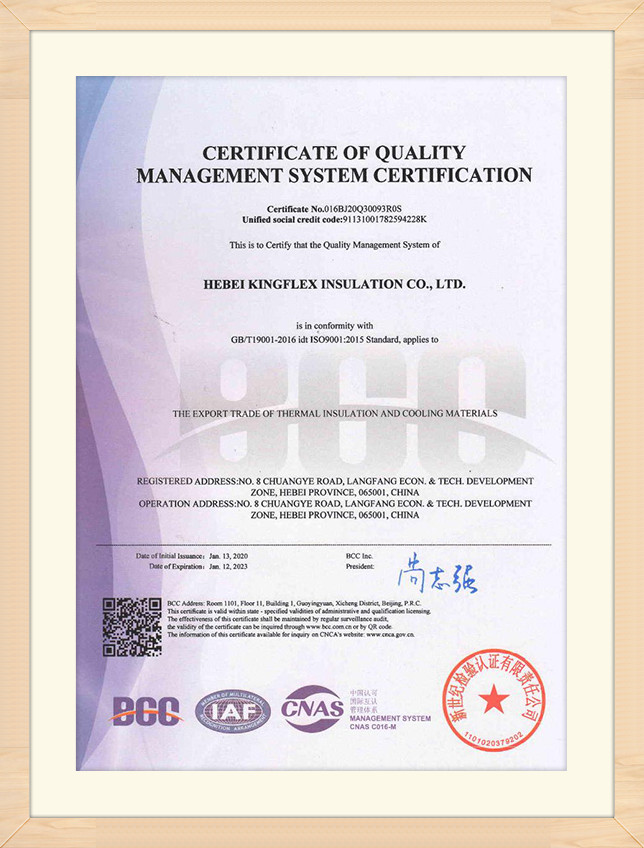
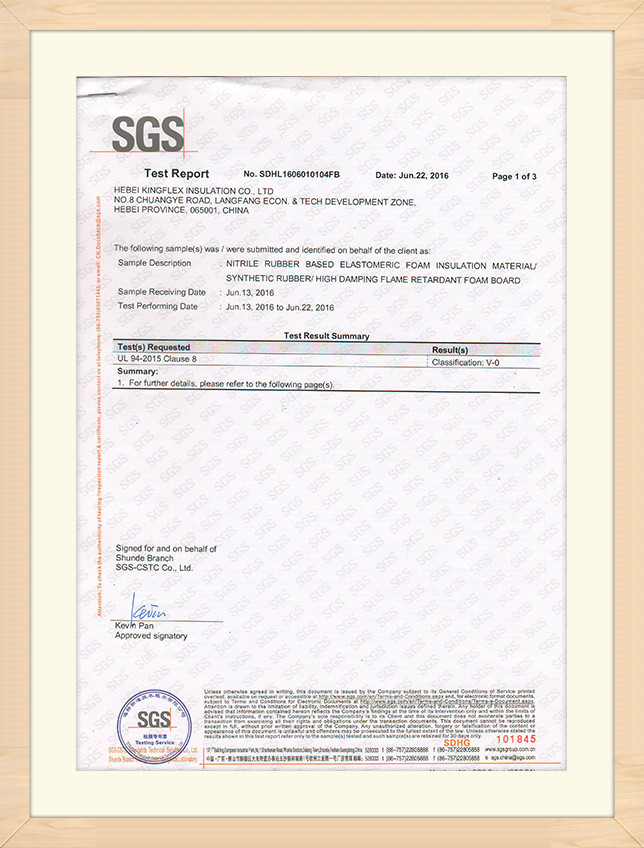
As global raw material supply chains face volatility, choosing a direct factory partner with robust capacity, comprehensive international certifications (like CE, UL94, and ASTM), and a dedicated technical logistics network is vital. Kingflex meets this global demand by operating five highly automated production lines, ensuring that big-ticket construction projects from Europe to Asia receive consistent material densities, uniform cell structures, and reliable delivery times.
An objective, empirical breakdown of material characteristics to assist Serbian engineering specifying bodies in proper material selection.
| Property | Kingflex Elastomeric Rubber Foam | Traditional Rock Wool | Glass Wool Insulation |
|---|---|---|---|
| Structure | Closed-Cell (>98% cell density) | Fibrous / Open-Cell | Fibrous / Open-Cell |
| Thermal Conductivity (λ at 0°C) | ≤ 0.035 W/(m·K) (Outstanding) | ~ 0.040 W/(m·K) | ~ 0.038 W/(m·K) |
| Moisture Resistance (μ-factor) | ≥ 10,000 (Built-in Vapor Barrier) | Low (Requires external barrier) | Low (Requires external barrier) |
| Fire Safety Rating | Class 1 / Class 0 (BS 476), B-s3,d0 | Non-Combustible (Class A1) | Non-Combustible (Class A1) |
| Acoustic Damping | Excellent for structure-borne sound | Excellent for airborne sound | Good for sound absorption |
| Flexibility & Installation | Highly flexible, seamless joints | Rigid/Semi-rigid, dusty installation | Semi-flexible, risk of skin irritation |
Deploying tailored insulation solutions across key Serbian industrial and municipal sectors to achieve peak operational efficiency.
In municipal buildings and commercial plazas across Belgrade, cold water pipes suffer massive condensation risks in high humidity. Kingflex elastomeric sleeves prevent sweating, dripping, and corrosion under insulation (CUI), extending HVAC component lifespan.
Vojvodina is Serbia's agricultural hub, demanding strict cold chain integrity. Our low-temperature cryogenic systems protect chilling plants and cryogenic transfer lines, keeping energy consumption low and temperatures stable down to -196°C.
Kragujevac's industrial manufacturing plants rely on clean steam systems and process pipeline efficiency. Closed-cell rubber foam boards cut heat loss, control noise emissions, and secure plant safety compliance.
Kingflex Insulation Co., Ltd. is a professional manufacturing and trading combo for thermal insulation products. Our state-of-the-art research development and production hub is located in the well-known capital of green-building materials in Dacheng, China. As an energy-saving, environmentally friendly enterprise, we concentrate on R&D, advanced manufacturing, and global distribution.
In operations, Kingflex puts energy saving and consumption reduction at the core of our technical values. We provide turnkey insulation solutions via high-level consultation, advanced R&D, certified production runs, professional installation guidance, and dedicated post-sale services. We lead the global building materials industry with top-tier product reliability.
Kingflex was established by Jinwei Group, which boasts more than 40 years of history. Jinwei Group, established in 1979, was the first manufacturer of thermal insulation materials north of the Yangtze River, representing generations of technical expertise.

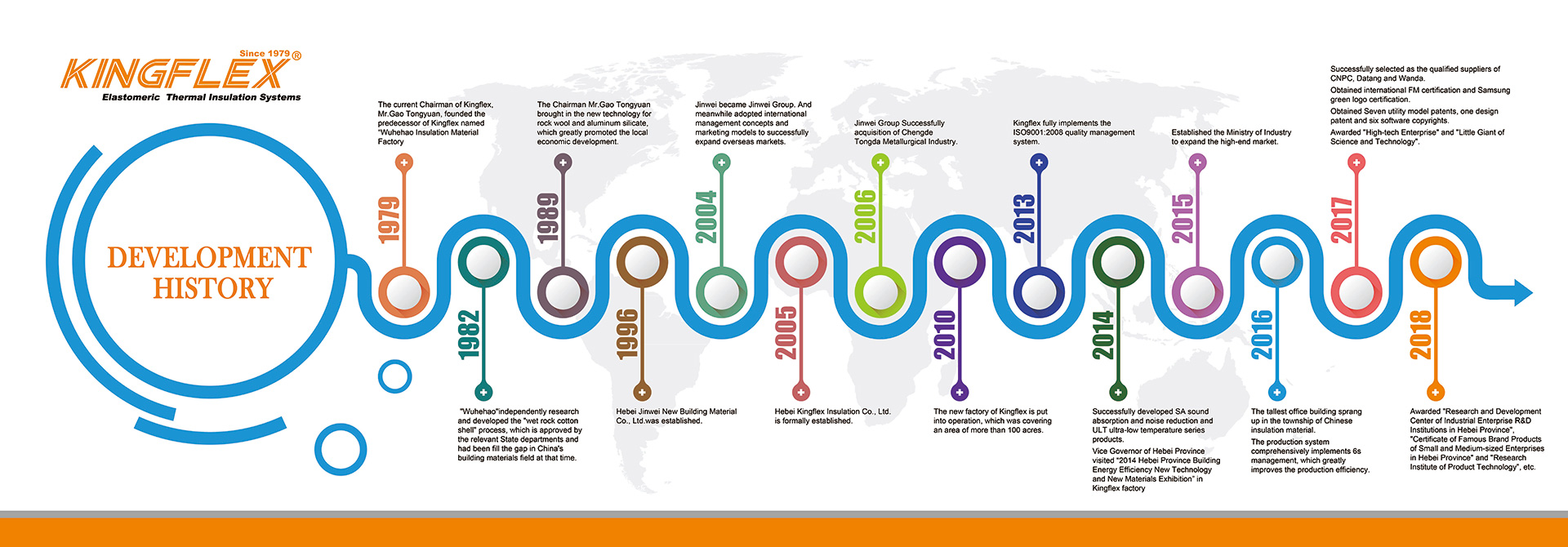
Rooted in the Jinwei Group since 1979, laying down solid industrial manufacturing standards for the thermal materials sector.
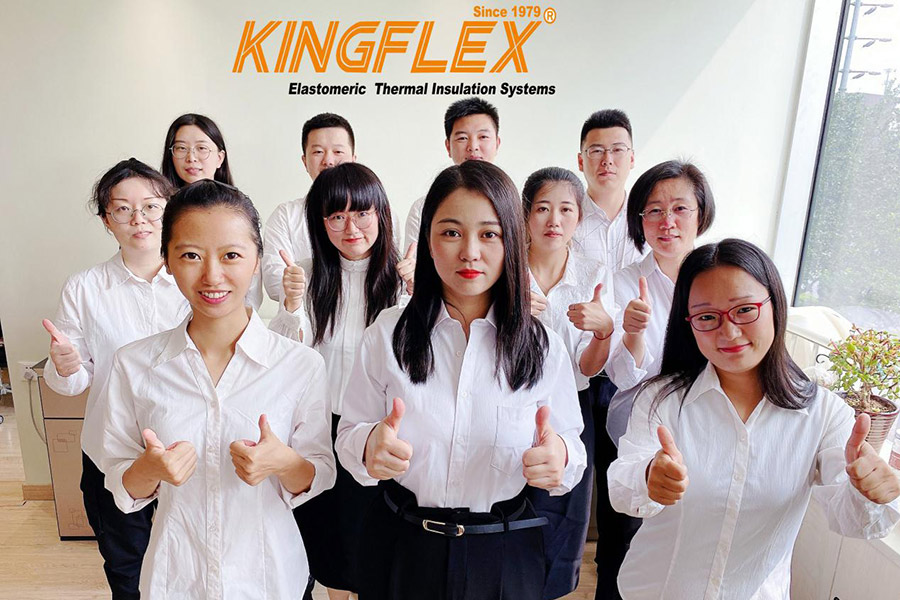
A tight-knit, talented group of 8 professional engineers, 6 international sales agents, and over 230 skilled production technicians.
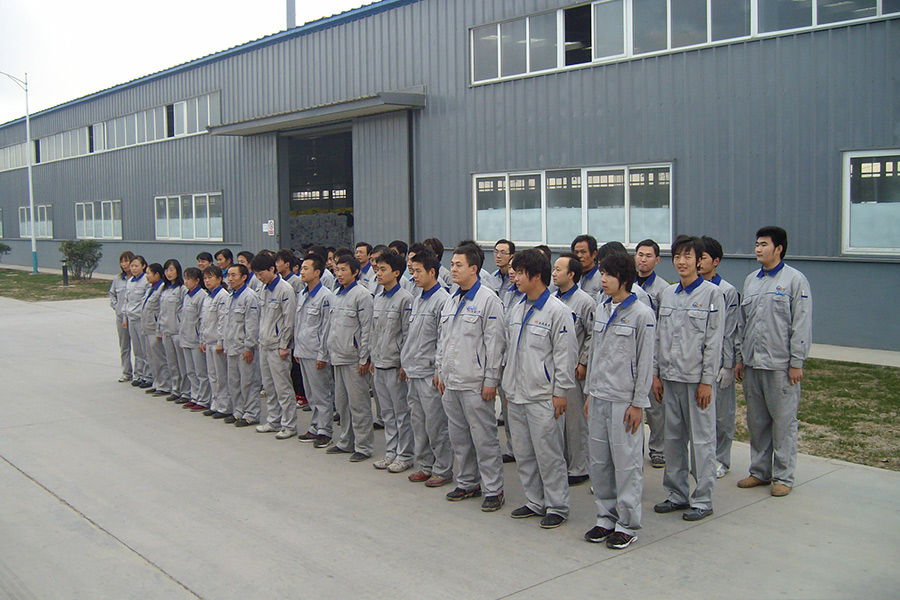
Empowered with professional expertise to supply integrated global insulation solutions for both HVAC and process infrastructure.
Leading the next generation of insulation material research to match global environmental and technical targets.
We are consistently upgrading our elastomer blowing agents. Our development roadmap actively targets formulations that eliminate ozone depletion potential (Zero ODP) and minimize Global Warming Potential (Low GWP). This aligns with the European Green Deal and Serbian environmental integration laws.
For applications in confined spaces, public infrastructure, and modern rail networks like Belgrade's upcoming metro projects, halogen-free fire retardancy is a critical goal. Our technical lab works to achieve low smoke toxicity parameters under extreme thermal stress.
As the demand for liquefied gas storage (LNG/LPG) expands in Europe, cryogenic insulation must withstand temperatures below -160°C without structural cracking. Our R&D team is advancing synthetic rubber elastomer elasticity matrices to ensure structural performance at extreme cryogenic levels.
For food processing units in Vojvodina and clean rooms in hospitals, Kingflex products utilize closed-cell matrices that restrict fungal and bacterial growth, preserving indoor air quality (IAQ) and eliminating moisture trap hazards.
In-house quality controls verifying density, thermal performance, and fire-resistant standards.
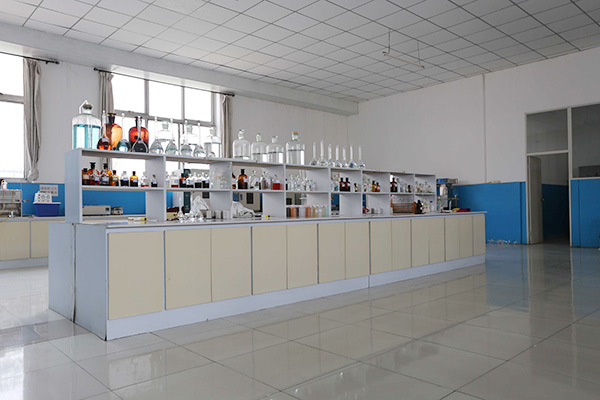

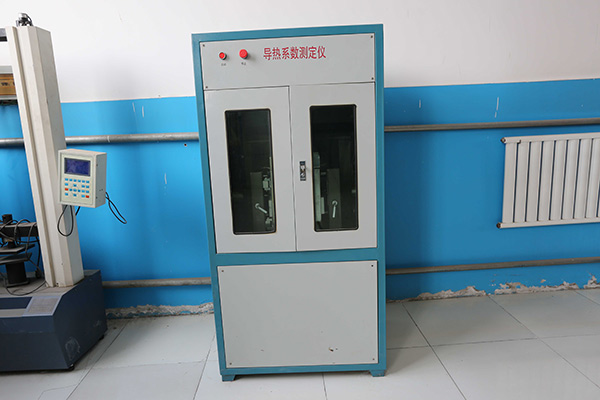



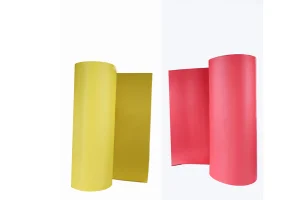
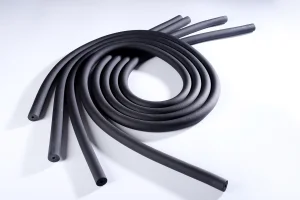
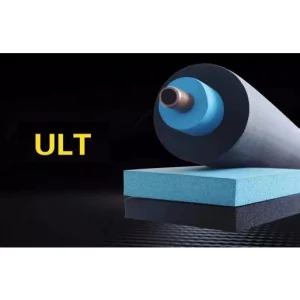
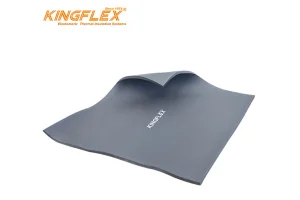
Specialized low-temperature, cryogenic, and high-density sheets engineered to withstand harsh continental environments and process applications in Serbia.
Verify physical dimensions, material grades, and key thermal parameters for large-scale engineering project procurement.
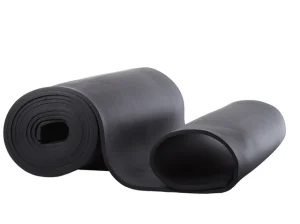
Material Structure: High-grade NBR/PVC blend formulation
Thickness Range: 6mm to 50mm
Volumetric Density: 40 to 55 kg/m³
Recommended Temperature Range: -40℃ up to 105℃
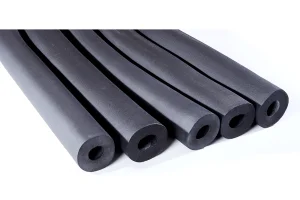
Material Structure: High-grade NBR/PVC blend formulation
Thickness Range: 9mm to 40mm
Internal Diameter Range: 6mm to 114mm
Volumetric Density: 40 to 55 kg/m³
Recommended Temperature Range: -40℃ up to 105℃
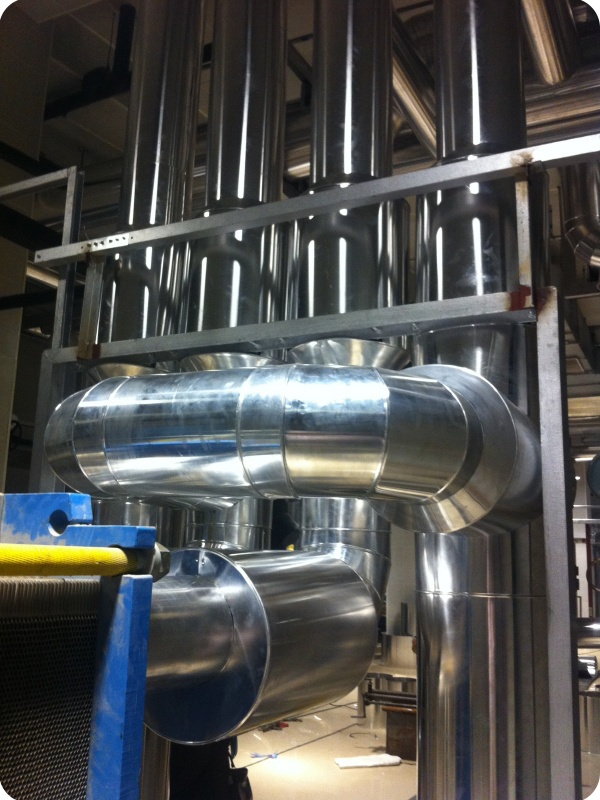
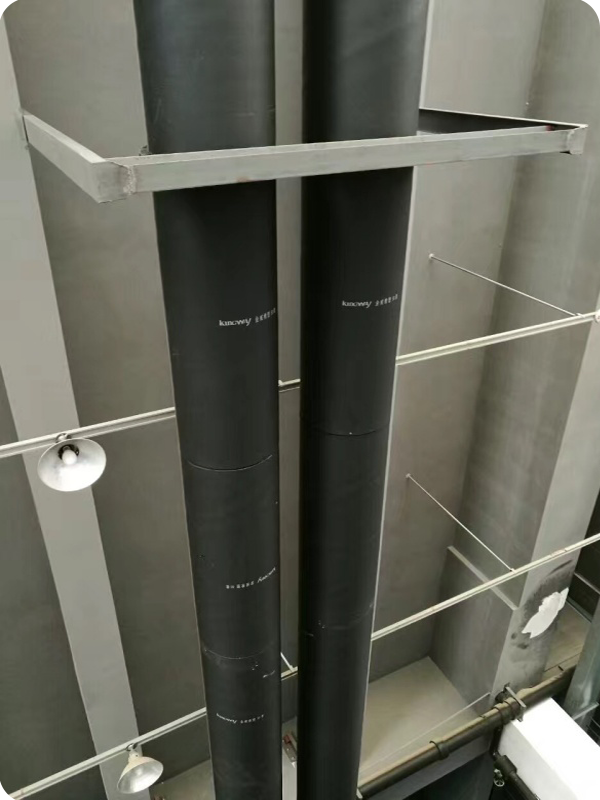
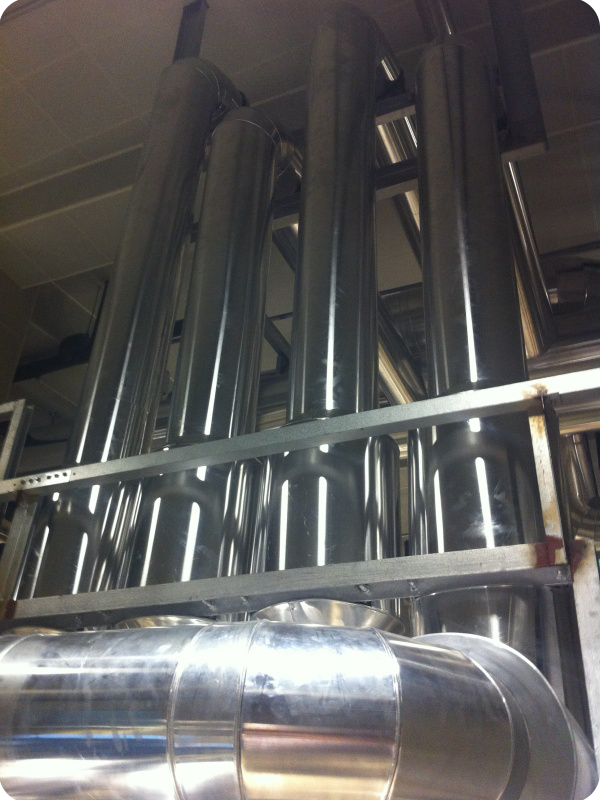
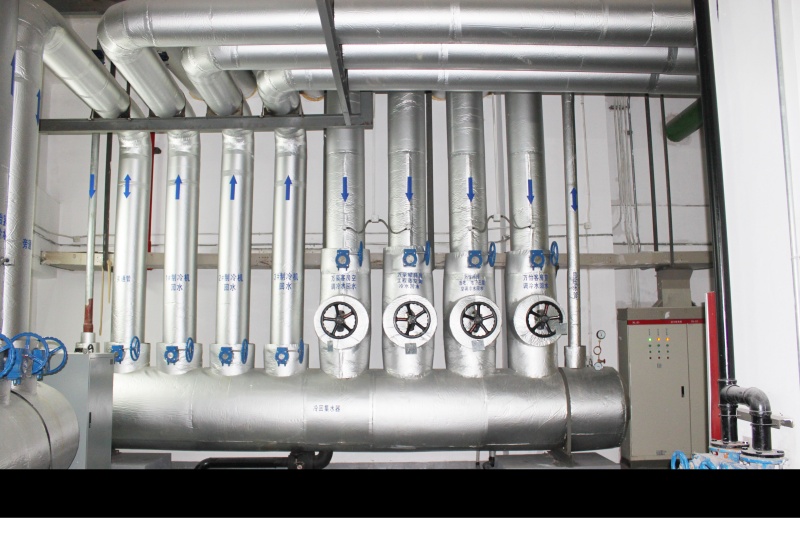
Our solutions in action across international industrial sites, processing facilities, and infrastructure projects.



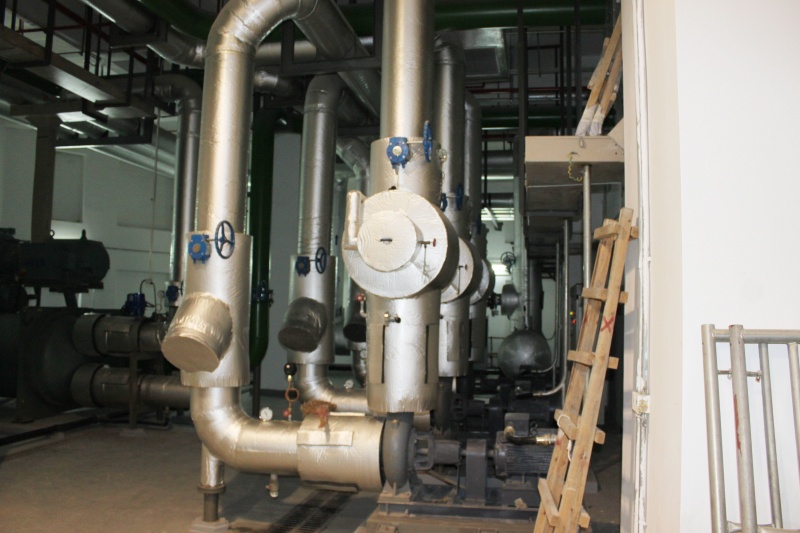
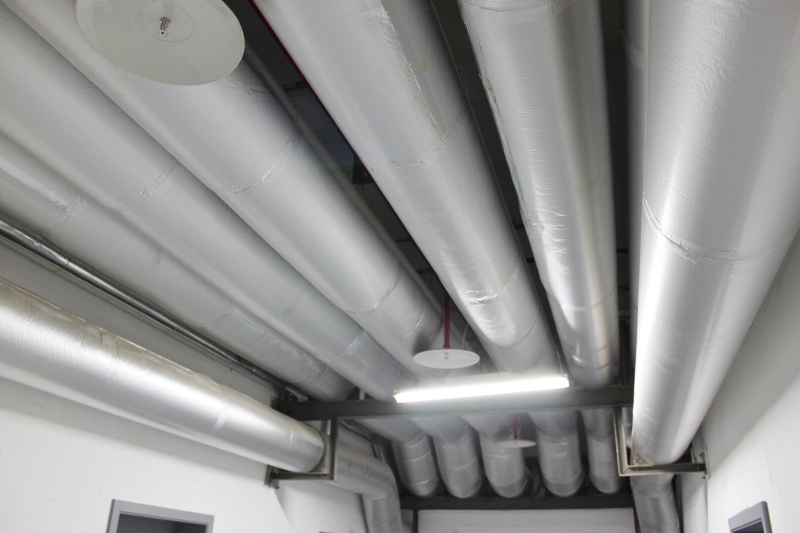

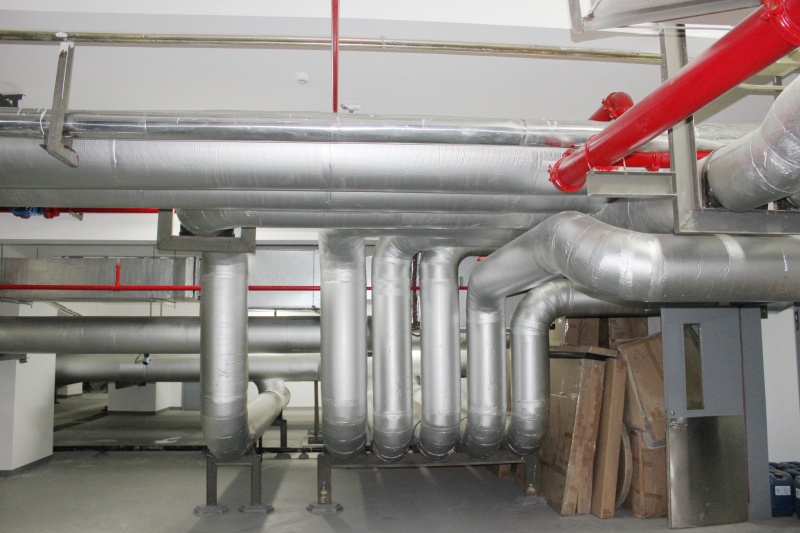
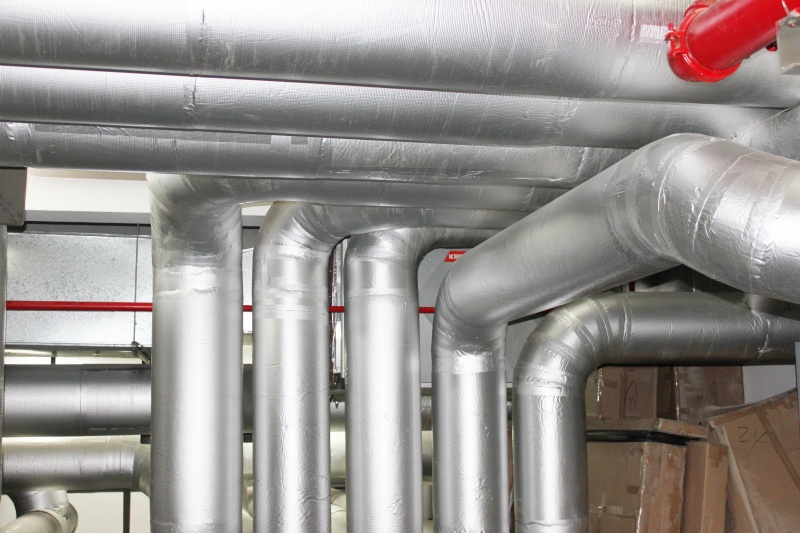
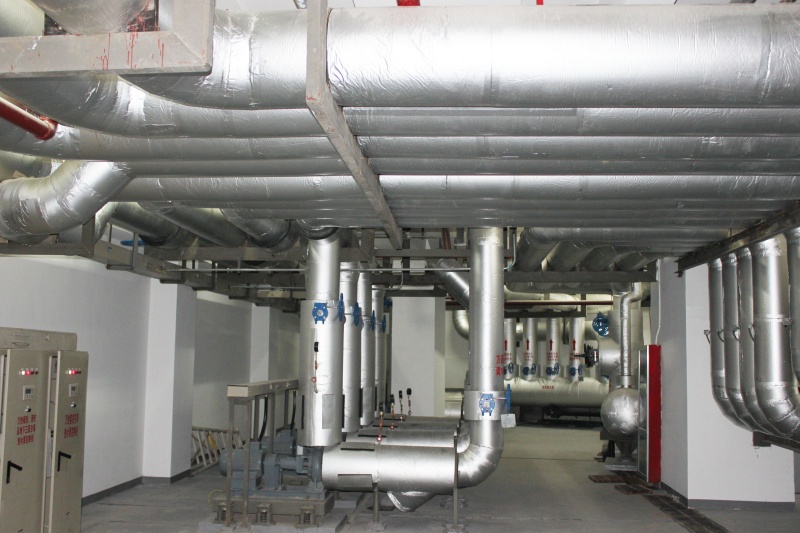
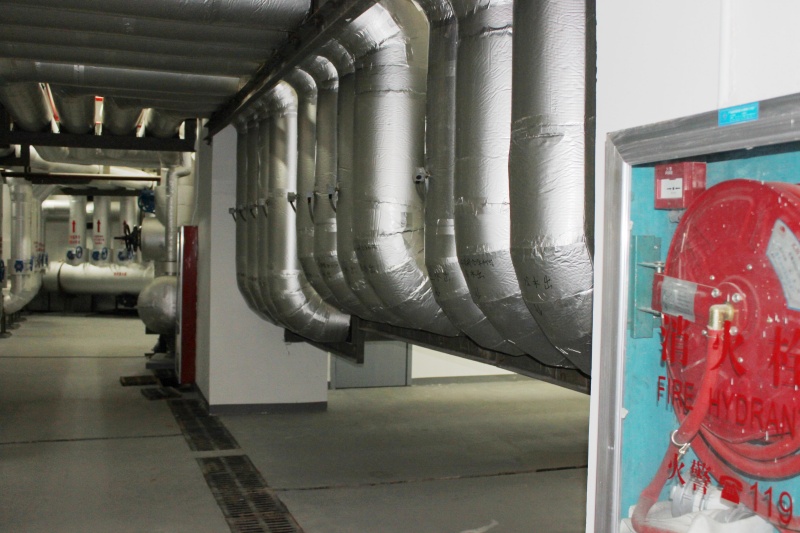
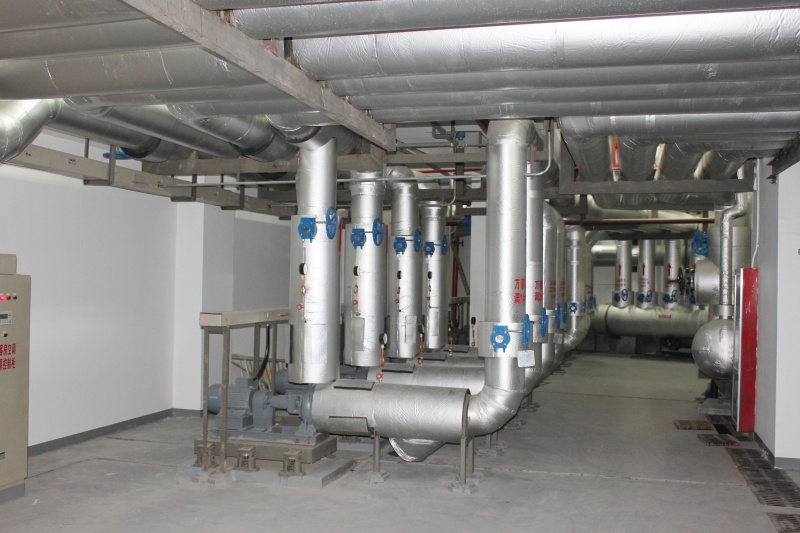

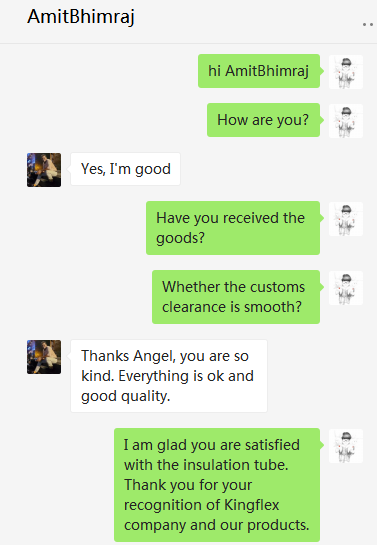
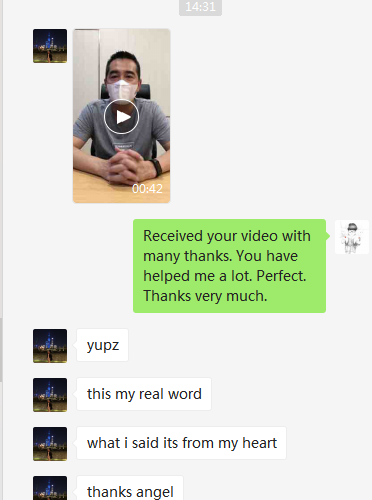
Transparency and direct communication are central to our customer service. Below are active screenshots showing consultations regarding orders, technical ratings, and shipping coordination.



Explore our full catalog of closed-cell elastomeric rubber foam sheets, pipes, and cryogenic insulation systems, optimized for project specifications in Belgrade, Novi Sad, Niš, and beyond.
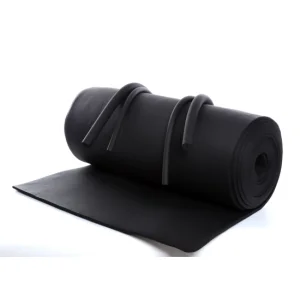
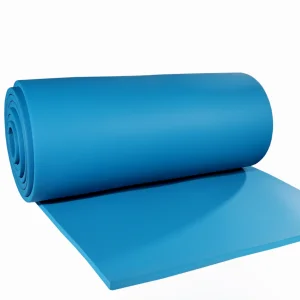
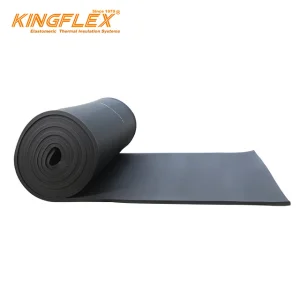
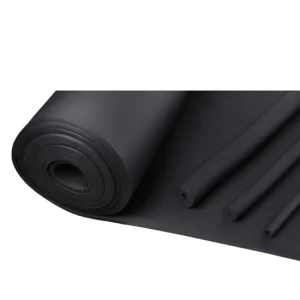
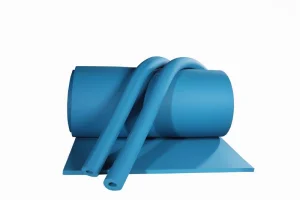
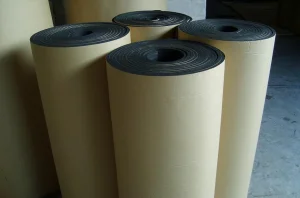
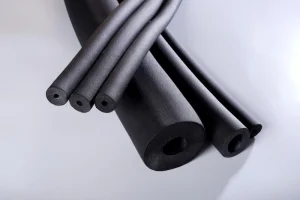
Explore technical details, certification properties, and local application tips for Kingflex systems.
Get in touch with our engineering team for customized thickness calculations, project quotes, or compliance evaluations. Receive expert technical assistance for your next project.
Send Inquiry Now Kingflex