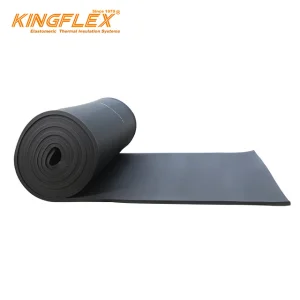
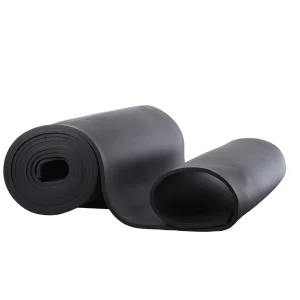
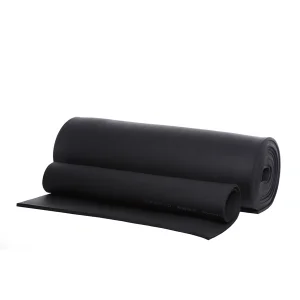
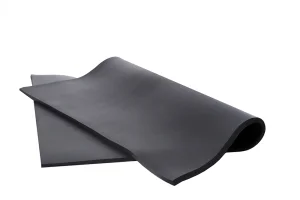
ULT insulation system does not need to install moisture barrier. Due to the unique closed cell structure and polymer blend formulation, LT low temperature elastomeric material have been highly resistant to water vapor permeation. This foamed material provides continuous resistance to moisture penetration throughout the thickness of the product.
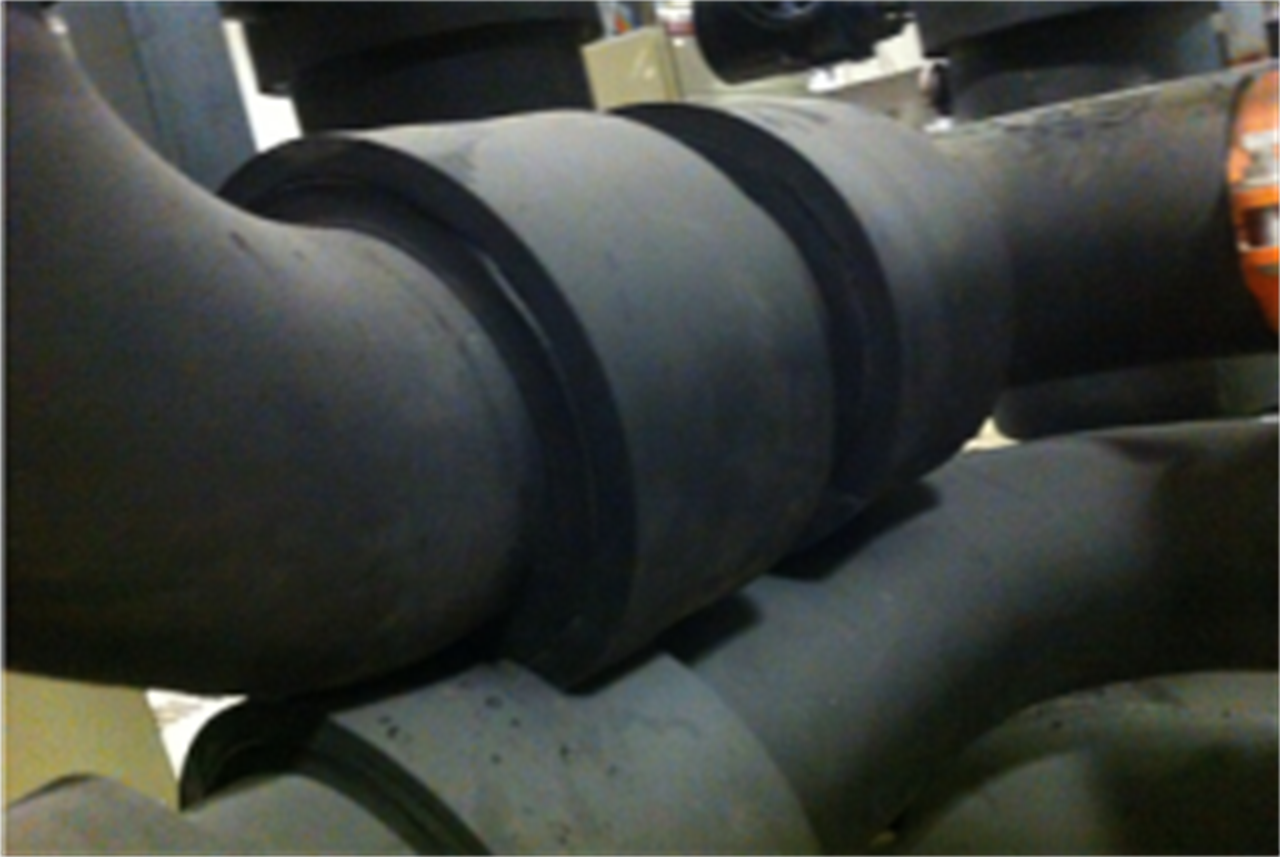
Alkadiene cryogenic thermal insulation materials in cryogenic environment, has a lower coefficient of thermal conductivity, lower density and good elasticity, no crack, effective insulation, good flame-retardant performance, good moisture resistance, durable and long lasting. It is widely used in the production of liquefied natural gas (LNG), pipelines, petrochemicals industry, industrial gases, and agricultural chemicals and other piping and equipment insulation project and other heat insulation of cryogenic environment.
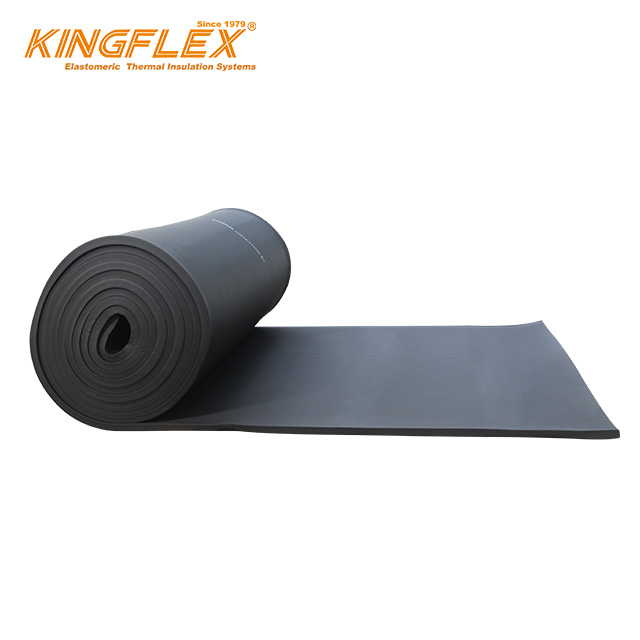
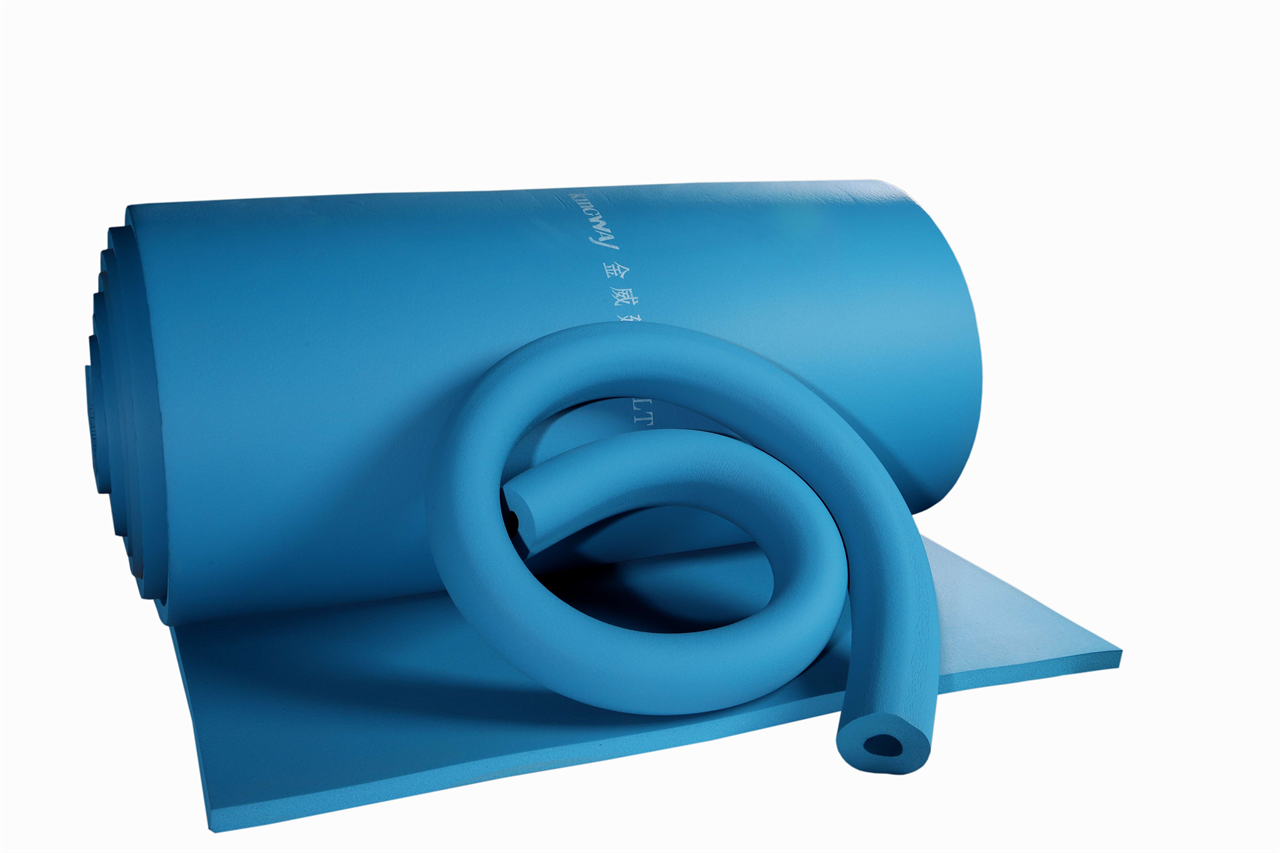
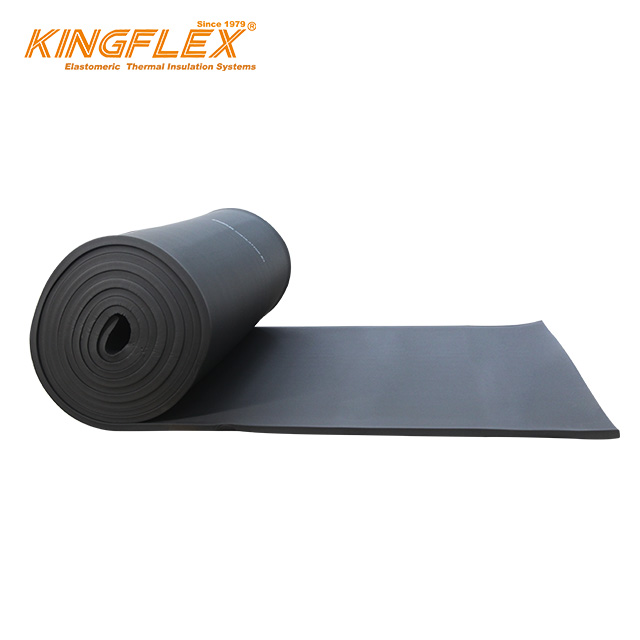
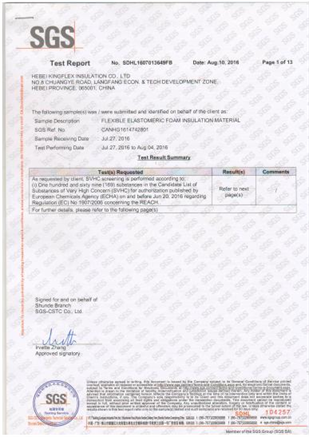
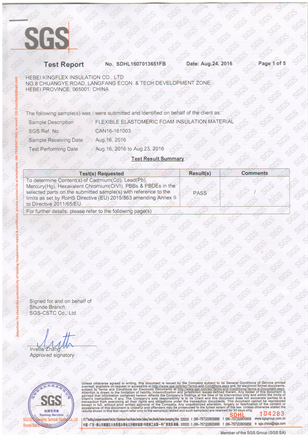
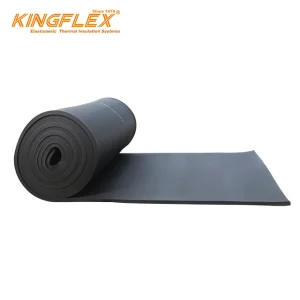
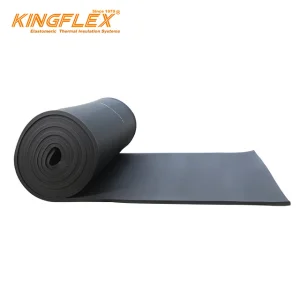
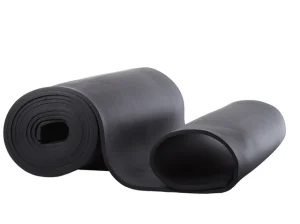
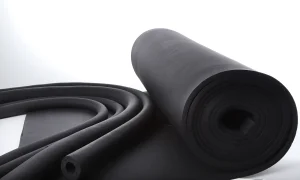
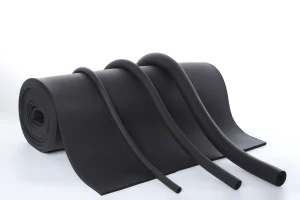
LT Sheet & Roll Insulation is an outer exposed insulation surface. The expanded closed-cell structure makes it an efficient insulation. It is manufactured without the use of CFC’s, HCFC’s or HFC’s. It is also formaldehyde-free, low VOCS, dust free, fiber free and resists mold and mildew. Products can be made with special antimicrobial product protection for added defense against mold on the insulation.
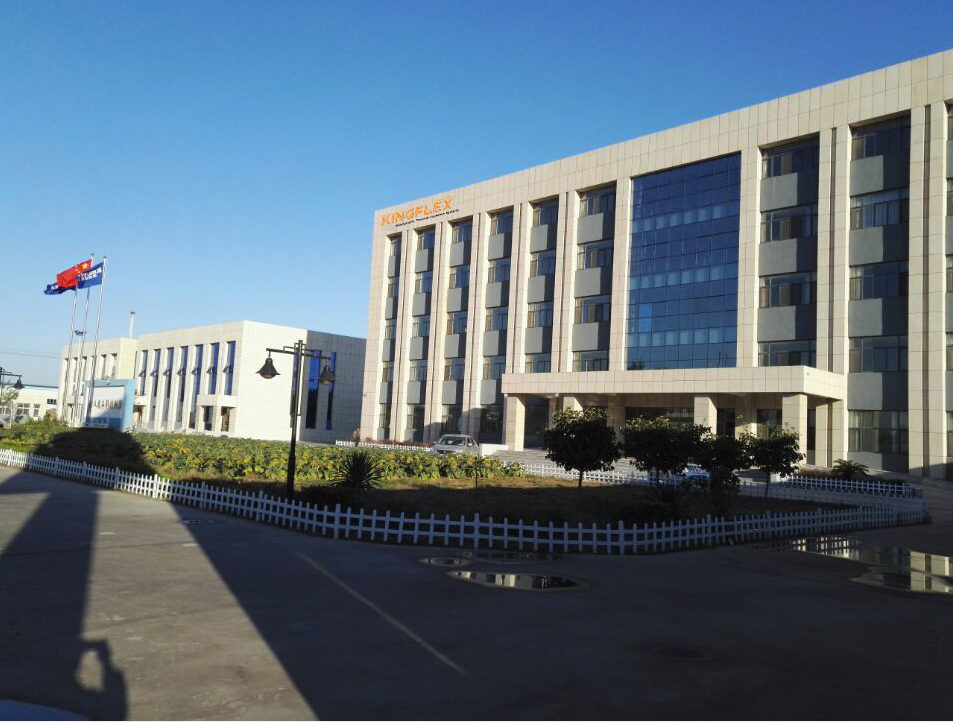
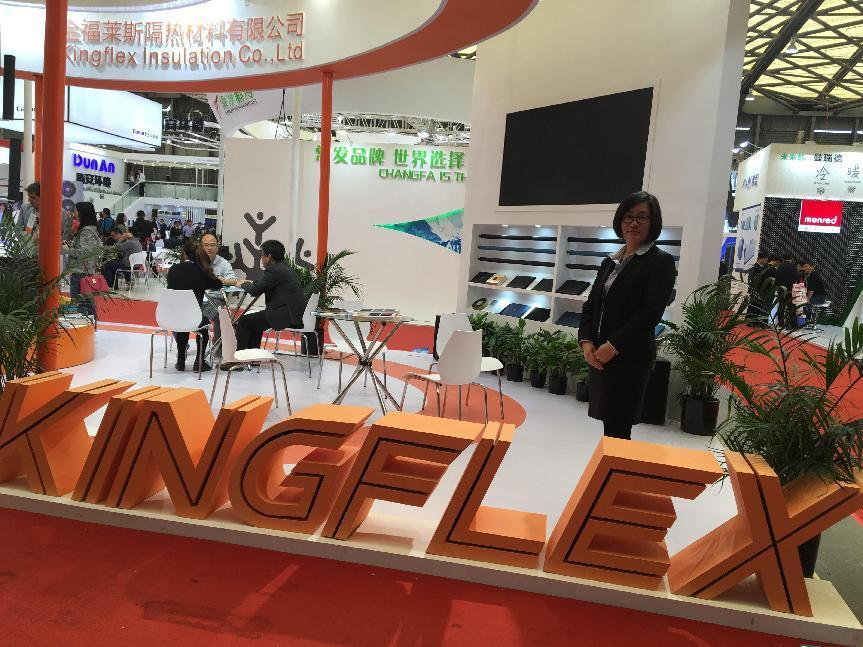
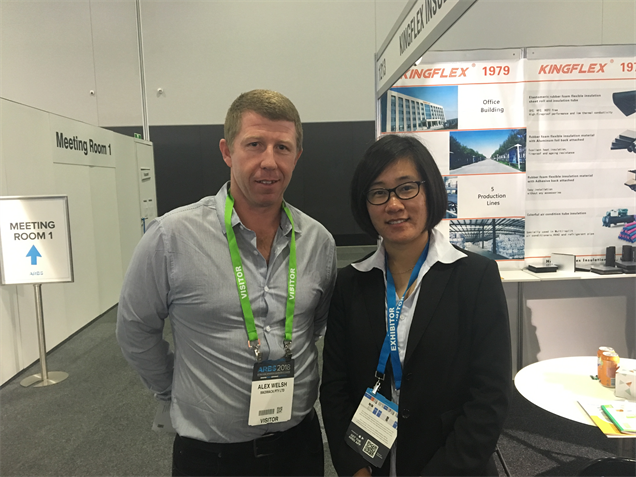
We participate many exhibitions every year and have made many customers and friends from all over the world.
Frequently Asked Questions
Q1: Does the ULT insulation system require an additional moisture barrier?
A1: No, the ULT insulation system does not require an additional moisture barrier. Due to its unique closed-cell structure and polymer blend formulation, the LT low-temperature elastomeric material is inherently highly resistant to water vapor permeation.
Q2: What are the key features of Alkadiene cryogenic thermal insulation materials?
A2: Key features include a lower coefficient of thermal conductivity, lower density, excellent elasticity, crack resistance, effective insulation performance, good flame-retardant properties, outstanding moisture resistance, and long-lasting durability.
Q3: In which fields are these cryogenic insulation materials commonly used?
A3: They are widely used in the production of liquefied natural gas (LNG), pipeline systems, the petrochemical industry, industrial gases, agricultural chemicals, piping and equipment insulation projects, and other cryogenic thermal environments.
Q4: Are the LT Sheet & Roll Insulation products environmentally friendly?
A4: Yes. They are manufactured without the use of CFC’s, HCFC’s, or HFC’s. Furthermore, they are formaldehyde-free, feature low VOCs, and are completely dust-free and fiber-free.
Q5: How do these insulation materials resist mold and mildew?
A5: The expanded closed-cell structure inherently resists mold and mildew. Additionally, the products can be manufactured with special antimicrobial product protection to provide enhanced defense against mold growth.
Q6: How do these materials perform under physical impact or stress?
A6: They feature excellent internal shock resistance, which allows for the absorption and dispersion of external stresses in local positions. This structure successfully avoids material cracking caused by stress concentration or impact.
 Kingflex