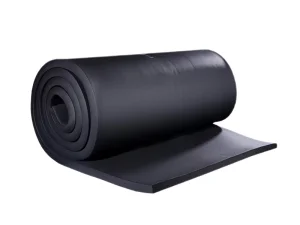
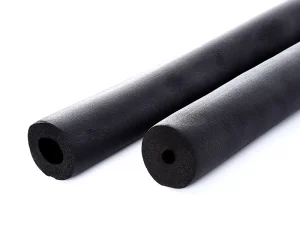
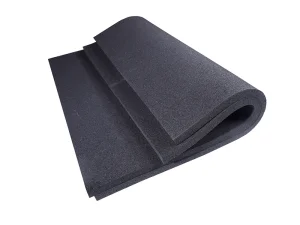
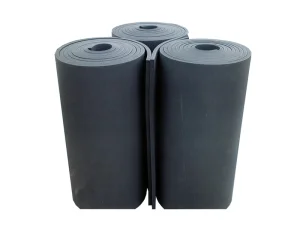
Premium grade elastomeric rubber foam sheets and pipes selected for municipal and commercial development in New England.
Navigating historical retrofits, coastal humidity, and New England's thermal swings.
Boston's built environment represents a complex mixture of historic masonry structures dating back to the 19th century and cutting-edge biotech laboratories in Kendall Square and the Seaport District. Operating mechanical infrastructure in this environment presents serious challenges. New England's climate demands thermal performance under extreme weather conditions, where ambient winter temperatures can plunge below 0°F (-18°C) and summer coastal humidity can reach saturation levels. Under these conditions, control of condensation is critical.
Furthermore, under Boston's Building Energy Reporting and Disclosure Ordinance (BERDO 2.0), buildings are held to strict greenhouse gas emissions limits. Optimizing the efficiency of HVAC systems, chilled water loops, and steam networks is no longer just a maintenance goal; it is a regulatory mandate. Conventional fiberglass or open-cell insulation products often struggle with moisture absorption in sub-dewpoint applications, leading to mold growth, degradation of structural efficiency, and corrosion under insulation (CUI). High-performance closed-cell NBR/PVC elastomeric rubber foam insulation offers a solution to these issues, providing a built-in vapor barrier, low thermal conductivity, and flexibility for retrofits in tight municipal configurations.
Elastomeric rubber foam features a closed-cell rate of over 98%, preventing moisture ingress and eliminating the risk of condensation on chilled water pipes and refrigeration lines.
Upgrading pipe insulation with low thermal conductivity (λ ≤ 0.034 W/mK at 0°C) reduces energy loss, helping building portfolios meet Boston's decarbonization targets.
The flexible elastomeric formulation allows installers to slide, wrap, and seal insulation around tight pipe bends and ducts inside historic properties where space is limited.
The engineering shift from traditional insulation to smart, zero-permeability systems.
Modern commercial buildings targeting LEED certification require low chemical emissions. Our rubber foam insulation has low VOC outputs and contains no CFCs, HCFCs, or formaldehyde, protecting indoor air quality in schools, hospitals, and offices.
Global fire safety codes demand compliance with strict fire testing. Our NBR/PVC elastomeric materials are engineered with flame retardants, allowing them to self-extinguish and meet global standards including BS 476 Class 0, UL94 V-0, and ASTM E84 Class A ratings.
Traditional fibrous insulation experiences thermal drift over time due to humidity absorption. Elastomeric foam's closed micro-cell structure maintains consistent thermal conductivity over decades, protecting your initial energy savings investment.
Technical properties for HVAC mechanical engineers, acoustic consultants, and procurement managers.
| Property Description | NBR/PVC Elastomeric Sheet Roll Specs | NBR/PVC Elastomeric Tube Specs | Regulatory Standards / Testing Agency |
|---|---|---|---|
| Material Composition | Elastomeric Nitrile Butadiene Rubber (NBR) / Polyvinyl Chloride (PVC) | Elastomeric Nitrile Butadiene Rubber (NBR) / Polyvinyl Chloride (PVC) | ISO 9001, RoHS, REACH compliant |
| Density Range | 40 - 55 kg/m³ | 40 - 55 kg/m³ | ASTM D1622 / ISO 845 |
| Thermal Conductivity (λ) | ≤ 0.034 W/(m·K) at 0°C | ≤ 0.038 W/(m·K) at 40°C | ≤ 0.034 W/(m·K) at 0°C | ≤ 0.036 W/(m·K) at 24°C | ASTM C518 / ISO 8301 |
| Water Vapor Permeability | ≥ 1.0 × 10¹¹ g/(m·s·Pa) (μ ≥ 10,000) | ≥ 1.2 × 10¹¹ g/(m·s·Pa) (μ ≥ 8,000) | ASTM E96 / BS EN 12086 |
| Fire Performance Class | Class 0 / Class 1 / Class V-0 / Class A | Class 0 / Class 1 / Class V-0 / Class A | BS 476 Part 6/7, UL 94, ASTM E84 |
| Operating Temperature | -50°C to +105°C (-58°F to 221°F) | -50°C to +105°C (-58°F to 221°F) | ASTM C411 |
| Acoustic Damping Coefficient | NRC ≥ 0.45 (at 10mm thickness, open-cell specialized structure) | N/A | ASTM C423 |

Ensuring quality control and stable supply pipelines directly to Boston.
Kingflex operates modern manufacturing facilities in Dacheng, China, serving as a hub for production, research, development, and logistics. Our operations are built on three main pillars:
Providing specialized thermal protection across municipal, commercial, and laboratory systems.
Protects high-flow HVAC distribution loops and chilled water systems across institutional campuses in Cambridge and Boston, reducing energy losses in subterranean utility tunnels.
Supports precise relative humidity (RH) control inside research facilities. Closed-cell rubber foam prevents fiber shedding, protecting cleanroom environments from particulate contamination.
Provides condensation protection and thermal defense for LNG terminals, cold storage warehouses, and maritime refrigeration systems along Boston's waterfront.
Explore our specialized range of elastomeric solutions designed for complex mechanical projects.
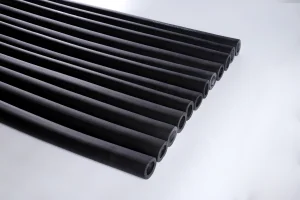
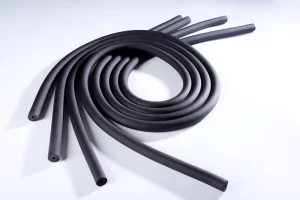

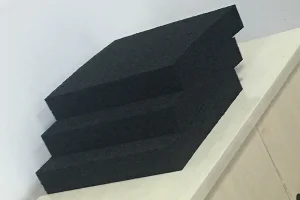
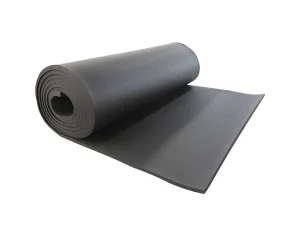
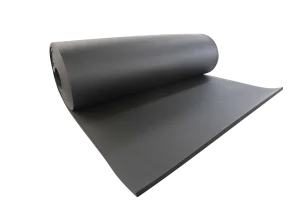
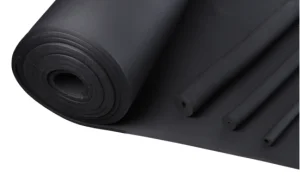
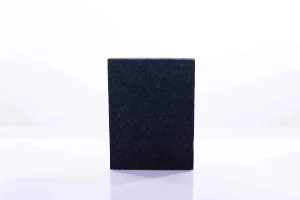
Browse our core inventory options ready for volume container shipping to the Boston metro area.
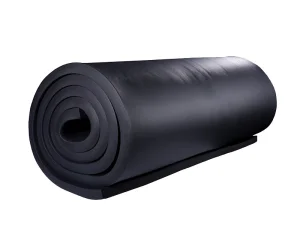
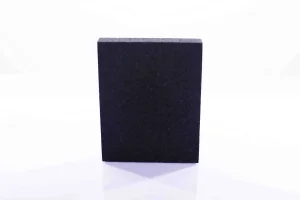
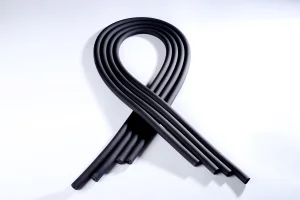
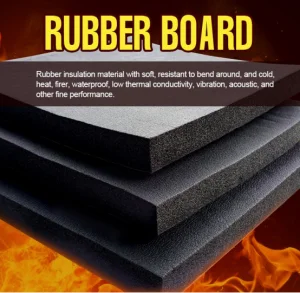
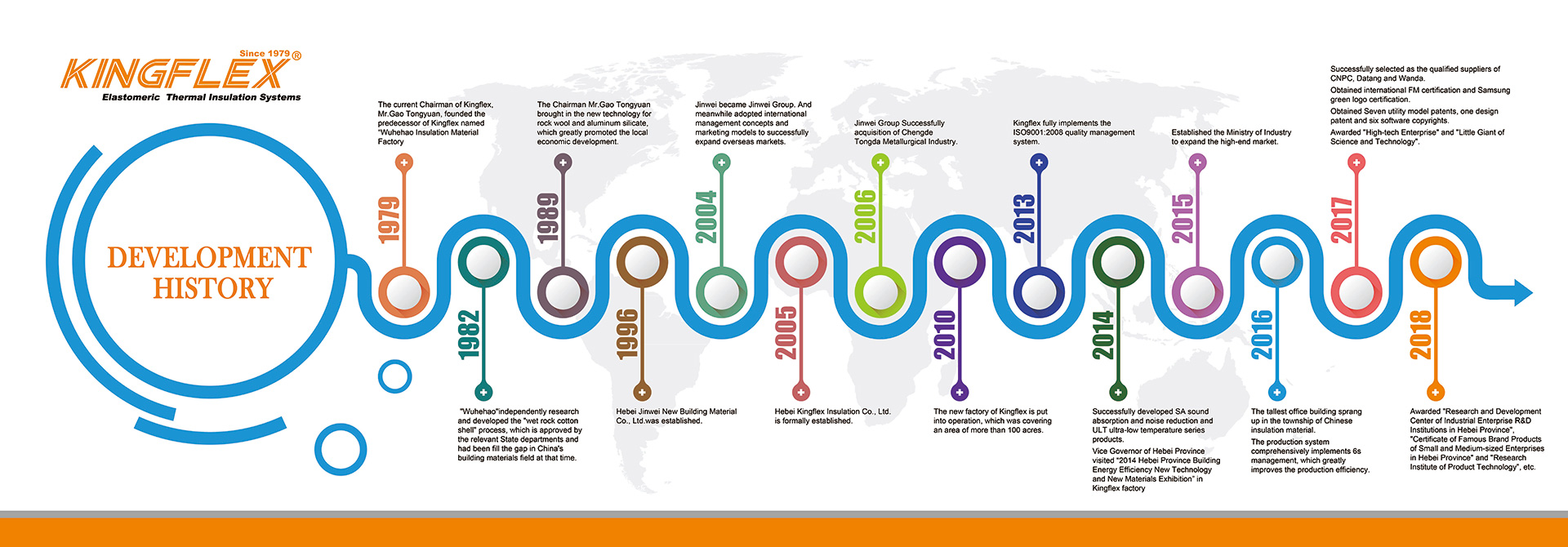
A history of technical innovation in green building materials.
Kingflex Insulation Co., Ltd. is a manufacturing and trading combo specializing in energy-saving thermal insulation materials. Our research, development, and production facility is located in Dacheng, China, a regional center for green building materials manufacture.
Established by the Jinwei Group, which brings over 40 years of industry history dating back to its founding in 1979, our parent company was a pioneer in thermal insulation manufacturing in Northern China. Today, Kingflex focuses on providing integrated solutions for thermal insulation, cold preservation, and acoustic control in commercial buildings, municipal infrastructure, and heavy industrial facilities.
Testing and certification to meet strict safety and environmental codes worldwide.
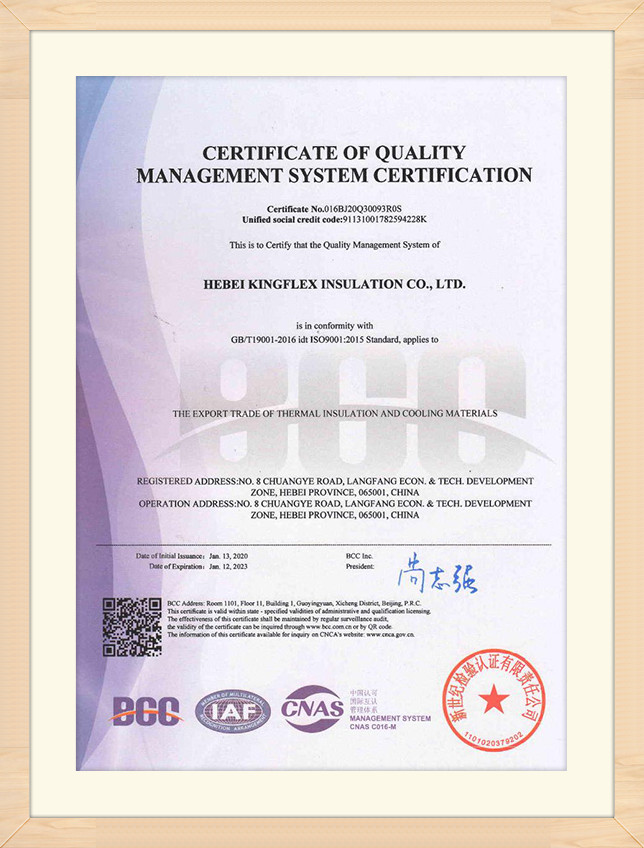
Complies with British standard fire propagation and surface spread of flame criteria.

Meets UL 94 V-0 requirements for vertical burning flammability rating.

European market compliance ensures environmental and chemical safety restrictions.
Our quality assurance system tracks production data from raw material inspection through processing and final shipping, providing complete traceability for your projects. We maintain digital tracking records for each manufacturing run, detailing polymer density, closed-cell ratio, and thermal performance characteristics.
Request a Quality Audit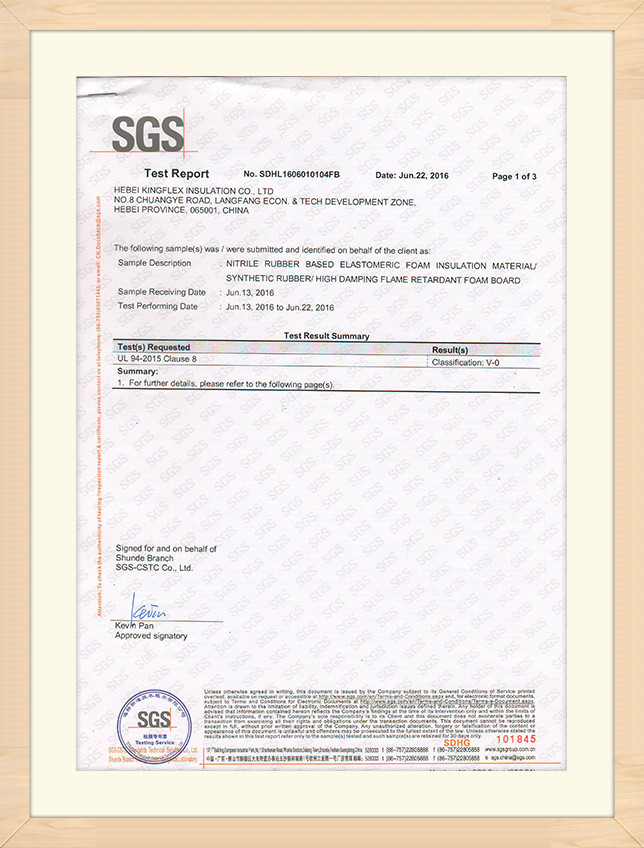
Common questions from project managers and engineers about our rubber foam insulation solutions.
Connect with our technical sales team for pricing, custom dimension requirements, and shipping timelines directly to the Boston area.
 Kingflex