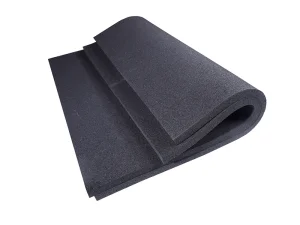
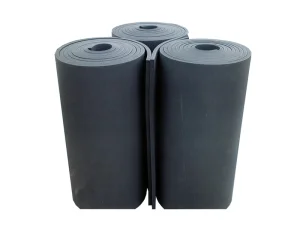
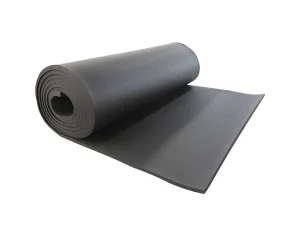
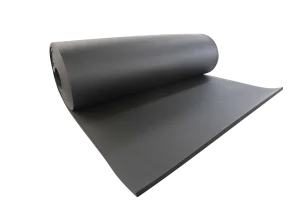
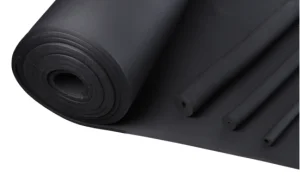
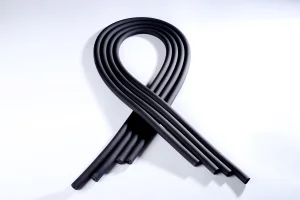
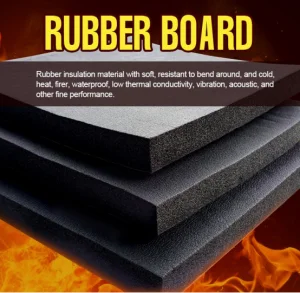
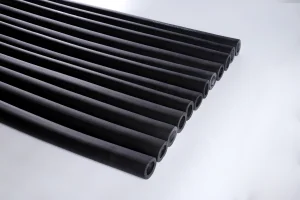
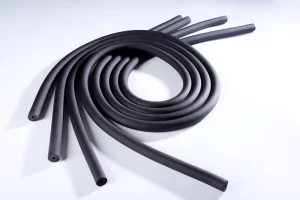
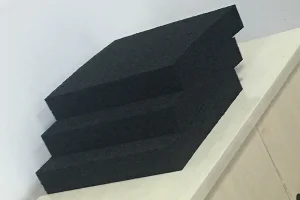
Advanced elastomeric rubber foam sheets, rolls, and pipes optimized for condensation control and high thermal resistance.
Benin is currently experiencing an era of robust macroeconomic development. Key infrastructure nodes, such as the Glo-Djigbé Industrial Zone (GDIZ) and the expansion projects at the Port of Cotonou, are driving unprecedented demand for state-of-the-art building materials. In sub-Saharan coastal environments like Benin's, managing heat and relative humidity is a primary engineering design challenge. The tropical monsoon climate of southern Benin, characterized by year-round high ambient temperatures (frequently exceeding 32°C) and average relative humidity levels above 80%, exposes HVAC and mechanical cooling systems to intense thermodynamic stresses.
Without high-performance thermal insulation, chilled water pipes, refrigeration lines, and ventilation ductwork are highly susceptible to severe condensation. This moisture accumulation, known colloquially in building design as "sweating," leads directly to structural degradation, corrosion under insulation (CUI), mold growth, and significantly elevated operational electricity costs. Traditional insulation media such as fiberglass or rock wool are prone to moisture absorption in these climates. Once moisture enters their open fibers, their thermal conductivity rises exponentially. Closed-cell NBR/PVC elastomeric rubber foam presents the optimum solution, delivering a built-in vapor barrier that prevents moisture ingress and stabilizes thermal performance over the long term.
Why do closed-cell polymers outperform open-cell fiber solutions in Cotonou and Porto-Novo? In hot-humid regions, the vapor pressure differential between ambient air and a chilled fluid line (typically running at 4°C to 7°C) creates a constant driving force that pushes moisture inward. NBR/PVC elastomeric foam features a dense network of micro-closed cells with a resistance factor against water vapor diffusion (µ) equal to or greater than 10,000. This means the insulation functions as a continuous vapor barrier throughout its entire thickness, ensuring its thermal conductivity remains stable for decades.
Our elastomeric NBR/PVC rubber foam products represent the pinnacle of modern extrusion and expansion technology. Through optimized cross-linking chemistry, we produce insulation materials with homogeneous cell geometry, high flexibility, and excellent elasticity. This high-density cell structure yields a thermal conductivity ($\lambda$) of $\le 0.034$ W/(m·K) at 0°C, providing exceptional insulation efficiency that drastically reduces the power consumption of air conditioning chillers in large commercial real estate developments in Benin.

For procurement officers and HVAC engineers coordinating projects in West Africa, supply chain reliability is just as critical as technical specifications. Kingflex operates state-of-the-art production facilities boasting 5 automated assembly lines, delivering a total annual capacity of over 600,000 cubic meters. This high production capability ensures we can handle bulk orders for large industrial developments without project delays.
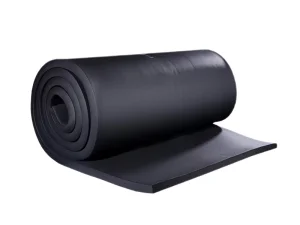
Our dedicated export logistics team optimizes shipping and container loads bound for Cotonou Port (Autonomous Port of Cotonou). To maximize container space and reduce freight costs, we utilize vacuum packing technologies for our elastomeric sheet rolls. Upon arrival and unsealing, the material recovers its original thickness thanks to its compression resilience of over 80%. Additionally, we provide comprehensive documentation for smooth customs clearance, including certified test reports, packing lists, and certificates of origin.
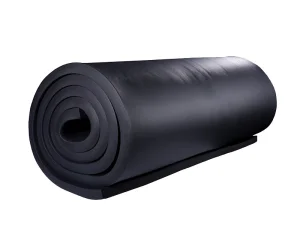
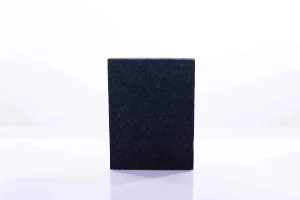
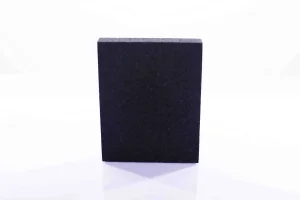
Kingflex elastomeric materials are engineered for a wide array of demanding thermal, cold, and acoustic systems. Below are our two primary product classes tailored for specific mechanical tasks on job sites throughout Benin:
Standard Dimension & Limits:
Material: NBR/PVC blend
Thickness range: 6mm - 50mm
Density: 40-55 kg/m³
Temperature range: -40℃ to 105℃
Primary Advantages:
1. Foams evenly and fully, closed cell rate over 98%, excellent thermal insulation.
2. Fully closed-cell structure, low moisture absorption, stable long-term thermal conductivity.
3. Compression resilience over 80%.
4. Flame retardant, self-extinguishing.
5. Low thermal conductivity, high moisture resistance factor.
Typical Applications in Benin:
Ideal for large-diameter central air conditioning air ducts, industrial equipment, steam pipes, cold storage rooms, and wall/roof thermal insulation.
Standard Dimension & Limits:
Material: NBR/PVC blend
Thickness range: 9mm - 40mm
Inner Diameter (ID): 6mm - 114mm
Density: 40-55 kg/m³
Temperature range: -40℃ to 105℃
Primary Advantages:
1. Foams evenly and fully, closed cell rate over 98%, excellent thermal insulation.
2. Professional pipe spraying equipment ensures even coating.
3. Compression resilience over 80%.
4. Flame retardant, self-extinguishing.
5. Low thermal conductivity, high moisture resistance factor.
6. Greatly reduces pipe freezing and cracking risks.
Typical Applications in Benin:
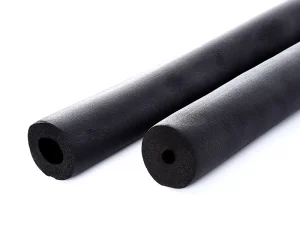
Mainly used for copper cooling pipes in split A/C units, chilled water pipelines in large hotels, hot water systems, and chemical process piping.
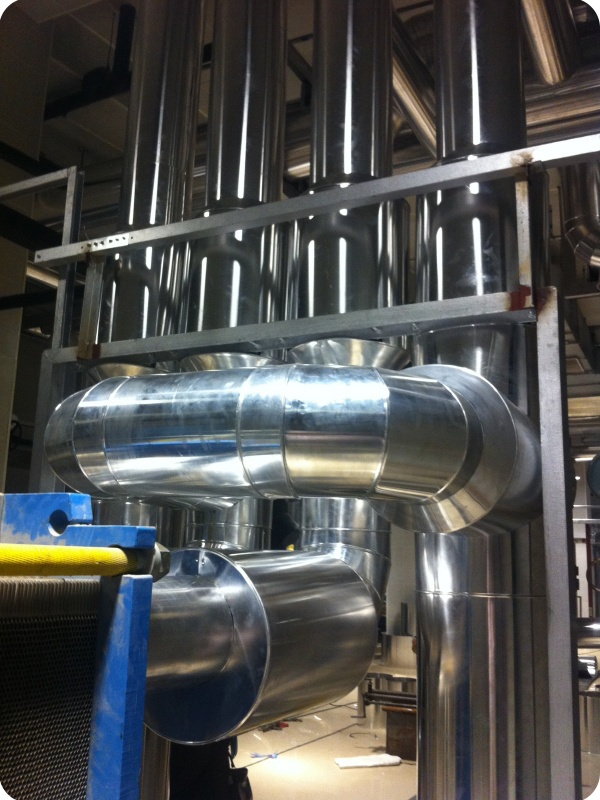
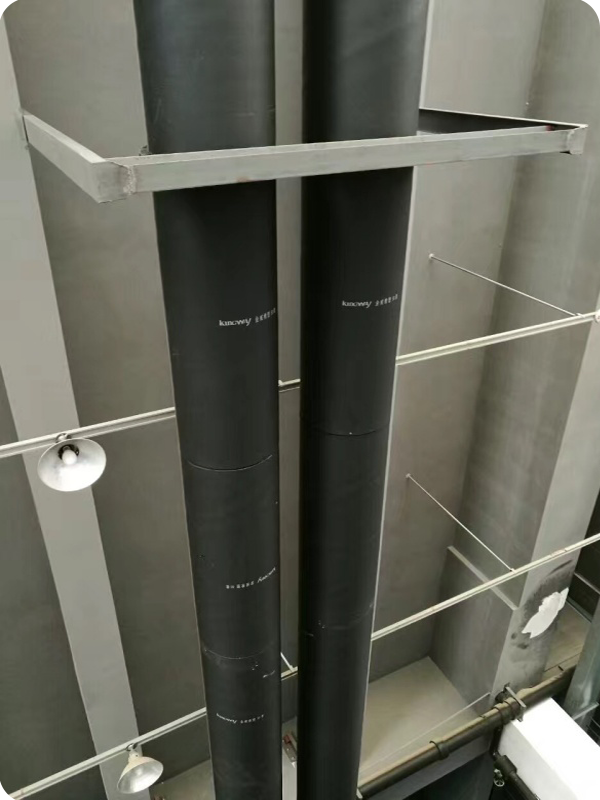
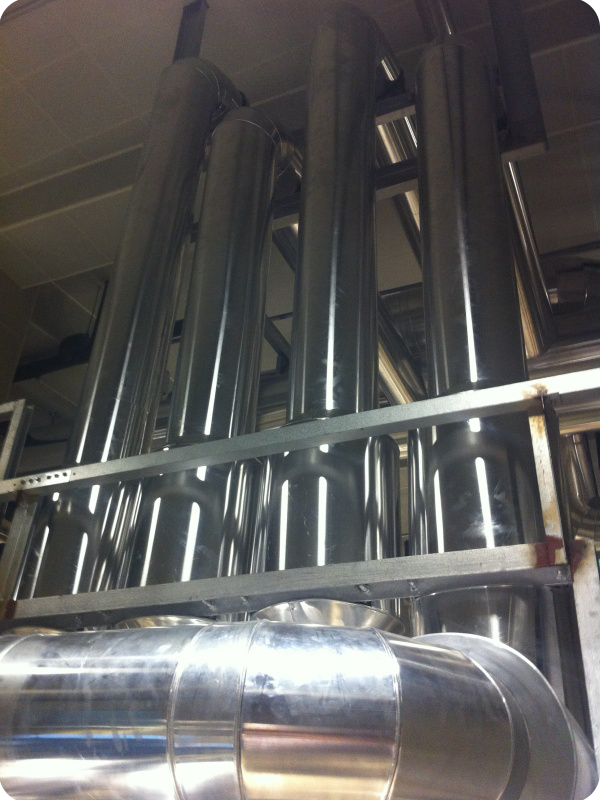
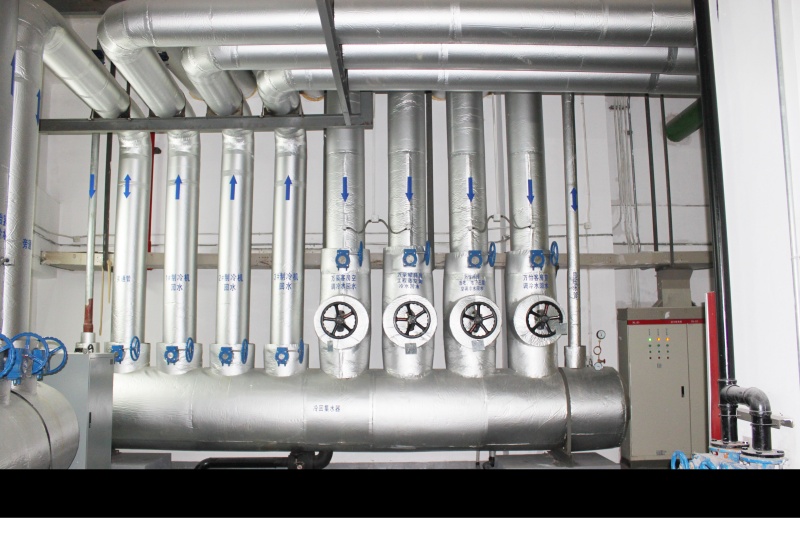
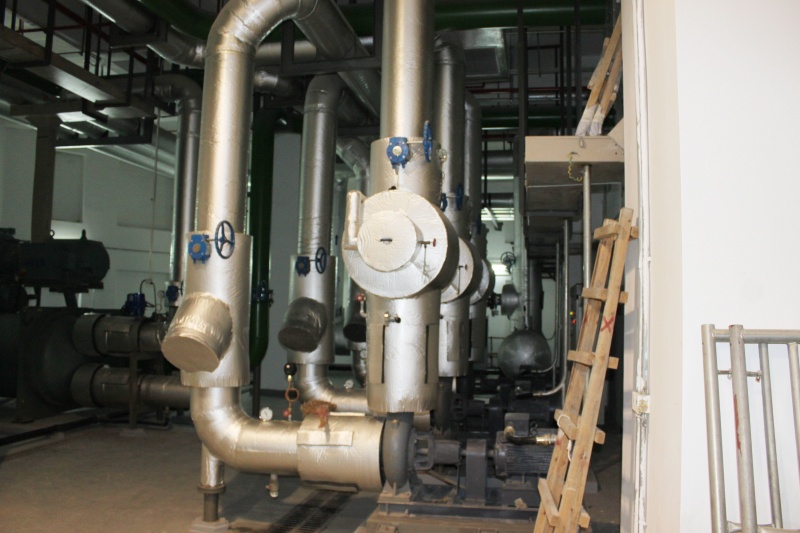
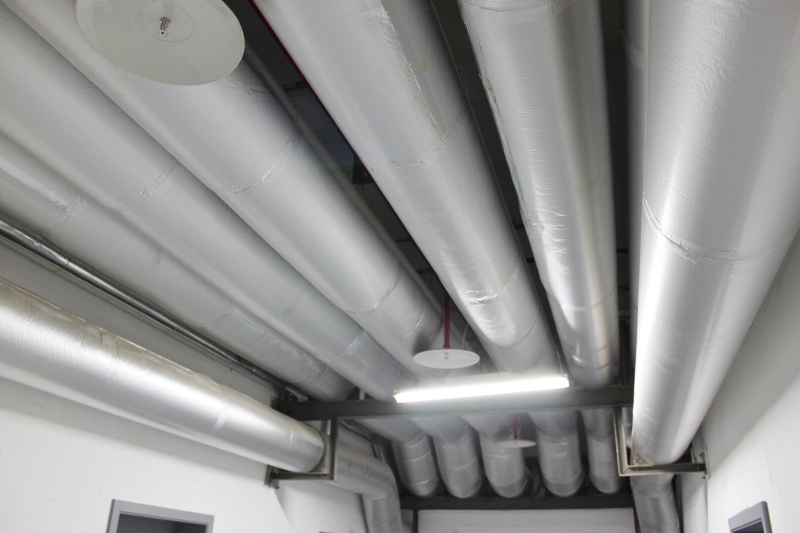
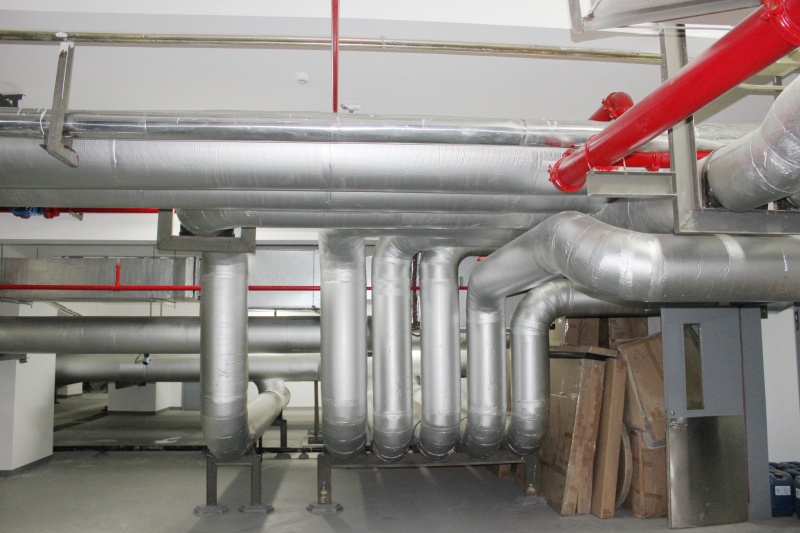
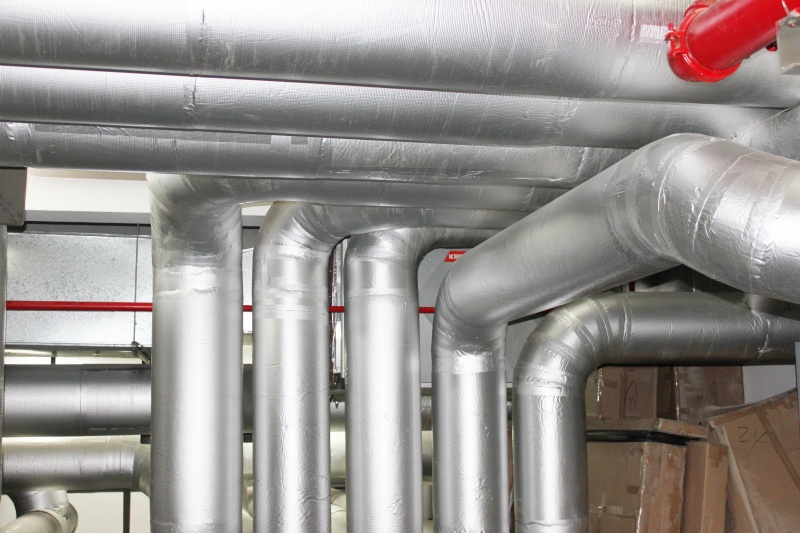
Our solutions have been implemented across high-profile infrastructure projects globally, including commercial complexes, industrial cold chain depots, and hospital ventilation installations. Explore our project photos showing manufacturing processes, packaging, and site installations:




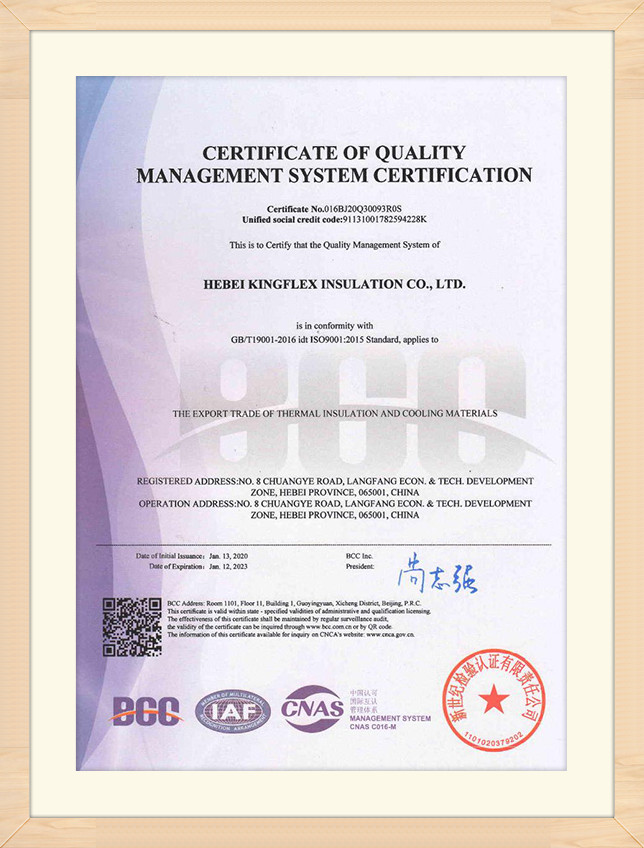
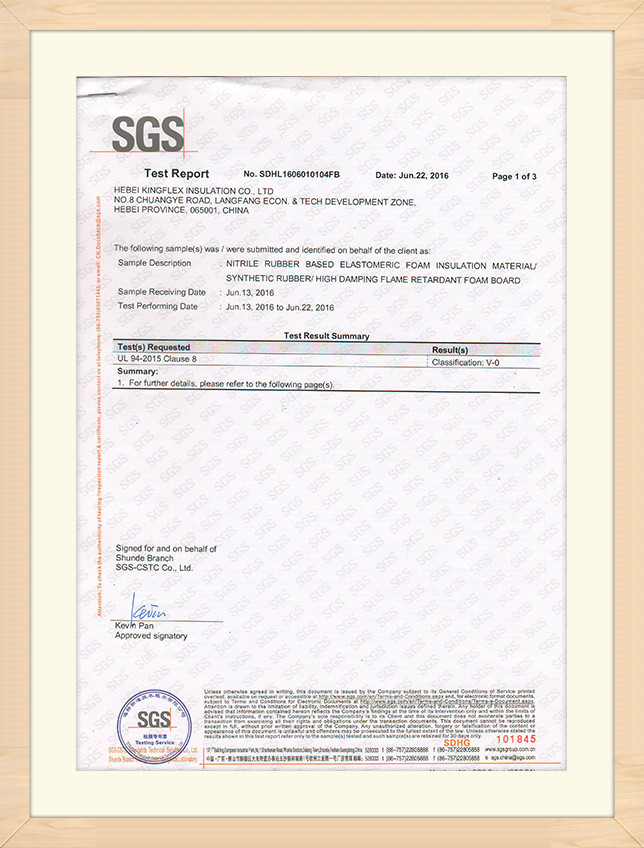
In municipal building codes across Benin, fire performance is a critical criteria. Kingflex elastomeric insulation has been tested to meet major international standards. The material is formulated with flame retardants that limit the spread of fire and ensure the product is self-extinguishing once the flame source is removed. Our certifications include:


Explore our targeted commercial systems, from high-thickness rolls to flexible tubing configurations.
Optimized tubing systems for industrial refrigeration, acoustic absorption, and micro-conduit distribution networks.
Get answers to technical queries, installation inquiries, and standard procurement questions.
 Kingflex