 Kingflex
Wholesale elastomeric NBR/PVC rubber foam insulation sheet roll Manufacturers, Factories
Ideal for wide-diameter ductwork and large flat surface thermal protection in Kansai commercial complexes.
Engineered to prevent surface condensation and minimize energy loss in high-humidity coastal commercial environments.
Ideal for wide-diameter ductwork and large flat surface thermal protection in Kansai commercial complexes.
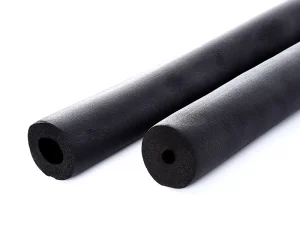
Precision-extruded insulation pipe tubing suited for central HVAC chilled water lines and cooling systems.
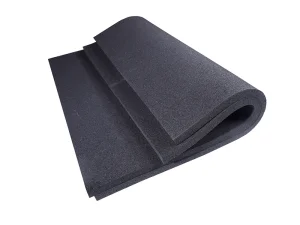
Dual-action acoustic dampening and thermal block sheets designed for mechanical rooms and plant walls.
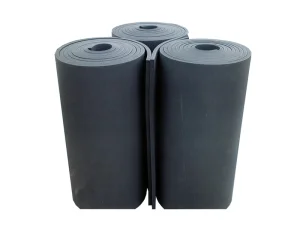
High moisture resistance coefficient index rolls, crucial for prevention of corrosion under insulation (CUI).
Analyzing thermal physics requirements for marine humid climates and stringent JIS construction compliance standards.
Osaka, as the commercial heart of the Kansai region, features unique climatic and geographical factors that dictate strict mechanical engineering parameters. Bordering Osaka Bay, the city experiences high relative humidity levels during summer months, frequently exceeding 80%. When ambient humid air contacts cold pipeline systems, such as chilled water pipelines or HVAC air ducts, the dew point is rapidly crossed, leading to condensation.
For engineering firms operating in Yumeshima, Nakanoshima, and Umeda development districts, managing surface condensation and energy conservation is paramount. Standard open-cell insulation materials fail quickly under these high vapor pressure environments, absorbing moisture and losing thermal efficiency. Closed-cell Elastomeric NBR/PVC Rubber Foam Insulation is the engineered solution, boasting a moisture diffusion resistance factor (μ) ≥ 10,000, preventing moisture entry and keeping structural thermal conductivity (λ) stable over decades of operation.
Key Compliance Note for Japanese Contractors:
Kingflex elastomeric thermal insulation products are developed to support JIS A 9511 (Preformed cellular plastics thermal insulation materials) specifications, ensuring frictionless integration into commercial HVAC layouts overseen by general builders in Japan.

Understanding thermodynamic behavior, installation economics, and performance curves in cold insulation setups.
| Insulation Material | Cell Structure | Thermal Conductivity (λ at 0°C) | Water Vapor Resistance (μ) | Acoustic Performance | Corrosion Risk (CUI) |
|---|---|---|---|---|---|
| NBR/PVC Elastomeric Foam (Kingflex) | Closed-Cell (>98%) | 0.032 - 0.034 W/m·K | ≥ 10,000 (Excellent) | Highly effective dampening | Extremely Low (Built-in vapor barrier) |
| Glass Wool | Open Fibrous | 0.036 - 0.042 W/m·K | 1 (Requires jacket) | Good absorption | High (Moisture accumulation) |
| Rock Wool | Open Fibrous | 0.038 - 0.044 W/m·K | 1 (Requires jacket) | Very high absorption | High (Absorbs condensation) |
| Polyurethane (PU) Rigid Foam | Closed-Cell | 0.024 - 0.028 W/m·K | 60 - 150 | Poor (High resonance) | Medium (Joint leakage risks) |
Corrosion Under Insulation (CUI) is a multi-billion dollar industrial failure mode. When moisture penetrates insulation, it remains trapped against the surface of carbon steel or copper pipes, creating an electrochemical cell that accelerates oxidation. In coastal urban centers like Osaka, atmospheric salt ions can worsen CUI if condensation is allowed to pool.
By utilizing elastomeric rubber foam, the system benefits from a complete self-contained moisture barrier. Because the material itself is impermeable to water vapor, a failure in the outer jacket does not compromise the core insulation performance. The flexible elastomeric properties also absorb physical vibration and thermal expansion stresses, preventing the cracks and voids common in rigid insulation systems.
Combining 40+ years of Jinwei Group industrial heritage with state-of-the-art automated manufacturing output.
Kingflex Insulation Co., Ltd. is a professional manufacturing and trading combo for high-performance thermal insulation products. Our core research, development, and high-volume production facility is situated in Dacheng, China—historically recognized as the capital of green building materials. Kingflex operates with energy saving and carbon reduction as its central corporate mission. We deliver integrated insulation solutions encompassing consultation, advanced R&D, automated production, installation guidance, and global post-sale service.
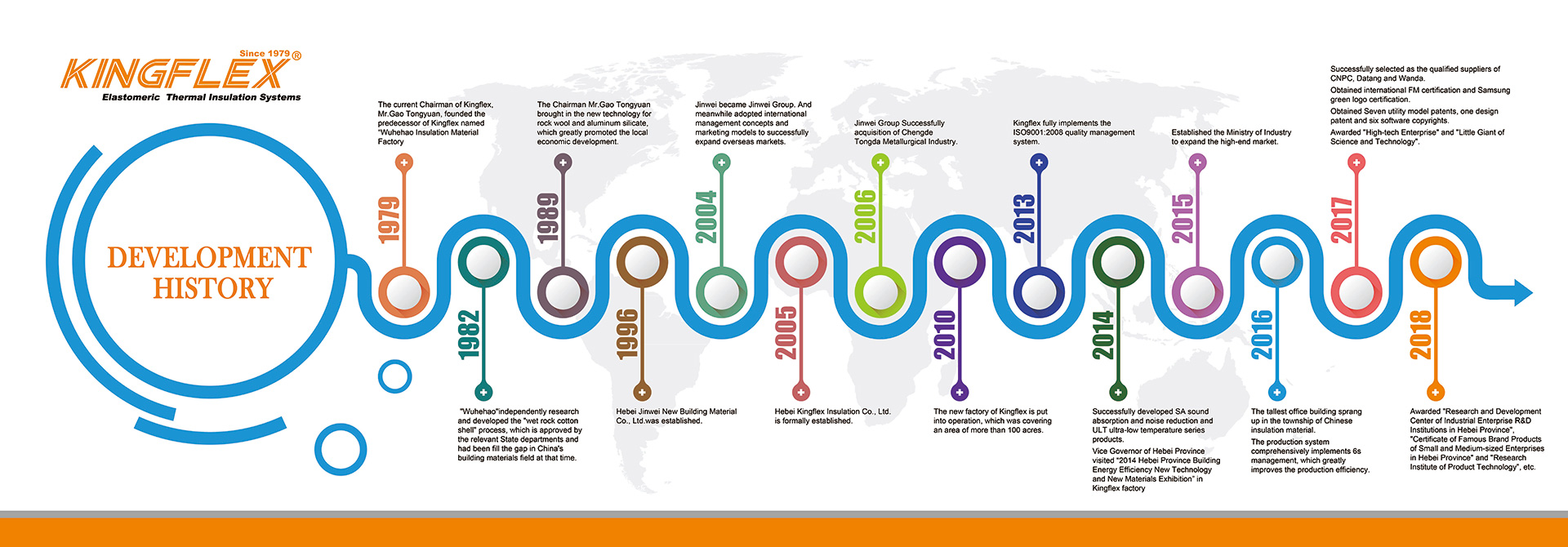
Established by the Jinwei Group, which boasts a historic presence dating back to 1979 (the pioneer of thermal insulation materials north of the Yangtze River), Kingflex leverages deep technical experience. Today, our facility features 5 high-speed automated assembly lines, giving an annual production capacity exceeding 600,000 cubic meters of finished elastomeric foam.
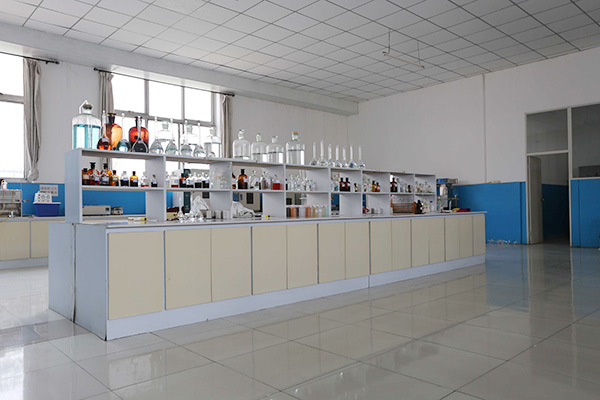
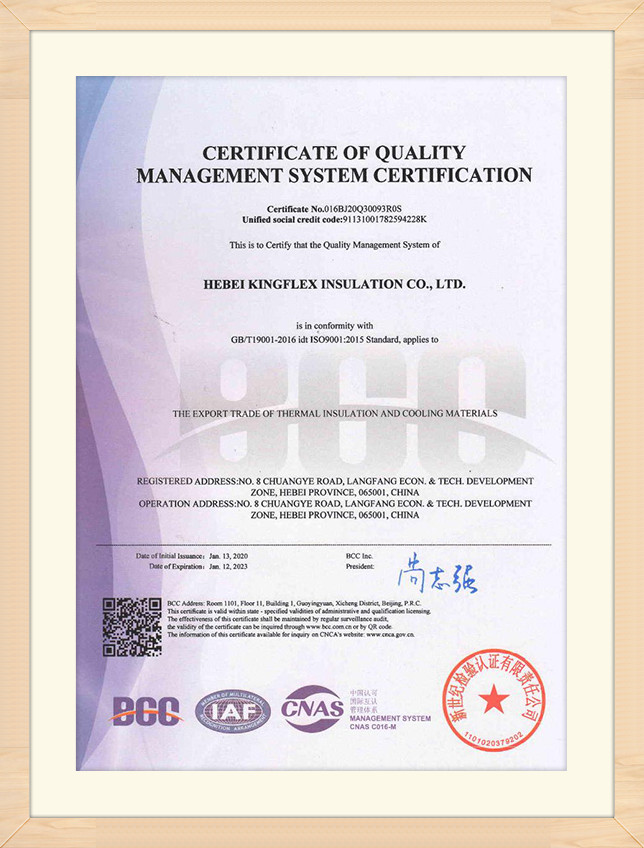
Our dedicated R&D laboratory houses eight professional materials scientists and testing engineers. Every batch of Kingflex elastomeric foam undergoes rigorous testing, measuring closed-cell percentages, density uniformity, flame propagation index, and long-term thermal drift coefficients. This scientific approach ensures that our products comply with demanding international standards such as BS 476, CE, REACH, RoHS, UL94, and ASTM.
To support global procurement supply chains, particularly Japanese engineering companies with strict quality verification workflows, Kingflex maintains full raw material and manufacturing batch traceability records. Every pallet of rubber foam shipped to Osaka Port can be mapped back to its primary chemical compound inputs, ensuring accountability and peace of mind.


Standard parameters for sheets and pipe insulation tubes. Custom thicknesses available to match specific insulation thickness calculation programs.
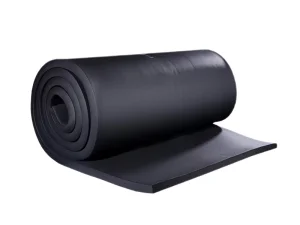
High-density elastomeric sheet rolls are optimal for flat or curved surfaces, offering continuous protection without joints.
| Base Compound | NBR/PVC (Nitrile Butadiene Rubber/Polyvinyl Chloride) |
| Available Thickness | 6mm to 50mm |
| Density Range | 40 - 55 kg/m³ |
| Service Temp. Limit | -40℃ to 105℃ |
Circular extruded hollow pipes configured for clean slip-on or slit-and-seal installation over existing copper and steel runs.
| Base Compound | NBR/PVC (Elastomeric Blends) |
| Available Thickness | 9mm to 40mm |
| Internal Diameter (ID) | 6mm to 114mm (Matches standard pipe sizes) |
| Density Range | 40 - 55 kg/m³ |
Prevents condensation and temperature loss in cold air supply ducts and chilled glycol supply pipelines.
Lined along compressor enclosures and water pump rooms to absorb structural motor vibrations.
Essential for maintaining low temps in Osaka port seafood facilities and vaccine transport storage.
Protects process pipe runs against corrosion, chemical splash, and outdoor UV degradation with weathering jackets.
Real-world packaging, project installations, and verified customer screenshots from globally delivered projects.

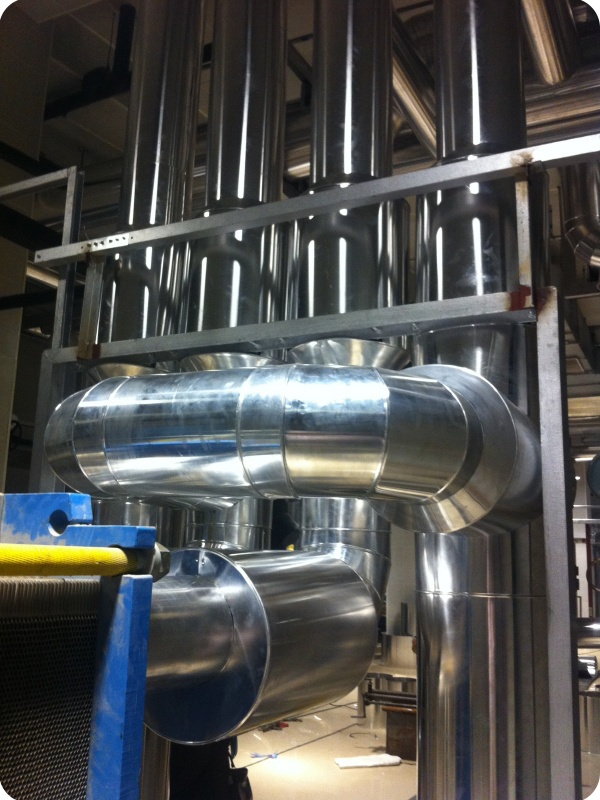
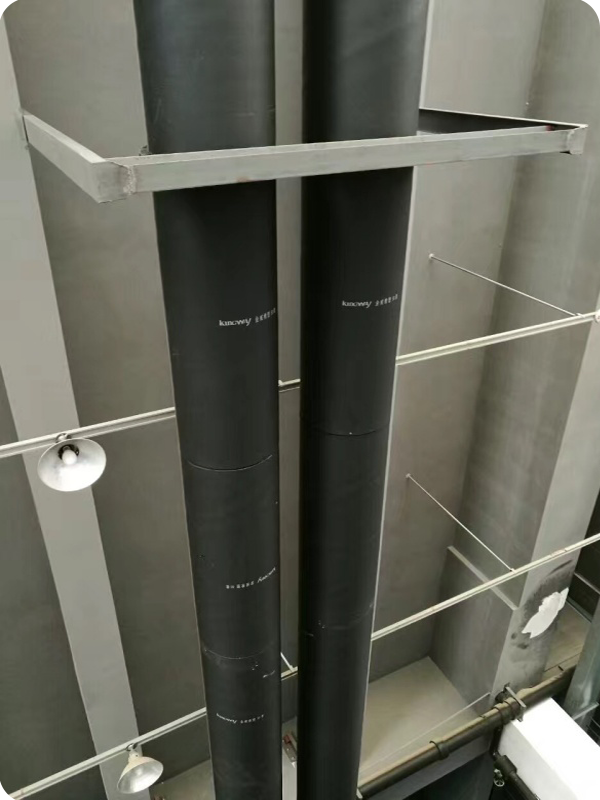
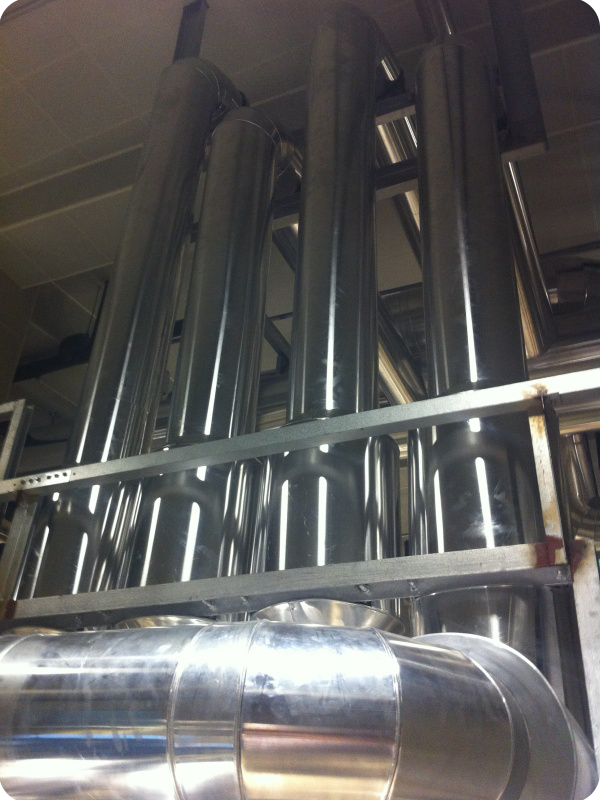
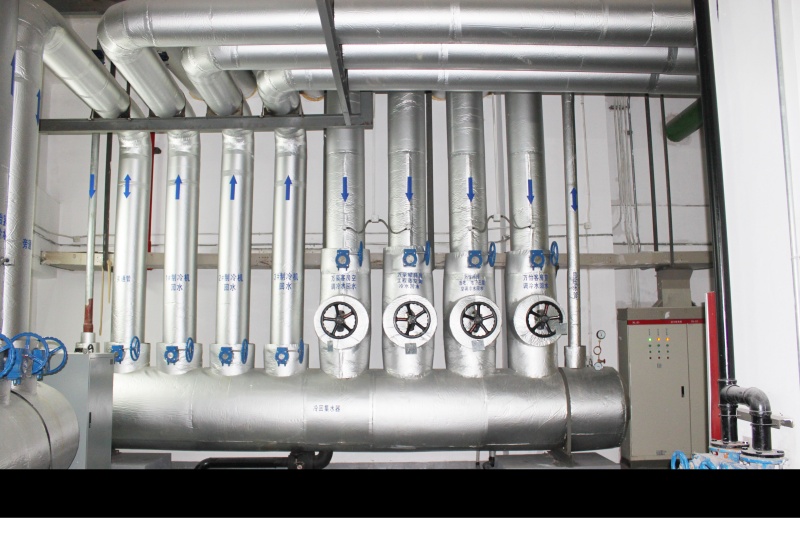


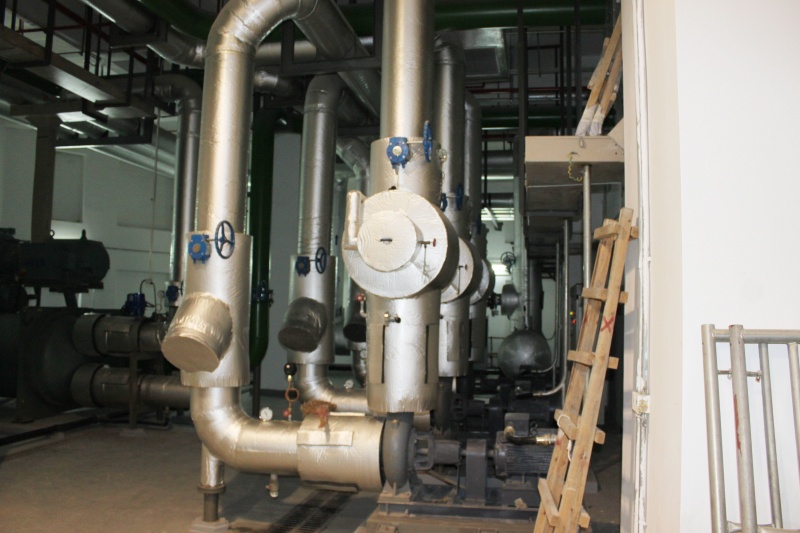
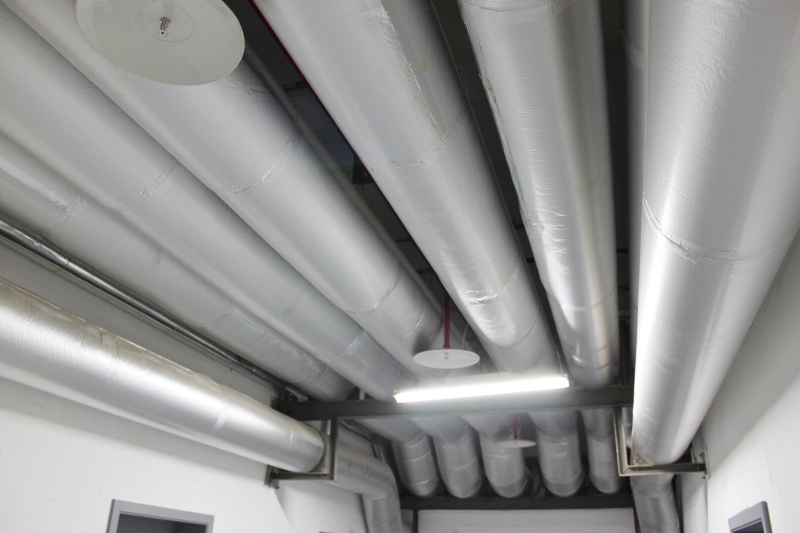

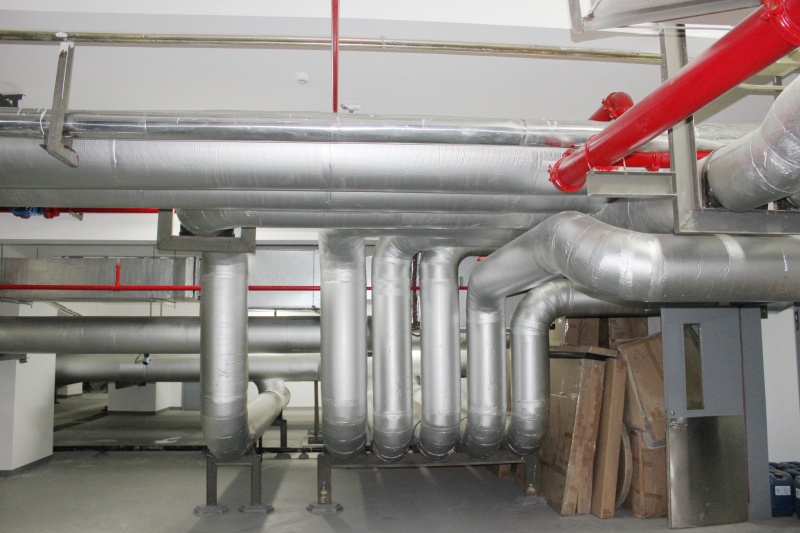
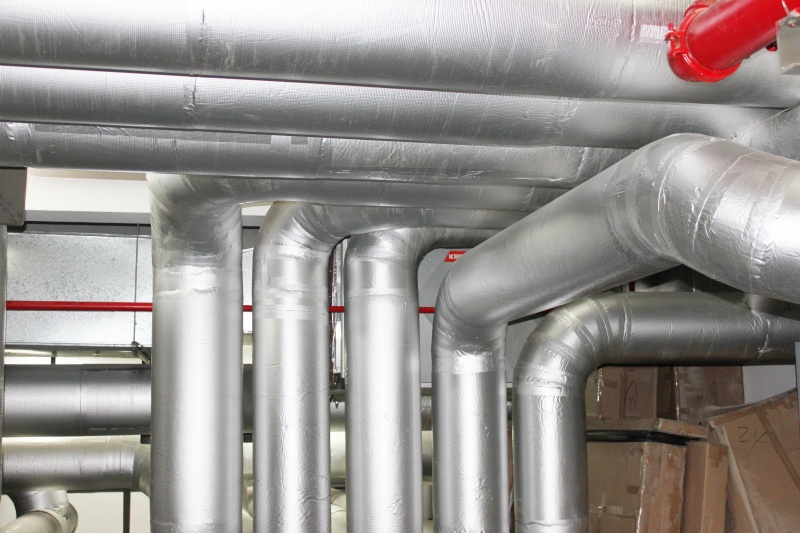
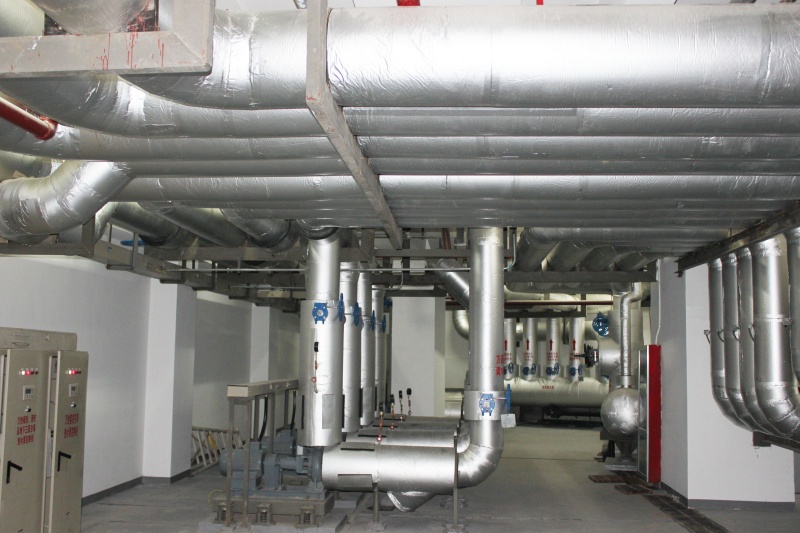
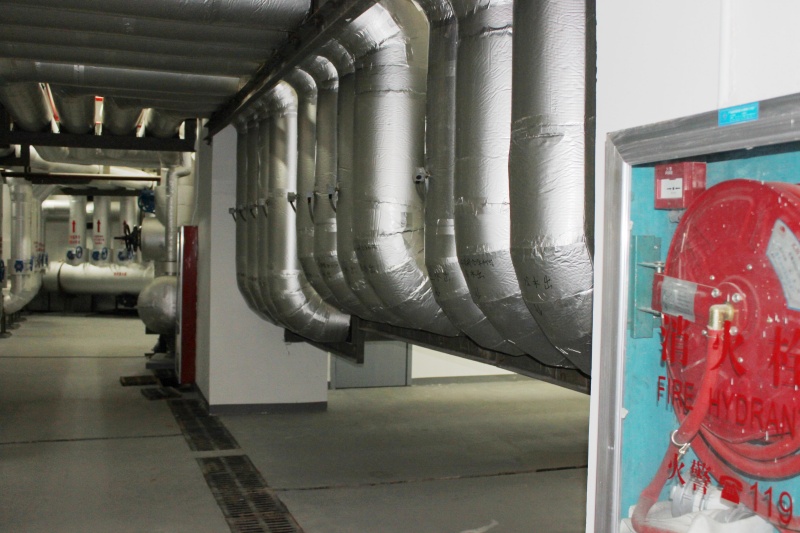
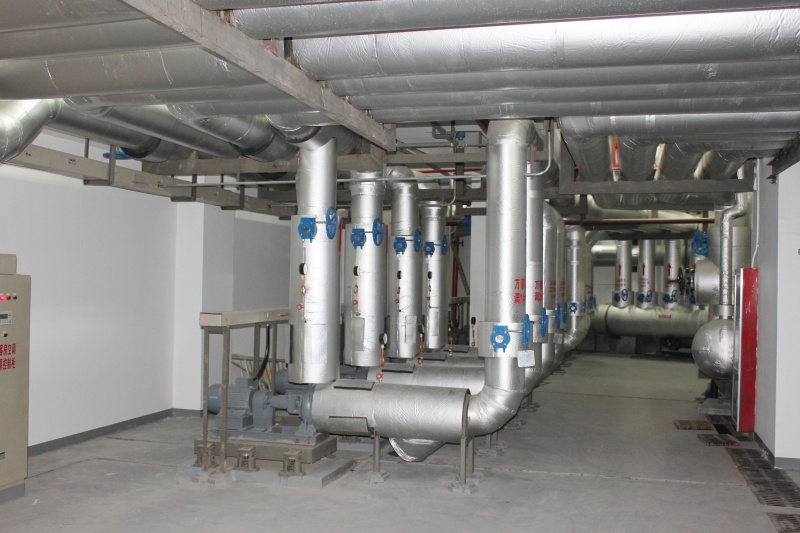


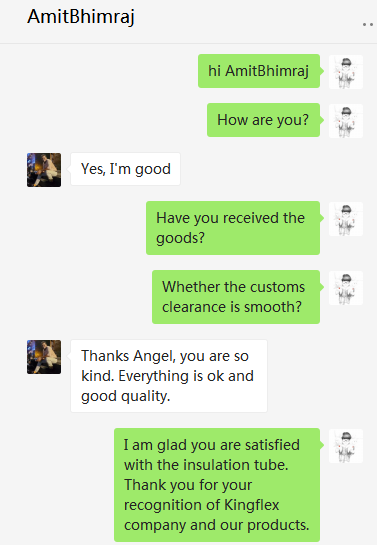


Direct factory wholesale supply on NBR/PVC elastomeric structures, sound barriers, and thermal insulation rolls.
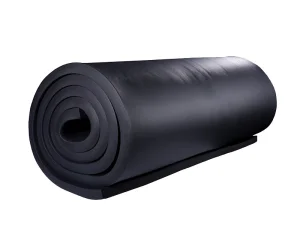
Heavy-duty 25mm thick elastomeric sheet roll designed for critical industrial HVAC ductwork in Kansai.
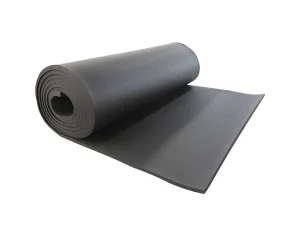
Mid-range 19mm thickness sheet roll for high energy efficiency and optimized space constraints.
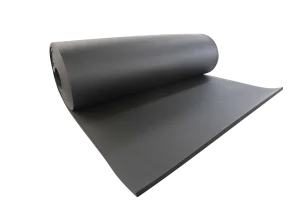
High density thermal insulation roll engineered for commercial building ceiling installations.
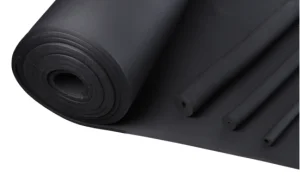
Highly resilient elastomeric composite formulation offering exceptional dimensional stability.
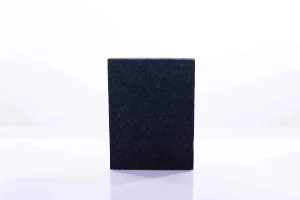
Thin-profile 6mm acoustic sheeting for localized machinery enclosures and inner duct dampening.
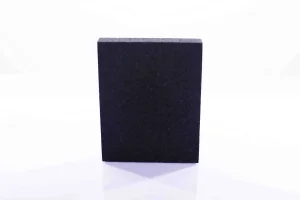
Specialized 6mm open cell sound absorption structure optimized for mid-to-high frequency motor hums.
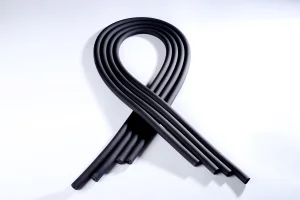
Precision 1/4 inch inner diameter isolation tube for refrigerant lines in split air conditioning units.
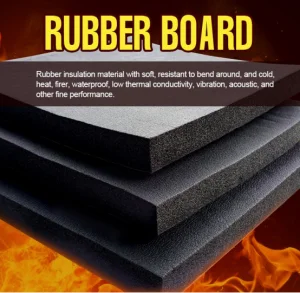
Ultra-thick 40mm elastomeric sheet roll designed for extreme thermal differentials and process pipe protection.
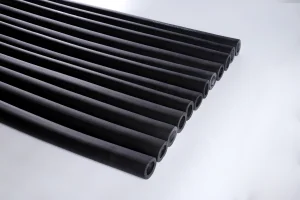
Thick wall 3/4 inch thermal tube providing robust defense against freezing in exposed utility piping.
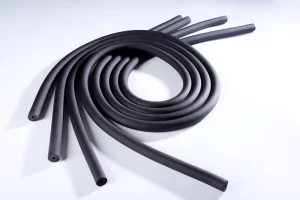
Specifically compounded refrigeration line tubing designed to prevent sweat and preserve compressor energy.

Co-extruded acoustic and thermal barrier pipe sleeves for mechanical fluid pipelines in high-rise buildings.
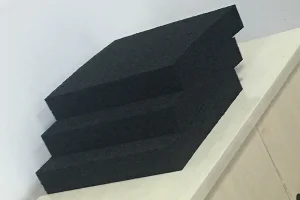
Highly open-porous 10mm elastomeric matrix designed to damp complex reverberation fields.
We manufacture and supply heavy industry alternatives to provide holistic thermal insulation, cold conservation, and acoustic relief.
Expert insights on physical properties, installation practices, standards compliance, and trade logistics.
A1: Elastomeric rubber foam is principalmente utilized for HVAC duct insulation, commercial air conditioning piping, cold/hot utility supply lines, and industrial chemical process piping. Its closed-cell structure prevents moisture accumulation, making it the standard solution for condensation control in high-humidity indoor/outdoor configurations.
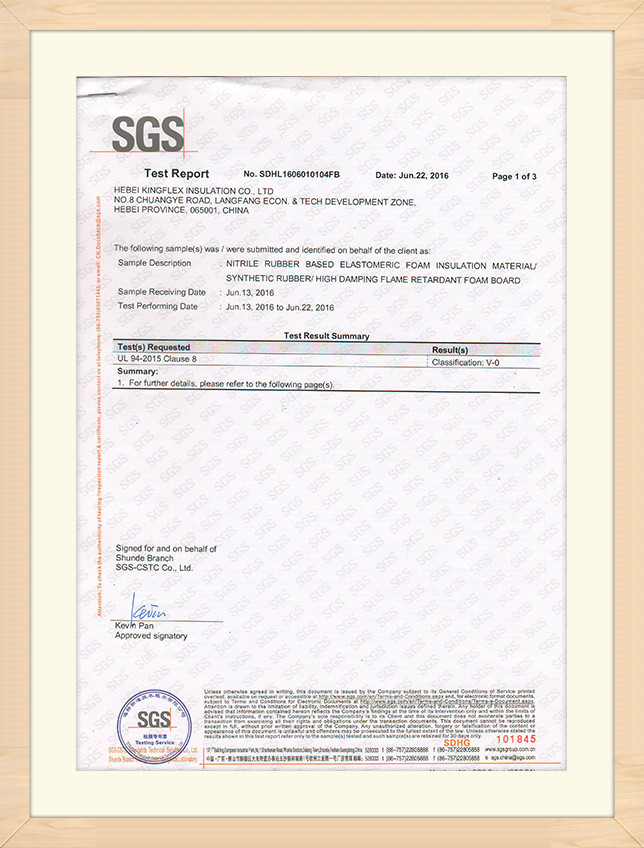
A2: Yes, Kingflex elastomeric foam contains active flame-retardant elements. It satisfies BS 476 Part 7 Class 1 and Part 6 Class 0 criteria, UL94 V-0 ratings, and equivalent fire codes. The material does not readily propagate fire, is self-extinguishing upon flame source removal, and forms a dense char block layer.
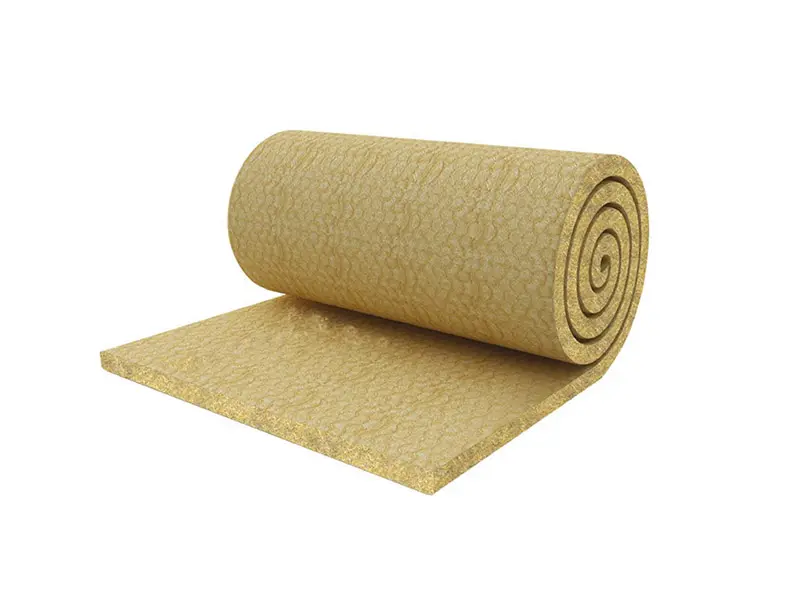
A3: The primary differentiator is cell structure. Rubber foam features a closed-cell polymer structure, creating an inherent barrier to water vapor, which is optimal for cold pipelines and chilled water HVAC systems to avoid condensation. Rock wool has an open, fibrous structure. It offers superior temperature resistance (exceeding 1000°C) and acoustic containment, making it the preferred solution for steam piping and high-temperature fire breaks, but requires an external jacketing vapor barrier in cold configurations.
A4: Yes, we offer comprehensive OEM and ODM support. We manufacture custom thicknesses (from 6mm to 50mm), customized inner diameters for mechanical piping, and apply laminated outer facings like aluminum foil or high-strength UV jackets to meet specific project needs.
A5: Kingflex insulation materials have been tested and verified under major international bodies. We hold CE certificates, RoHS, REACH SVHC compliance clearances, BS 476 Class 0, UL94 V-0 flame ratings, and ASTM technical standard mappings.
A6: Yes, we utilize a batch control system. Every pallet and carton shipped has a trace barcode linking it back to the specific automated line, quality sign-off log, and compound formulation records.
A7: Our automated assembly lines can produce sheet rolls ranging from 6mm to 50mm in thickness, accommodating various thermal designs from thin air conduits to thick low-temperature pipelines.
A8: Under normal indoor operating environments and with proper adhesive and tape sealing, our insulation maintains its structural integrity and target thermal parameters for 10 to 15 years.
A9: Our manufacturing facility in Dacheng, China, is situated close to Tianjin (Xingang) Port. Containers are routed via direct lanes to Osaka Port, with ocean transit taking approximately 4 to 7 days, enabling highly responsive supply cycles for Kansai projects.
Get accurate mechanical parameter calculations, compliance verification documents, and competitive bulk quotes shipped directly to Osaka Port.