Highly optimized open-cell and closed-cell structures for advanced HVAC, industrial soundproofing, and cleanroom installations.
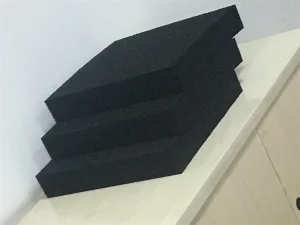
Advanced elastomeric polymer designed for high vibration damping in densely built structures.
Technical Specs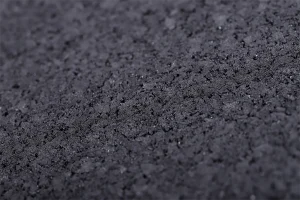
High tortuosity structure optimized for sound absorption coefficients (NRC) up to 0.85.
Technical Specs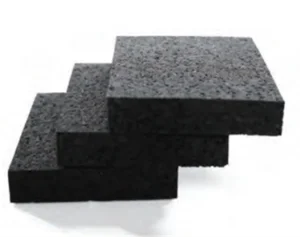
Dual-property matrix preventing acoustic leakage and dampening resonance in metallic ducts.
Technical Specs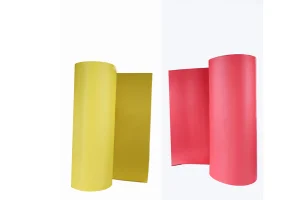
Flexible thermal-acoustic barrier with color-coded safety compliance for indoor plant rooms.
Technical SpecsJapan’s dense urban topographies and advanced industrial ecosystems demand superior sound absorption and structural insulation. Under the Building Standards Act of Japan and strict municipal ordinances in cities like Tokyo and Osaka, control of architectural noise and mechanical equipment vibration is highly regulated. Standard acoustic setups are no longer sufficient to comply with Japanese neighborhood noise limitations (typically 45-55 dB in residential zones).
Additionally, modern Japanese commercial projects prioritize materials that fulfill the strict JIS A 9511 standard (cellular plastic thermal insulation materials) and exhibit excellent fire ratings (F★★★★ formaldehyde emission ratings and low smoke density). Our elastomeric nitrile rubber foams represent a generation of non-fibrous, low-VOC materials engineered specifically to satisfy these regional requirements while offering high Sound Transmission Class (STC) ratings.
Traditional mineral wool and glass fiber systems degrade when exposed to moisture, causing fiber shedding, structural settling, and eventual loss of acoustic integrity. Kingflex open-cell rubber foam converts mechanical sound energy into heat energy through viscoelastic damping without releasing dangerous micro-particles—making it cleanroom safe (ISO Class 5 compatible) and resistant to structural moisture absorption.
Tested performance configurations for our open-cell elastomeric rubber foam sheets and pipeline systems.
| Property / Characteristic | NBR/PVC Elastomeric Foam (Open Cell) | Standard Closed Cell Foam | Test Standard References | |
|---|---|---|---|---|
| Sound Absorption Coefficient (NRC) | 0.70 – 0.85 (Thickness dependent) | 0.15 – 0.25 | ASTM C423 / JIS A 1405 | Excellent for internal mechanical room absorption |
| Thermal Conductivity (K-Value) | 0.034 – 0.038 W/m·K at 0°C | 0.032 – 0.035 W/m·K at 0°C | ASTM C518 / JIS A 1412 | Ensures concurrent thermal insulation |
| Water Vapor Permeability (μ) | ≥ 7,000 | ≥ 10,000 | BS EN 12086 / JIS Z 0208 | High resistance prevents moisture gathering |
| Fire Safety Performance | Class 0 (BS 476 Part 6/7) / V-0 | Class 1 / V-0 | UL94 / JIS K 6911 | Self-extinguishing, low toxic smoke emission |
| Service Temperature Limit | -40°C to +105°C | -200°C to +110°C (Cryogenic variants) | ASTM C411 / JIS A 9511 | Compatible with HVAC and cold-chain plumbing |
Our production facilities are situated in Dacheng, China—historically recognized as the premium cluster for ecological and energy-saving building materials. This localized supply chain integration provides profound economic benefits:
These centralized operations guarantee that our high-density acoustic sheet rolls and insulation pipes arrive at Japanese ports (Tokyo, Yokohama, Kobe, Osaka) at a lower unit cost than local Japanese manufacturers can offer for comparable performance grades.
Kingflex Insulation Co., Ltd. represents a professional manufacturing and trading group specialized in thermal and acoustic insulation systems. Founded under the Jinwei Group (pioneered in 1979 as the first major thermal insulation factory north of the Yangtze River), our team houses 8 dedicated R&D chemical engineers and over 230 specialized production personnel.
Our core responsibility centers on providing comprehensive, energy-saving acoustic insulation solutions to global construction and petrochemical operations, particularly focused on strict regulatory compliance within the East Asian corridor.
Tailoring elastomeric systems for Japan's high-tech manufacturing, commercial structures, and extreme-cold energy sectors.
Modern Japanese high-density residential towers employ our open-cell elastomeric panels inside double-wall and ceiling cavities. This provides transmission loss across critical acoustic bands (125Hz - 4000Hz), isolating building occupant noises and structural mechanical duct rumble in high-frequency urban zones.
Semiconductor fabrication plants (Fabs) throughout Japanese tech hubs require clean, fiber-free environments. Traditional mineral wool and fiberglass insulation are unusable due to the threat of microscopic particle shedding. Our closed and open-cell elastomeric NBR foams guarantee zero fiber release while providing top-tier noise dampening for high-velocity air ducts.
Japan’s extensive LNG terminal infrastructure depends on reliable sub-zero thermal and acoustic management. Our specialized Dienes Cryogenic systems and Alkadiene rubber foam pipes prevent convective and conductive energy losses at temperatures as low as -200°C while suppressing liquid flow turbulences and pressure valve noise.
Exclusively manufactured and calibrated to global ISO standards for industrial, architectural, and cryogenic piping systems.
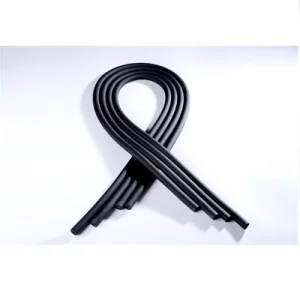
Color-coded NBR tubing for rapid pipeline safety identification and low thermal drift.
Technical Specs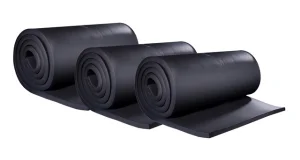
High-density backing sheets with excellent vibration-absorption coefficients for metal walls.
Technical Specs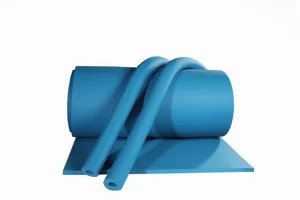
Optimized for cryogenic chemical storage and gas pipelines across East Asian shipping docks.
Technical Specs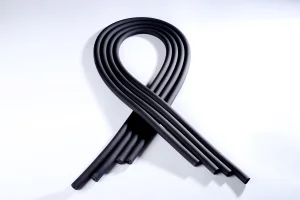
Micro-bore refrigeration isolation tubing engineered to prevent condensation on capillary copper lines.
Technical Specs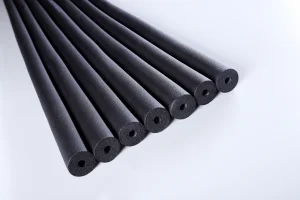
Thick-walled elastomeric barrier providing robust mechanical support and anti-freezing properties.
Technical Specs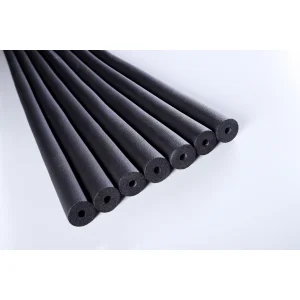
Industrial piping solution with built-in moisture vapor barrier for variable-refrigerant HVAC.
Technical Specs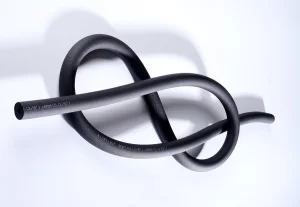
Optimal density formulation matching both thermal conservation and low-frequency shell vibration damping.
Technical Specs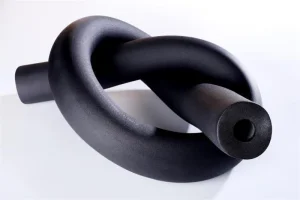
Enhanced flame-retardant chemistry compliant with safety regulations in public-use spaces.
Technical Specs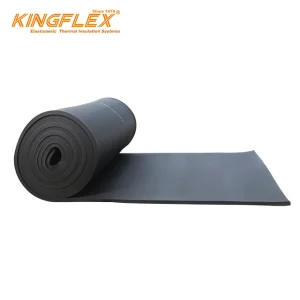
Specialized formulation preventing thermal stress cracking at temperatures below -150°C.
Technical Specs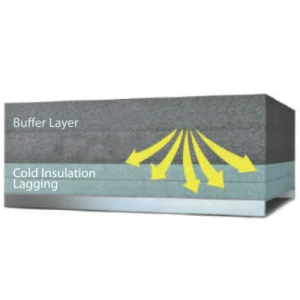
Engineered to handle thermal cycling from steam cleaning to extreme subzero cryogenic ranges.
Technical Specs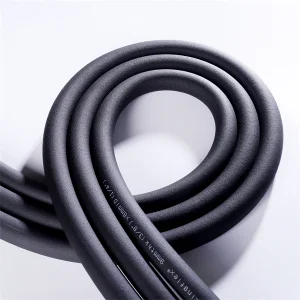
Standard split and pre-slit tubing with high elasticity for quick retrofits in existing piping setups.
Technical Specs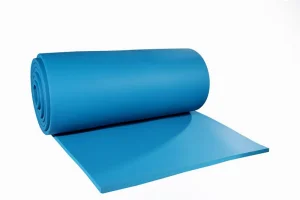
Integrated multi-layer elastomer and vapor barrier foil assemblies for massive manufacturing plants.
Technical SpecsAn engineering brief for design offices, plant managers, and procurement leads in Japan.
For internal HVAC duct lining and machine enclosures, the priority is to lower the reverberant sound pressure level within the space. Open-cell rubber foam utilizes a matrix of interconnected pathways. When sound waves hit the surface, they penetrate the cellular structure, causing the air molecules inside the cells to oscillate. The friction between these moving air particles and the tortuous cell walls converts the wave's kinetic energy into harmless thermal energy. This is measured by the Noise Reduction Coefficient (NRC).
When preventing noise from transmitting from one room to another (e.g., in critical healthcare facilities, hotels, or research centers), materials with high density and viscoelastic properties are required. Closed-cell rubber foam functions as a heavy mass barrier that prevents mechanical vibration from translating into airborne sound waves. By decoupling drywall or metal duct casings, our closed-cell sheets significantly raise the Sound Transmission Class (STC) of standard structural walls.
Frequently asked questions concerning standards compliance, custom sizing, and Japanese logistical deployment.
Our elastomeric insulation systems are designed to comply with local thermal and fire standards, specifically aligning with testing methods inside JIS A 9511. Regarding environmental concerns, they produce minimal VOC emissions and are designed to comply with F★★★★ classifications, making them highly suitable for use in restricted interior workspaces in Japan.
Orders dispatched from our Dacheng manufacturing hub are routed through the Port of Tianjin. Direct maritime transit times to primary Japanese hubs (Tokyo, Yokohama, Kobe, Osaka) average between 5 to 9 days. Total processing, loading, and marine transit times generally range from 14 to 21 working days for large container volumes.
Yes. Unlike fiberglass or acoustic mineral wool which can absorb large volumes of ambient moisture (which degrades insulation performance and invites mold), our open-cell nitrile rubber boasts a high moisture-resistance factor (μ ≥ 7,000). The synthetic rubber polymer itself is hydrophobic, meaning it does not break down or retain water from condensation in humid HVAC environments.
Yes, we offer wall thicknesses ranging from 6mm up to 50mm, and internal diameters (ID) from 6mm to over 114mm. Custom dimensions can be manufactured through our specialized extrusion lines. We also provide customized sheeting rolls with pressure-sensitive adhesives (PSA) designed to accelerate on-site installation times in tight plant locations.
Absolutely. Because our elastomeric materials do not rely on fibrous structures, there is zero danger of particulates shedding into high-velocity supply airstreams. This makes them ideal for cleanrooms up to ISO Class 4 or 5 levels, which are commonly required in modern semiconductor fabrication and pharmaceutical manufacturing facilities.
Providing industrial distributors, contractors, and builders across Japan with direct wholesale factory pricing, technical compliance documents, and engineering design support.
*Typical response time within 12 business hours. Customized structural acoustic calculations and CAD detailing available upon project registration.
 Kingflex