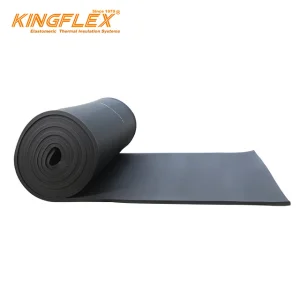
Deploy high-resilience elastomeric solutions for reliable condensation control and acoustic dampening across industrial setups.
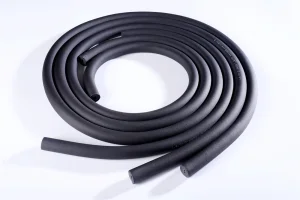
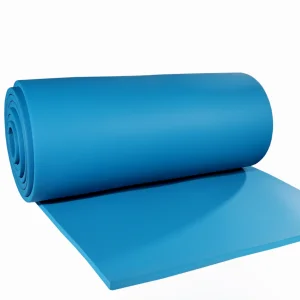
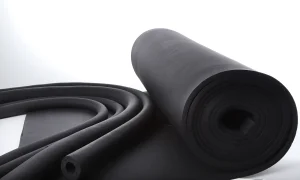
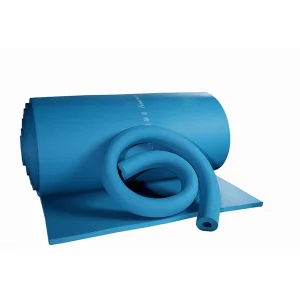
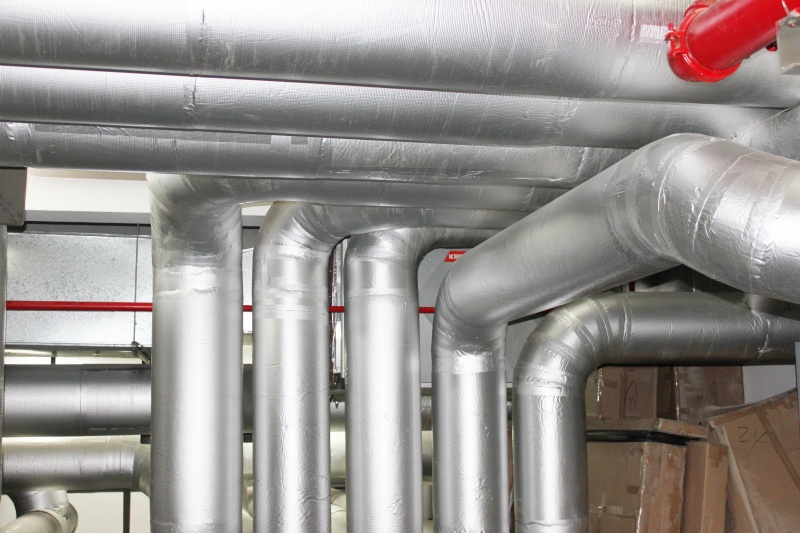
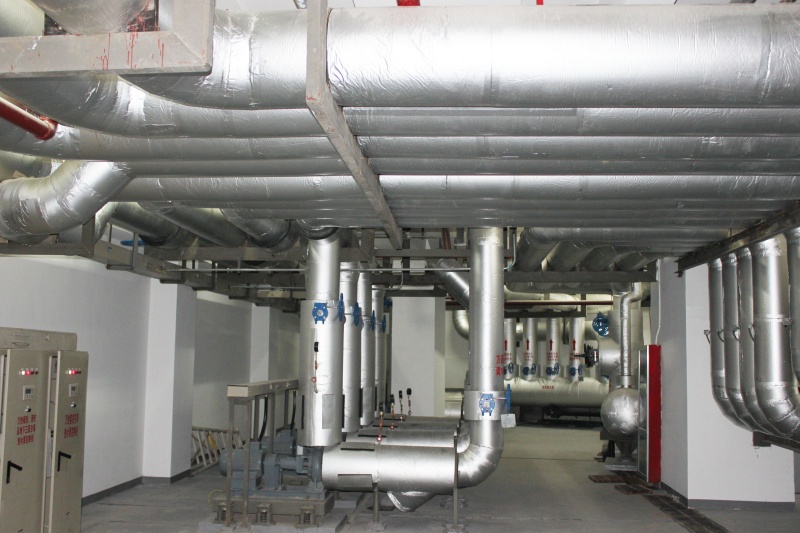
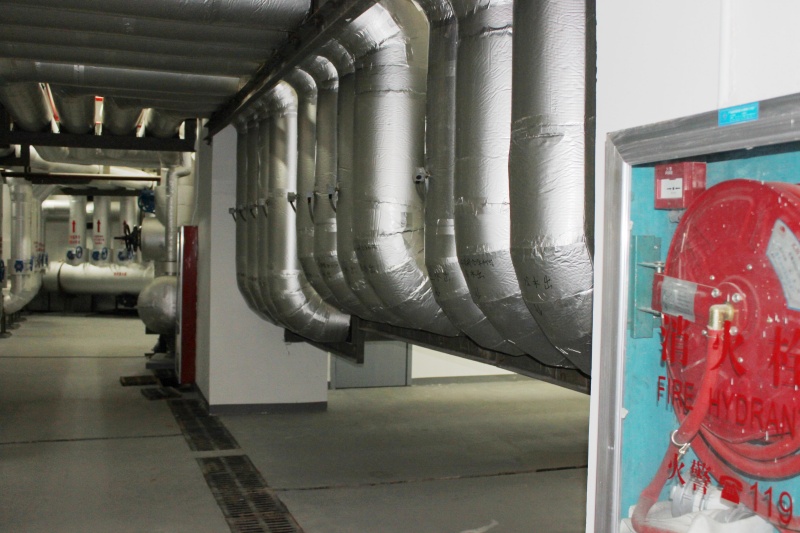
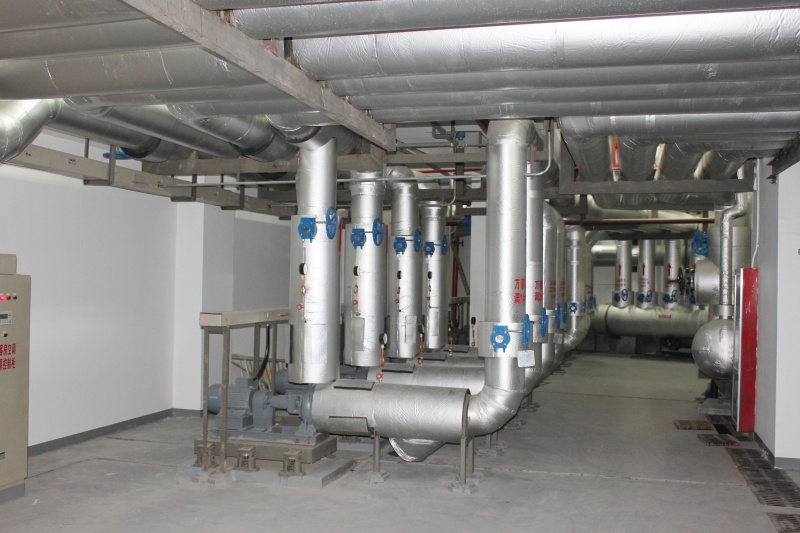
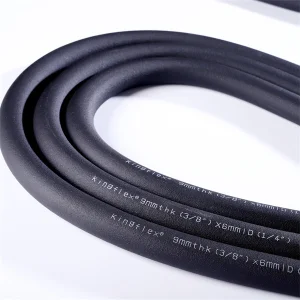
In modern industrial design and HVAC system integration, selecting the appropriate ducting insulation is vital. The China 25mm red ducting segment represents a standard in safety-oriented, high-performance thermal insulation. Designed as a flexible, closed-cell NBR/PVC elastomeric foam structure, this 25mm profile delivers low thermal conductivity, high moisture resistance, and reliable flame-retardant properties.
The distinctive red casing serves a practical industrial purpose. In complex, multi-service ceiling voids and industrial plants, color coding identifies critical service lines. Red typically indicates heating lines, fire suppression loops, high-temperature heat recovery runs, or specific safety zones, allowing maintenance crews to navigate systems safely.
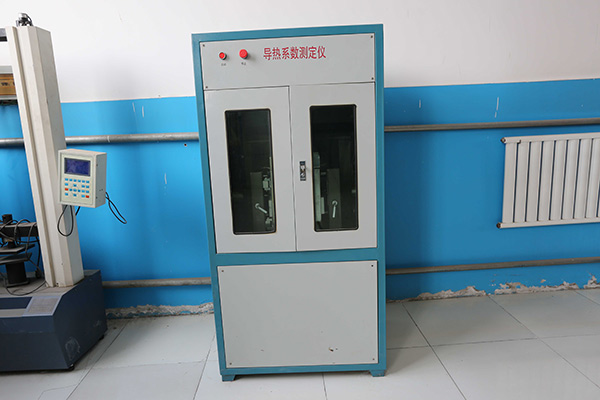
Our elastomeric solutions undergo testing against standard metrics to ensure long-term thermal resistance under harsh conditions.
| Physical / Chemical Property | Reference Metric (NBR/PVC Standard) | Testing Protocol Compliance |
|---|---|---|
| Foam Cell Configuration | Closed-cell matrix with >98% uniform cell density | ASTM D3576 |
| Nominal Material Density | 40 - 55 kg/m³ (optimized for mechanical balance) | ASTM D1622 |
| Thermal Conductivity (λ) | ≤ 0.034 W/(m·k) at 0 °C | ≤ 0.038 W/(m·k) at 40 °C | ASTM C177 / ASTM C518 |
| Water Vapor Permeability Resistance (μ) | ≥ 10,000 (integral vapor barrier prevents ingress) | DIN EN 12086 / ASTM E96 |
| Operational Temperature Thresholds | -40 °C to +105 °C (under continuous load cycles) | ASTM C411 |
| Reaction to Fire Performance | Flame retardant, self-extinguishing (Class 0 & Class 1) | BS 476 Part 6 & 7 / UL 94 V-0 / EN 13501-1 |
| Mechanical Recovery (Compression Set) | Compression resilience rating > 80% | ASTM D1056 |
| Chemical / Corrosion Inertness | Zero water-soluble chlorides, zero mold or fungal support | ASTM C692 / ASTM G21 |
25mm red elastomeric ducting is utilized across municipal, offshore, and technology sectors for specific operational functions.
In hot-aisle containment and chilled water pipe systems, the 25mm profile manages moisture build-up around critical electronics. Visual coding helps identify thermal control loops from structural telecommunication trays.
Strict humidity and indoor air quality standards require non-fibrous insulation. Standard closed-cell foam resists biological growth, while color-coded ducts support standard facility maintenance zones.
Protects pipes and ventilation systems against high temperatures, acids, and atmospheric moisture. The 25mm thickness helps maintain internal line temperatures to reduce overall energy requirements.
Using a 25mm wall thickness helps prevent the condensation issues common with thinner insulation profiles in high-humidity zones. The NBR/PVC foam core functions as a continuous vapor barrier, reducing moisture ingress that can lead to corrosion under insulation (CUI).
For large mechanical infrastructure, this product supports operational efficiency by lowering convective and conductive thermal transfer rates, contributing to building energy certification ratings.
The performance of 25mm red elastomeric ducting relies on its chemical formulation. Mixing Nitrile Butadiene Rubber (NBR) with Polyvinyl Chloride (PVC) yields a polymer matrix with high elasticity and resistance to environmental stress cracking.
The manufacturing process uses chemical blowing agents to form a closed-cell network. This structure traps inert gas inside independent bubbles, limiting moisture transmission and maintaining stable thermal performance over time.


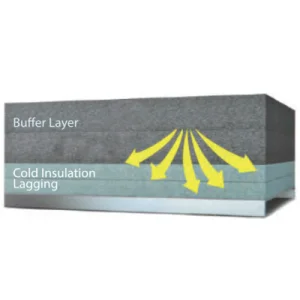
This closed-cell design prevents water absorption without requiring an additional external vapor barrier. Standard fibrous insulations require mechanical jackets that are susceptible to damage, whereas NBR/PVC foam remains functional even when the outer skin is punctured, as the individual cells resist moisture migration.
Our R&D team targets lower environmental footprints through halogen-free additives and plant-based polymer blends.
Developing formulations that omit chlorine and bromine. This reduces toxic gas emission in fire scenarios, meeting strict civil safety requirements.
Compliance FocusSubstituting petroleum-based components with bio-monomers, lowering the embodied carbon footprint without affecting standard mechanical properties.
DecarbonizationIntegrating thin-film moisture and temperature sensors along the inner duct face. This allows building management systems to monitor condensation risk in real time.
Smart Buildings
Kingflex Insulation Co., Ltd. operates as a manufacturing and trading combo for thermal insulation products. Located in Dacheng, China, a regional center for green building materials, the facility focuses on the development, production, and distribution of energy-saving systems.
Established under the Jinwei Group, which dates back to 1979, the enterprise has a history of supplying thermal insulation materials north of the Yangtze River. Today, Kingflex utilizes five automated assembly lines, achieving an annual production capacity of over 600,000 cubic meters.
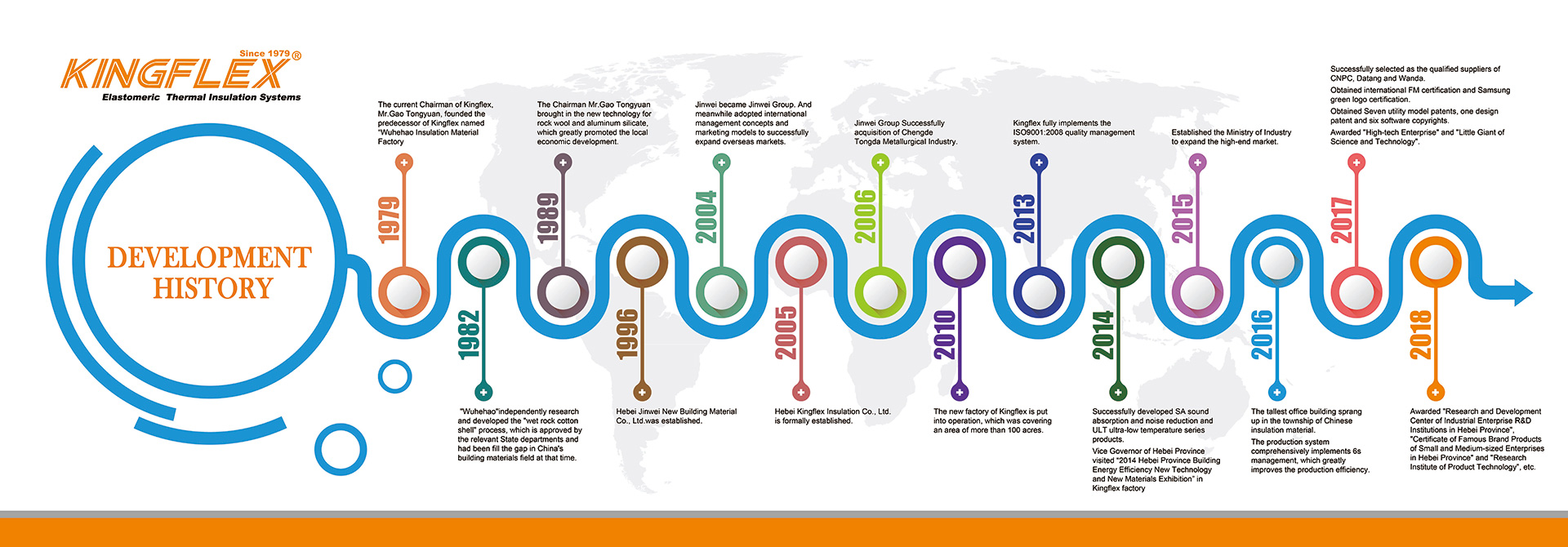
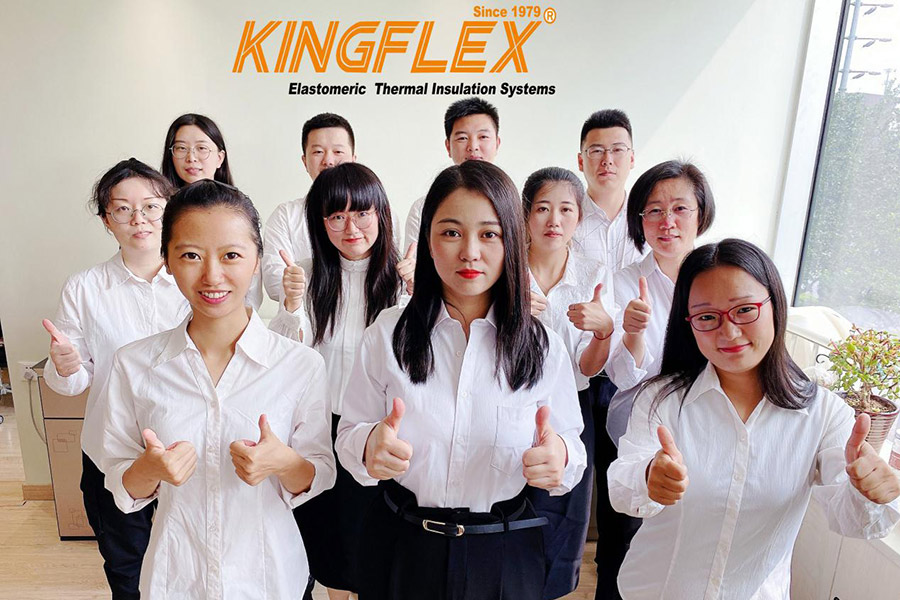

Kingflex insulation products are used across construction, petroleum, petrochemical, national defense, and aerospace fields, with exports to over sixty-six countries over the past 16 years.
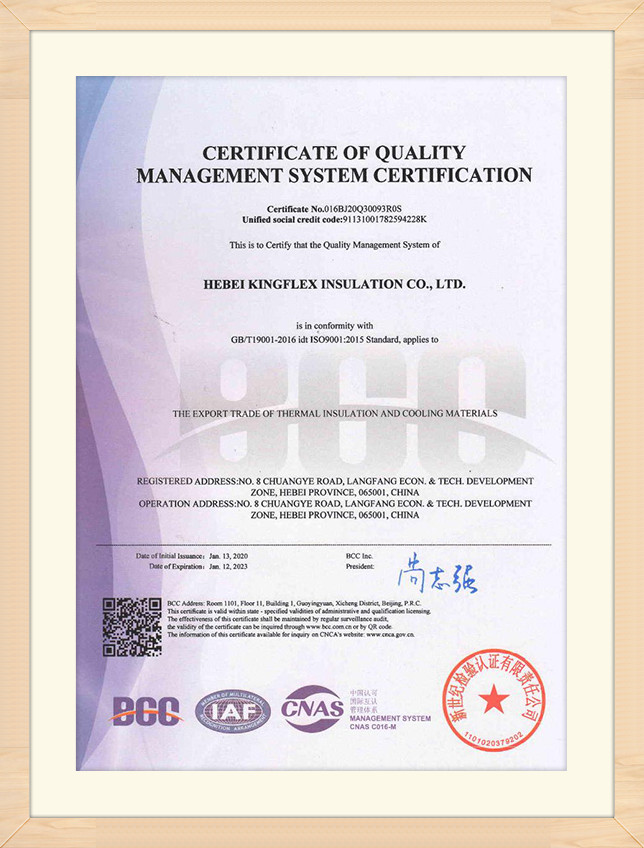
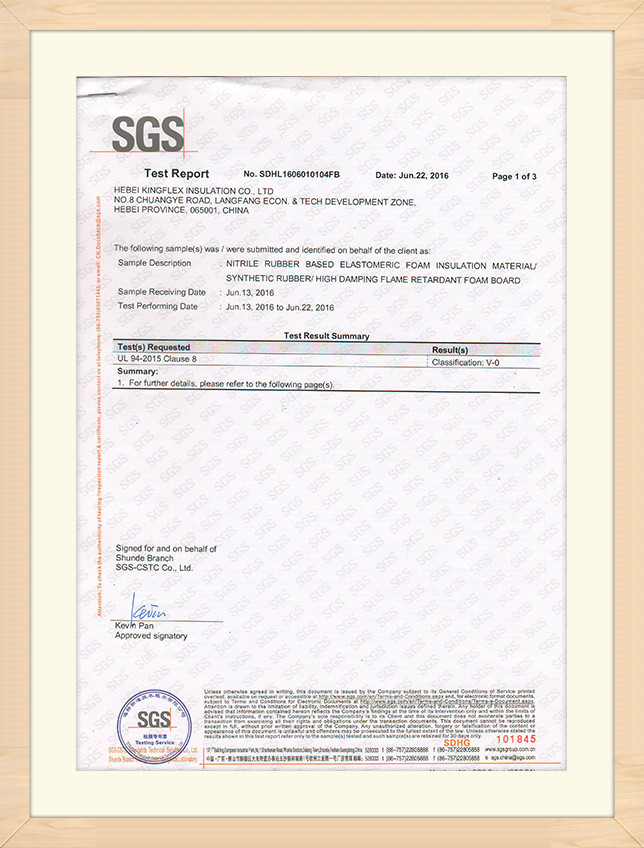
Our products conform to major international testing standards, ensuring suitability for commercial and high-specification industrial zones.
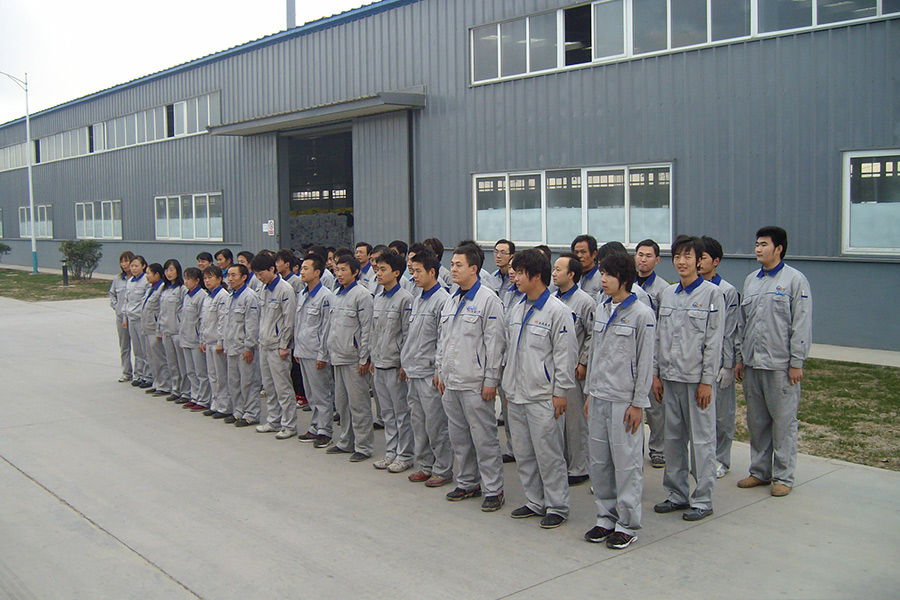


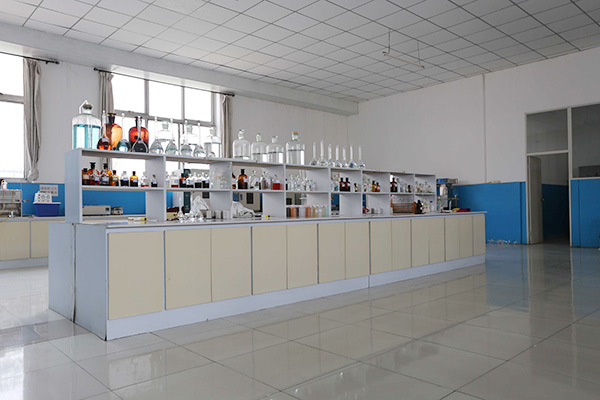
Our manufacturing and processing lines maintain quality control tracking systems. Batch run metrics, chemical ratios, and curing tunnel temperatures are monitored and archived. This data allows us to trace each shipment back to its raw material component profile, meeting high technical specification requirements for commercial projects.
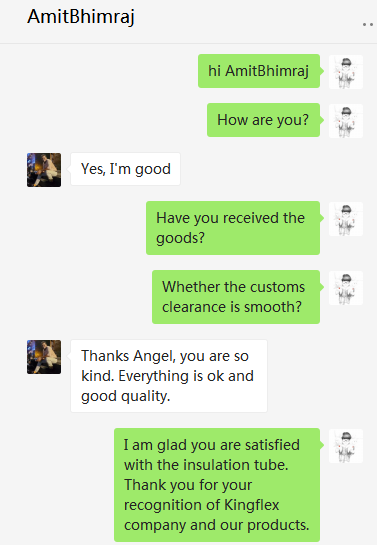
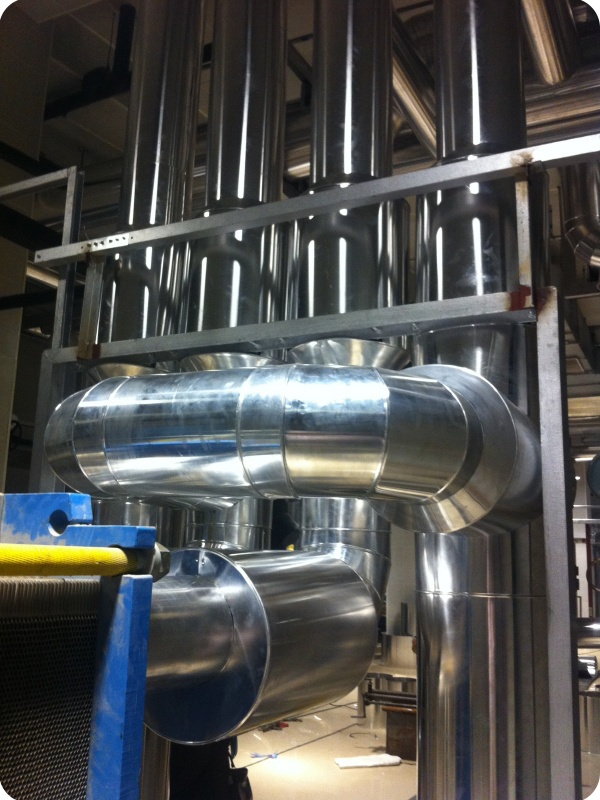
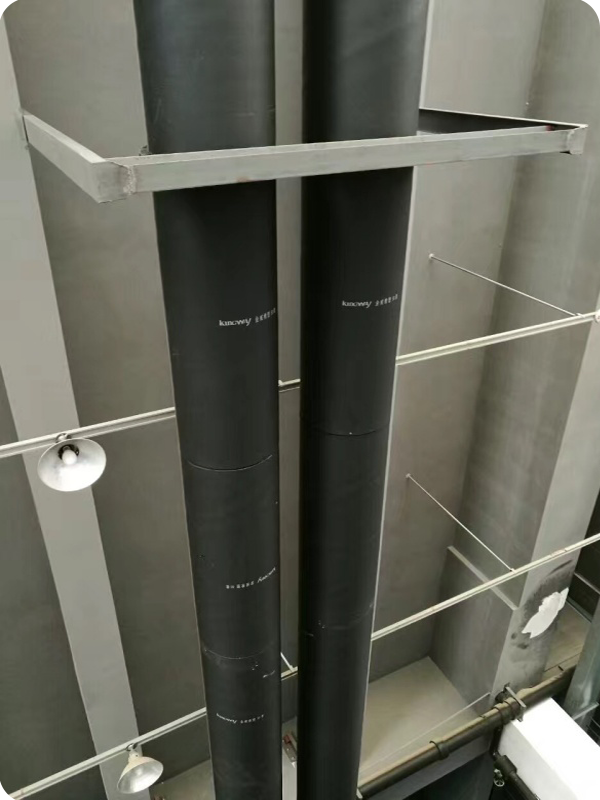
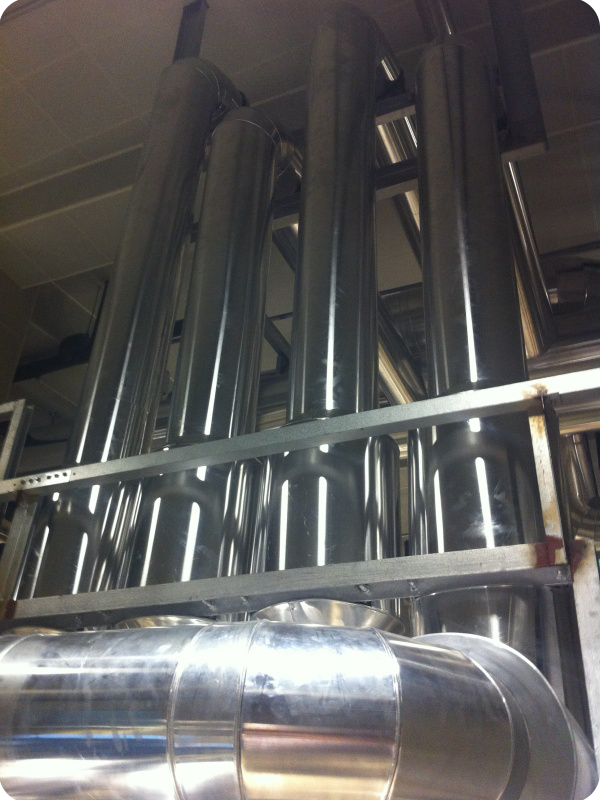
Read client communication records showing onsite deployment and performance verification of our elastomeric insulation sheets.



Technical details and product specifications for installation engineers and purchasing teams.
A look at our plant processing areas, inventory control systems, and raw material handling systems.
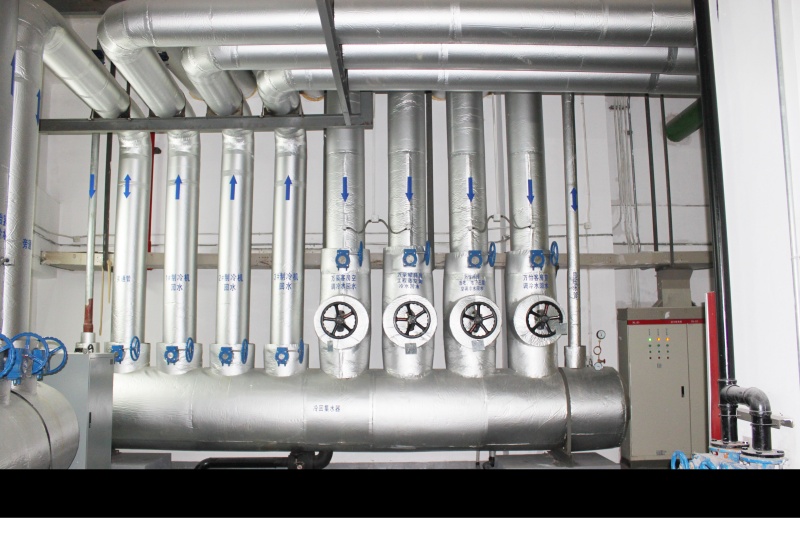


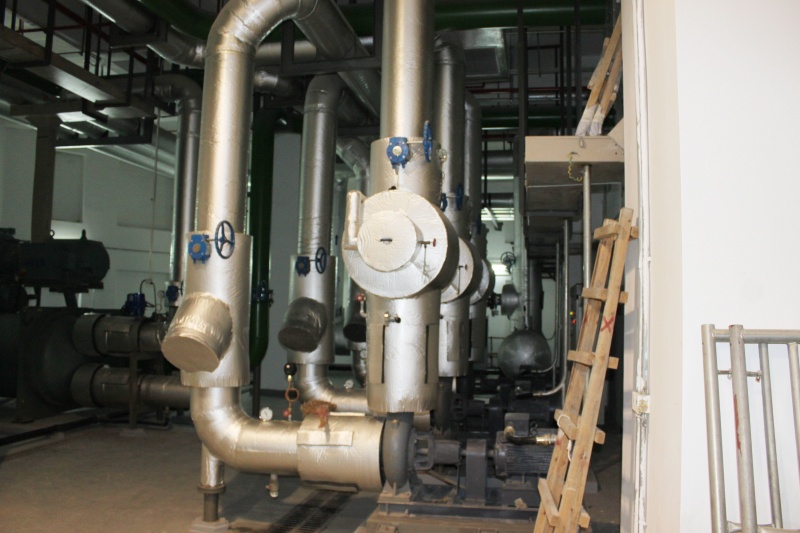
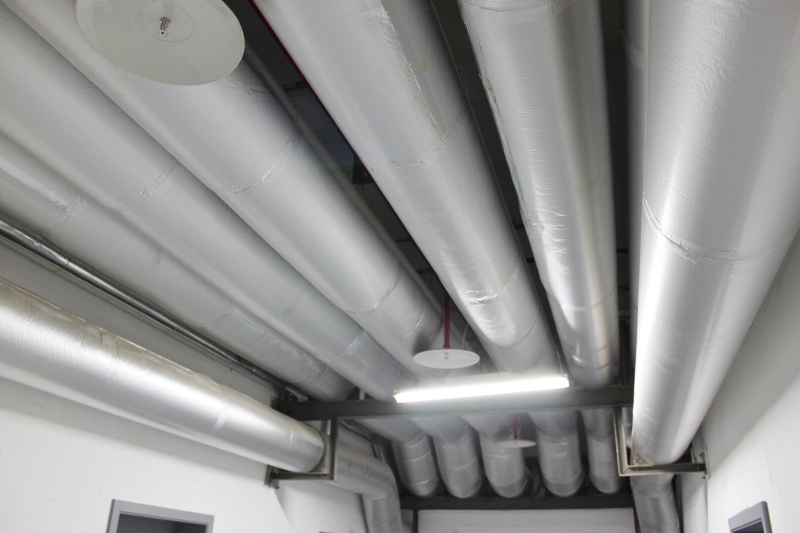

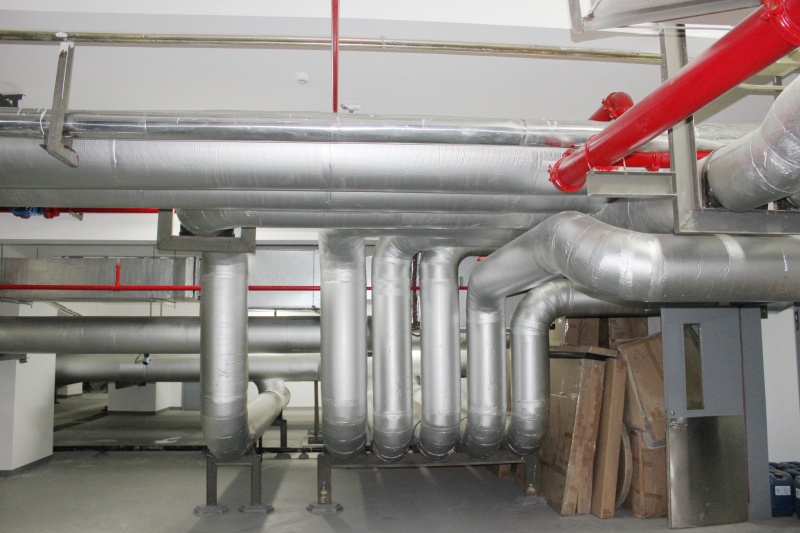

Review our product range and contact our sales engineering department for project support.
 Kingflex