Explore our premium-grade elastomeric closed-cell and open-cell insulation systems designed for HVAC, industrial soundproofing, and cryogenic pipelines. Refer to our latest global export manifest.
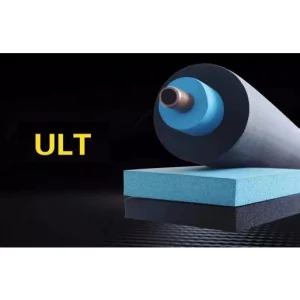
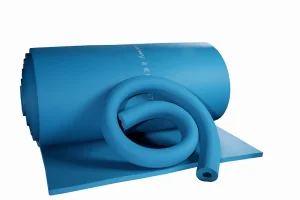
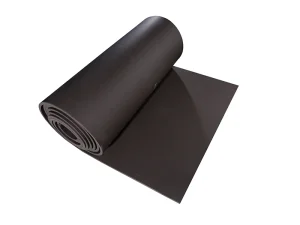
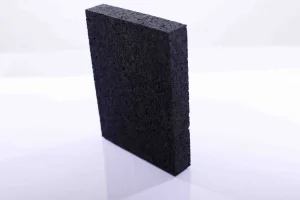
When designing HVAC mechanical rooms, recording studios, or industrial sound barriers, selecting the proper foam requires more than guesswork. An Acoustic Foam Calculator calculates sound absorption parameters based on standard acoustics physics: the Noise Reduction Coefficient (NRC) and the Sound Transmission Class (STC).
Calculators utilize parameters such as the sound wave angle of incidence, structural thickness, flow resistivity ($r$), and the target frequency band (typically 125 Hz to 4000 Hz). In China's modern acoustic factories, we utilize the Delany-Bazley-Miki empirical model integrated directly into production software to ensure customized elastomeric formulations achieve the exact NRC targets required by international building codes.
The flow of air through the cellular matrix of rubber foam governs its acoustic damping capacity. Open-cell structures allow sound waves to enter the channels, where viscous friction transforms sound energy into heat.
Alternatively, closed-cell structures (like standard Kingflex NBR/PVC elastomeric foam) act primarily as vibration dampeners and thermal barriers, making them ideal for decoupling structure-borne noise in metal air ducts and piping networks. The acoustic calculator establishes the minimum thickness (ranging from 6mm to 50mm) to prevent resonance amplification at low frequencies.
For industrial plants and mechanical rooms, acoustic engineers follow this general mathematical relationship to estimate the quarter-wavelength absorption peak:
Where c is the speed of sound (approx. 343 m/s at 20°C) and d is the thickness of the foam in meters. To absorb low frequencies (down to 250 Hz), a minimum thickness of 34 cm of open-cell material is theoretically required without an air gap. For space-constrained installations, combining Kingflex elastomeric closed-cell insulation sheet rolls with calculated air gaps delivers high transmission loss (TL) without excessive bulk.
China, particularly the Dacheng region in Hebei, serves as the premier hub for green thermal and acoustic insulation materials. Dacheng's manufacturing cluster represents over 60% of the world's production capacity for elastomeric NBR/PVC foam. Advanced automated extrusion technologies allow factories like Kingflex to run continuous production lines, achieving an annual capacity of over 600,000 cubic meters. This massive industrial scale provides global distributors and contractors with significant price advantages.
The integration of the local chemical supply chain (Nitrile-Butadiene Rubber and Polyvinyl Chloride) ensures that raw materials remain protected from extreme global price swings. Furthermore, strict state-level environmental regulations ensure that China's leading factories operate green facilities. These factories rely on energy-efficient curing tunnels and advanced environmental filtration systems, ensuring that international buyers receive compliant, clean-label products.
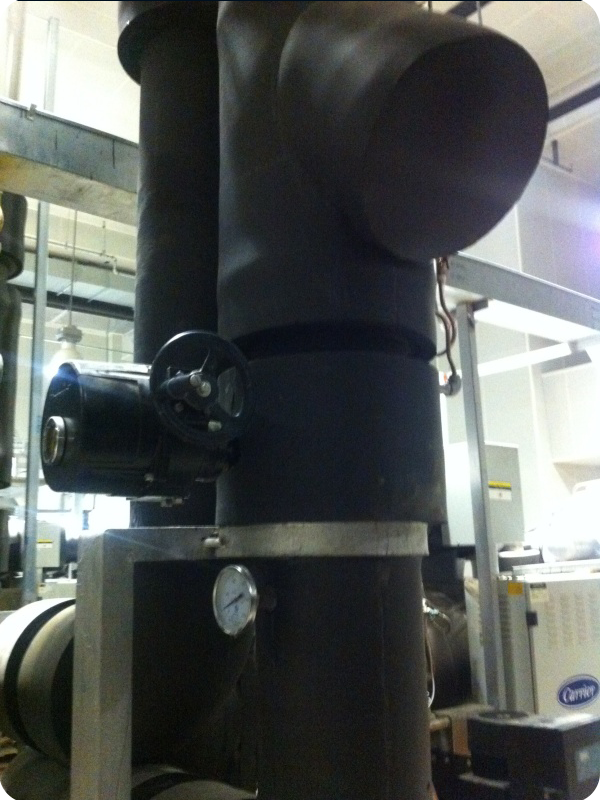
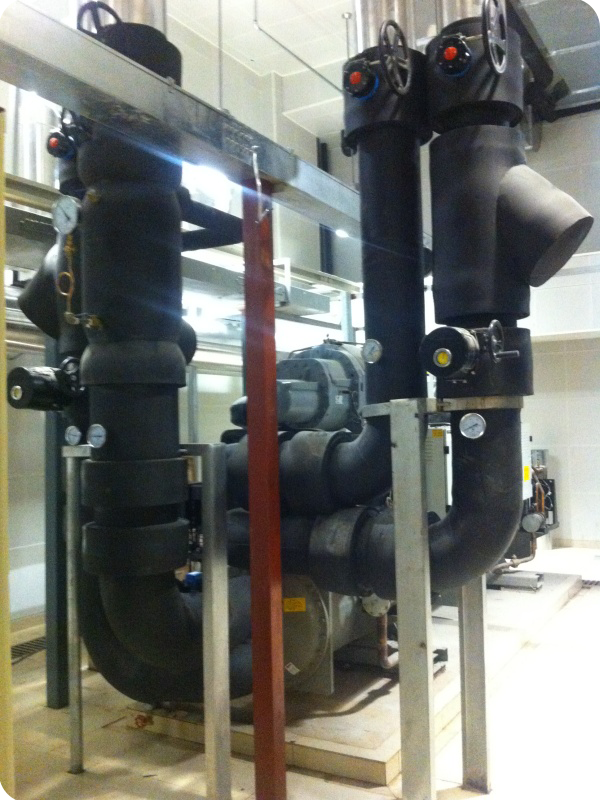
From the extreme chill of petrochemical liquefaction pipes to the hum of HVAC ventilation ducts in commercial high-rises.
Problem: Ventilation ducts in large malls and hospitals generate high-frequency airflow noise and low-frequency motor vibrations.
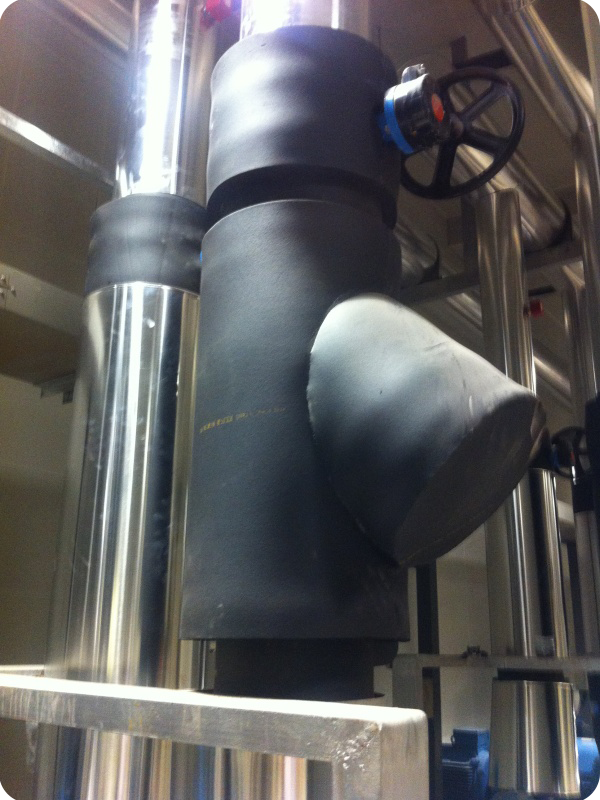
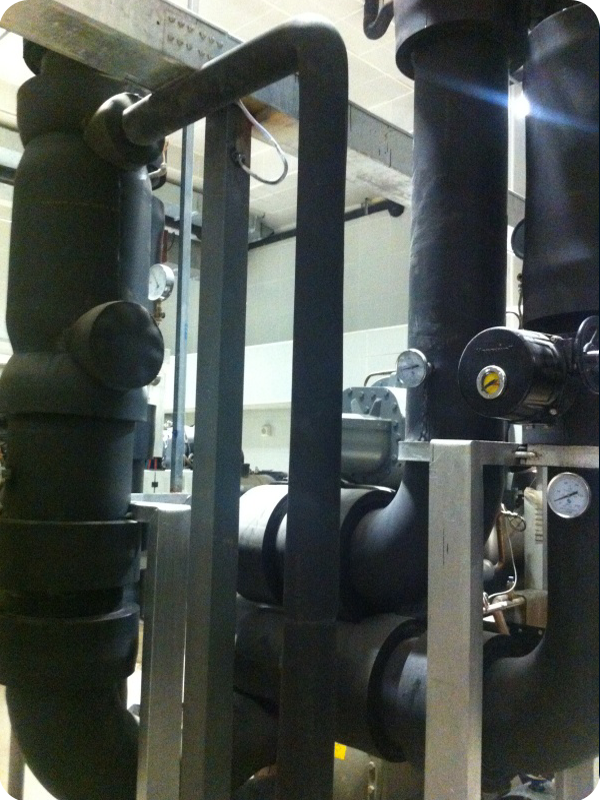
Solution: Application of Kingflex closed-cell elastomeric rubber foam sheets. The material dampens duct walls, preventing transmission of mechanical noise, and provides a continuous thermal barrier ($\lambda \le 0.034$ W/m·K) to prevent condensation.
Problem: Gas transport lines handling liquid nitrogen or LNG (temperatures below -160°C) experience severe thermal contraction and condensation, which can lead to ice formation and corrosion under insulation (CUI).
Solution: Wholesale elastomeric insulation for ultra-low temperature systems. Multi-layered flexible rubber systems maintain elasticity at cryogenic temperatures, preventing micro-fracturing and blockages.
Problem: Cross-talk between office spaces and reverberant noise in echo chambers.
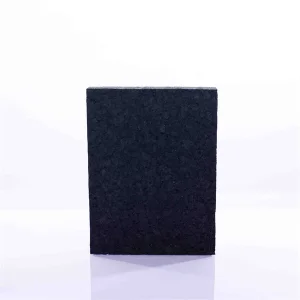
Solution: Open-cell rubber foam insulation boards. Designed to absorb air-borne sound waves, these boards provide high noise reduction coefficients and ensure speech privacy.
Kingflex Insulation Co., Ltd. is a professional manufacturing and trading combo for thermal insulation products. Kingflex's research development and production departments are located in Dacheng, China, a prominent capital of green-building materials. We are an energy-saving, environmentally friendly enterprise that concentrates on research and development, production, and sales.
In operation, Kingflex focuses on energy saving and consumption reduction as core concepts. We provide insulation solutions through consulting, research and development, production, installation guidance, and post-sale service to support the global building materials industry.

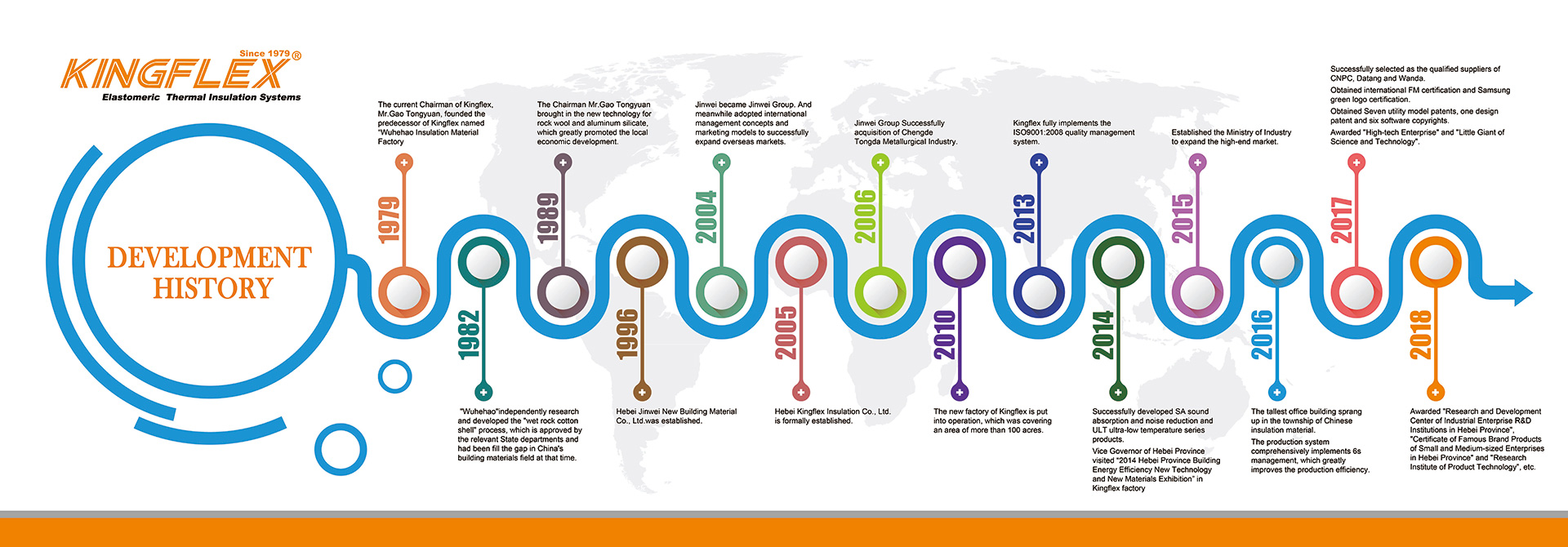
Kingflex was established by the Jinwei Group, which has more than 40 years of history. The Jinwei Group was established in 1979. It was the first manufacturer of thermal insulation materials north of the Yangtze River, paving the way for advanced elastomeric foam research in China.
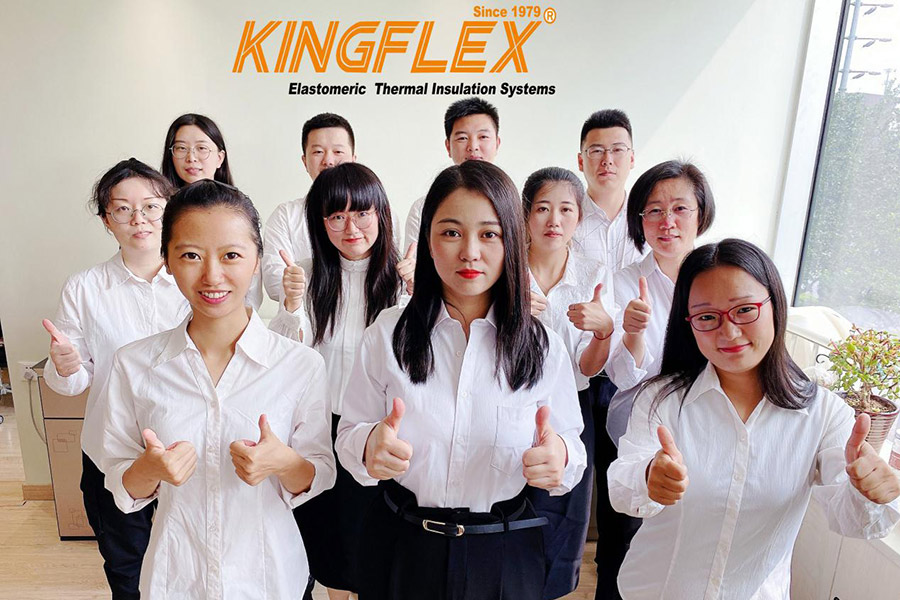
Our employees are exceptional in their own right, and together they make Kingflex a productive and rewarding place to work. The Kingflex team is a tight-knit, talented group with a shared vision of delivering consistent, first-class service to our clients.
Kingflex employs 8 professional engineers in the R&D Department, 6 professional international sales specialists, and 230 workers in the production department.
Understanding acoustic materials requires verification of exact physical properties. Below are the verified specifications for Kingflex insulation sheets and tubes:
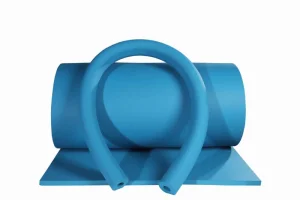
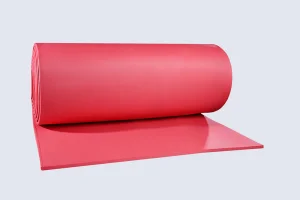
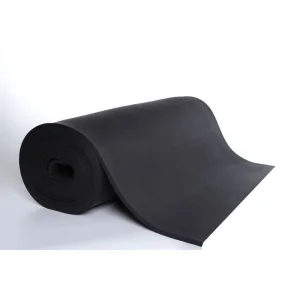
Material: NBR/PVC blend
Thickness: 6mm - 50mm
Density: 40 - 55 kg/m³
Service Temperature: -40℃ to 105℃
Key Advantages:
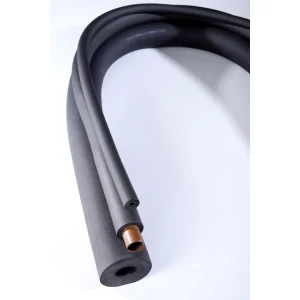
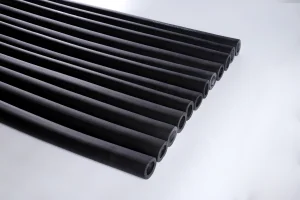
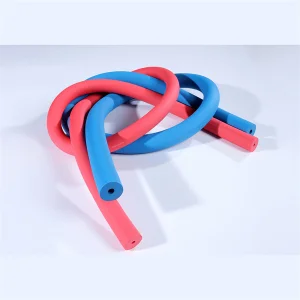
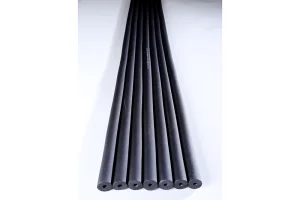
Material: NBR/PVC blend
Thickness: 9mm - 40mm
Internal Diameter (ID): 6mm - 114mm
Density: 40 - 55 kg/m³
Key Advantages:
Wholesale prices from China acoustic foam factories vary based on raw material components and performance ratings:
| Foam Category | Standard Thicknesses | Density Range | Est. Price Index (FOB China) | Target Applications |
|---|---|---|---|---|
| Standard Closed-Cell NBR/PVC | 6mm, 9mm, 13mm, 19mm, 25mm, 32mm, 50mm | 40 - 55 kg/m³ | $$ (Baseline) | HVAC ducting, pipeline insulation, anti-condensation |
| Halogen-Free Elastomeric Foam | 10mm, 15mm, 20mm, 25mm | 45 - 60 kg/m³ | $$$ (Eco-Premium) | Rail transit, marine vessel containment, cleanrooms |
| Open-Cell Sound Absorption Board | 20mm, 30mm, 50mm | 30 - 45 kg/m³ | $$ (Acoustic Speciality) | Generator enclosures, studio acoustic baffling |
| Cryogenic Low-Temp Foam | 19mm, 25mm, 38mm | 50 - 65 kg/m³ | $$$$ (Industrial Speciality) | Ultra-low temperature systems, LNG facilities |
* Note: Custom backing adhesives, aluminum foil laminations, and fire certification upgrades (BS 476 Class 0, UL94 V-0) will adjust unit costs. Contact the sales department for updated quotes.
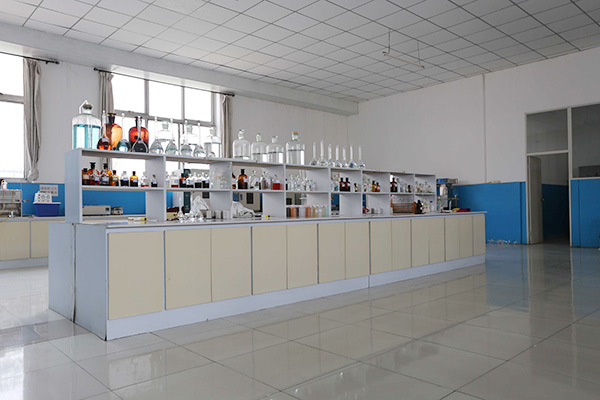
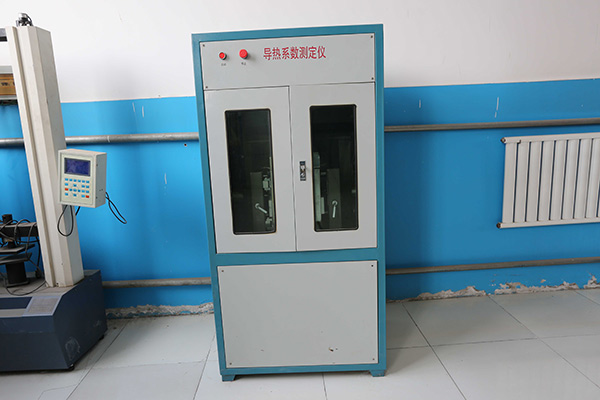
Our facilities conduct continuous material analysis to maintain safety compliance and operational performance.
Equipped with thermal conductivity analyzers, physical compression testers, and smoke density test chambers, the Kingflex engineering team validates every production batch before shipment.

Kingflex insulation products are certified to meet international standards for fire safety, thermal performance, and environmental impact.
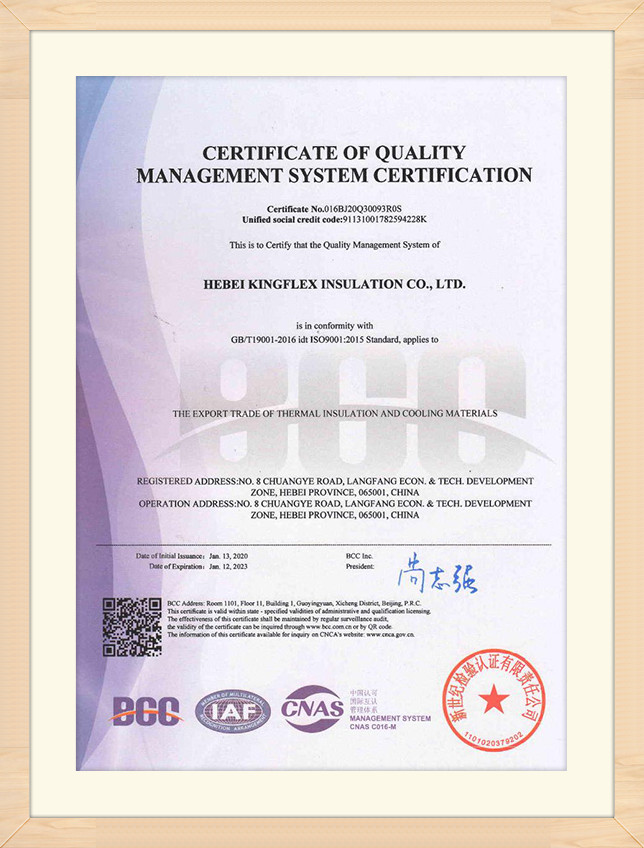


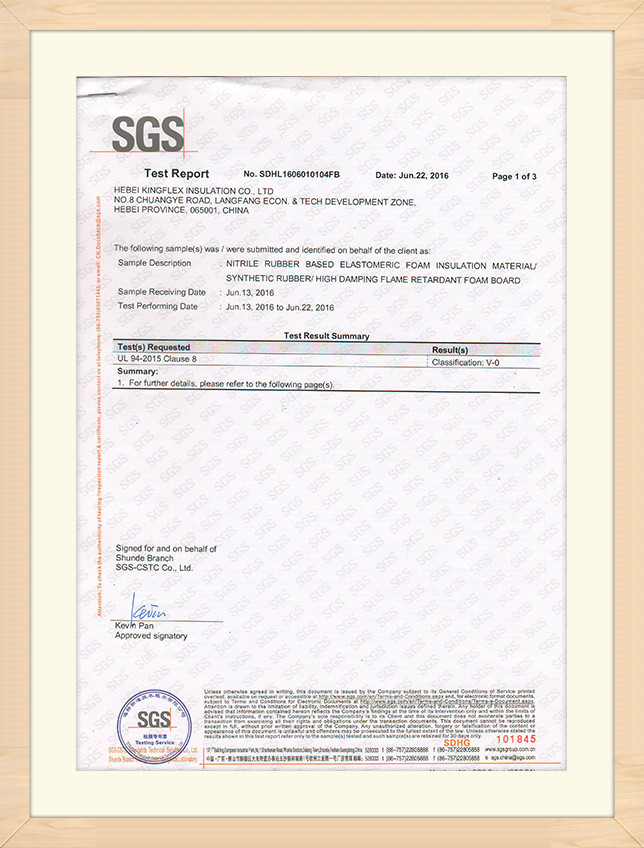
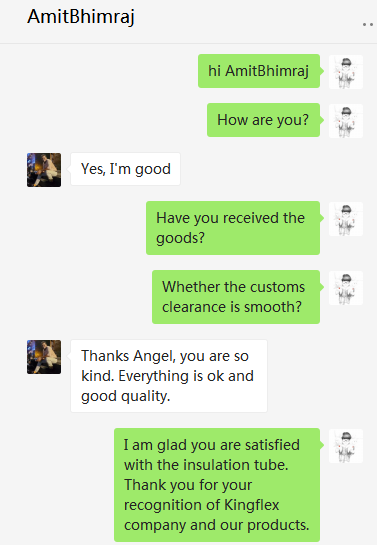
Verified client communications and global installation footprints confirm the reliability of our systems.

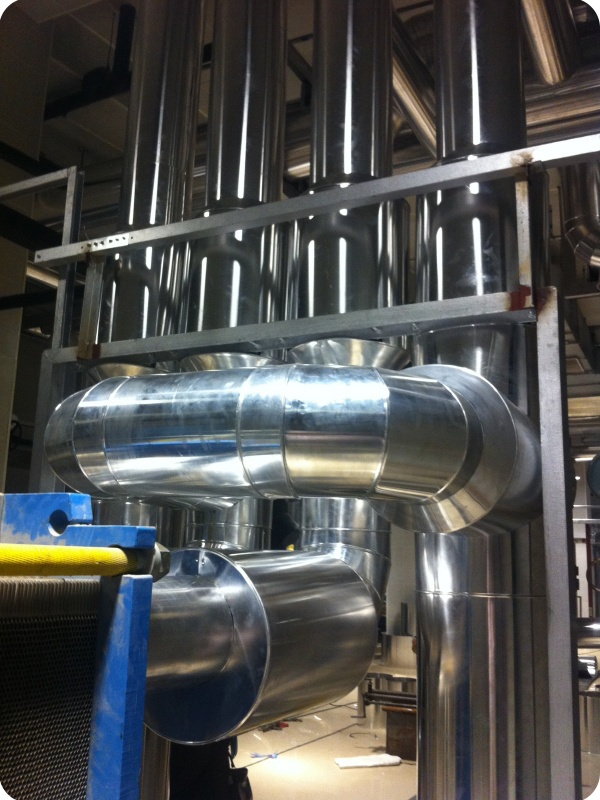
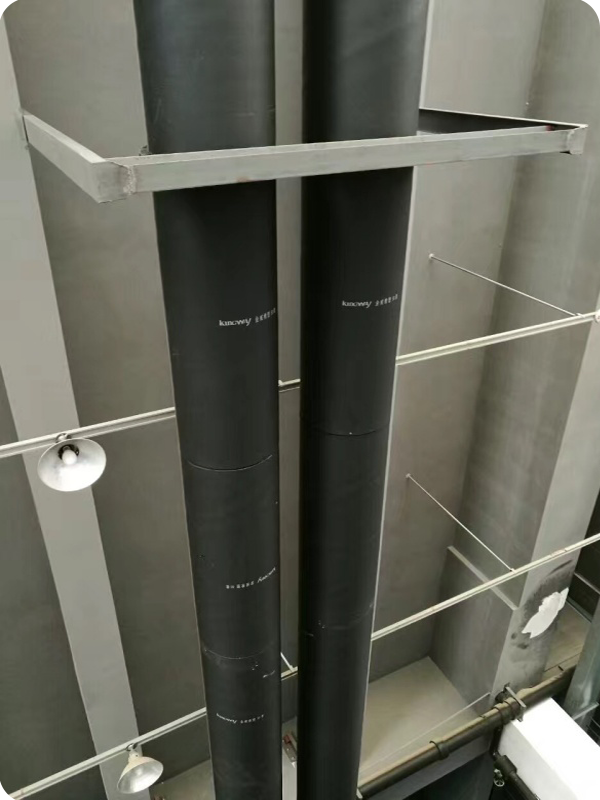
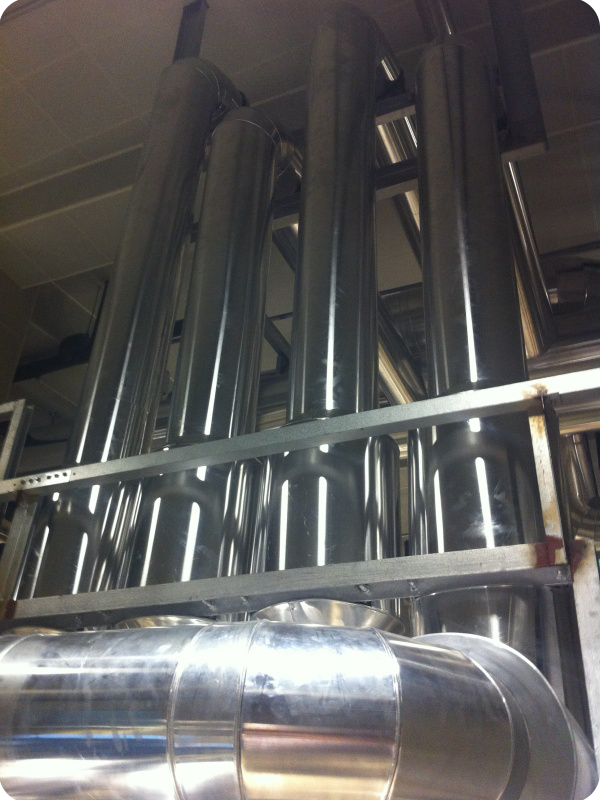
Kingflex materials have been used in airports, commercial complexes, and chemical processing facilities across sixty-six countries.
Our engineers collaborate directly with project managers to provide customized sizing solutions, minimizing material waste and ensuring straightforward installation on-site.
Our international sales team maintains transparent, responsive communication to assist with custom orders and logistics planning:




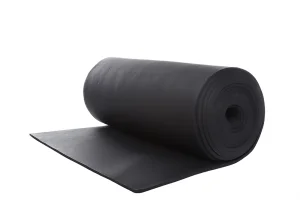
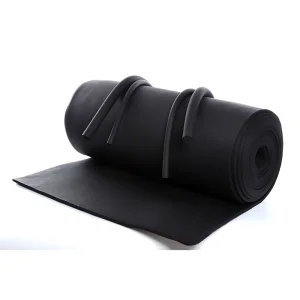
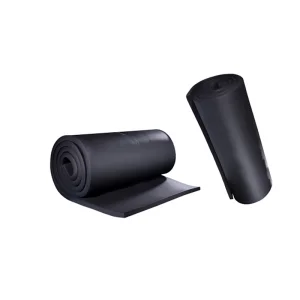
Browse our comprehensive product line, featuring NBR/PVC composite sheet rolls and low-density insulation options for a variety of applications.
 Kingflex