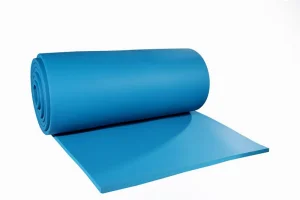
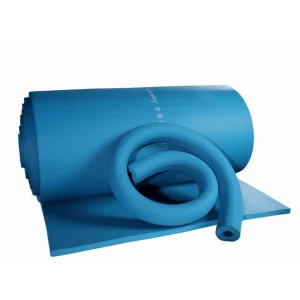
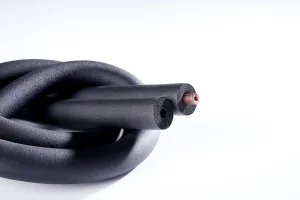
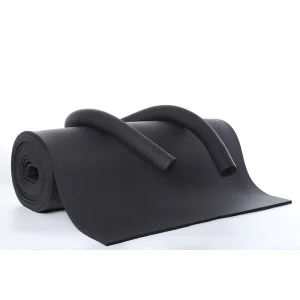
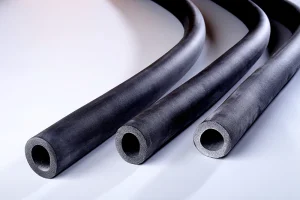
Engineered elastomeric pipeline configurations designed for acoustic decoupling, structure-borne sound mitigation, and low-temperature protection.
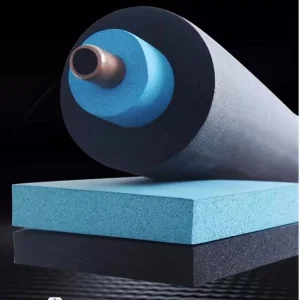
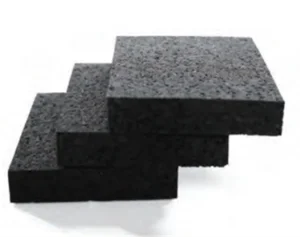
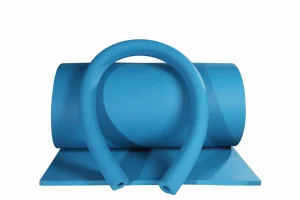
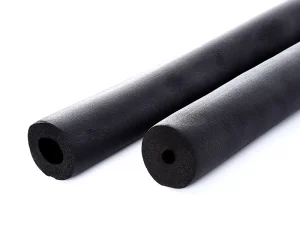
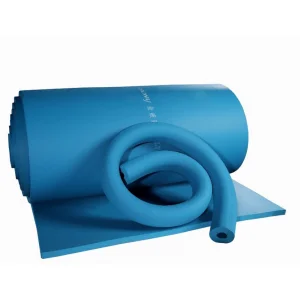
Within high-density vertical architecture, premium residential designs, commercial complexes, and industrial process facilities, mechanical, electrical, and plumbing (MEP) infrastructure represents a significant source of operational noise and thermal loss. Acoustic plumbing has transitioned from a specialized design preference to a regulatory standard. Standard PVC drainage systems, HVAC chilled/hot water pipelines, and industrial flow systems transmit vibrations through walls and floors as structure-borne noise, while the flow turbulence of pressurized fluids generates airborne noise.
By implementing advanced NBR/PVC closed-cell elastomeric technology, engineering consultants can target the root causes of fluid-borne energy. Combining high-density elastic matrices with an optimized open/closed hybrid cellular layout enables dual-performance insulation systems to reduce noise while providing structural anti-condensation properties. As a specialized manufacturer, Kingflex leads this development by offering high-performance, cost-effective solutions for challenging architectural layouts.

How viscoelastic NBR/PVC polymer matrices mitigate structure-borne vibration and reduce heat transfer.
Our elastomeric insulation acts as a decoupling layer that dampens vibrations before they reach structural supports, helping to manage plumbing noise transmission.
Controlling the density of NBR/PVC within the 40-55 kg/m³ range provides a balance of acoustic damping performance and thermal conductivity (λ) values.
High closed-cell content provides resistance against moisture ingress, preventing issues such as under-insulation corrosion (CUI) and mold growth.
| Characteristic / Parameter | Kingflex Standard Sheet Rolls | Kingflex Standard Pre-formed Pipes |
|---|---|---|
| Base Material Composition | NBR/PVC Elastomeric Nitrile Rubber Blend | NBR/PVC Closed-Cell Flexible Polymer Matrix |
| Nominal Material Thickness | 6mm to 50mm | 9mm to 40mm |
| Inner Diameter (ID) Range | N/A (Flat sheet/Roll format) | 6mm to 114mm (Accommodates standard pipes) |
| Apparent Core Density | 40 - 55 kg/m³ | 40 - 55 kg/m³ |
| Service Temperature Limit | -40℃ to 105℃ | -40℃ to 105℃ |
| Thermal Conductivity (λ) | ≤ 0.035 W/(m·K) at 0℃ | ≤ 0.035 W/(m·K) at 0℃ |
| Moisture Resistance Factor (μ) | ≥ 10,000 (Built-in Vapor Barrier) | ≥ 10,000 (Built-in Vapor Barrier) |
| Fire Safety Class & Approvals | BS 476, Class 0/Class 1, UL94 V-0 | BS 476, Class 0/Class 1, UL94 V-0 |
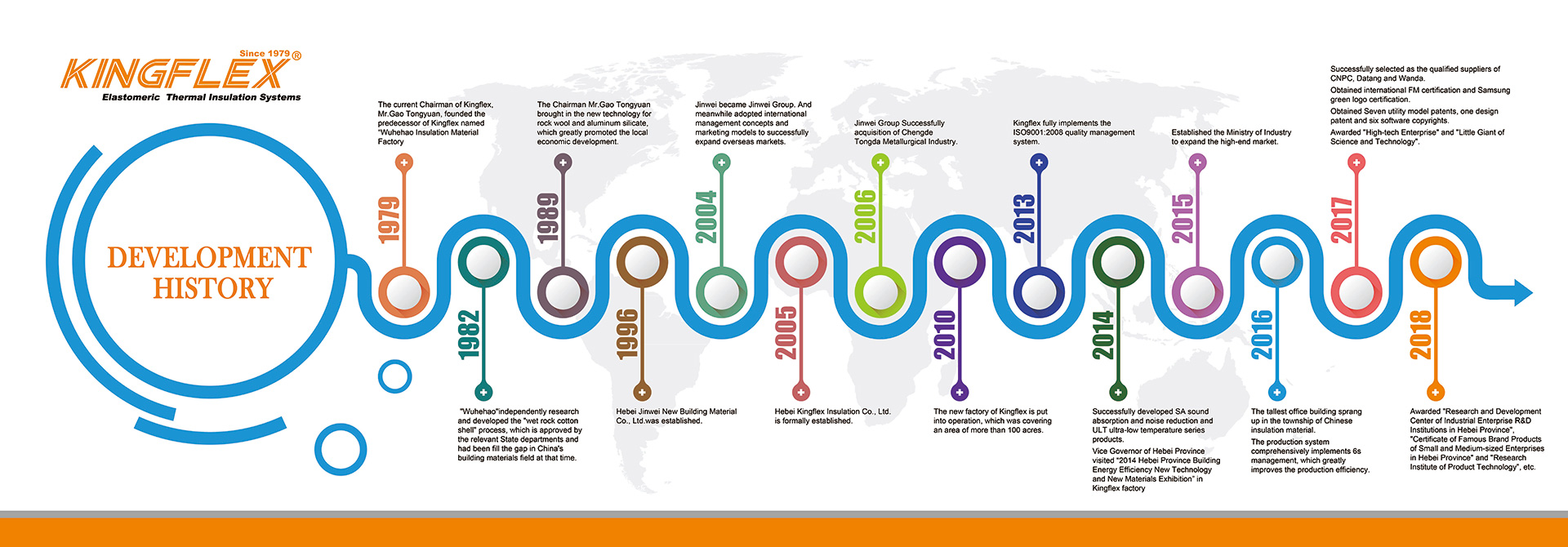
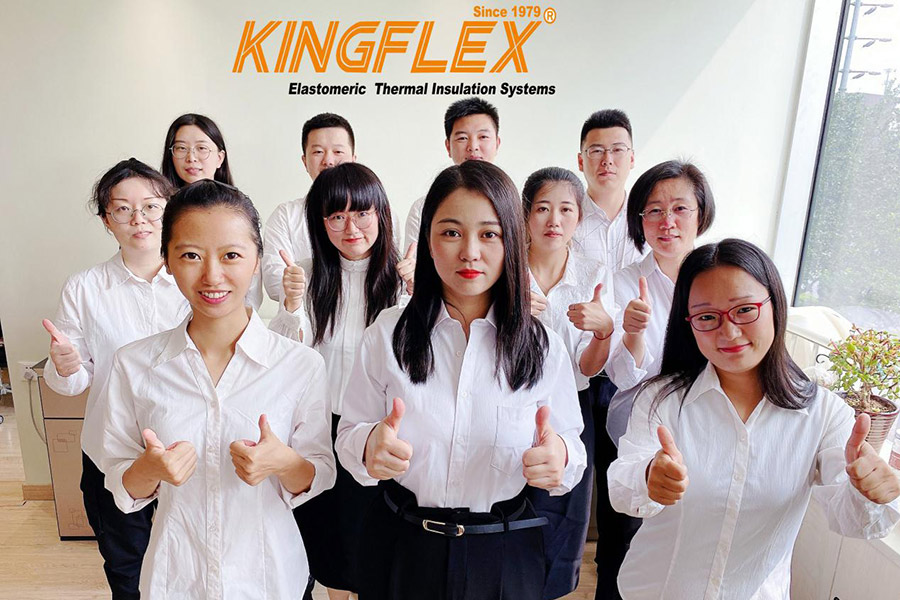
Kingflex Insulation Co., Ltd. is a manufacturing and trading combo specializing in thermal and acoustic insulation products. Our R&D and manufacturing facilities are situated in Dacheng, China, a regional center for green building material manufacturing. As an energy-saving enterprise, we focus on the research, development, production, and sales of high-performance elastomeric systems.
We are a division of the Jinwei Group (also known as the Kingway Group), which was founded in 1979 and has over 40 years of manufacturing history. As the first major manufacturer of thermal insulation materials north of the Yangtze River, Jinwei Group established a foundation of quality and technical expertise that Kingflex continues to build upon today.
At present, Kingflex operates 5 large automatic assembly lines, yielding an annual capacity exceeding 600,000 cubic meters. This scale has earned us designated status as a trusted manufacturer for national infrastructure sectors, including energy transmission, electric power networks, and chemical industries.
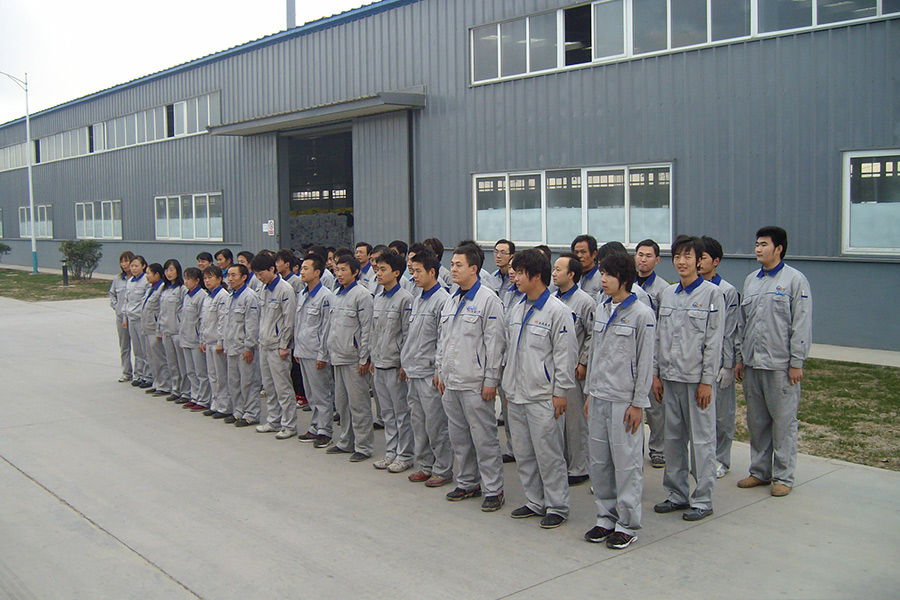
Our operation is supported by 230 manufacturing staff, an international sales division of 6 specialists, and a dedicated R&D division with 8 professional engineers. Over the past 16 years, our export footprint has expanded to cover 66 foreign countries and regions across Europe, the Americas, Southeast Asia, the Middle East, and Africa.
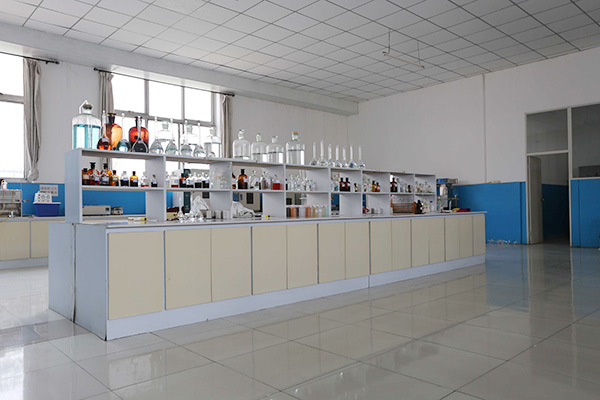
Continuous automated production lines, testing laboratories, and verification systems guarantee material performance consistency.
Plumbing noise control requires materials that address both air-borne and structure-borne sound transmission. Kingflex NBR/PVC elastomeric insulation targets these paths through the following mechanism:
Exported to 66 countries and verified by international standards agencies to meet strict construction codes.
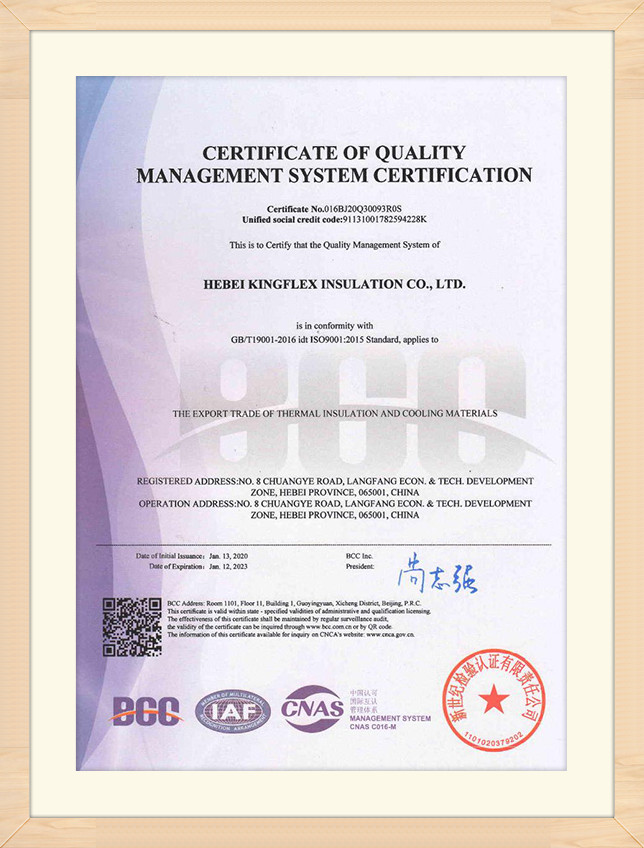


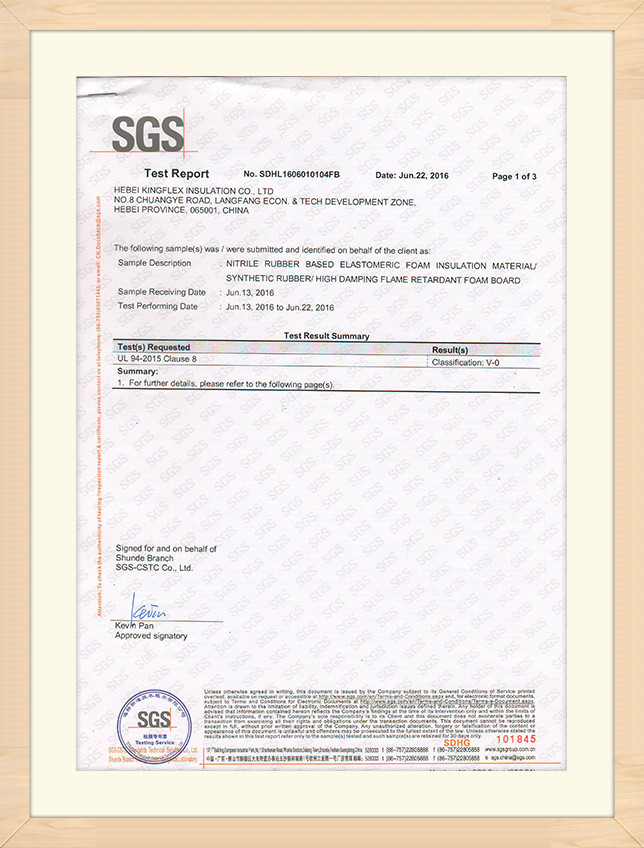
To support global procurement, Kingflex products undergo third-party testing and certification. Our insulation systems comply with key international standards:
Delivering reliable, energy-saving, and noise-damping installations in major infrastructure projects worldwide.

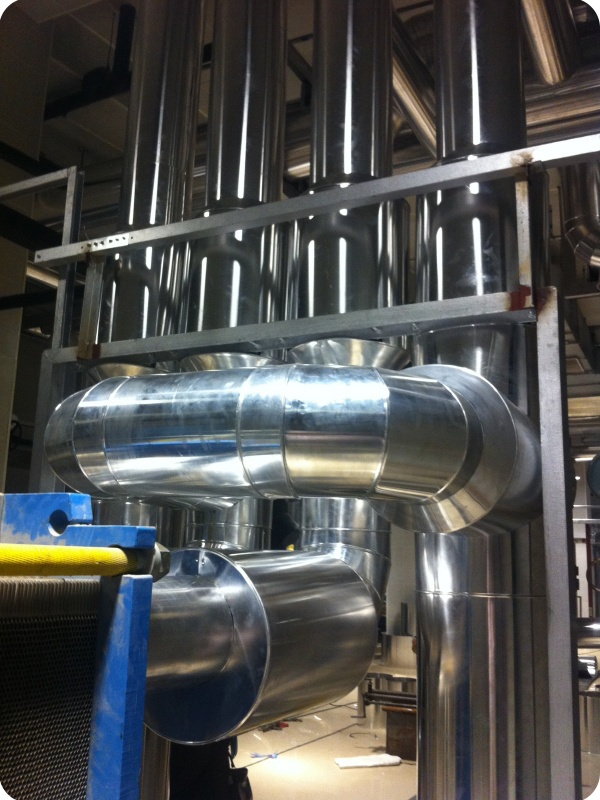
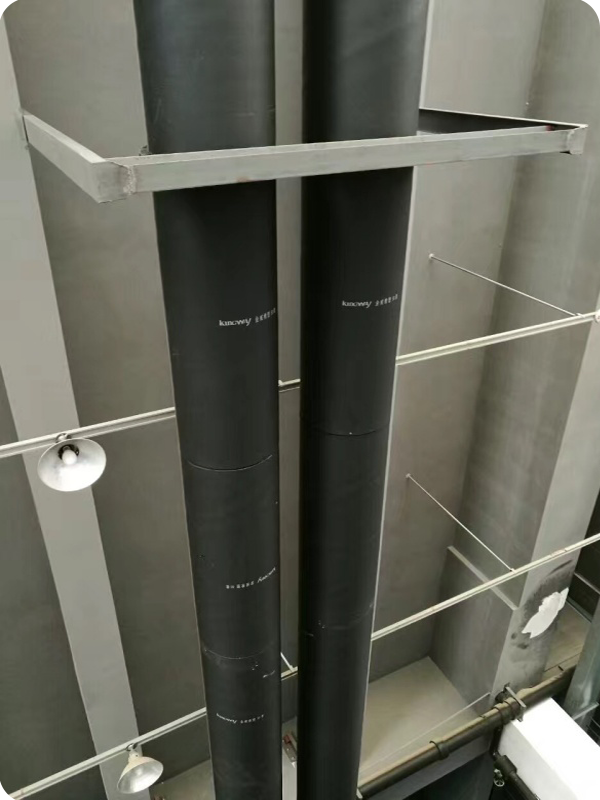
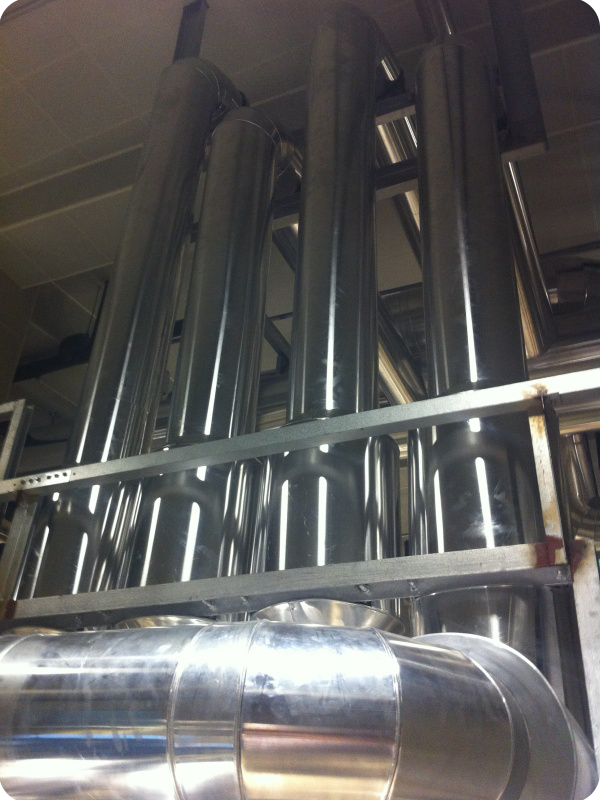
Used to prevent thermal energy exchange and condensation on main chilled water distribution loops in commercial developments.
Dampens noise in wastewater drainage systems and vertical shafts in multi-story residential buildings and luxury hotels.
Provides corrosion resistance and thermal protection for process steam networks, chemical piping, and bulk storage reservoirs.
We work closely with contractors and distributors from project estimation through to installation. Kingflex provides end-to-end trace documentation for batch manufacturing, raw material inspection, and delivery schedules.
Our international logistics team manages container loading and sea freight processes, ensuring products arrive dry and undamaged. With an annual capacity of over 600,000 cubic meters, we support consistent delivery timelines for large-scale projects.


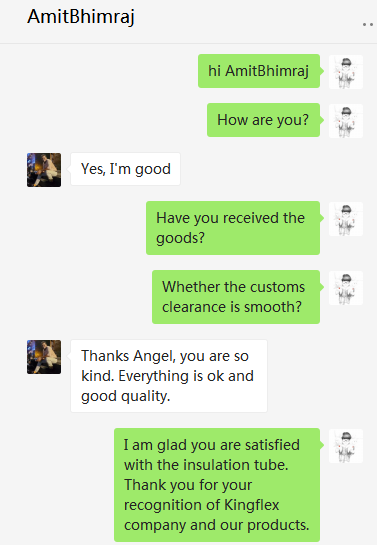


Developing next-generation insulation materials focused on energy conservation, low toxicity, and ease of installation.
Refining our NBR/PVC polymer formulations to improve sound absorption in wastewater networks, aiming for noise reductions exceeding 15 dB compared to uninsulated piping.
Developing halogen-free elastomeric foams to meet stricter flame, smoke, and toxicity requirements for public transit systems and high-density high-rise buildings.
Designing ready-to-install elbow and tee components featuring integrated adhesive closures, aimed at reducing on-site installation times and labor costs.
Expert answers addressing the design, certification, and application of Kingflex elastomer insulation products.
It is mainly used for HVAC ducts, air conditioning pipes, building thermal insulation, industrial pipeline cold insulation, and sound insulation. The elastomer helps minimize energy loss and prevents moisture condensation on cool surfaces.
Yes, our rubber foam insulation products are fire retardant, meeting the fire safety standards for building and industrial projects, including BS 476 Class 0 and UL94 V-0 ratings.
Rubber foam is flexible, closed-cell, and moisture-proof, making it suitable for HVAC, cold water systems, and building acoustics. Rock wool is highly temperature-resistant and non-combustible, designed for high-temperature industrial pipelines and fire protection systems.
Yes, we provide OEM services. We can adjust dimensions, wall thicknesses, sheet widths, and densities to match specific acoustic dampening requirements or project configurations.
Our products have passed BS 476, CE, REACH, ROHS, UL94, ASTM, and other international certifications, verifying compliance with safety and environmental standards worldwide.
Yes, Kingflex maintains a quality management system that traces manufacturing history from raw material batching through production line, curing oven, QA testing, and shipping.
We produce standard sheet rolls in thicknesses ranging from 6mm to 50mm, allowing engineering teams to specify the correct thickness for their thermal and acoustic requirements.
When installed correctly in recommended environments, our elastomeric rubber foam insulation offers a service life of approximately 10 to 15 years.
A look inside our 600,000 m³ annual capacity manufacturing facilities and warehouse operations.
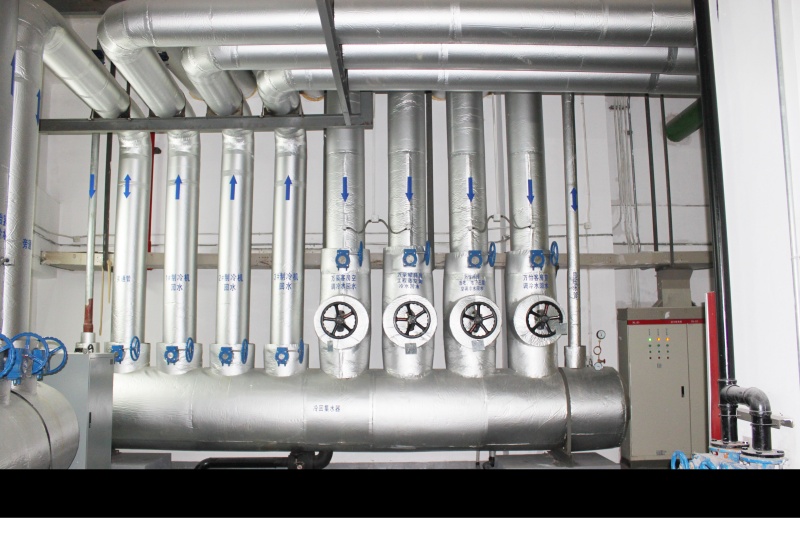


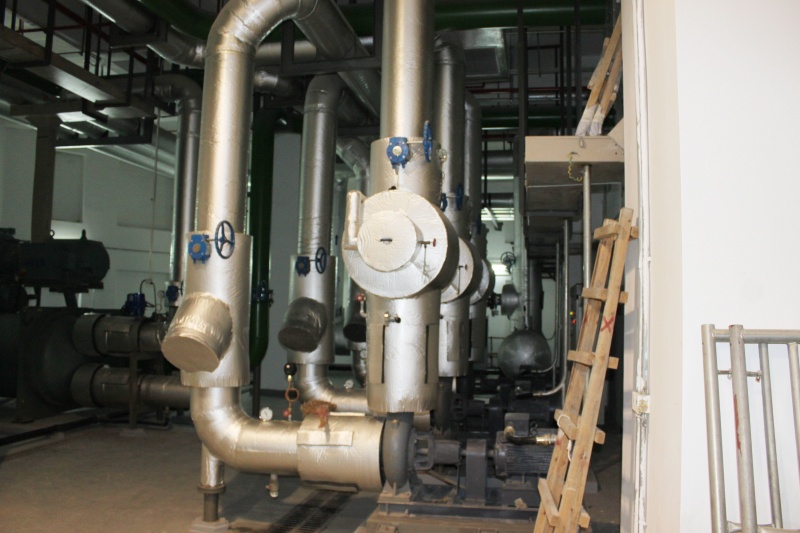
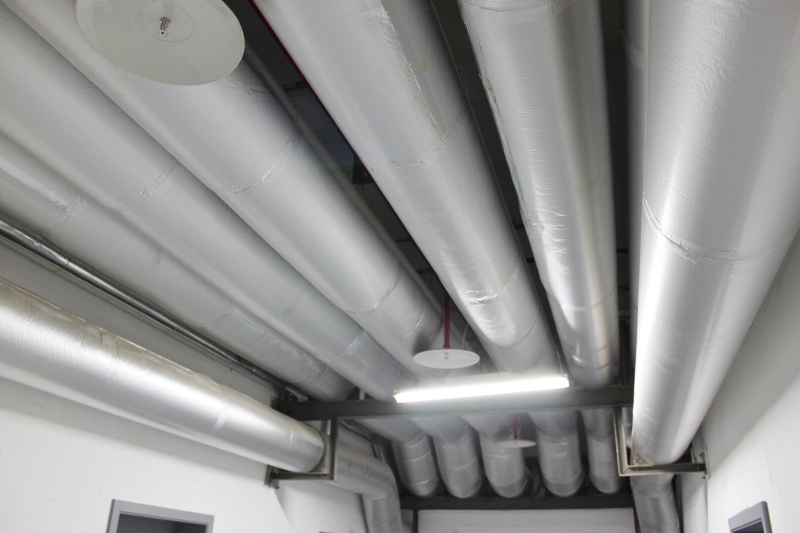

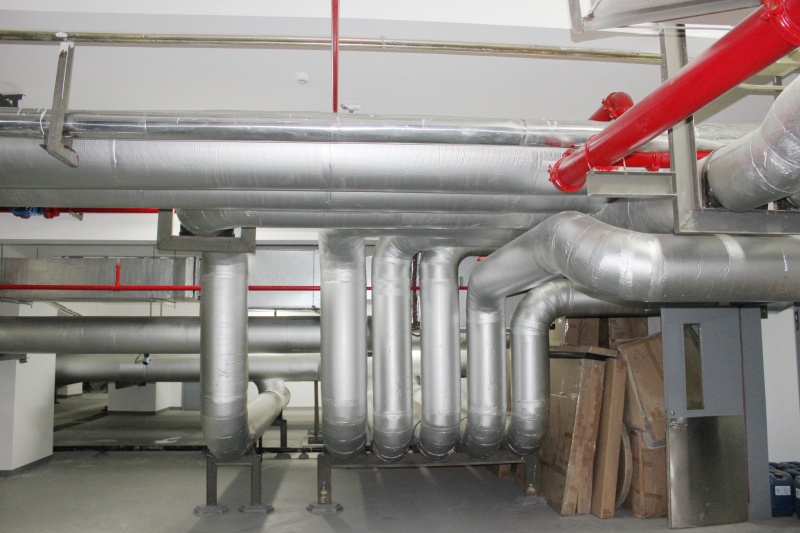
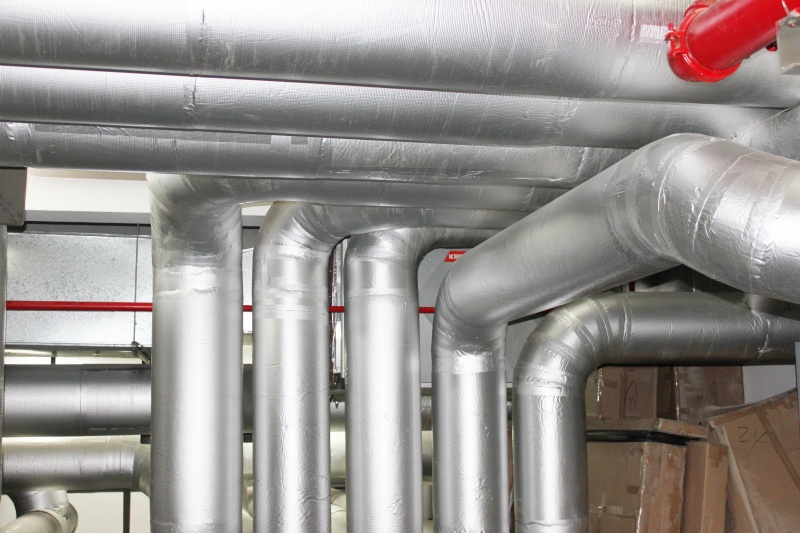
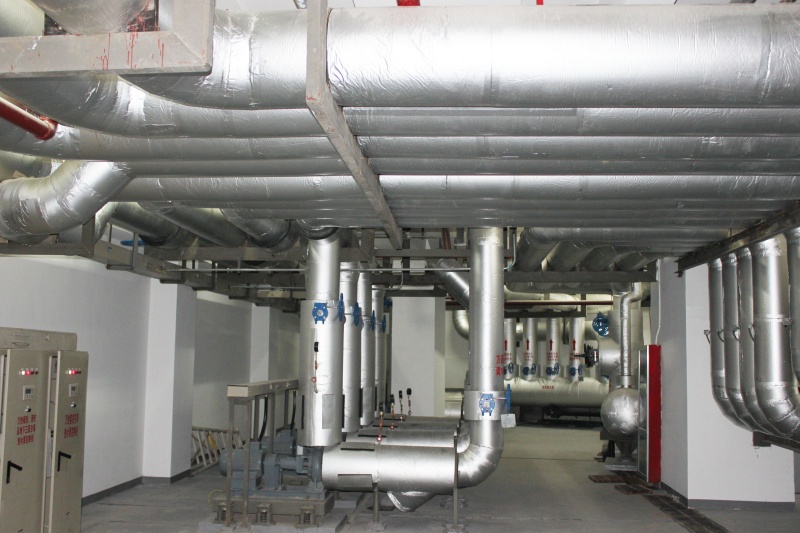
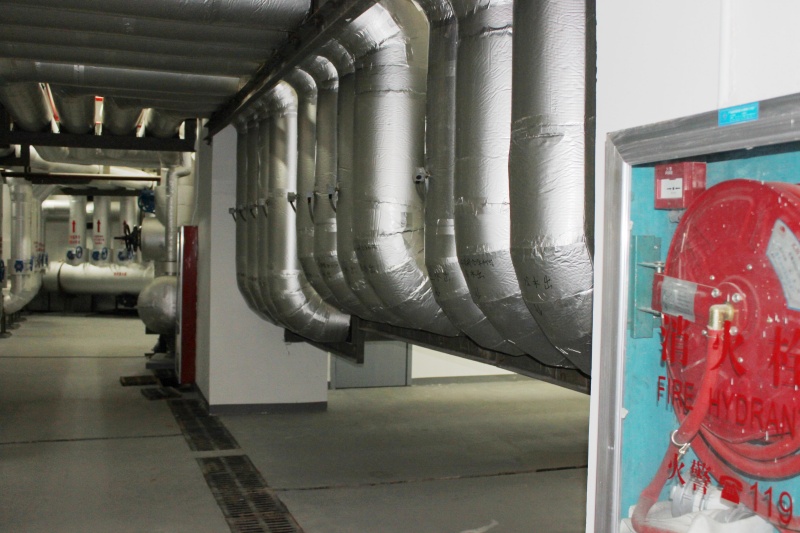
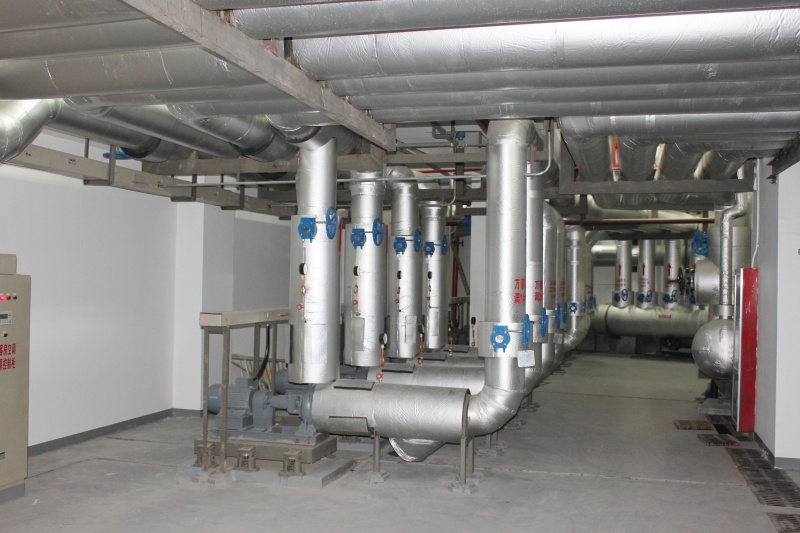

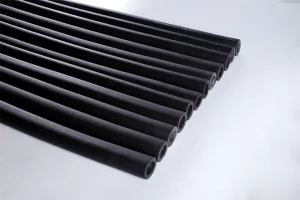
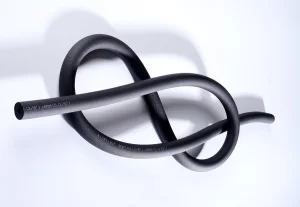
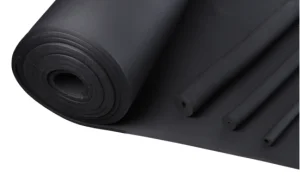
Complete selection of pre-formed pipe configurations, elastomeric sheet rolls, and cryogenic insulation materials.
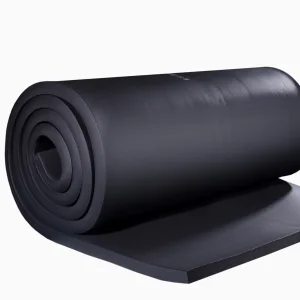
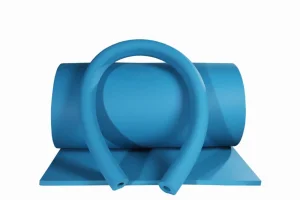
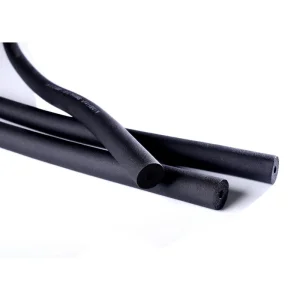
When engineering high-rise structures, industrial process setups, or HVAC systems, selecting the appropriate insulation requires balancing acoustic damping and thermal performance. To achieve optimal results, engineering consultants should consider the following implementation details:
Our engineering support team helps calculate the necessary insulation thickness using project parameters such as fluid flow temperature, ambient humidity, wind exposure, and localized noise limits (dB). These calculation steps include:
For project calculations, custom sizes, or price lists, contact the Kingflex technical team.
 Kingflex