Engineered to mitigate thermal bridges, resist condensation, and deliver absolute structural safety under critical temperature profiles.
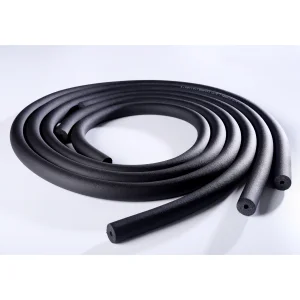
As the global community accelerates toward carbon neutrality, industrial and architectural energy consumption profiles face unprecedented scrutiny. In thermal system engineering, the choice of containment systems determines operational longevity and net environmental balance. The transformation from traditional fibrous materials to advanced elastomeric structures (such as NBR/PVC polymer matrices) addresses the core vulnerabilities of traditional insulation: moisture absorption, micro-fractures, physical deterioration, and susceptibility to Corrosion Under Insulation (CUI).
Modern commercial developments, data center cooling infrastructures, massive liquid gas storage setups, and intricate chemical processing plants demand solutions that offer low initial thermal conductivity along with persistent long-term barrier performance. When insulation absorbs moisture, its thermal efficiency deteriorates exponentially; even a 1% volume increase in moisture content can trigger a 20-30% loss in overall thermal performance. This thermodynamic reality has repositioned closed-cell elastomeric insulation as a crucial component for structural engineers, HVAC designers, and industrial developers worldwide.
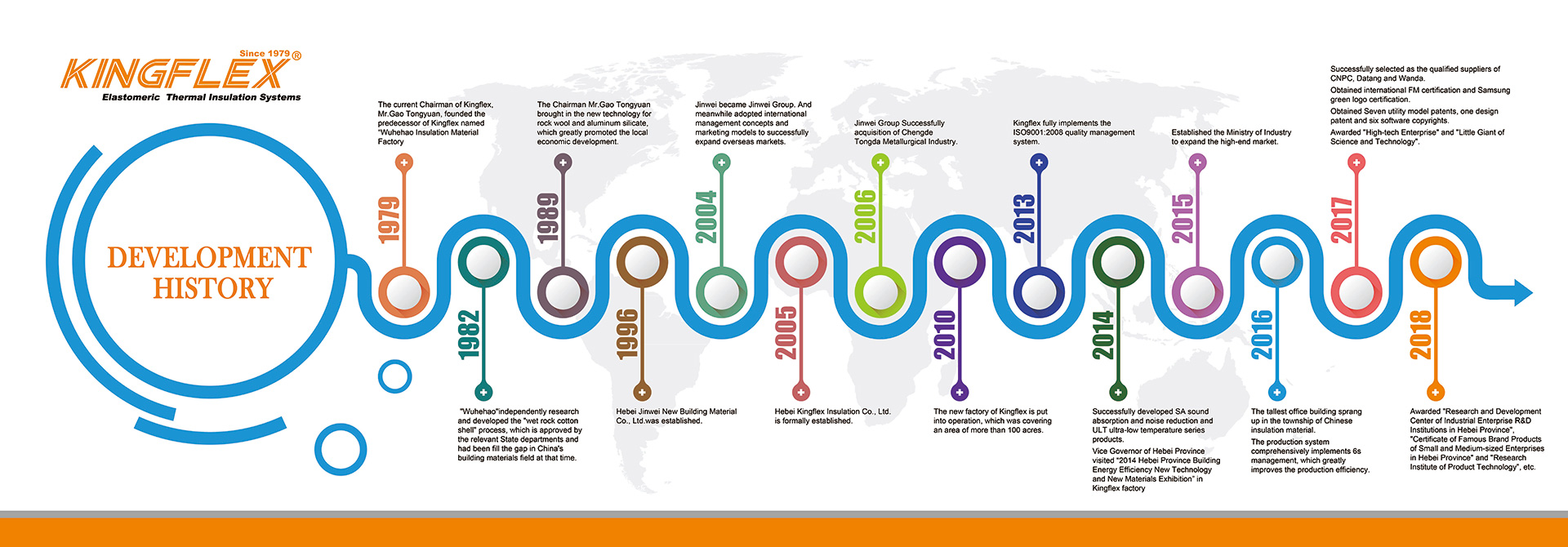
Based in Dacheng, China—a major hub for green building material manufacturing—Kingflex Insulation Co., Ltd. represents the synthesis of state-managed energy efficiency initiatives and advanced chemical engineering. This geographic alignment provides proximity to essential petrochemical feeds, integrated distribution logistics, and a highly skilled workforce, enabling a resilient cost-to-performance ratio.
Founded by the Jinwei Group (with roots tracing back to 1979 as the pioneer of insulation manufacturing north of the Yangtze River), Kingflex operates 5 large-scale automated assembly lines. These production processes combine digital monitoring controls with continuous foaming lines to achieve micro-structural cell consistency.
This automated framework translates to a high-capacity baseline exceeding 600,000 cubic meters annually. Certified as a designated supply partner by key state energy, power, and chemical authorities, Kingflex integrates research, manufacturing, and distribution, minimizing supply risks for large projects.

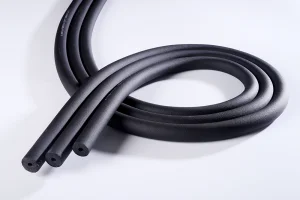
The performance of Kingflex elastomeric insulation is rooted in its material design: a vulcanized blend of Nitrile Butadiene Rubber (NBR) and Polyvinyl Chloride (PVC). NBR provides resilience, elasticity, and chemical resistance to petroleum products, while PVC enhances the structure with flame retardancy, UV resistance, and structural stability. This blend is processed through chemical foaming agents, producing a closed-cell matrix where over 98% of the microscopic cells remain sealed and independent.
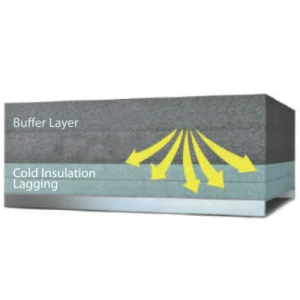
This micro-architectural structure prevents convective heat transfer within the material itself. It locks in dry gas, maintaining a low thermal conductivity value of λ ≤ 0.034 W/(m·K) at 0°C. Additionally, the non-porous structure eliminates capillary action, generating a moisture resistance factor (μ) exceeding 10,000. This creates an integrated vapor barrier that removes the need for secondary outer protective wraps in standard operating environments.
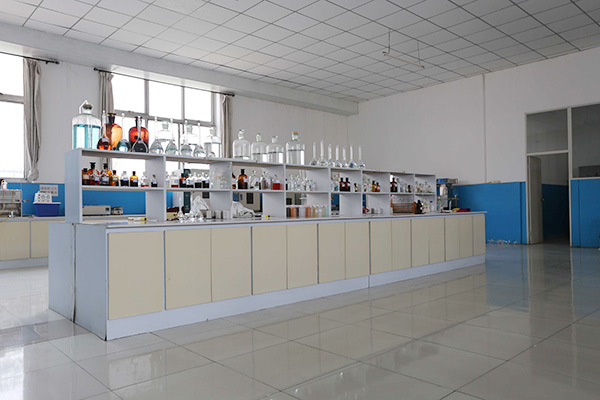
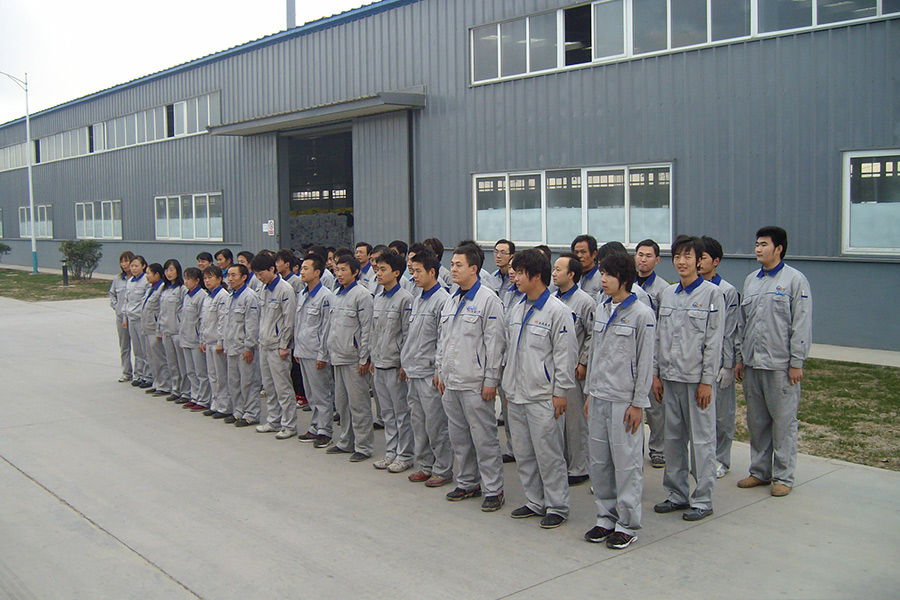
A reliable technical infrastructure depends on professional engineering expertise. The Kingflex R&D division is led by 8 specialized engineers focused on polymer optimization, environmental safety compliance, and low-temperature thermal dynamics. Supporting this core is a dedicated production team of 230 workers and 6 international trade specialists, ensuring a smooth transition from project design to site delivery.
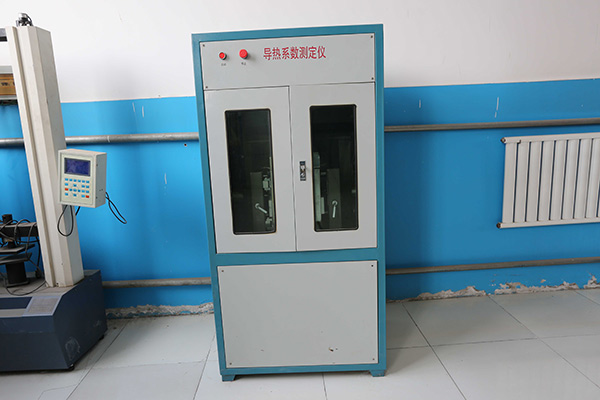
By constantly testing materials against ASTM and BS standards, the R&D department ensures that each batch delivers uniform density (40-55 kg/m³), consistent flexible compression recovery, and long-term durability under thermal stress cycles.

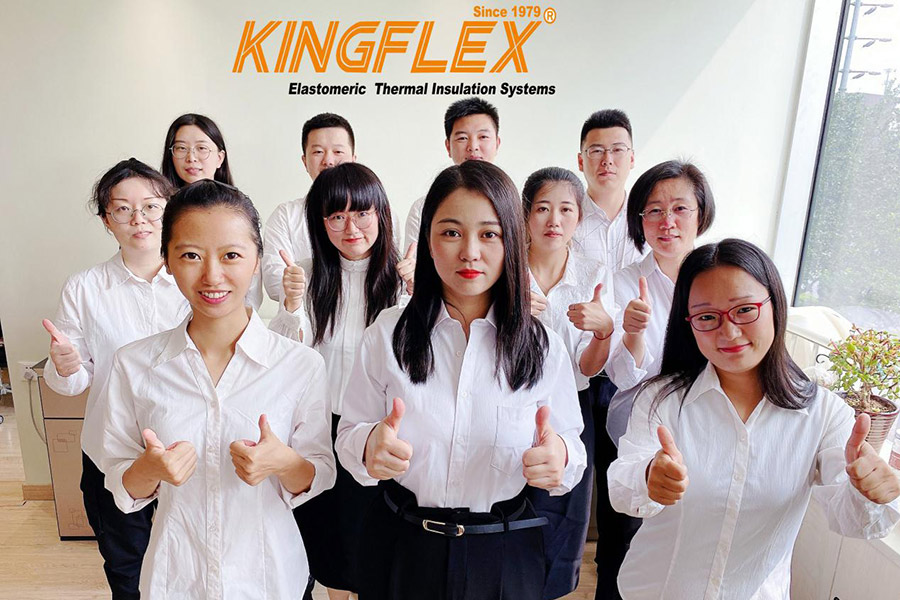
Kingflex insulation solutions are engineered for demanding environmental conditions, providing targeted thermal and acoustic performance across diverse sectors:
For international projects, quality verification and material traceability are essential procurement requirements. Each production run at the Kingflex North East facility is coded and logged, allowing track-back mapping of raw materials, curing parameters, and batch testing results.
By maintaining compliance with BS 476, CE, REACH, and RoHS standards, Kingflex supports smooth customs clearance and regulatory compliance for projects in Europe, the Middle East, Southeast Asia, and the Americas.
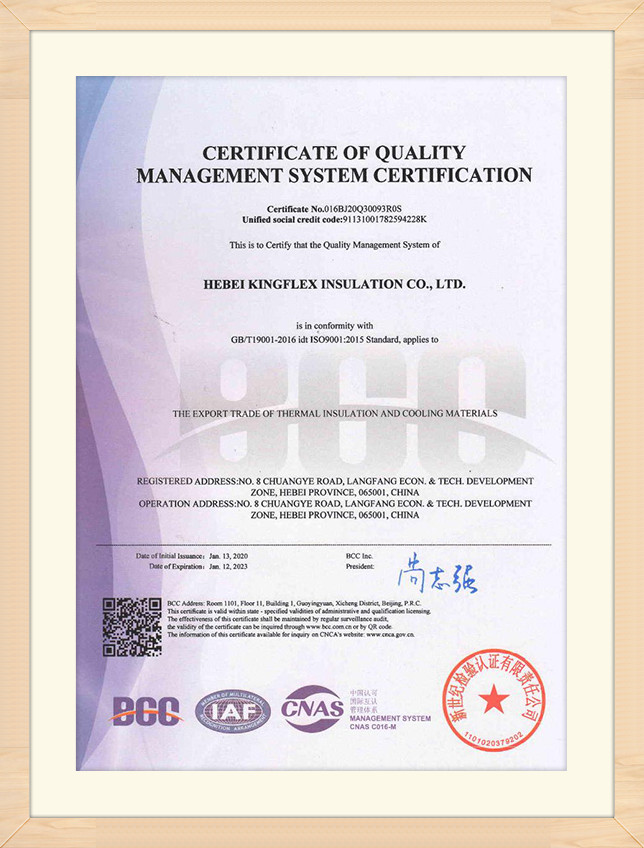


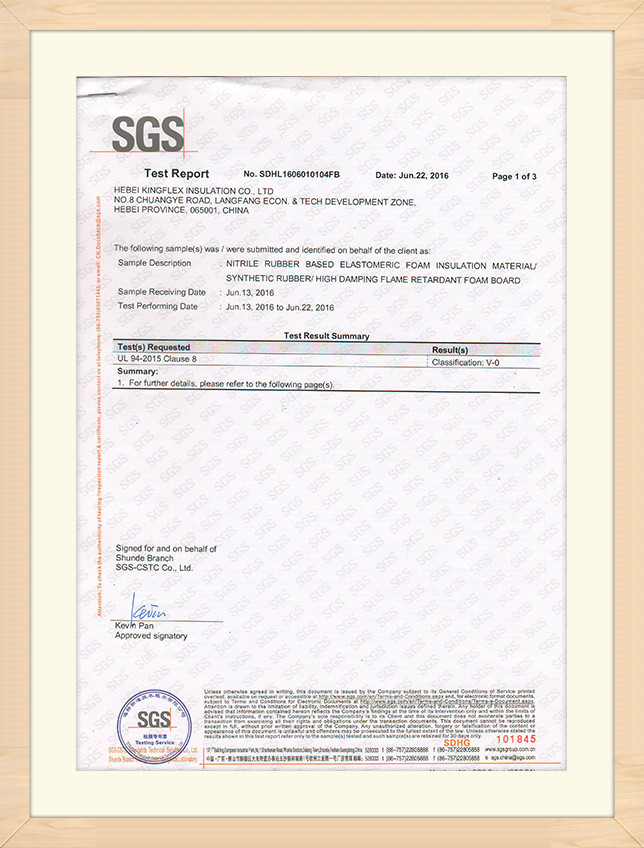
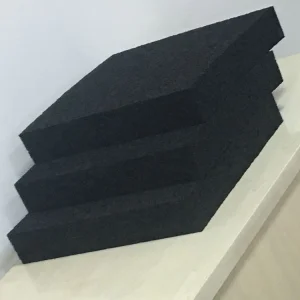
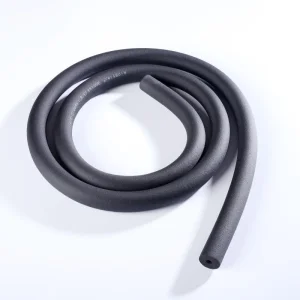
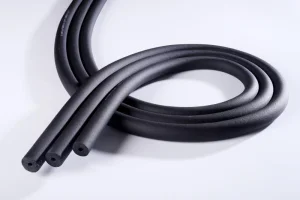
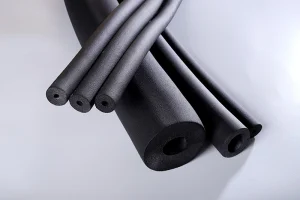
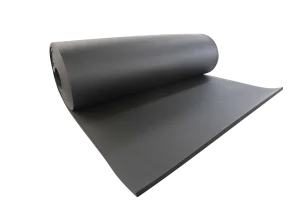
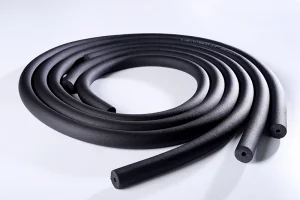
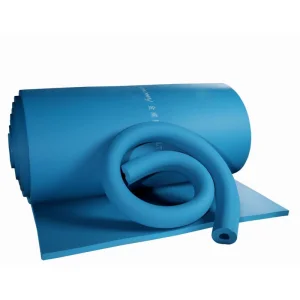
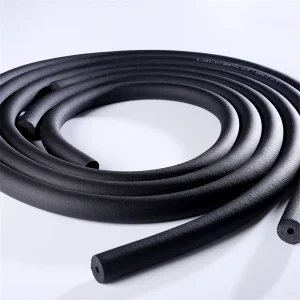
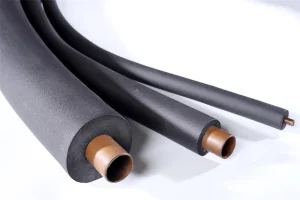
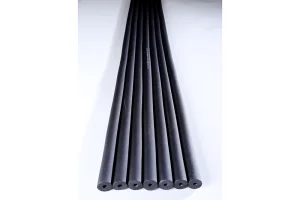
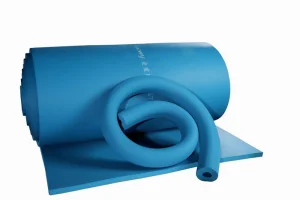
Kingflex offers standard dimensions and configurations designed to integrate with global engineering formats, ensuring precise on-site installation:
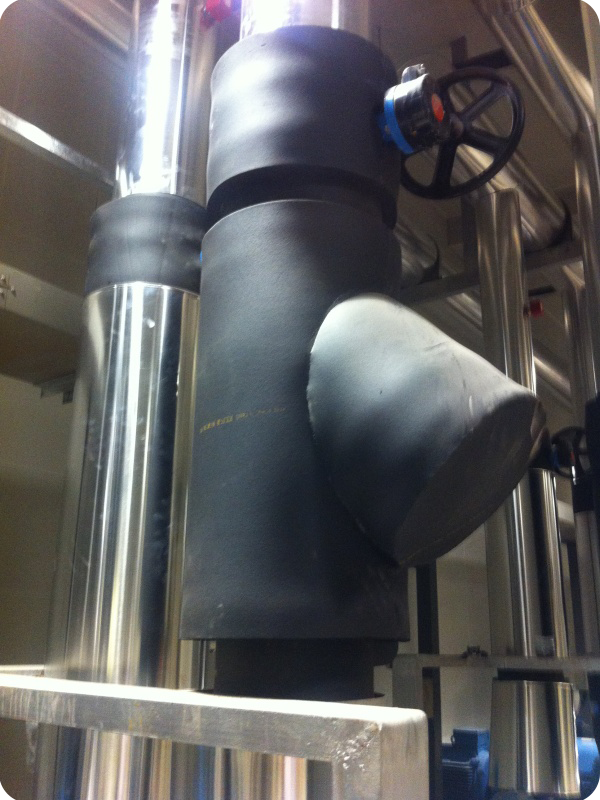
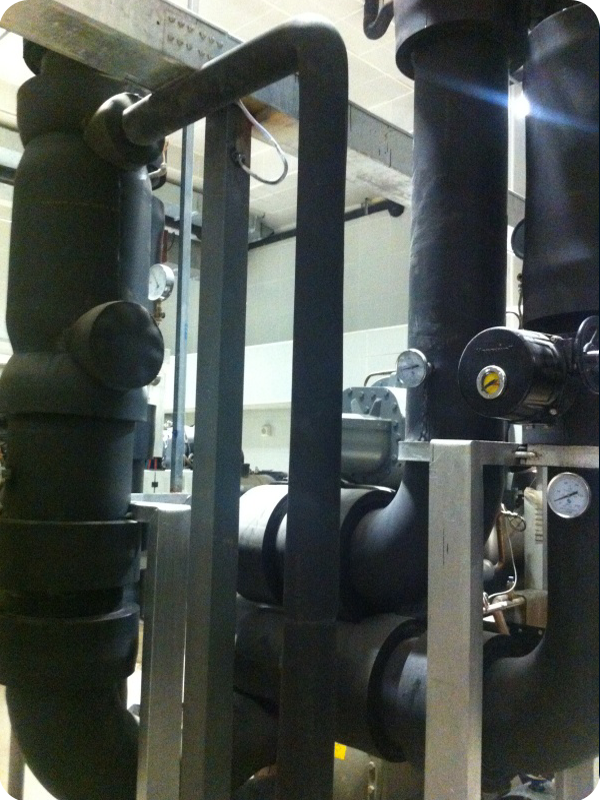
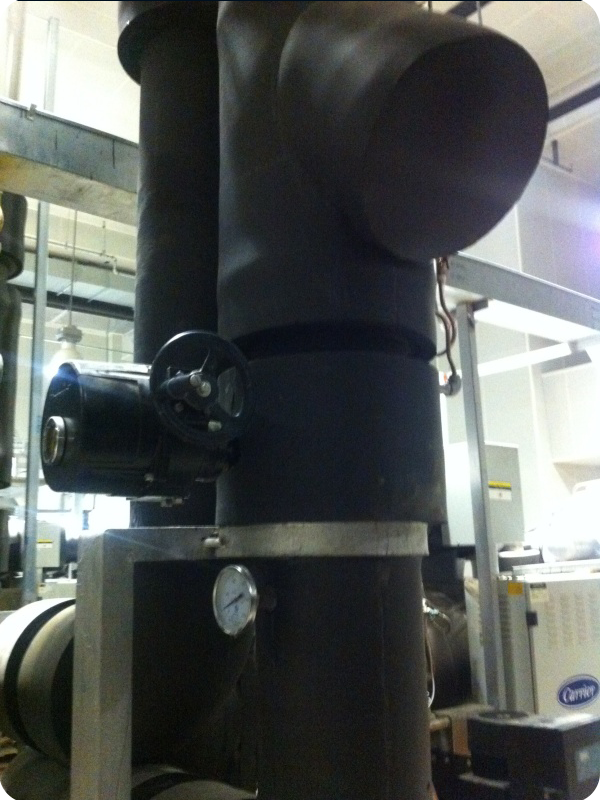
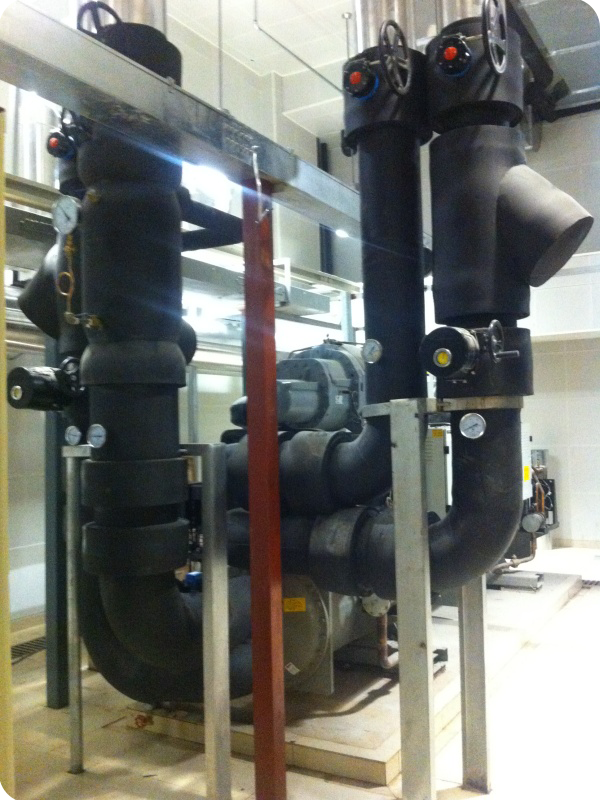
Kingflex maintains active communication channels with international partners. Our team provides direct project assistance, including volume estimation, heat loss calculations, and installation guidance.
By coordinating with mechanical contractors and logistics companies, Kingflex manages lead times, packaging integrity, and shipping schedules for projects worldwide.


This technical FAQ provides analysis on common engineering and procurement questions regarding closed-cell elastomeric insulation:
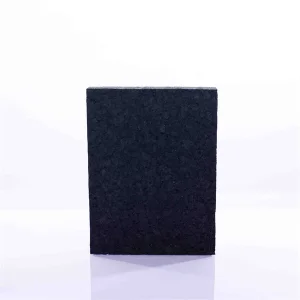
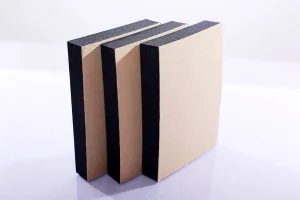
Explore our specialized range of elastomeric materials, engineered to maintain low thermal conductivity and resist moisture absorption across demanding applications.
 Kingflex