Engineered to deliver exceptional thermal resistance and robust acoustic insulation for modern shipbuilding and yacht design.
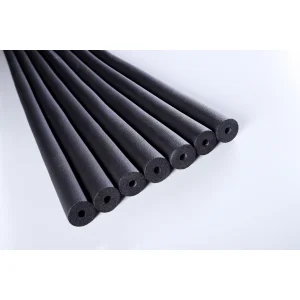
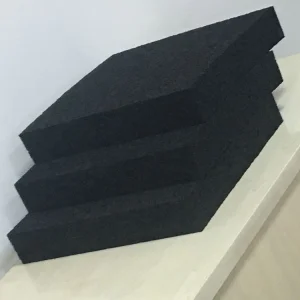
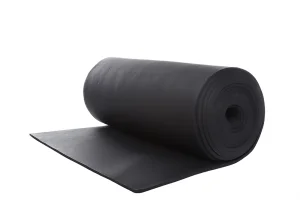
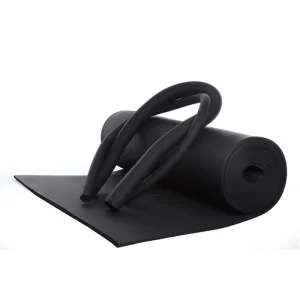
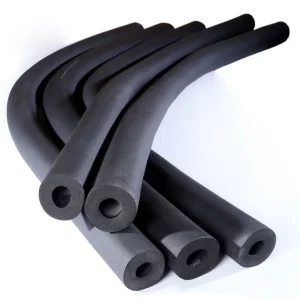
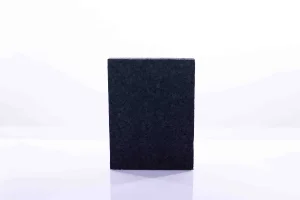
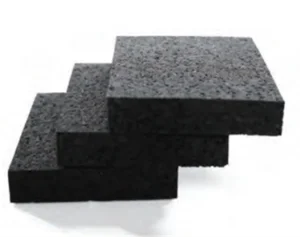
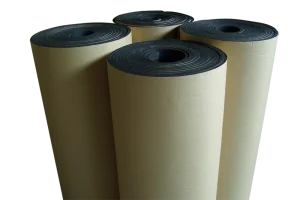
Naval architecture demands materials that survive in extremely corrosive environment. High humidity, constant salty mist exposure, structural vibrations, and space constraints create structural hazards. Standard insulation fails under these conditions by absorbing water, leading to Corrosion Under Insulation (CUI) and structural hull deterioration.
Kingflex elastomeric rubber foam insulation sheets and tubes solve this issue. Designed with a closed-cell structural configuration exceeding 98% density uniformity, our NBR/PVC material creates an impermeable barrier against both moisture vapor and thermal transfer. This ensures consistent thermal barrier properties even under harsh marine conditions.
"Marine grade thermal and acoustic insulation is not merely about energy conservation; it is a critical measure to prevent moisture accumulation, manage dew point control, and damp structural vibrations across engine bulkheads and accommodation decks."

Unifying structural volume capabilities, modern manufacturing technologies, and strict global certifications.
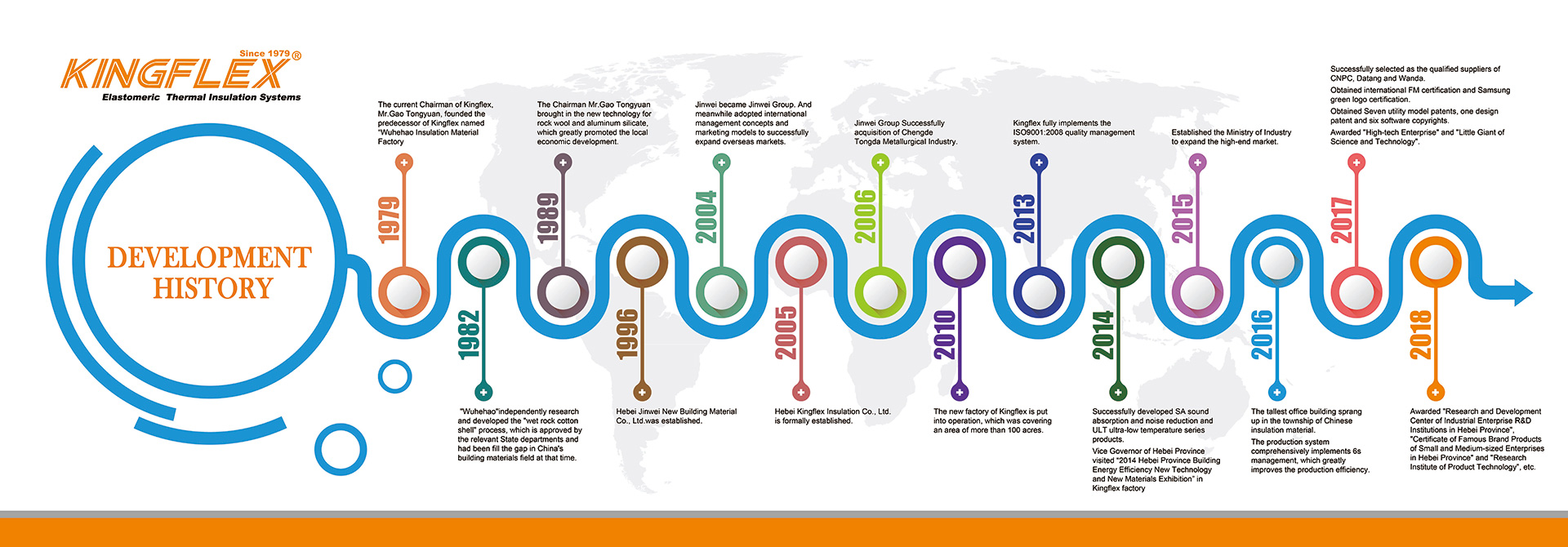
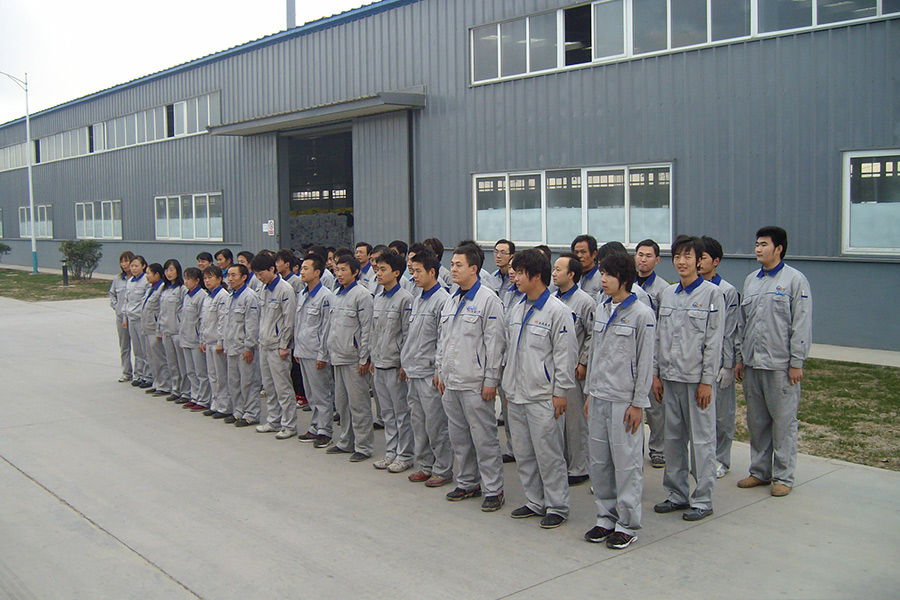
Operated under Jinwei Group (established in 1979), Kingflex maintains five automated production lines. Our capacity exceeds 600,000 cubic meters annually, facilitating immediate raw material prep and stable delivery times for global shipyards.
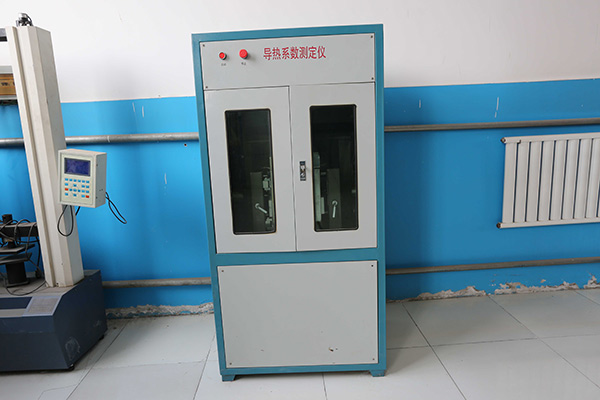
Our dedicated R&D department houses 8 professional research engineers. Using precision instrumentation, we test and verify thermal conductivity, smoke toxicity index, and cell distribution profiles before dispatching.
Kingflex products are fully traceable. They meet standard marine and construction safety protocols, including BS 476, CE, REACH, RoHS, UL94, and ASTM test standards, ensuring easy port and customs clearance.
By blending Nitrile-Butadiene Rubber (NBR) and Polyvinyl Chloride (PVC), we create an elastomeric matrix that delivers physical stability, resilience, and excellent oil and chemical resistance. This is highly beneficial for bilge pumps, engine compartments, and utility utility lines.
During the thermal processing stage, our marine-grade insulation boards and sheets are treated with specialized halogen-free fire retardants. In contact with direct flame, the surface chars to form a protective barrier, reducing flame spread and smoke generation.
Our manufacturing plant operates in Dacheng, China—a hub for green building materials. This proximity streamlines sourcing raw components, keeping prices stable for global marine businesses.
Detailed physical properties and sizing for standard marine sheets, rolls, and pipes.
| Material Property / Dimension | NBR/PVC Elastomeric Rubber Foam Sheets | NBR/PVC Elastomeric Insulation Pipes |
|---|---|---|
| Standard Thickness | 6mm, 9mm, 13mm, 15mm, 19mm, 25mm, 32mm, 40mm, 50mm | 9mm, 13mm, 19mm, 25mm, 32mm, 40mm |
| Inner Diameter (ID) Range | N/A (Flat sheet / Adhesive back rolls) | 6mm up to 114mm |
| Density Profile | 40 - 55 kg/m³ | 40 - 55 kg/m³ |
| Thermal Conductivity (λ) | ≤ 0.034 W/m·K at 0°C | ≤ 0.034 W/m·K at 0°C |
| Service Temperature range | -40°C to +105°C (-40°F to +221°F) | -40°C to +105°C |
| Water Vapor Permeability (μ) | ≥ 10,000 (Closed cell rate >98%) | ≥ 10,000 (Evenly distributed structure) |
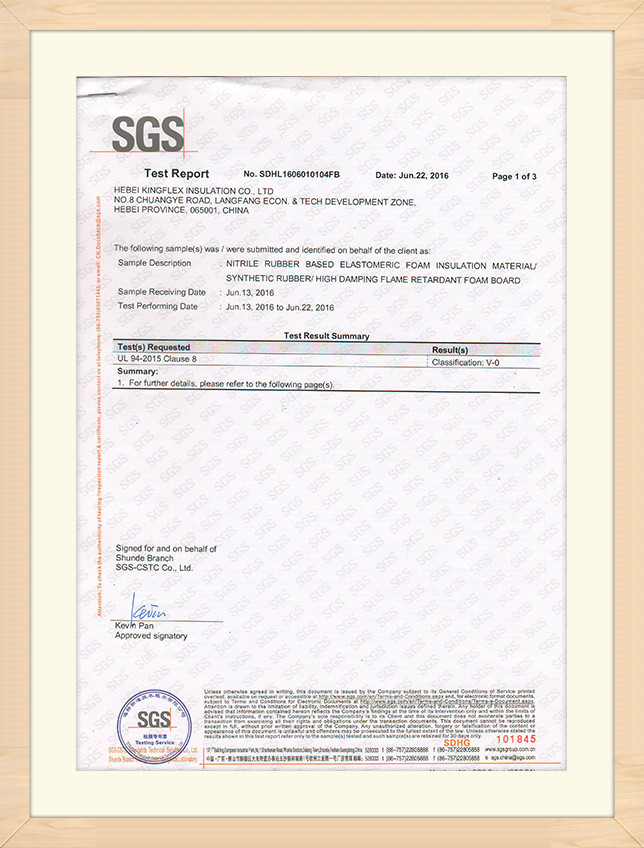
| Fire Safety Rating | Class 0 / Class 1 (BS 476 Part 6 & 7), UL94 V-0 | Class 0 / Class 1 (BS 476), UL94 V-0 |
| Compression Recovery Rate | Over 80% elasticity index | Over 80% elasticity index |
Our micro-cell expansion technology ensures cells are closed and evenly sized. This minimizes moisture penetration and helps maintain long-term thermal conductivity, preventing issues related to moisture build-up.
The elastic structure absorbs motor noises and structural vibrations. By decoupling vibrations from the ship's hull, it creates a quieter environment for crew and passengers.
The flexible sheets conform to irregular surfaces, including curved boat hulls and elbows. They cut easily and accept marine contact adhesives and foil finishes smoothly.
Where Kingflex rubber foam insulation is integrated inside recreational crafts and commercial shipping vessels.
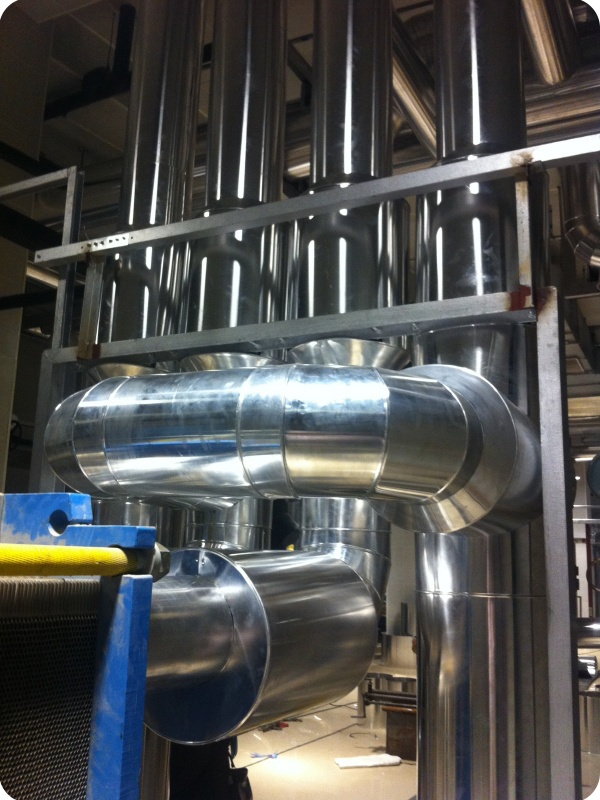
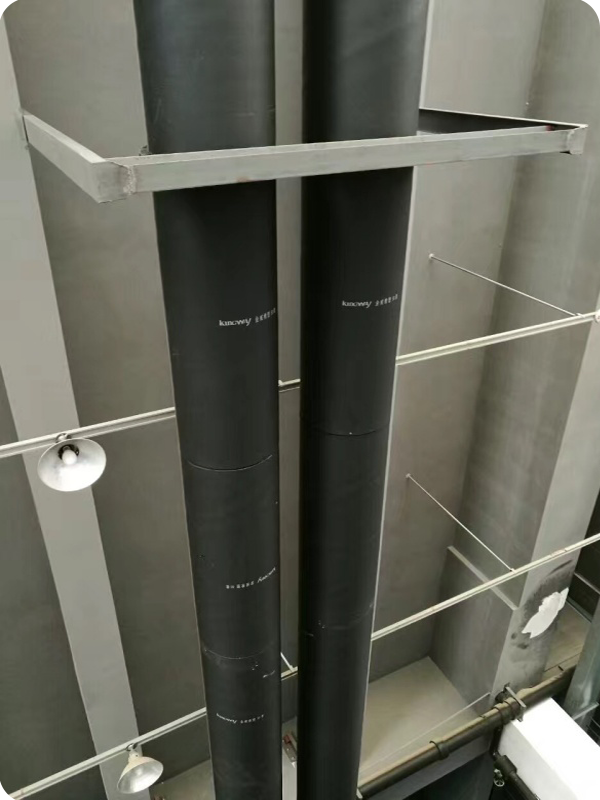
Chilled air ducts on boats run through tight spaces where temperature differences can lead to condensation. Our closed-cell rubber foam tubes prevent condensation, dripping, and water stains behind cabin panels.
Applying self-adhesive sheet insulation to metal and fiberglass hulls creates a reliable thermal barrier. It prevents heat from hot decks entering air-conditioned passenger quarters, optimizing onboard HVAC systems.
LNG tankers and specialized shipping vessels rely on our synthetic rubber sheets for low-temperature insulation. They maintain thermal stability in temperatures down to -40°C (and cryogenic equivalents), preventing frost formation and thermal shock.

Our commitment to thermal engineering drives us to continually upgrade our automated line chemistry. By carefully monitoring raw materials and curing speeds, we produce rubber foams that balance structural density with thermal performance.
In our R&D lab, materials undergo testing for moisture absorption, flame exposure, and tensile strength. We also verify low vapor transmission rates to prevent condensation inside insulation sheets over long-term use.
This attention to detail helps protect cooling and heating systems, machinery rooms, and plumbing lines on commercial vessels from energy loss.
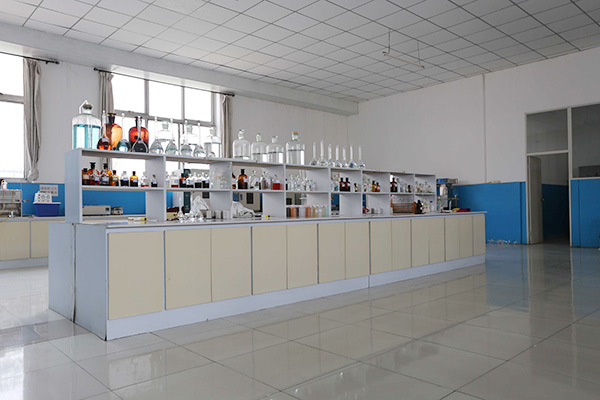
Every production run of Kingflex rubber foam undergoes performance validation for density, thermal efficiency, and flame resistance.

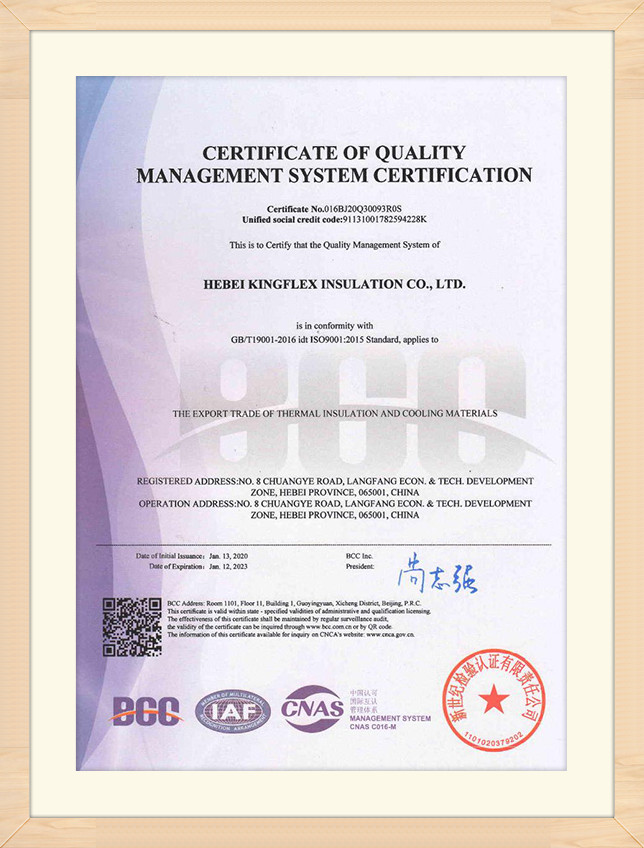

We supply insulation systems that meet strict international fire safety regulations for marine vessels and buildings. Our NBR/PVC elastomeric rubber foams have successfully passed testing to receive certifications such as BS 476, CE, REACH, RoHS, UL94, and ASTM.
For shipyards, maritime contractors, and industrial buyers, our certified production lines guarantee that each shipment performs reliably and supports a straightforward customs clearance process.
Transparent communication and international quality control standards.
We ensure traceabilty from raw material arrival to final product delivery. By utilizing automated batch labeling, we can track production details for every order.
Our sales team works directly with engineers and purchasers globally, assisting with container volume optimization, custom density requests, and freight logistics to ensure timely delivery.




Our materials are regularly shipped to and installed at international ports, dry docks, and commercial shipyards.

We work with trusted sea and rail freight forwarders to organize shipping containers. Through optimized pallet loading, we maximize container space, helping our clients reduce per-unit shipping costs.
Every shipment is documented with QC inspection certificates, raw material lists, and heat resistance test logs to ensure compliance with port requirements.
Providing clear answers to technical questions about rubber foam marine insulation.
It is mainly used for HVAC ducts, air conditioning pipes, building thermal insulation, and industrial pipeline cold insulation. On marine vessels, it prevents condensation on chilled water pipes and provides acoustic damping across engine bulkheads and hull sections.
Yes, our rubber foam insulation is fire retardant, meeting BS 476 (Class 0/1), UL94, and international safety standards for building and industrial projects.
Rubber foam is flexible, closed-cell, and moisture-proof, making it suitable for HVAC and condensation-prone pipes. Rock wool is high-temperature resistant and fireproof, making it a better choice for high-temperature exhaust pipelines.
Yes, we offer OEM services to support custom thicknesses, self-adhesive backings, and aluminum foil face layers to meet specific design requirements.
Our products are certified to BS 476, CE, REACH, RoHS, UL94, ASTM, and other international standards to ensure reliable performance on global projects.
Yes, all Kingflex products are fully traceable. Production batch numbers link back to raw material test reports and QA inspection logs.
We can manufacture thicknesses from 6mm up to 50mm, allowing you to choose the right thermal resistance for your project.
Under normal operating conditions and with proper installation, our materials typically have a service life of 10 to 15 years.
Our foam features a closed-cell rate exceeding 98%, which stops moisture from migrating to the metal pipe surface. This minimizes the risk of oxidation and rust under the insulation layer.
High-temperature structural barriers and supplementary materials for complete marine insulation projects.
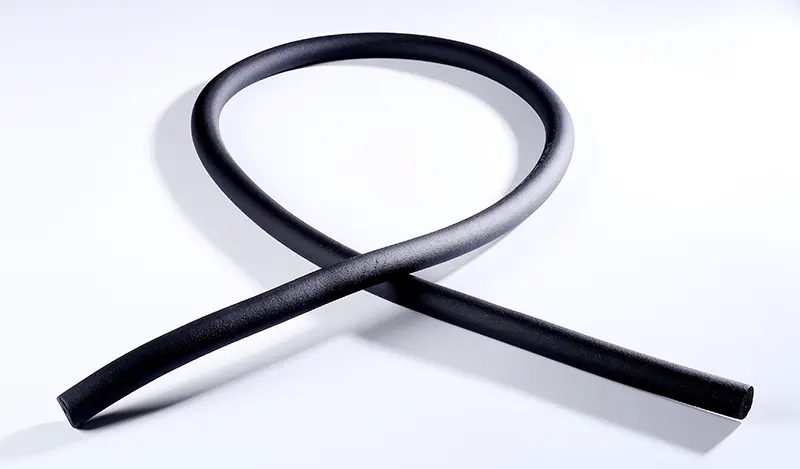


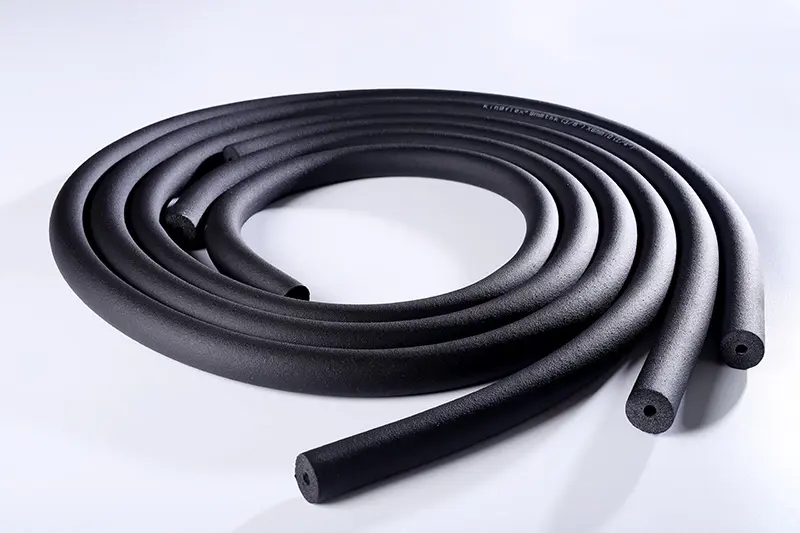
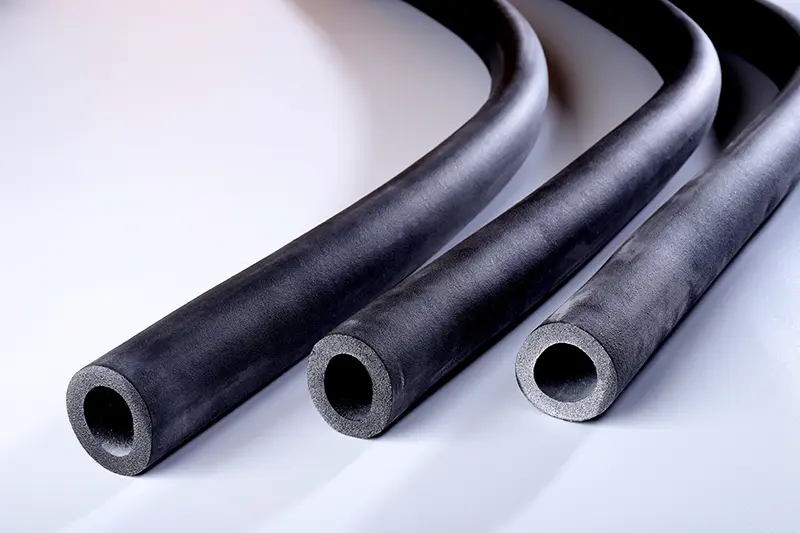


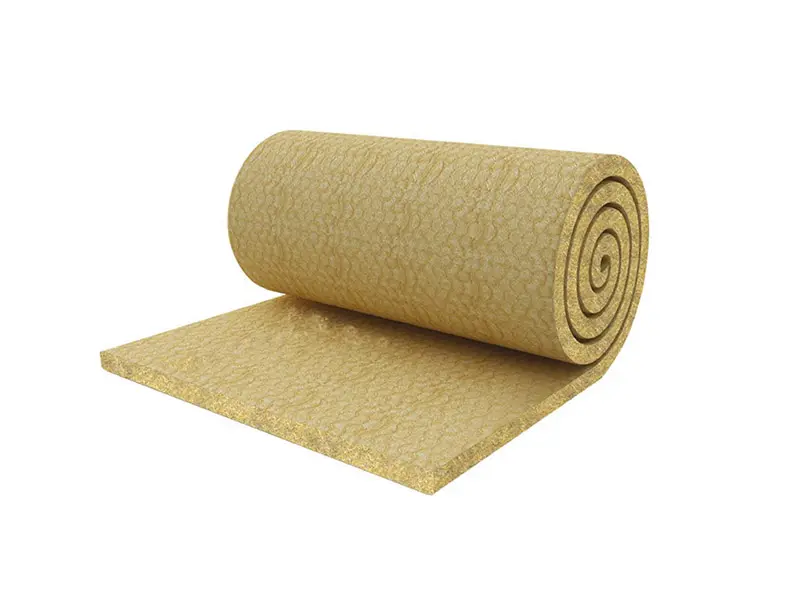
Select from our main insulation categories to find the right materials for your marine or industrial projects.
Our main catalog focuses on high-performance elastomeric thermal insulation systems. These materials are widely used in commercial buildings, refrigeration systems, industrial pipelines, and naval construction.
Our product categories include:
• Rubber Foam Insulation Products
• Glass Wool Insulation Products
• Rock Wool Insulation Products
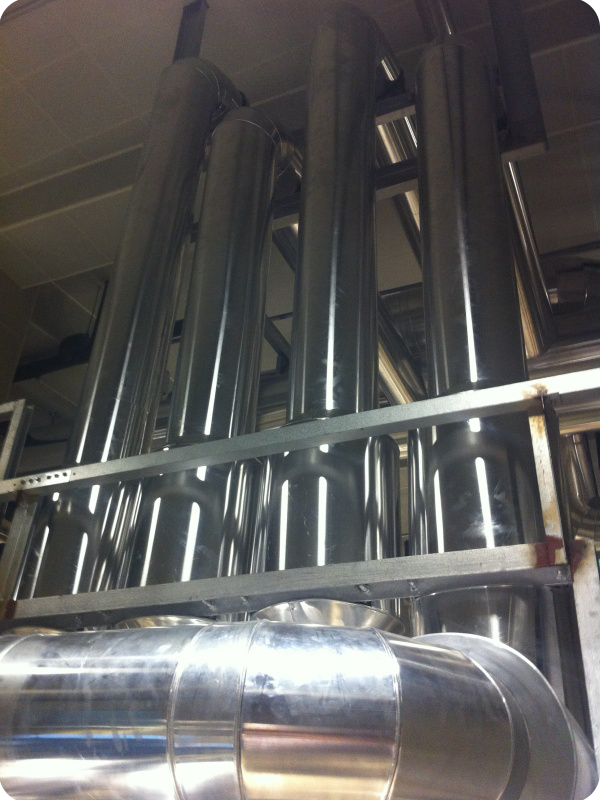
Get in touch with our international sales team to receive project-specific quotes, custom dimensional parameters, or certified laboratory test reports.
Contact Our Export Team Today Kingflex