Explore our certified range of flexible rubber foams, cryogenic insulation, and high-performance sound dampening systems.
In modern architecture, urbanization, and industrial manufacturing, noise pollution mitigation has transitioned from a basic comfort specification to a critical, legally mandated design criterion. HVAC systems, fluid transport pipelines, and industrial ductwork represent primary sources of airborne and structure-borne noise transmission. Consequently, the demand for high-performance duct lagging acoustic systems has grown rapidly. Modern sound isolation strategies rely on multi-barrier designs, integrating a vibration-decoupling layer (such as open-cell or flexible closed-cell elastomerics) with a high-density acoustic barrier (such as Mass Loaded Vinyl or foil-faced composite membranes). This configuration achieves the insertion loss (IL) levels required by contemporary building codes.
Beyond simple acoustic performance, the global market is placing greater emphasis on fire performance, low chemical emissions, and long-term durability. Material developments in composite elastomeric sheets have created systems that serve dual functions: preventing condensation in cold lines and mitigating low-to-mid frequency breakout noise. Building certification frameworks like LEED, BREEAM, and WELL are pushing architectural specifications toward acoustic products that are free of halogens, fiber-free, and compliant with VOC limits. This shift makes high-purity nitrile butadiene rubber (NBR) and cross-linked polyethylene composites the standard choice for projects worldwide.
Modern HVAC system designs focus on achieving thermal efficiency while maintaining acoustic comfort. Duct lagging materials must maintain stable, low thermal conductivity over decades while providing the density and dampening required to block high-velocity airflow noise.
Engineering, Procurement, and Construction (EPC) firms, along with mechanical contractors, face complex supply chain challenges when sourcing commercial-scale acoustic insulation. Meeting project milestones requires working with manufacturers that offer comprehensive documentation, international certifications, and reliable production capacity. Procurement processes require verification of flame spread and smoke development ratings (such as BS 476 Parts 6 & 7 Class 0, ASTM E84, or UL 94). Additionally, logistics require robust packaging that prevents damage during transit, ensuring the material retains its physical structure and acoustic integrity upon arrival.
Customization is another key priority. Standard duct configurations often require custom dimensional adjustments to fit unique site designs, minimizing scrap rates and installation labor. Consequently, Tier-1 manufacturers must offer flexible sizing options, including custom thicknesses (ranging from 6mm up to 50mm), specific inner diameters (ID) for pipe insulation, and pressure-sensitive self-adhesive backings. These features streamline onsite assembly and help ensure projects remain on schedule.
| Performance Characteristic | NBR/PVC Elastomeric Foam | Rock Wool Insulation | Traditional Glass Wool |
|---|---|---|---|
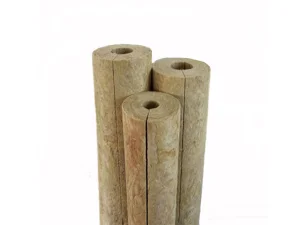
| Primary Mechanical Application | HVAC Breakout Noise, Cold Lines, Condensation Control | High-Temp Pipes, Fire Barriers, Thermal Enclosures | General Wall Cavity Acoustic Dampening |
| Moisture Resistance (µ-factor) | Excellent (≥ 10,000 closed-cell barrier) | Low (Requires external vapor barrier) | Low (Highly susceptible to moisture degradation) |
| Installation Flexibility | High (Flexible elastomeric sheet, cuts clean) | Medium (Semi-rigid, produces dust/fibers) | Medium (Requires structural casing/wrapping) |
| Acoustic Decoupling Function | High elasticity, dampens structural resonance | Sound absorption via high pore volume | Light absorption, minimal structural isolation |
Located in Dacheng, China—a hub for green building material manufacturing—Kingflex Insulation Co., Ltd. operates five high-throughput automated assembly lines. Our production processes integrate automated chemical dosing, continuous foaming tunnels, and precision real-time quality control checks. This infrastructure supports an annual production capacity exceeding 600,000 cubic meters, making us a designated manufacturing partner for major energy, chemical, and municipal projects.
Our manufacturing capabilities combine raw material scale with strict process controls. Automated mixing machinery ensures consistent polymer distribution, resulting in uniform foam structure, reliable density (40-55 kg/m³), and high compression resilience (exceeding 80%). The closed-cell extrusion process operates under tight temperature controls to prevent structural defects, ensuring low thermal conductivity (λ ≤ 0.034 W/m·K at 0°C) and reliable vapor barrier characteristics.
By handling all primary manufacturing steps in-house—including raw compound mixing, foaming, curing, slicing, laminating, and adhesive coating—we maintain control over product quality and cost structure. This end-to-end management enables us to deliver reliable supply security, stable pricing, and short lead times even during volatile market conditions.

Designed for reliability in demanding architectural, industrial, and cryogenic environments.
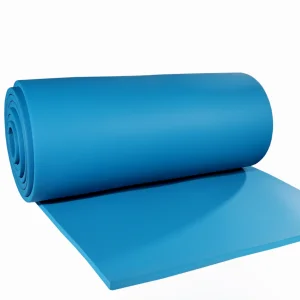
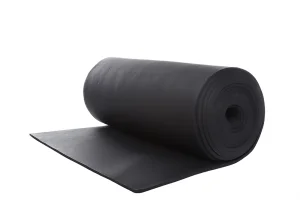
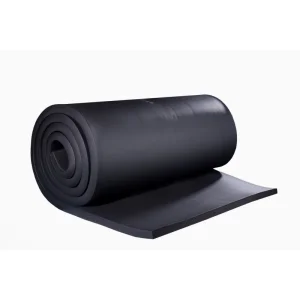
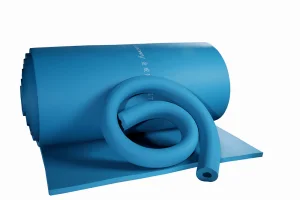
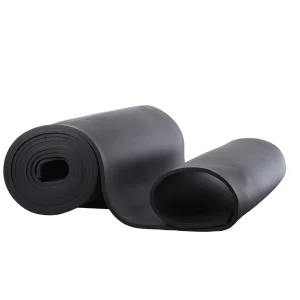
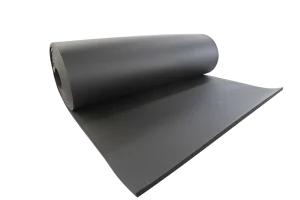
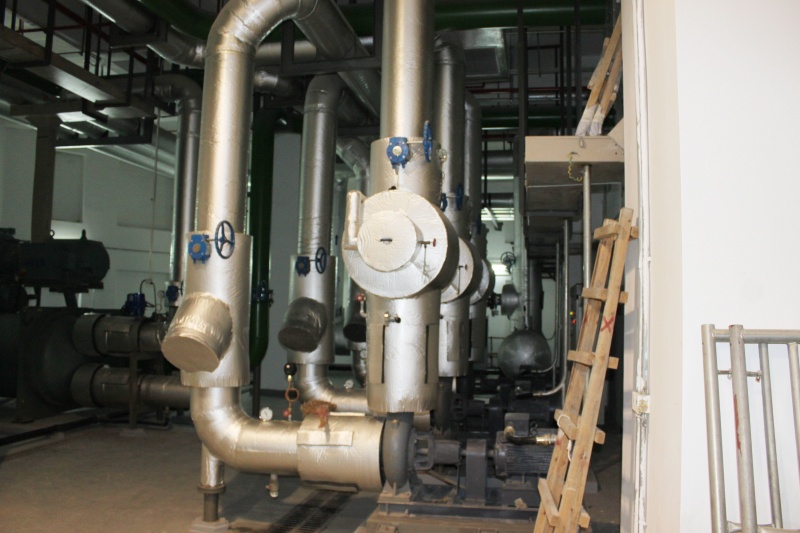
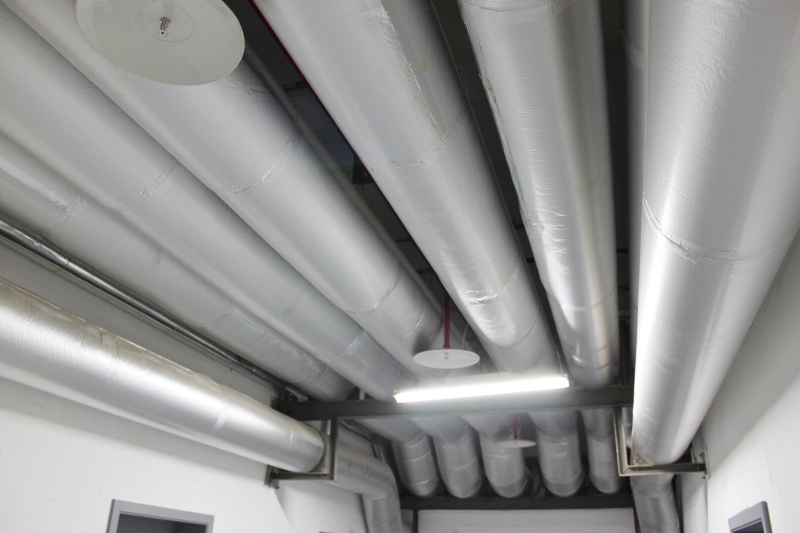
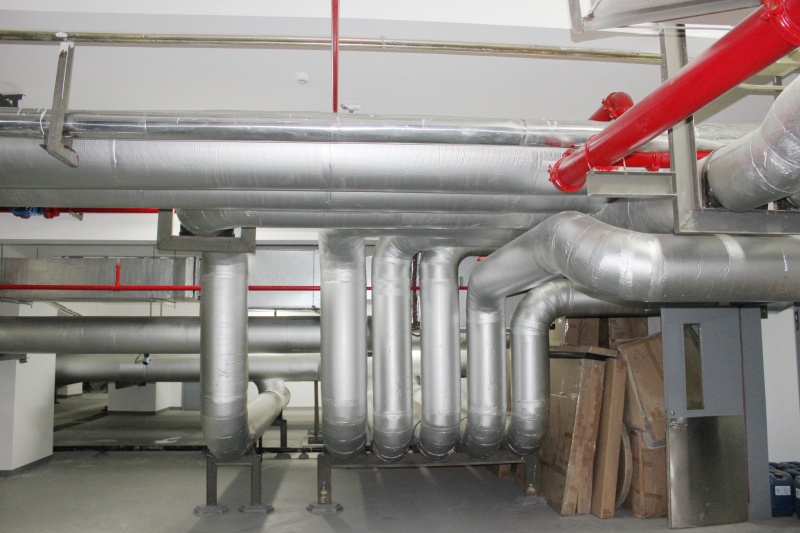
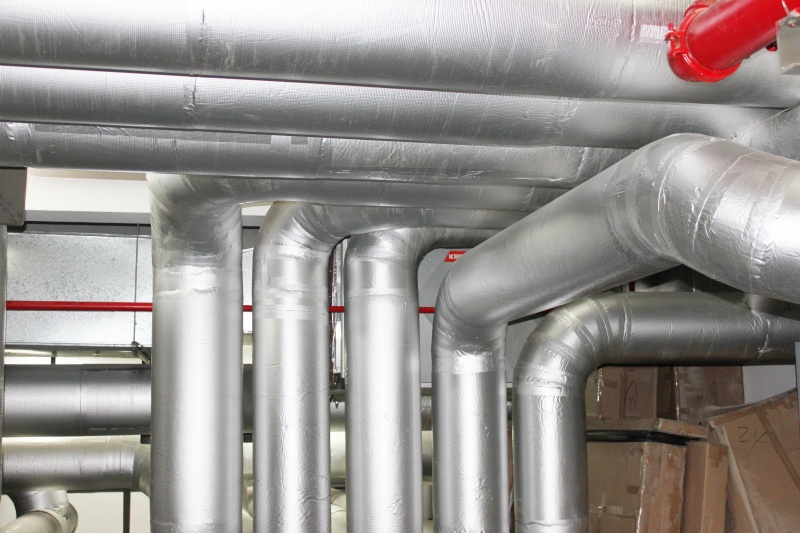
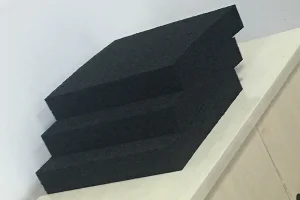
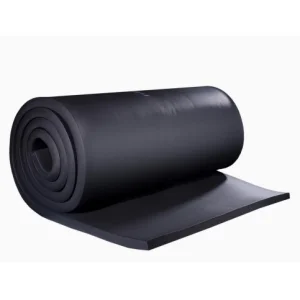
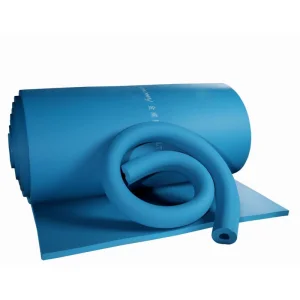
High-performance elastomeric sheets designed for wrapping HVAC ductwork, commercial piping, and equipment casing.

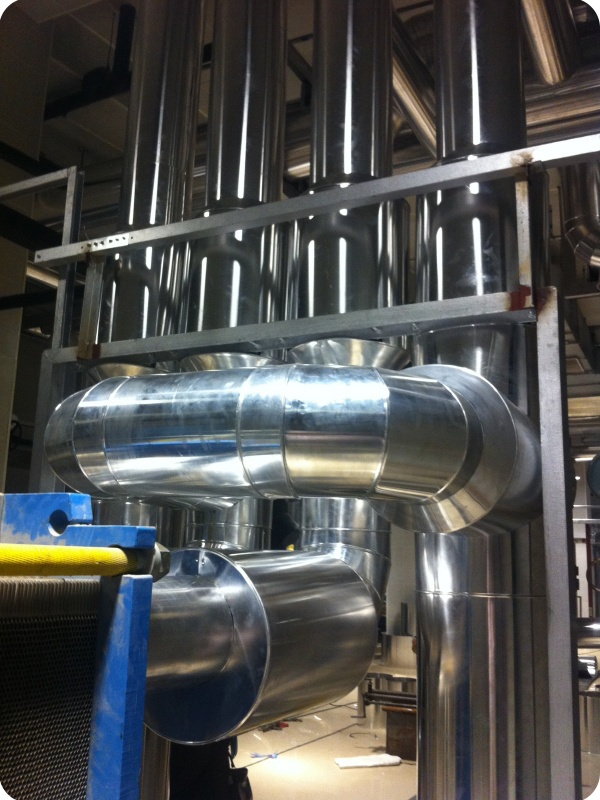
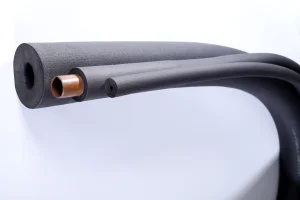
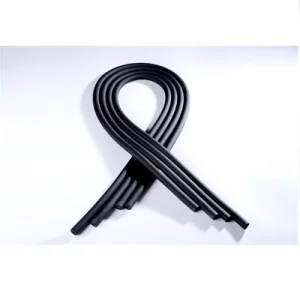
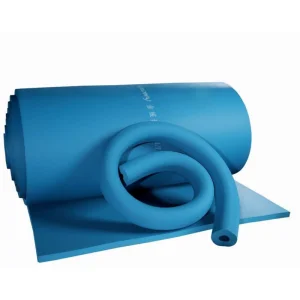
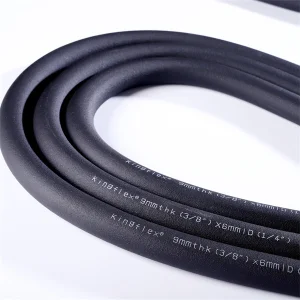
Extruded tubes designed for quick installation on hot and cold process piping, refrigeration lines, and hydronic networks.
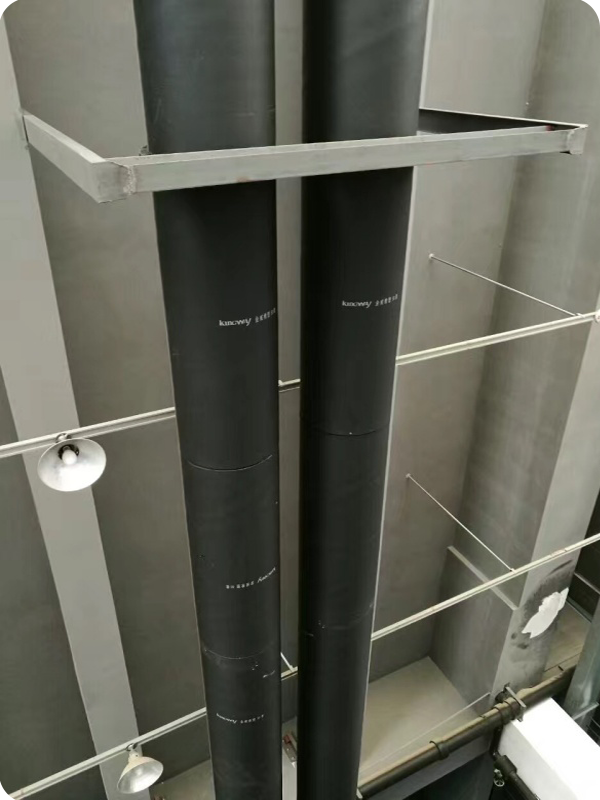
Our continuous research and development program ensures all products meet international environmental and safety standards.
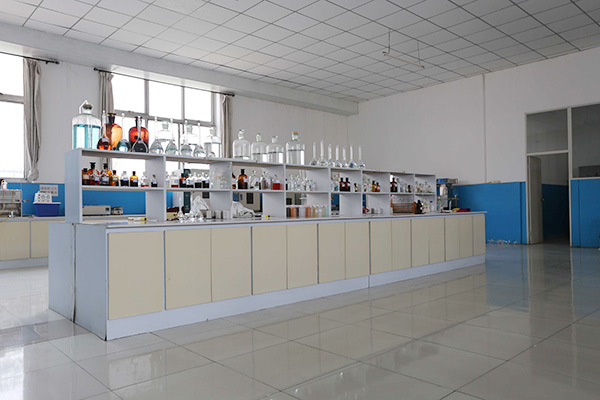
With eight dedicated research engineers and comprehensive testing facilities, we monitor parameters including thermal conductivity, fire spread, smoke density, and moisture absorption.

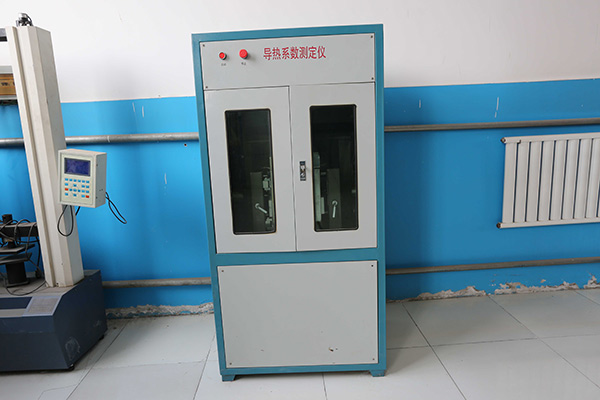
Acoustic lagging and flexible insulation systems are deployed across various building types, industrial plants, and transportation networks. The mechanical challenges of each environment determine the specific material configuration required:
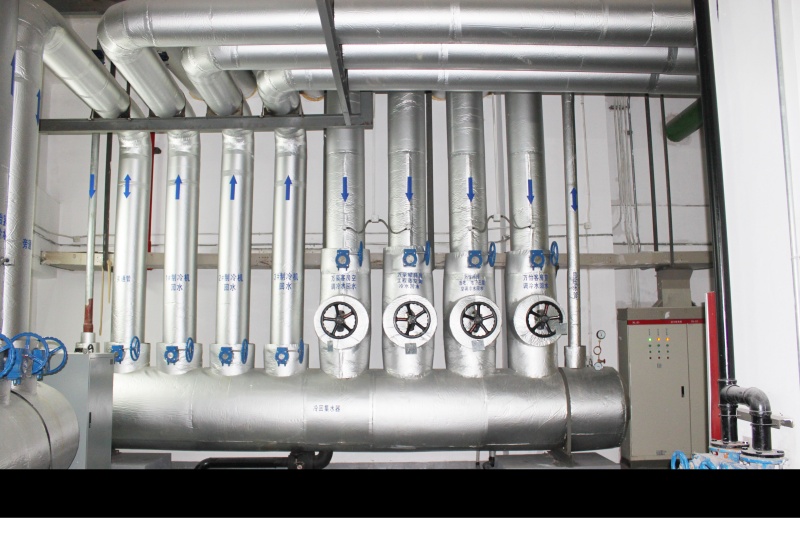
Prevents breakout noise from high-velocity air conditioning ducts in airports, hospitals, high-rise offices, and shopping malls. Provides thermal barrier insulation to prevent condensation and improve energy efficiency.
Engineered for extreme sub-zero applications down to -200°C. Protects liquefied gases and cold-chain equipment while controlling heat gain and moisture ingress.
Applied to chemical pipelines, steam mains, and power plant boilers to reduce noise, control process heat, and protect workers from high-temperature surfaces.
Kingflex products undergo testing and certification by third-party laboratories to ensure compliance with global fire safety and building material standards. Our manufacturing processes support batch traceability, enabling project managers to verify material origin and testing performance.
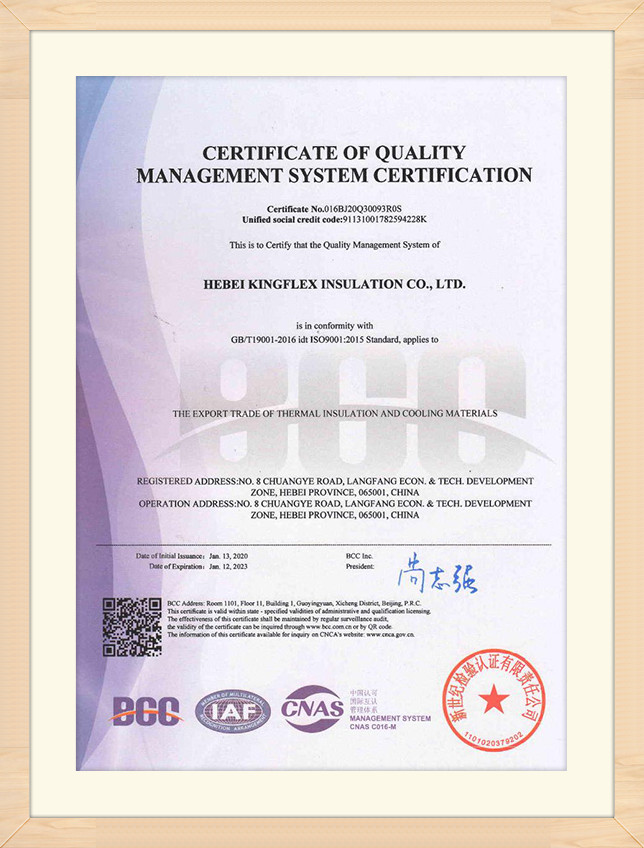


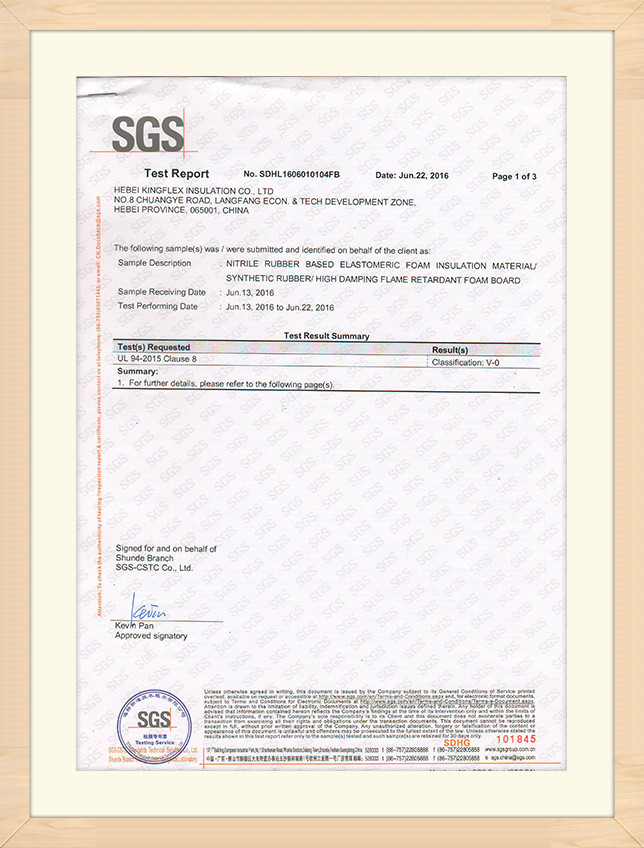
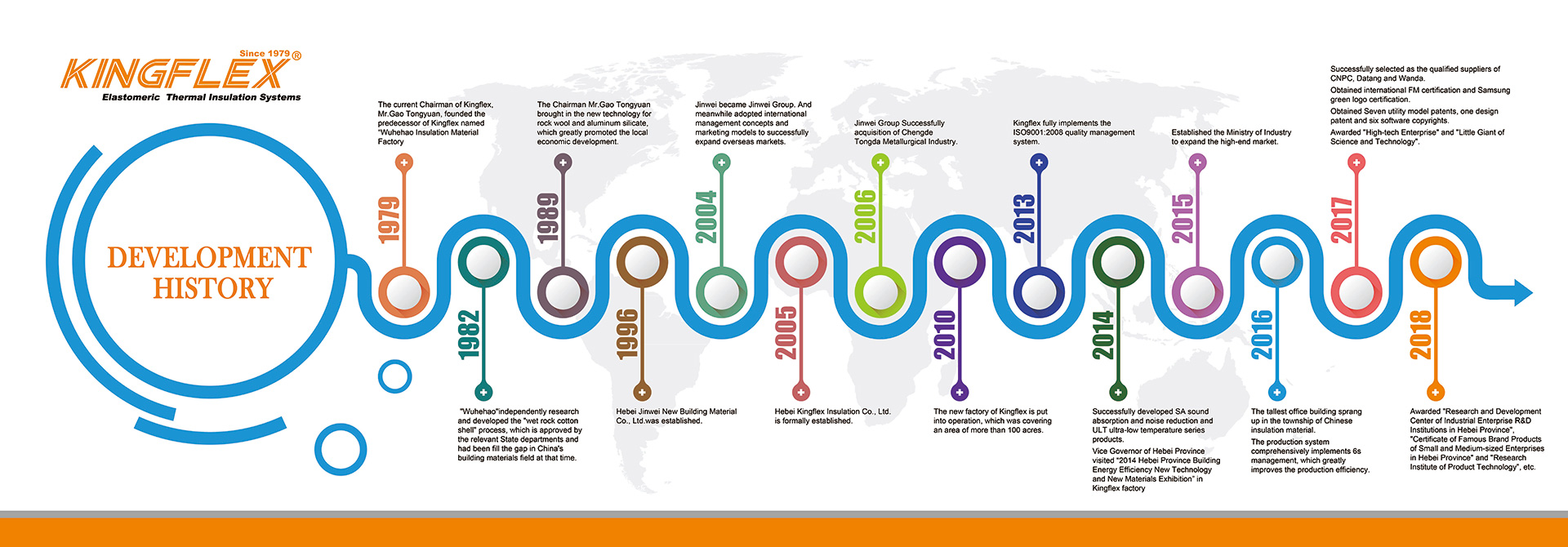
Kingflex was established by the Jinwei Group, which brings over 40 years of industry history. Founded in 1979, the Jinwei Group was among the early manufacturers of thermal insulation materials north of the Yangtze River.
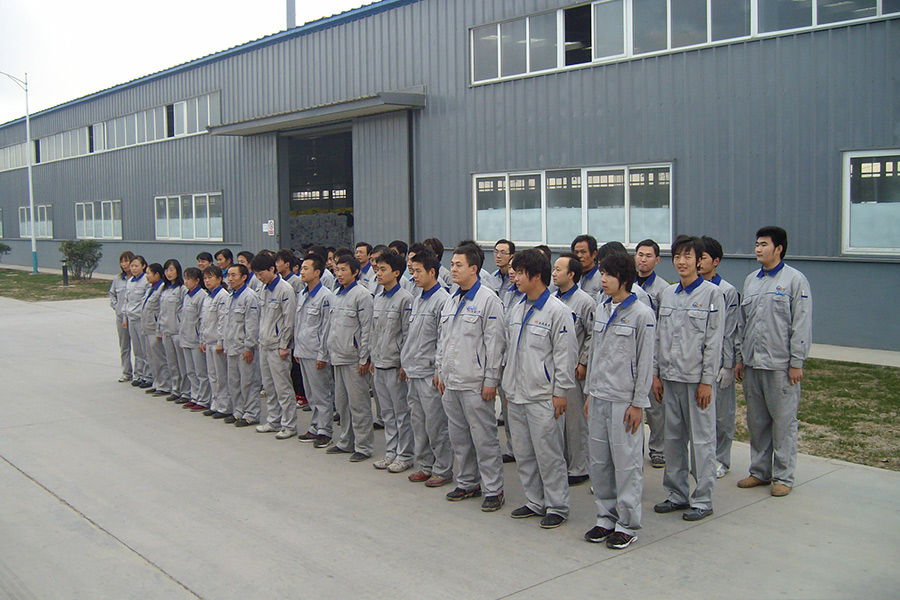
Building on this foundation, Kingflex focuses on advanced research and manufacturing. Our team includes eight research and development engineers, six international sales representatives, and 230 production workers, allowing us to manage large-scale global shipments while providing direct technical support.
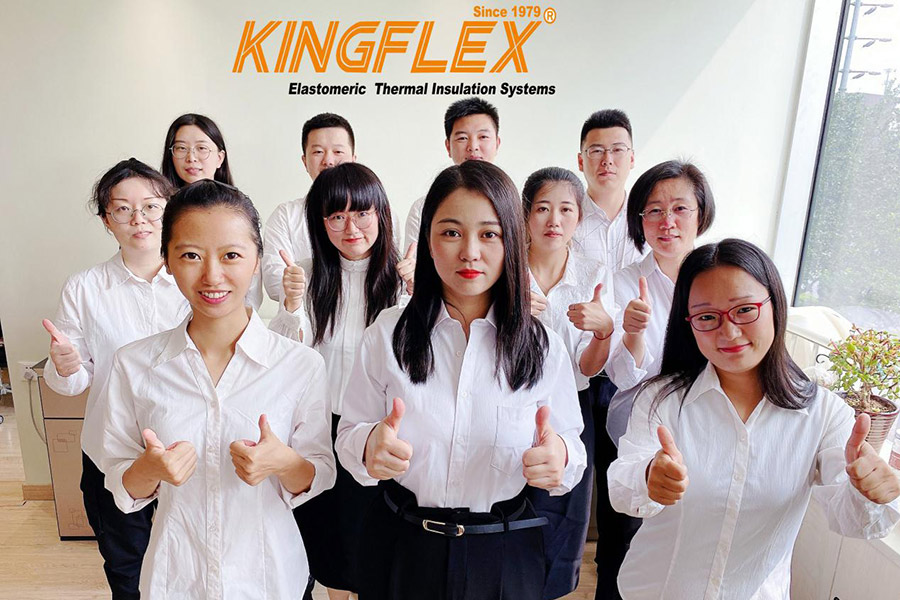
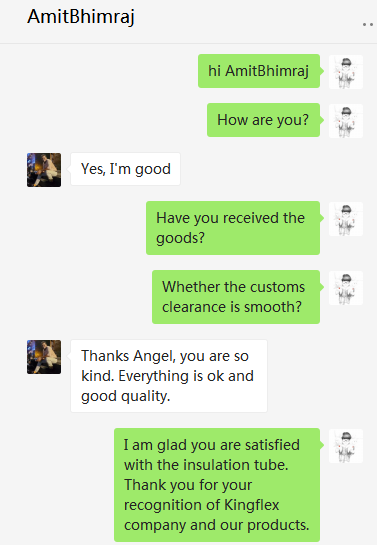
Maintaining close partnerships with global engineering consultants and clients to deliver verified thermal and acoustic performance.







Key information regarding architectural acoustics, fire safety certifications, and installation standards.
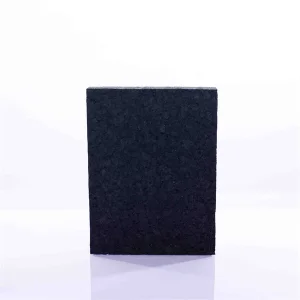
High-performance elastomeric and mineral fiber products engineered for demanding environmental conditions.
 Kingflex