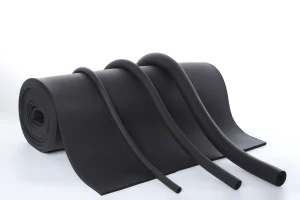
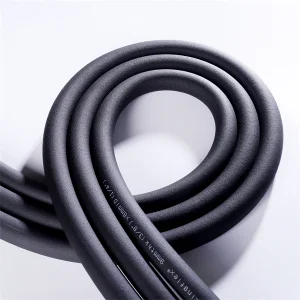
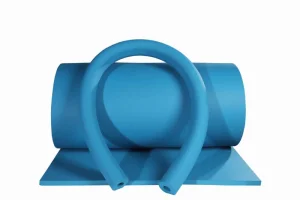
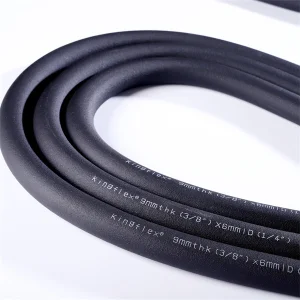
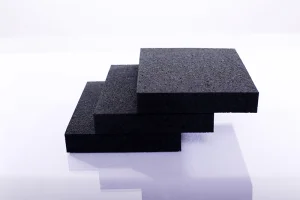
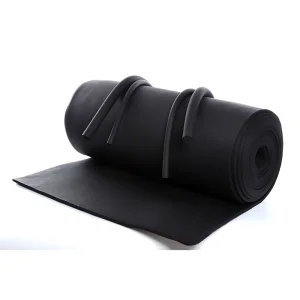
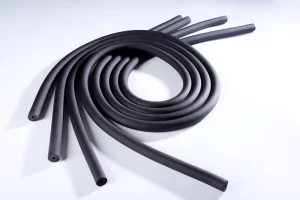
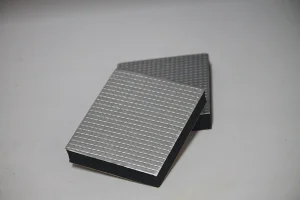
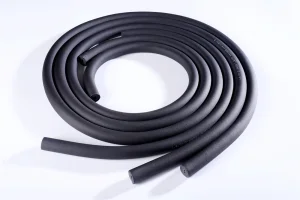
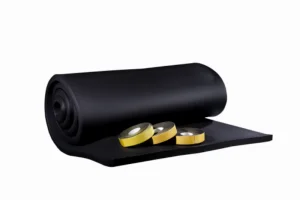
Explore our premium selection of flexible closed-cell elastomeric rubber foam sheets, rolls, tubes, and auxiliary systems manufactured to meet rigorous international standards.
In modern industrial and building engineering, elastomeric insulation stands as a cornerstone technology for energy conservation, thermal control, and condensation prevention. Characterized by its elastomeric closed-cell structure, this material—primarily derived from Nitrile Butadiene Rubber (NBR) and Polyvinyl Chloride (PVC) blends—presents an optimal balance of low thermal conductivity, high moisture resistance, and flexibility. As HVAC systems, industrial pipeline infrastructures, cleanrooms, and data centers scale globally, the demand for cost-effective, high-performing insulation materials has intensified.
China has established itself as the global manufacturing epicenter for elastomeric rubber foam insulation. By leveraging advanced automation, local chemical supply chain integration, and concentrated industrial clusters—most notably in Dacheng, the green-building materials capital—Chinese manufacturers like Kingflex Insulation Co., Ltd. offer unparalleled scaling capabilities. Global procurement directors must navigate this complex landscape, balancing the raw cost-efficiency of Chinese production with technical compliance parameters (ASTM, BS 476, CE, REACH) and shipping logistics. Acquiring reliable pricelists requires a comprehensive understanding of raw material pricing mechanisms, cell-density specifications, and customized enhancements such as self-adhesive backings and aluminum composite facings.
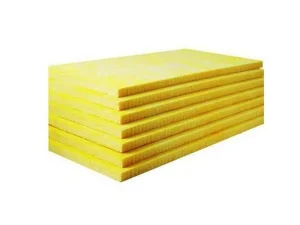
The superior performance of elastomeric insulation is rooted in its micro-cellular topology. Unlike open-cell fibrous structures (such as rockwool or glass wool) which rely on trapped air pockets susceptible to moisture saturation, elastomeric foam features millions of microscopic, independent gas cells. This structure inherently limits convection and moisture diffusion. The formulation incorporates high-quality NBR to provide flexibility and oil resistance, combined with PVC for flame retardancy and resistance to ozone and aging.
Below is a comparative analysis detailing how elastomeric NBR/PVC rubber foam performs relative to alternative mainstream insulation technologies:
| Performance Parameter | Elastomeric NBR/PVC Foam | Glass Wool Board | Rock Wool (Stone Wool) |
|---|---|---|---|
| Thermal Conductivity (λ) | ≤ 0.034 W/(m·K) at 0°C | ≤ 0.038 W/(m·K) | ≤ 0.040 W/(m·K) |
| Moisture Permeability (μ) | ≥ 10,000 (Highly resistant) | 1 (Requires separate vapor barrier) | 1 (Highly vulnerable to moisture) |
| Temperature Range | -40°C to +105°C (Cryogenic variants down to -196°C) | -120°C to +400°C | Up to +650°C |
| Fire Safety Standard | BS 476 Class 0, UL 94 V-0, DIN 4102 B1 | Class A1 Non-combustible | Class A1 Non-combustible |
| Flexibility & Installation | Excellent; easy to cut, wrap, and seal | Moderate; requires protective clothing | Low; rigid and abrasive |
From an installation perspective, the closed-cell nature of NBR/PVC eliminates the need for separate, external vapor retarders in chilled water and refrigeration piping systems. If damaged, only the affected cells are compromised, preventing moisture from migrating down the pipe and causing Under-Insulation Corrosion (CUI).
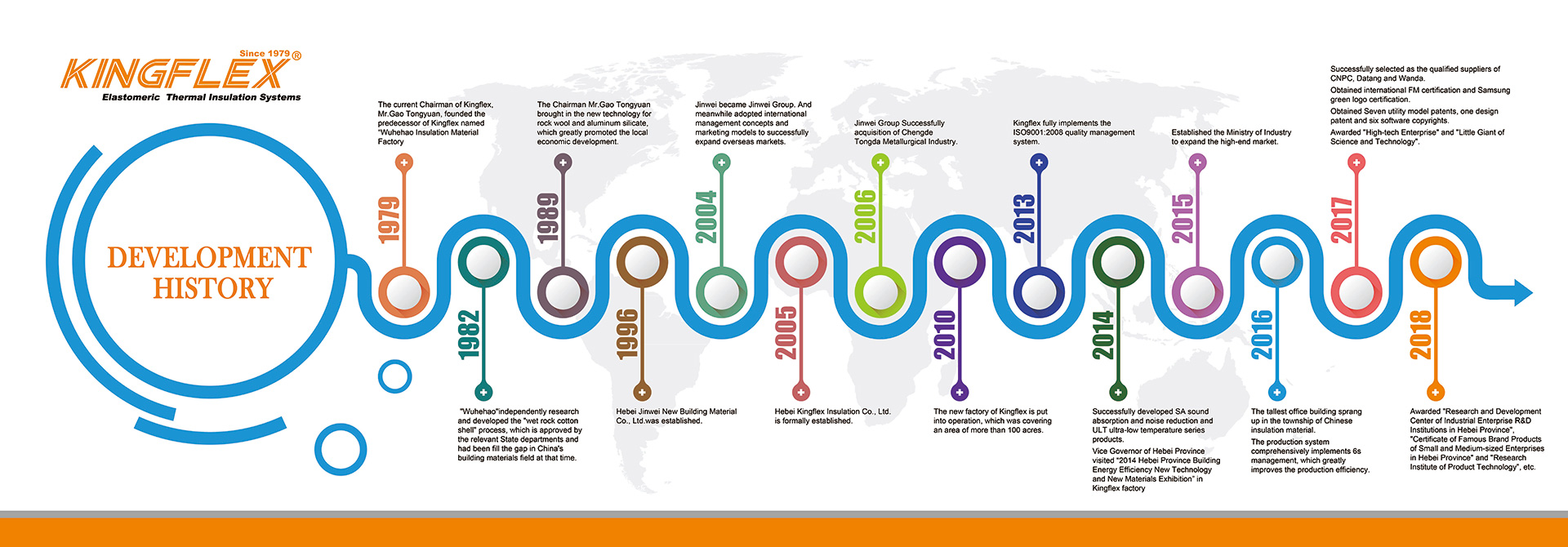
Established under the aegis of the Jinwei Group—a pioneer in thermal insulation with an illustrious history dating back to 1979—Kingflex Insulation Co., Ltd. has grown to become the premier manufacturing and trading combo in northern China. For over four decades, the group has stood at the forefront of green building materials R&D, serving as a designated strategic production hub for the Ministry of Energy, Ministry of Electric Power, and Ministry of Chemical Industry.
Operating out of Dacheng, Kingflex integrates state-of-the-art chemical engineering with environmental consciousness. The company features 5 fully automated assembly lines capable of producing over 600,000 cubic meters of high-density rubber foam annually. With a specialized team comprising 8 senior R&D engineers, 6 international sales experts, and over 230 skilled production technicians, Kingflex delivers custom solutions spanning consulting, material development, and professional post-sale installation guidance.

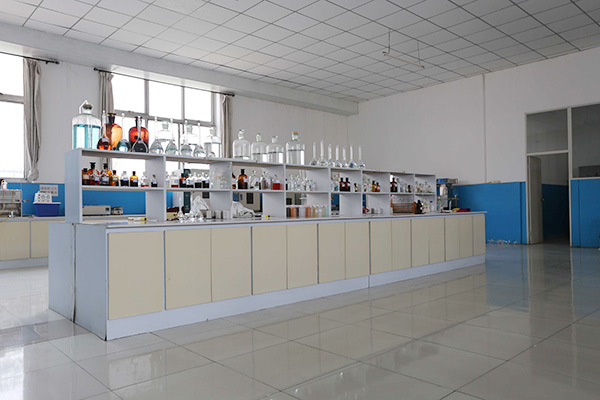
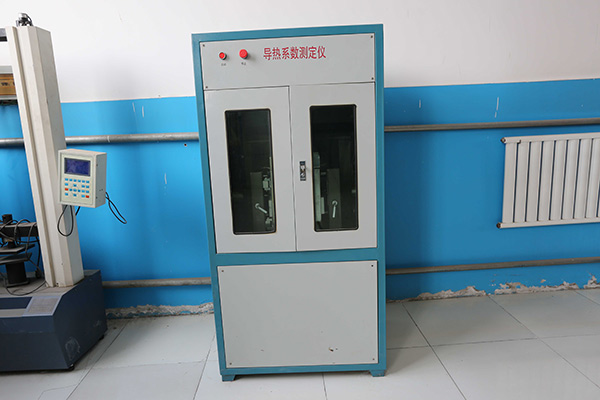
Equipped with advanced lab testing instruments for density, flame spread index, thermal conductivity, and tensile strength, our engineers formulate custom compounds to withstand extreme architectural and industrial stress.
Over the past 16 years, Kingflex has successfully exported thermal, cold, and acoustic insulation systems to 66 countries across North America, Europe, the Middle East, Southeast Asia, and South America.
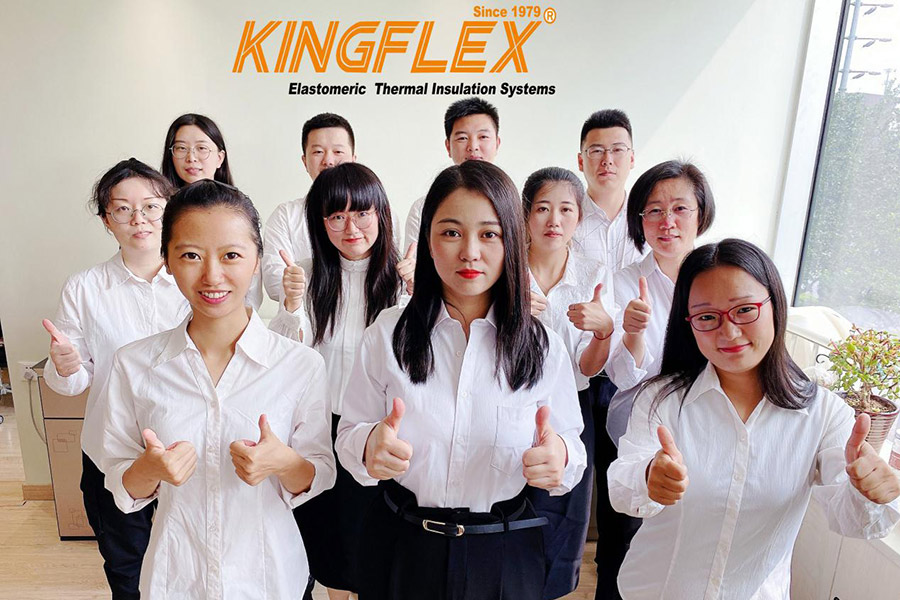
Our dedicated workforce works in tight synergy to guarantee quality control, high compliance standards, and efficient order fulfillment.
NBR/PVC elastomeric insulation is not a singular-use product but a versatile engineering solution designed for diverse applications across major global industries:
Used to wrap air distribution ducts, chilled water lines, and condensate piping. By eliminating heat gain/loss, Kingflex foam prevents surface condensation which causes mold growth, metal corrosion, and ceiling damage in commercial complexes, hospitals, and high-rise developments.
For high-spec HVAC systems, fiber-free insulation is mandatory. Kingflex closed-cell rubber does not shed particles or release volatile organic compounds (VOCs), ensuring air cleanliness index compliance.
Protects piping containing hot steam, toxic petrochemical mixtures, or reactive compounds. Excellent resistance to chemical corrosion, oils, weathering, and structural vibration extends the service life of heavy infrastructure.
Specially designed low-temperature elastomeric formulations operate reliably down to cryogenic limits (-196°C), keeping liquid gases stable during transit and preventing massive ice accumulation on pipes.

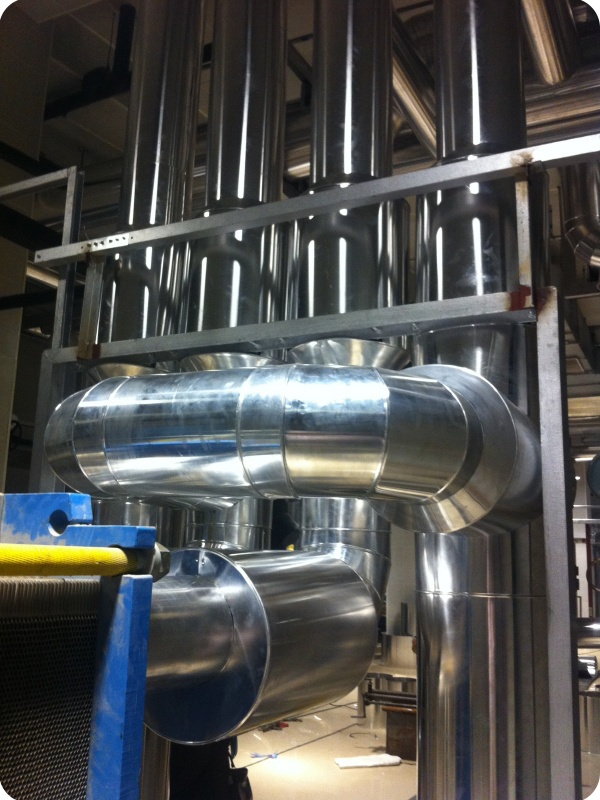
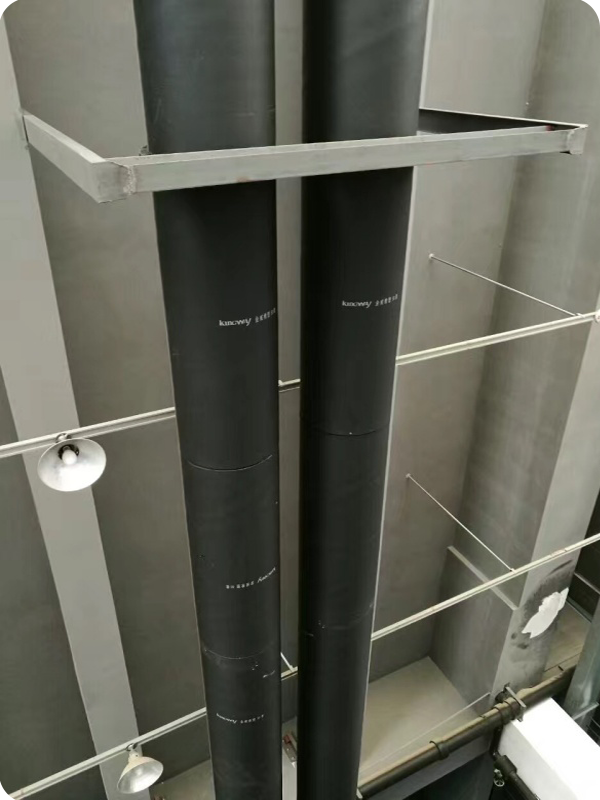
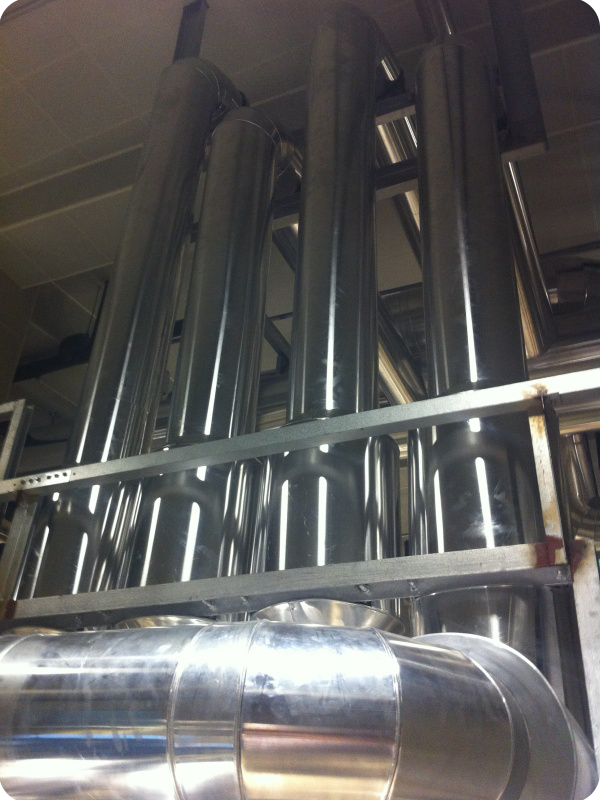
Acquiring an accurate elastomeric insulation pricelist requires an understanding of the key cost drivers. Prices are usually quoted per cubic meter (m³) for wholesale bulk orders or per linear meter/piece for tubes. Standard thickness dimensions range from 6mm to 50mm, and tube IDs scale from 6mm to 114mm.
1. Raw Material Index: Nitrile rubber and PVC polymers are petroleum derivatives. Fluctuation in global crude oil and petrochemical monomer prices directly dictates the factory's base material costs.
2. Foaming Agents & Density Control: Higher density foam (50-55 kg/m³) uses more raw polymer, elevating material performance (compression resilience, mechanical strength) and overall cost. Standard ranges hover between 40-55 kg/m³.
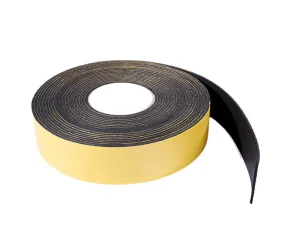
3. Facing/Composite Enhancements: Adding factory-applied self-adhesive backings or high-tensile aluminum foil facings increases material cost by 15% to 40% but dramatically lowers onsite labor and installation time.
For international projects, shipping costs can heavily impact landing prices. Because rubber insulation is low-density and high-volume, purchasing NBR/PVC rolls packed in compressed packaging, or nesting smaller diameter tubes inside larger ones, optimizes ocean container volume utilization and lowers shipping costs per cubic meter.

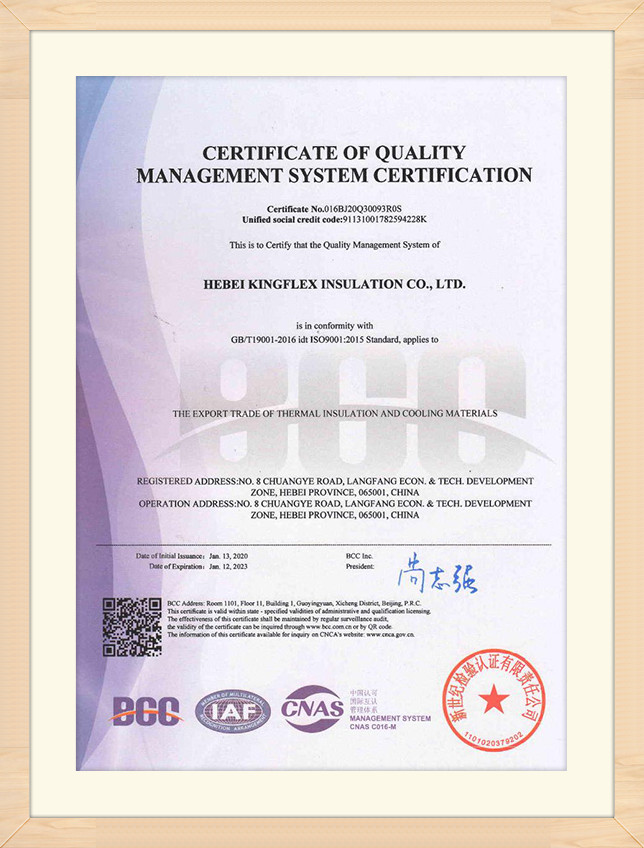
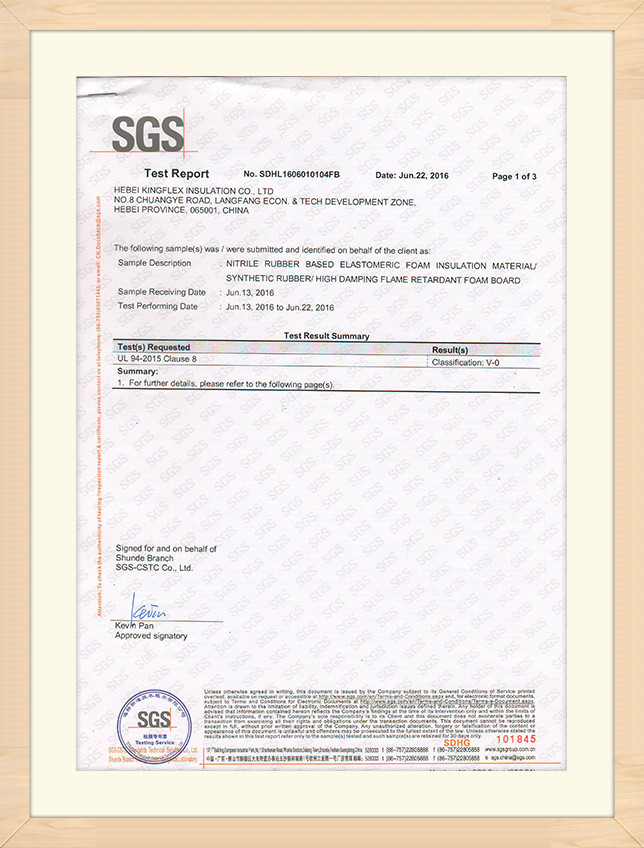
Exporting to highly regulated markets like North America and the European Union requires strict compliance with international fire safety, chemical restriction, and environment guidelines. Building regulations dictate that thermal insulation products must meet low smoke emission and flame spread propagation standards to prevent toxic gas generation in structural fires.
Kingflex materials undergo systematic third-party testing to achieve certification:
We maintain full batch traceability on all shipments, ensuring quality and accountability for large-scale industrial projects.


The global insulation industry is undergoing a structural shift driven by carbon neutrality mandates and sustainable building standards (LEED, BREEAM). The future of elastomeric insulation centers on three main technological pillars:
Transitioning from traditional foaming agents to chemical blowing systems with Zero Ozone Depletion Potential (ODP) and near-zero Global Warming Potential (GWP), meeting global climate targets.
Developing Halogen-Free Elastomeric Foam (HFF) that does not release toxic chlorine or bromine vapors in a fire, making it safer for critical environments like subway tunnels and marine applications.
Integrating flexible thin-film temperature and moisture sensors under the insulation layer, enabling predictive maintenance to detect water ingress before corrosion occurs.
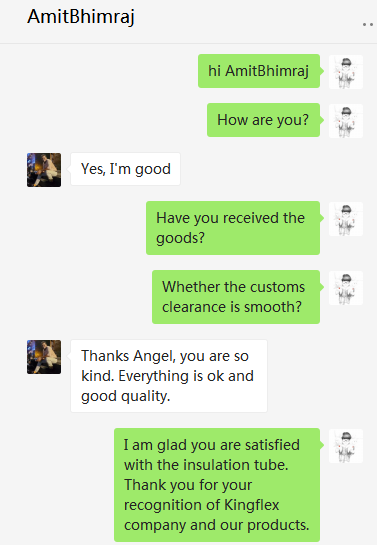
Our commitment to clear communication and customer satisfaction is backed by verified client interactions. We work closely with global buyers to provide timely updates and detailed technical data.




Our production floor uses automated extrusion, continuous vulcanization, and chemical foaming systems to ensure uniform cell structures and consistent thermal performance across every batch.
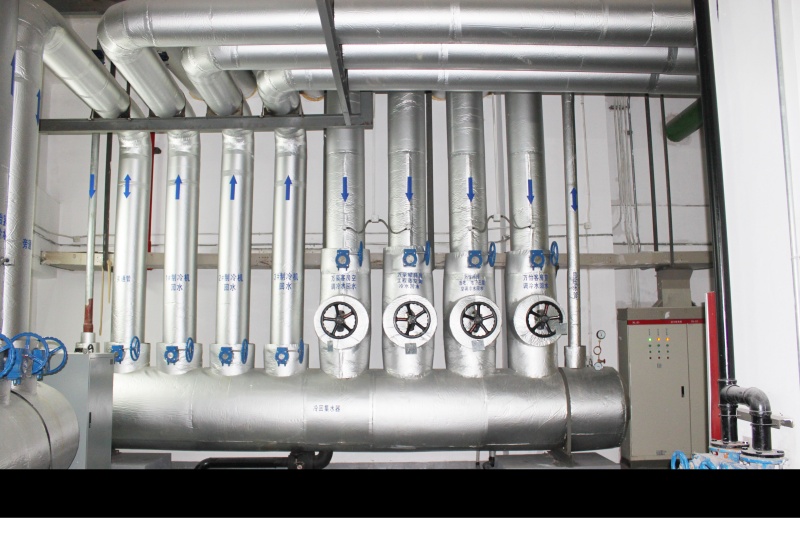


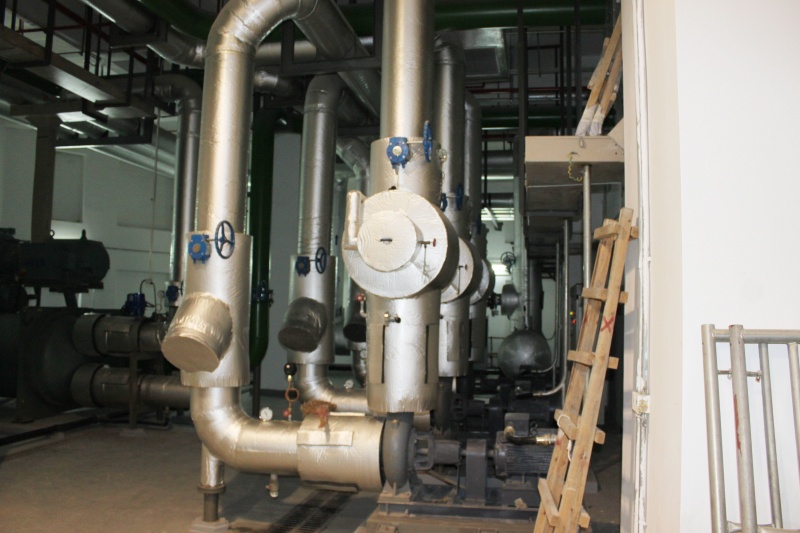
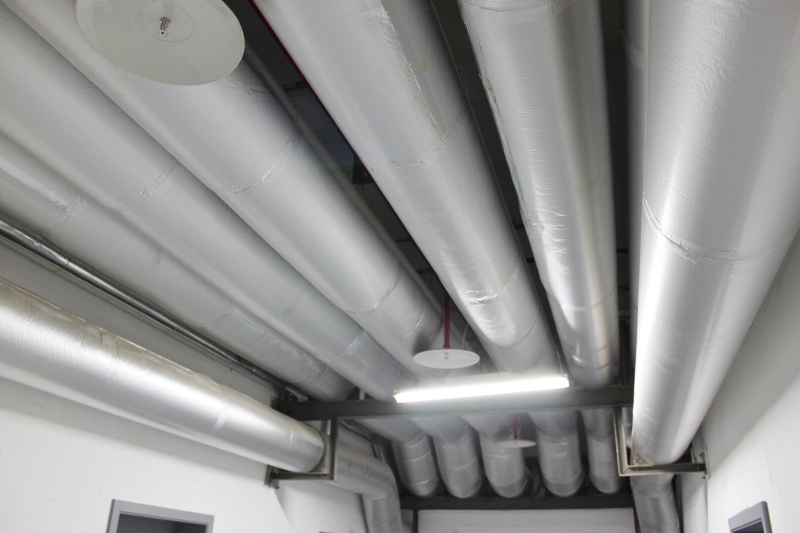

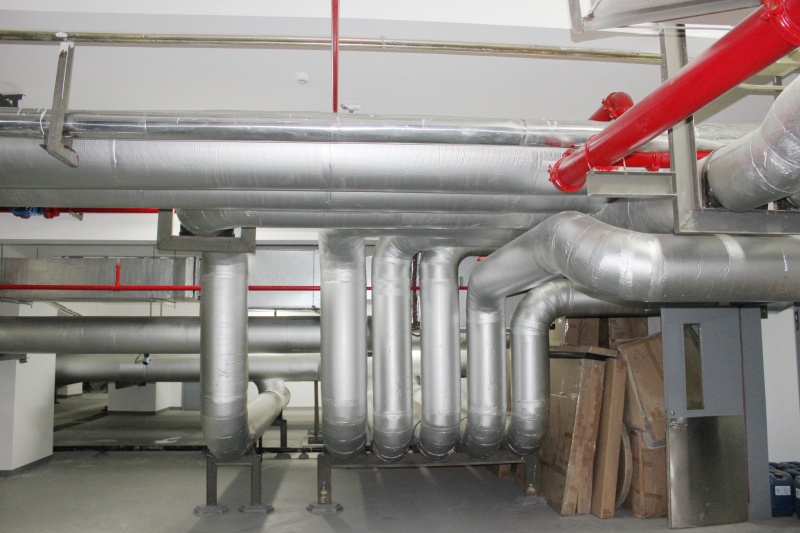
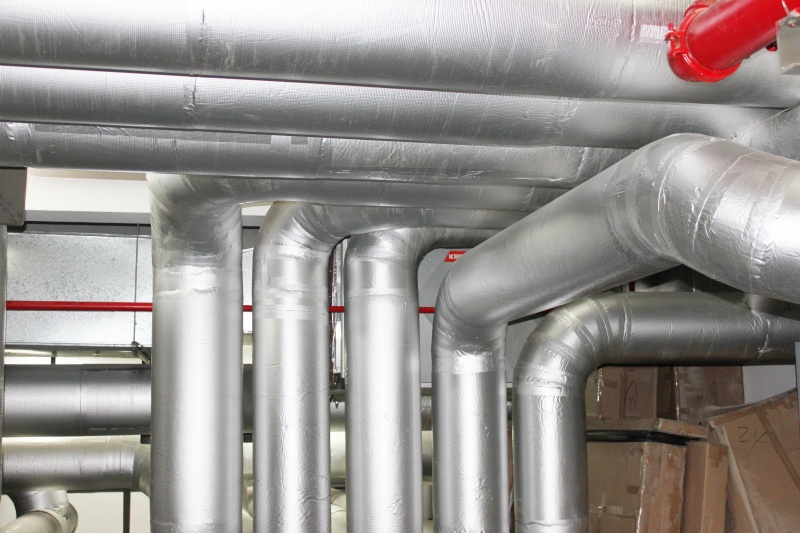
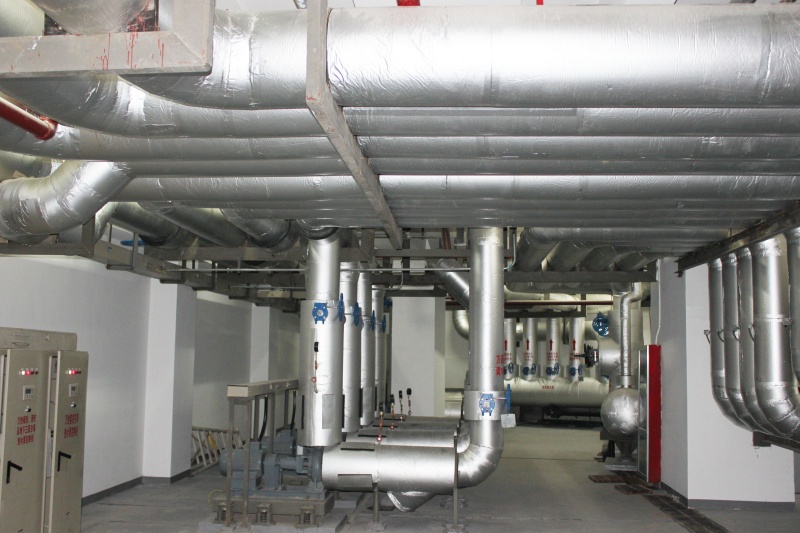
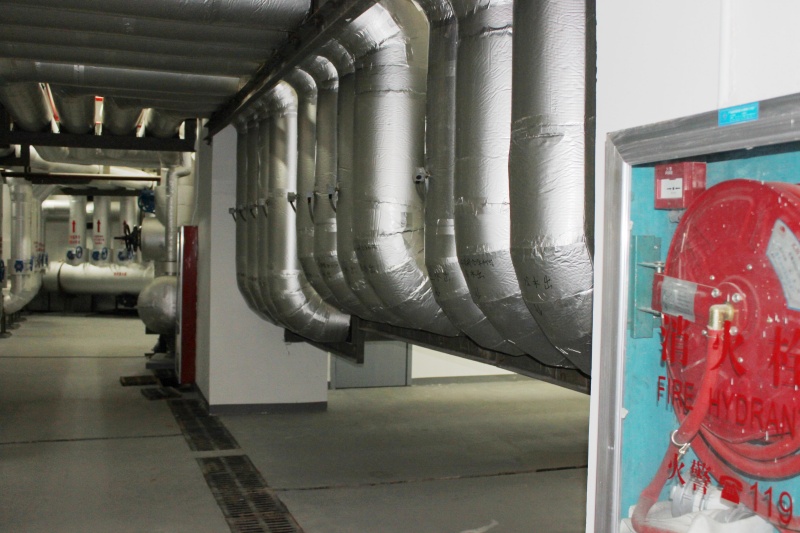
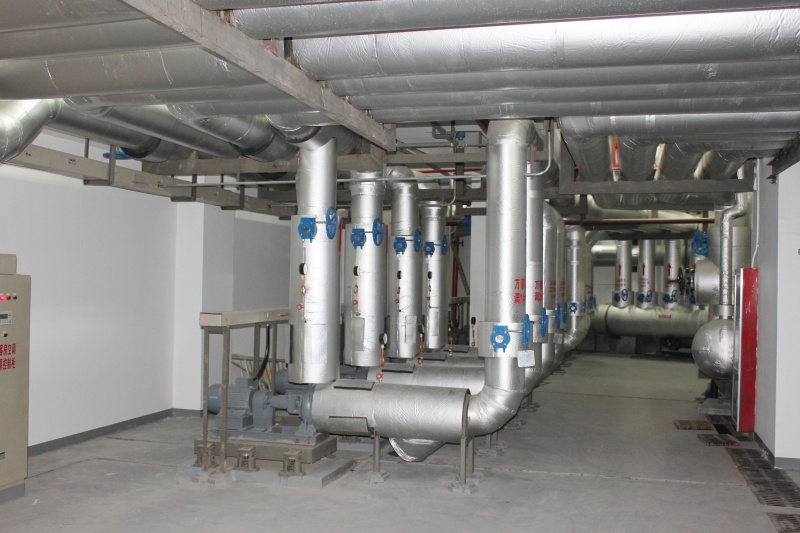

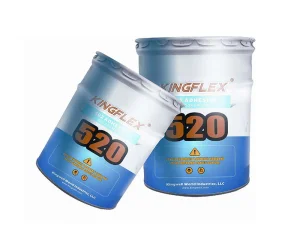
Our extended product line includes low-temperature cryogenic materials, pipe tubes, acoustic panels, and specialized adhesives to ensure a complete, high-performance thermal installation.
 Kingflex