Explore our premium grade elastomeric sheets, cryogenic piping wraps, and acoustic control systems engineered for structural longevity.
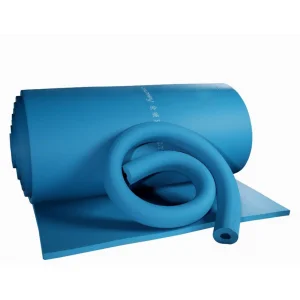
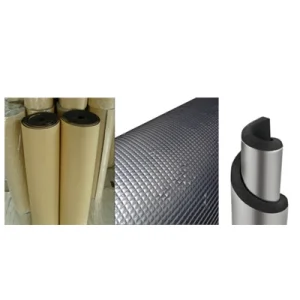
External piping systems, particularly those carrying chilled water, refrigerants, or condensate drainage, operate in environments prone to extreme temperature variations. When cold fluid circulates through a pipe exposed to warm, humid outdoor air, the surface temperature of the pipe falls below the local dew point. Without an effective, vapor-impermeable barrier, water vapor naturally condenses on the pipe surface, initiating a cycle of structural issues: corrosion under insulation (CUI), mold growth, and reduced HVAC performance.
Kingflex Insulation Co., Ltd. specializes in addressing this physical phenomenon. By utilizing high-density, closed-cell NBR/PVC elastomeric foam, our products block the migration of ambient moisture toward the cold pipe surface. The thermal conductivity (λ) remains stable at ≤ 0.034 W/(m·K) at 0°C, offering a reliable barrier that functions in temperatures ranging from -40°C to 105°C (and down to -200°C for specialized cryogenic lines).
"Controlling condensation is not just about keeping the pipe dry; it is about protecting the operational integrity of the entire mechanical plant. An uninsulated 100-meter condensate run can cost a commercial property thousands annually in energy losses and structural repair."

A technical comparison of standard elastomeric foam pipe and sheet insulation parameters.
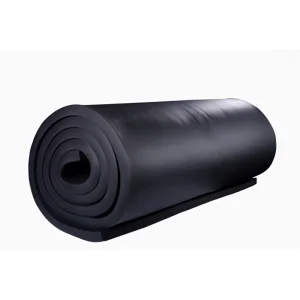
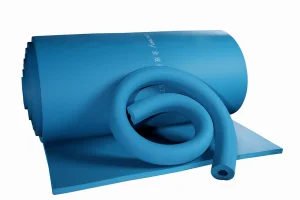
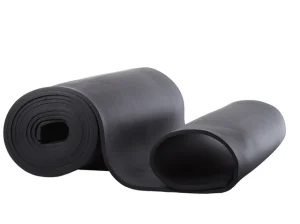
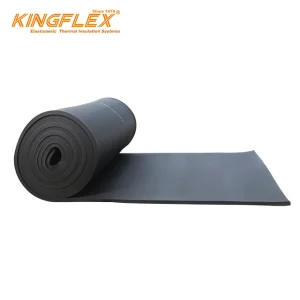
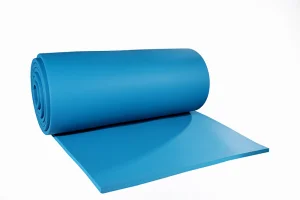
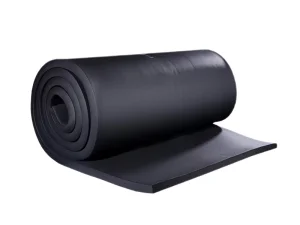
Ideal for flat, large-diameter ductwork, tanks, and structural fittings. The formulation integrates a balanced mix of Nitrile Butadiene Rubber (NBR) and Polyvinyl Chloride (PVC) for flexibility and fire resistance.
| Characteristic | Value / Parameter |
|---|---|
| Material Composition | NBR / PVC Premium Blend |
| Thickness Range | 6mm to 50mm |
| Density | 40 to 55 kg/m³ |
| Operating Temperature | -40℃ to 105℃ |
| Closed Cell Rate | > 98% |
| Compression Resilience | > 80% |
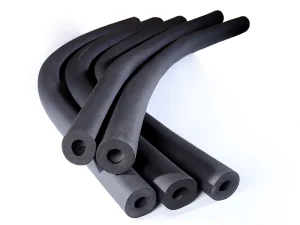
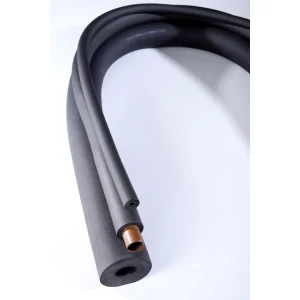
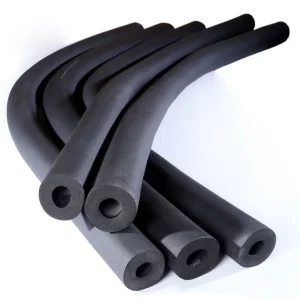
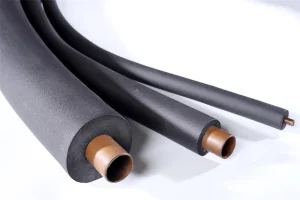
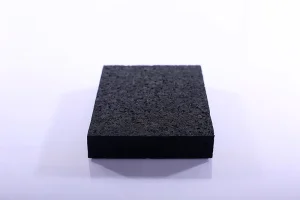
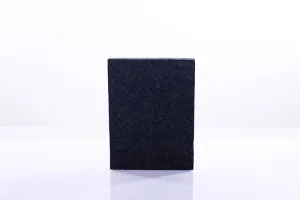
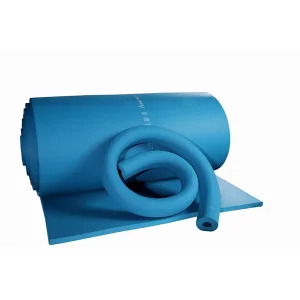
Designed specifically for tight fitment over standard industrial copper, steel, and PVC piping systems, preventing air pocket formations that harbor condensation.
| Characteristic | Value / Parameter |
|---|---|
| Material Composition | NBR / PVC Premium Blend |
| Thickness Range | 9mm to 40mm |
| Inner Diameter (ID) | 6mm to 114mm |
| Density | 40 to 55 kg/m³ |
| Operating Temperature | -40℃ to 105℃ |
| Flame Retardancy | Self-extinguishing, BS 476 Approved |
Group Established
M³ Annual Capacity
Countries Exported
Automated Lines
A comprehensive analysis of global procurement requirements, regulatory compliance, and thermal engineering advances.
Historically, external piping insulation relied heavily on open-cell fiberglass or rock wool clad with heavy metal jackets. While effective at high temperatures, these systems often failed in low-temperature or chilled-water configurations because any puncture in the vapor barrier allowed moisture to saturate the material, rendering it thermal-conductive. The development of vulcanized elastomeric rubber foam (NBR/PVC) solved this problem. The closed-cell structure inherently resists moisture ingress throughout its entire thickness, ensuring that minor surface nicks do not lead to complete insulation failure.
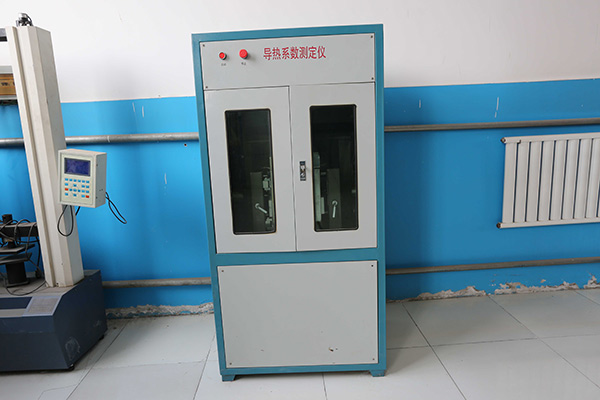
Purchasing managers for large-scale engineering, procurement, and construction (EPC) projects must navigate complex regional compliance regulations. To meet these international project criteria, Kingflex materials undergo rigorous performance testing:
Understanding the pricing structure of external condensate pipe insulation factories in China is essential for budgeting. The primary price drivers include:
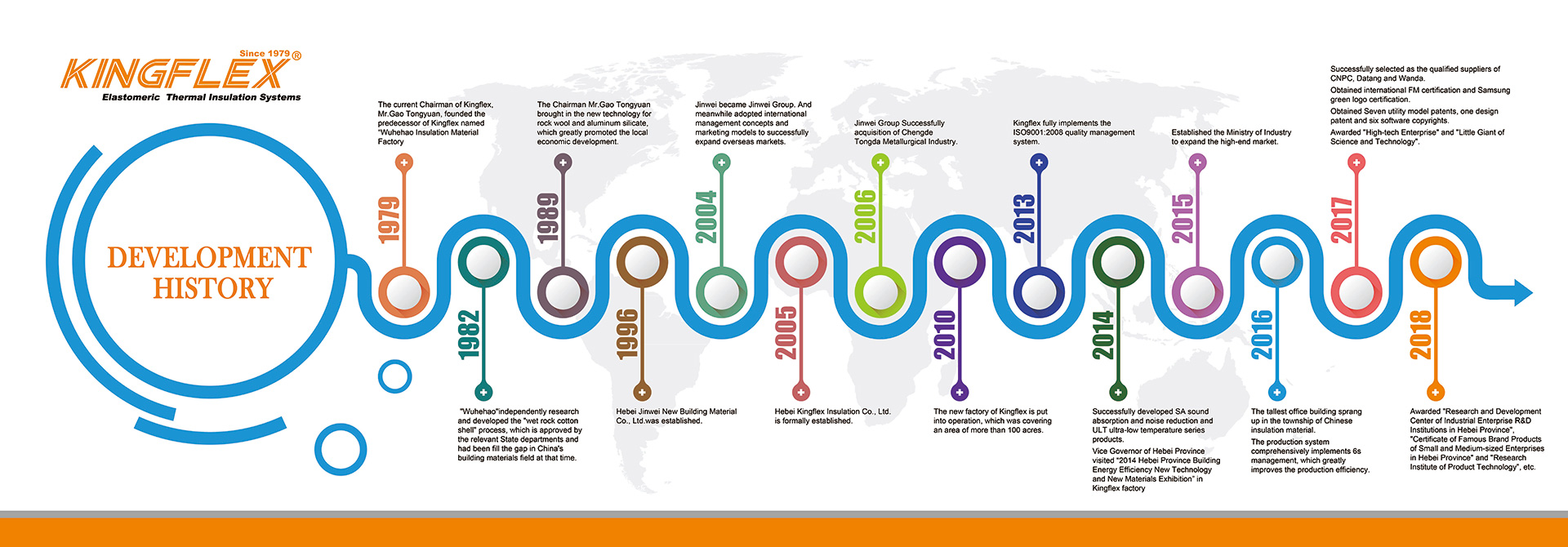
Established under the Jinwei Group, which boasts over 40 years of manufacturing history dating back to 1979, Kingflex has grown to become the premier developer of thermal and acoustic insulation in Northern China. Located in Dacheng, the recognized capital of green building materials, our modern factory utilizes five high-speed automated extrusion lines to yield an annual production capacity exceeding 600,000 cubic meters.
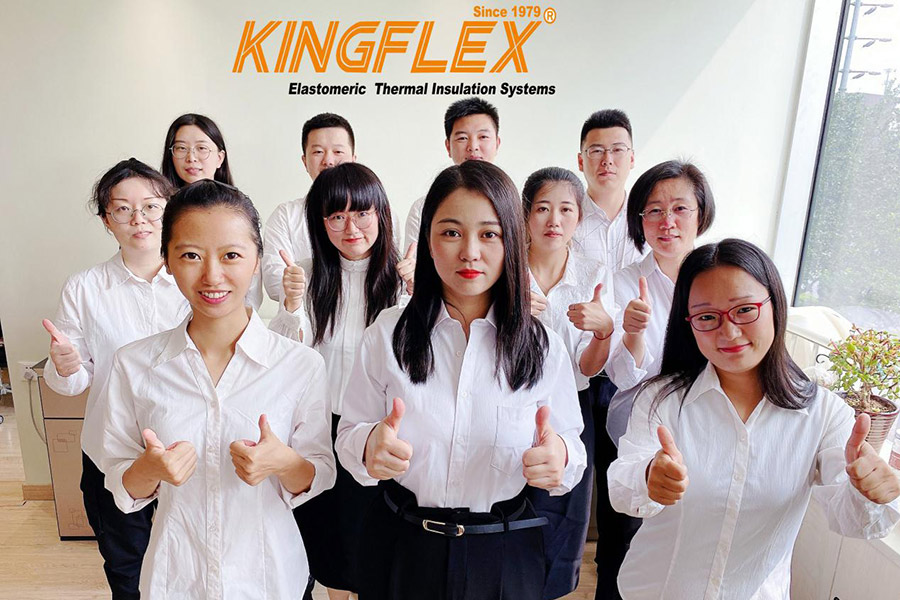
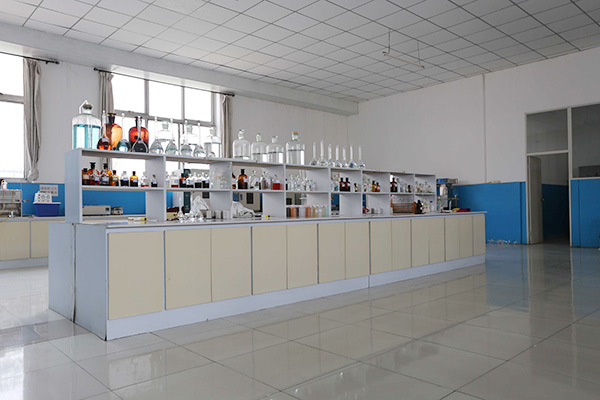
Our workforce includes 8 dedicated R&D engineers, 6 international customer support representatives, and over 230 skilled production professionals. This team ensures that every batch of NBR/PVC foam leaving the line maintains trace-labeled quality controls for density, cell size consistency, and flame retardancy.

How to properly implement closed-cell elastomeric insulation on outdoor lines for maximum lifetime efficiency.
Installing NBR/PVC foam in outdoor, exposed locations requires careful design to counter UV degradation, wind shear, and mechanical abuse. Simply sliding foam tubes onto pipes is not enough; the system must be installed as a continuous, sealed unit.
Clean the pipe thoroughly to remove oil, dust, and rust. Ensure the substrate is completely dry before application.
Slit the rubber foam tube lengthwise with a sharp blade. Keep cuts clean and straight to ensure tight seam alignments.
Apply contact adhesive to both cut edges. Let it dry until tacky, then press the seams together firmly.
Apply UV-resistant paint or jacket with aluminum cladding to protect the NBR/PVC polymer from sunlight damage.


Get answers to common technical, design, and commercial questions from our engineering department.
It is mainly used for HVAC ducts, air conditioning pipes, building thermal insulation, industrial pipeline cold insulation, and sound insulation. The closed-cell structure prevents warm, humid air from condensing on cold pipeline runs.
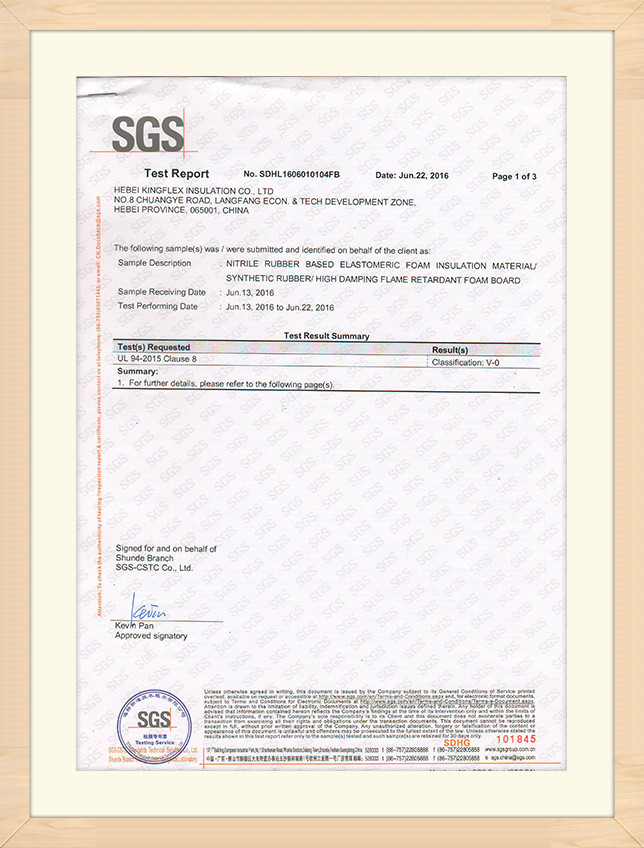
Yes, our rubber foam insulation products are flame retardant and self-extinguish when removed from direct fire. They are designed to meet international safety criteria, including BS 476 Class 0 and Class 1, UL94, and various regional building codes.
Rubber foam is flexible, closed-cell, and highly moisture-proof, making it ideal for refrigeration, HVAC, and condensation control on cold pipes. Rock wool is high-temperature resistant and fireproof, which makes it better suited for high-temperature industrial steam lines, but it requires a secondary cladding layer to prevent moisture absorption.
Yes, we provide full OEM and ODM services. We can customize dimensions (inner diameters, wall thicknesses), apply self-adhesive backings, add fiberglass or aluminum foil claddings, and run custom color runs according to the technical requirements of your project.
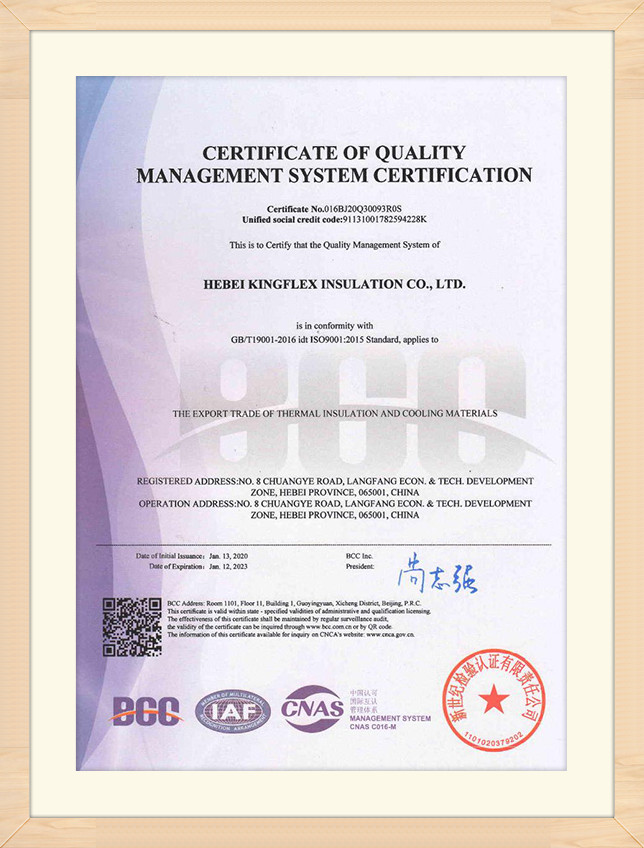
Our products have passed BS 476, CE, REACH, ROHS, UL94, and ASTM certifications. This ensures full compliance with international environmental and building safety standards for commercial and industrial construction.
Yes, every production run is coded and trace-labeled. We maintain raw batch logs, machine operating conditions, and lab test results for every shipment to ensure reliable quality control over time.
We can manufacture elastomeric sheets in thicknesses ranging from 6mm up to 50mm. Thicker sheets are typically used for heavy industrial tanks, low-temperature chillers, and large duct applications.
In standard indoor applications, the expected lifespan is 10 to 15 years. For outdoor, exposed installations, the lifespan depends heavily on UV protection. Using factory-applied aluminum foil wraps or UV coatings can help maintain insulation performance for more than 15 years.
Verified communication records and project deliveries from our global client operations team.


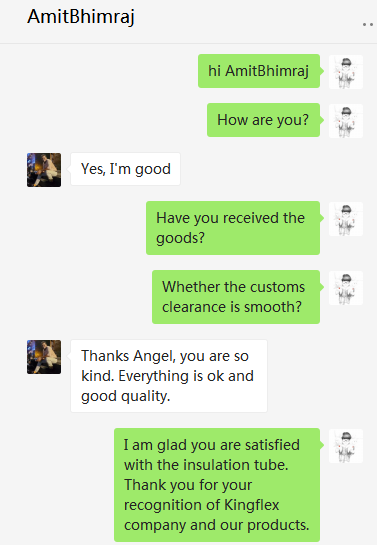

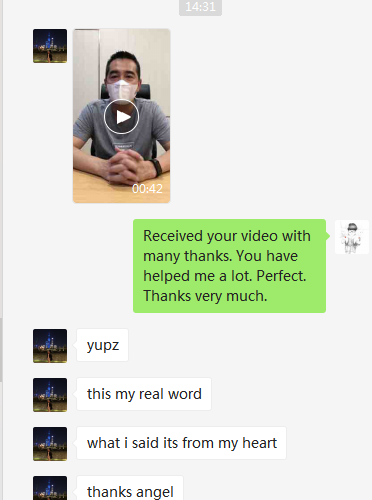
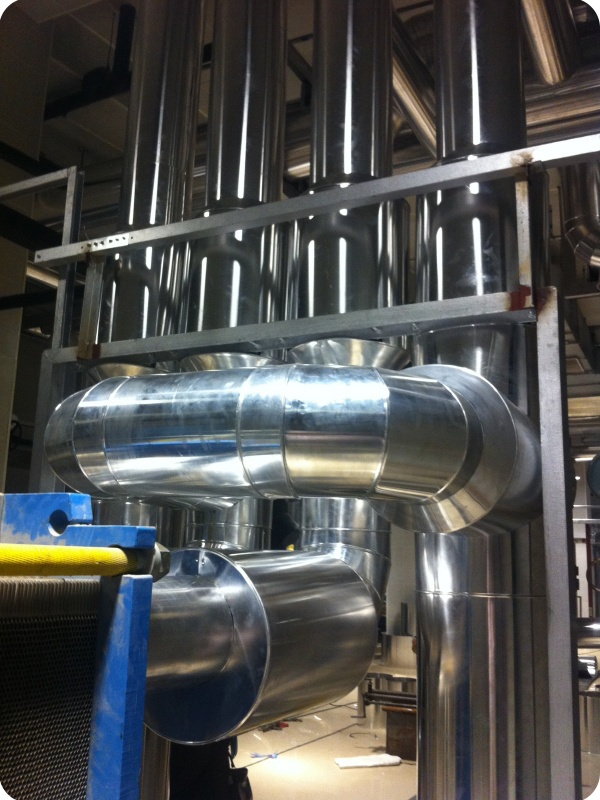
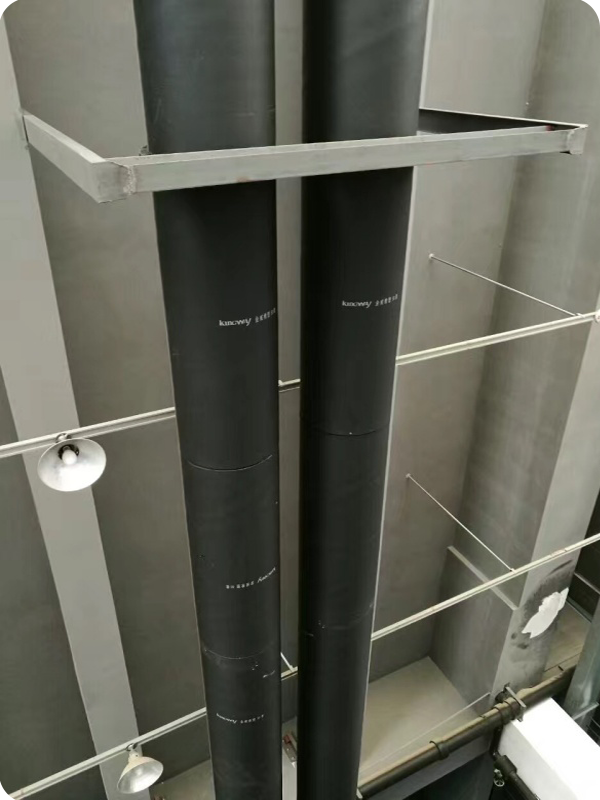
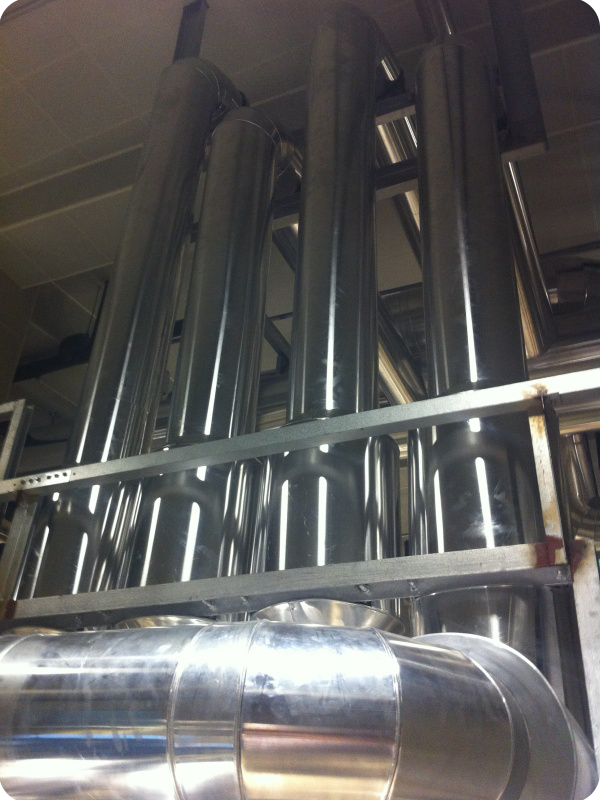
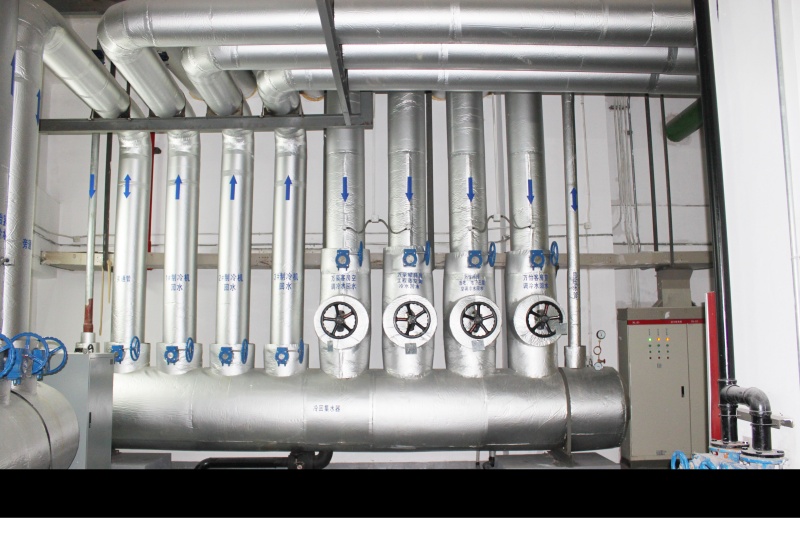
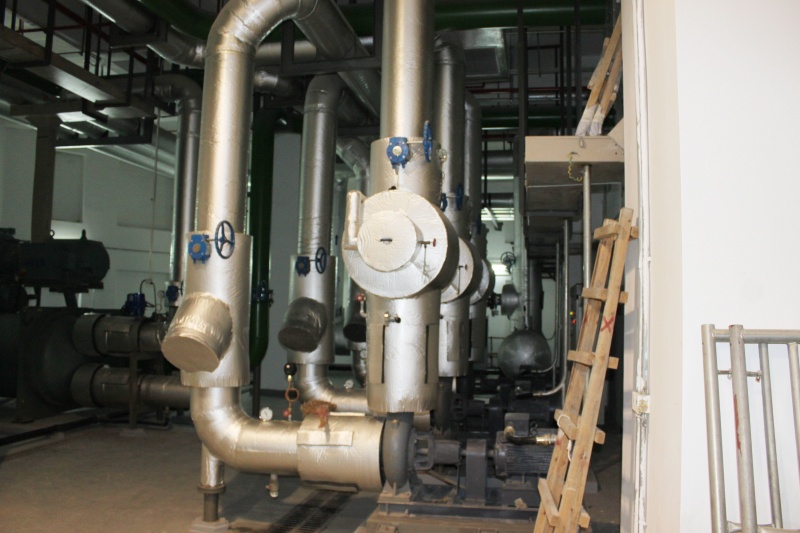
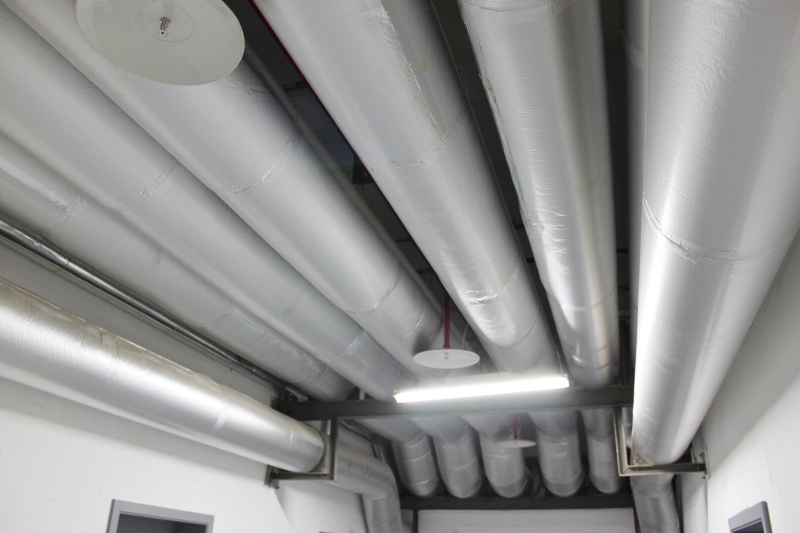
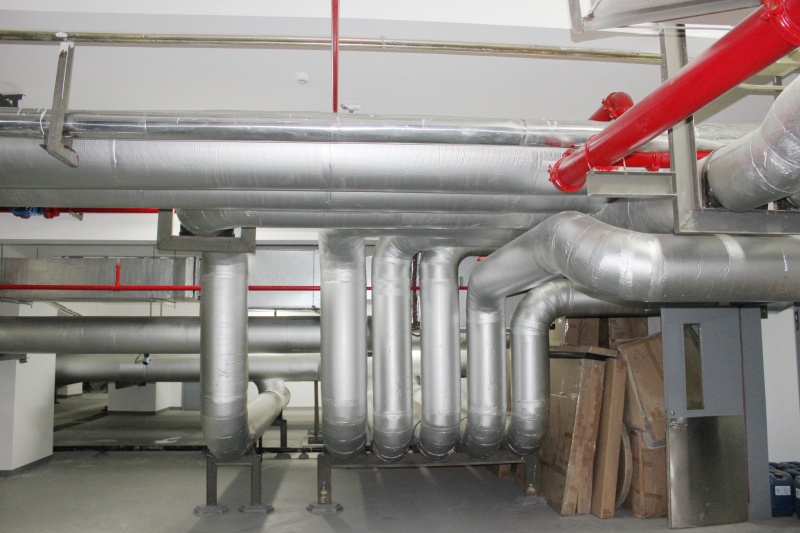
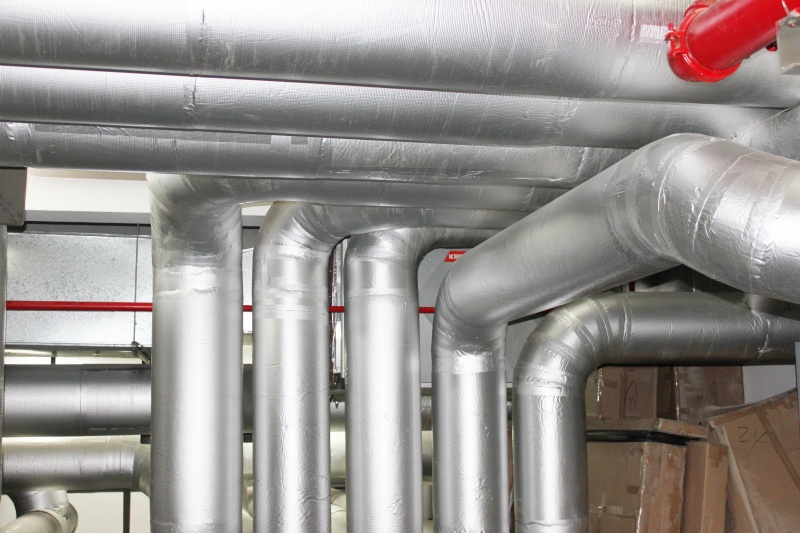
Representative installations of Kingflex elastomeric systems across commercial HVAC, district energy networks, and petrochemical piping.




Select from our complete range of specialized acoustic, low-temperature, and waterproof elastomeric systems.
 Kingflex