Explore our engineering-grade product line. Designed for maximum thermal control, condensation defense, and acoustic damping.
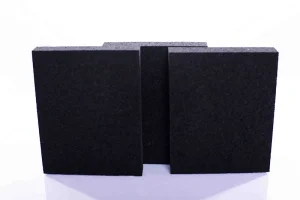
A deep scientific breakdown of physical properties, thermal resistance mechanics, and anti-adhesion chemical engineering.
The term "talc pipe" in industrial thermal management is a manufacturing and application reference to closed-cell elastomeric nitrile rubber (NBR/PVC) pipes that employ talcum powder (hydrated magnesium silicate) inside the inner bore during extrusion. But how exactly does this technical design function, and why is it critical for global pipeline systems?
Mechanics of Extrusion & Anti-Adhesion: During high-temperature vulcanization of NBR/PVC elastomer, the internal walls are prone to fusing together under pressure. The strategic deployment of micronized talcum powder forms an ultra-thin heat-resistant barrier. This ensures the pipe remains perfectly cylindrical and easy to slide onto metal conduits during installation.
Thermodynamic Boundary Control: By utilizing a closed-cell matrix (with a volumetric cell density exceeding 98%), the system traps dry air within micro-cavities. This halts convective heat loops. The low thermal conductivity (λ ≤ 0.034 W/m·K at 0°C) ensures heat energy transfer remains extremely low.
Vapor Permeability Damping: NBR/PVC matrix acts as an integrated vapor barrier. With a vapor diffusion resistance factor (μ) ≥ 10,000, it blocks environmental moisture ingress, preserving the thermal properties and preventing pipe corrosion under insulation (CUI).

Combining mineral-refined anti-stick interior agents with high-density foam provides dual benefits: rapid physical deployment on site and continuous insulation efficiency without risk of material collapse. Understanding these physical principles is essential when specifying materials for large infrastructure projects.
Ensures ≤ 0.034 W/m·K at 0°C, offering reliable thermal barriers across heating and cooling lines.
A high moisture resistance index (μ ≥ 10,000) prevents condensation and structural degradation.
Maintains physical structure and insulation performance from -40°C up to 105°C.
How global industries rely on specialized NBR/PVC and talc-processed elastomeric pipes across key sectors.
In high-humidity regions, chilled water pipes sweat quickly. The closed-cell structure blocks ambient moisture from reaching the pipe surface. The internal talc coat allows fast installation around complex layouts and tight turns typical of modern HVAC systems.
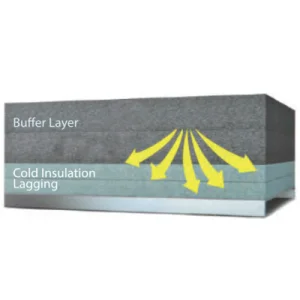
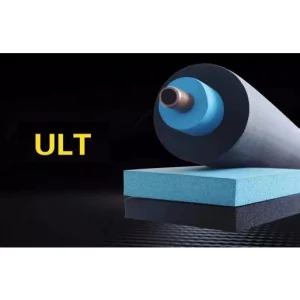
In LNG terminals, petrochemical facilities, and processing plants, temperatures drop below -40°C. Specially treated multi-layer elastomeric systems provide thermal protection, preventing ice formation and reducing energy loss.
For chemical manufacturing facilities, keeping steam lines hot and processing fluids stable is essential. Advanced elastomer pipes resist weathering, UV, chemical exposure, and mechanical stress.
In addition to thermal insulation, the structural density of these elastomeric materials provides sound absorbing properties. Air handling units, mechanical rooms, and municipal fluid transport systems experience noticeable vibration dampening and acoustic isolation when wrapped in NBR/PVC foam.
Sound Attenuation: Soft elastomer structures absorb medium to high frequency noise from turbulent pipeline fluid flow.
Flame Retardant: Meets BS 476 and UL94 fire standards, limiting fire spread in ceiling voids.
m³ Annual Capacity
Auto Assembly Lines
Exporting Nations
Years Industrial Heritage
Bringing decades of industry expertise, advanced R&D, and certified production lines to global supply chains.
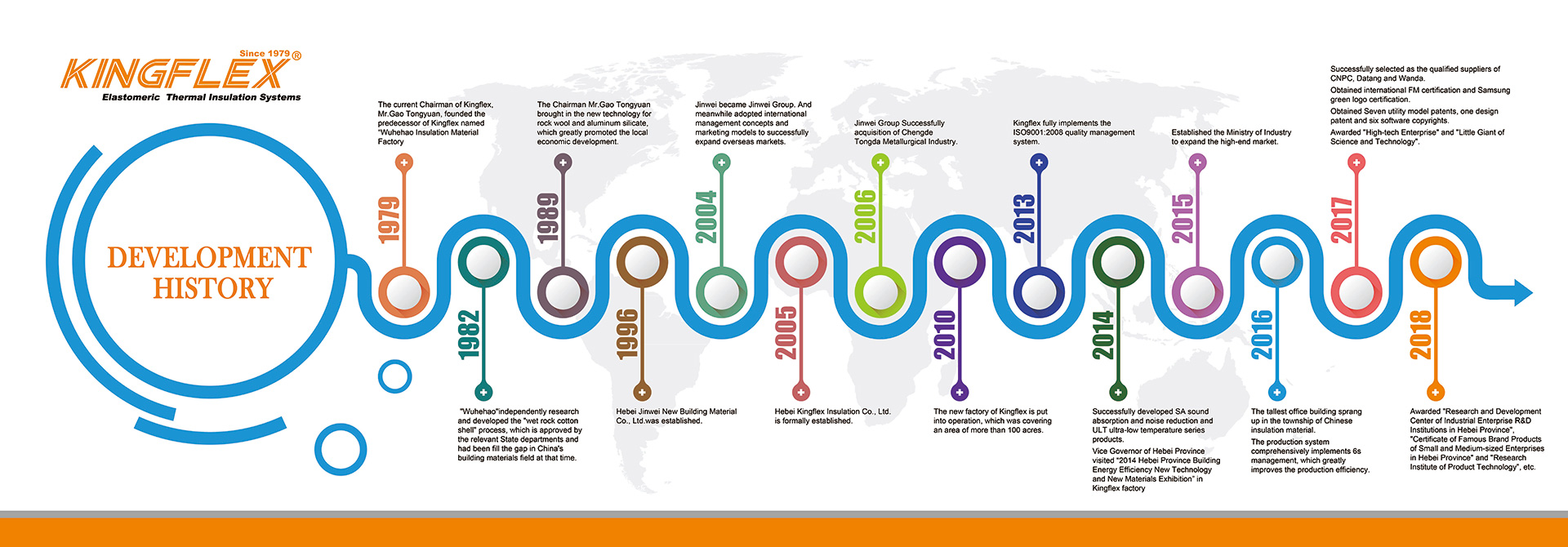
Kingflex Insulation Co., Ltd. is a professional manufacturing and trading combo for thermal insulation products. Kingflex research development and production department is located in well-known capital of green-building materials in Dacheng, China. It is an energy-saving environmental friendly enterprise concentrating on research and development, production, and sales.
In operation, Kingflex takes energy saving and consumption reduction as the core concept. We provide solutions regarding insulation by means of consultation, research and development production, installation guidance, and post-sale service to lead the development of the global building materials industry.
Kingflex was established by Jinwei Group, which has more than 40 years of history. Jinwei Group was established in 1979. It was the first manufacturer of thermal insulation materials north of the Yangtze River, establishing a standard for energy conservation and quality assurance in China.
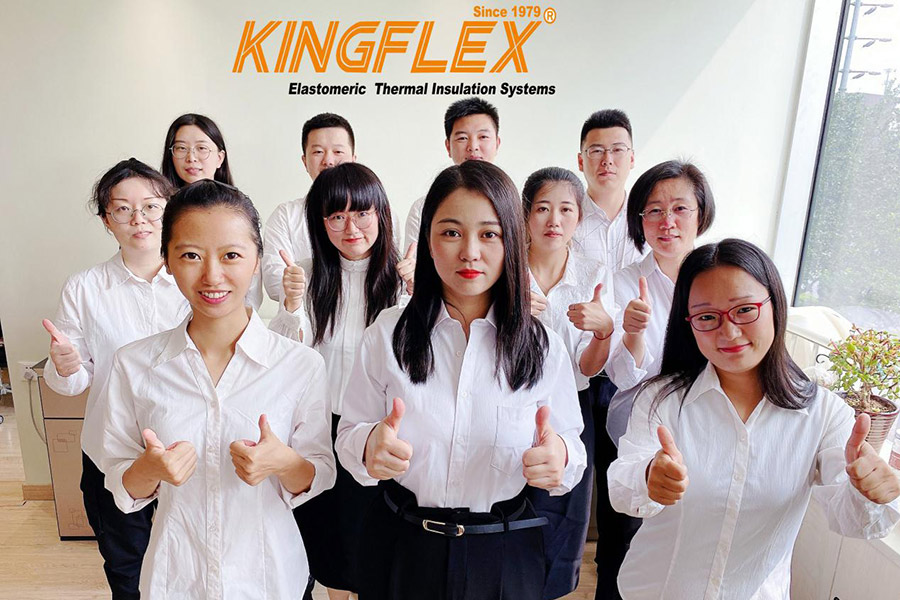
Our employees are amazing in their own right, but together they are what makes Kingflex such a fun and rewarding place to work. The Kingflex team is a tight-knit, talented group with a shared vision of giving consistently first-class service to our clients. Kingflex has 8 professional engineers in the R&D Department, 6 professional international sales, and 230 workers in the production department.
At present, Kingflex has 5 large automatic assembly lines, with an annual production capacity of more than 600,000 cubic meters. It has become a designated production enterprise designated by the Ministry of Energy, the Ministry of Electric Power, and the Ministry of Chemical Industry.
Kingflex thermal insulation products are widely used in construction, petroleum, chemical, national defense, aerospace, and other industries. Kingflex products have been exported to more than sixty-six countries all over the world in the past 16 years. Our responsibility is to supply integrated solutions for thermal insulation, cold insulation, and noise reduction for buildings and industries.
Aligning manufacturing workflows with modern structural requirements, green buildings, and smart automation.
Strict formulation control of NBR/PVC ratio with custom fire-retardants.
Micro-dosing of mineral talc inside the core prevents wall stickiness under heat.
Monitored expansion creates even, closed-cell gas cells for insulation.
Inline laser scanning verifies thickness tolerances and density targets.
Our R&D team is actively researching next-generation halogen-free formulations and natural blowing agents. These developments will reduce chemical emissions during manufacturing while maintaining thermal properties. We aim to help projects hit strict green certifications like LEED and BREEAM globally.
Centering operations in Dacheng allows direct access to high-quality chemical feedstocks, local mineral resources, and efficient transit links. This structural integration keeps supply lines moving smoothly, even during peak global demand.
Integrated Sourcing: Direct chemical supplier partnerships minimize market price volatility and feedstock shortages.
Custom OEM/ODM Extrusions: Tailored densities, wall dimensions, and custom colors match unique project specifications.
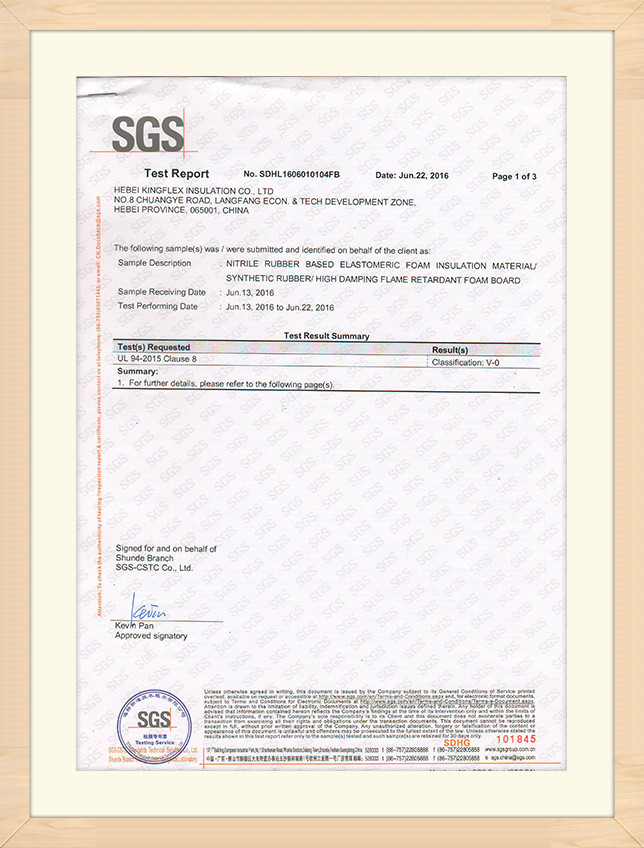
Quality Certifications: Complies with international standards like BS 476, CE, REACH, ROHS, UL94, and ASTM.

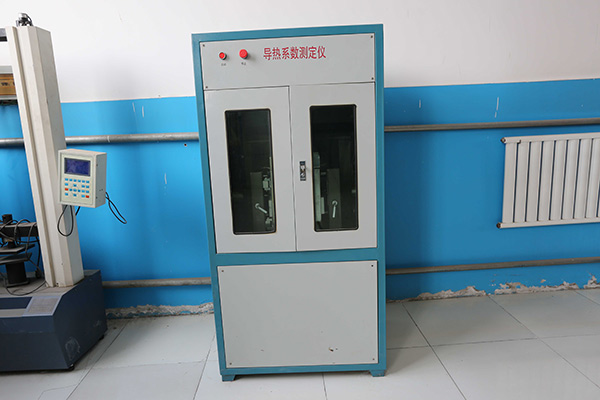
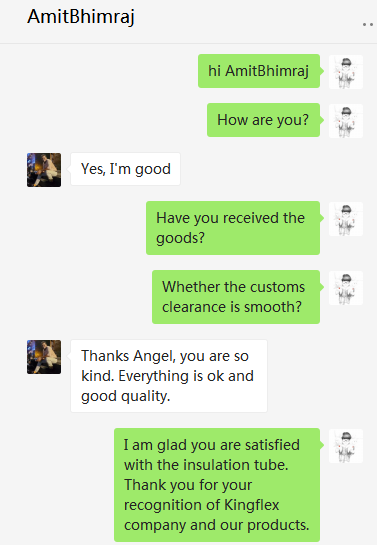
Every batch of elastomeric rubber foam from Kingflex is fully traceable. Raw material inputs, density properties, fire resistance metrics, and extrusion parameters are cataloged to verify performance standards before dispatch.
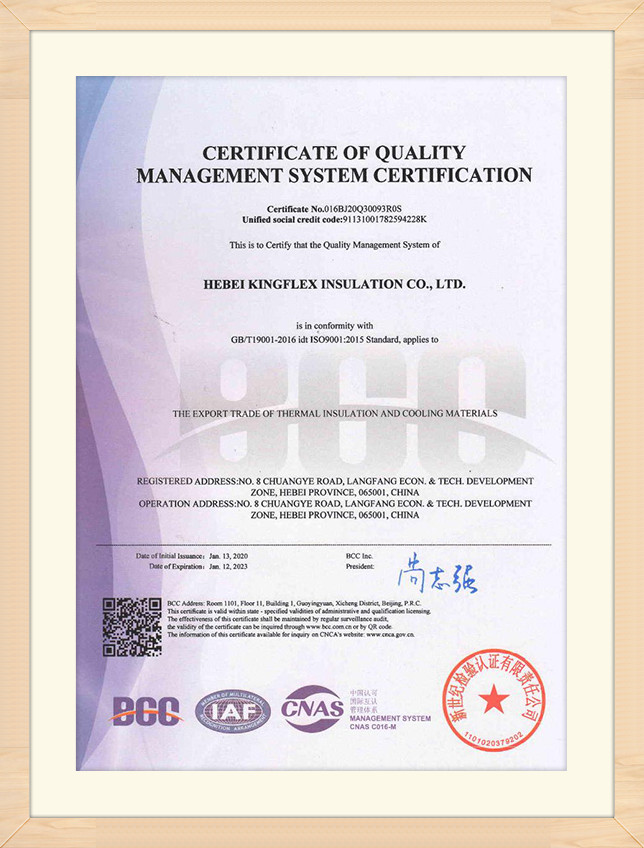
Demonstrating compliance through rigorous testing and international approvals.





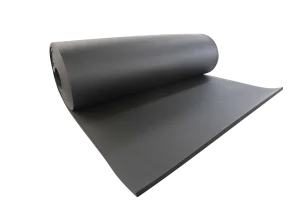
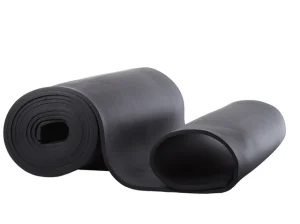
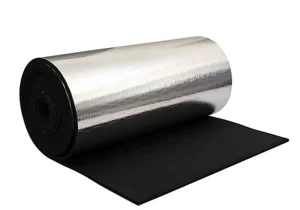
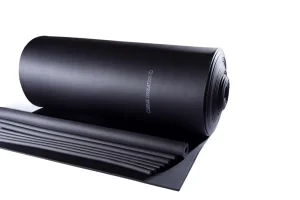
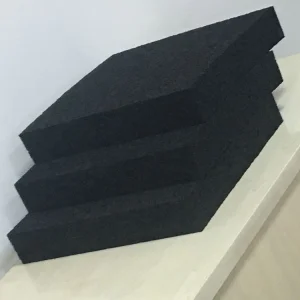
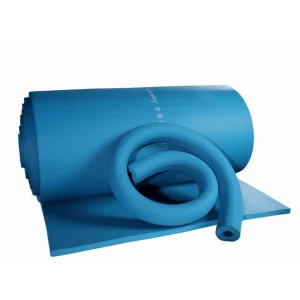
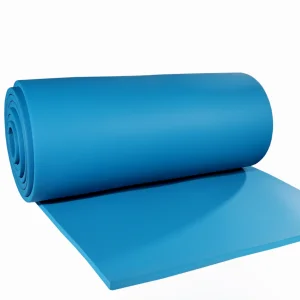
Review the technical specifications for our elastomeric foam sheet rolls and pre-formed tubes.
Material Structure: High-performance Nitrile Butadiene Rubber / Polyvinyl Chloride (NBR/PVC) blend.
Thickness Availability: 6mm to 50mm
Foam Density Range: 40 to 55 kg/m³
Working Temperatures: -40℃ to 105℃
Performance Advantages: Uniform cell structure provides excellent thermal insulation, compression resistance recovery over 80%, and flame retardancy with self-extinguishing properties.
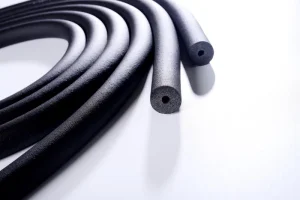
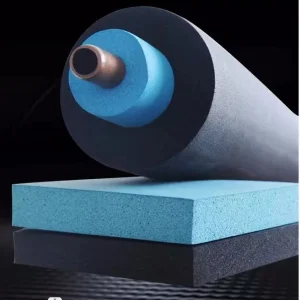
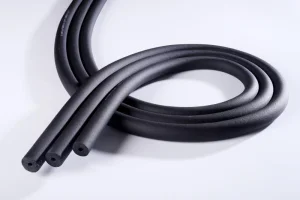
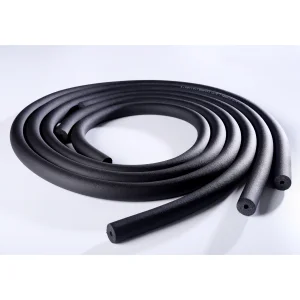
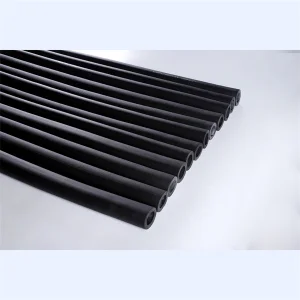
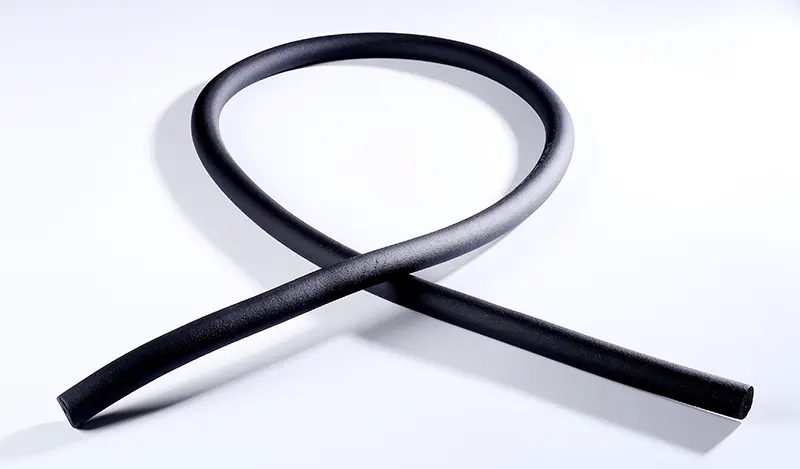
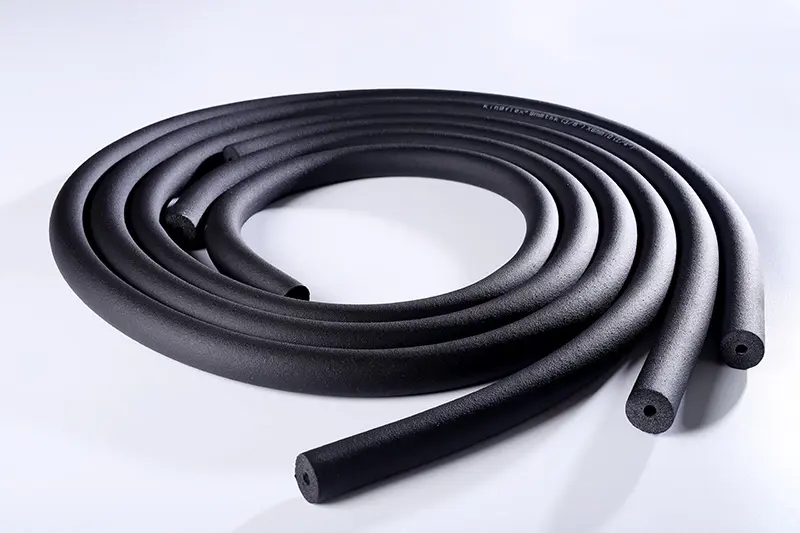
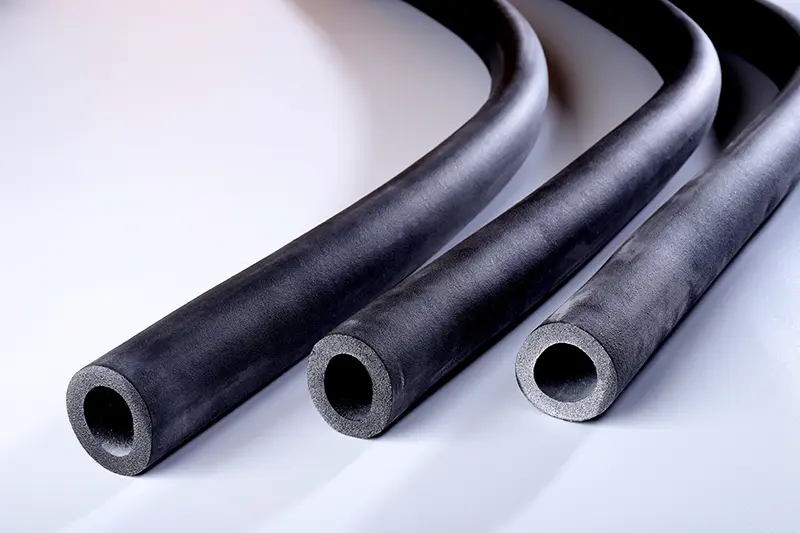
Material Structure: Pre-molded NBR/PVC elastomeric tube with internal talc lining for easy installation.
Wall Thickness: 9mm to 40mm
Inner Diameter (ID): 6mm to 114mm
Working Temperatures: -40℃ to 105℃
Performance Advantages: Automated interior spray coating ensures consistent wall thickness and minimizes the risk of pipeline freezing, cracking, and surface condensation.
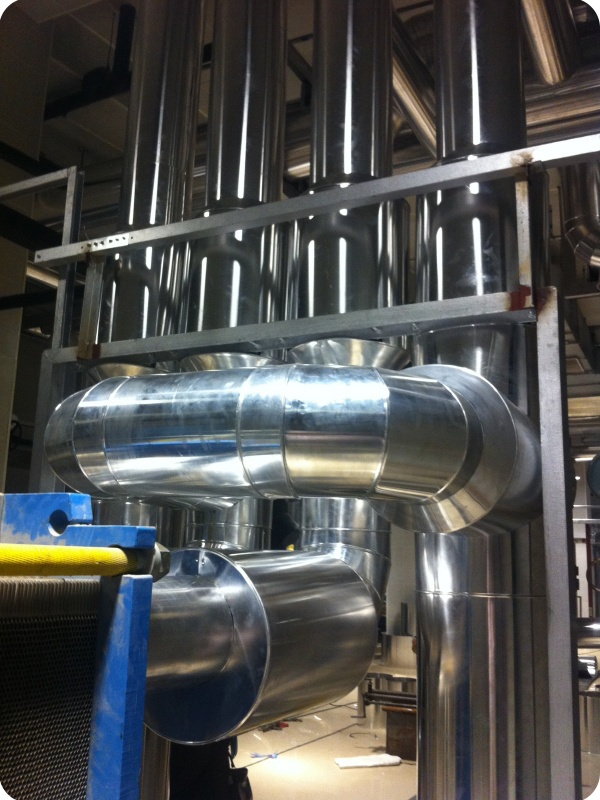
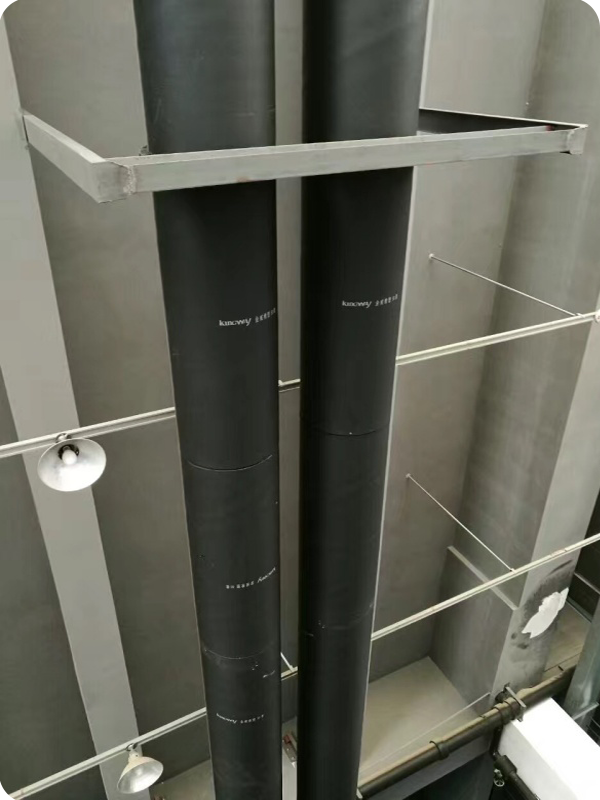
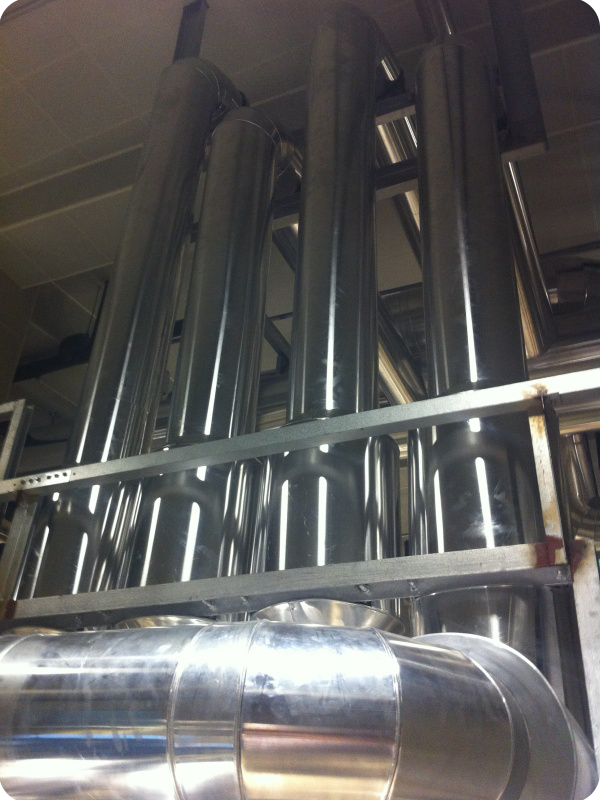
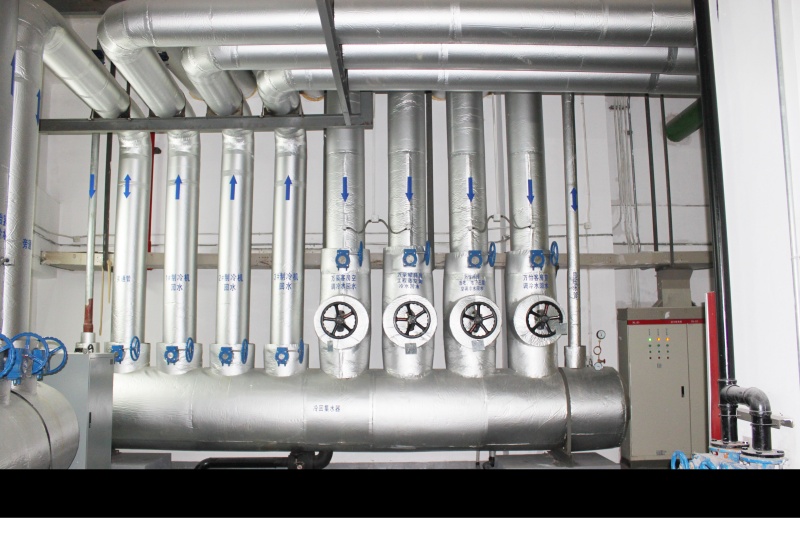
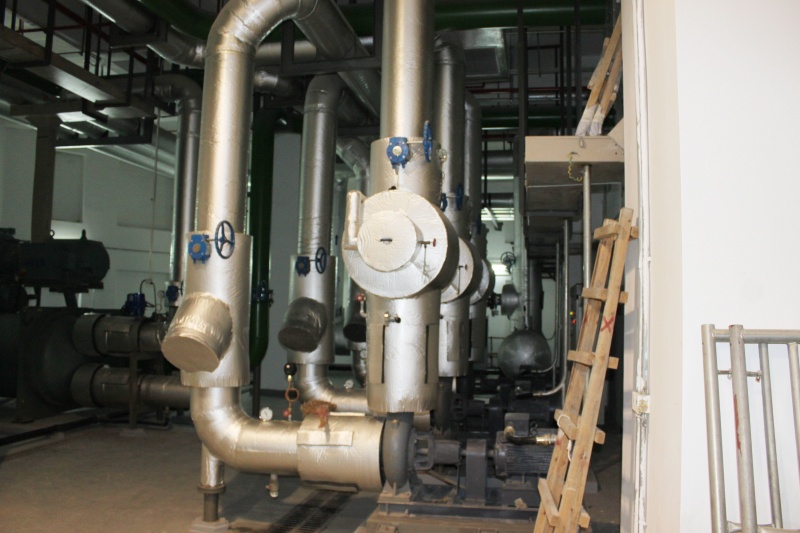
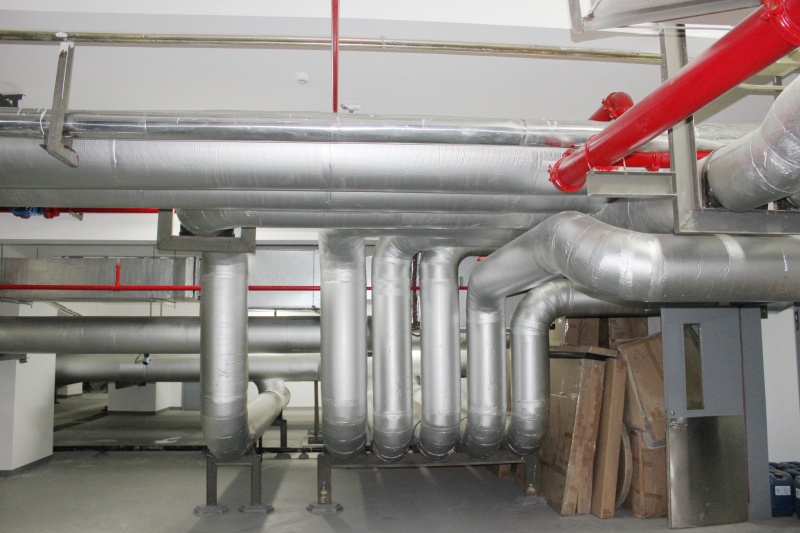
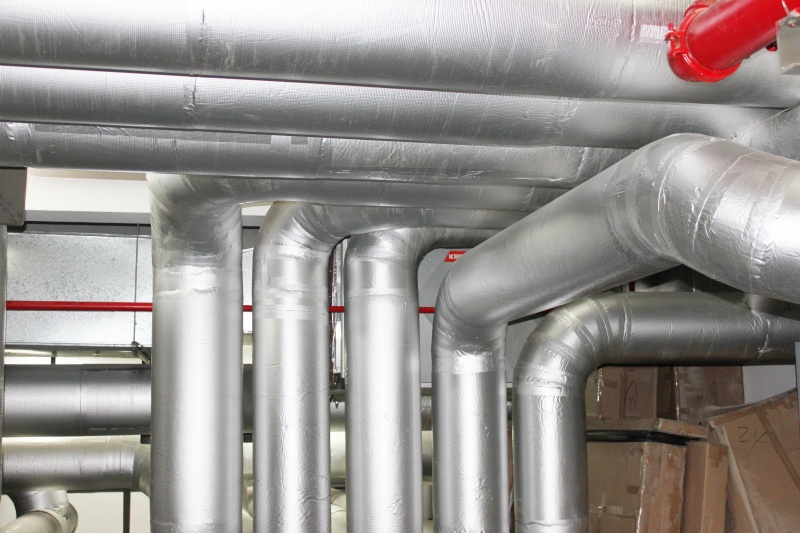
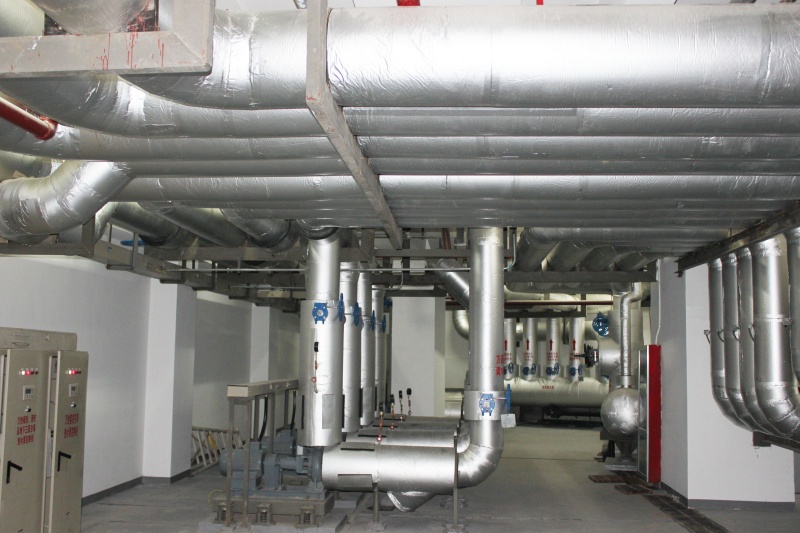
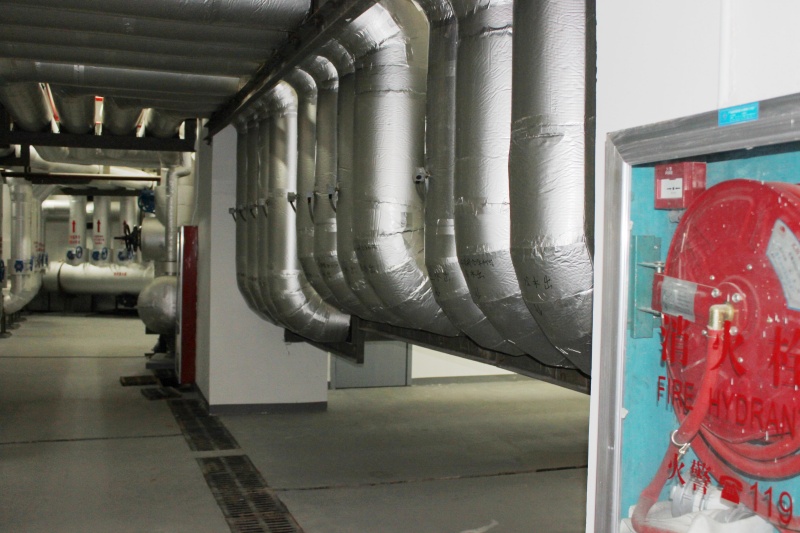
A look at project sites and storage yards utilizing Kingflex insulation materials.



Get answers to common technical, manufacturing, and installation questions.
It is mainly used for HVAC ducts, air conditioning pipes, building thermal insulation, industrial pipeline cold insulation, and sound insulation. The closed-cell structure prevents energy transfer and surface condensation.
Yes, our rubber foam insulation is fire retardant, meeting the safety standards of building and industrial projects. It self-extinguishes when direct flame is removed and limits smoke development.
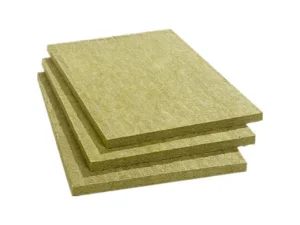
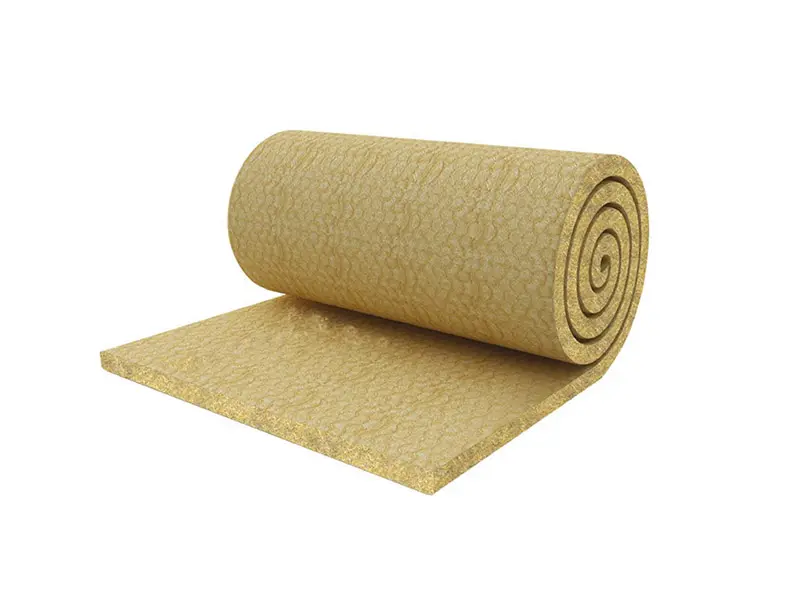
Rubber foam is flexible, closed-cell, and moisture-proof, making it suitable for HVAC, chilled water systems, and building insulation. Rock wool is high-temperature resistant and fireproof, making it better suited for high-temperature industrial steam piping.
Yes, we offer comprehensive OEM and ODM services. We customize wall thicknesses, tube inner diameters, density ratings, and face coatings (like aluminum foils) to meet specific project needs.
Our products have passed BS 476, CE, REACH, ROHS, UL94, ASTM, and other international certifications, ensuring compliance with global building and safety regulations.
Yes, Kingflex products are fully traceable. Every production run is cataloged, linking raw materials, batch formulations, extrusion settings, and quality testing metrics.
We can produce sheet rolls in thicknesses ranging from 6mm up to 50mm, accommodating a wide variety of commercial and industrial applications.
Under standard operating conditions and with proper installation, our rubber foam materials typically have a service life of 10 to 15 years.
Talcum powder acts as a dry release agent. During high-temperature vulcanization, the inner walls of the extruded rubber tube can become tacky and stick together. A light coating of talc prevents this, maintaining the pipe's open profile and making it easier to slide onto copper or steel pipes during installation.
NBR/PVC elastomeric foam is more flexible, has higher fire resistance ratings, and offers a broader operating temperature range than PE. This makes it the preferred choice for commercial mechanical projects and industrial pipelines.
A look at our factory floors, product lines, and shipping preparation.

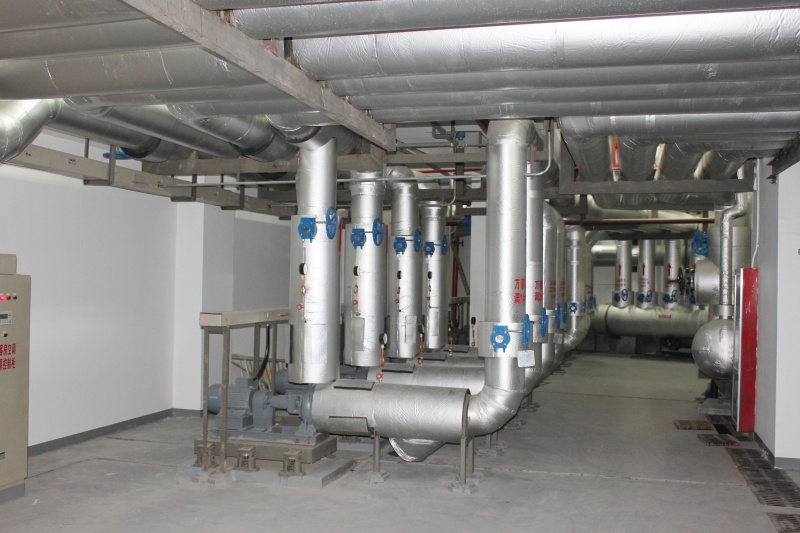

Select a product to view technical specifications, request samples, or get a direct price quote.
Explore specialized variations and secondary products from our manufacturing base.





 Kingflex