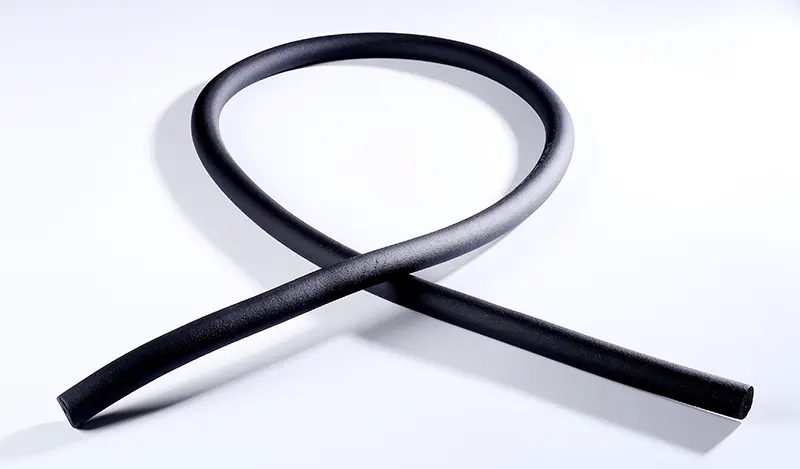
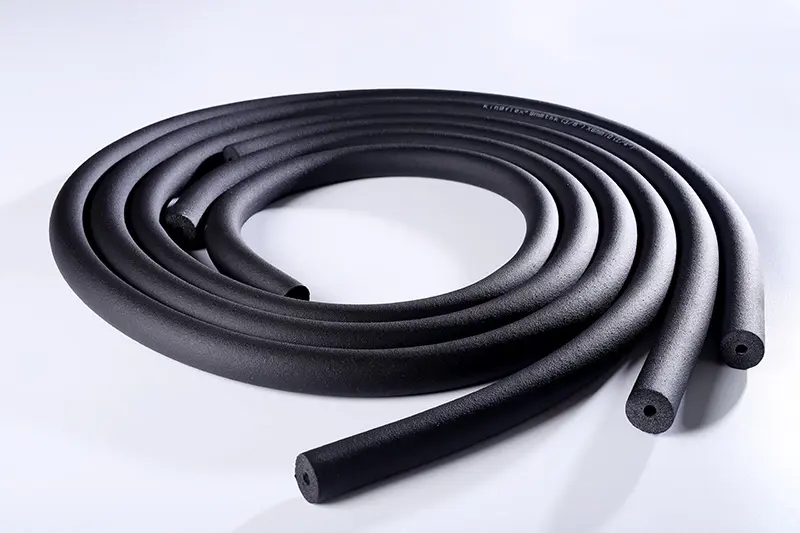
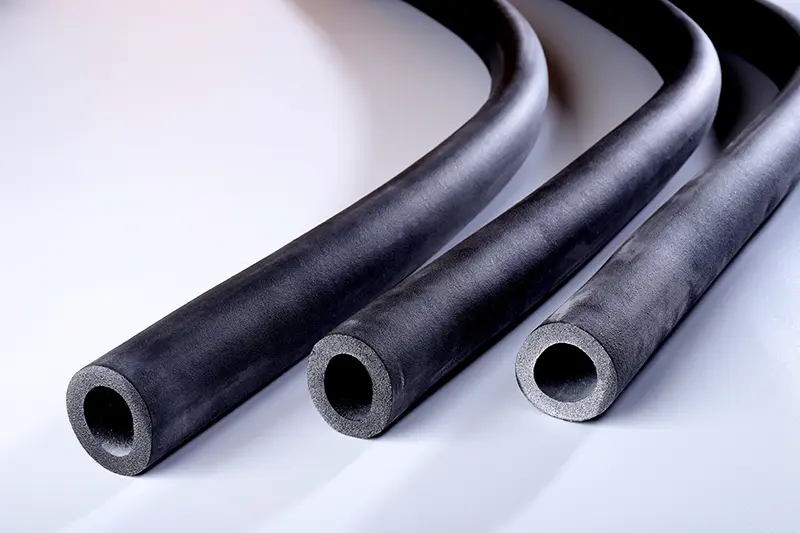
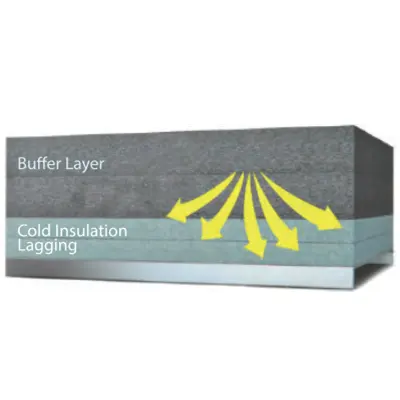
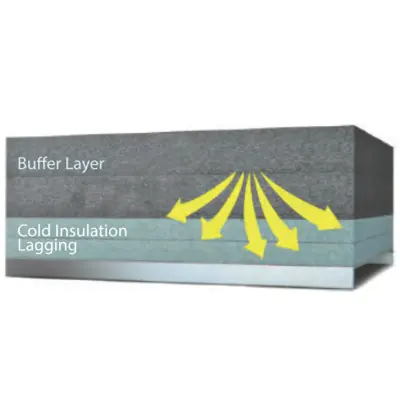
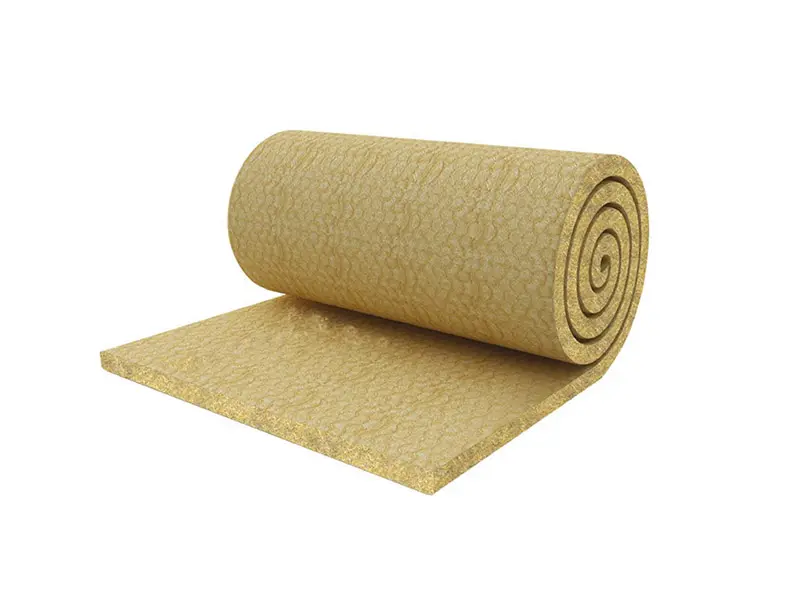
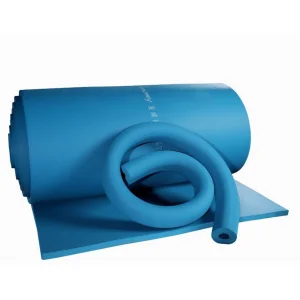
Engineered rubber foam sheets and rolls for high-efficiency air conditioning manufacturing.
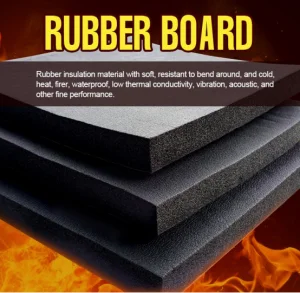
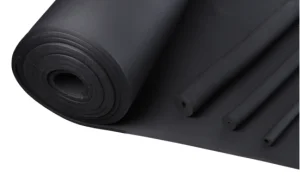
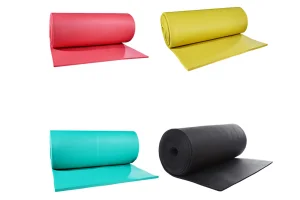
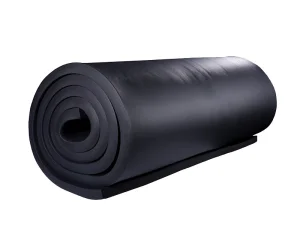
As international green building standardizations push for lower carbon footprints, mechanical equipment energy consumption has come under strict regulatory scrutiny. Within industrial and commercial HVAC systems, thermal thermal leakage represents a critical vulnerability point. Uninsulated or poorly insulated pipelines lead to massive energy waste, structural damage via surface condensation, and indoor air quality degradation due to mold growth.
Kingflex elastomeric rubber foam insulation is specifically engineered to address these challenges. By incorporating a high-density, closed-cell NBR/PVC matrix, Kingflex delivers a stable, low-thermal-conductivity barrier that retains its physical integrity for decades. This whitepaper analyzes the market trends, technical specifications, and factory supply chain dynamics that establish Kingflex as the premium insulation choice for air conditioner manufacturers worldwide.
Information Gain Highlight: Condensation control requires matching local dew points with appropriate material thickness. The high water vapor diffusion resistance ($\mu \ge 10,000$) of Kingflex closed-cell foam eliminates the need for external vapor barriers, drastically reducing installation costs and labor requirements while preventing corrosion under insulation (CUI).
Years of History (Est. 1979)
Annual Capacity (m³)
Exporting Countries
Automatic Assembly Lines
Commercial real estate developments require LEED, BREEAM, and DGNB certifications. High R-value insulation significantly reduces chiller cycles, directly lowering building carbon footprints.
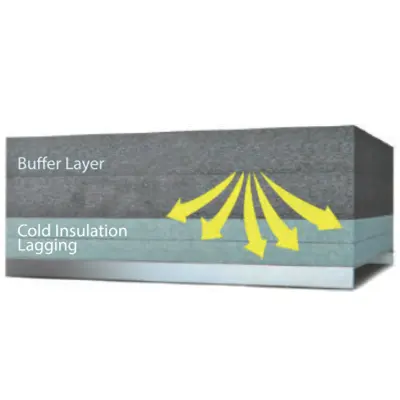
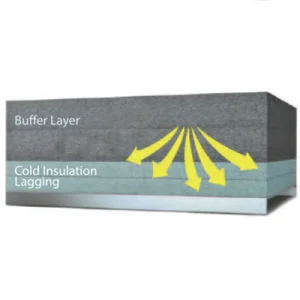
Modern HVAC units, especially in hospitality and hospitals, must operate with minimum sound disturbance. Flexible rubber foam acts as an effective sound absorber for low-frequency compressor noise.
OEM air conditioning manufacturers are shifting towards modular assembly. Prefabricating pre-insulated copper coils speeds up site deployment and reduces quality defects.
B2B procurement teams sourcing insulation systems prioritize regulatory compliance, long-term durability, and dimensional accuracy. Kingflex products satisfy these demands by keeping extensive certification profiles and implementing strict quality controls.
Our elastomeric insulation materials meet BS 476, UL94, and ASTM fire protection requirements. The self-extinguishing chemistry ensures the product will not feed or spread flames, preventing toxic smoke propagation inside mechanical shafts.
Environmental standards restrict hazardous chemicals in building products. Kingflex products are REACH and ROHS certified, meaning they are free from formaldehyde, heavy metals, ozone-depleting CFCs, and polybrominated diphenyl ethers.

Kingflex runs 5 advanced automatic assembly lines, producing over 600,000 cubic meters of high-density insulation materials annually. Our production facility in Dacheng, China, leverages Industry 4.0 process control loops to keep uniform thickness and even foaming profiles across millions of feet of production.
This automated system ensures that our international clients in over 66 countries receive highly consistent quality. As an approved supplier designated by key state industrial ministries, Kingflex guarantees reliable production schedules and raw material price stability.
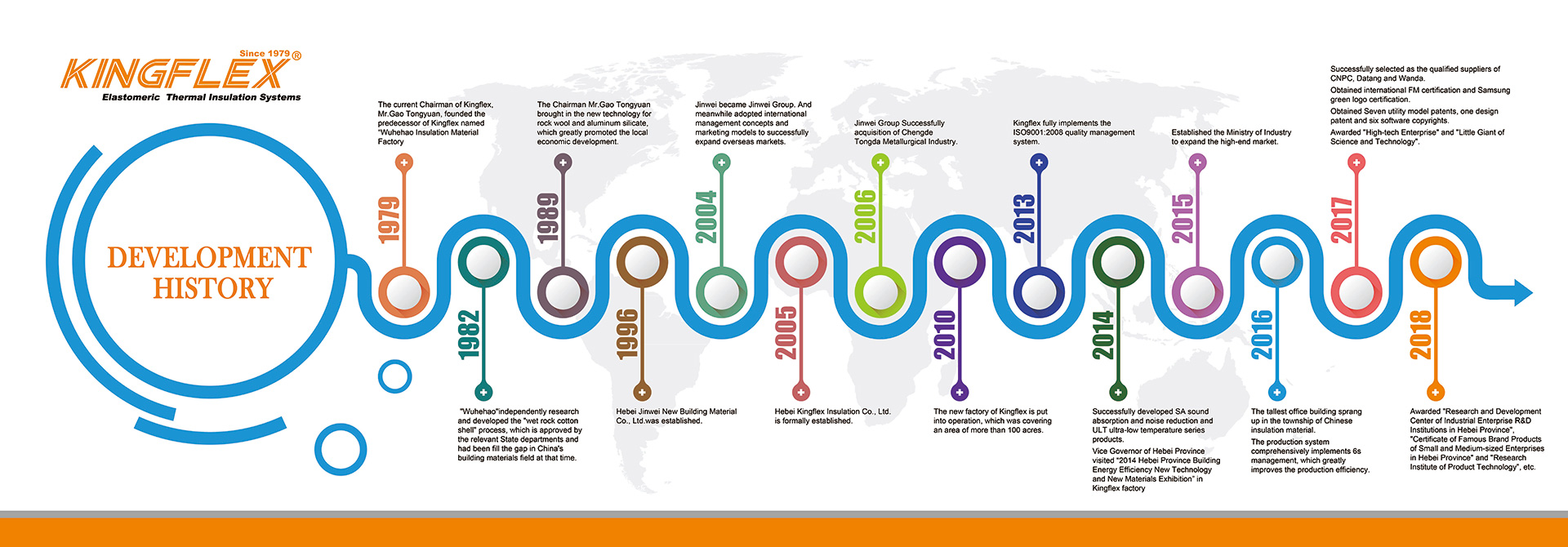
Founded by the Jinwei Group (established in 1979), Kingflex was the pioneering thermal insulation manufacturer north of the Yangtze River. For over four decades, our team has led research in thermal insulation and energy efficiency, helping construct critical infrastructure across Asia, Europe, and the Americas.
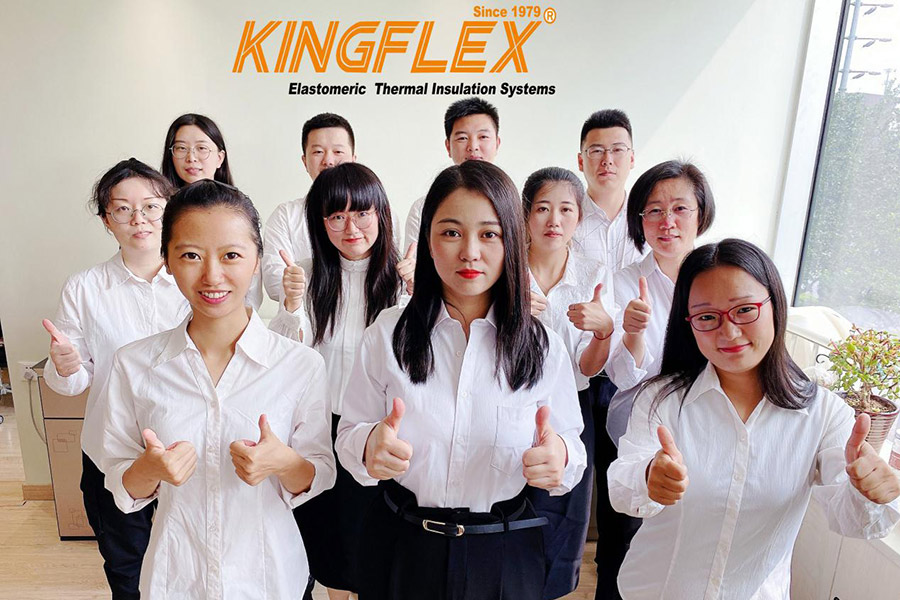
Our workforce features a dedicated team of 230 specialized production professionals, 6 experienced international sales representatives, and 8 senior R&D engineers focused on material chemistry and thermal behavior analysis.
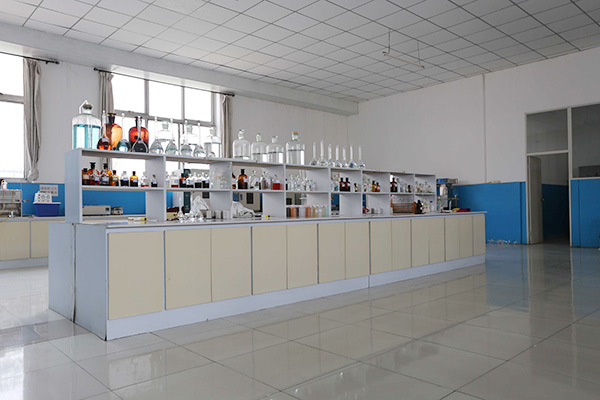
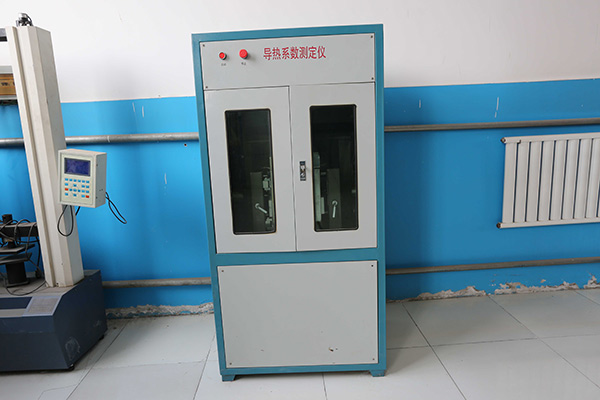
Continuous investment in material testing ensures our insulation remains stable in high-humidity, low-temperature, and corrosive environments.

Standardized parameters for Kingflex elastomeric insulation products.
| Property | Specification |
|---|---|
| Material | Premium NBR/PVC Blend |
| Thickness Range | 6mm to 50mm |
| Density | 40 - 55 kg/m³ |
| Temperature Range | -40℃ to 105℃ |
| Closed-Cell Rate | > 98% |
| Resilience Rate | > 80% (Compression) |
| Property | Specification |
|---|---|
| Material | NBR/PVC Closed-Cell Elastomer |
| Wall Thickness | 9mm to 40mm |
| Inner Diameter (ID) | 6mm to 114mm |
| Density | 40 - 55 kg/m³ |
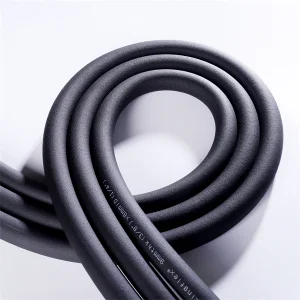
| Core Utility | HVAC Pipeline & Condensation Prevention |
| Installation Type | Slit/Unslit Options |
Our solutions meet global building codes, certifying quality, safety, and reliability.
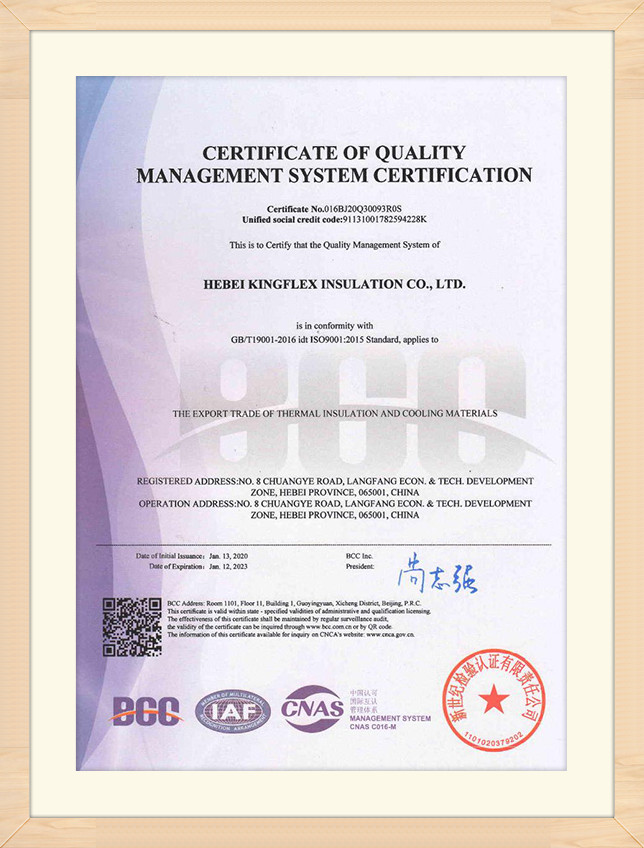
Fire tests on building materials and structures.

Factory management and environmental safety standards.

Conforms to EU safety, health, and environmental codes.
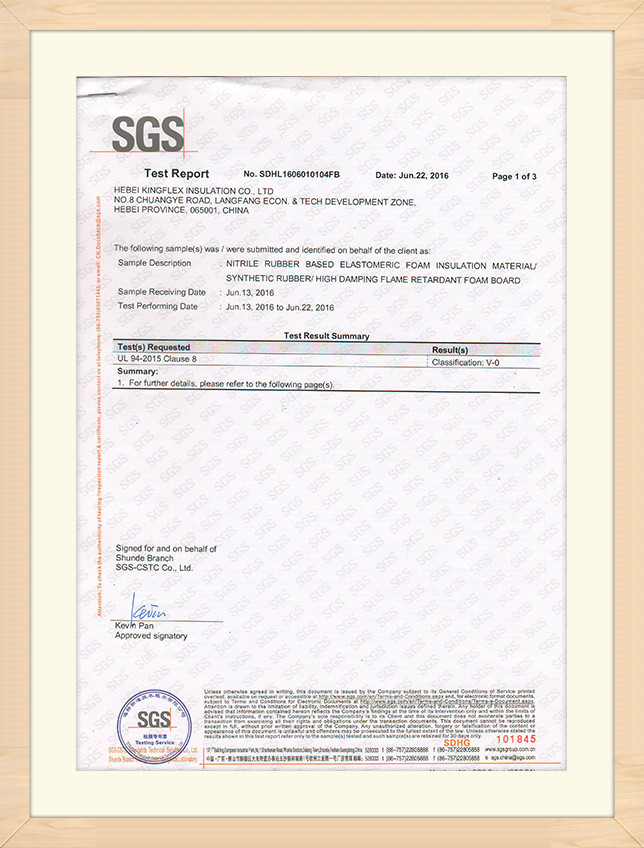
Flame retardancy tests for plastic materials.
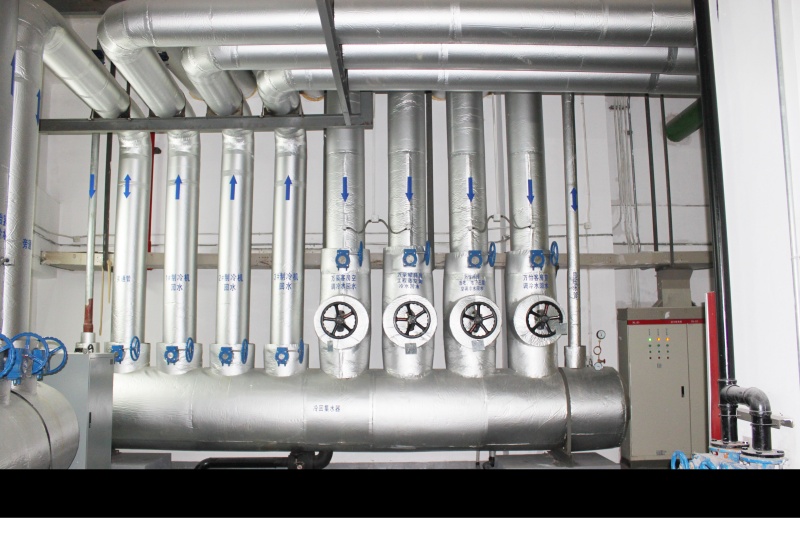
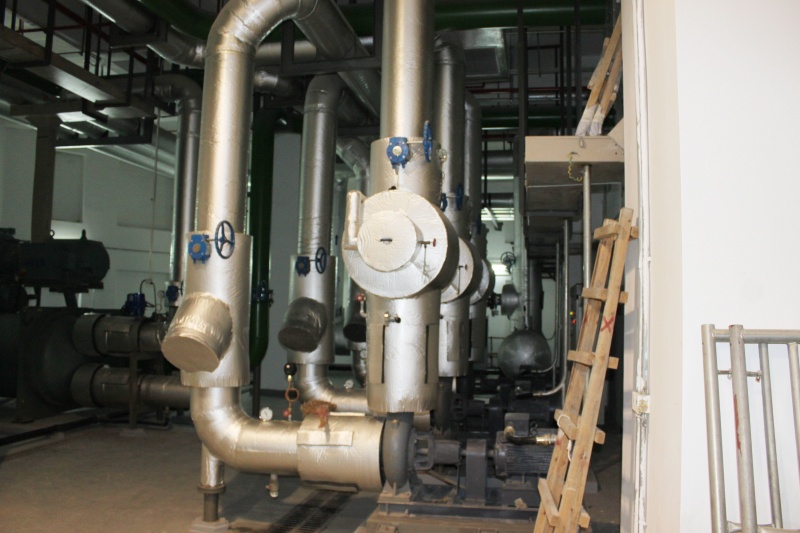
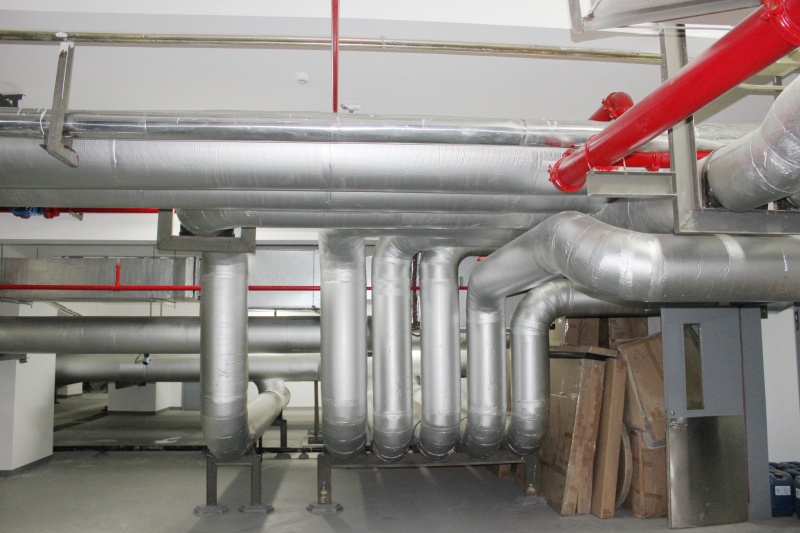
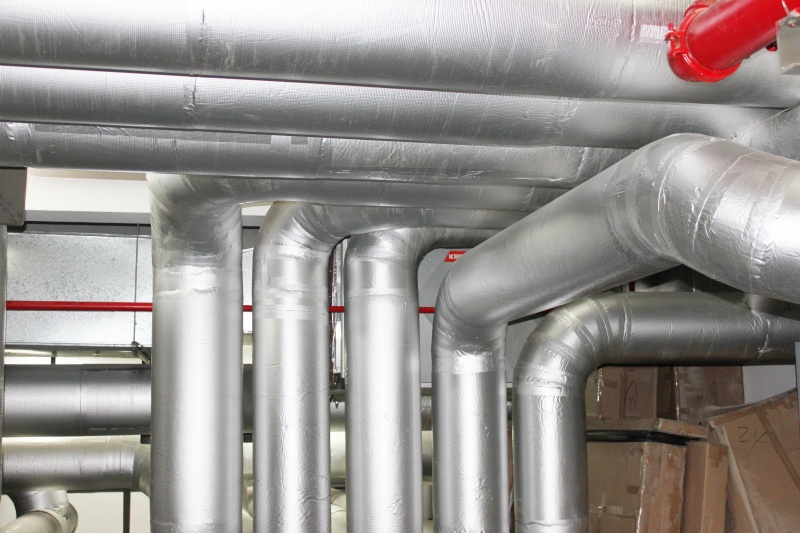
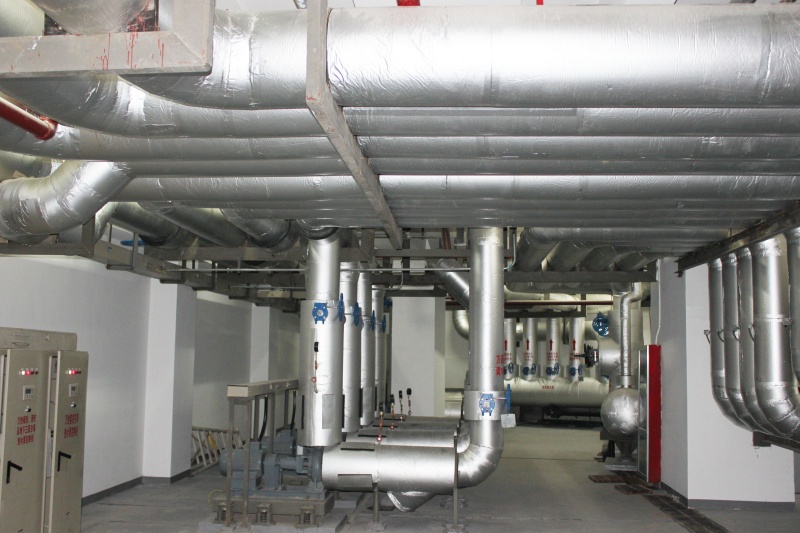
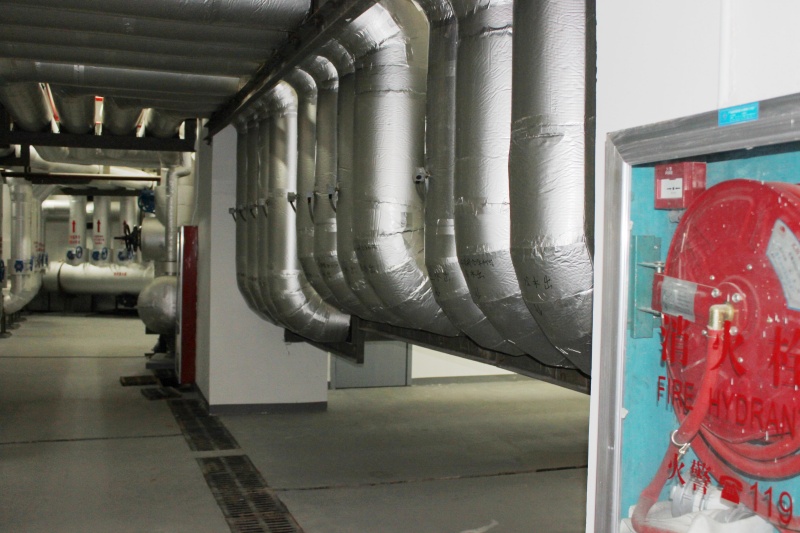
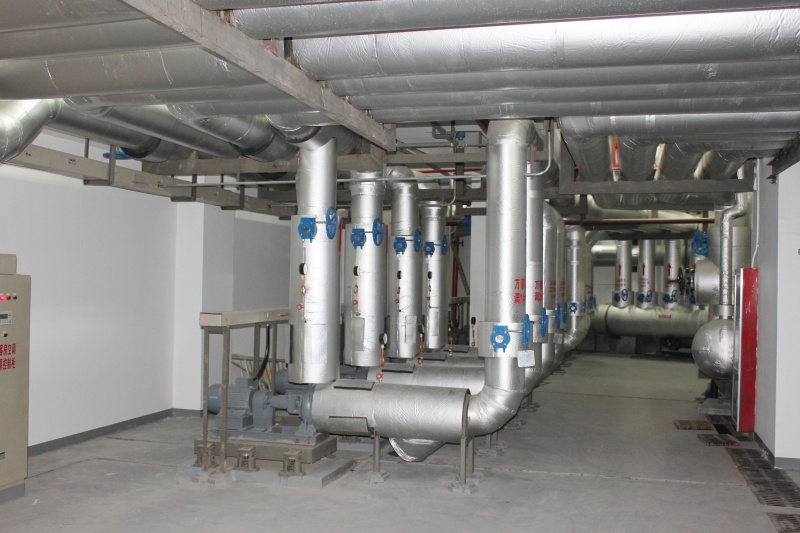
Applied directly on copper lines, distribution manifolds, and VRF piping to maintain thermal efficiency and eliminate dripping on interior drop-ceilings.
Keeps sub-zero temperatures stable in industrial liquid chillers, pharmaceutical distribution hubs, and cold storage storage complexes.
Fiber-free elastomer composition prevents outgassing and fiber shedding, making it ideal for microelectronics fabs and biotech research laboratories.

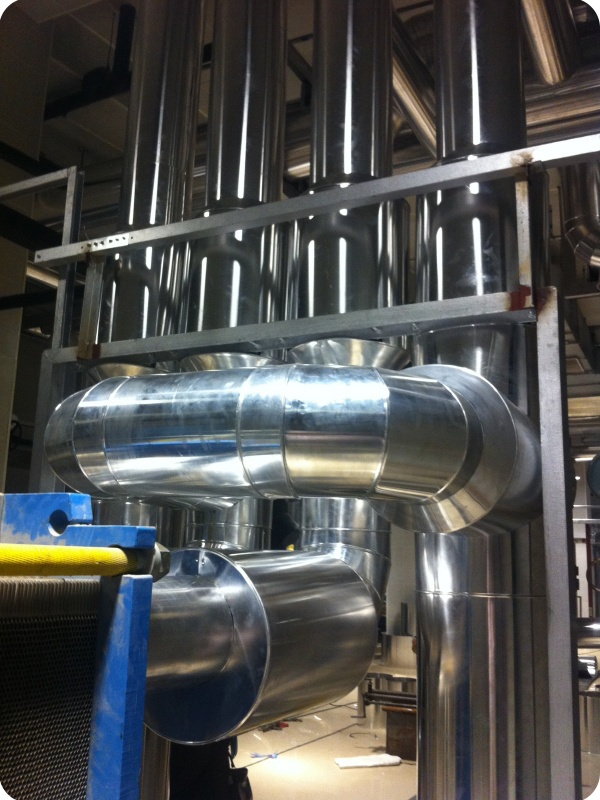
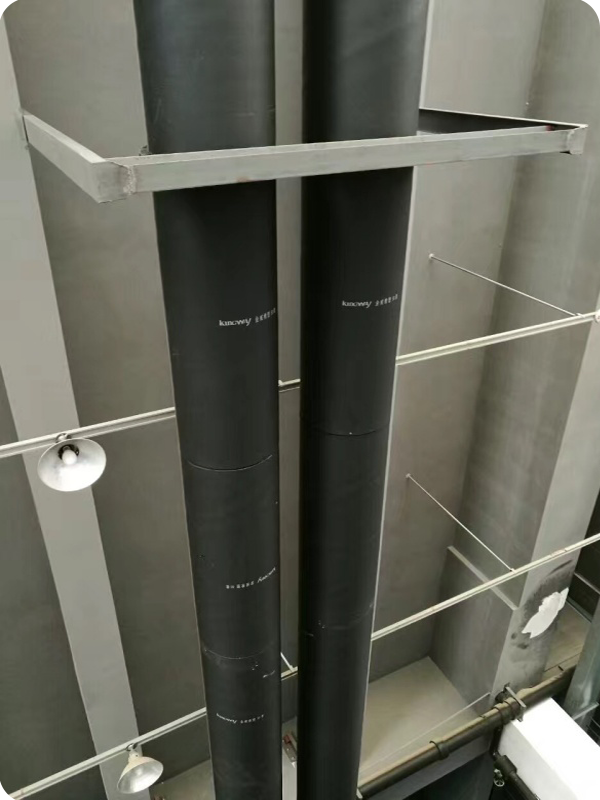
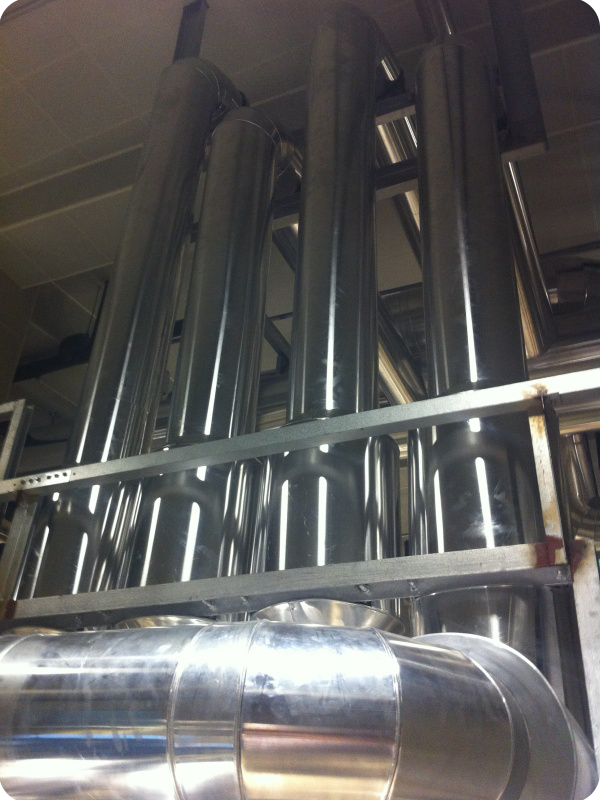
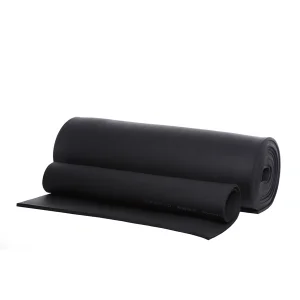
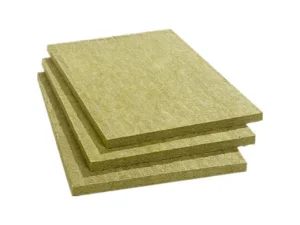
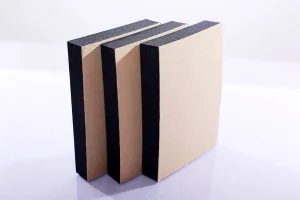
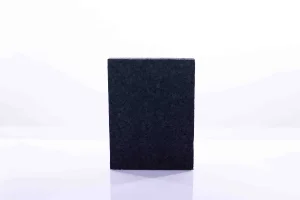
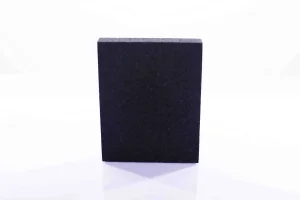
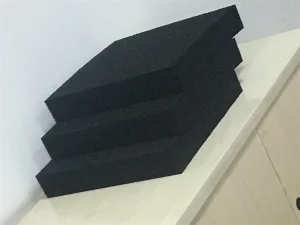
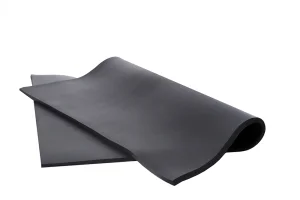
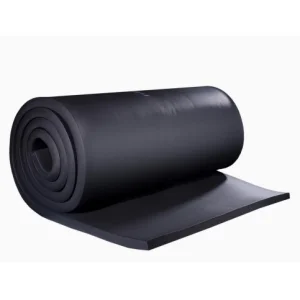
Browse our extensive selection of insulation tubes, boards, and rolls designed for extreme HVAC environments.
Tracking product consistency from raw compound mixing to final density checks.




Direct communication records demonstrating our team's response speed and technical accuracy.


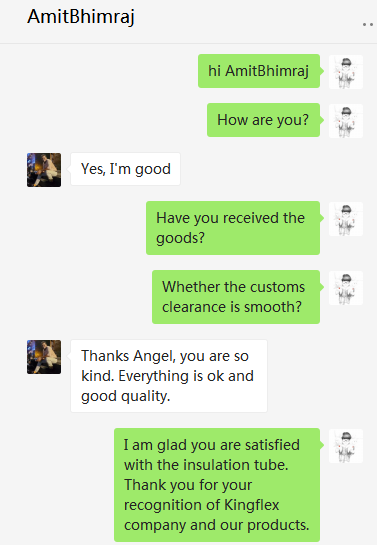


Expert engineering answers to standard procurement and design inquiries.
It is mainly used for HVAC ducts, air conditioning pipes, building thermal insulation, industrial pipeline cold insulation, and sound insulation. Its high water vapor diffusion resistance makes it particularly effective in systems running cold fluids, preventing surface condensation.
Yes, our rubber foam insulation products are fire retardant, meeting BS 476 Class 0, UL94 V-0, and ASTM E84 flame spread and smoke development safety standards. These materials are self-extinguishing and will not propagate fire.
Rubber foam has a flexible, closed-cell structure with excellent moisture resistance, making it ideal for refrigeration, HVAC, and building insulation where moisture control is critical. Rock wool is a high-density, fibrous material that withstands high temperatures, making it better suited for industrial furnace exhausts and steam lines.
Yes, we offer comprehensive OEM and ODM services. We customize thickness, inner diameter, color, self-adhesive backings, and outer protective coatings to meet specific project needs.
Our products have passed CE, BS 476 Class 0, REACH, RoHS, UL94, and ASTM testing. This ensures compliance with building codes and environmental health regulations in major markets globally.
Yes. Every batch of Kingflex products features printed tracking codes on the outer packaging and along the material surface. This allows full quality tracing back to the raw batch compounding stages.
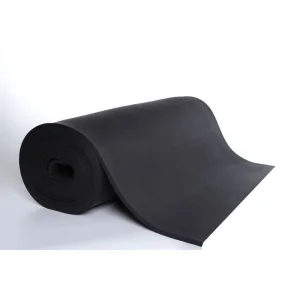
We produce sheet rolls in thicknesses ranging from 6mm to 50mm, providing flexibility for applications from residential mini-splits to large commercial duct wraps.
Under standard operating conditions and proper installation, Kingflex products maintain their insulation performance for 10 to 15 years, preventing degradation and thermal drift.
Approved and specified by major contractors across commercial HVAC projects.







Browse our low-temperature, sound-absorbing, and heavy-duty nitrile foam lines.
 Kingflex