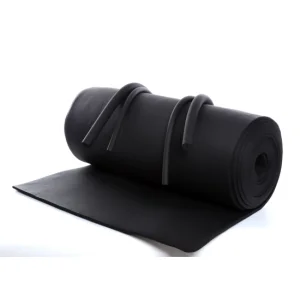
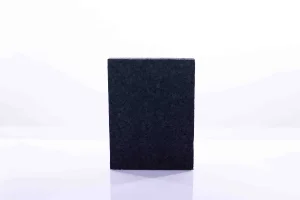
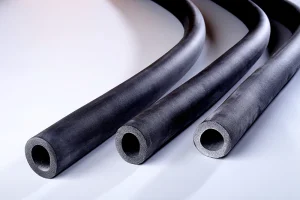
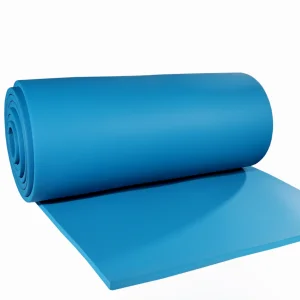
Engineered rubber foam sheets, tubes, and specialized ultra-low temperature insulation systems designed for global HVAC and industrial distribution.
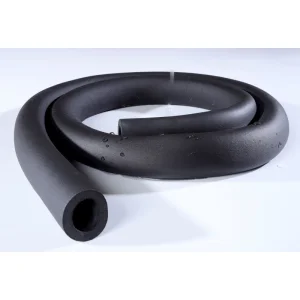
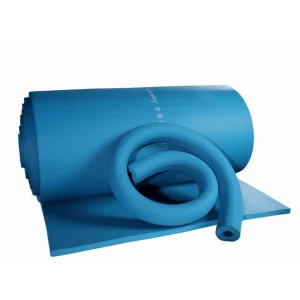
High-performance energy saving starts with mathematically precise wall thickness calculations.
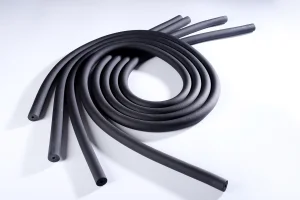
In modern industrial, commercial HVAC, and cryogenic processing installations, pipe insulation is not merely a protective covering; it is a critical engineering component. Uninsulated or improperly insulated pipelines lead to massive energy dissipation, unstable fluid processes, and disastrous moisture condensation (sweating) that triggers corrosion under insulation (CUI). As a premier global supplier based in Dacheng, China, Kingflex Insulation Co., Ltd. provides advanced closed-cell elastomeric NBR/PVC foam insulation designed to meet stringent global thermal criteria.
Developing a precise Pipe Insulation Thickness Table requires balancing thermodynamic variables, including the pipe's operating temperature, environmental humidity, ambient wind speeds, and the specific thermal conductivity (λ-value) of the elastomeric material. This whitepaper analyzes these variables to help design engineers, EPC contractors, and procurement departments optimize project costs while achieving maximum energy efficiency.
"Information Gain Insight: Elastomeric NBR/PVC insulation's thermal performance relies heavily on its closed-cell integrity. Kingflex structures boast a closed-cell rate exceeding 98%. This tiny, uniform cell geometry locks air inside, providing a long-term stable thermal conductivity of ≤0.034 W/(m·K) at 0°C."
Standardized sizing matrices across temperature variances to ensure optimal thermal performance and dew point control.
The following tables represent standard engineering configurations for NBR/PVC elastomeric rubber foam pipes. By cross-referencing your Nominal Pipe Size (NPS) or Outer Diameter (OD) with the medium's operating temperature, you can determine the minimum recommended thickness required to prevent condensation under normal indoor conditions (25°C ambient, 75% Relative Humidity).
| Nominal Pipe Size (NPS) | Outer Diameter (OD - mm) | ID Range (mm) | Recommended Wall Thickness (mm) for Medium Temp Range | Density Range (kg/m³) | Thermal Conductivity (W/m·K) |
|---|---|---|---|---|---|
| 1/4" to 1/2" | 6 - 15 mm | 6 - 16 mm | 9mm to 19mm | 40 - 55 kg/m³ | ≤0.034 (at 0°C) |
| 3/4" to 1-1/4" | 20 - 35 mm | 20 - 35 mm | 13mm to 25mm | 40 - 55 kg/m³ | ≤0.034 (at 0°C) |
| 1-1/2" to 2" | 42 - 60 mm | 42 - 60 mm | 19mm to 32mm | 40 - 55 kg/m³ | ≤0.034 (at 0°C) |
| 2-1/2" to 3" | 76 - 89 mm | 76 - 90 mm | 25mm to 38mm | 40 - 55 kg/m³ | ≤0.034 (at 0°C) |
| 4" to 4-1/2" | 108 - 114 mm | 108 - 114 mm | 32mm to 40mm | 40 - 55 kg/m³ | ≤0.034 (at 0°C) |
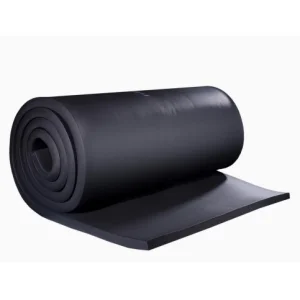
| Thickness (mm) | Standard Width (m) | Length Options (m) | Temperature Range limit (°C) | Water Vapor Permeability (μ) | Fire Rating Standard |
|---|---|---|---|---|---|
| 6mm / 9mm / 13mm | 1.0m / 1.2m / 1.5m | 8m / 10m / 20m / 30m | -40°C to +105°C | ≥ 10,000 (μ-factor) | Class 0 / Class 1 (BS 476) |
| 19mm / 25mm / 32mm | 1.0m / 1.2m / 1.5m | 6m / 8m / 10m | -40°C to +105°C | ≥ 10,000 (μ-factor) | Class 0 / Class 1 (BS 476) |
| 40mm / 50mm | 1.0m / 1.2m | 4m / 6m | -40°C to +105°C | ≥ 10,000 (μ-factor) | Class 0 / Class 1 (BS 476) |
Our production facilities utilize continuous extrusion and vulcanization lines, which are controlled via precision computerized temperature profiles. This process creates an incredibly fine, consistent micro-cell distribution. Unlike open-cell products, our closed-cell system acts as an all-in-one thermal barrier and vapor barrier.
In HVAC systems, this design prevents warm, moist ambient air from reaching cold pipe surfaces. Moisture penetration can degrade the insulation's thermal performance, as water has a thermal conductivity 24 times higher than static air. The high water vapor diffusion resistance (μ ≥ 10,000) of Kingflex elastomeric materials ensures stable, long-term thermal conductivity, which reduces energy costs over a typical service life of 10 to 15 years.
For chemical processing plants and liquid natural gas (LNG) terminals operating at ultra-low temperatures, standard elastomeric foam can become brittle and crack. Kingflex has developed specialized elastomeric cryogenic insulation systems. These multi-layered designs offer low-temperature flexibility and thermal resistance down to -196°C, protecting piping infrastructure from thermal shock and environmental degradation.

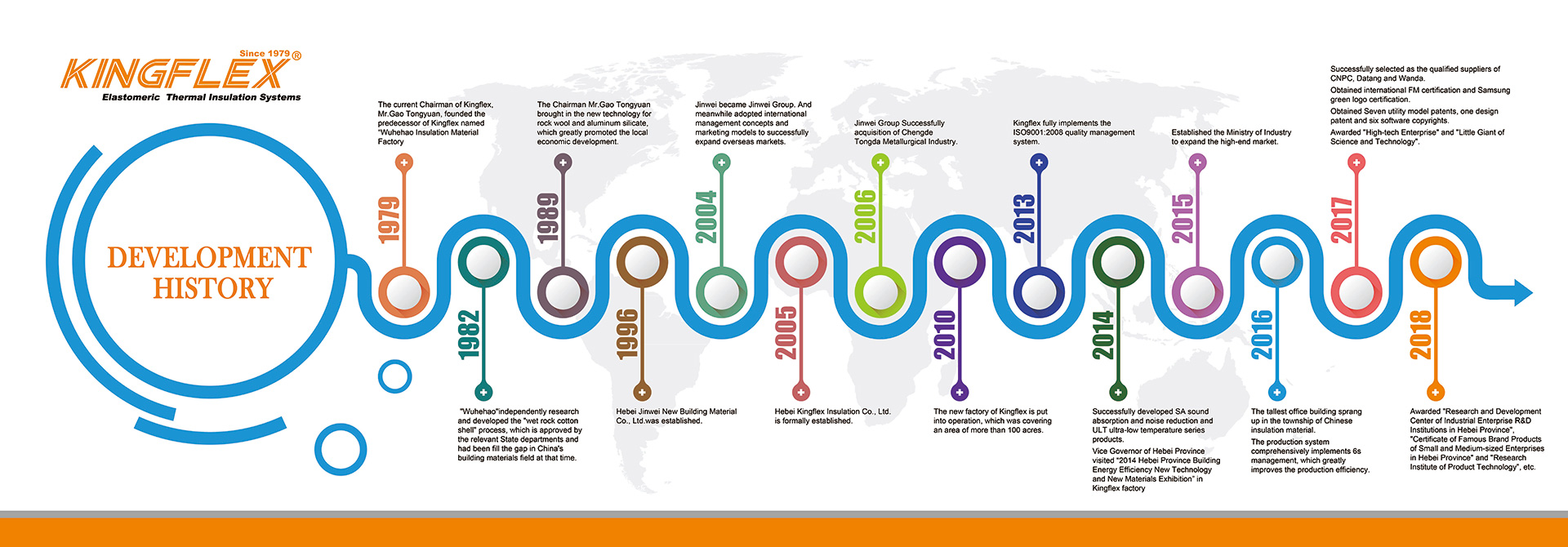

Understanding cost structures to optimize large-scale industrial procurement.
Elastomeric pricing is driven by raw NBR (Nitrile Butadiene Rubber) and PVC polymer ratios. High-quality NBR enhances oil resistance, flame retardance, and flexible thermal range, directly impacting the base cost.
Compliance with global fire standards, such as BS 476 Class 0, ASTM E84, or UL 94, requires adding advanced flame retardants and smoke suppressors. This process increases production costs but is critical for building code compliance.
Due to the low bulk density of rubber foam, shipping costs can be high. Choosing pre-cut tubes or compressed sheet rolls can optimize container space, significantly reducing landed unit costs.
To ensure our engineering team can provide the most competitive project pricing, please include the following technical specifications in your RFQ:
Every batch of Kingflex elastomeric foam undergoes testing to verify thermal and physical properties.
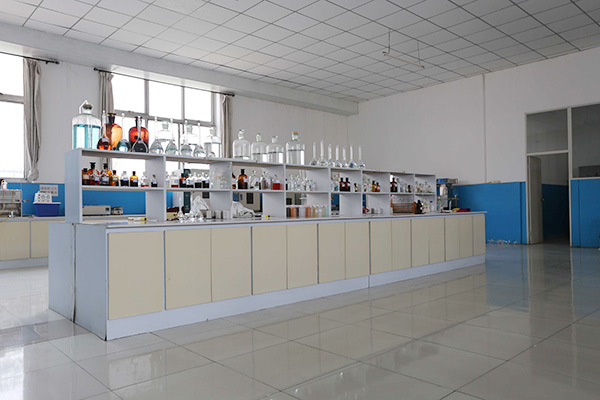
Thermal Conductivity Testing

Density and Elasticity Verification
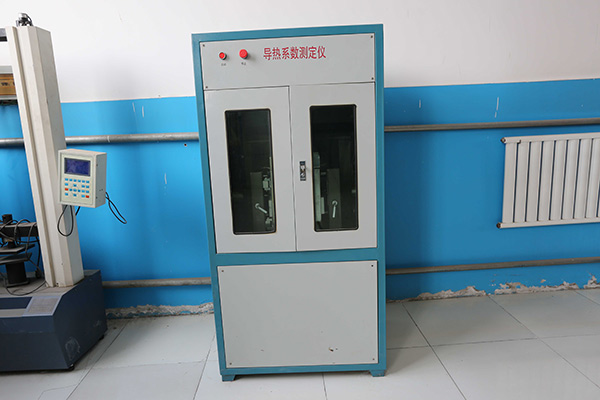
Flame Retardance Chamber
Proven performance in demanding commercial building HVAC and heavy industrial environments.

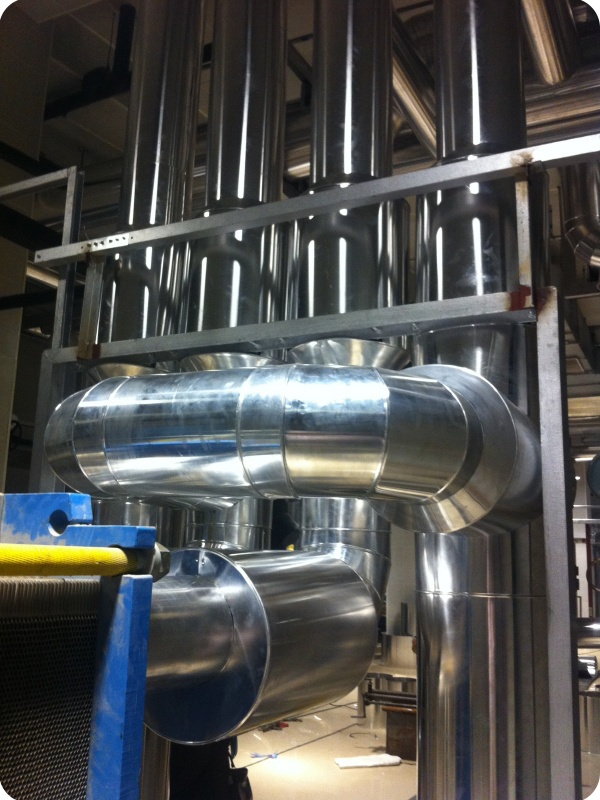
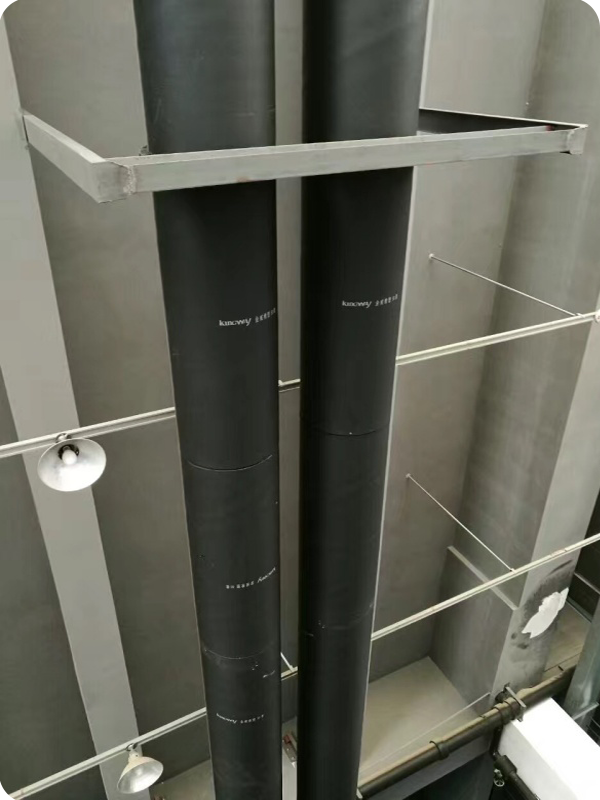
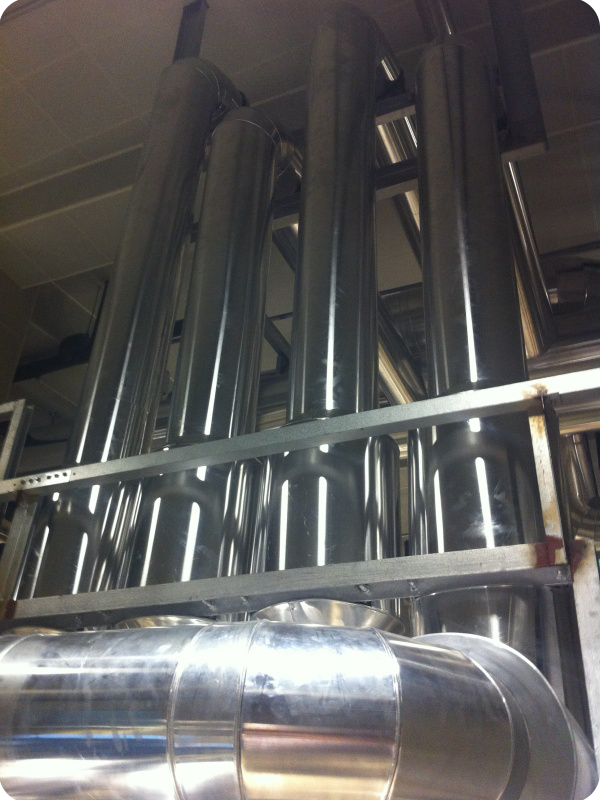
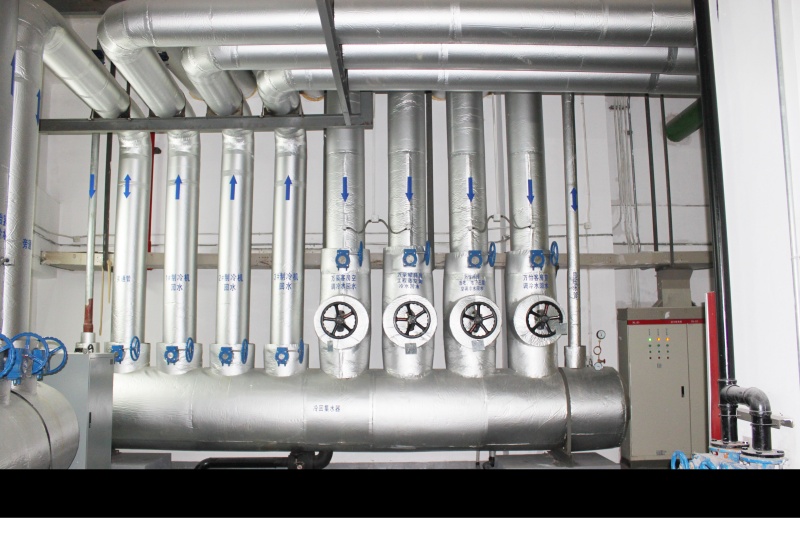


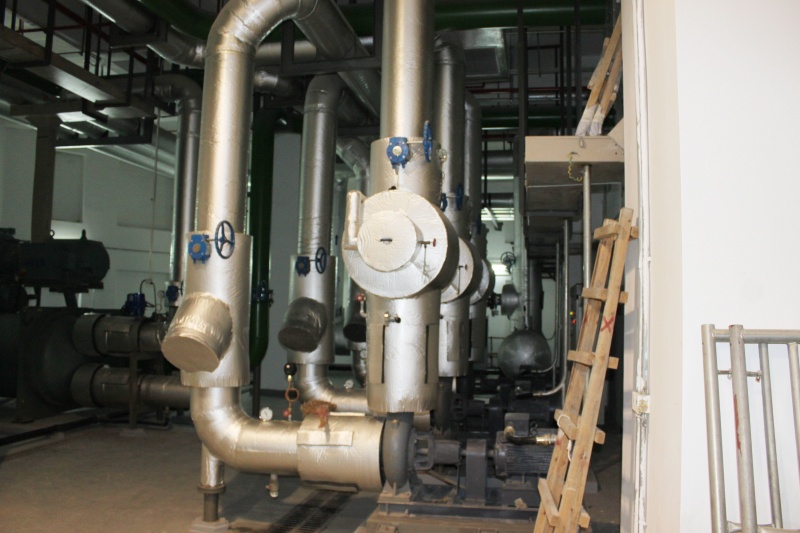
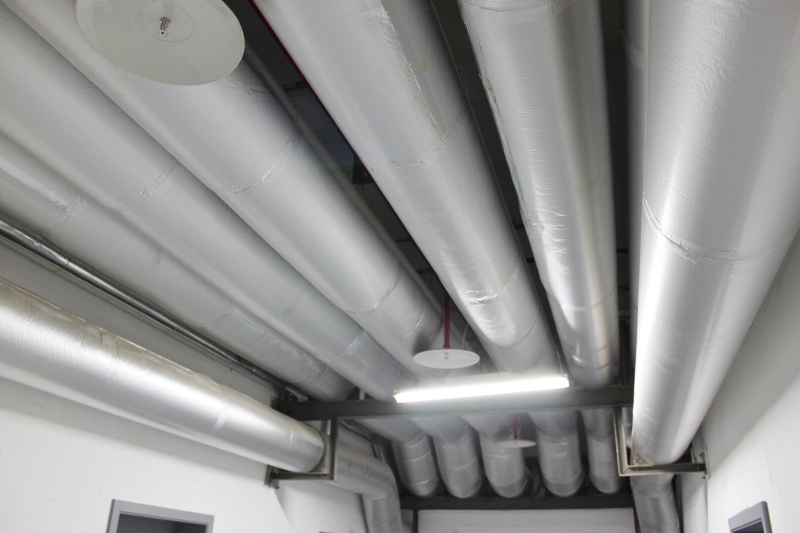

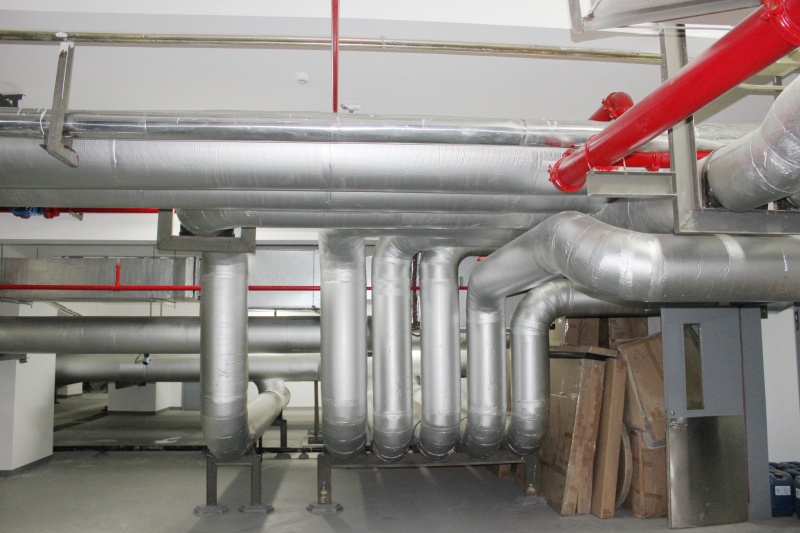
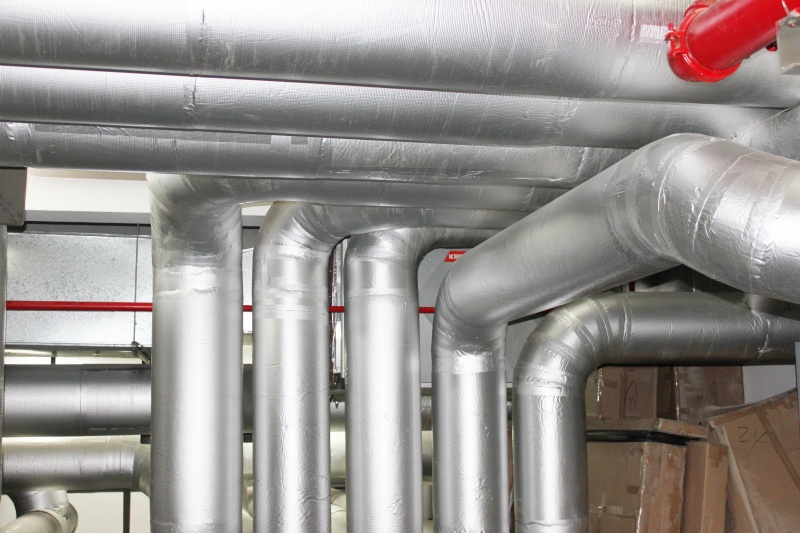
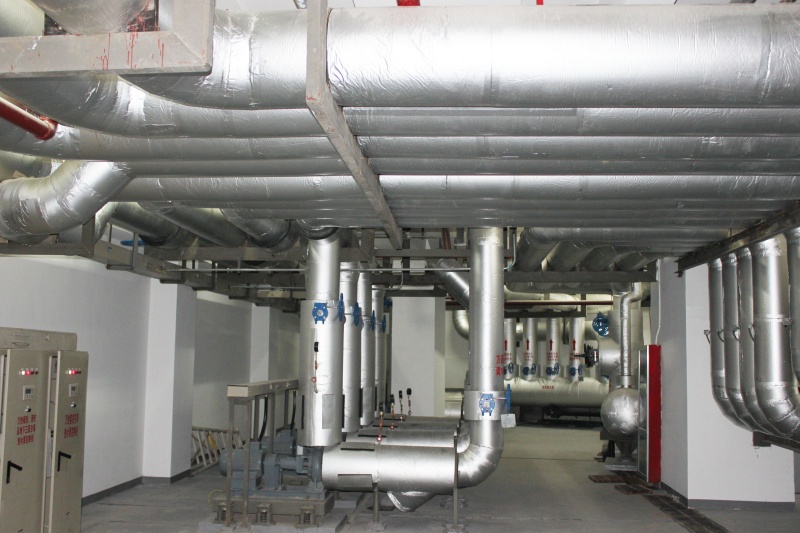
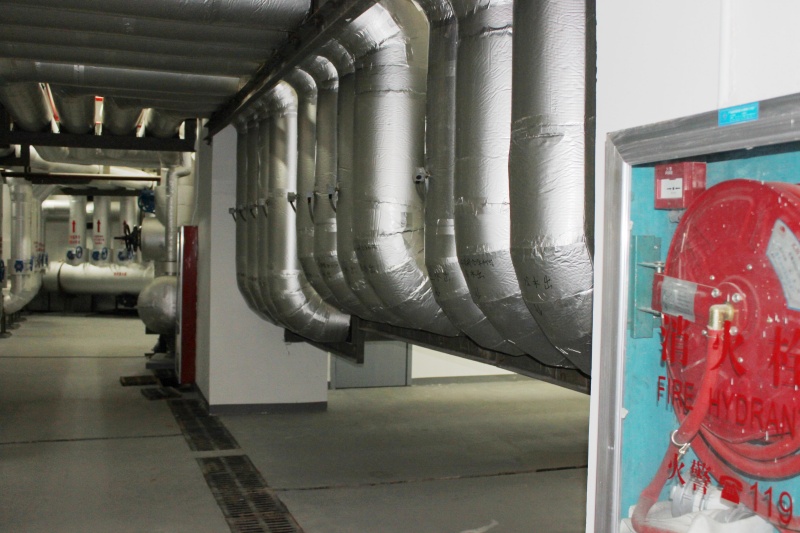
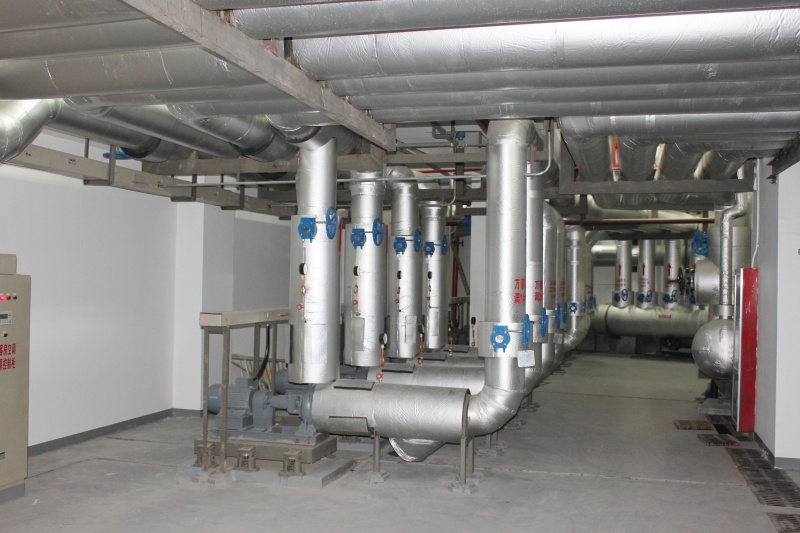

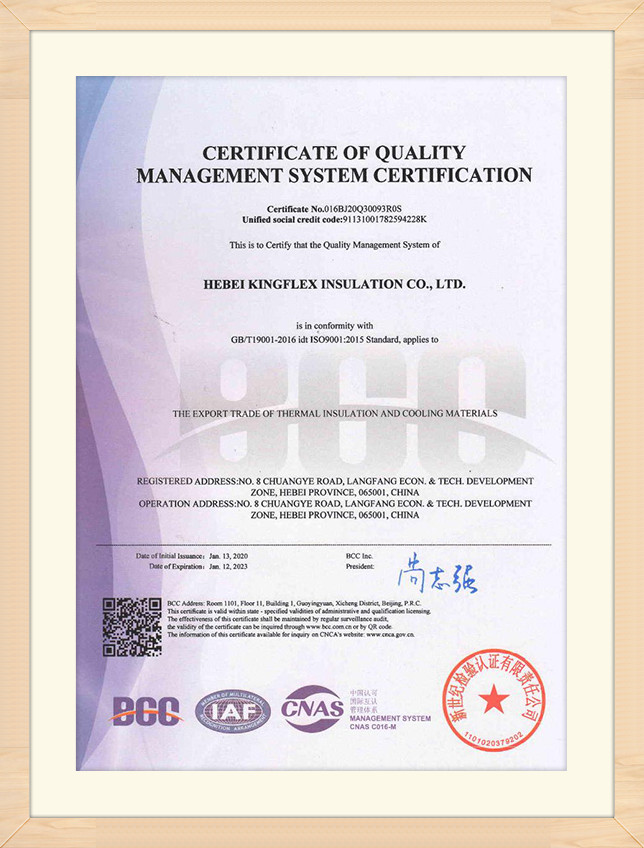
Kingflex insulation products are certified to international quality and safety benchmarks.
Our NBR/PVC elastomeric rubber foam has passed testing for fire classification, toxic emission limits, thermal conductivity stability, and tensile resilience. These certifications ensure our products comply with building codes across Europe, the Middle East, the Americas, and the Asia-Pacific region.
CE Certification

FM Standard Approval

ISO 9001 System Certificate
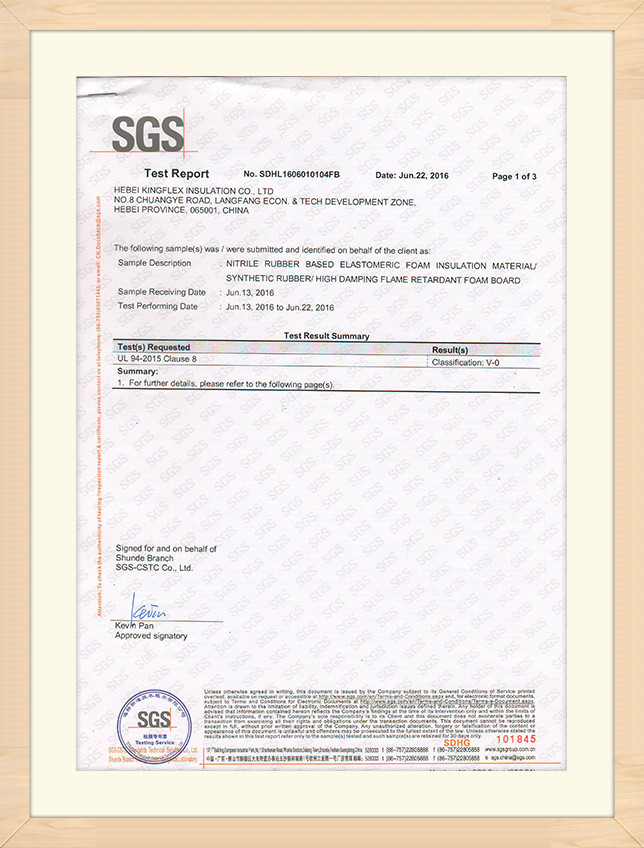
ASTM & BS Fire Standard Reports
Answers to common questions about NBR/PVC elastomeric thermal barrier designs.
It is primarily used to insulate HVAC ducts, air conditioning piping, domestic and hot water services, building thermal envelopes, and industrial process pipelines to control condensation and reduce heat transfer.
Yes. Kingflex insulation contains fire-retardant compounds that meet standard international criteria (such as BS 476 Class 0/1 and UL 94 V-0). The material is self-extinguishing and does not propagate flames.
Rubber foam is a flexible, closed-cell material that prevents moisture absorption, making it suitable for HVAC, chilled water lines, and cold systems. Rock wool is a high-density, high-temperature fibrous material suitable for high-temperature steam systems and acoustic insulation.
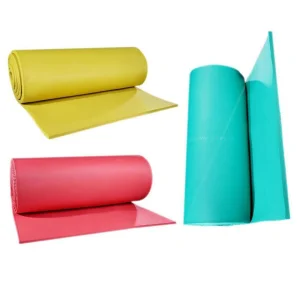
Yes. We offer OEM/ODM services, including customized inner/outer diameters, specialized wall thicknesses (6mm to 50mm), custom colors, and pre-applied self-adhesive coatings.
Our product lines have passed BS 476, CE, REACH, RoHS, UL 94, and ASTM testing, ensuring compliance with global building and safety regulations.
Yes. We maintain clear batch numbering and tracking protocols across all stage lines, from raw material compounding to final warehouse dispatch.
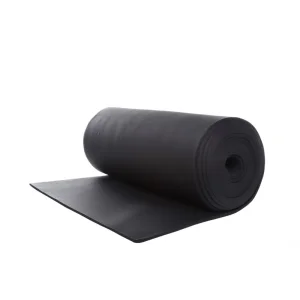
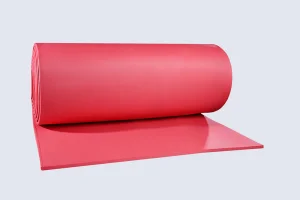
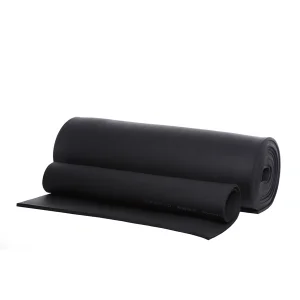
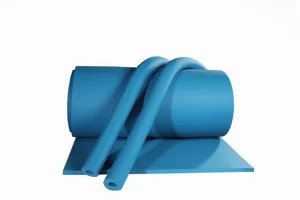
We produce sheet rolls in thicknesses ranging from 6mm to 50mm, accommodating a wide range of thermal requirements.
Under typical operating conditions and with proper installation, Kingflex products have a service life of 10 to 15 years, during which they maintain stable thermal conductivity.
As ambient humidity increases, the dew point temperature rises. To prevent condensation, you must select a thicker insulation layer to keep the outer surface temperature above the dew point of the surrounding air.
Yes. However, outdoor installations require a protective UV-resistant cladding (such as aluminum, PVC, or Kingflex specialized coatings) to shield the NBR/PVC matrix from environmental degradation.
Select the correct thermal barrier components for your piping systems.
 Kingflex