Explore high-performance elastomeric thermal tubes, soundproof boards, and customizable NBR sheets engineered for heavy duty applications.
Elastomeric rubber foam insulation is fundamentally defined by its closed-cell matrix. Produced utilizing a blend of Nitrile Butadiene Rubber (NBR) and Polyvinyl Chloride (PVC), this material is structured to act as an impermeable barrier against heat flow and moisture ingress.
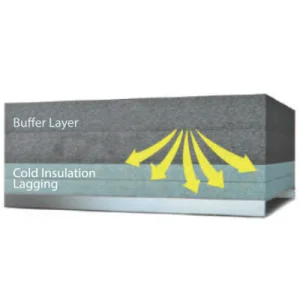
The chemical formulation of Kingflex products balances polymer flexibility and gas encapsulation. When processed under controlled temperatures, vulcanization agents blow tiny bubbles of inert gas within the compound, locking them into place. This results in a cell structure where over 98% of cells are fully closed.
For traditional insulation systems such as fiberglass or rock wool, moisture absorption is a primary failure mechanism. When water vapor infiltrates these open-fiber structures, it replaces air pockets with water, boosting the thermal conductivity coefficient.
NBR-based rubber foam is naturally vapor-impermeable. Featuring a water vapor resistance factor (μ) exceeding 10,000, it does not require an external vapor barrier to resist condensation, even in high-humidity applications. This characteristics prevents Corrosion Under Insulation (CUI), a common challenge in industrial pipeline management.
Our facility maintains active development for custom compound designs. Our lab utilizes rheometers, gas chromatography, and flame-retardant evaluation systems to inspect raw polymer batches.
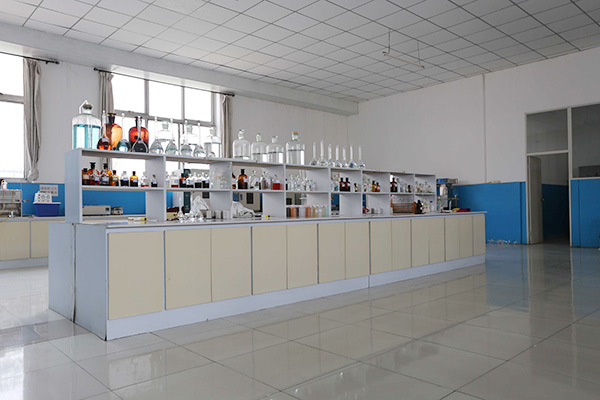


Established by the Jinwei Group (which has over 40 years of history since its founding in 1979), Kingflex is located in Dacheng, China—recognized as a capital of green-building materials. As the first thermal insulation manufacturer north of the Yangtze River, our footprint covers global supply lines.
Operating 5 fully automated extrusion and foaming production lines, Kingflex produces an annual capacity exceeding 600,000 cubic meters. Our industrial capability is recognized by official certifications from the Ministry of Energy, the Ministry of Electric Power, and the Ministry of Chemical Industry.
Comprehensive product parameters for engineering review and HVAC design integration.
| Insulation Form Factor | Material Base | Thickness Options | Internal Diameter (ID) | Density Range | Operating Temperature |
|---|---|---|---|---|---|
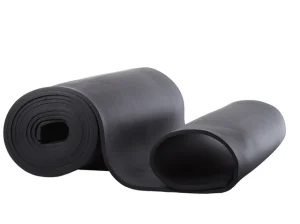
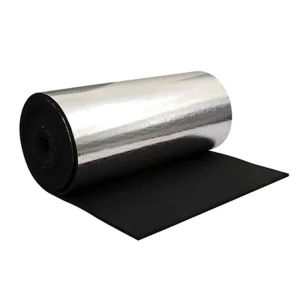
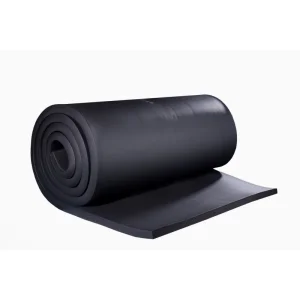
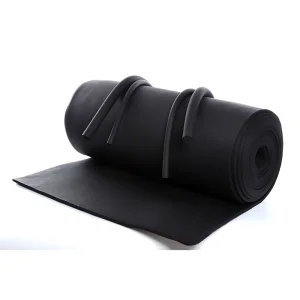
| Black Rubber Foam Sheet Roll | NBR / PVC Blends | 6mm - 50mm | N/A | 40 - 55 kg/m³ | -40℃ to +105℃ |
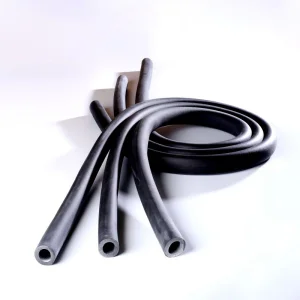
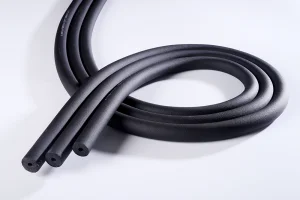
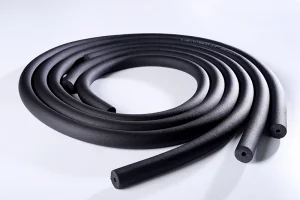
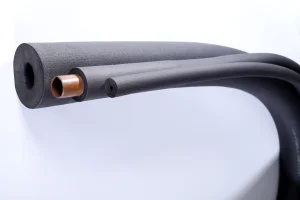
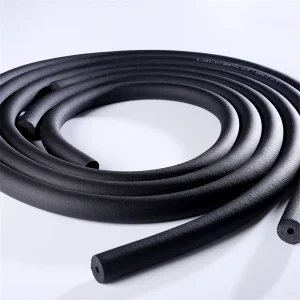
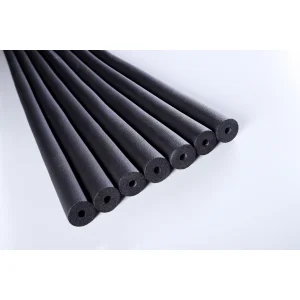
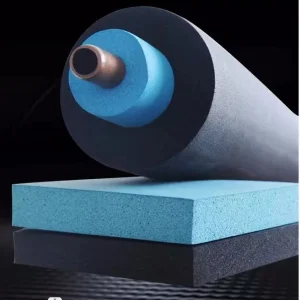
| Black Rubber Foam Pipe | NBR / PVC Blends | 9mm - 40mm | 6mm - 114mm | 40 - 55 kg/m³ | -40℃ to +105℃ |
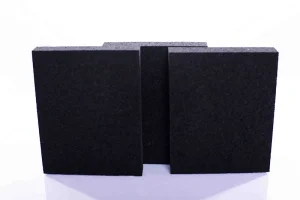
| Cryogenic Elastomeric Board | Modified Elastomers | 13mm - 50mm | Varies | 50 - 65 kg/m³ | -200℃ to +105℃ |
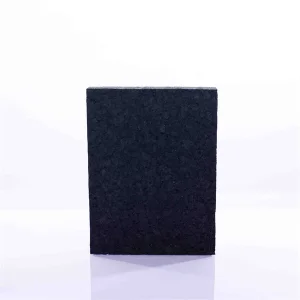
| Acoustic soundproofing sheet | Open-cell/Hybrid Nitrile | 10mm - 40mm | N/A | 45 - 60 kg/m³ | -40℃ to +85℃ |
Self-extinguishing chemistry matching BS 476 Part 7 Class 1 and Part 6 Class 0, UL94 V-0 flame ratings, and ASTM E84 surface burning character checks.
Maintains >80% recovery after mechanical loading, preserving the dead-air gap envelope required for consistent K-value performance.
Formulated with integrated PVC plasticizers and NBR polymers, resisting ozone breakdown and surface checking in exterior layouts.
From deep cryogenic infrastructure to complex commercial HVAC networks, elastomeric rubber foam insulation rolls provide target performance across several industries:
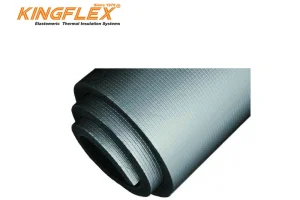
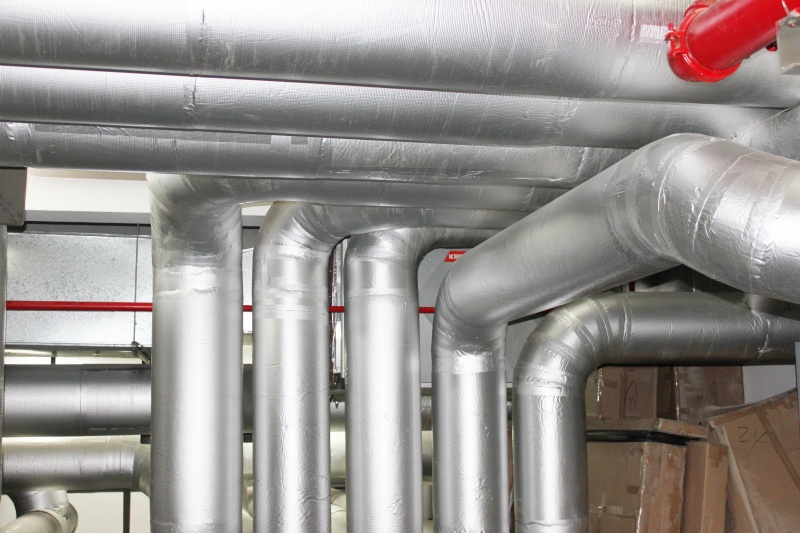
Provides insulation for large-scale central air handling systems. Standard foil-faced NBR rolls lower radiant energy transfer and eliminate noise generated from high-velocity air ducts.
Specialized low-temperature configurations maintain elastic performance down to -200°C, which is critical for liquid nitrogen lines, LNG facilities, and industrial chemical pipelines.
Restricts heat escape from medium-temperature steam pipelines, boiler supply networks, and processing tanks, supporting target thermal efficiency in chemical factories.

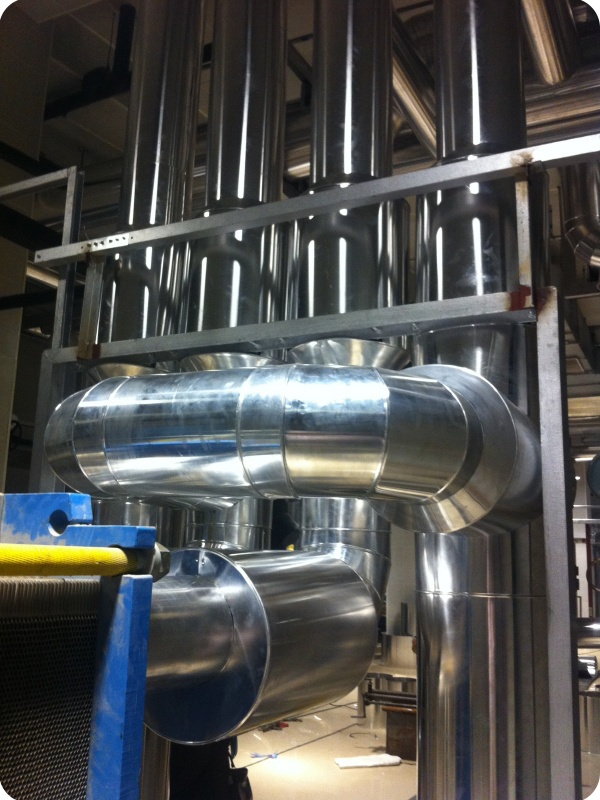
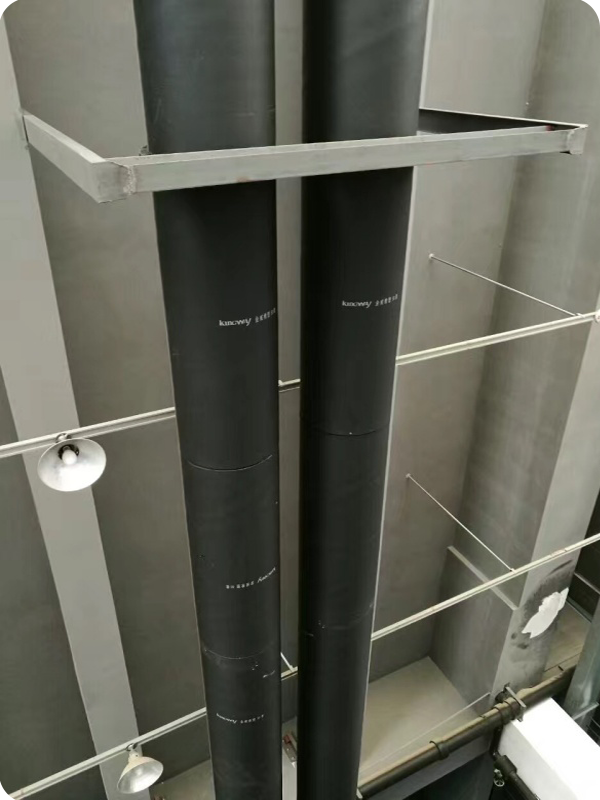
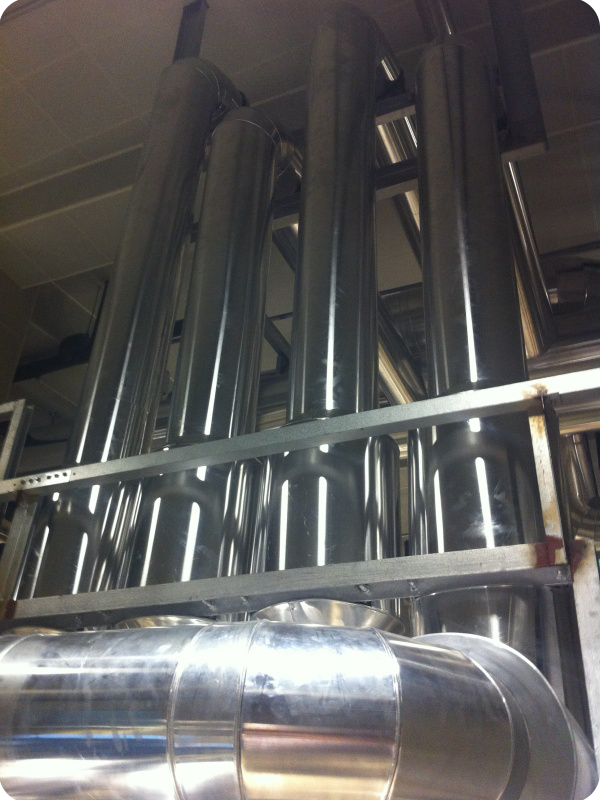
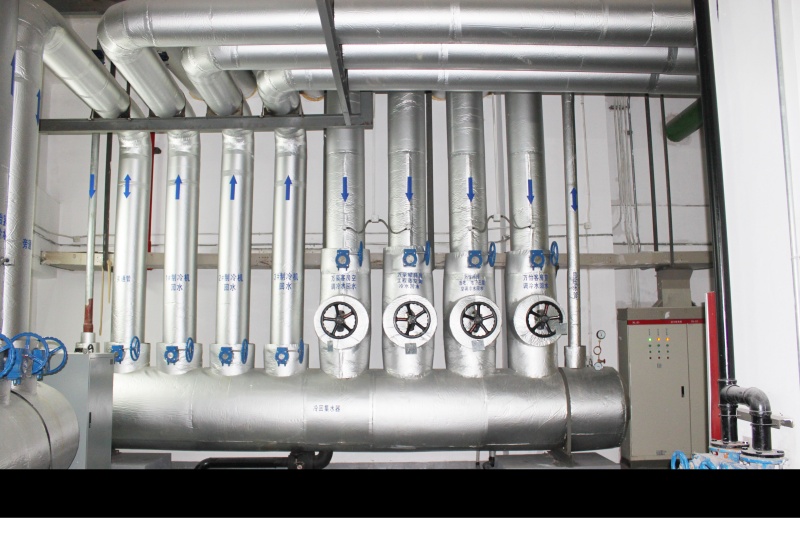


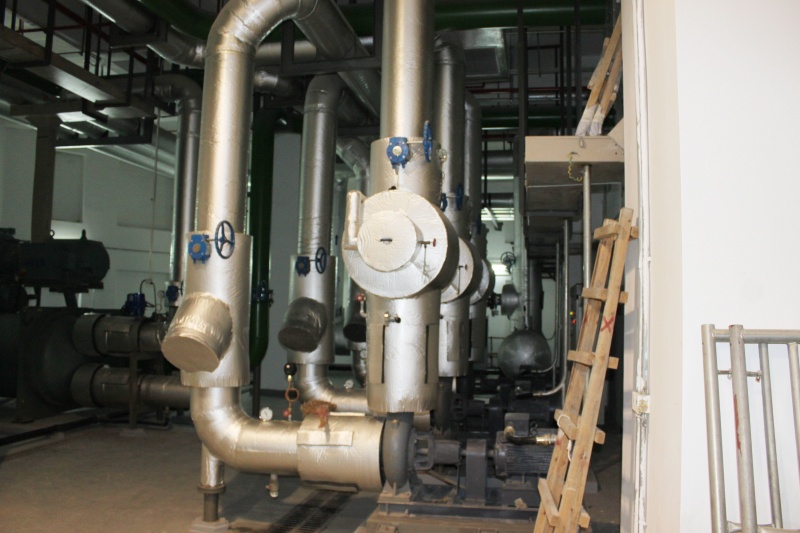
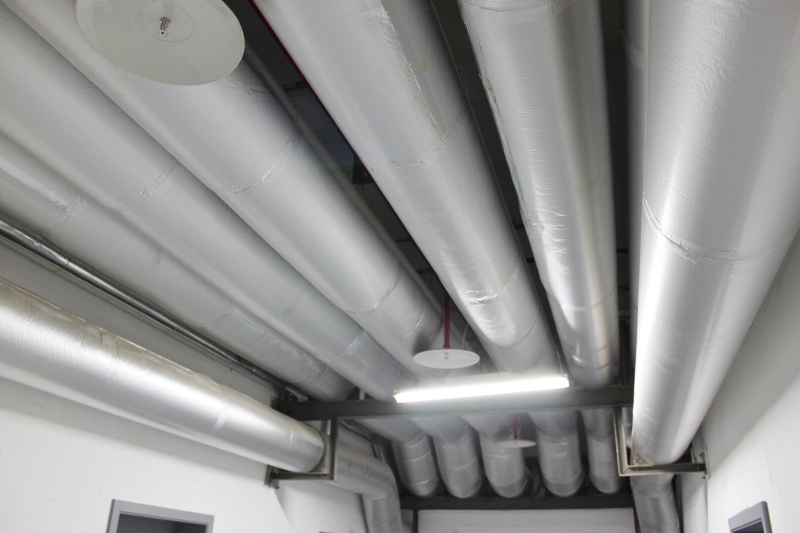

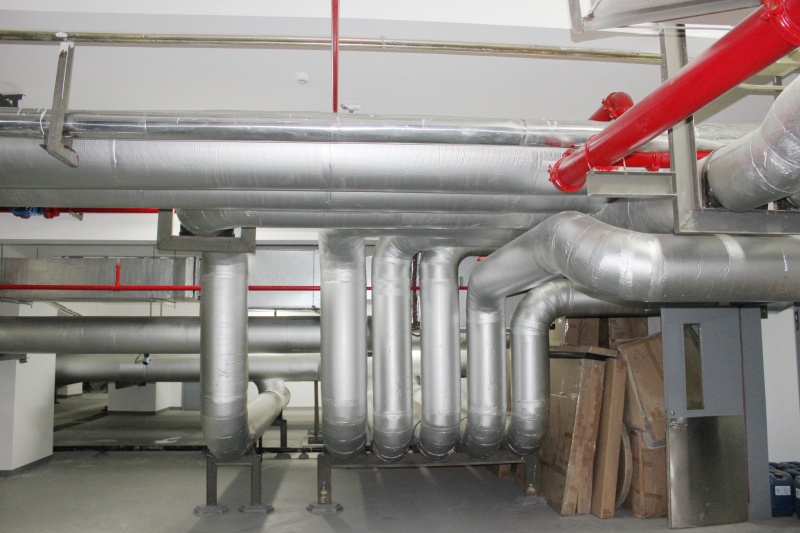
Operating across global markets requires third-party testing and verification. Kingflex materials are certified by reputable compliance and environmental registries, including:
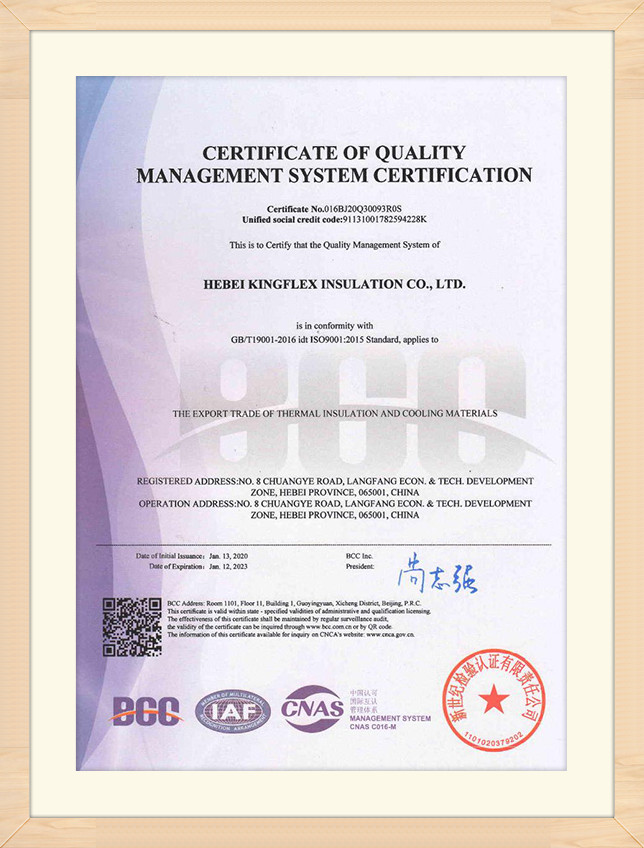


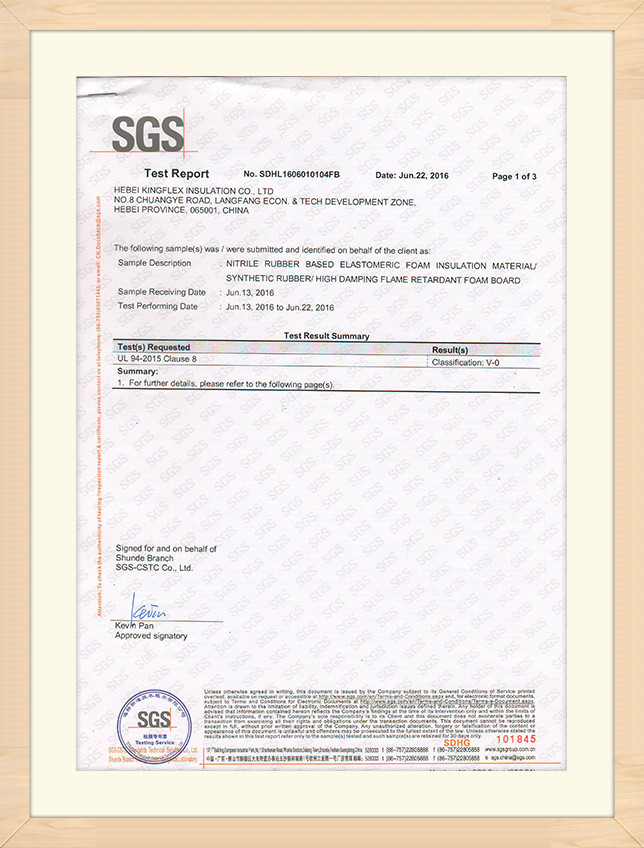
Our export operations utilize automated project dispatch, which ensures batch records can be tracked back to the chemical formulation line.




Frequently asked questions concerning Kingflex elastomeric systems and global procurement processes.
A1: It is mainly used for thermal management in HVAC ducts, air conditioning piping, residential/commercial thermal insulation, and sound attenuation in mechanical ventilation rooms.
A2: Yes. The material features integrated flame retardants that self-extinguish when the flame source is removed, meeting BS 476 Class 0, UL94 V-0, and ASTM E84 safety standards.
A3: Rubber foam features a flexible, closed-cell structure with high moisture resistance (μ ≥ 10,000), making it ideal for HVAC and chilled-water systems. Rock wool is an open-fiber material designed for high-temperature and structural fireproofing applications.
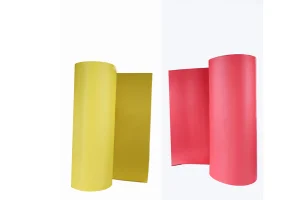
A4: Yes. We offer custom fabrication options, including specific thickness settings, internal diameters, foil coverings (aluminum/glass cloth), and pre-applied pressure-sensitive adhesives.
A5: Our products are certified under BS 476, CE, REACH, ROHS, UL94, and ASTM standards.
A6: Yes. Every batch from our 5 automatic assembly lines is assigned a unique batch run identifier, allowing us to trace processing parameters and raw material supplies.
A7: We can produce roll thicknesses ranging from 6mm up to 50mm to meet different thermal requirement codes.
A8: When installed according to manufacturer guidelines, the material provides a service life of approximately 10 to 15 years in typical environmental conditions.
Specialized formulations and pipe overlays for cryogenic processes and industrial water supply lines.
 Kingflex