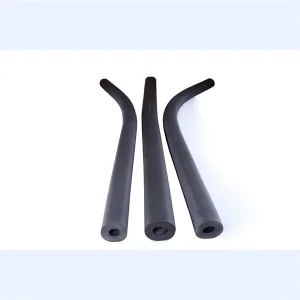
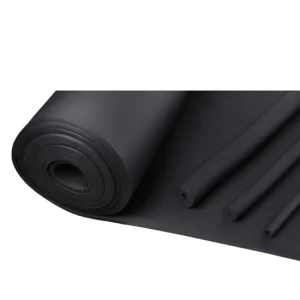
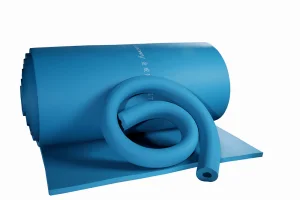
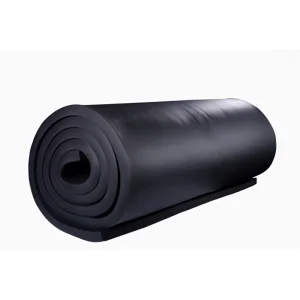
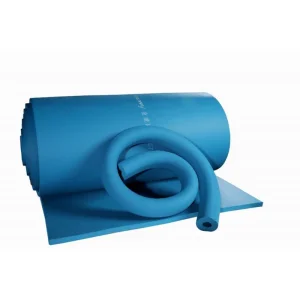
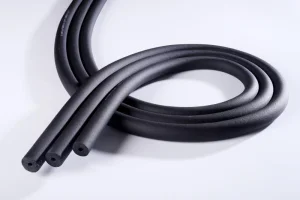
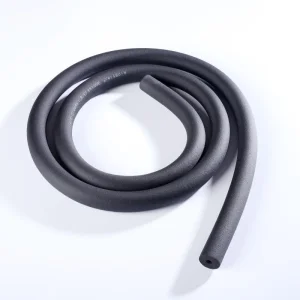
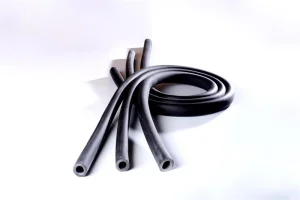
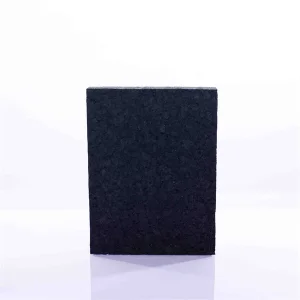
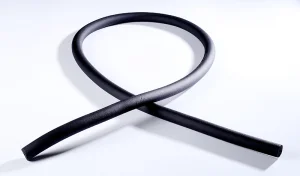
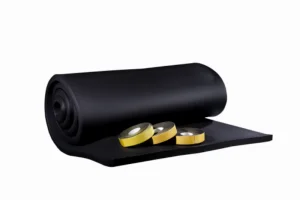
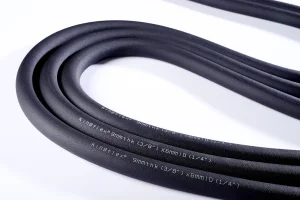
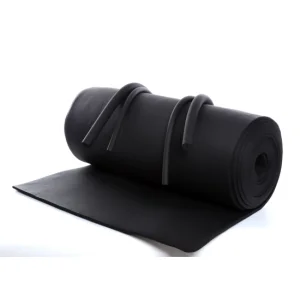
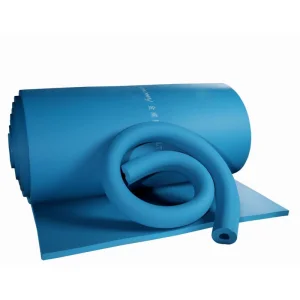
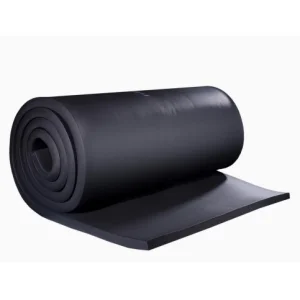
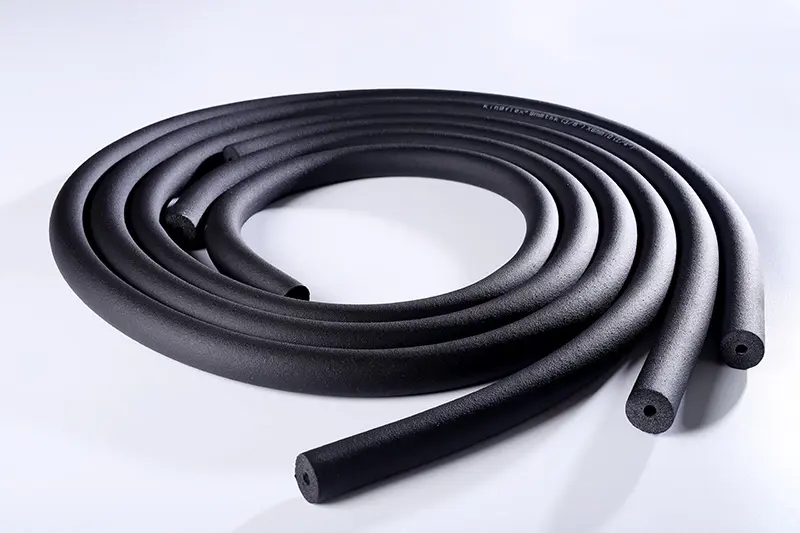
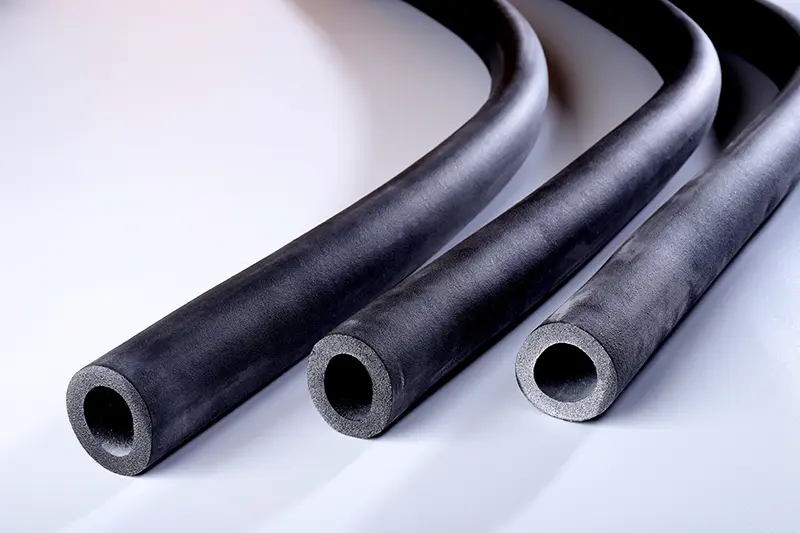
Explore our core selection of elastomeric rubber foam insulation rolls, tubes, and cryogenic systems engineered for superior thermal protection.
In modern commercial construction and industrial pipeline networks, managing energy dissipation is a crucial challenge for architectural engineers. Air-conditioning systems represent up to 40% of the total energy footprint in modern multi-occupancy structures. Controlling this thermal energy distribution relies on the performance of elastomeric rubber foam insulation systems.
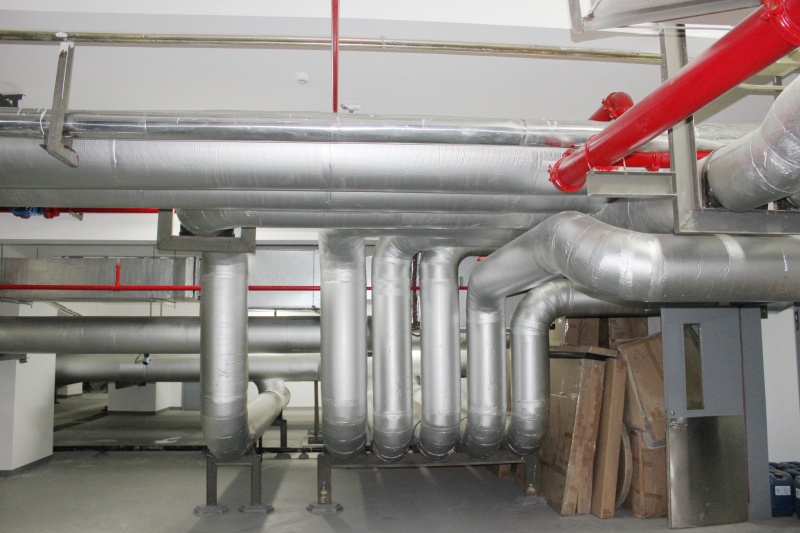
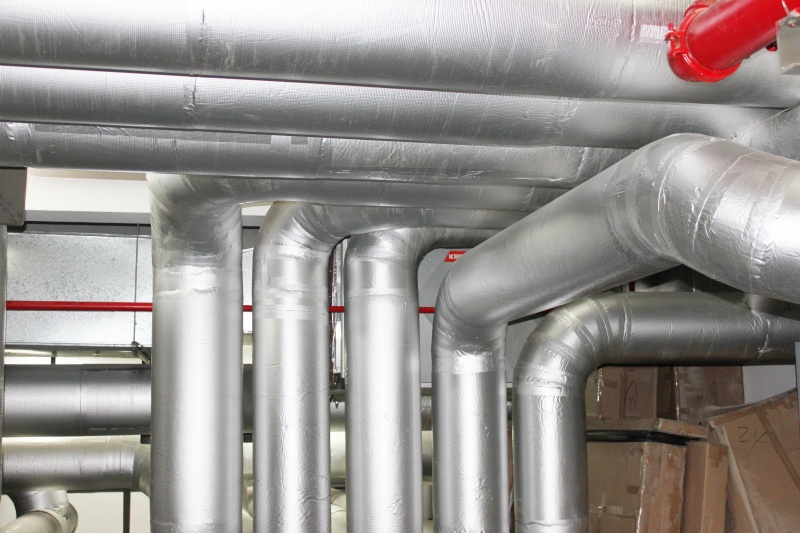
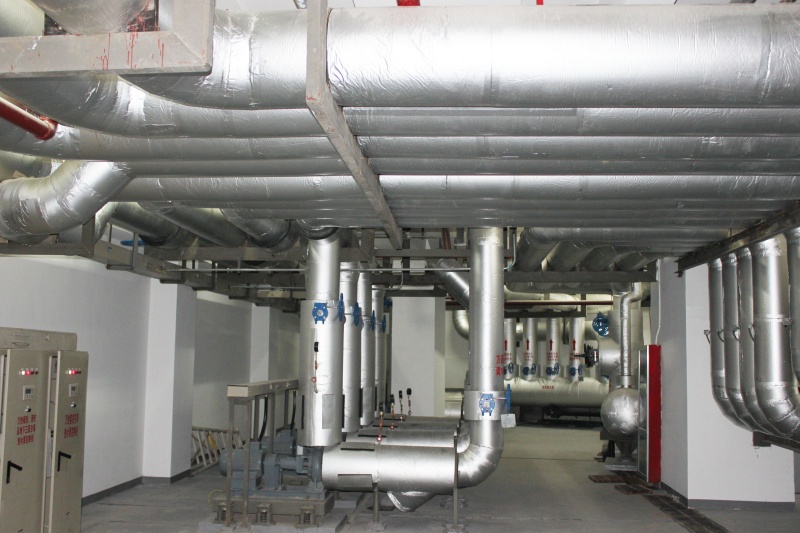
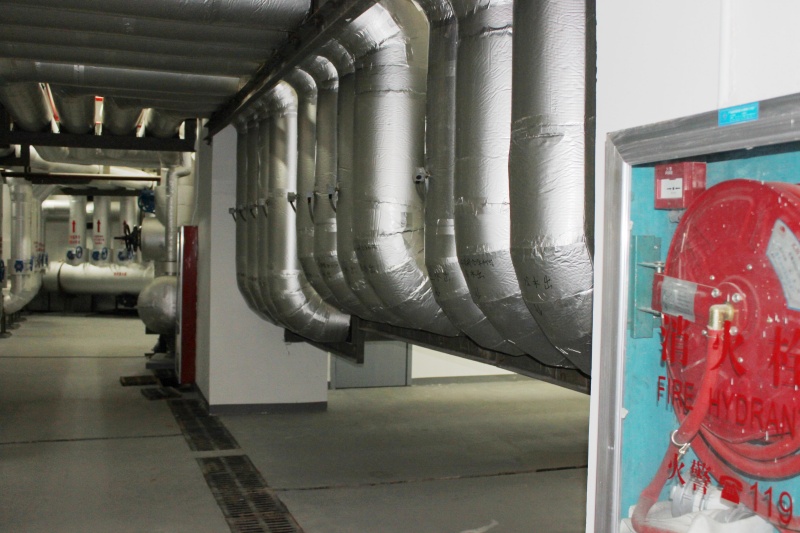
With rapid urbanization, building energy efficiency codes (such as standard ASHRAE 90.1, EN 14304, and local European performance frameworks) require stricter thermal resistance and fire safety rules. Elastomeric closed-cell rubber foam insulation (primarily made of NBR and PVC blends) prevents thermal transmission, controls condensation, and limits acoustic vibration in air-conditioning lines.
As a leading manufacturing and trading combo, Kingflex Insulation Co., Ltd. produces premium insulation solutions. From our headquarters in Dacheng, China—a hub for green building materials—we provide thermal and cryogenic insulation products designed for demanding HVAC designs.
Compression resilience rates exceeding 80% ensure structural integrity and thermal sealing even under physical load.
Certified flame retardancy (Class 0 / Class 1 under BS 476, UL 94 V-0 class) for fire safety in multi-story infrastructure.
Closed-cell elastomeric matrices reduce system vibrations, offering soundproof barriers for internal pipelines.
The base formulation of Kingflex elastomeric foam combines Nitrile Butadiene Rubber (NBR) and Polyvinyl Chloride (PVC). This composite is combined with blowing agents, fire retardants, and cross-linking stabilizers. This process yields a flexible material defined by over 98% closed-cell structure.
| Performance Metrics | NBR/PVC Elastomeric Foam Spec Range | Industrial Value Proposition |
|---|---|---|
| Density range | 40 - 55 kg/m³ | Maintains lightweight structure while ensuring mechanical stability. |
| Thermal Conductivity (λ) | ≤ 0.034 W/(m·K) at 0°C | Low conductivity limits heat gains, reducing energy usage. |
| Water Vapor Permeability (μ) | ≥ 10,000 | High vapor resistance prevents moisture ingress, reducing CUI risk. |
| Temperature Range Tolerance | -40°C to +105°C (Up to -200°C for Cryogenics) | Provides thermal control in hot water lines and deep cryogenic processes. |
A key benefit of this closed-cell configuration is the high resistance to moisture absorption. Open-cell structures (like polyurethane or standard glass wool) absorb environmental moisture, which degrades their thermal conductivity. Kingflex's closed-cell design acts as a built-in vapor barrier, providing stable, long-term thermal insulation.
For international purchasing managers, supply chain reliability is key. Sourcing insulation materials requires analyzing direct material costs, shipping volumes, and product quality. Standard HVAC insulation requires high thickness configurations, which can increase container volume requirements during shipping.
Kingflex addresses this challenge through compression packaging. Our specialized compression technologies allow foam rolls and tubes to pack tightly without collapsing the interior cells. Once opened on-site, the material returns to its designed thickness and density, helping to reduce transcontinental shipping costs.
Additionally, our production capacity of over 600,000 cubic meters annually across five automatic assembly lines supports large industrial and commercial construction timelines without delays.

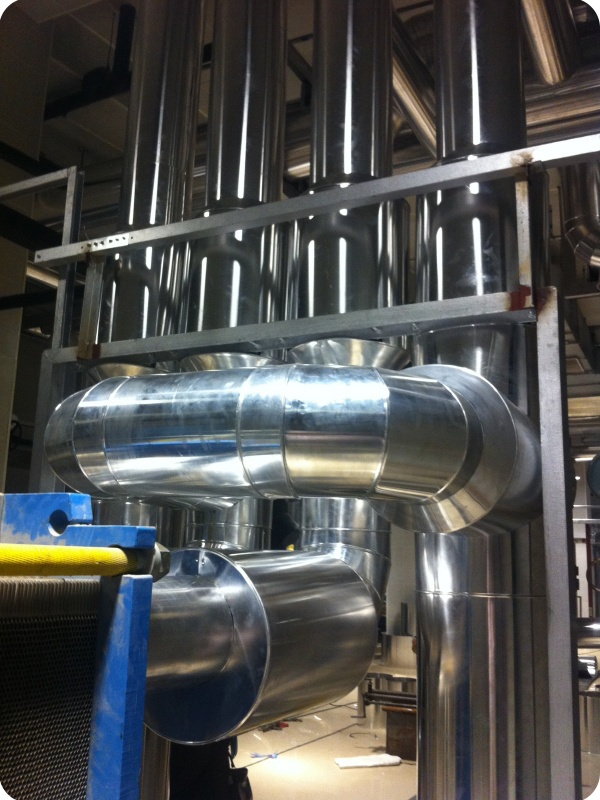
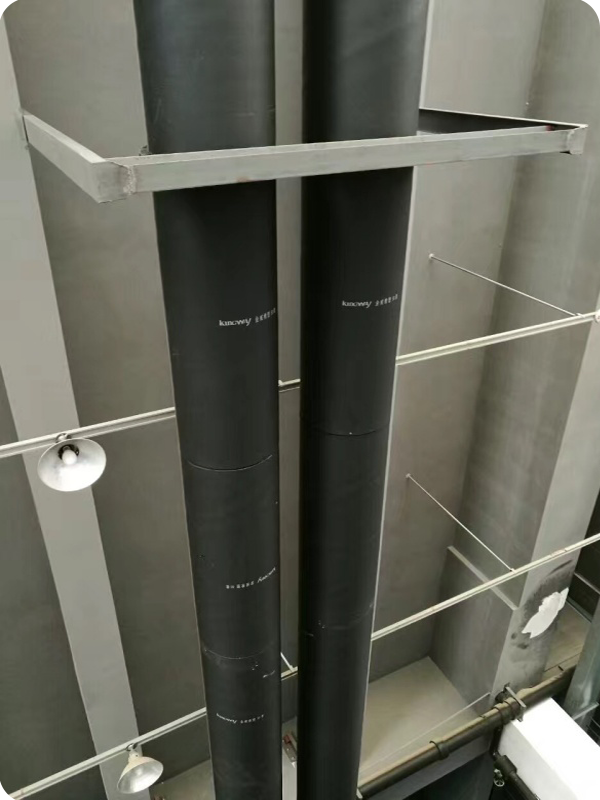
Different projects require specific insulation configurations. Modern HVAC architectures operate across diverse conditions:

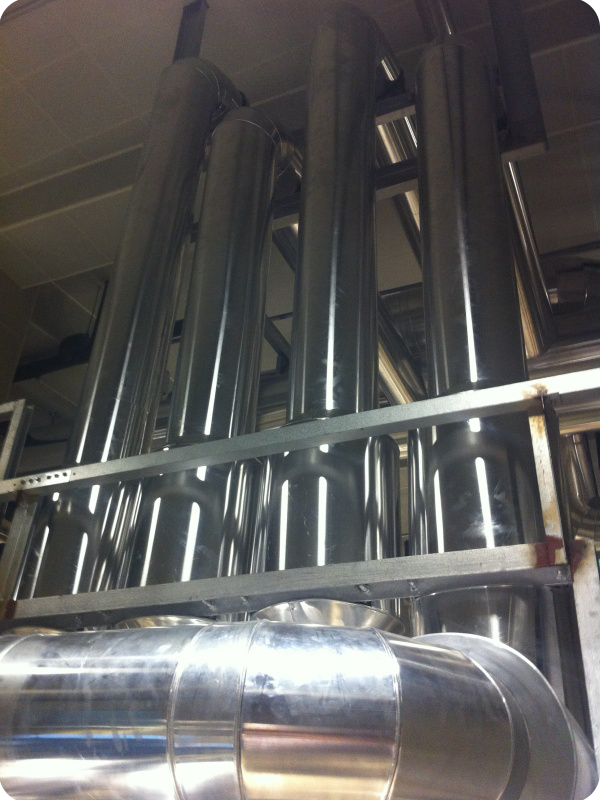
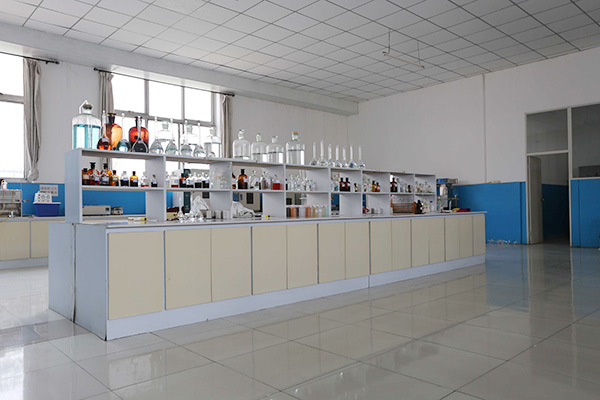
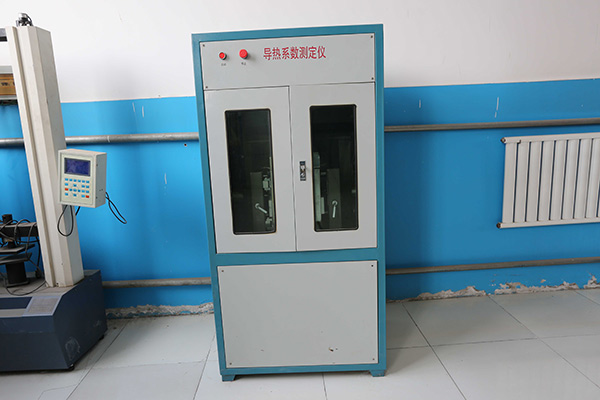
The research and development department at Kingflex utilizes specialized testing equipment to monitor flame spread, smoke toxicity, chemical resistance, and thermal performance.

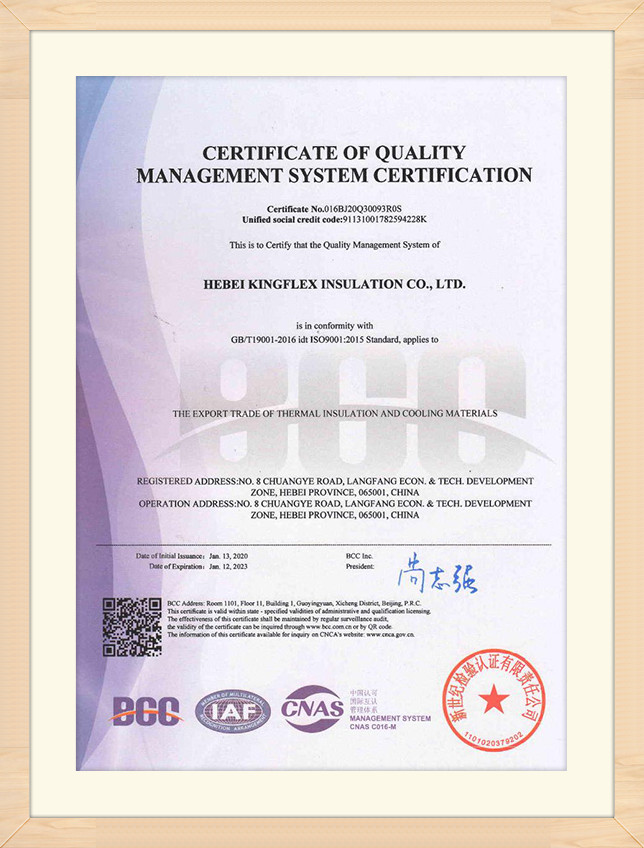
Our international quality department oversees compliance certifications, ensuring all production runs align with the target market standards.


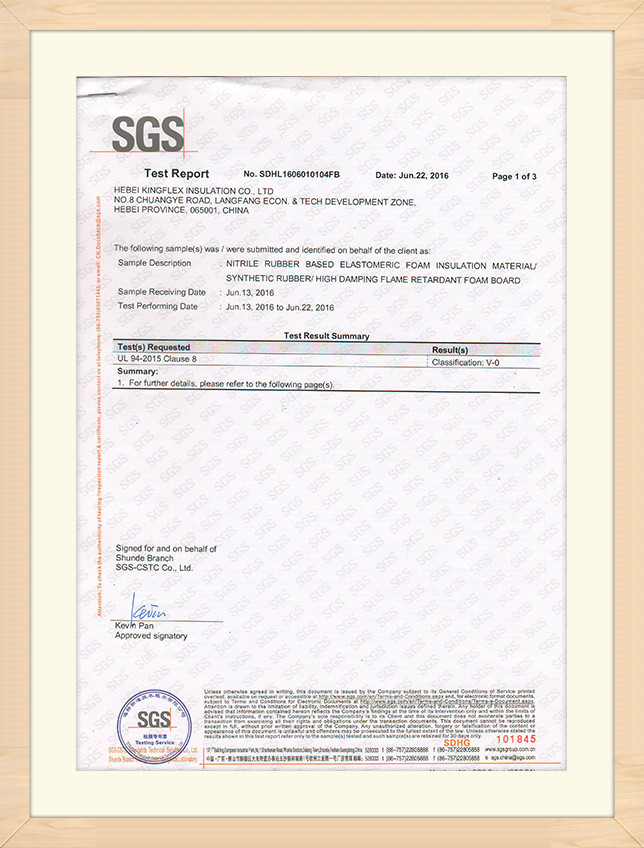
As carbon neutrality targets influence global construction, our R&D roadmap focuses on three main developments:
Developing bio-sourced elastomeric polymers to reduce reliance on fossil resources while maintaining thermal performance.
Designing halogen-free materials to limit toxic smoke generation in fire hazard scenarios, targeting compliance with high safety standards.
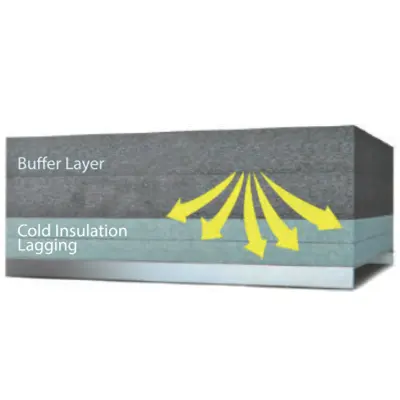
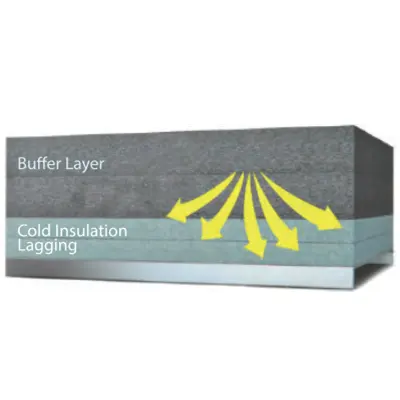
Optimizing multi-layered elastomeric foam systems for cryogenic industrial facilities and liquified natural gas pipeline networks.
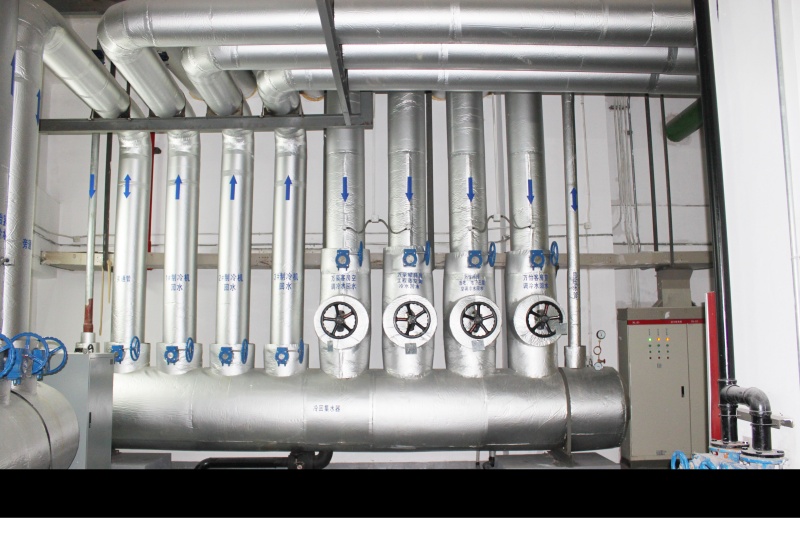


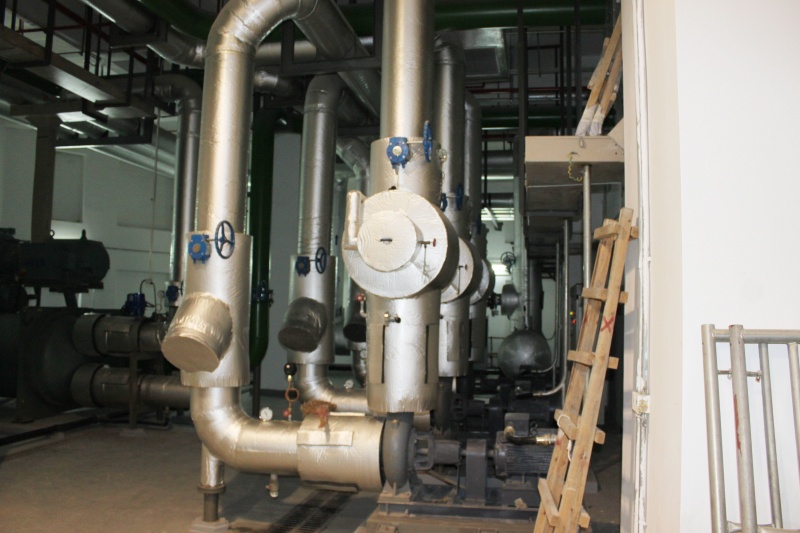
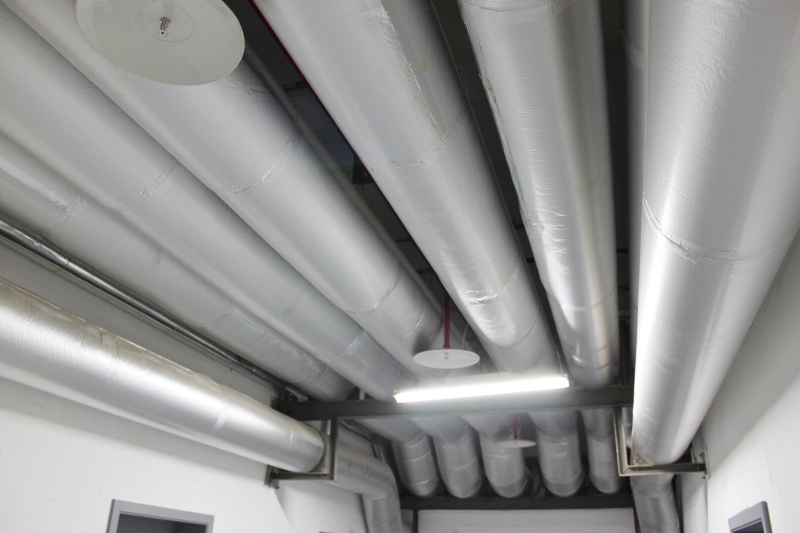

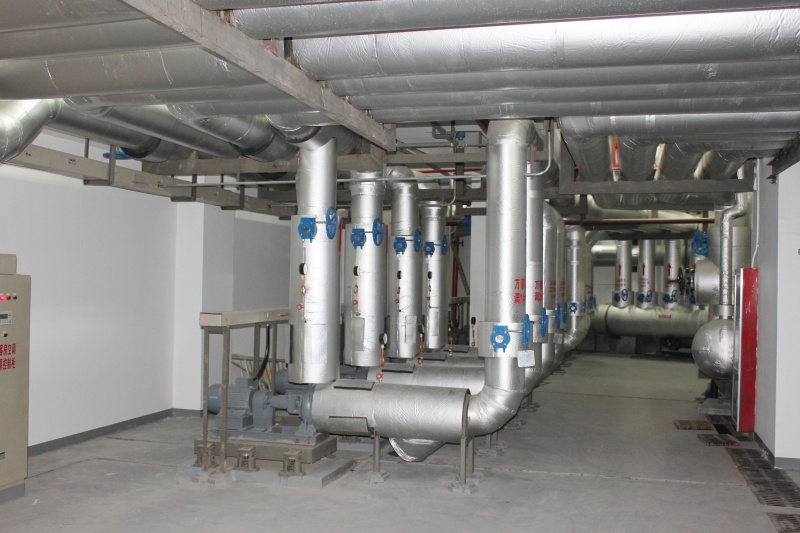

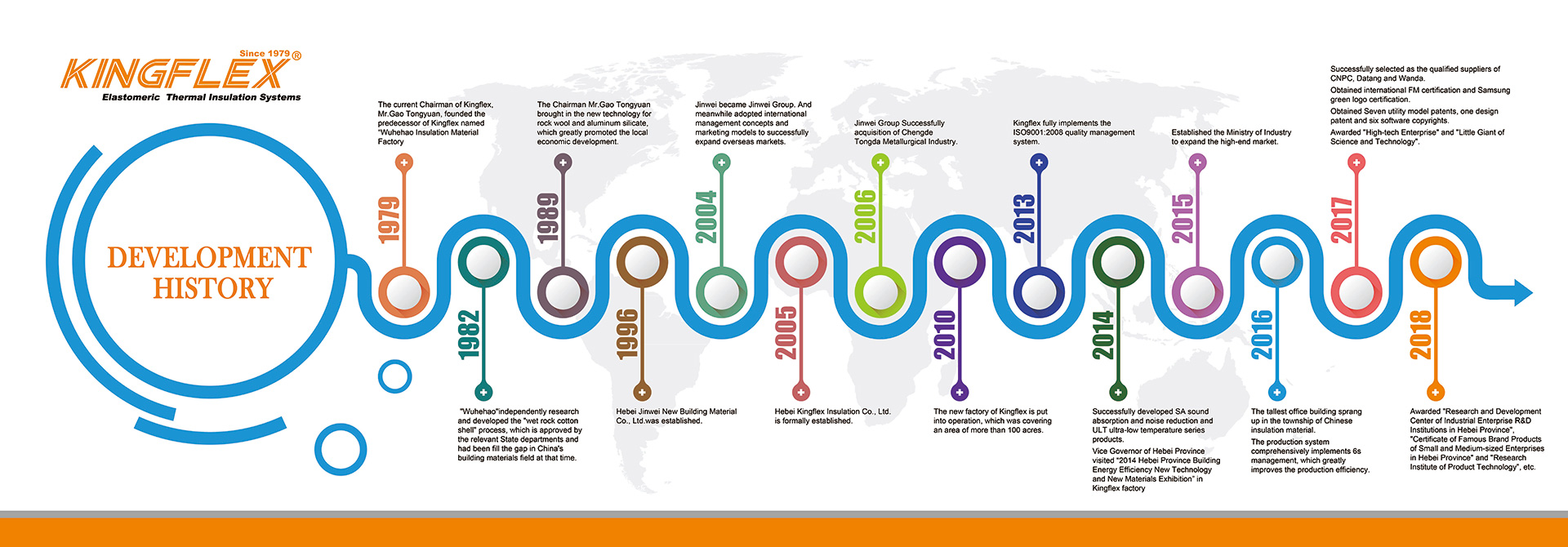
Established by the Jinwei Group, which has a 40-year history since 1979, Kingflex is built on decades of thermal insulation manufacturing experience. As the first thermal insulation material manufacturer north of the Yangtze River, Jinwei Group established early standards for quality in China's building material sector.
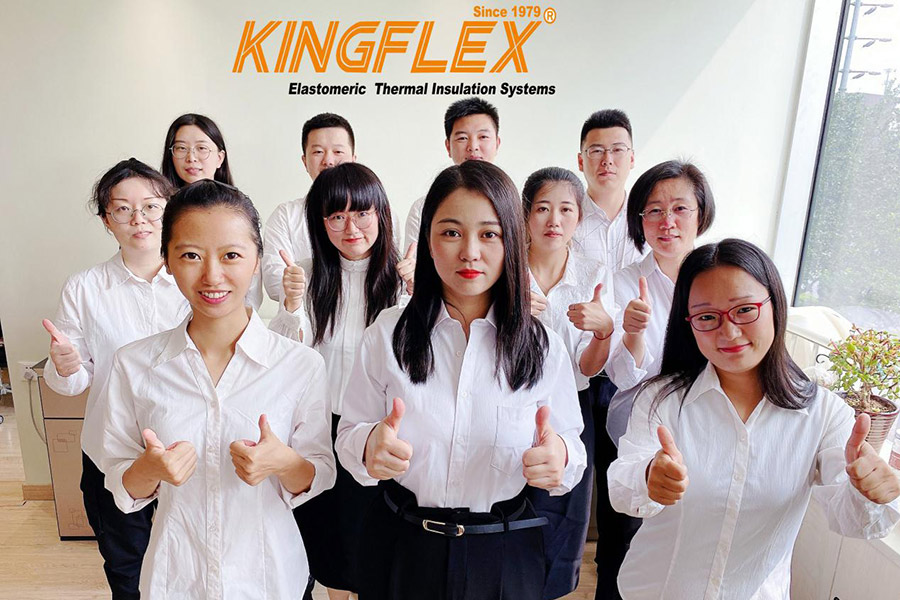
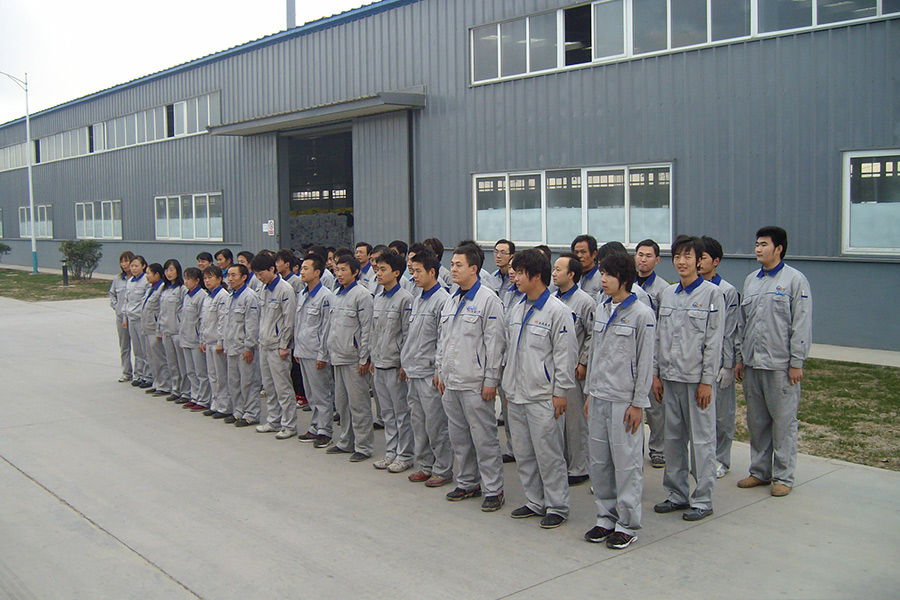
Today, Kingflex continues this work through modern manufacturing and R&D. Our facility is operated by 230 production workers, 8 R&D engineers, and 6 international trade representatives, ensuring consistent product quality and service for projects globally.

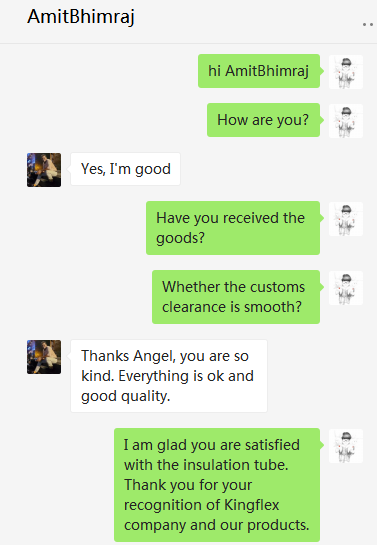
Building trust with global distribution networks requires transparency in our communication and operations. Below are verification records and feedback summaries from our regular business channels:




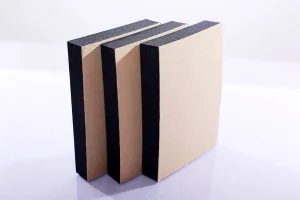
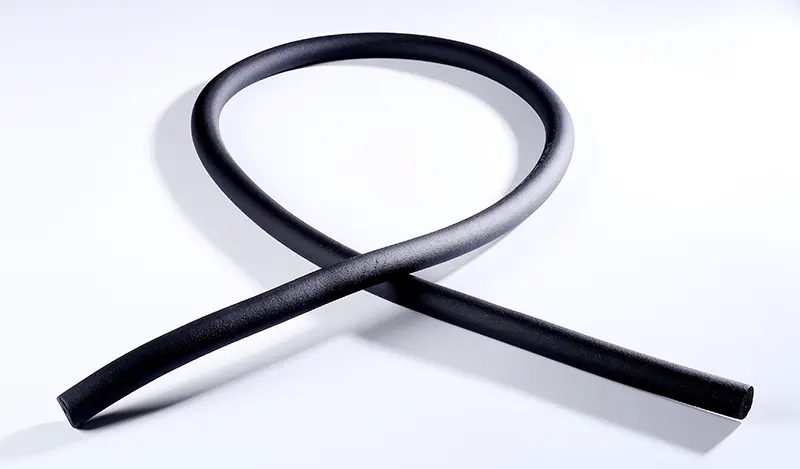
Complete your design spec files with our specialized soundproofing, self-adhesive, and ultra-low temperature cryogenic insulation options.
A photographic overview of our manufacturing processes, product ranges, and industrial packaging procedures.











A brief look at our manufacturing output, global service reach, and history.
 Kingflex