High-performance elastomeric thermal and acoustic solutions directly from our production lines.

Kingflex Insulation Co., Ltd. is a professional manufacturing and trading combo for thermal insulation products. Our advanced research, development, and high-capacity production facility is located in Dacheng, China—widely recognized as the capital of green-building materials. As an energy-saving, environmental-friendly enterprise, we concentrate heavily on the research, development, production, and sales of high-performance elastomeric materials.
In operation, Kingflex takes energy saving and consumption reduction as the core concept. We provide integrated solutions regarding insulation by means of expert consultation, custom R&D production, detailed installation guidance, and dedicated post-sale service to lead the development of the global building materials industry.
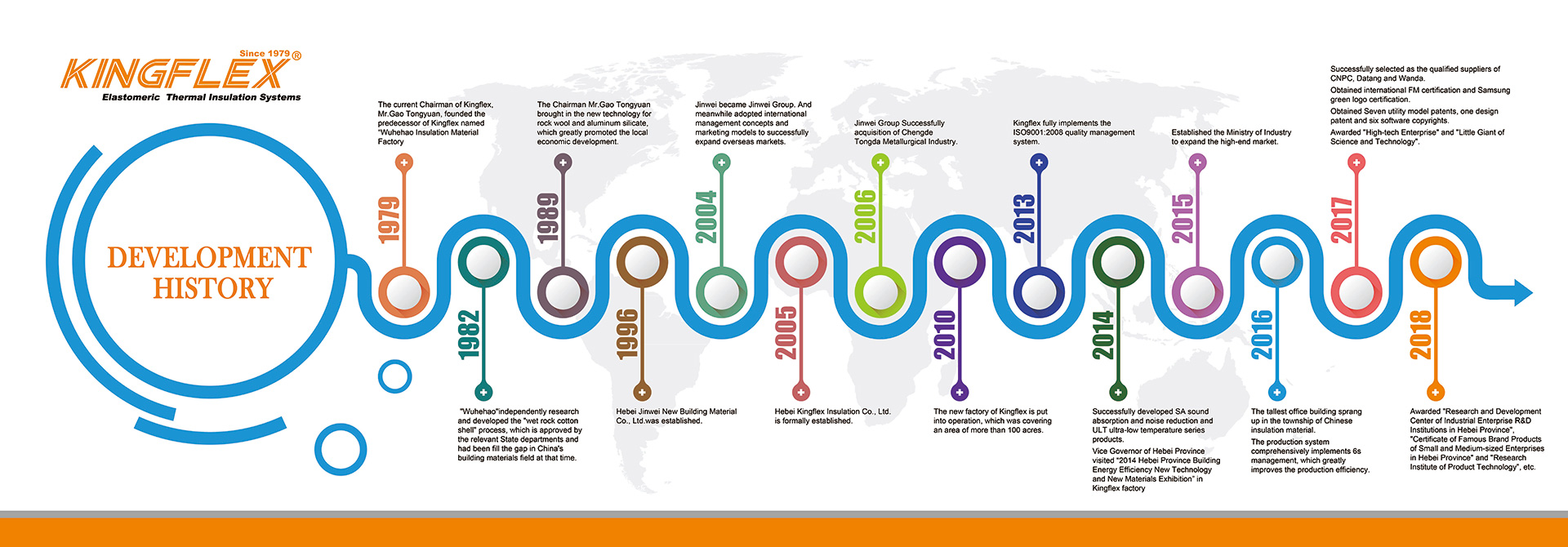
Kingflex was established by the Jinwei Group, which boasts more than 40 years of industrial history. Jinwei Group, established in 1979, pioneered the thermal insulation industry in northern China, becoming the first manufacturer of thermal insulation materials north of the Yangtze River.
This deep heritage has allowed us to refine our formulation technologies over generations, combining classic manufacturing integrity with modern scientific innovation to produce elastomeric foam that meets the rigorous performance specifications of structural engineering firms worldwide.
The synergy of regional clustering, integrated supply chain ecosystem, and massive production scalability.
Dacheng, China, serves as the global industrial epicentre for environmental thermal insulation. By sourcing raw NBR polymers, foaming agents, and processing equipment locally, we eliminate internal logistical bottlenecks, passing major cost-savings down to international procurement departments.
With 5 heavy industrial automatic assembly lines, our manufacturing process maintains highly consistent cellular structures, strict density controls (40-55kg/m³), and precise thickness ranges (6mm to 50mm). This volume allows us to service massive infrastructure projects without delay.
Unlike secondary manufacturers, our materials undergo systematic testing to comply with standard global building and environmental codes, maintaining traceability records for every production batch that leaves our plant.
Our thermal insulation sheets and tubes are engineered using a precise blend of Nitrile Butadiene Rubber (NBR) and Polyvinyl Chloride (PVC). This compound undergoes a chemical expansion process resulting in a uniform, closed-cell matrix containing over 98% non-connecting microscopic voids.
The structural characteristics of this closed-cell matrix play a crucial role in operational insulation systems:
| Parameter | Specification / Value | Testing Standard |
|---|---|---|
| Base Material | Premium Nitrile Butadiene Rubber (NBR) / PVC Blend | - |
| Foaming Structure | Closed-Cell (Rate > 98%) | ASTM C534 |
| Density Range | 40 - 55 kg/m³ | GB/T 6343 |
| Thickness Capabilities | 6mm to 50mm (Sheets) / 9mm to 40mm (Pipes) | - |
| Service Temperature Range | -40℃ to 105℃ (Deep Cryogenic custom formulations available) | ASTM C411 |
| Flame Retardancy | Class 0 / Class 1 / UL94 V-0 Rated | BS 476 Part 6 & 7 / UL 94 |
| Moisture Resistance | High Moisture Resistance Factor (μ ≥ 7000) | EN 12086 |
Detailed performance parameters for engineering design, HVAC infrastructure, and acoustic mitigation.
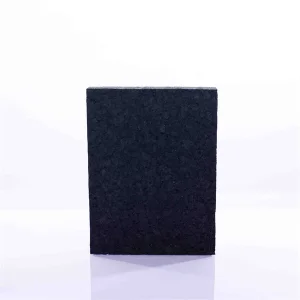
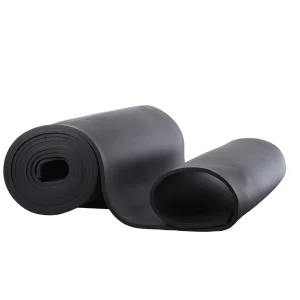
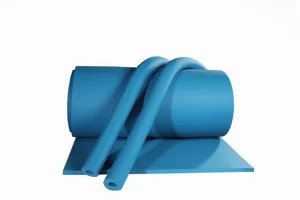
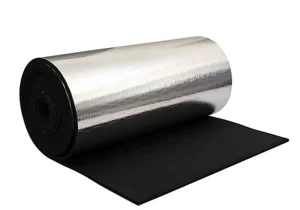
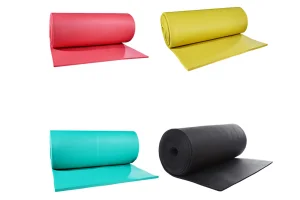
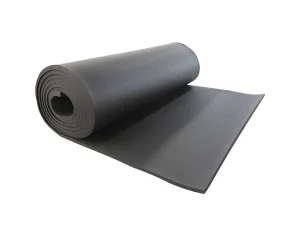
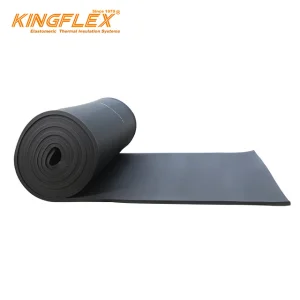
Ideal for covering large flat surfaces, industrial ventilation ducts, chemical storage tanks, and high-volume HVAC distribution plenums. Our sheet rolls provide clean coverage with minimal seams, ensuring uniform thermal barrier performance.
Key Mechanical Advantages:
Primary Applications: Central air conditioning ductwork, structural wall/roof thermal insulation, acoustical machinery enclosure dampening, and industrial process piping.
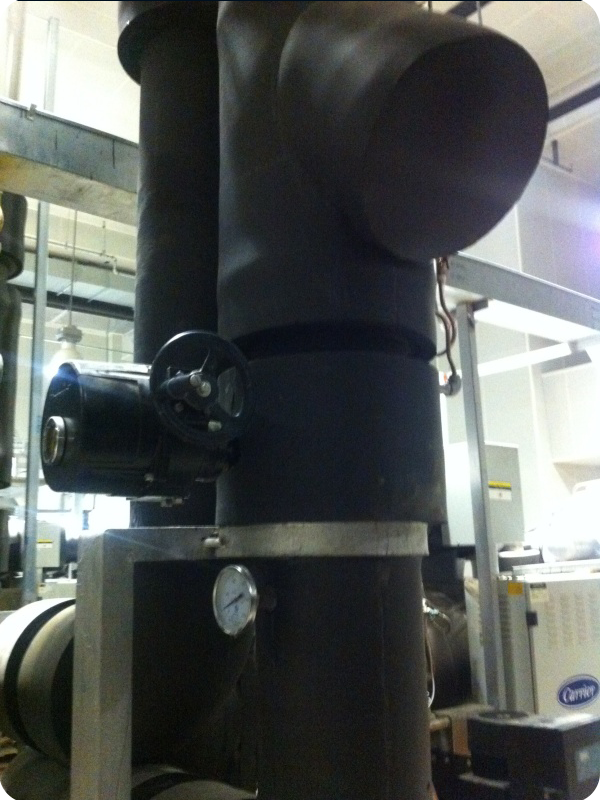
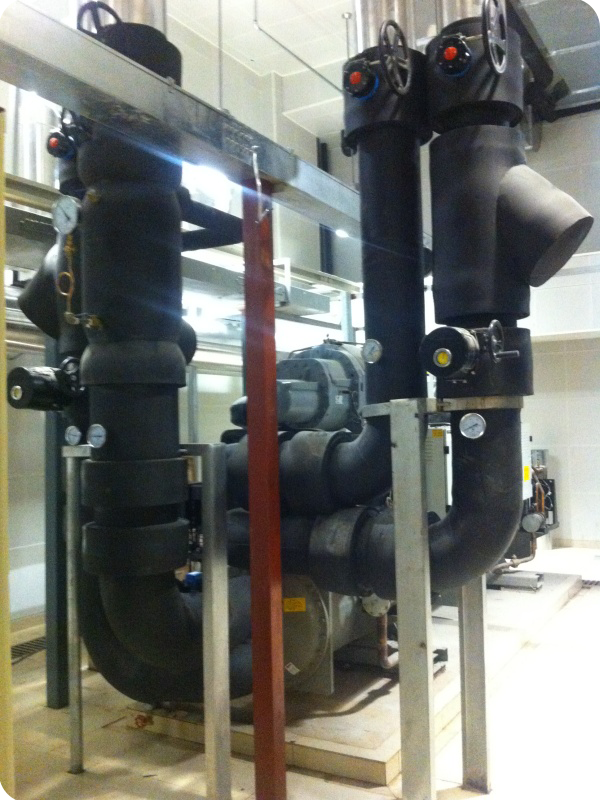
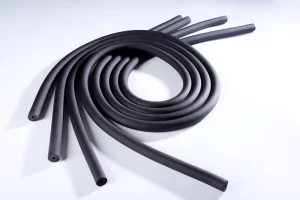
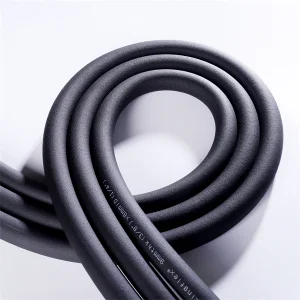
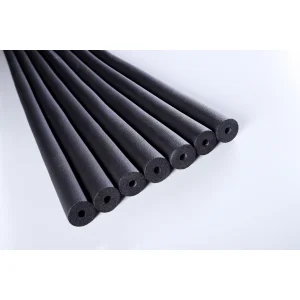
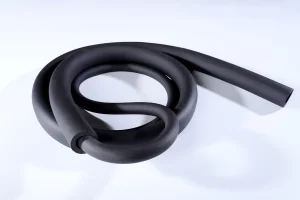
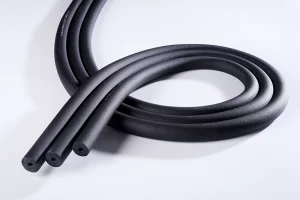
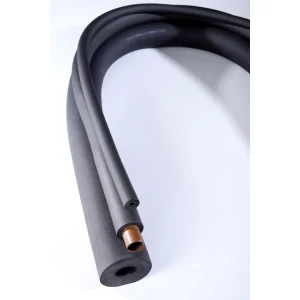
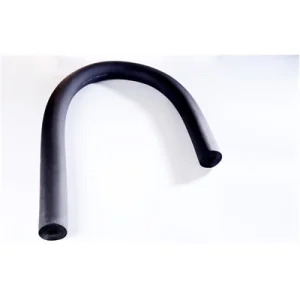
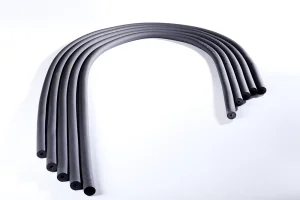
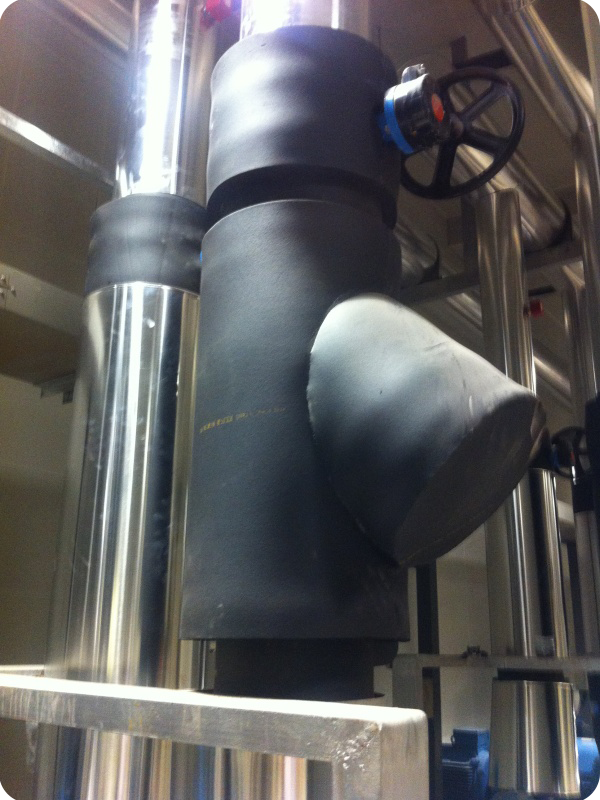
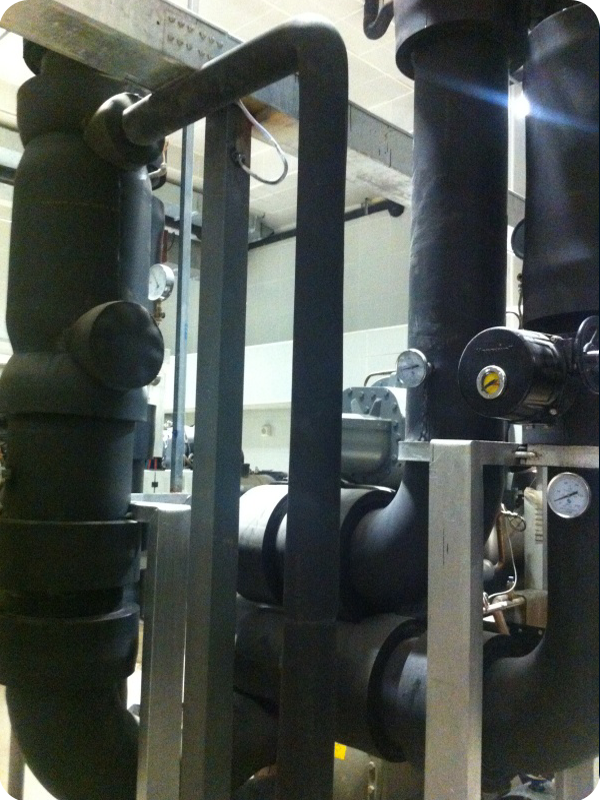
Designed for fast and secure application around hot and cold line piping. The precision-engineered inner diameters (ID) range from 6mm to 114mm, aligning with global copper and steel tube dimensions to eliminate internal air gaps.
Key Mechanical Advantages:
Primary Applications: HVAC chilled water lines, hot water systems, refrigeration pipelines, condensate drain piping, and plumbing networks.
Ensuring top-tier product reliability through rigorous scientific testing and trace certification protocols.
Kingflex has eight professional engineers in our R&D Department, 6 professional international sales specialists, and 230 highly skilled workers in the production department. Our R&D department regularly tests batches in simulated environmental chambers to verify anti-condensation thresholds, thermal performance stability over aging cycles, and flame-retardant chemistry improvements.
Our products have passed BS 476, CE, REACH, ROHS, UL94, ASTM, and other international certifications, ensuring product quality and compliance with global standards. We also operate a comprehensive product traceability program so that batches can be tracked back to their raw materials.
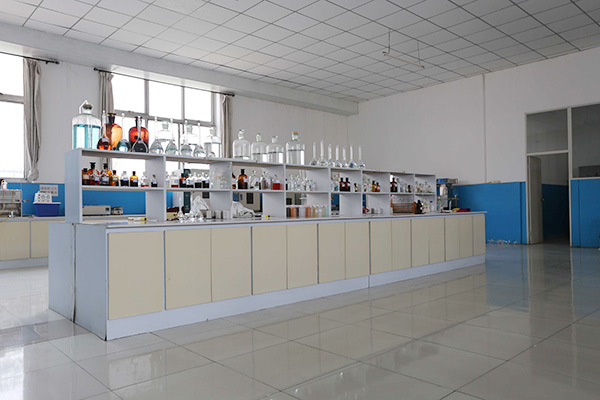

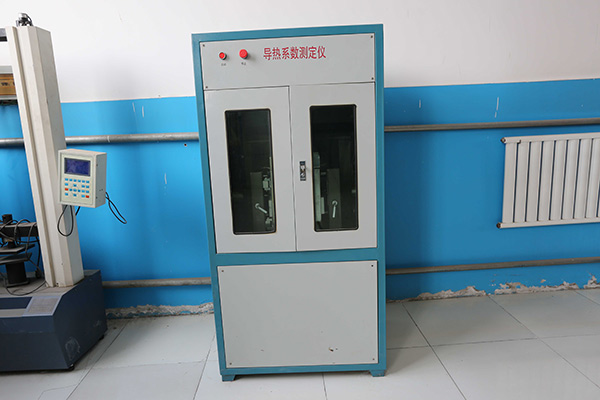
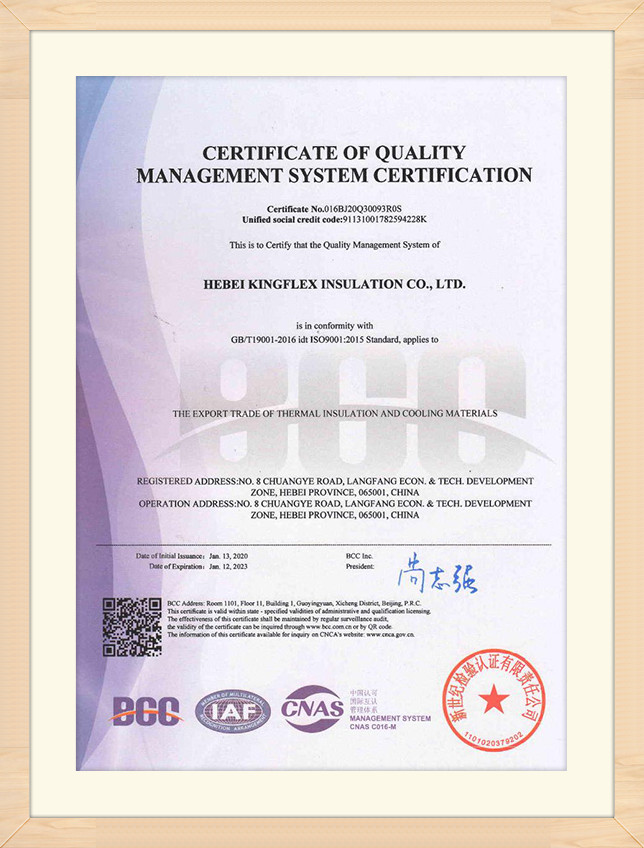


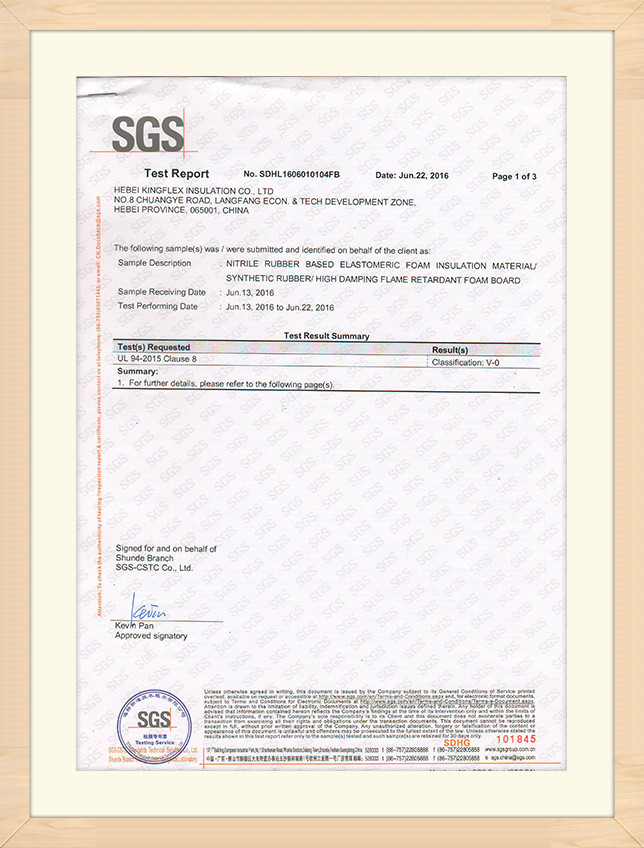
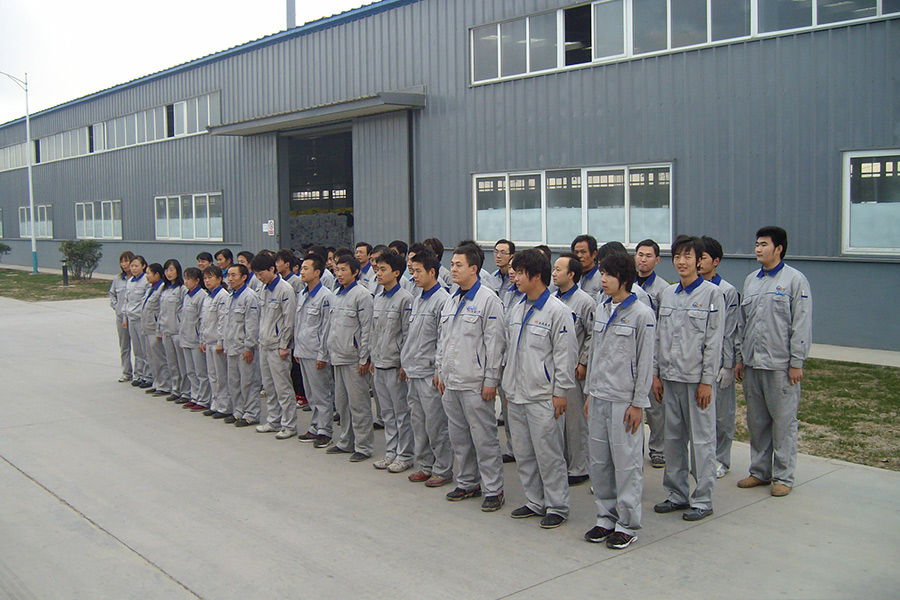

Our employees are amazing in their own right, but together they are what makes Kingflex such a fun and rewarding place to work. The Kingflex team is a tight-knit, talented group with a shared vision of giving consistently first-class service to our clients.
From checking the raw elastomer polymer input at our material mixers to scanning finished foam rolls with precision thickness gauges, our workers ensure that we maintain our status as a designated energy-saving enterprise, recognized by the Ministry of Energy, the Ministry of Electric Power, and the Ministry of Chemical Industry.
Verifiable, transparent business interactions confirming our commitment to specification matching and technical accuracy.
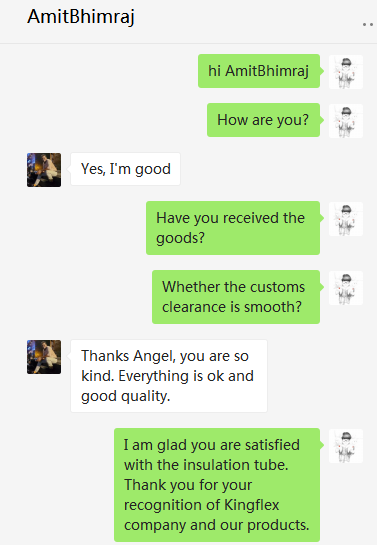
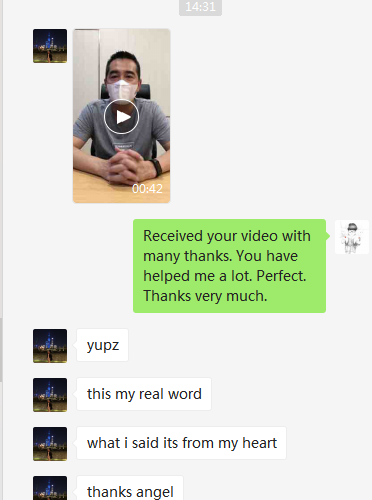
Our global clients regularly communicate with us to confirm project orders, specify dimensions, and request custom packaging. These verified communications highlight our prompt support, engineering consulting capabilities, and delivery efficiency.



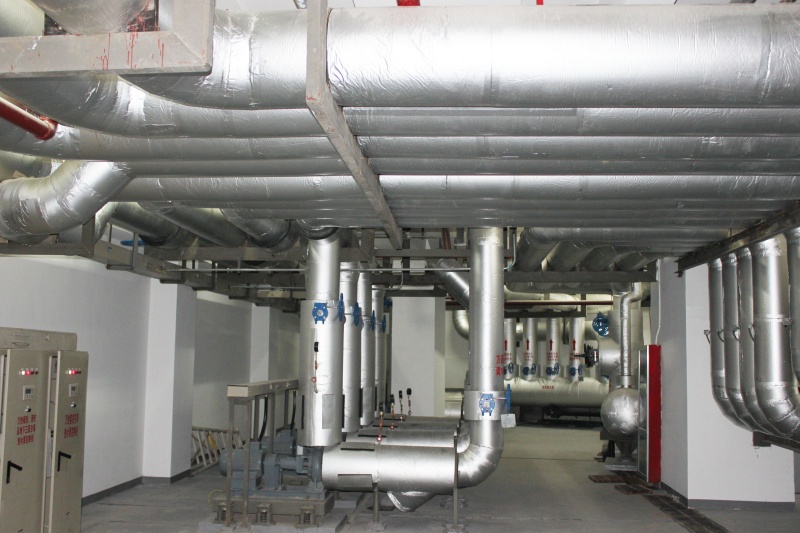
Demonstrated performance in large-scale commercial, municipal, and industrial developments.

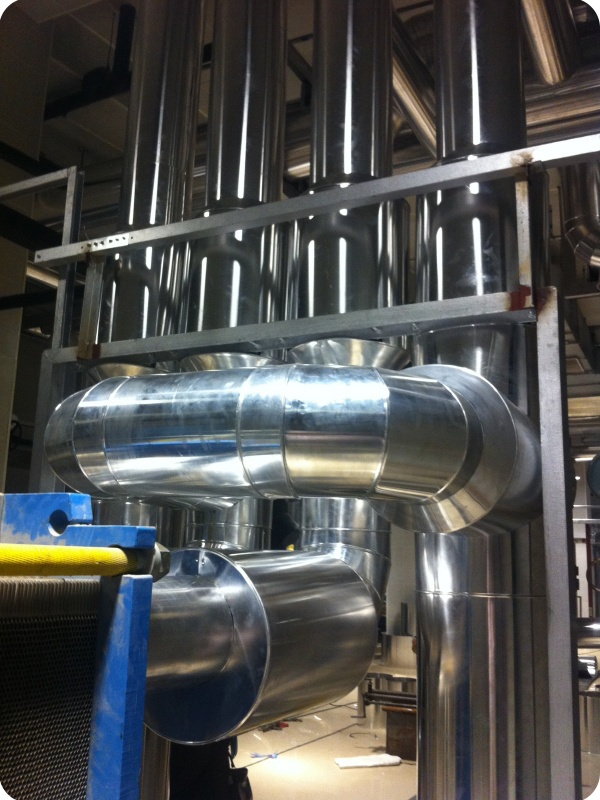
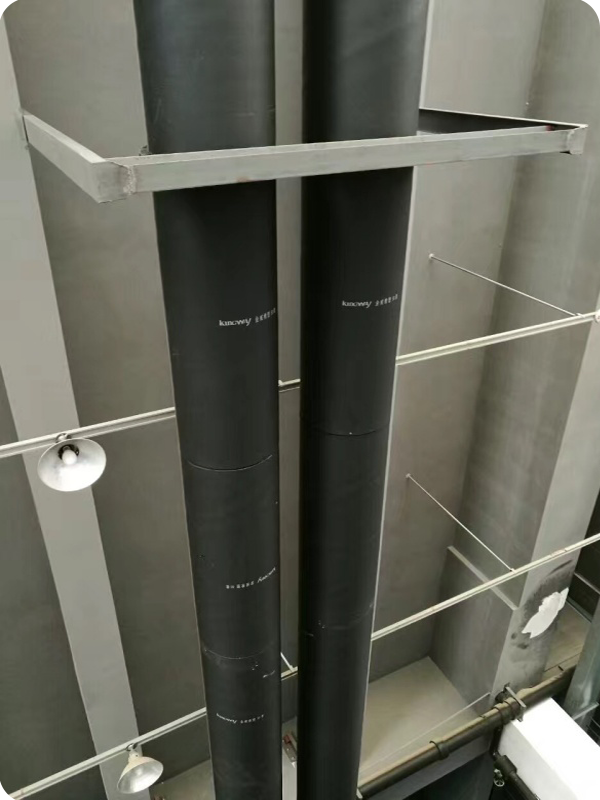
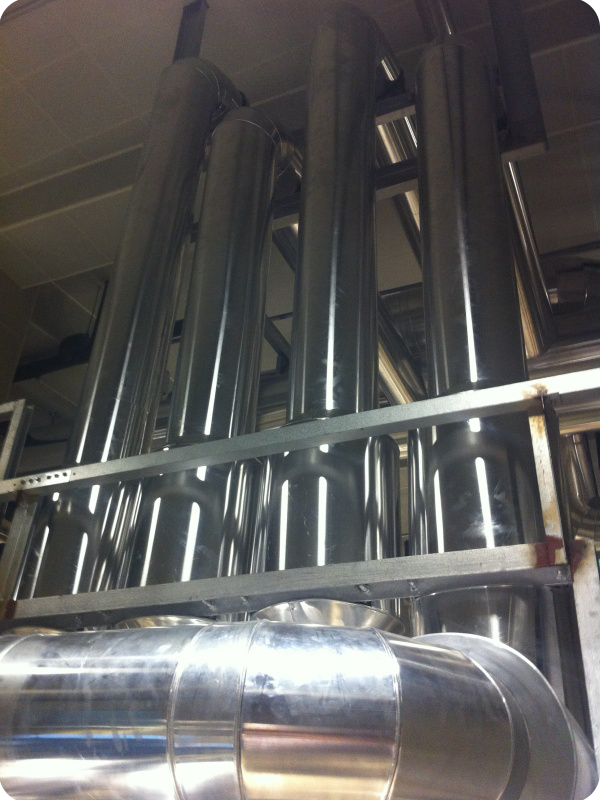
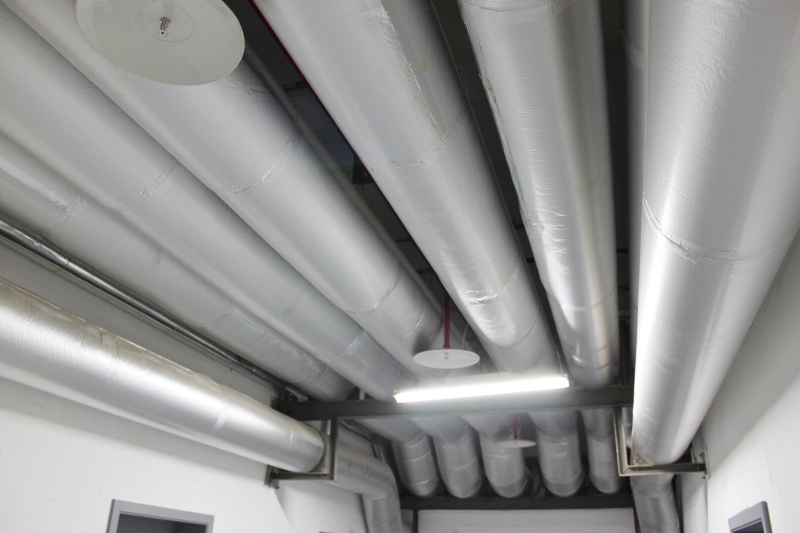
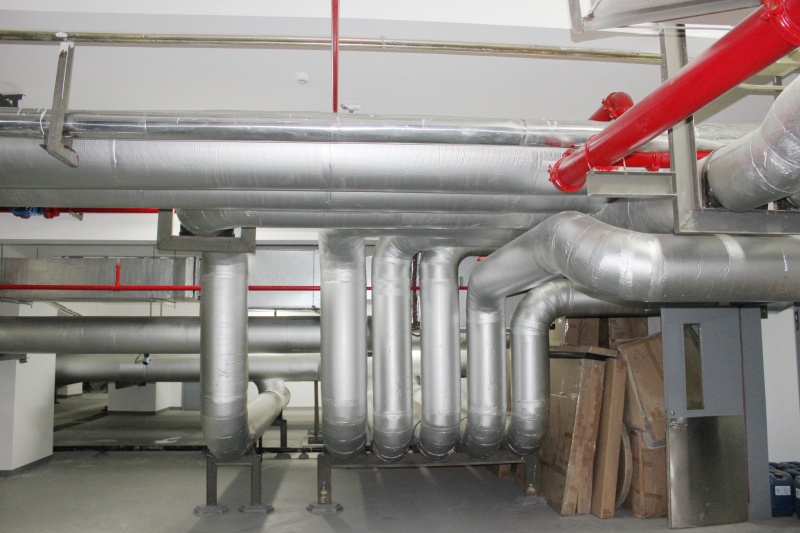
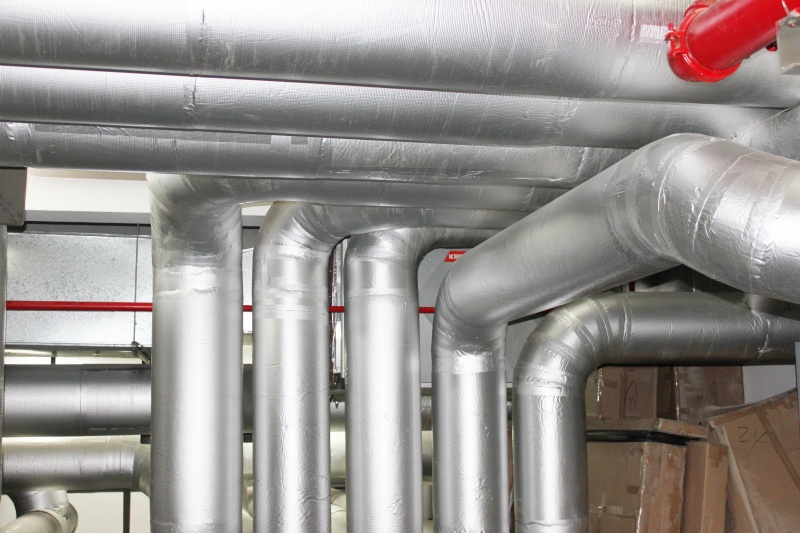
Our products are installed in high-demand environments globally, including international airports, commercial office towers, processing refineries, and cold storage shipping hubs.
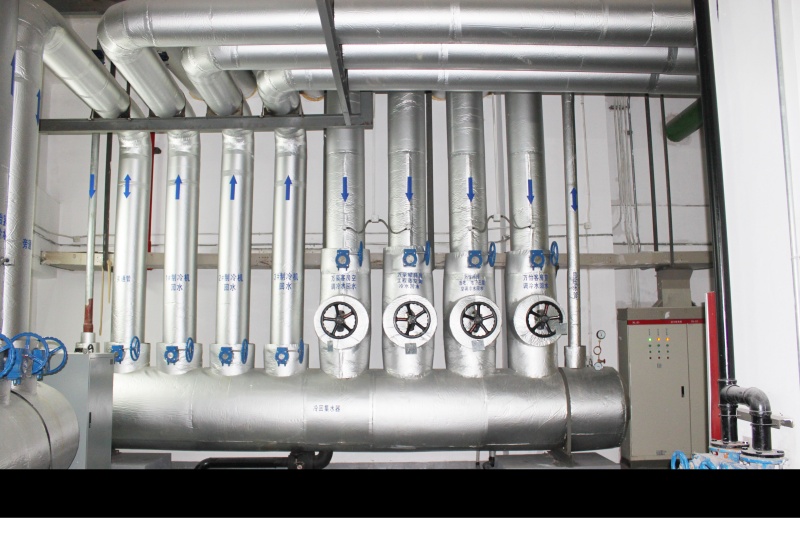


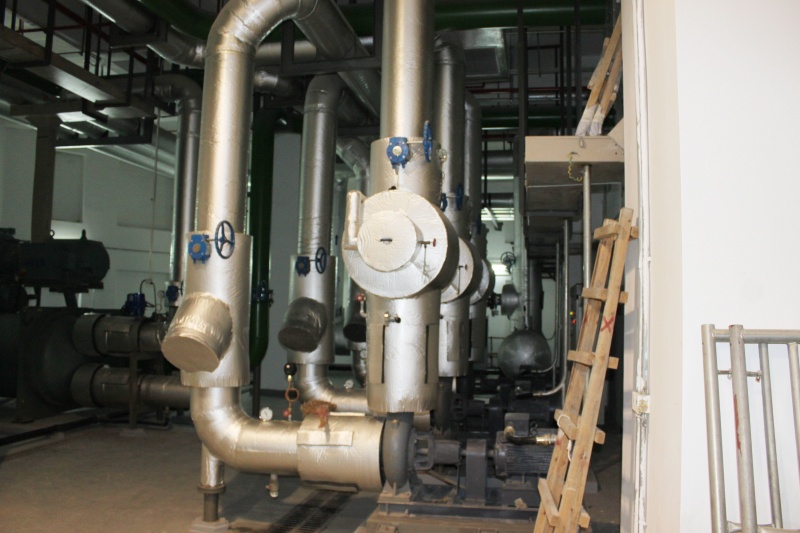

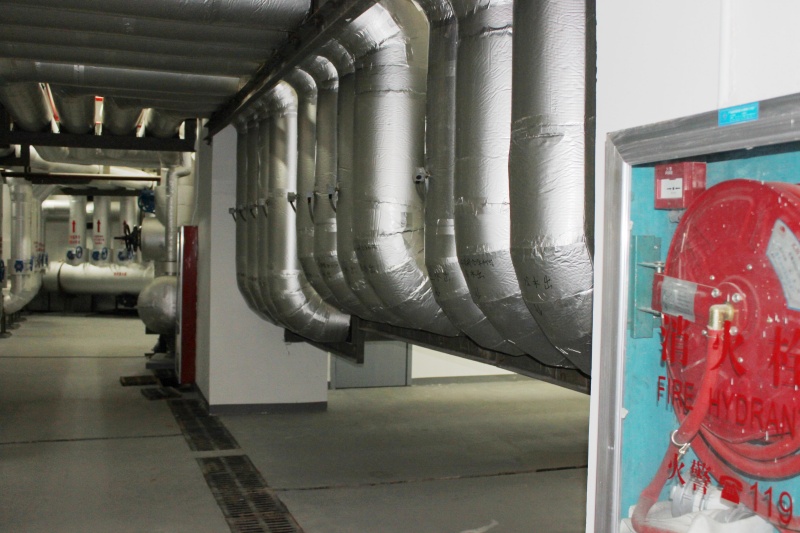
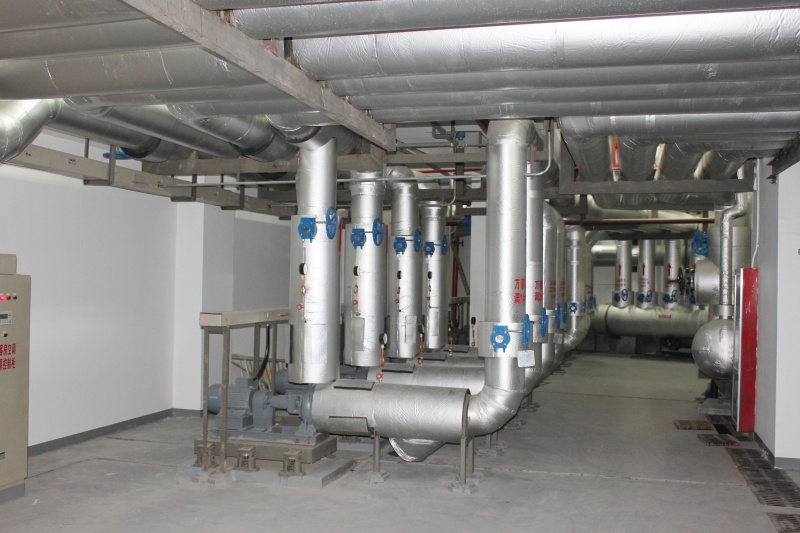

When requesting quotations from China rubber insulation suppliers, understanding the variables that impact wholesale pricing will help optimize your procurement budget. Below is an overview of the factors that dictate FOB/CIF pricing:
Standard NBR/PVC blends provide general insulation performance. However, projects specifying high flame retardancy (Class 0), low smoke density, or halogen-free components require custom formulations, which increase the chemical cost index.
Higher density rubber foam (50-55 kg/m³) provides superior mechanical strength and acoustic damping, requiring more raw polymers. Thicknesses exceeding 30mm require advanced continuous curing, influencing the linear-meter rate.
For outdoor or heavy industrial environments, we apply aluminum foil cladding (such as our Kingflex Aluminum Foil-Clad Rubber Foam Sheet Roll) to shield the base elastomer from UV radiation and physical impacts, which adds a premium to the base sheet price.
For current volume-based quotations, contract pricing structures, or customized packaging specifications, please connect directly with our international sales department.
Crucial technical and logistical inquiries resolved by our leading product engineers.
Select specialized elastomeric and mineral fiber solutions designed for diverse industrial applications.
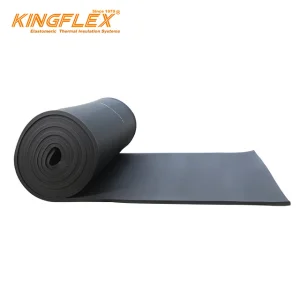

High-temperature thermal barrier for furnaces and heavy industrial ducts.
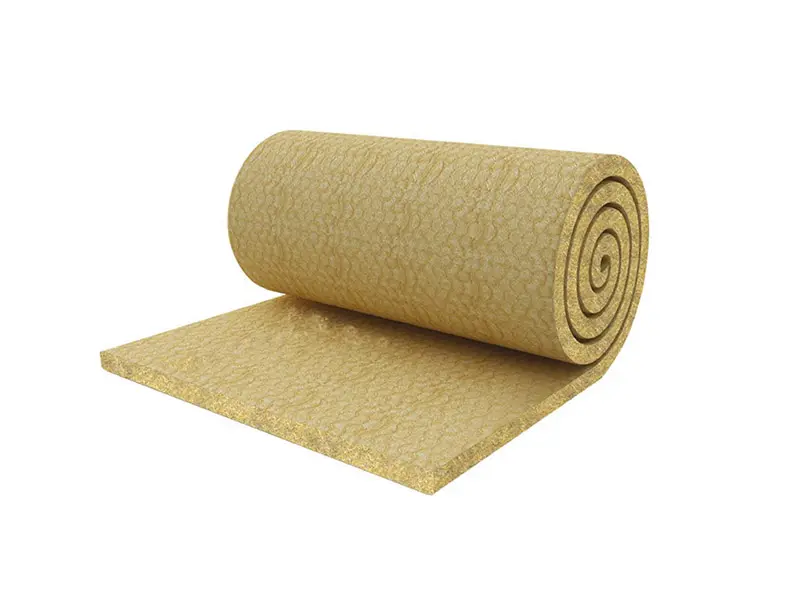
Flexible mineral wool wrap for power plant steam pipes and industrial processing plants.
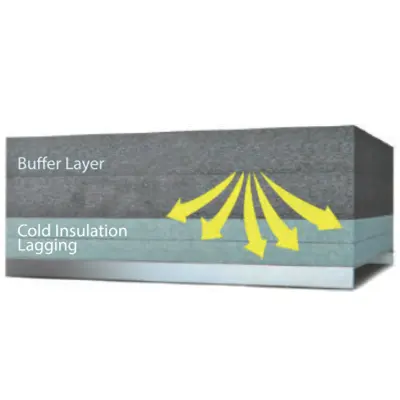
Elastomeric cold barrier engineered for ultra-low temperature applications.
 Kingflex