Engineered rubber foam structures configured for optimum noise cancellation and thermal stability.
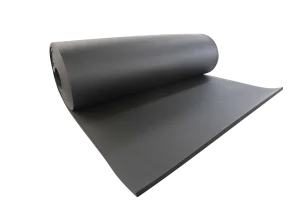
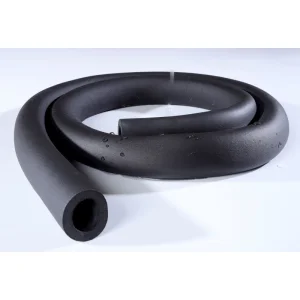
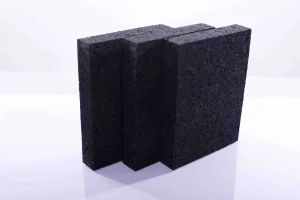
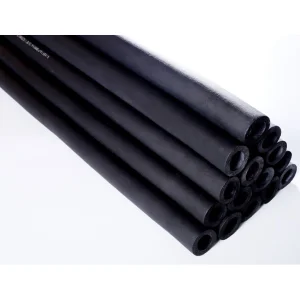
In the current era of rapid urbanization and expanding industrial infrastructure, structural noise control and heat management have evolved from secondary build attributes to major regulatory and environmental requirements. Modern building codes, such as the International Building Code (IBC) and standards set by the American Society of Heating, Refrigerating and Air-Conditioning Engineers (ASHRAE), dictate strict parameters for noise pollution mitigation. Industrial sound-absorbing insulation acts as a critical line of defense in diverse applications, from large-scale commercial HVAC systems and chemical refining pipelines to highly critical LNG (Liquefied Natural Gas) cryogenic storage units.
Unlike traditional fibrous materials, modern closed-cell elastomeric structures, such as NBR/PVC blends manufactured by Kingflex, provide a dual-benefit system: they prevent thermal bridging and moisture ingress while offering considerable dampening of low-to-mid-frequency operational sounds. Structurally, these closed-cell micro-cavities act as microscopic spring-dampers, converting kinetic acoustic energy into negligible thermal energy, effectively lowering decibel levels at the source.
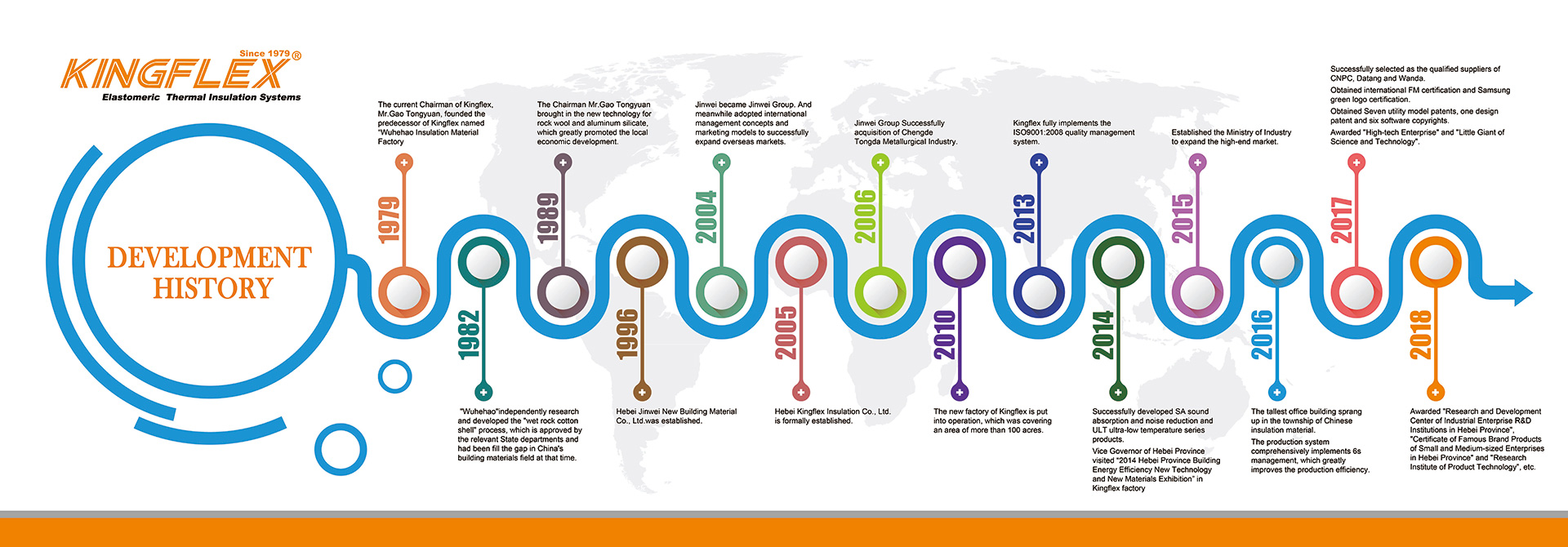
Kingflex Insulation Co., Ltd. represents a premier global manufacturer and trading partnership specializing in high-efficiency thermal and acoustic insulation systems. Founded under the umbrella of the renowned Jinwei Group—established in 1979 as the first thermal insulation manufacturer north of the Yangtze River—Kingflex draws upon over 40 years of structural polymer and material science expertise.
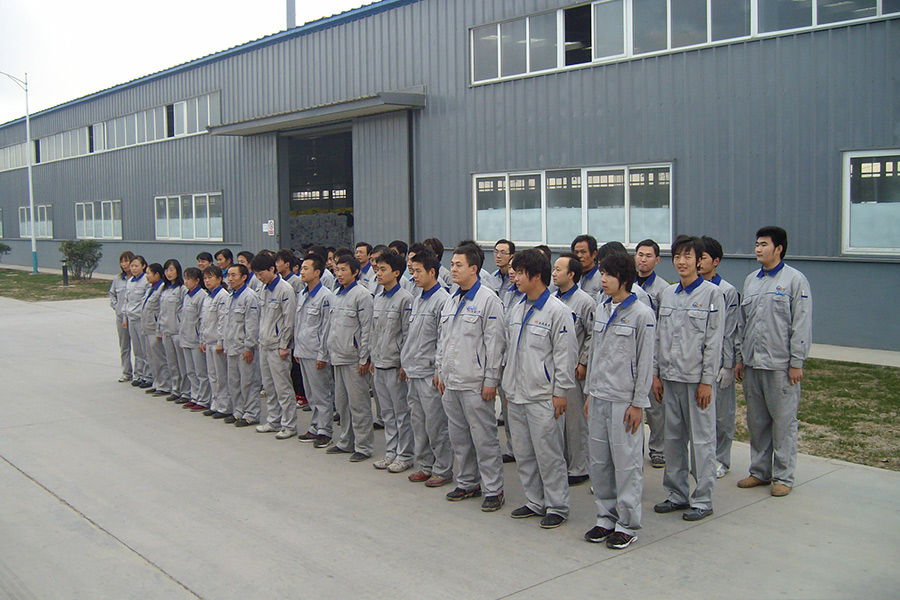
Operating out of Dacheng, China—a globally recognized hub for energy-efficient building materials—Kingflex integrates R&D, advanced manufacturing, and direct sales. The facility is equipped with 5 automatic assembly lines, which allow an annual output of over 600,000 cubic meters. This massive manufacturing capability has made Kingflex a key designated production partner for the Ministry of Energy, the Ministry of Electric Power, and the Ministry of Chemical Industry.

The core advantage of Kingflex elastomeric materials lies in their molecular construction. Traditional open-cell insulation materials allow water vapor to penetrate, leading to localized water accumulation, structural sagging, loss of thermal performance, and Corrosion Under Insulation (CUI). Kingflex's NBR/PVC closed-cell matrix boasts an even cell size distribution with a closed-cell rate exceeding 98%.
This structure acts as an integrated vapor barrier. The moisture resistance factor (μ-value) is exceptionally high, which ensures the thermal conductivity (λ) remains low and stable over a service life of 10 to 15 years.
| Material / Parameter | Density | Service Temp Range | Closed-Cell Rate | Flame Retardancy |
|---|---|---|---|---|
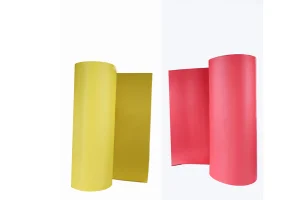
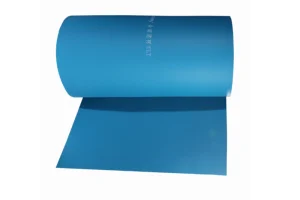
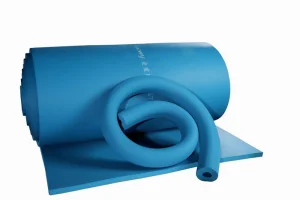
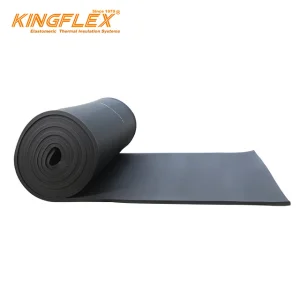
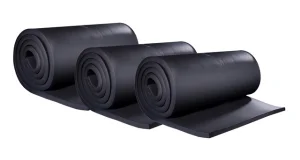
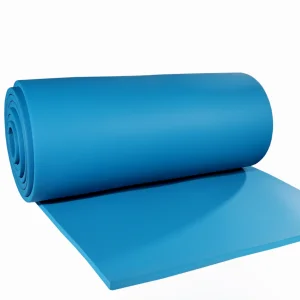
| Black Rubber Foam Sheet Roll | 40 - 55 kg/m³ | -40°C to 105°C | > 98% | BS 476, Class 0 / UL94 |
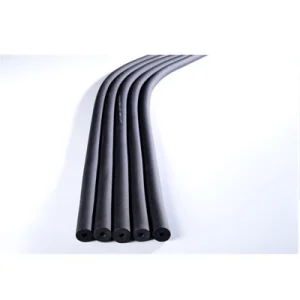
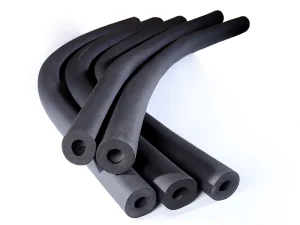
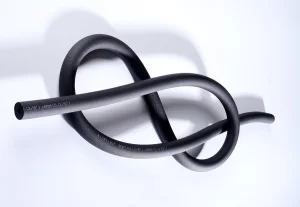
| Elastomeric Insulation Pipe | 40 - 55 kg/m³ | -40°C to 105°C | > 98% | Self-Extinguishing |
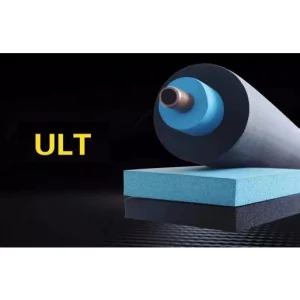
| Cryogenic Insulation (-200°C) | 60 - 80 kg/m³ | -200°C to 125°C | > 99% | High-Performance Class 0 |
Across global markets, environmental factors require specialized insulation properties. We analyze these dynamics to match our systems to local site conditions:
Fully compliant with BS 476 Class 0, CE, REACH, RoHS, UL94, and ASTM fire and environmental standards.
Complete lot-traceability system across all raw material blends, automated mixing, extrusion, and curing phases.
Guided by 8 dedicated material scientists and polymer engineers in our dedicated acoustic laboratories.
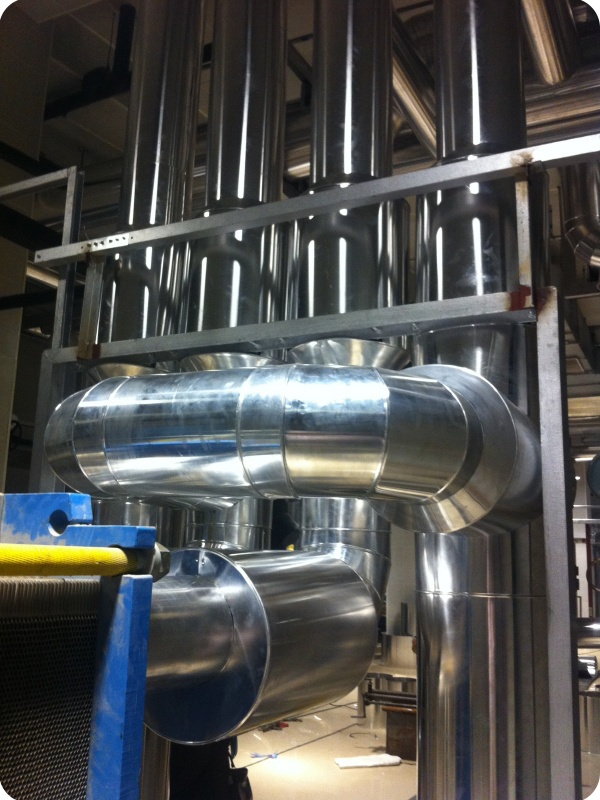
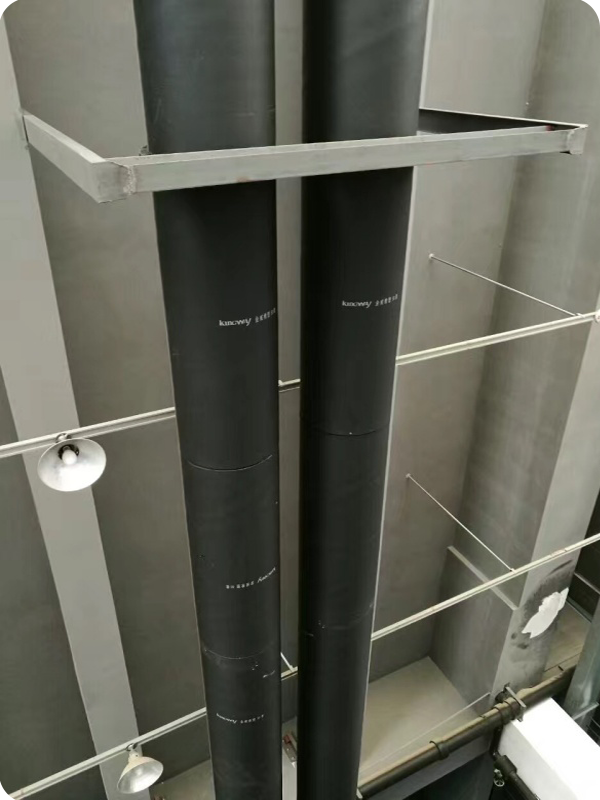
Kingflex products applied across prestigious real-world industrial and commercial operations globally.

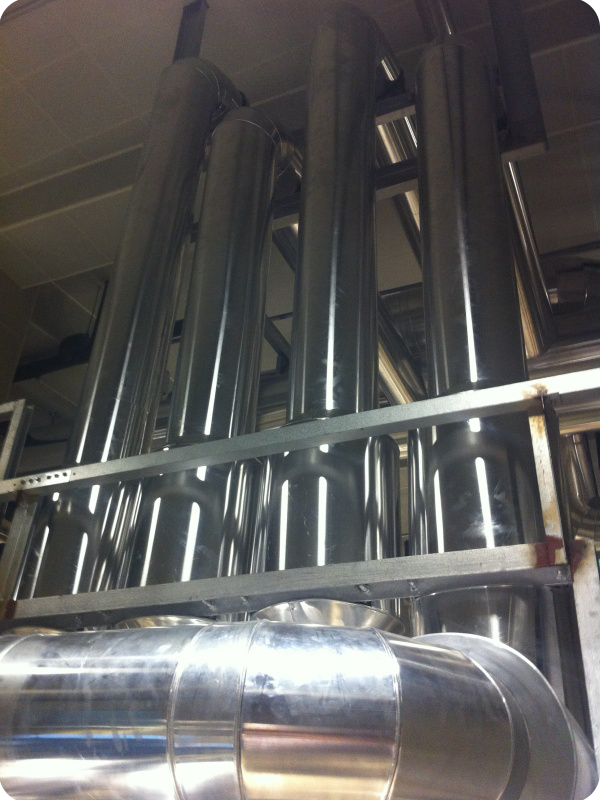
We are continuously advancing our research to develop the next generation of sound-absorbing materials.
Replacing traditional petroleum-derived elastomers with sustainable, bio-based polyols to reduce our environmental footprint while maintaining structural density and closed-cell properties.
Integrating silica aerogel particles directly into our NBR/PVC polymer blend. This hybrid design boosts thermal efficiency and improves mid-frequency acoustic absorption.
Developing multi-layer smart membranes that adapt to shifting frequency patterns. These systems target resonant structural vibration in marine applications and heavy machinery enclosures.
Equipped with advanced lab and testing facilities to guarantee strict quality control and traceability.
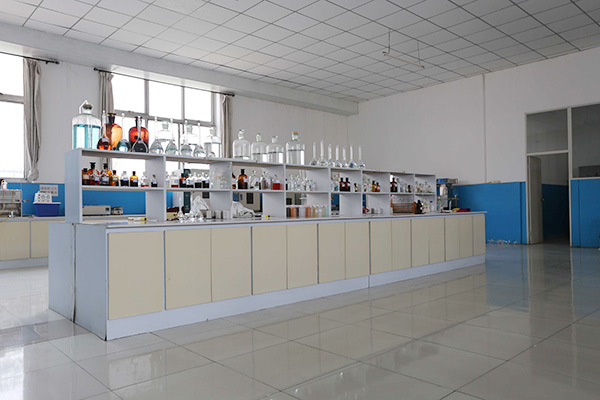


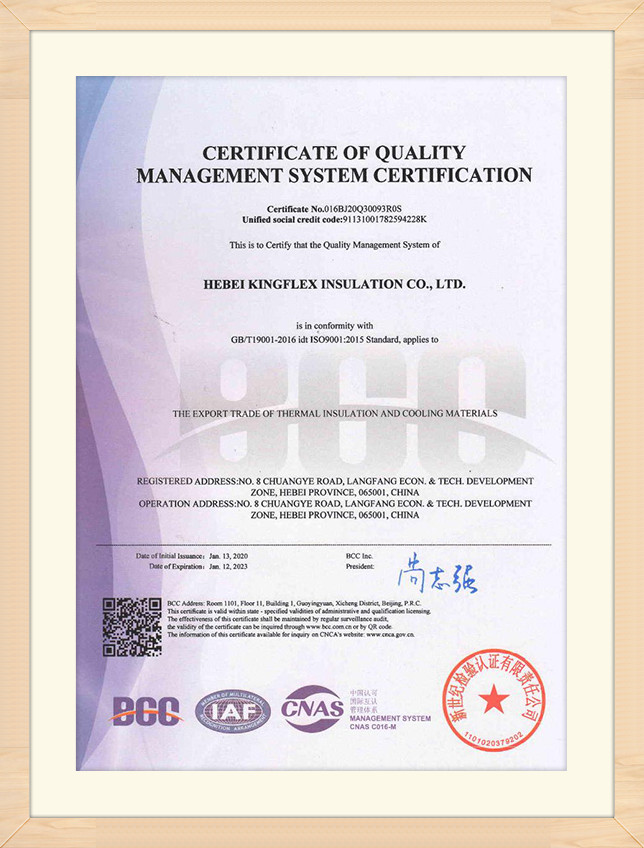


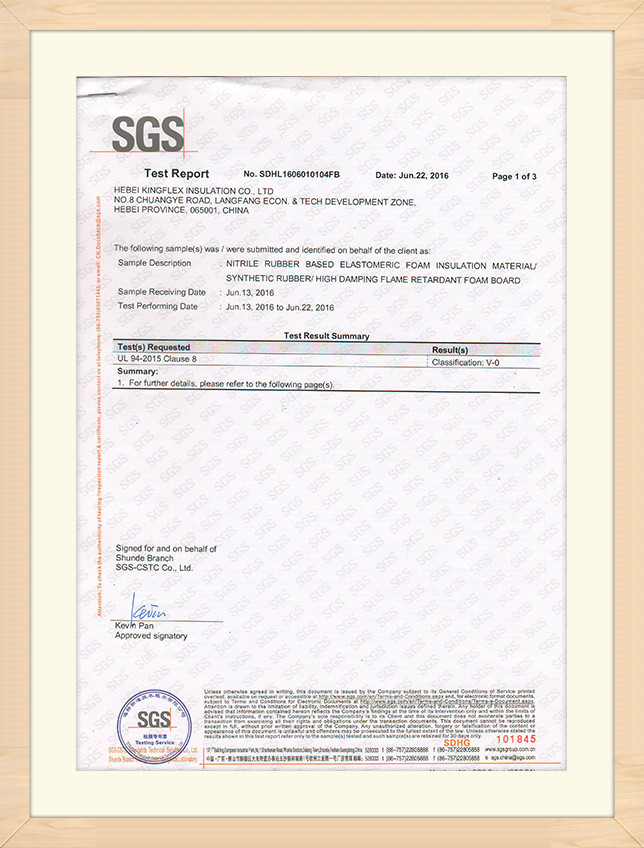
Fully integrated systems designed to address major noise, thermal, and regulatory challenges.
Designed for air handler chambers and duct networks to prevent fan noise transmission into occupied spaces.
Protects hot and cold chemical pipes from external weathering, preventing Corrosion Under Insulation (CUI).
Multilayer systems built to withstand extreme contraction down to -200°C on LNG piping and storage tanks.
Transparent client communication and reliable international service delivery.





Key information regarding elastomeric rubber foam insulation physics and installation.
Engineered for extreme sub-zero applications, chemical resistance, and heavy machinery noise isolation.
 Kingflex