Engineered to mitigate thermodynamic losses, prevent condensation, and guarantee superior structural noise suppression in heavy marine environments.
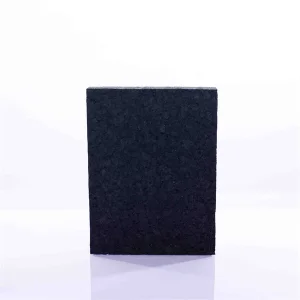
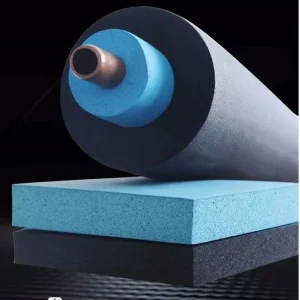
A comprehensive breakdown of next-generation elastomer and fiber technologies optimized for critical vessel hulls, marine HVAC systems, and high-stakes cryogenic applications.
Operating at sea subjects hulls, bulkheads, and mechanical pipework to severe thermal differentials. When warm, humid marine air contacts a cold metal hull or a chilled water line, moisture condensation occurs instantly. Unchecked condensation is the root cause of Corrosion Under Insulation (CUI), structural rot, and compromised indoor air quality within cabins.
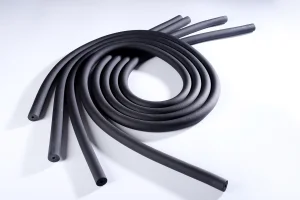
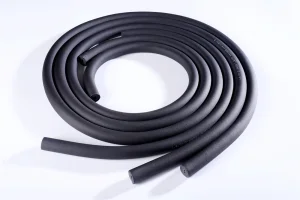
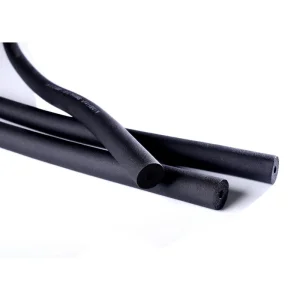
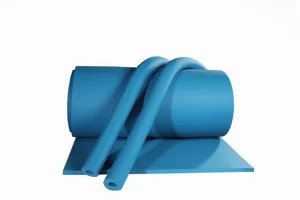
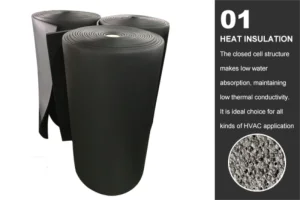
Unlike standard residential insulation, marine-grade boat insulation must display a high moisture resistance factor (typically denoted as the μ-value). Kingflex closed-cell elastomeric rubber foam exhibits a micro-cell structure that acts as an integrated, continuous vapor barrier. Moisture cannot migrate through the cells, rendering additional vapor wraps unnecessary and preventing the growth of localized mold colonies.
In extreme applications, such as LNG (Liquefied Natural Gas) tankers and offshore oil production plants, specialized thermal systems must withstand cryogenic ranges down to -196°C. In these ultra-low temperature (ULT) system configurations, conventional insulation types fail due to thermal stresses and freeze-thaw cycles.
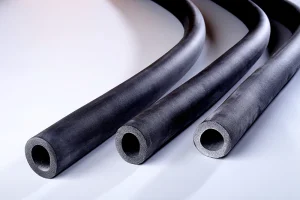
Our elastomeric cryogenic systems deliver dual performance benefits: they provide thermal mitigation to preserve the temperature of stored liquid gases while remaining highly flexible. This flexibility prevents cracking, which is a common failure point for rigid cellular glass. Our alkadiene rubber foam insulation systems represent the pinnacle of this innovation, designed specifically for pipelines processing ultra-cold media in industrial offshore terminals.
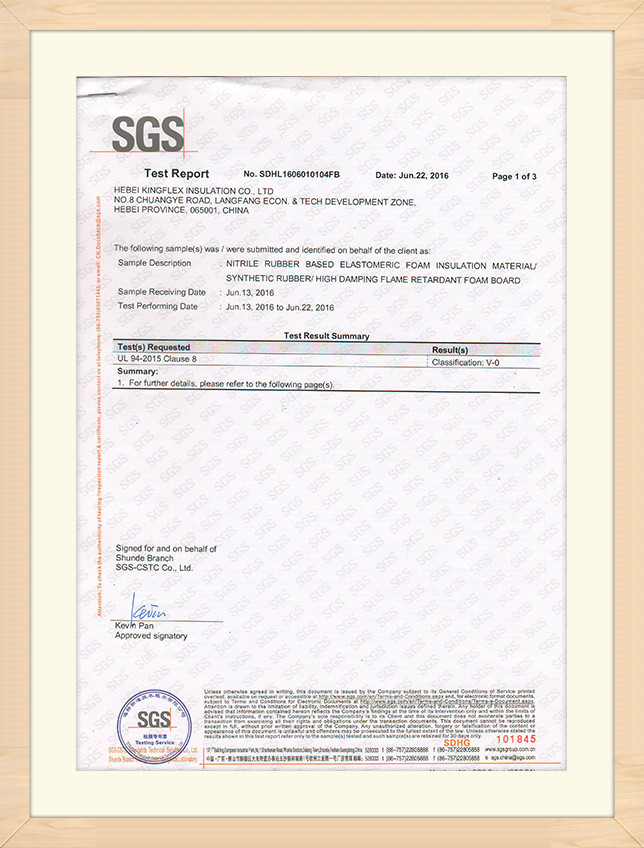
Fire propagation at sea is a major safety concern. Marine insulation must meet international fire safety codes, including British Standard BS 476, European CE, UL94, and ASTM. In the event of a fire, materials must be self-extinguishing and minimize toxic smoke production.
Kingflex NBR/PVC closed-cell foam is engineered with proprietary flame retardants that suppress oxygen access, resulting in a high oxygen index rating. This ensures that the material will not act as a fuel source. Our insulation materials pass rigorous tests to guarantee compliance for installations in high-occupancy environments, including passenger cruise ships, navy vessels, and commercial superyachts.
Established by the Jinwei Group, which boasts a history spanning more than 40 years since its founding in 1979, Kingflex was the pioneering manufacturer of thermal insulation materials north of the Yangtze River.
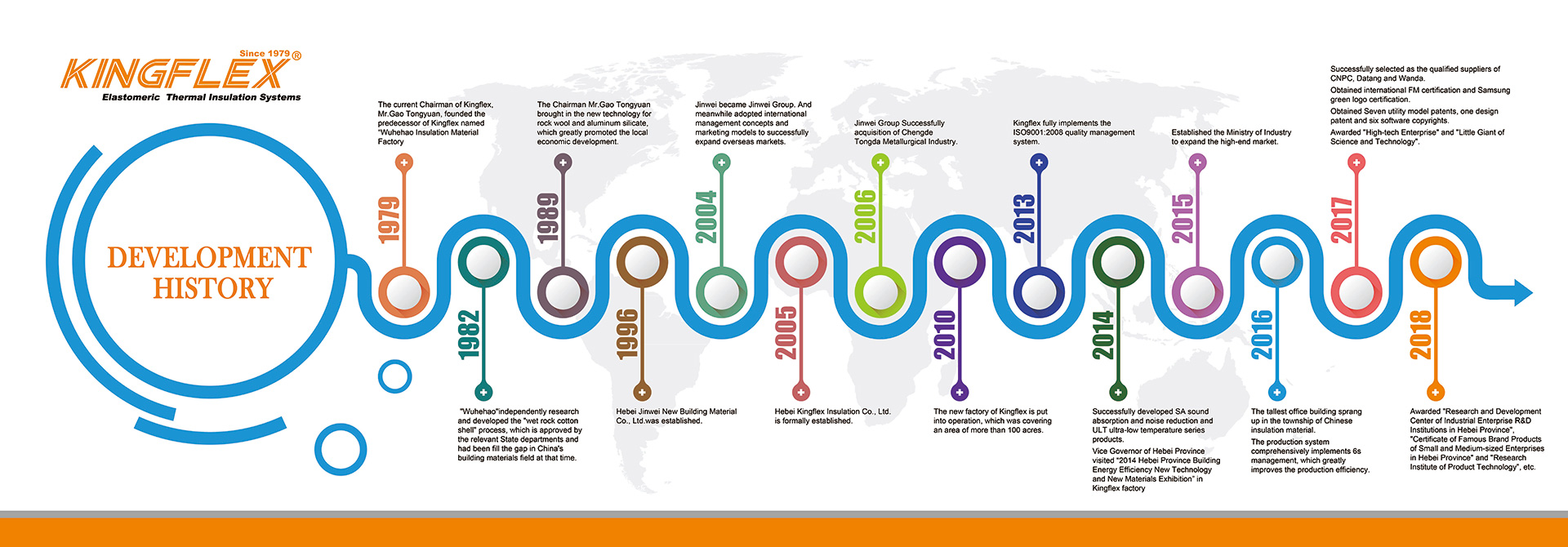
Today, Kingflex operates as a premier manufacturing and trading combo, focusing on research, development, and high-efficiency production lines at our Dacheng manufacturing facility.
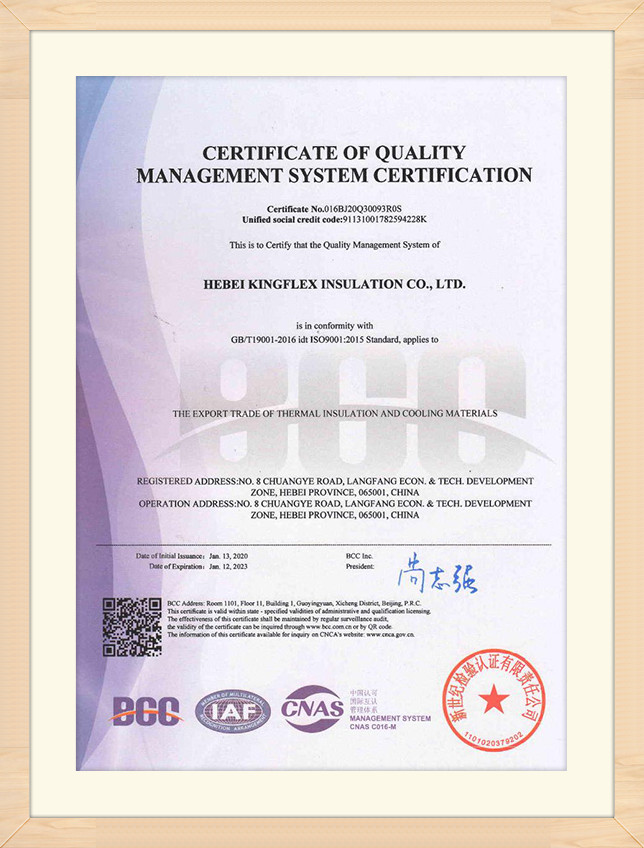
Our solutions hold top-tier international marine and construction safety marks:
A direct thermodynamic comparison of closed-cell NBR/PVC elastomer foam and rock wool core insulation systems.
| Performance Indicator | Kingflex Closed-Cell Elastomer | Marine Rock Wool (Fibers) | Advantage & Impact |
|---|---|---|---|
| Thermal Conductivity (W/m·K) | ≤ 0.034 at 0°C | ≤ 0.038 at 25°C | Elastomer offers superior thermal efficiency, reducing thickness requirements. |
| Moisture Absorption | <0.8% weight increase | High (requires mechanical vapor jacket) | Elastomer avoids performance decay in high-humidity offshore zones. |
| Service Temp. Range | -40°C to +105°C (Cryogenic variants down to -196°C) | Up to +650°C | Elastomer is optimal for condensation control; Rock Wool is optimal for high-temp steam. |
| Density | 40 - 55 kg/m³ | 80 - 150 kg/m³ | Elastomer reduces deadweight, improving yacht hull stability. |
| Flame Retardancy | Class 0 (BS 476), Self-extinguishing | Non-combustible (Class A1) | Both maintain high safety ratings under marine regulatory frameworks. |
| Compression Resilience | >80% recovery rate | Low (deforms permanently under impact) | Elastomer retains structural integrity under vibration. |
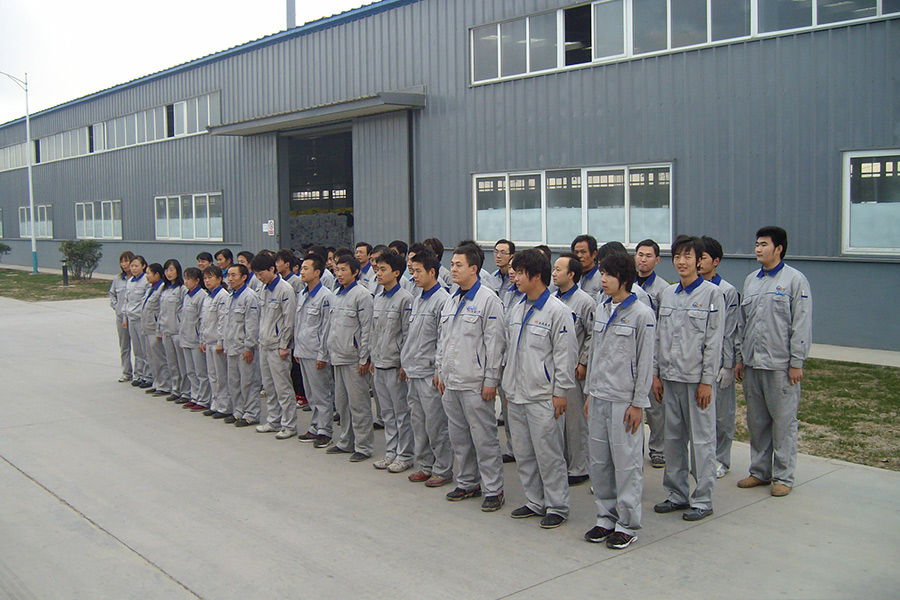
Operating 5 automatic assembly lines with a total annual production capacity exceeding 600,000 cubic meters.

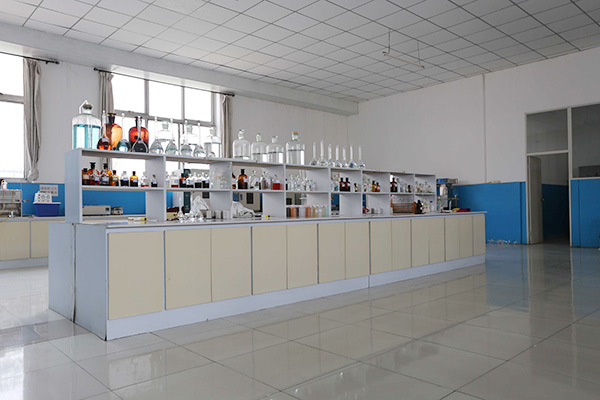

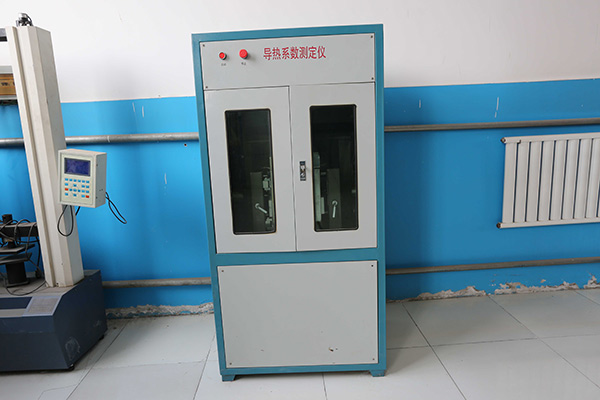
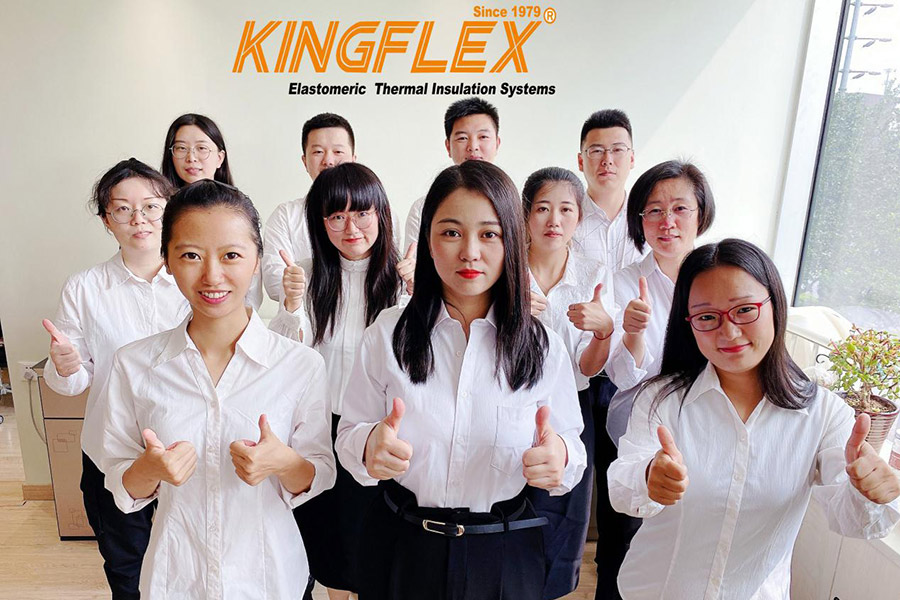
Kingflex maintains a dedicated department of 8 professional engineers in the R&D division, 6 international sales specialists, and 230 production line operators. We provide engineering solutions that cover design consultations, production, shipment, and on-site insulation installation guidance.

How specialized boat insulation products are applied across vessel subsystems.
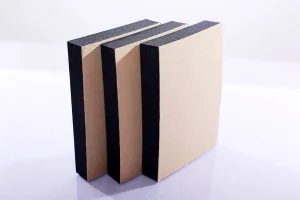
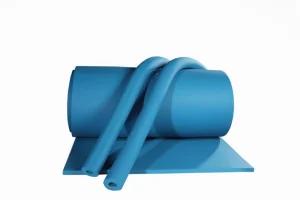
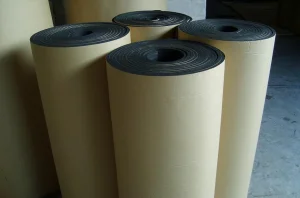
Large engine blocks and wave impacts generate airborne and structure-borne noise. Using open-cell soundproof rubber foam insulation boards on structural hulls and decks dampens vibration frequencies and controls sound transmission, maintaining quiet passenger cabin zones.
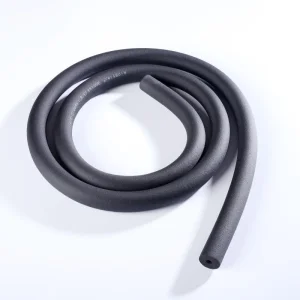
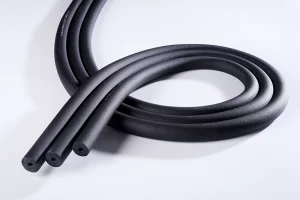
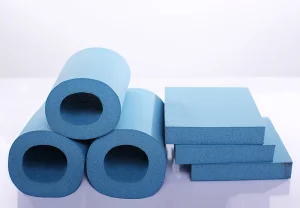
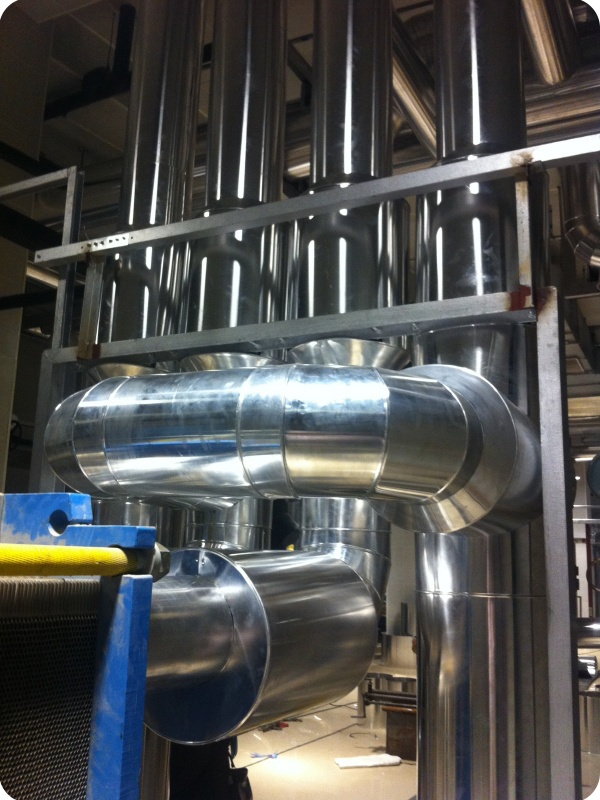
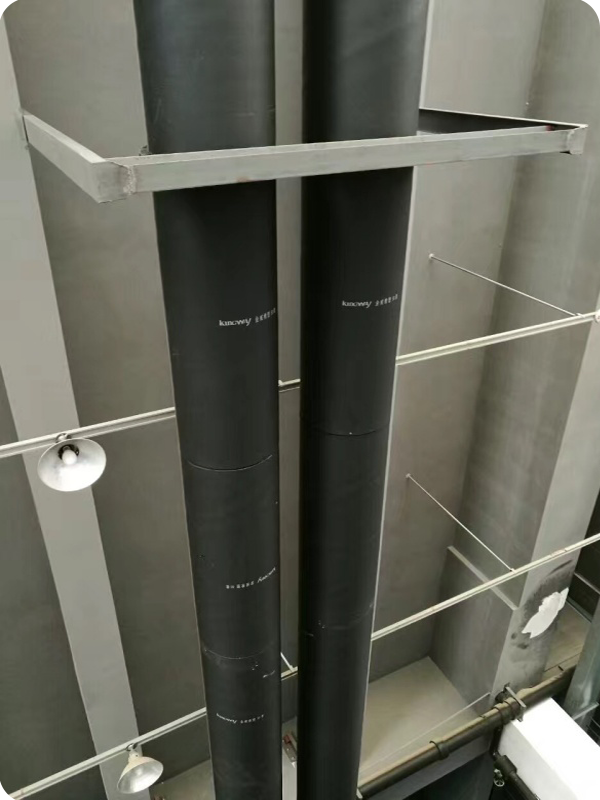
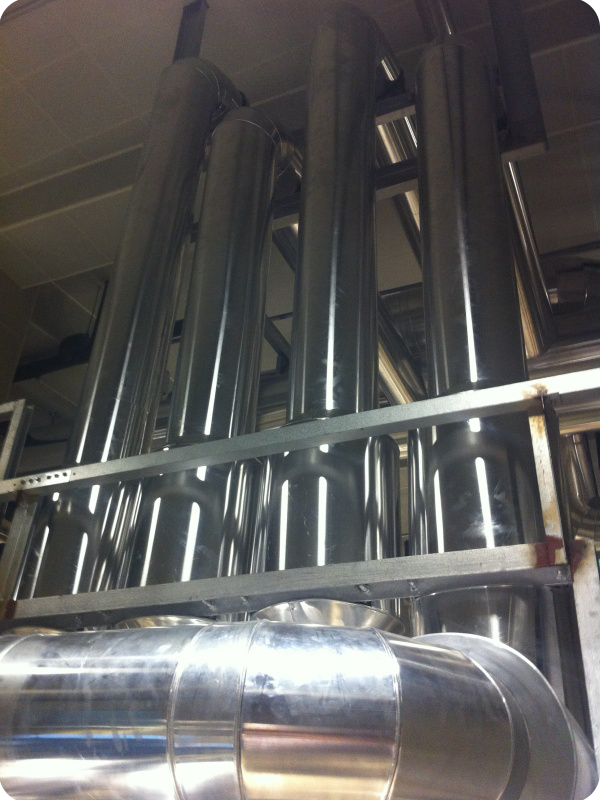
Central chiller units on modern cruise lines transport cold liquid throughout the ship. Insulating these distribution loops with Kingflex closed-cell pipe tubes prevents heat gain, mitigates condensation, and protects adjacent cabins from moisture damage.
To transport LNG efficiently, system temperatures must be kept at cryogenic levels. Specialty flexible elastomeric cryogenic insulation prevents heat leakages, mitigates ice buildup, and accommodates pipe expansion without cracking.

Our strategic vision for the next generation of eco-friendly and high-performance marine insulation products.
Phasing out traditional carbon-intensive raw materials by incorporating agricultural waste-derived polyols. Our research focuses on zero-ODP (Ozone Depletion Potential) and ultra-low GWP (Global Warming Potential) nitrogen-based foaming processes.
Integrating silica aerogel particles into our closed-cell NBR matrix to reduce thermal conductivity values further, down to 0.022 W/m·K. This allows for thinner insulation profiles, saving space in tight engine rooms and bulkheads.
Developing asymmetric open-closed cell hybrid configurations specifically designed to control mechanical noise from electric-drive yacht hulls and high-pressure steam turbines.
Our product quality and raw materials are monitored and certified by leading testing institutes worldwide.


Answers to common design, engineering, and procurement questions from marine architects and project managers.
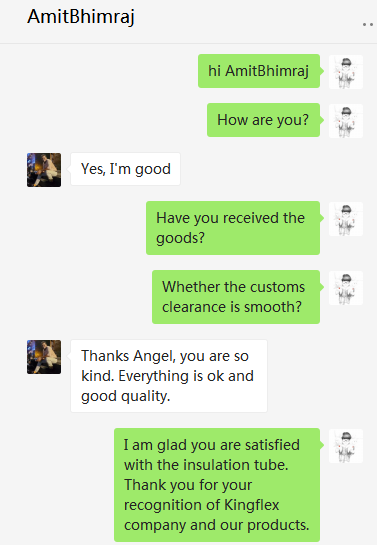
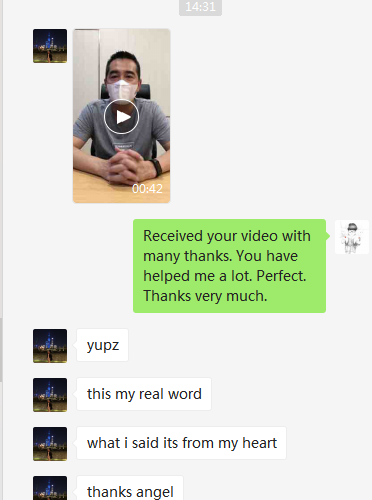
Verified purchase screenshots and positive feedback from global clients highlight the reliability of our products and services.



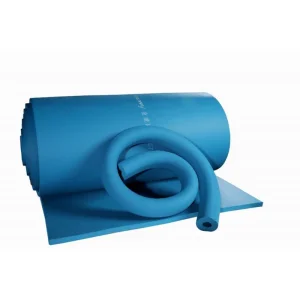
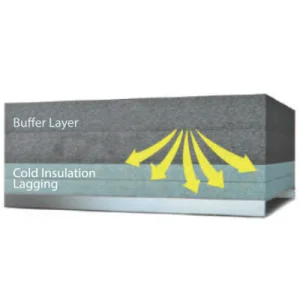
Explore our specialized range of high-performance cryogenic and heat-resistant insulation products.
 Kingflex