Premium NBR/PVC elastomeric formulations and thermal system components for high-reliability industrial assemblies.
In modern structural engineering and commercial building construction, containment design represents a primary focus of risk management frameworks. Mechanical, Electrical, Plumbing (MEP), and HVAC systems act as functional pathways across structural boundaries, crossing fire-rated walls, floors, and utility shafts. This design exposes critical points for fire and gas migration. The Fire Wall Penetration Sleeve serves as a protective conduit, housing structural utility runs while ensuring the structural integrity of fire-rated boundaries.
Industrial plants, data centers, hospitals, and high-rise commercial structures face complex challenges when routing utility lines. Code requirements like the International Building Code (IBC), NFPA 101, and EN standards mandate strict firestop performance parameters. According to ASTM E814 and UL 1479 protocols, penetrations must maintain minimum F-ratings (flame containment time) and T-ratings (limiting temperature transmission on the unexposed face). An unsealed or incorrectly insulated sleeve can bypass passive fire protection designs, causing accelerated thermal bridging, gas flow, and fire propagation.
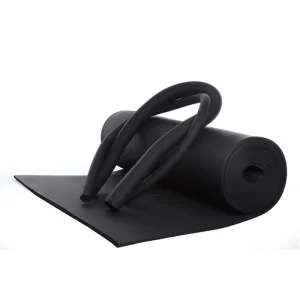
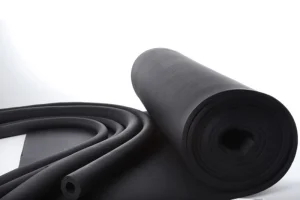
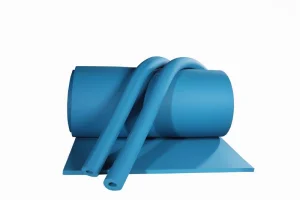
Integrating elastomeric rubber foam insulation (such as Kingflex NBR/PVC sheets and tubes) with heavy-duty structural steel or composite fire wall penetration sleeves provides a dual-action insulation and fire barrier system. In chilled-water lines, cryogenics, and high-velocity HVAC systems, maintaining thermal control and condensation prevention is critical. Combining fire-wall sleeve systems with NBR/PVC closed-cell foam ensures that penetration points remain thermal-bridge-free while keeping fire boundaries secure.
The global fire wall penetration sleeve market is expanding rapidly, driven by the construction of hyper-scale data centers, heavy industrial processing plants, and strict municipal building codes. Key regulatory developments show that compliance with structural fire resistance testing (such as BS 476 Parts 20 & 22) is now required for industrial bidding worldwide. Modern construction models favor prefabricated MEP modules, where penetration sleeves are pre-engineered, cast into structural concrete walls, and insulated with closed-cell elastomeric systems off-site. This shift reduces installation errors and maintains high performance under thermal expansions.
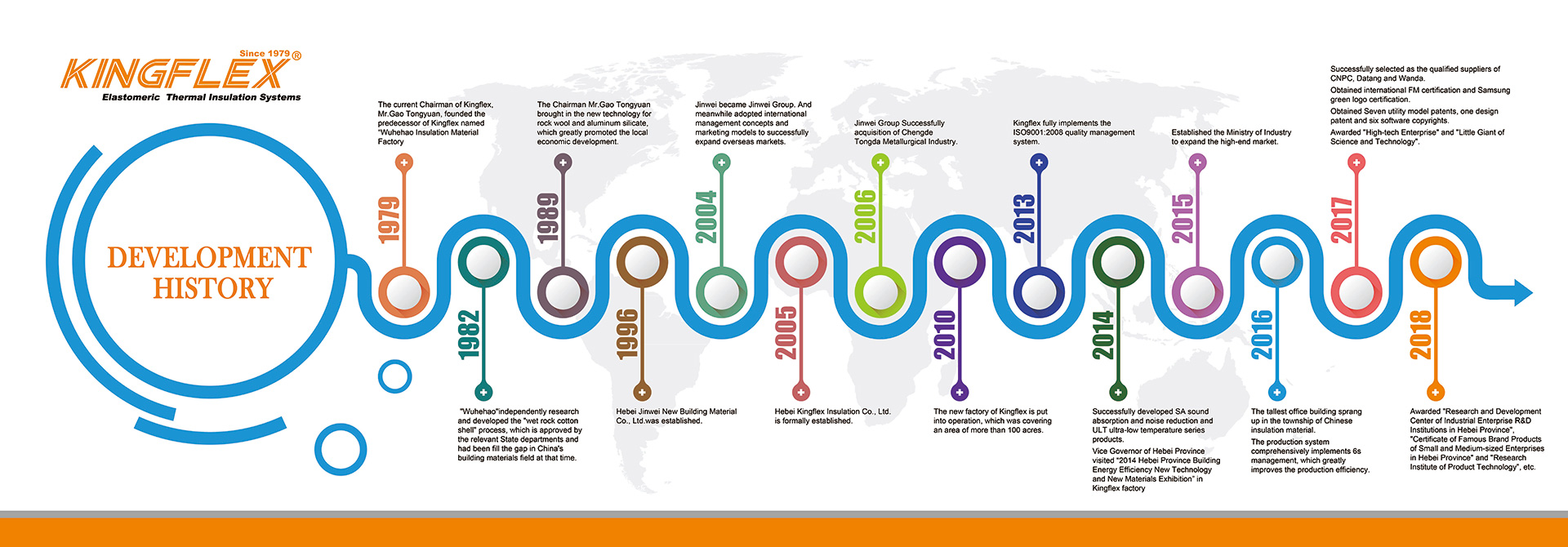
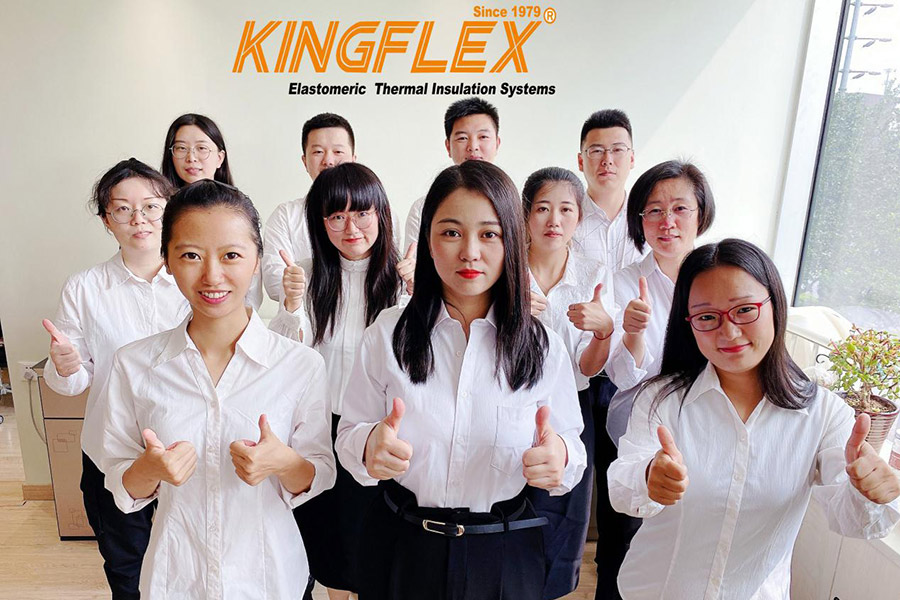
Kingflex Insulation Co., Ltd. is a professional manufacturing and trading combo for thermal insulation products, providing advanced passive thermal control and protection systems worldwide. Kingflex research development and production department is located in the well-known capital of green-building materials in Dacheng, China. It is an energy-saving, environmentally friendly enterprise concentrating on research, development, production, and sales.
In operation, Kingflex takes energy saving and consumption reduction as its core concept. We provide thermal and acoustic insulation solutions through professional consultation, research and development, manufacturing, installation guidance, and dedicated post-sale services.
Kingflex was established by the Jinwei Group, which brings over 40 years of manufacturing history. Jinwei Group, established in 1979, was the first manufacturer of thermal insulation materials north of the Yangtze River.

At the heart of Kingflex’s engineering strategy is a focus on material science. Standard pipe penetrations often introduce vulnerability: structural shifts can tear weak insulation, while high temperatures can ignite standard organic polymers. Kingflex addresses these issues through specialized elastomer vulcanization technology, producing an NBR/PVC matrix that achieves optimal closed-cell uniformity (>98%).
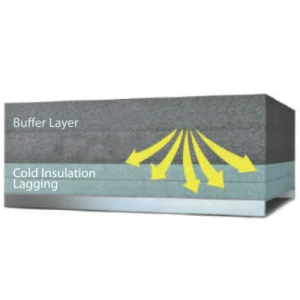
This high closed-cell density is key to preventing moisture ingress and maintaining stable thermal conductivity. In high-temperature exposure scenarios, the material forms a resilient, carbonized barrier that slows heat transfer.
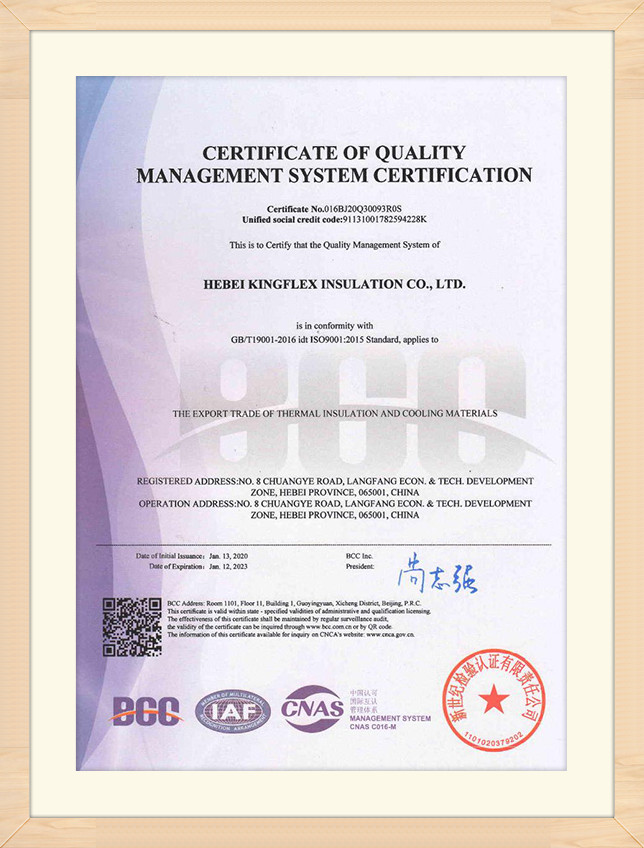
Operating to strict global quality standards, Kingflex systems carry certifications verifying performance in demanding fire-protection and commercial building scenarios:
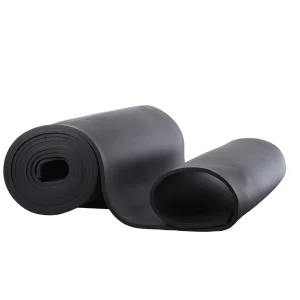
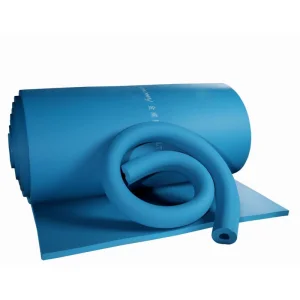
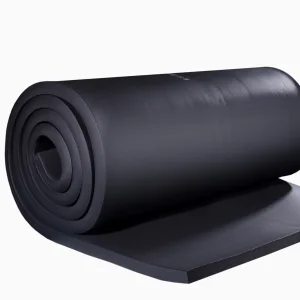
Engineered to interface with fire wall penetration sleeves, providing thermal separation, vibration dampening, and acoustic decoupling.
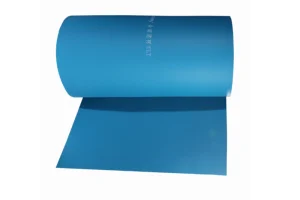
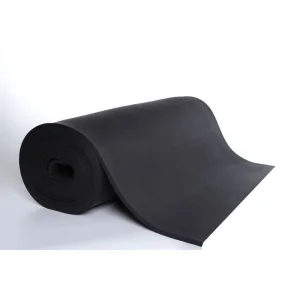
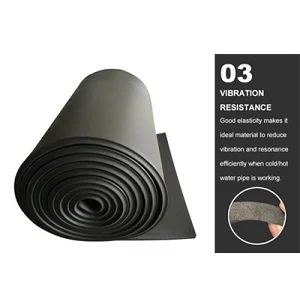
Designed for large-diameter ductwork, process vessels, and structural wall penetrations. Its elasticity dampens structure-borne noise at penetration points.
| Property | Standard Dimension / Value |
|---|---|
| Material Composition | Nitrile Butadiene Rubber (NBR) & Polyvinyl Chloride (PVC) |
| Thickness Range | 6mm to 50mm |
| Density Profile | 40 - 55 kg/m³ |
| Operating Temperature Range | -40℃ to 105℃ |
| Closed-Cell Rate | > 98% |
| Compression Resilience | > 80% |
Key Advantages: High moisture resistance factor, stable long-term thermal conductivity, and self-extinguishing behavior upon flame source removal.
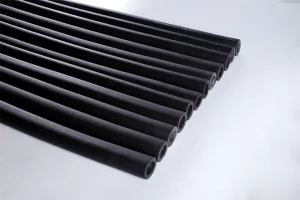
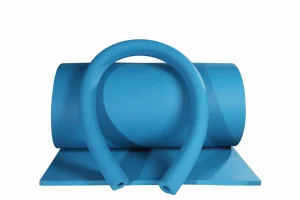
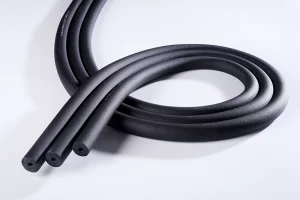
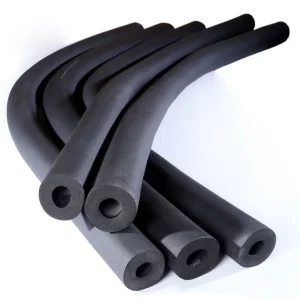
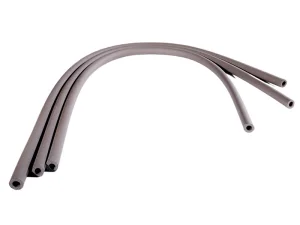
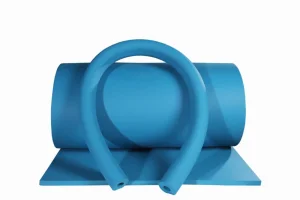
Tailored for MEP piping lines, chilled water loops, and steam pipelines passing through fire-rated concrete and drywall sleeve configurations.
| Property | Standard Dimension / Value |
|---|---|
| Material Composition | NBR / PVC Compound |
| Wall Thickness | 9mm to 40mm |
| Inner Diameter (ID) | 6mm to 114mm |
| Density Profile | 40 - 55 kg/m³ |
| Operating Temperature Range | -40℃ to 105℃ |
| Application Focus | HVAC, hot/chilled water, solar thermal loops |
Key Advantages: Direct application to steel pipes prior to sleeve insertion, eliminating thermal bridging and protecting pipes from condensation.
Take an inside look at Kingflex's quality control facilities, certified laboratory testing, and international shipping setups.
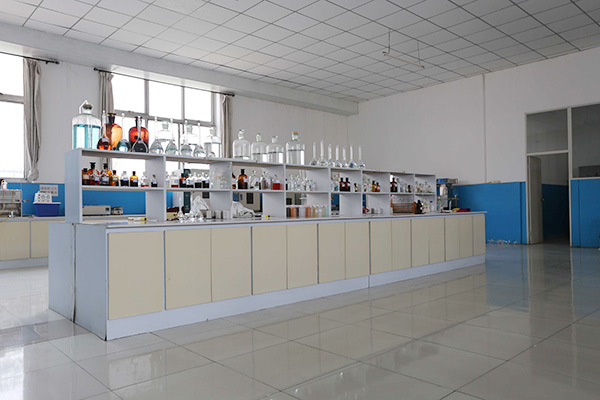
R&D Thermal Test

Elastomeric Profiling
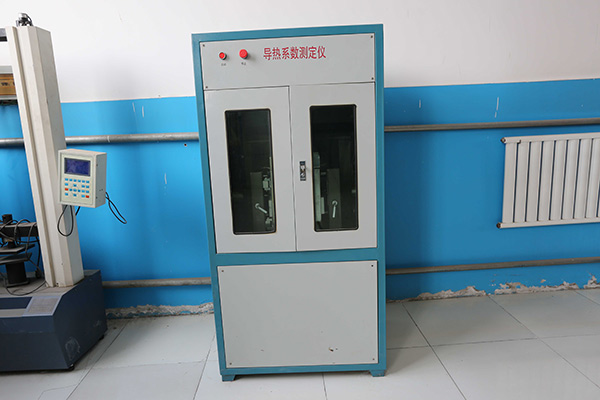
Quality Verification


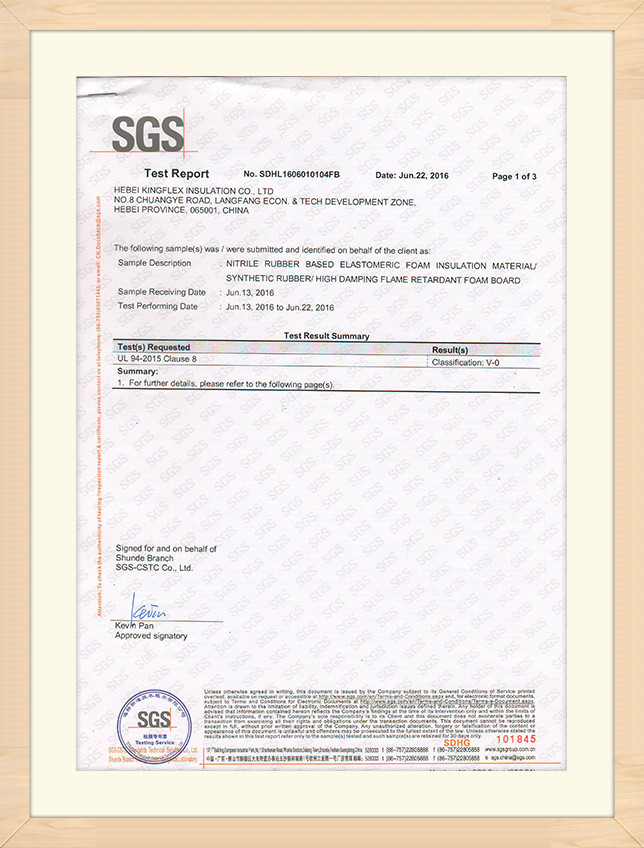
Passive fire protection designs vary by region. In North American jurisdictions, fire wall sleeves must comply with ASTM E814 (UL 1479) testing. Systems must demonstrate performance that prevents heat transfer while sealing the wall opening. In contrast, European projects rely on the EN 1366-3 standard for penetration firestops, which places stricter requirements on gas tightness and thermal load limits.
Data centers require consistent temperature and humidity levels. Chilled water pipe penetrations passing through technical areas must be protected to prevent condensation-related equipment failures. Using Kingflex closed-cell elastomeric insulation sleeves helps prevent thermal bridging at wall crossings while maintaining structural fire barriers.
Hospitals rely on complex mechanical grids, including air handling networks and medical gas pipelines. If fire wall penetrations are poorly sealed, they can transfer smoke, fumes, and acoustic vibrations between rooms. Kingflex flexible NBR foam reduces sound transfer, helping projects meet STC (Sound Transmission Class) requirements.
In low-temperature and cryogenic applications down to -200 °C, moisture control is a key challenge. Ice buildup can expand inside wall penetrations, causing structural damage. Kingflex cryogenic elastomeric sheets provide a stable thermal barrier that prevents condensation and limits moisture penetration in low-temperature pipelines.
Our systems are used globally across diverse building, industrial, and processing environments.

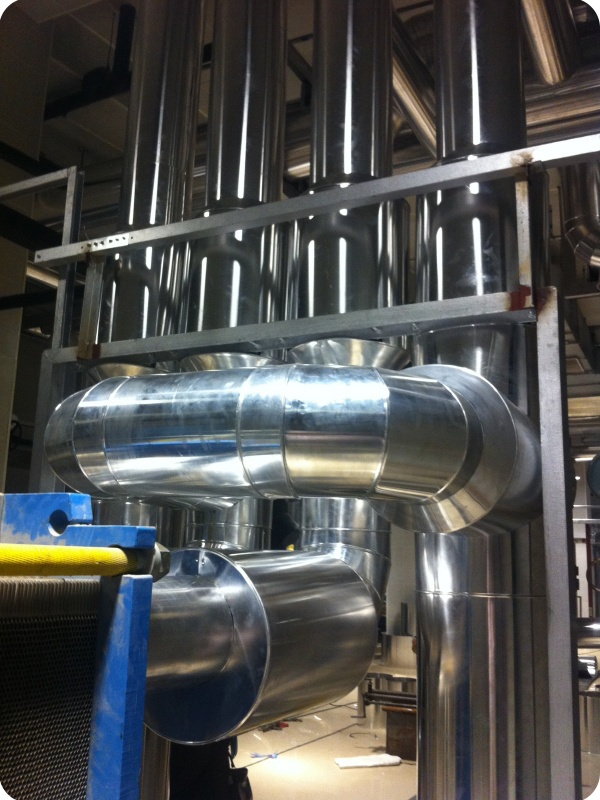
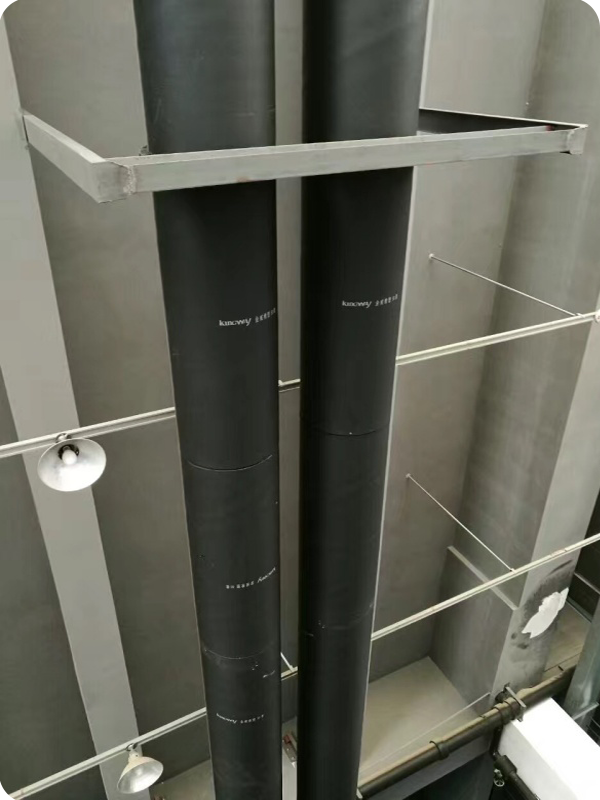
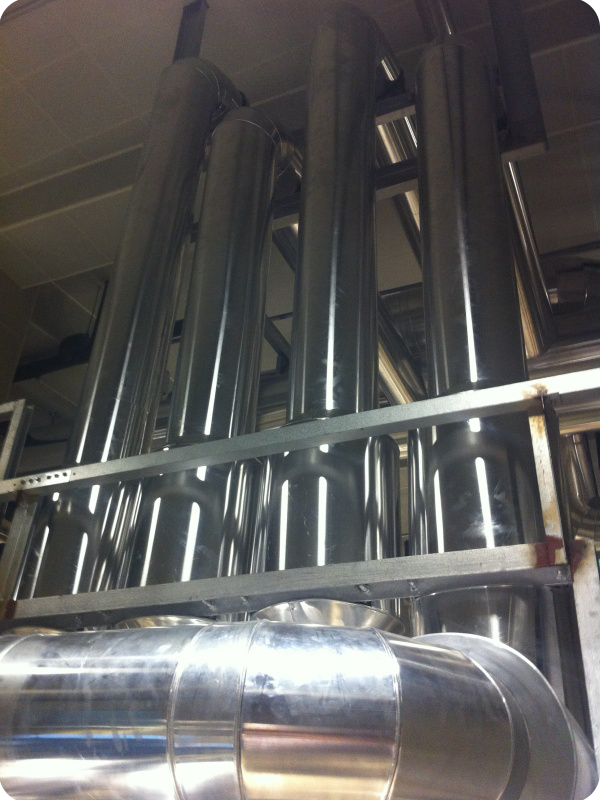


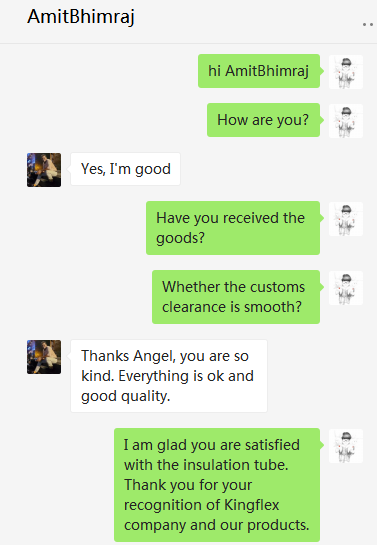
Different piping materials, sleeve types, and temperature profiles require custom insulation and firestopping configurations.
| Application Environment | Primary Sleeve Material | Required Insulation Configuration | Target Fire Rating Standard |
|---|---|---|---|
| HVAC Air Distribution | Galvanized Steel Sleeves | NBR/PVC Elastomeric Sheet (19mm - 32mm) | UL 181, ASTM E84 Class A |
| Chilled Water System Lines | Cast Iron / Steel Sleeves | NBR/PVC Elastomeric Pipe Sleeving (25mm - 40mm) | ASTM E814, BS 476 Part 20 |
| Industrial Chemical Pipes | Stainless Steel / PVC sleeves | Corrosion Resistant Elastomeric Tube | EN 1366-3, Class EI 120 |
| Cryogenic Transfer Systems | Specialized Outer Containment | Ultra-Low Temp Elastomeric Sheet & Pipe | ASTM E1225, ISO 20088-1 |
Find answers to common technical queries about elastomeric insulation, firestop compliance, and product customization options.
Explore our full range of thermal tubes, halogen-free insulation pipes, and rock wool boards for industrial firestopping.
 Kingflex