
In the modern era of climate action and decarbonized urban development, building envelopes and HVAC/R (Heating, Ventilation, Air Conditioning, and Refrigeration) mechanical installations represent critical battlegrounds for energy efficiency. According to global energy consumption reports, buildings account for nearly 40% of greenhouse gas emissions worldwide, with mechanical systems consuming a substantial portion of this budget. High-performance insulation materials function as key structural assets to meet regulatory energy performance thresholds. Closed-cell elastomeric nitrile rubber foam is the industry standard for thermal and acoustic management, providing a low-conductivity, moisture-resistant barrier that supports sustainable building operations.
Large-scale construction developers, MEP (Mechanical, Electrical, and Plumbing) contractors, and industrial procurement agents are increasingly required to align material sourcing with strict sustainability certifications. These certifications evaluate a product’s lifecycle, carbon footprint, and operational energy savings. Selecting elastomeric foam insulation supports compliance across multiple international frameworks:
Directly contributes to Energy & Atmosphere (EA) optimization credits by preventing thermal bridge transmission and ensuring low operational energy losses. Supports Materials & Resources (MR) credits through regional raw material procurement and verified Environmental Product Declarations (EPDs).
Meets stringent requirements under the Health and Wellbeing (Hea) category through low volatile organic compound (VOC) emissions, preventing IAQ (Indoor Air Quality) degradation. Supports the Materials (Mat) category with robust durability, ensuring a service lifespan exceeding 15 years.
Aligned with European and Middle Eastern circular economy metrics. The chemical configuration of Kingflex elastomeric NBR/PVC matrix contains zero halogenated blowing agents and complies with RoHS and REACH regulations, avoiding the use of hazardous substances.
For procurement directors, sourcing materials that comply with these frameworks is essential to mitigate regulatory risks. Working with a verified supplier like Kingflex, which offers full documentation (including third-party certifications for BS 476, CE, REACH, and UL94), helps streamline project approvals and ensures compliance with international building codes.
The operational effectiveness of elastomeric insulation is determined by its physical and chemical properties. NBR/PVC elastomeric rubber foam insulation is engineered to balance low thermal conductivity with high resistance to water vapor transmission:
| Physical Metric | NBR/PVC Elastomeric Foam Standard Value | Testing & Compliance Standard |
|---|---|---|
| Thermal Conductivity (λ) | ≤ 0.034 W/(m·K) at 0 °C | ASTM C518 / ISO 8301 |
| Water Vapor Permeability (μ) | ≥ 10,000 (Built-in Vapor Barrier) | BS EN 12086 / ASTM E96 |
| Density Range | 40 - 55 kg/m³ (Even cell distribution) | ASTM D1622 |
| Reaction to Fire | Class 0 & Class 1 (Flame Spread ≤ 25, Smoke ≤ 50) | BS 476 Part 6 & 7 / UL 94 V-0 / ASTM E84 |
| Operational Temperature Range | -50 °C to +105 °C (Specialized cryogenic options down to -200 °C) | EN 14706 / EN 14707 |
| Compression Resilience | ≥ 80% recovery after prolonged load | ASTM D1056 |
Closed-cell elastomeric structures are characterized by an even distribution of micro-cells. Unlike open-cell products, which can absorb moisture and lose thermal resistance, the closed-cell configuration of NBR/PVC prevents moisture ingress. This structural design helps prevent corrosion under insulation (CUI), a major cause of piping failure in industrial and commercial HVAC systems.

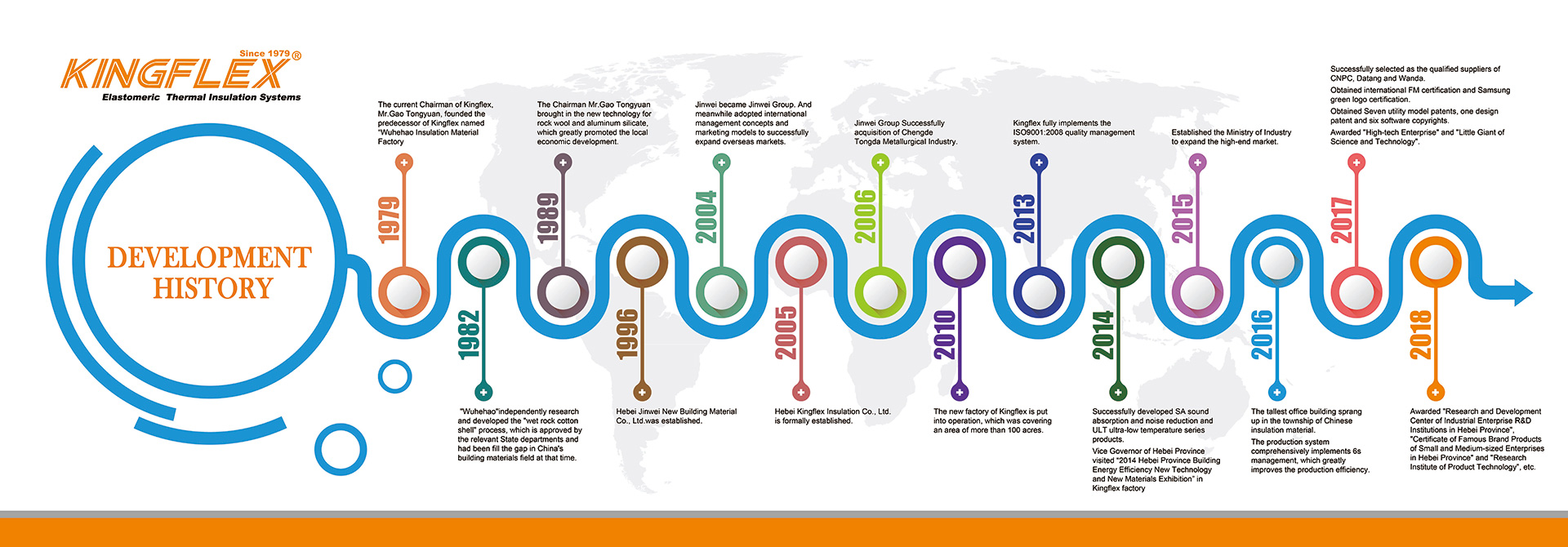
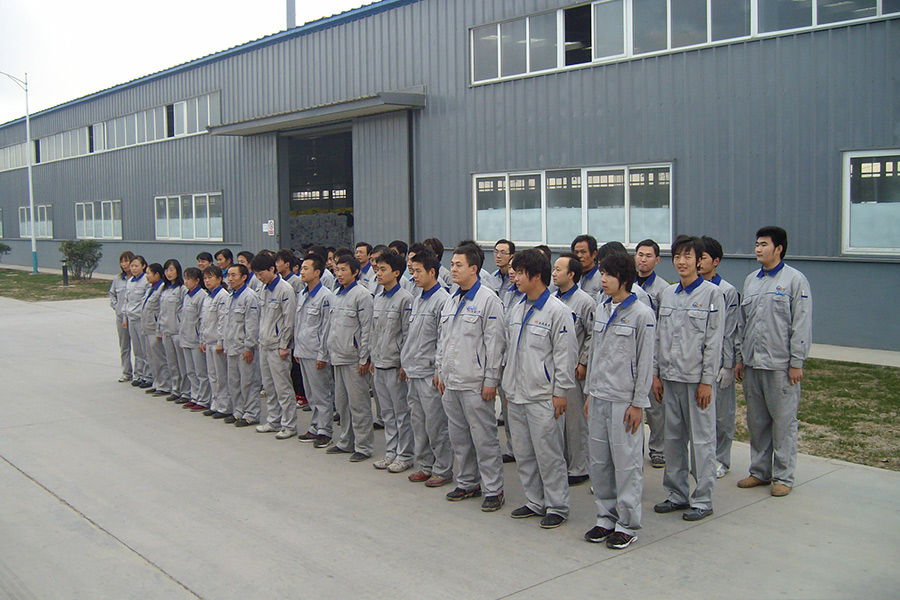
Kingflex Insulation Co., Ltd. operates a large production facility located in Dacheng, China—a region known for green building material manufacturing. As a designated manufacturing partner for energy-saving projects, Kingflex maintains an annual production capacity exceeding 600,000 cubic meters across five automated assembly lines.
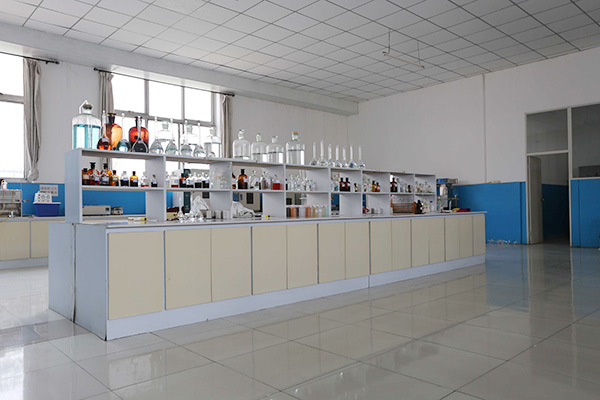
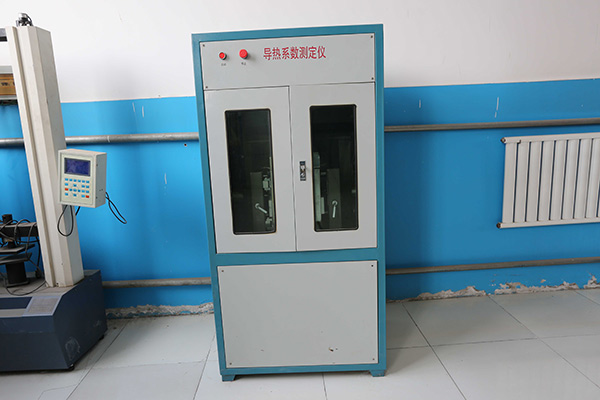
The manufacturing process uses automated compounding and extrusion systems to ensure consistent cell structure and density. Quality control protocols track raw materials through to finished products, ensuring compliance with international thermal, acoustic, and fire safety standards.
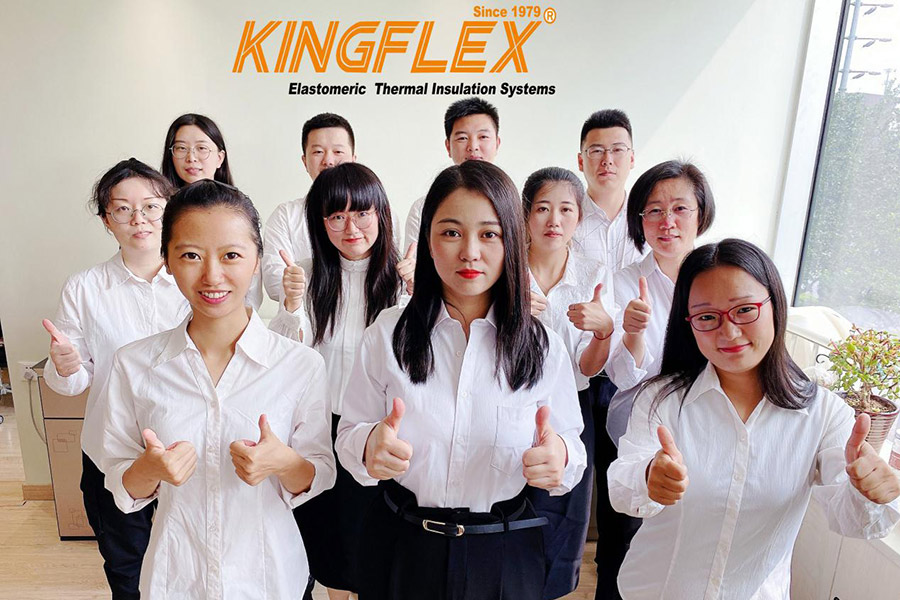
Our facility is staffed by 230 technicians and an R&D team of eight specialist engineers. This team manages product development, quality control, and custom formulation to meet specific project criteria.


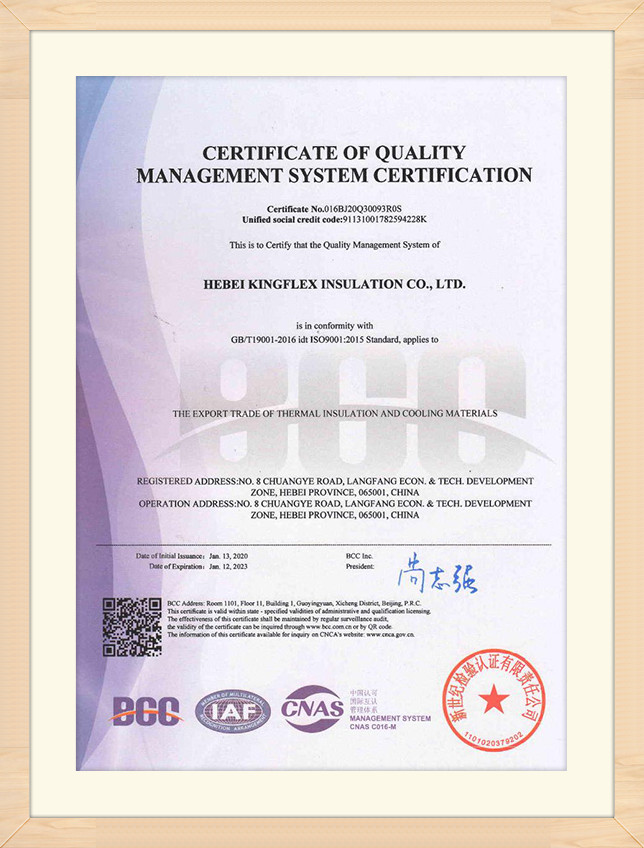
For high-occupancy commercial and industrial projects, structural fire safety and material compliance are key procurement factors. Kingflex NBR/PVC systems undergo testing to verify compliance with international standards:
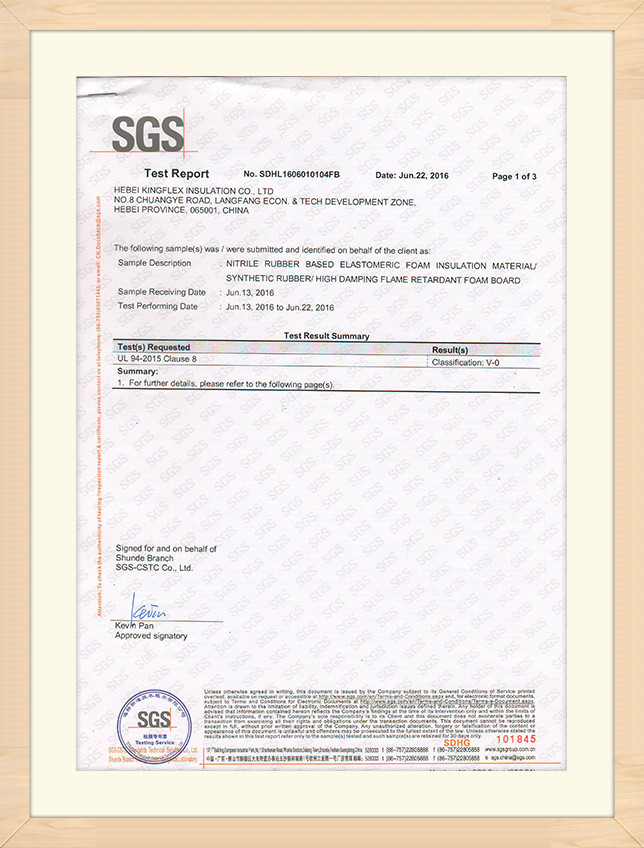
Tested under British Standard BS 476 Parts 6 & 7 to achieve Class 0/Class 1 propagation ratings. Also meets UL94 V-0 requirements for self-extinguishing behavior, preventing flame spread along vertical pipe installations.
Verified free from dangerous substances (SVHCs), halogenated compounds, polybrominated biphenyls (PBBs), and polybrominated diphenyl ethers (PBDEs), ensuring compatibility with green building indoor air requirements.
Meets physical performance standards for flexible cellular materials (ASTM C534) and is CE certified for thermal insulation products in building applications (EN 14304).
The photos below show some of our core testing compliance files and international approvals:


In addition to standard HVAC systems, industrial applications often require materials that perform under extreme conditions. For applications involving low-temperature chemical processing or liquefied natural gas (LNG) systems, standard insulation materials can suffer from thermal contraction cracking and moisture ingress. Kingflex Cryogenic Insulation Systems are designed to handle these environments:
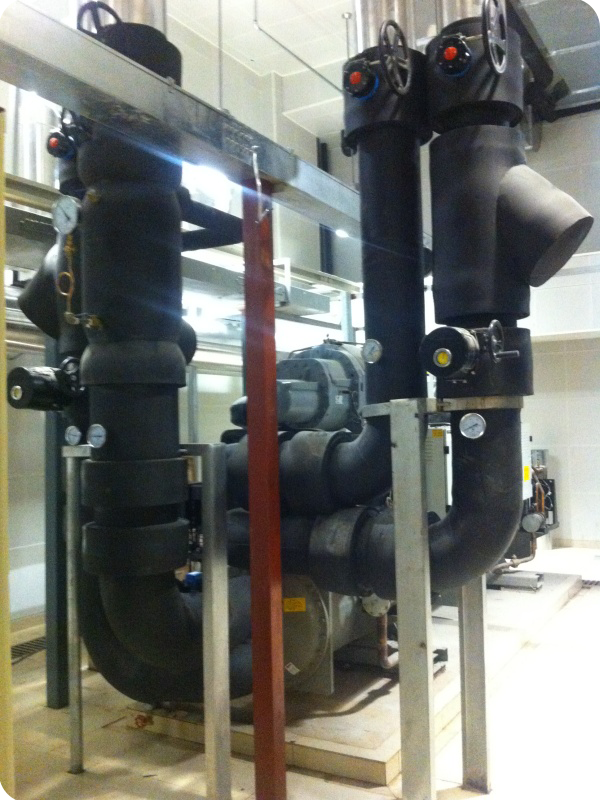
Kingflex systems are used in diverse architectural and industrial projects globally, including commercial office complexes and heavy industrial facilities.

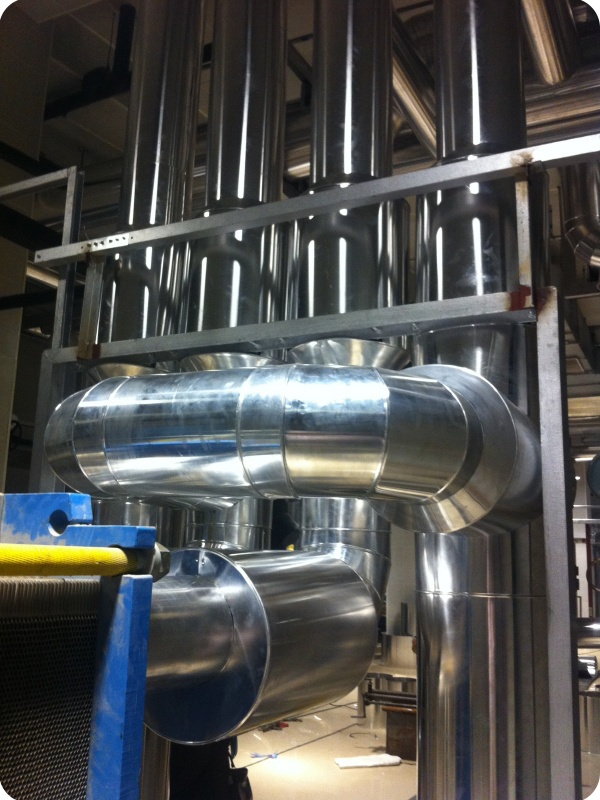
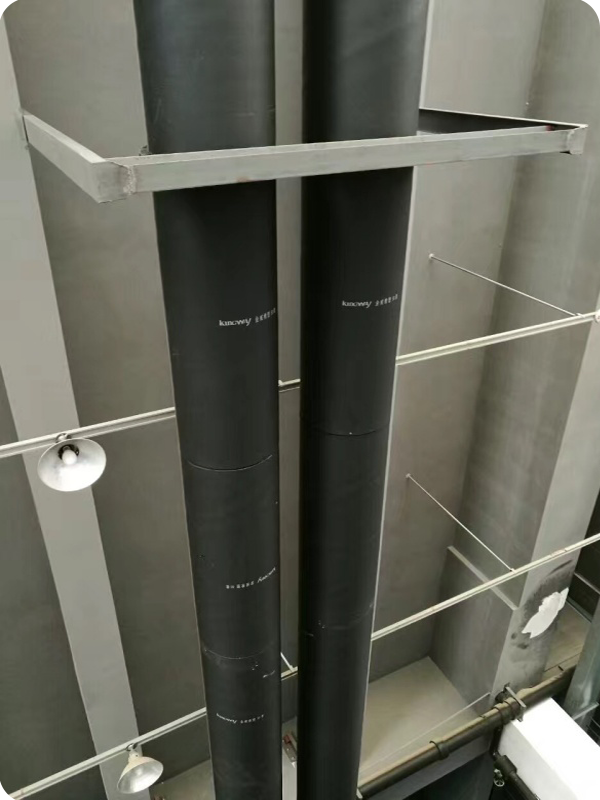
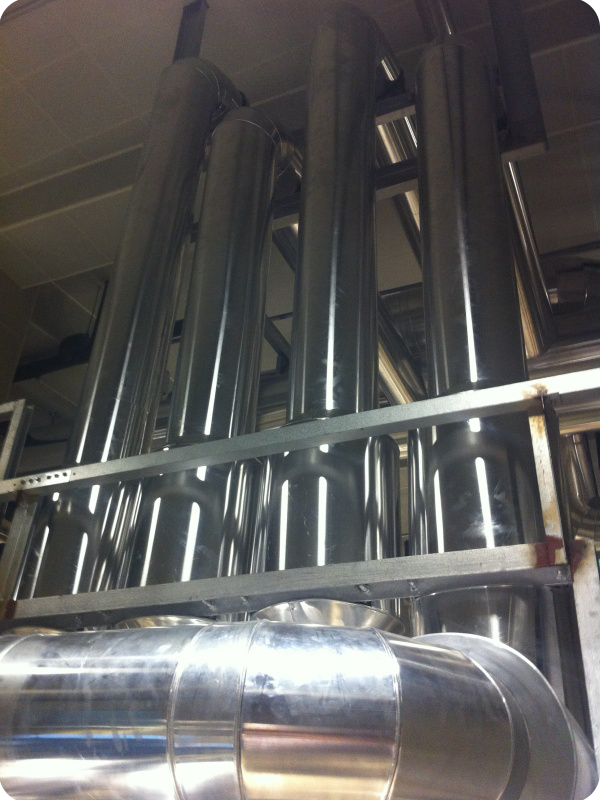
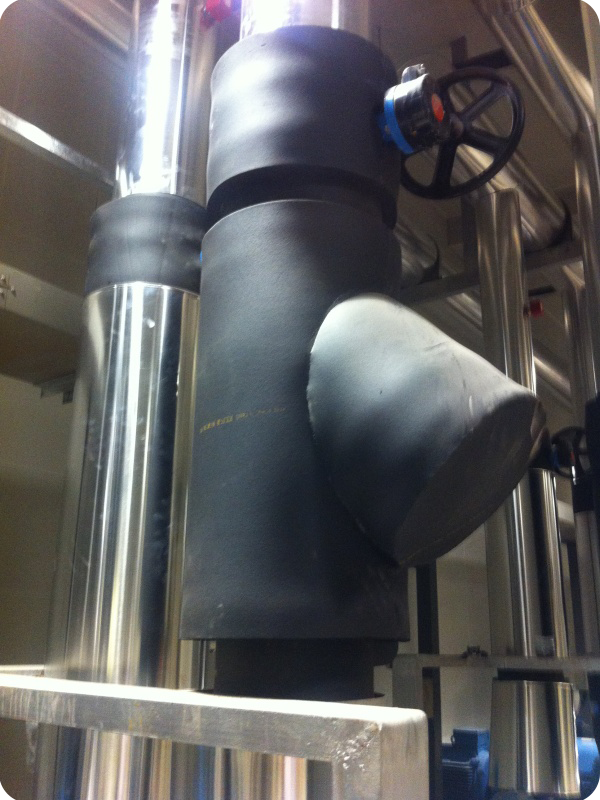
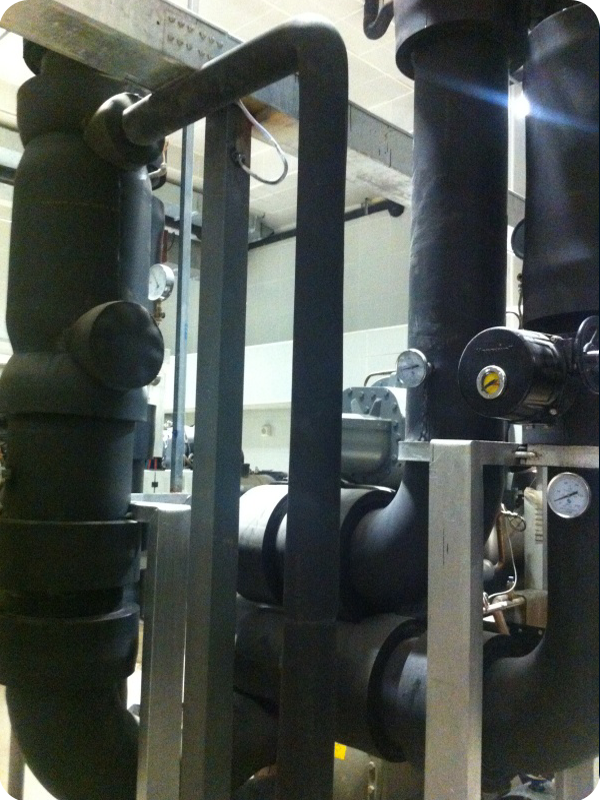
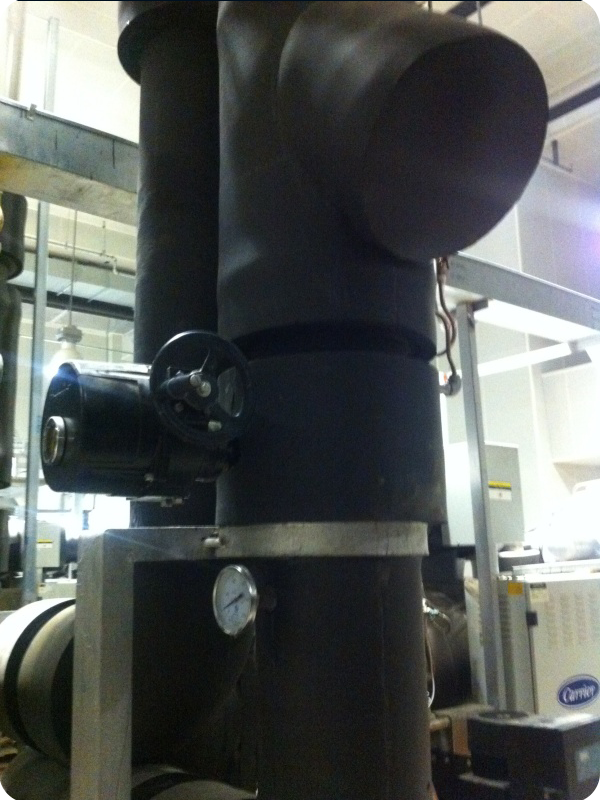
We work closely with global engineering partners to ensure our products meet project timelines, custom packaging requirements, and technical specifications.




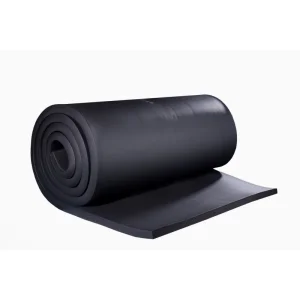
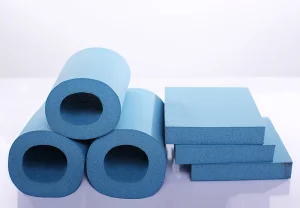
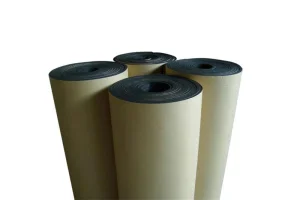
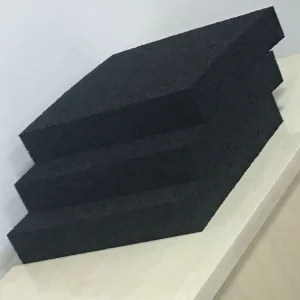
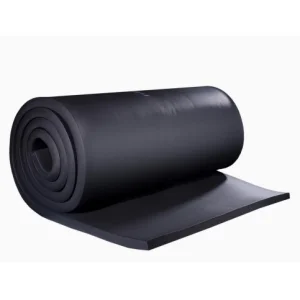
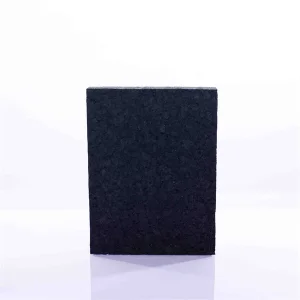
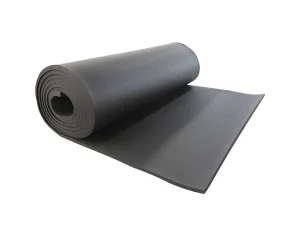
Designed for large-diameter pipelines, duct systems, and flat surfaces. Available in self-adhesive and plain backing configurations.
| Material base | NBR/PVC Elastomeric Foam |
| Thickness range | 6mm to 50mm |
| Density range | 40 - 55 kg/m³ |
| Service temperature | -40 °C to +105 °C |
Primary Applications: Large central air-conditioning duct systems, concrete wall acoustic dampening, storage tanks, and cleanroom air distribution units.
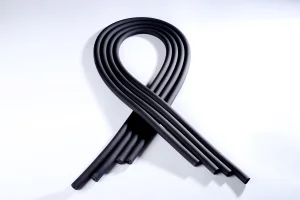
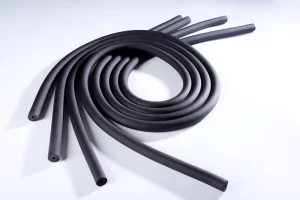
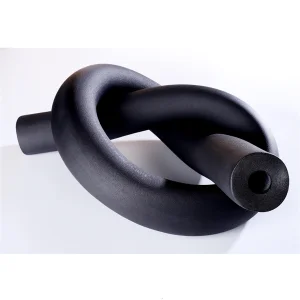
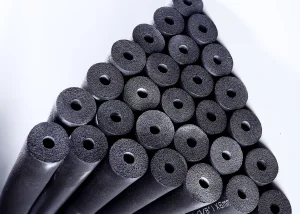
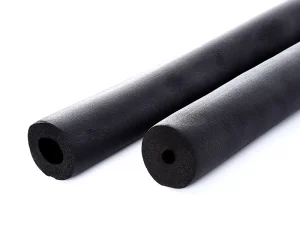
Slit or unslit tubular insulation designed for quick installation on new or existing copper, steel, and plastic piping networks.
| Material base | NBR/PVC Elastomeric Foam |
| Inner Diameter (ID) | 6mm to 114mm (Standard piping sizes) |
| Wall Thickness | 9mm to 40mm |
| Service temperature | -40 °C to +105 °C |
Primary Applications: HVAC chilled/hot water lines, domestic hot water networks, process chemical piping, and commercial refrigeration loops.

 Kingflex