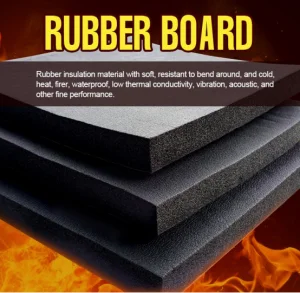
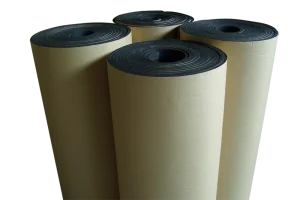
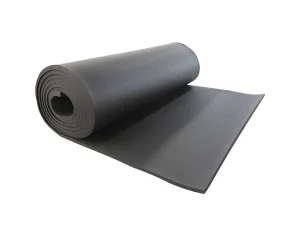
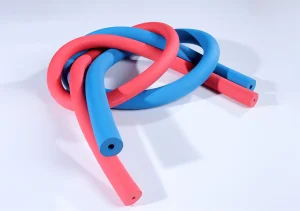
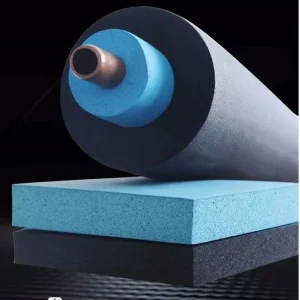
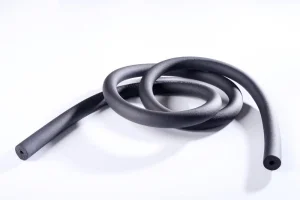
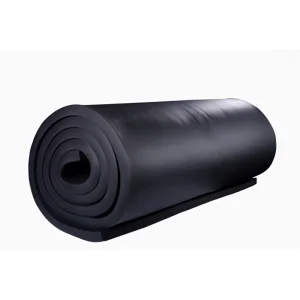
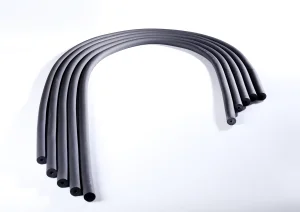
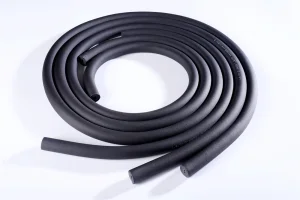
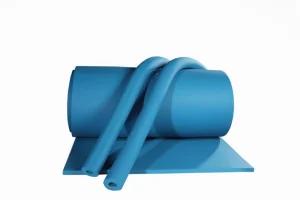
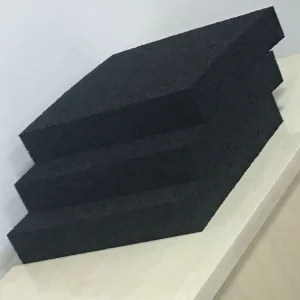
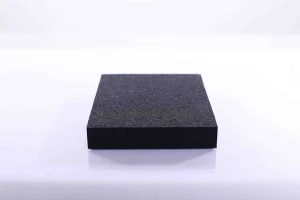
Premium elastomeric solutions designed for immediate procurement
In modern building design, heating, ventilation, and air conditioning (HVAC) systems constitute up to 40% of a commercial facility's total energy footprint. Within these networks, the thermal integrity of air distribution ducts is paramount. Uninsulated or poorly insulated AC ducts lead to massive convective thermal losses, severe condensation problems, and compromised Indoor Air Quality (IAQ).
As a premier Wholesale Insulate AC Ducts Manufacturer and Supplier, Kingflex Insulation Co., Ltd. addresses this industry challenge. We engineer closed-cell elastomeric rubber foam insulation systems designed to eliminate thermal bridging, inhibit mold proliferation, and optimize energy conservation across complex architectural layouts.
The global thermal insulation market is undergoing a rapid transition driven by strict environmental protocols (such as ASHRAE 90.1, building energy codes, and Net-Zero Emission targets). Traditionally, fiberglass and rock wool dominated duct linings. However, modern designs favor elastomeric rubber foam.
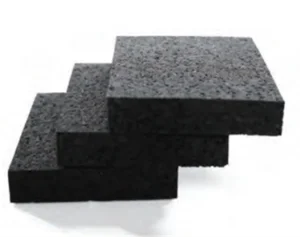
Unlike open-cell alternatives, elastomeric foam provides built-in water vapor resistance. This makes additional vapor barriers unnecessary. Its high density (40-55 kg/m³) and closed-cell architecture (exceeding 98%) guarantee long-term thermal conductivity stability, even in high-humidity tropical climates.

Modern procurement officers, mechanical engineers, and EPC contractors do not merely purchase insulation; they procure operational risk mitigation. Key search trends show that buyers prioritize products with international quality compliance, supply chain continuity, and certified thermal properties.
Our elastomeric NBR/PVC matrix features a high water vapor diffusion resistance factor (μ ≥ 10,000), eliminating condensation risks on HVAC installations.
With a compression resilience rate over 80%, Kingflex sheets maintain their thickness and insulation capability even when installed around tight duct bends.
In addition to thermal insulation, our open-cell variant is designed specifically for sound absorption, reducing turbulent airflow noise inside sheet metal ducts.
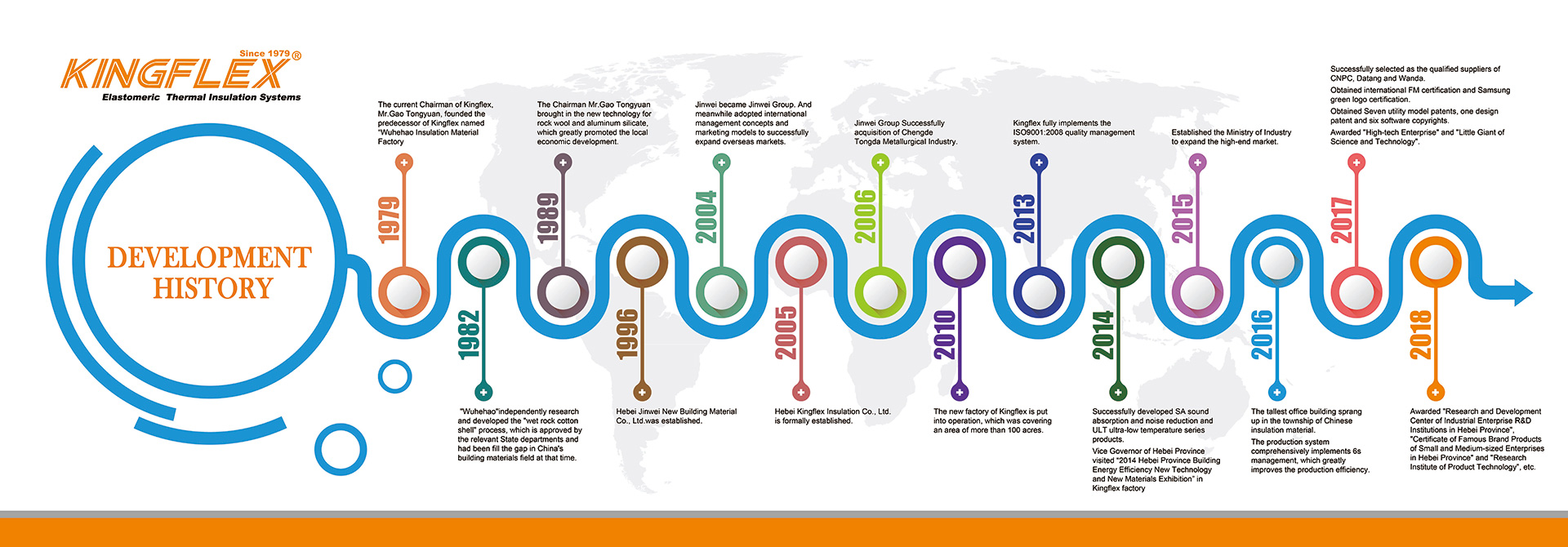
Located in Dacheng, China—the recognized global capital of energy-efficient green building materials—Kingflex operates as an advanced manufacturing and trading combo. Through Jinwei Group, established in 1979 as the first thermal insulation manufacturer north of the Yangtze River, we leverage over 40 years of continuous product development.
Our manufacturing facility features 5 automated extrusion lines. These lines yield an annual output capacity of over 600,000 cubic meters. By integrating our supply chains, we guarantee reliable raw material sourcing, consistent chemical batching, and strict quality control. This allows us to serve major global projects without the risk of shipping delays.
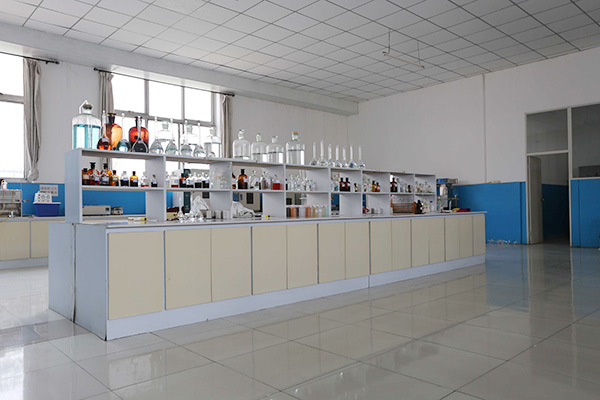
Our state-of-the-art facilities ensure high product quality and reliable bulk production schedules for global distribution.

In shopping malls, high-rise office buildings, and hospitals, air ducts cover vast distances. Kingflex sheet insulation prevents thermal drift over long distances. This guarantees that supply air reaches terminal diffusers at designated temperatures, reducing chiller load.
Industrial environments present aggressive humidity conditions and exposure to chemicals. Our NBR/PVC closed-cell structure resists chemical splatter and moisture ingress, preventing corrosion under insulation (CUI) on sheet metal surfaces.
For specialized cleanrooms and cold chain operations, thermal stability at sub-zero temperatures is essential. Kingflex flexible cryogenic insulation prevents frost build-up, maintaining structural integrity down to -40℃.
Verified physical properties of Kingflex NBR/PVC rubber foam insulation systems
| Physical Parameter | Kingflex Standard Performance | Testing Standard References |
|---|---|---|
| Material Composition | Nitrile Butadiene Rubber / Polyvinyl Chloride (NBR/PVC) | - |
| Density | 40 - 55 kg/m³ | ASTM D1622 / ISO 845 |
| Thermal Conductivity (λ) | ≤ 0.032 W/(m·K) at -20°C | ≤ 0.035 W/(m·K) at 0°C | ASTM C177 / ISO 8302 |
| Water Vapor Permeability | μ ≥ 10,000 (Vapor barrier built-in) | ASTM E96 / BS EN 12086 |
| Fire Classification | Class 0 / Class 1 / Class V-0 | BS 476 Part 6 & 7 / UL 94 |
| Service Temperature Range | -40℃ to 105℃ | EN 14706 / ASTM C411 |
Kingflex insulation sheets, tubes, and rolls conform to international engineering safety codes.
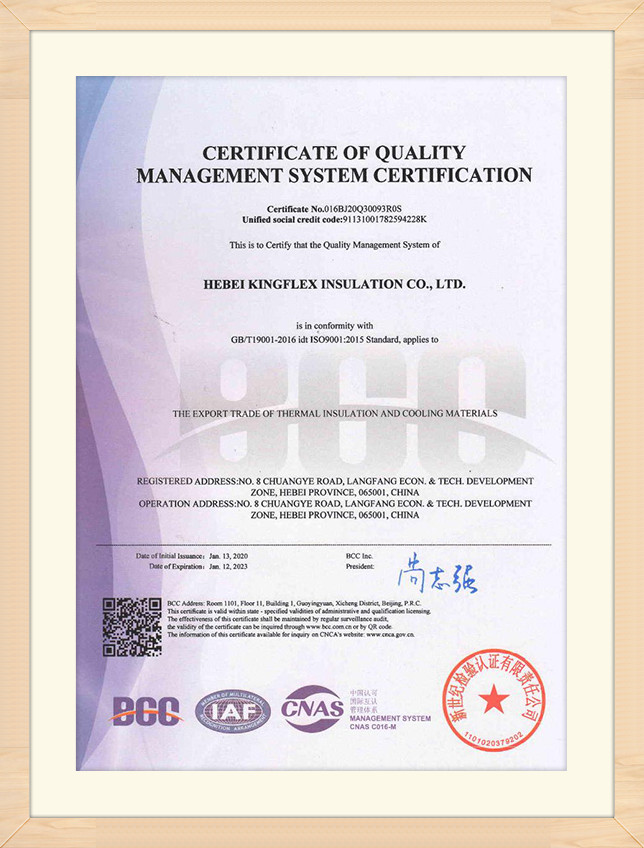


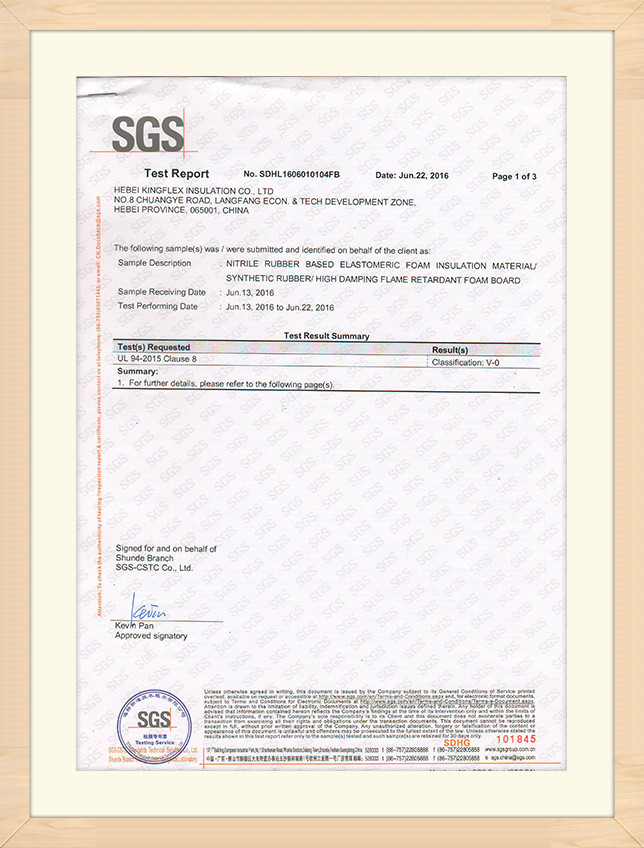
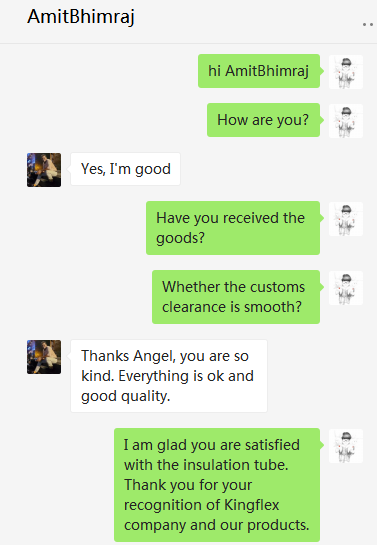
Real-time transaction transparent communication showing project approvals



Get professional answers to common questions about HVAC duct insulation systems
Premium specialized insulation tubes and piping solutions
 Kingflex