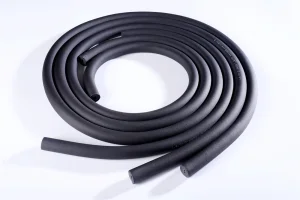
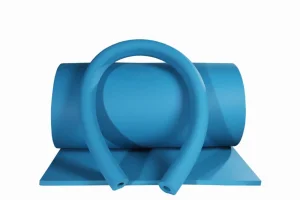
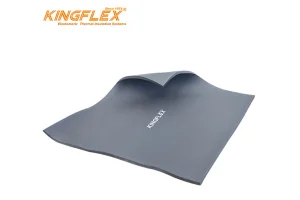
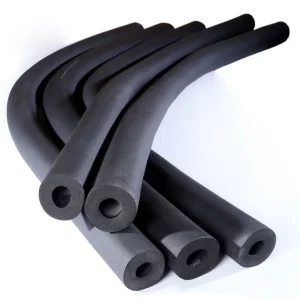
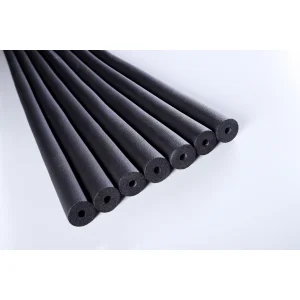
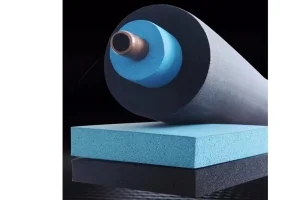
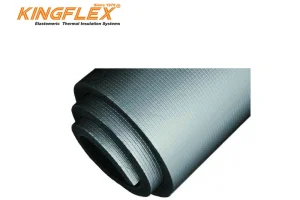
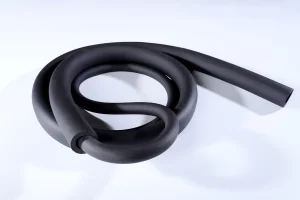
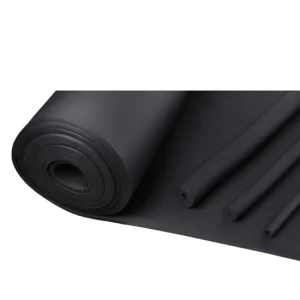
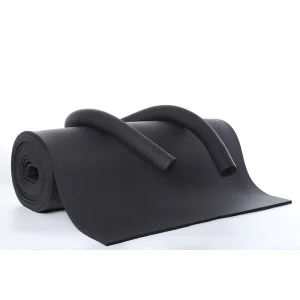
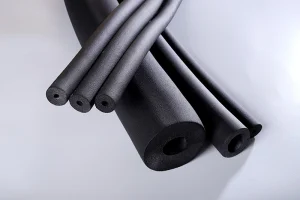
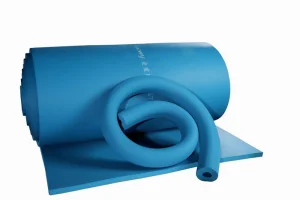
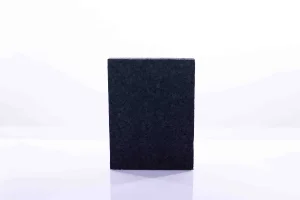
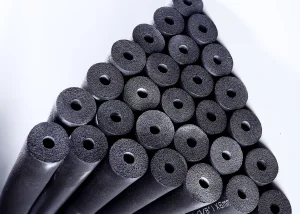
Explore our engineering-grade flexible closed-cell rubber foam insulation tubes, sheets, and cryogenic specialty solutions.
A technical review of thermal management, moisture barriers, and indoor air quality in modern heating, ventilation, and air conditioning systems.
In modern industrial and commercial infrastructure design, the efficiency of heating, ventilation, and air conditioning (HVAC) systems determines operational sustainability and structural integrity. Insulation in air vents serves a dual purpose: mitigating energy loss across long air duct systems and eliminating condensation. Condensation occurs when warm, moist air makes contact with cool metal duct surfaces. Without a high-performing vapor barrier, moisture can accumulate, leading to structural corrosion, mold growth, and compromised indoor air quality (IAQ).
This technical whitepaper outlines the performance parameters, material formulations, and long-term benefits of closed-cell elastomeric rubber foam insulation manufactured by Kingflex. Designed for compliance with global standards, our insulation systems provide a reliable barrier against heat transfer and moisture intrusion, ensuring that HVAC systems operate at peak thermodynamic efficiency.

Unlike open-cell materials or glass wool, elastomeric rubber foam has a closed-cell rate exceeding 98%. Each cell contains trapped air pockets that resist water vapor transmission. Consequently, the material retains its thermal conductivity (λ) long-term without requiring an external vapor barrier jacket.
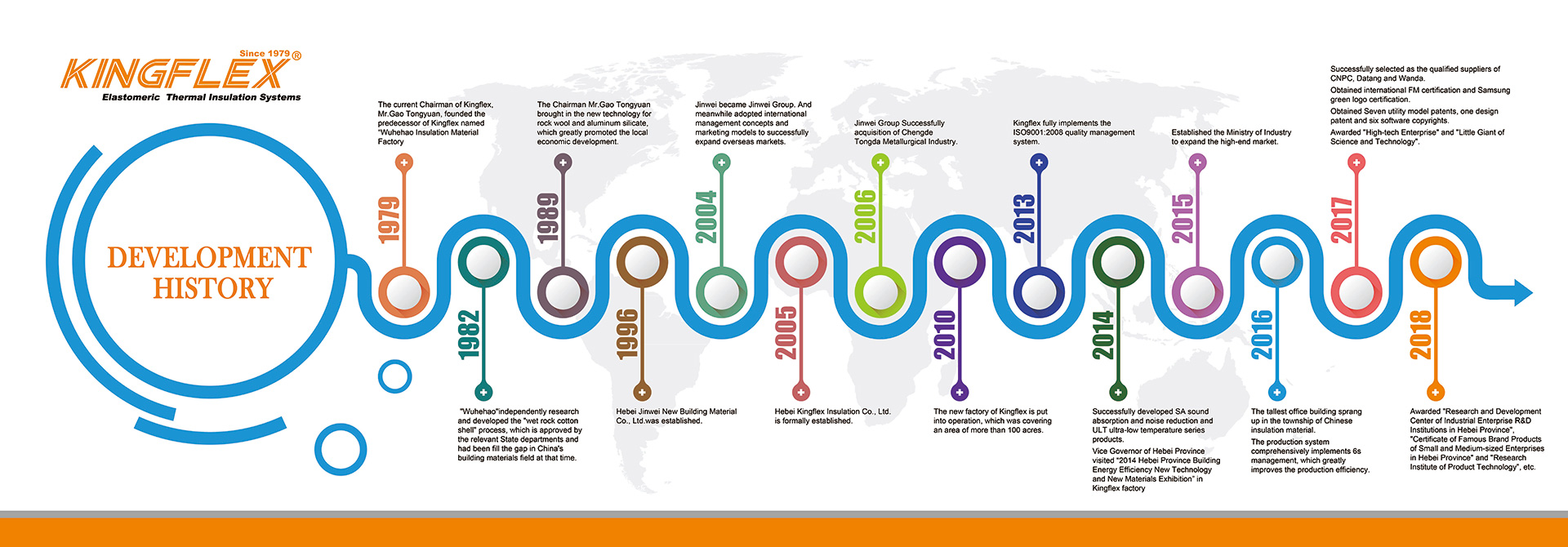
A history built on reliability, scientific research, and specialized manufacturing capacities.
Kingflex Insulation Co., Ltd. is a professional manufacturing and trading combo for thermal insulation products. Our research, development, and primary production facilities are located in Dacheng, China, a recognized hub for energy-efficient building materials. As an energy-saving, environmentally conscious enterprise, we coordinate the research, production, sales, and technical support of high-grade elastomeric insulation materials.
Established by the Jinwei Group, which holds more than 40 years of manufacturing history since its founding in 1979, Kingflex has built upon decades of polymer expertise. Jinwei Group was the first manufacturer of thermal insulation materials north of the Yangtze River. Today, Kingflex focuses on providing integrated systems for thermal control, cold insulation, and noise reduction across diverse construction and industrial sectors.
A look at physical properties, thermal performance metrics, and dimensional offerings.
| Insulation Parameter | Rubber Foam Sheet Roll | Rubber Foam Insulation Pipe |
|---|---|---|
| Base Polymer Material | NBR/PVC blend (Nitrile Butadiene Rubber/Polyvinyl Chloride) | NBR/PVC blend (Nitrile Butadiene Rubber/Polyvinyl Chloride) |
| Thickness Range | 6mm – 50mm | 9mm – 40mm |
| Inner Diameter (ID) | N/A (Flat sheet/roll form) | 6mm – 114mm |
| Density Range | 40 – 55 kg/m³ | 40 – 55 kg/m³ |
| Thermal Conductivity (λ) | ≤ 0.034 W/(m·K) at 0°C | ≤ 0.034 W/(m·K) at 0°C |
| Service Temperature Range | -40℃ to +105℃ (Cryogenic lines up to -196℃ with special systems) | -40℃ to +105℃ (Cryogenic lines up to -196℃ with special systems) |
| Moisture Resistance Factor (μ) | ≥ 10,000 | ≥ 10,000 |
| Fire Classification | Class 0 / Class 1 (BS 476), UL 94 V-0, ASTM E84 | Class 0 / Class 1 (BS 476), UL 94 V-0, ASTM E84 |
Using automated continuous vulcanization extrusion, Kingflex ensures even foaming. The closed-cell rate exceeds 98%, providing stable thermal insulation and low moisture absorption.
Engineered to meet BS 476 Class 0 and Class 1 standards. The material is self-extinguishing upon fire contact, produces minimal smoke, and helps prevent flame spread.
A high μ factor (≥ 10,000) keeps ambient humidity from degrading the core insulation material, protecting copper and steel pipelines from Corrosion Under Insulation (CUI).
How Kingflex insulation adapts to the requirements of diverse architectural, industrial, and high-tech environments.
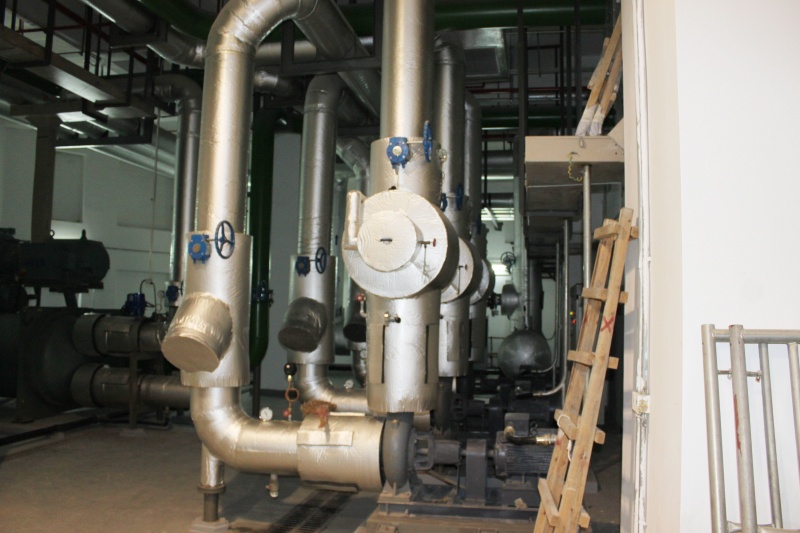
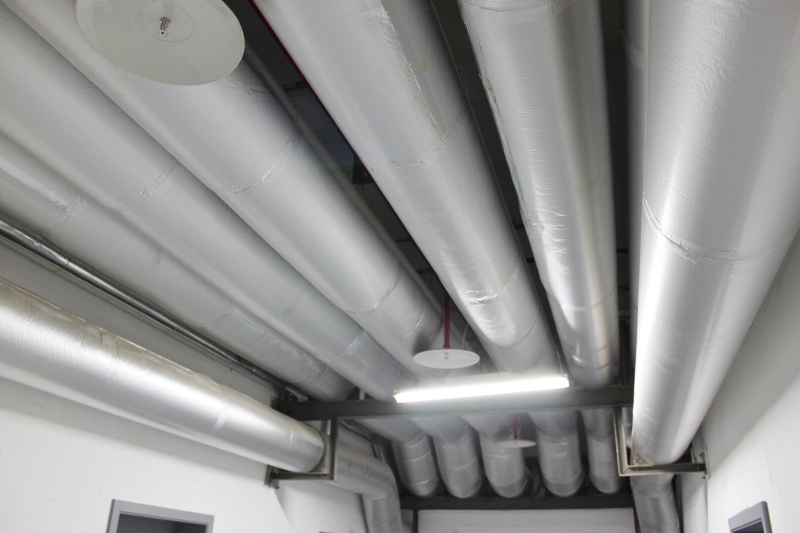
Minimizes thermal transfer in large central air-conditioning systems. Retards condensation in humid ceiling plenums, protecting acoustic ceiling tiles and supporting indoor air quality in hotels, shopping malls, and hospitals.
Our flexible rubber foam sheets provide dual benefits: thermal insulation and sound damping. They absorb structural vibration and air-flow turbulence within metal vents, quietening machine and ventilation rooms.
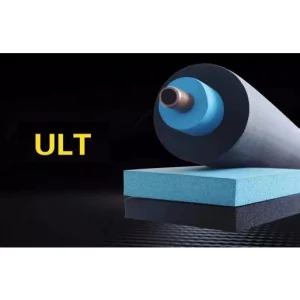
For specialized storage and transport, we supply flexible cryogenic insulation systems designed to handle ultra-low temperatures, keeping structural supports stable and preventing boil-off gas (BOG).
Ensures energy efficiency in chemical and pharmaceutical plants by insulating process pipes, preventing heat loss, and protecting workers from accidental contact burn injuries.
Maintains low temperatures in commercial refrigeration, distribution centers, and cold rooms while preventing ice buildup and structural frost damage.
Withstands weather exposure when paired with UV-resistant coatings or aluminum claddings, protecting outdoor solar hot water pipes from heat dissipation and freezing.
Continuous testing in our R&D centers ensures consistent physical properties in every production batch.
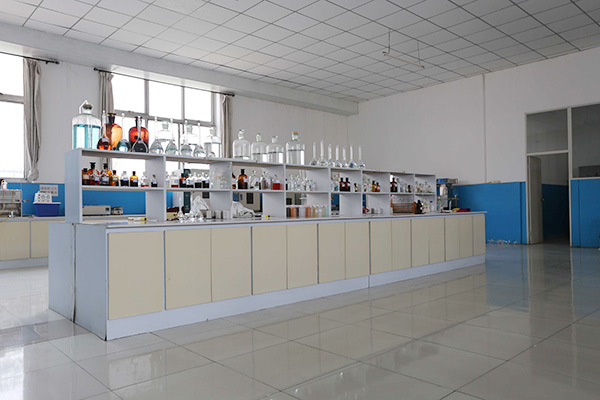

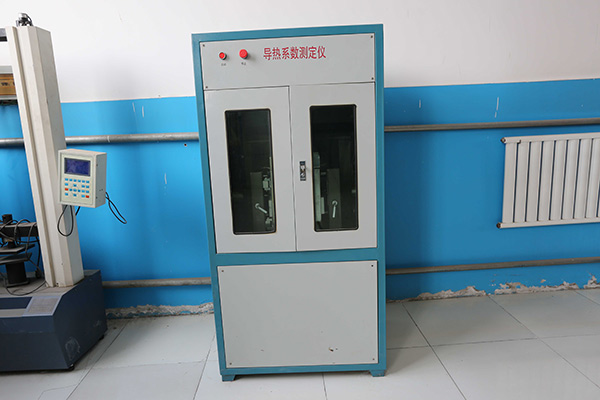
Our R&D division is staffed by eight professional materials engineers. We run regular testing protocols for thermal conductivity, water vapor permeability, aging performance, and flame spread parameters to verify product stability before shipment.
Optimizing production volume, logistics, and cost structures to benefit global distribution networks.
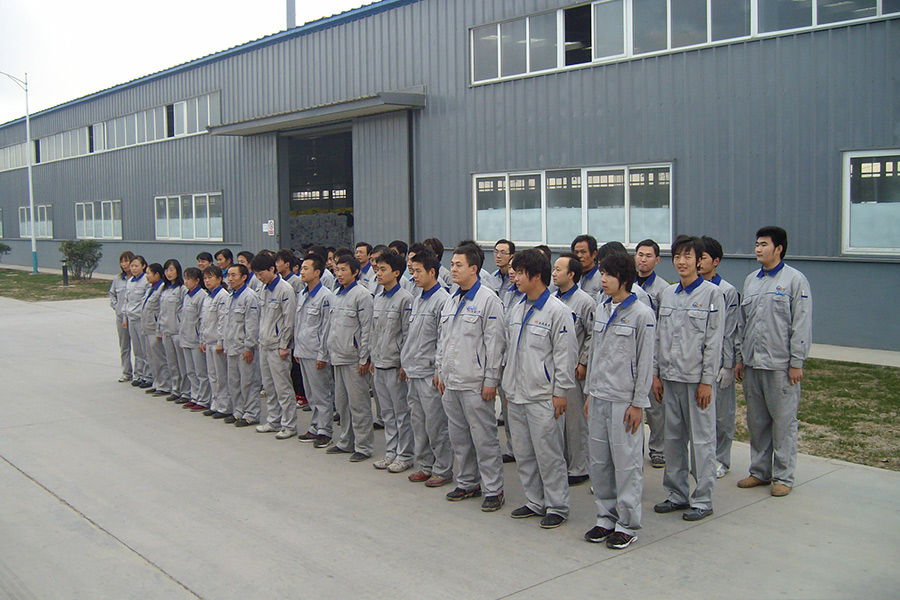
Our Dacheng manufacturing site operates 5 large-scale automatic assembly lines, producing an annual volume of more than 600,000 cubic meters. This production capacity enables us to fulfill large commercial project orders within short lead times.
Located in the green building materials industrial zone of Dacheng, China, our factory has direct access to primary petrochemical supply chains, stabilizing raw material costs. Close proximity to major shipping ports (such as Tianjin Port) supports efficient container loading and reliable dispatch to key regions including Europe, the Americas, Southeast Asia, and the Middle East.
Kingflex is a designated supply enterprise for key national ministries in energy, chemical, and electrical power sectors. Our large-scale operations allow us to absorb market fluctuations and offer consistent pricing for bulk wholesale orders.



Ensuring our insulation systems comply with international building codes, fire regulations, and environmental directives.
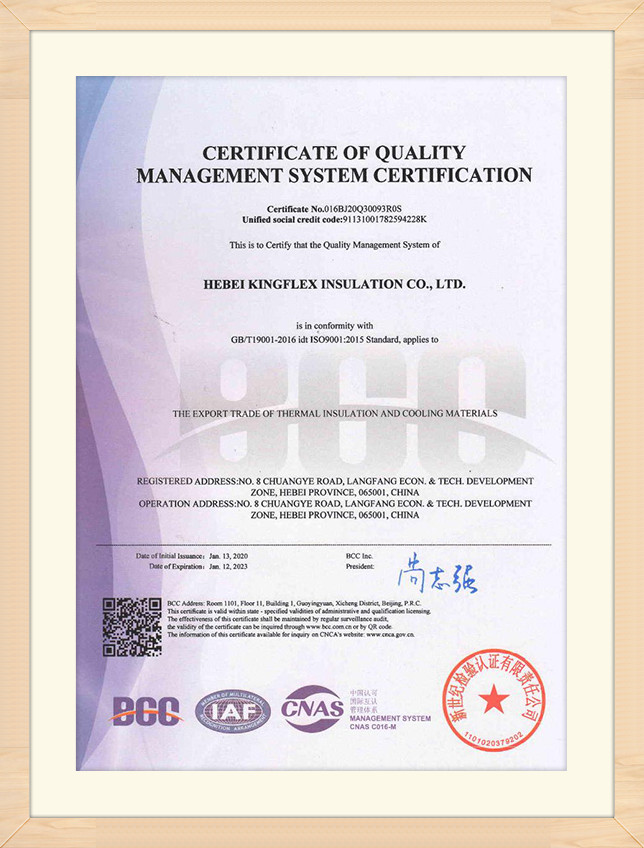


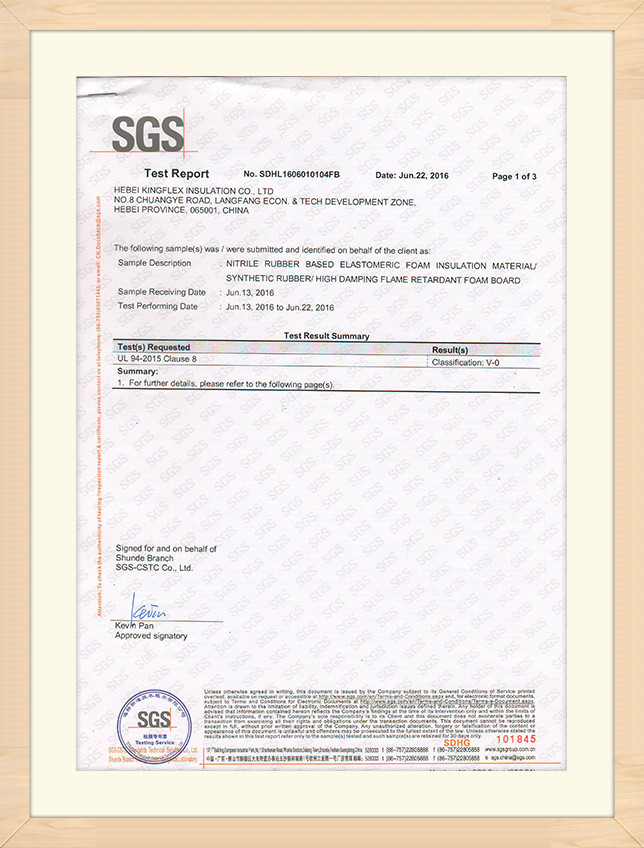
Our quality assurance processes incorporate strict product traceability. From raw polymer receipt through extrusion, vulcanization, packaging, and dispatch, each production run is logged with a unique batch number.
Kingflex materials undergo regular inspection by third-party testing bodies to maintain certifications for BS 476 (Class 0 and Class 1 fire rating), CE, REACH, RoHS, UL94 (flame class V-0), and ASTM. This level of compliance gives design engineers, consultants, and contractors the assurance that the products will perform as specified under demanding operating conditions.
R&D initiatives focusing on eco-efficiency, smart thermal solutions, and composite material technologies.
We are researching aerogel-elastomeric hybrid materials. By embedding silica aerogel particles within the rubber foam matrix, we aim to lower the thermal conductivity to ≤ 0.027 W/(m·K), reducing required wall thicknesses by up to 30%.
To support global sustainability goals, Kingflex is transitioning to advanced zero-GWP (Global Warming Potential) chemical blowing agents. This change will reduce carbon emissions during manufacturing while maintaining cell structure consistency.
Future development projects include embedding moisture and temperature micro-sensors directly within industrial insulation rolls. This technology will allow operators to monitor thermal efficiency and spot pipe corrosion risks in real-time.
Understanding wholesale pricing factors, customization options, and packaging configurations for shipping.
Wholesale pricing for elastomeric rubber foam insulation is based on volume, raw material costs, and customization specifications. Key cost factors include:
Kingflex offers OEM solutions, including custom printing, specific wall thickness options (6mm up to 50mm), and non-standard internal diameters (ID) for unique HVAC piping configurations.
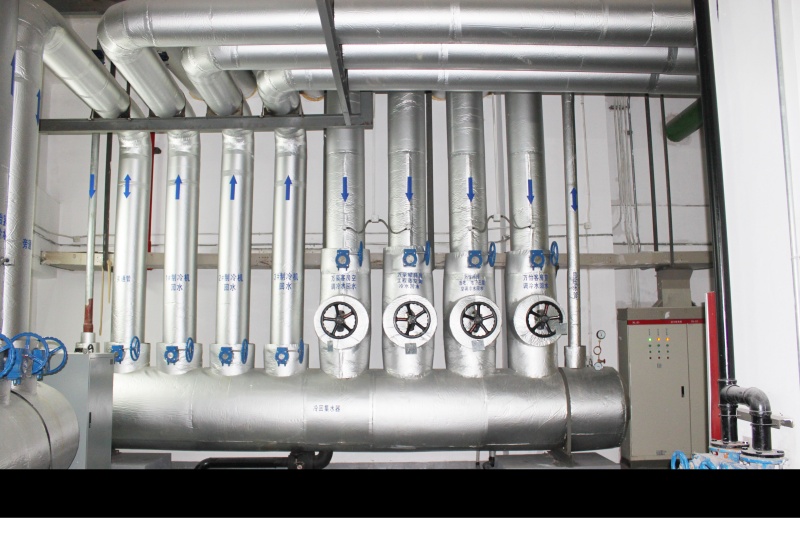
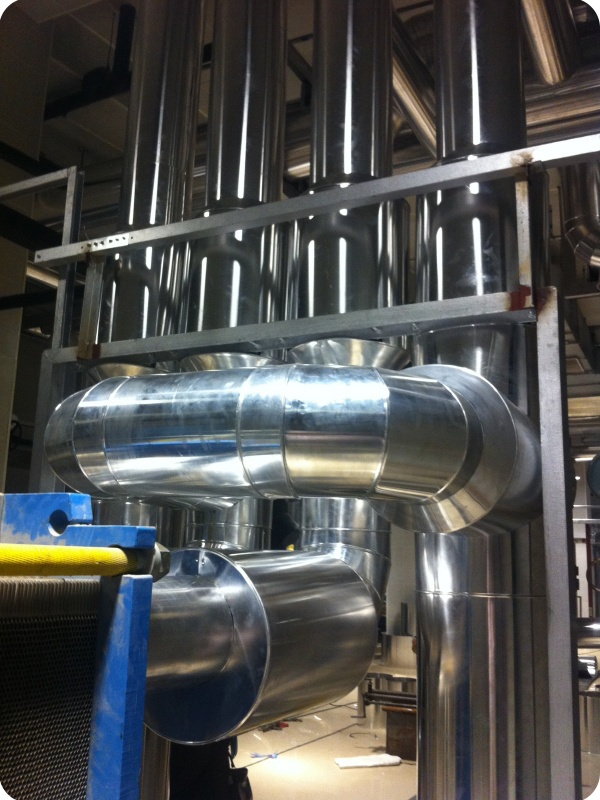
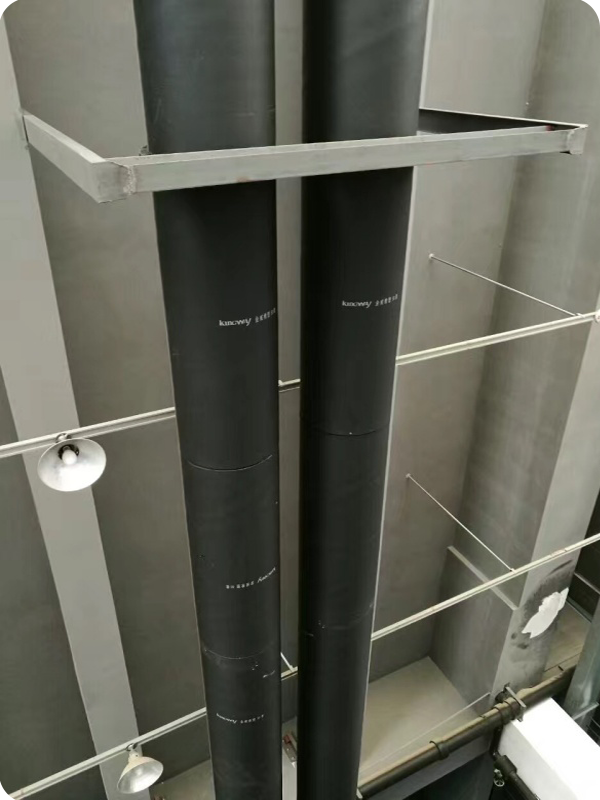
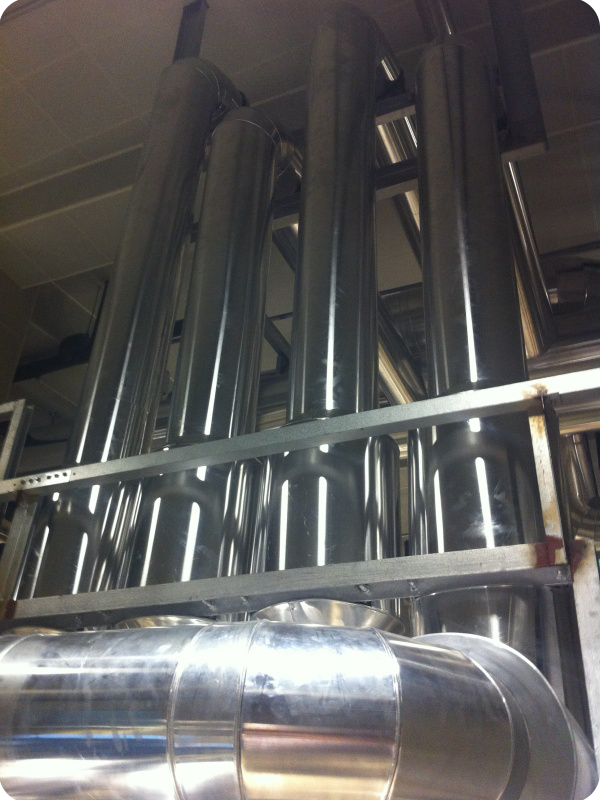
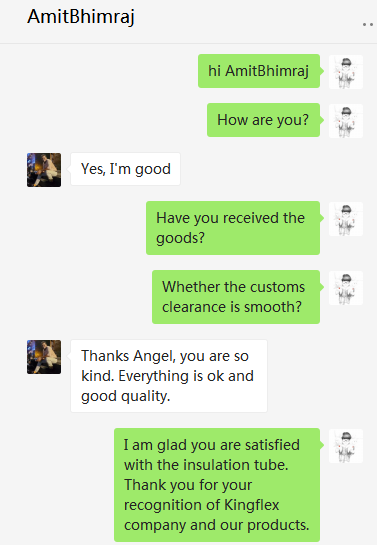
See our elastomeric rubber foam insulation sheets and tubes installed in international projects.





Comprehensive technical and commercial answers for project engineers, procurement officers, and global distributors.
Select specialized elastomeric components and pipeline thermal insulation for commercial and industrial applications.
 Kingflex