In contemporary heavy industrial and commercial architectures, control of sound propagation is no longer treated merely as a secondary environmental concern, but as a primary structural requirement. Mechanical vibrations, turbulent fluid movement through HVAC conduits, high-velocity piping flows, and heavy factory equipment generate high-decibel disturbances that pose serious physiological risks to workers and jeopardize operational compliance. High-performance acoustic barriers and sound dampening systems have thus become integral design elements across global petrochemical refineries, cryogenic storage hubs, municipal infrastructure networks, and commercial high-rises.
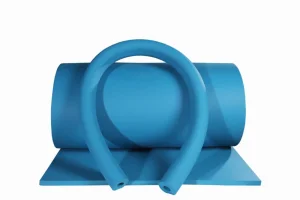
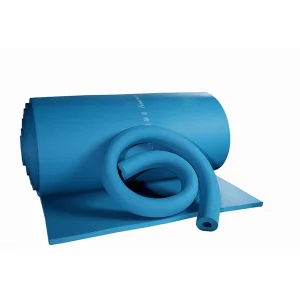
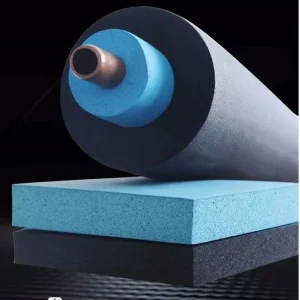
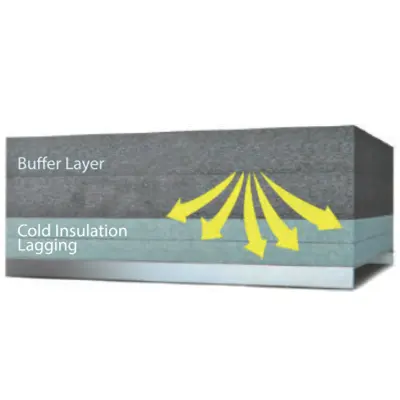
Acoustic insulation relies on two core physical mechanisms: sound absorption and sound transmission loss. Closed-cell elastomeric foams, which combine NBR (Nitrile Butadiene Rubber) and PVC polymers, exhibit high-performance properties in managing both acoustic and thermal energies. The elastomeric matrix contains millions of microscopic, closed nitrogen pockets. These cells act as mechanical spring systems. As sound waves strike the foam, the acoustic energy forces the internal matrix to flex, converting the mechanical pressure waves into micro-thermal energy through viscoelastic dissipation.
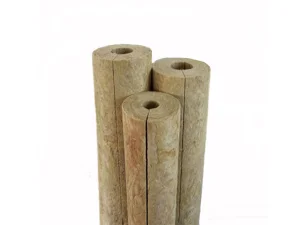
For extreme operational challenges, such as industrial high-pressure steam distribution or high-vibration cryogenic liquid pipelines, specialized materials like high-density rock wool or fiberglass are deployed. While closed-cell elastomers excel at preventing moisture ingress and dampening low-to-medium frequency noise, rock wool provides high fire resistance and high-frequency sound absorption. Thus, advanced engineering projects typically combine these materials into multi-layered acoustic systems to maximize overall insertion loss.

Kingflex Insulation Co., Ltd. stands as a premier manufacturing and trading conglomerate dedicated to top-tier thermal and acoustic insulation solutions. Strategically located in Dacheng, China—globally recognized as the capital of green building materials—our state-of-the-art facility operates on the core philosophy of industrial energy efficiency and systemic environmental safety.
By integrating professional consultation, advanced materials R&D, automated production, and comprehensive post-sale engineering guidance, Kingflex delivers custom solutions that drive energy conservation and structural decibel control across global supply chains.
China’s Dacheng green building industrial cluster provides a highly optimized manufacturing ecosystem. Kingflex leverages this localized synergy to combine access to premium raw nitrile rubbers with automated polymer processing. The continuous vulcanization lines are equipped with precision temperature sensors and micro-extrusion heads that ensure uniform cellular expansion (a closed-cell rate exceeding 98%). This high degree of uniformity translates to predictable acoustic and thermal insulation performance across the entire production run.
In addition to high volume capabilities, Kingflex operates an on-site testing facility dedicated to checking batch consistency for thermal conductivity, water vapor permeability, and flame retardancy. By maintaining control over the compound formulation, compounding time, and cooling dynamics, our factory provides high performance consistency at lower costs than Western manufacturers.
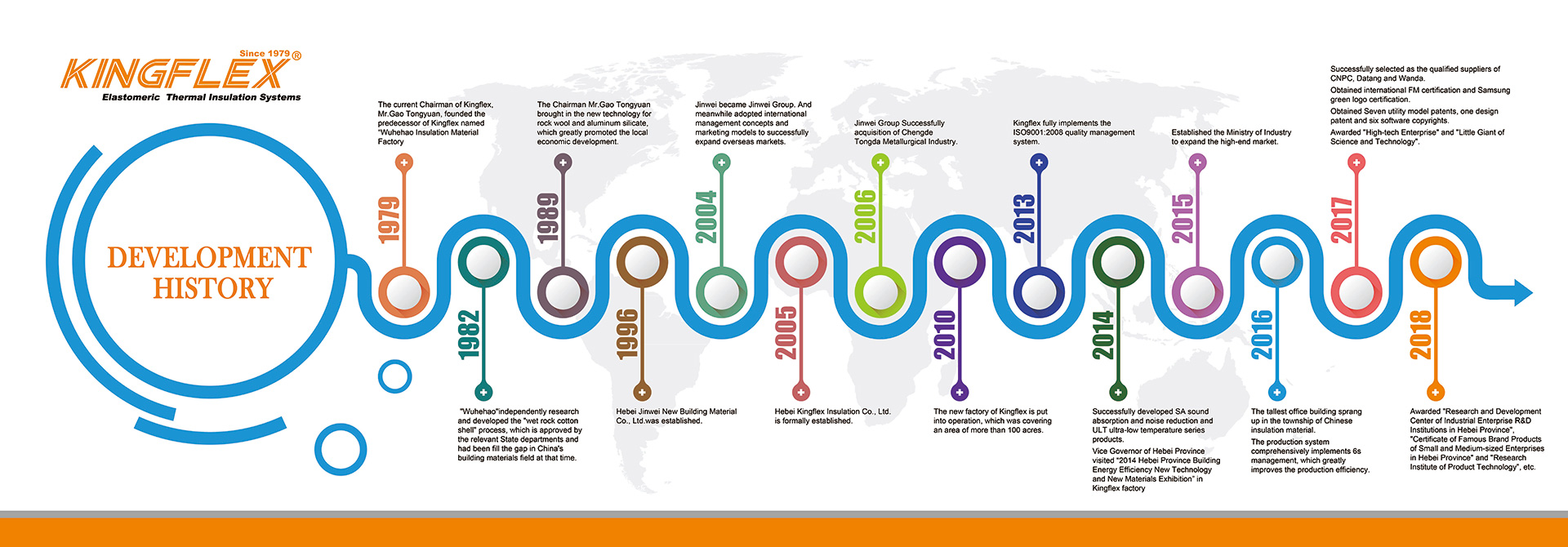
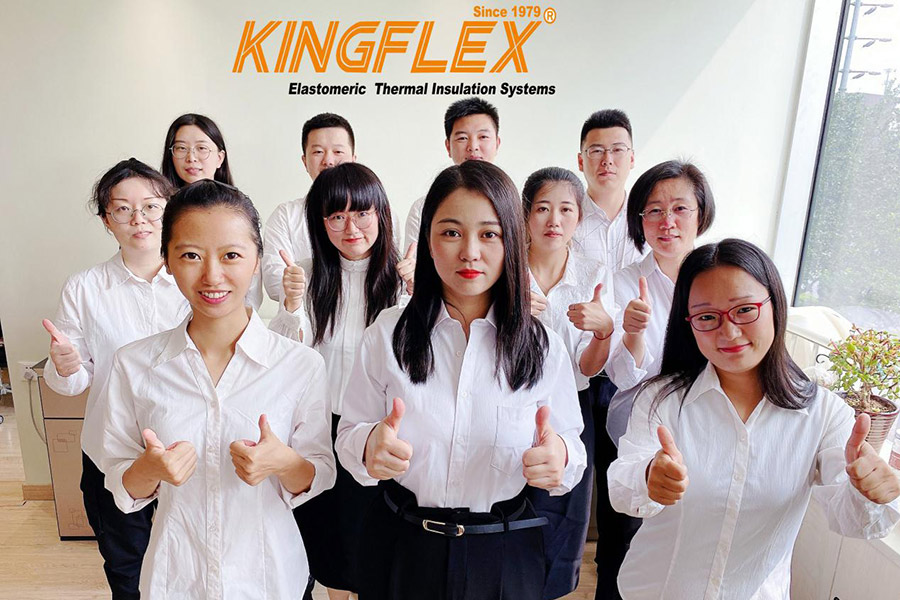
From our founding days in the late 1970s, Kingflex has grown from a regional industrial pioneer into an international market provider. Our growth is driven by our highly specialized workforce:
| Insulation Type | Material Composition | Thickness Ranges | Inner Diameter (ID) | Density Range | Service Temp. Range | Key Properties |
|---|---|---|---|---|---|---|
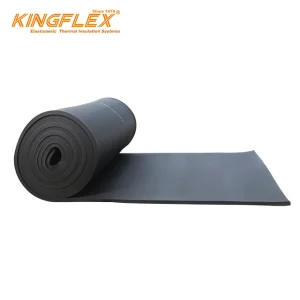
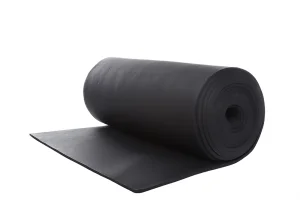
| Black Rubber Foam Sheet Roll | Premium NBR/PVC Blend | 6mm – 50mm | N/A (Flat sheet / Roll) | 40 - 55 kg/m³ | -40℃ to 105℃ | Uniform cell structure, low thermal conductivity, high moisture barrier. |
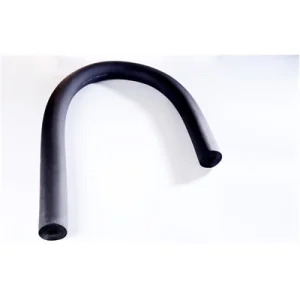
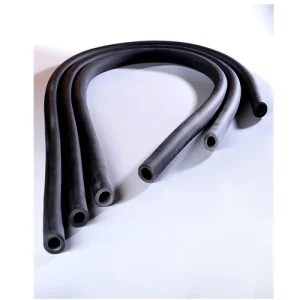
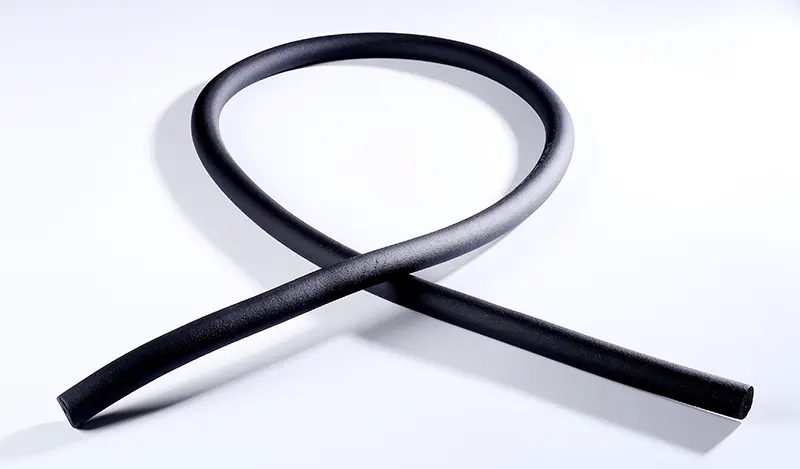
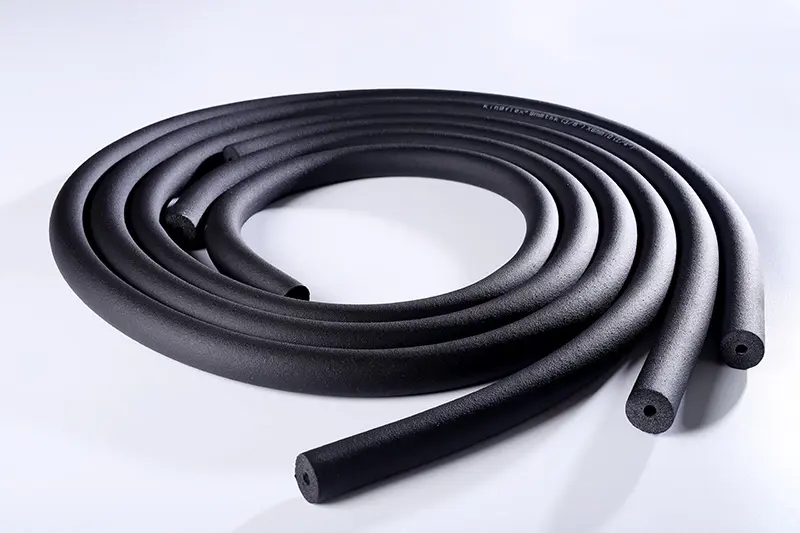
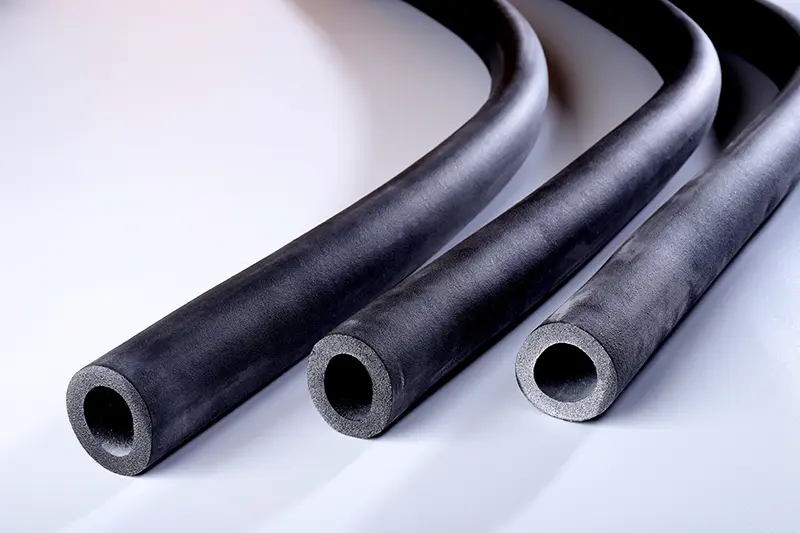
| Black Rubber Foam Pipe | Premium NBR/PVC Blend | 9mm – 40mm | 6mm – 114mm | 40 - 55 kg/m³ | -40℃ to 105℃ | Precision spray coated, reduced thermal bridging, dampens pipe vibrations. |
| Rock Wool Thermal Insulation | Basalt / Slag Fiber | Customized per project | Standard pipeline sizes | 60 - 150 kg/m³ | Up to 650℃ | High temperature resilience, non-combustible sound absorption. |
| Cryogenic Insulation | Ultra-Low Temp Elastomer | Thickness varies | Standard pipeline sizes | 45 - 60 kg/m³ | Down to -200℃ | Preventing stress cracking and thermal contraction at cryogenic states. |
Modern building and industrial projects present diverse environmental challenges. A generic, one-size-fits-all insulation solution is rarely sufficient to meet modern standards. This requires specialized material configurations tailored to the physical characteristics of the application:
1. Central HVAC Air Ducting: Duct walls act as acoustic transmitters, carrying fan and airflow noise throughout a building. Installing flexible NBR/PVC sheets on these surfaces dampens wall vibrations and isolates internal noise, while maintaining low thermal conductivity to prevent condensation.
2. Cryogenic Piping Systems (LNG & Industrial Gases): At extremely low temperatures, metals shrink significantly, creating risks of mechanical failure and rapid heat gain. Our cryogenic elastomeric foams are specifically engineered to remain flexible at sub-zero temperatures, absorbing mechanical vibrations and preventing structural stress cracking.
3. Heavy Industrial Plants & Process Pipelines: Power plants, chemical processing facilities, and manufacturing lines generate high-temperature steam and mechanical noise. Multi-layered systems combining rock wool blankets and high-density elastomeric wraps provide fire protection and sound absorption to protect personnel.
4. Urban Rail Transit and Cold Chain Logistics: Rolling stock and logistics centers require lightweight, low-VOC materials. Our closed-cell rubber foams provide reliable insulation for rail cars and temperature-controlled storage, meeting strict fire safety and mechanical wear standards.
Minimize structural gaps. Even a 1% open area in an acoustic wrap can reduce its sound transmission loss by up to 10 dB. Proper sealing with self-adhesive rubber tapes is essential for high system performance.
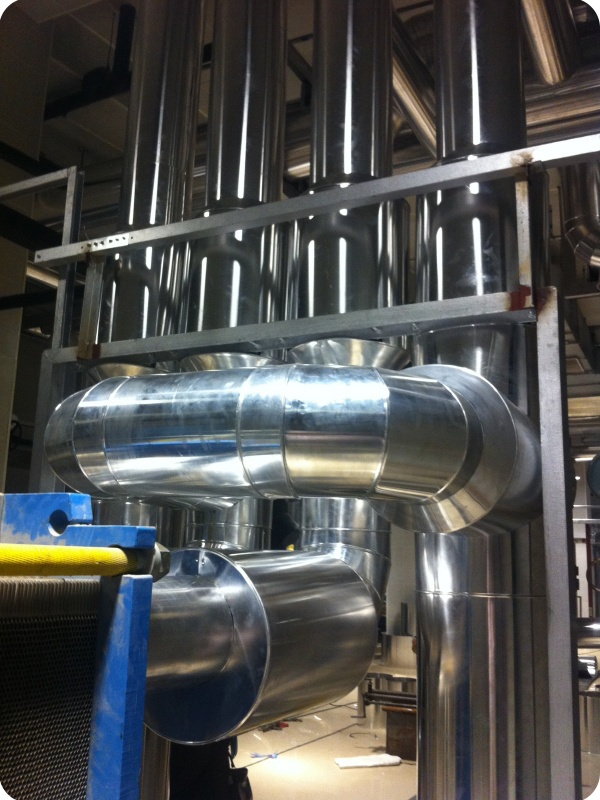
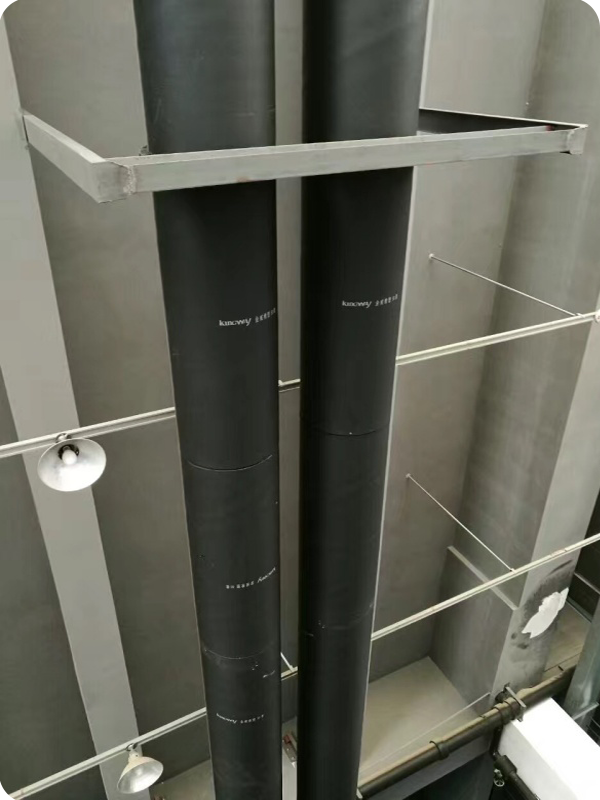
Visual documentation from our global industrial projects, manufacturing lines, and on-site acoustic applications.

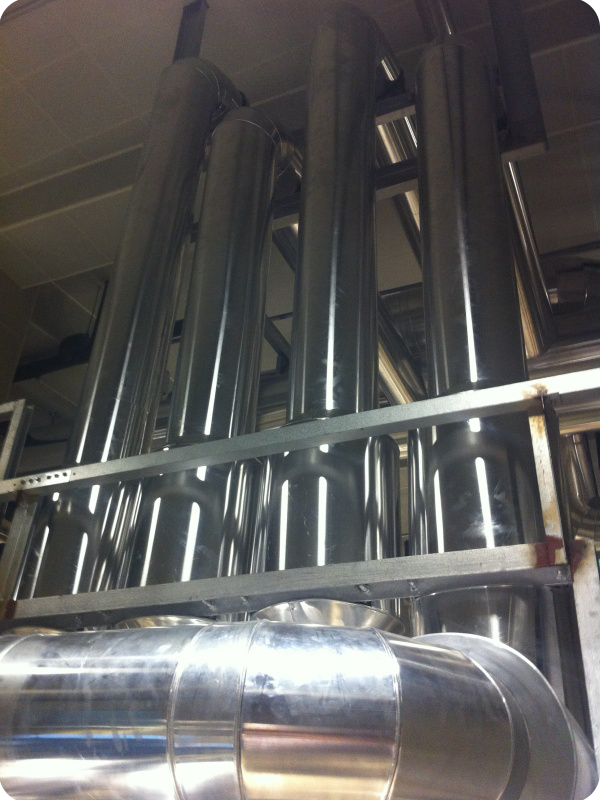
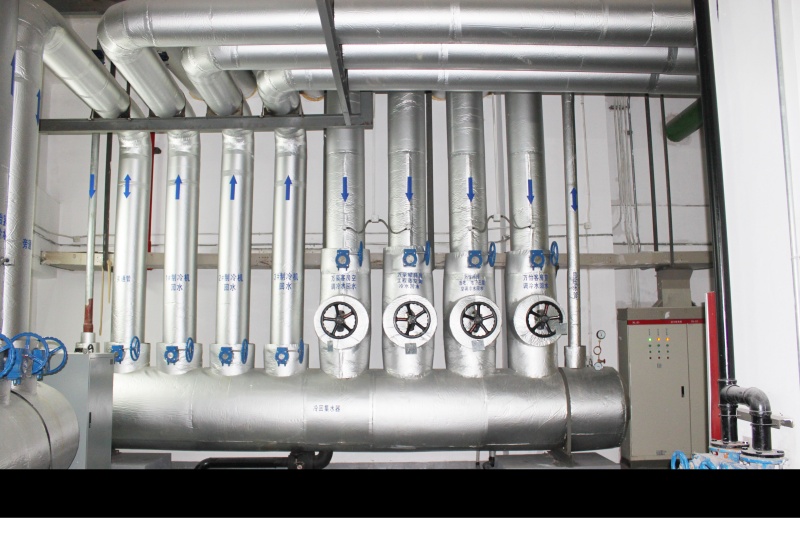


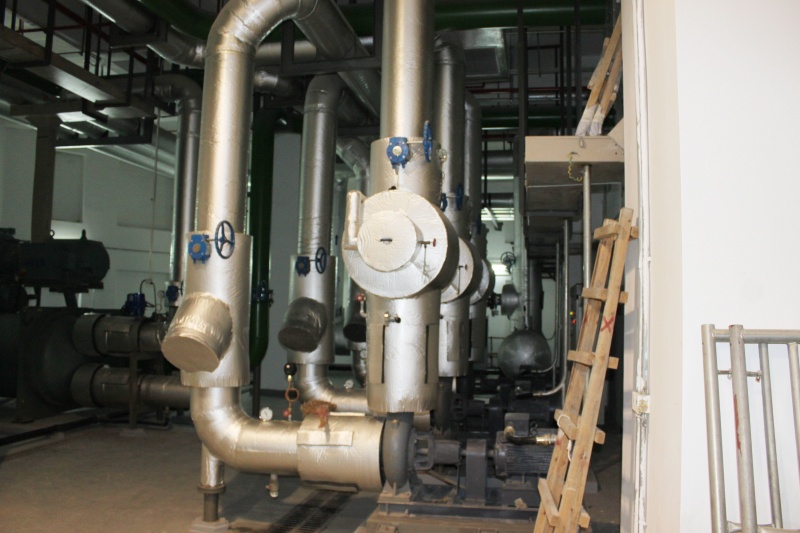
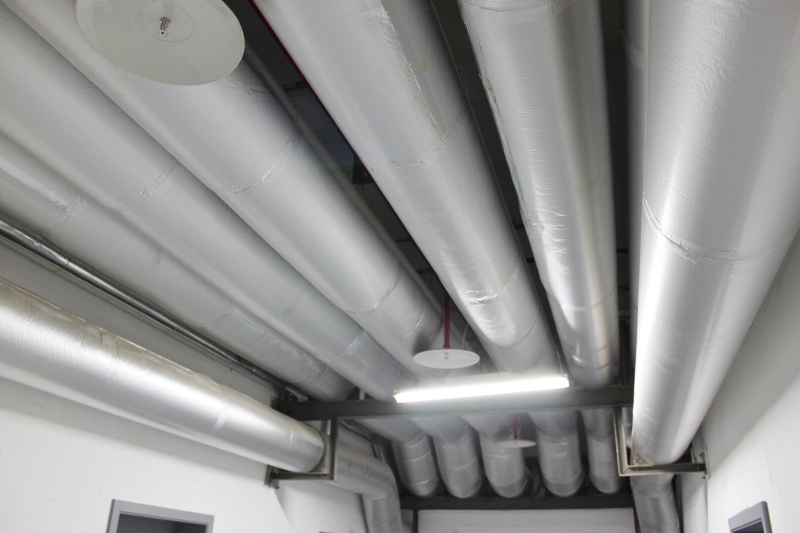

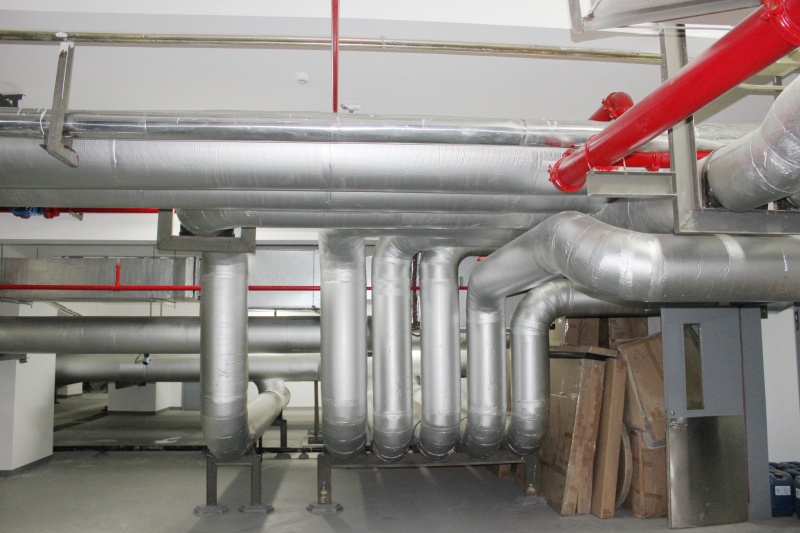
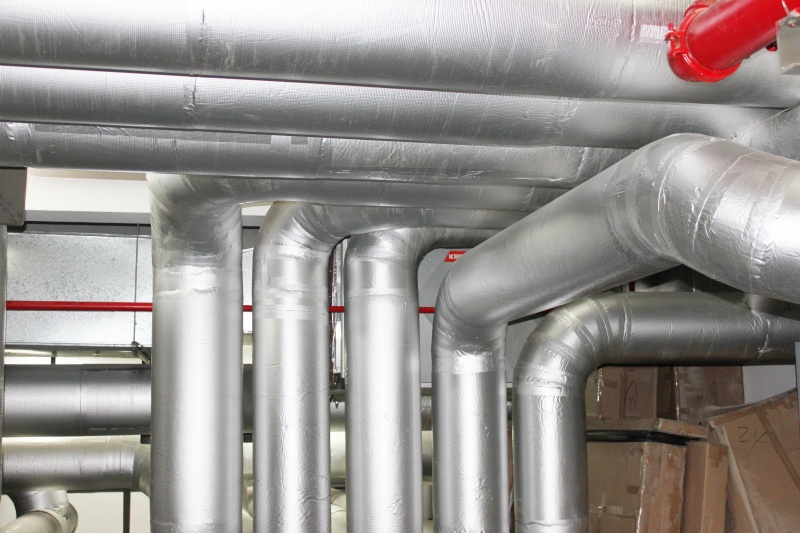
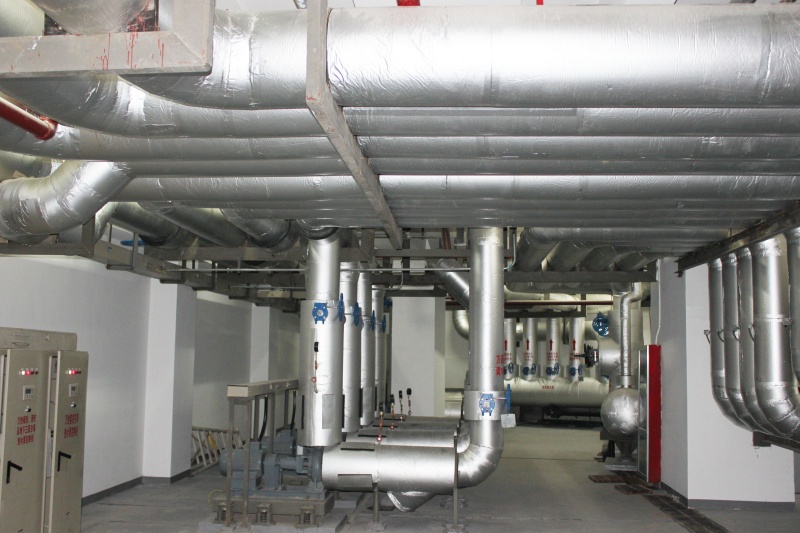
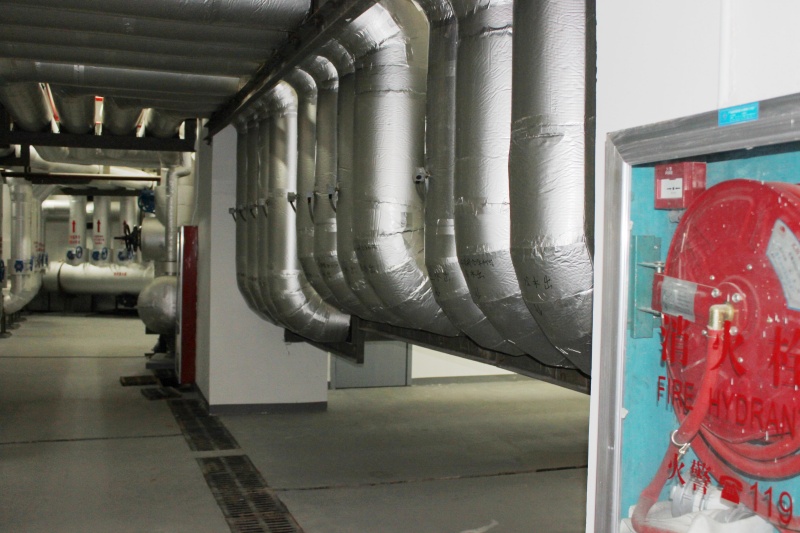
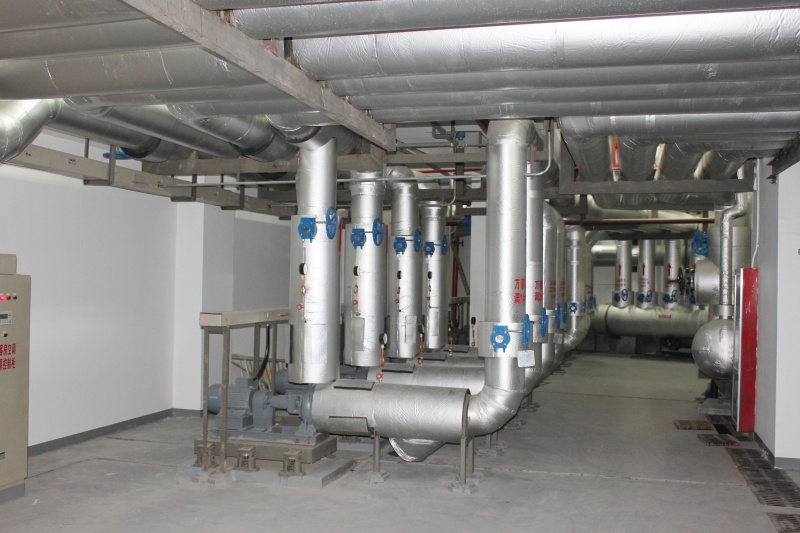

The global insulation market is undergoing significant changes driven by three major forces: regulatory updates on carbon neutrality, stricter occupational health laws regarding noise exposure, and a shift toward local supply chain resilience.
1. Environmentally Benign Formulations: Traditional halogenated flame retardants are being phased out due to environmental concerns. Leading manufacturers are investing heavily in halogen-free, low-VOC formulation technologies. This ensures that in the event of fire, the insulation does not produce toxic fumes, supporting green building certifications like LEED and BREEAM.
2. Smart Pipeline Monitoring Systems: Modern industrial plants are increasingly integrating sensor networks directly into insulation cladding. These systems monitor moisture levels in real-time, helping to prevent Corrosion Under Insulation (CUI)—a major cause of pipeline failures in chemical plants.
3. Supply Chain Security and OEM Flexibility: Global distributors are moving away from single-source supply structures. As logistic costs fluctuate, international buyers are choosing partners capable of producing high-volume standard lines alongside customizable options (custom thickness, pre-cut adhesive backings, and color-coded materials).
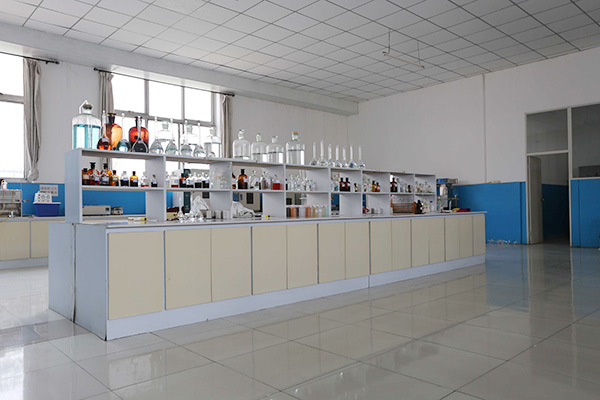

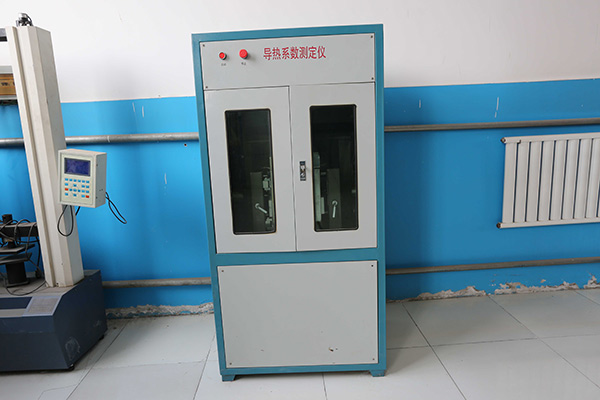
Our dedicated research lab focuses on optimization of elastomeric cell sizes, working to improve both acoustic dampening and thermal efficiency.
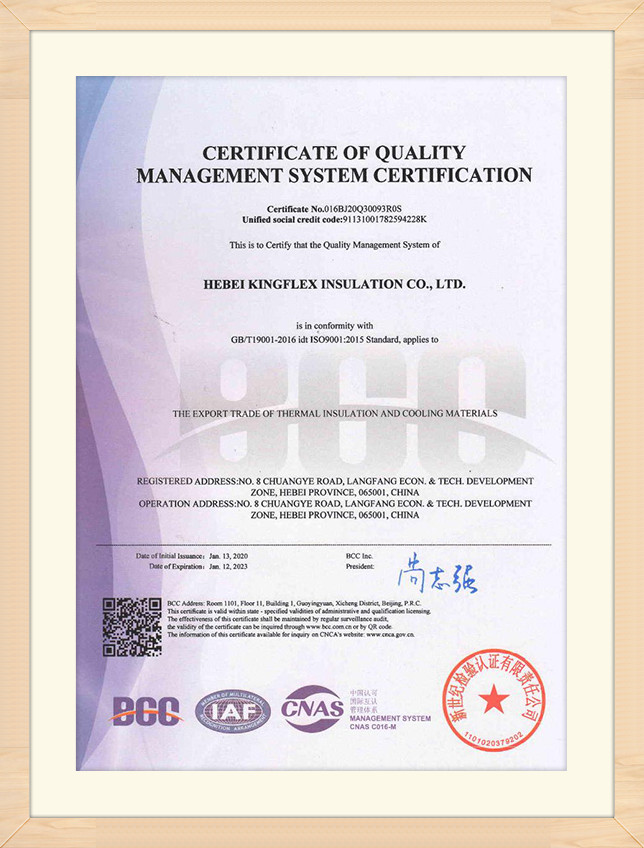
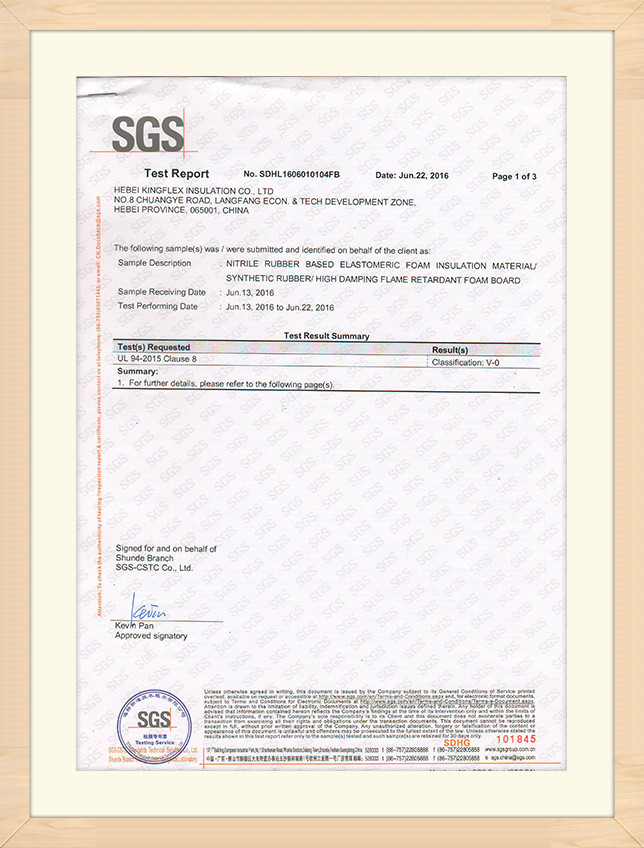
Kingflex insulation materials are manufactured to meet international quality, safety, and environmental standards, ensuring compliance for projects worldwide.


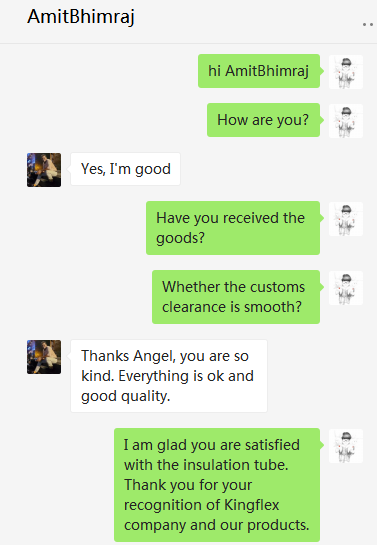
We maintain close relationships with international buyers, engineering companies, and distributors, prioritizing open communication and reliable delivery.








 Kingflex