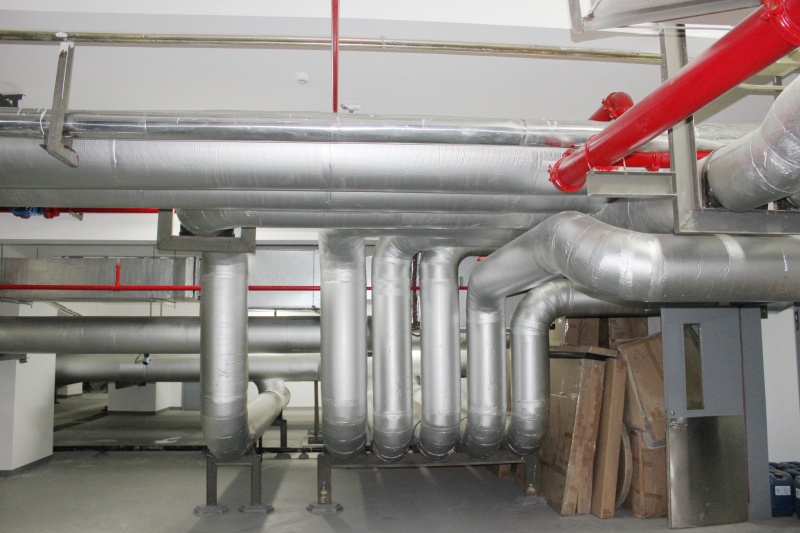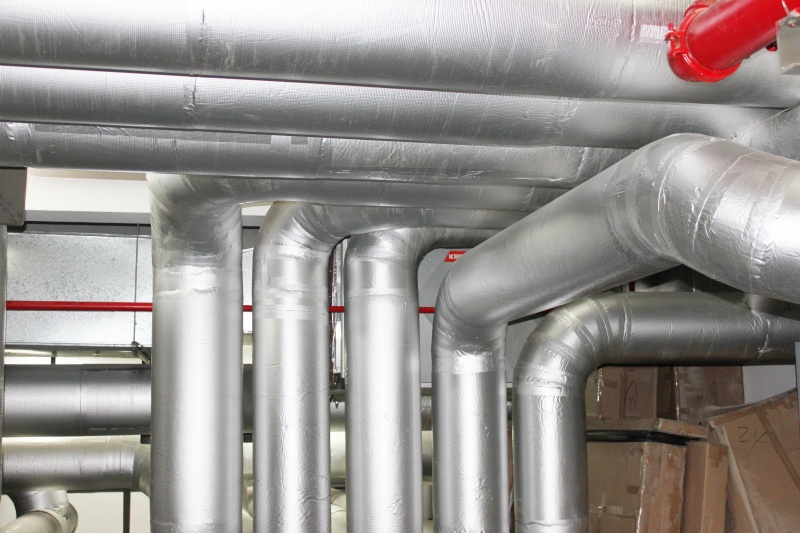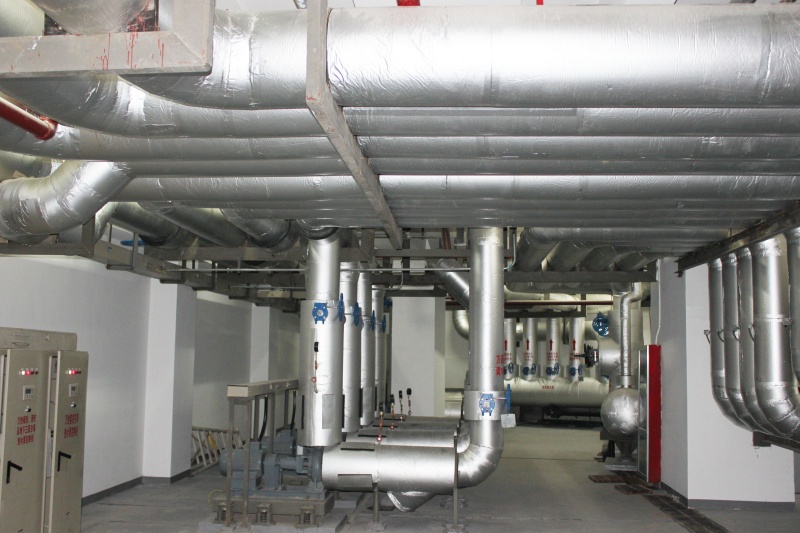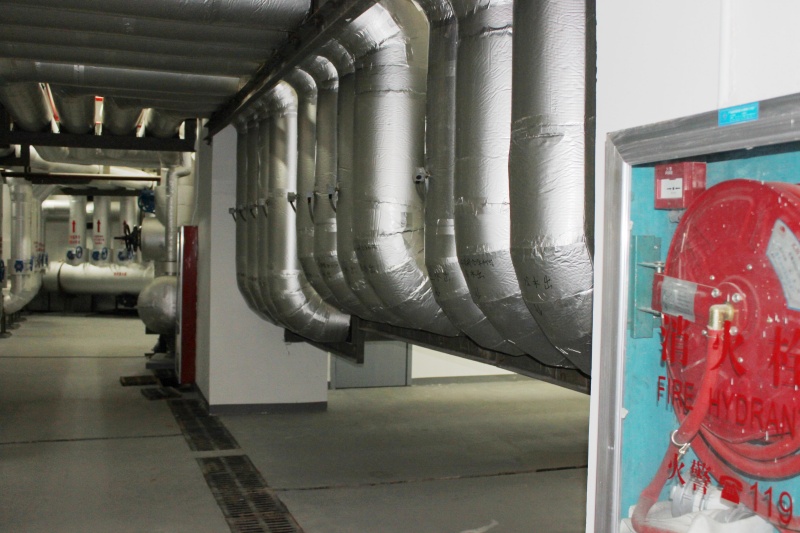
Wholesale Refrigerant Pipe Insulation Code Factories & Quotes

Your Ultimate Architectural Guide to High-Efficiency Closed-Cell Elastomeric Systems, Global Energy Standard Compliance, and Competitive Factory Pricing.

1. Understanding Refrigerant Pipe Insulation Codes globally

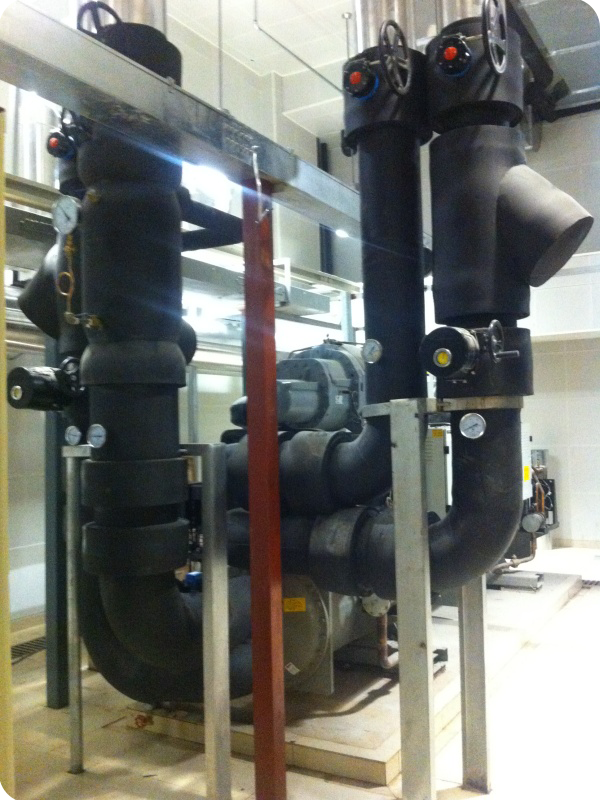
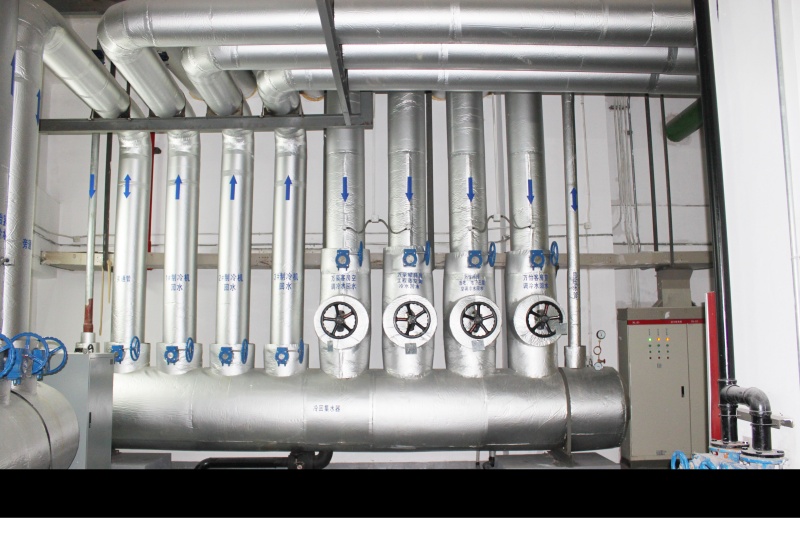
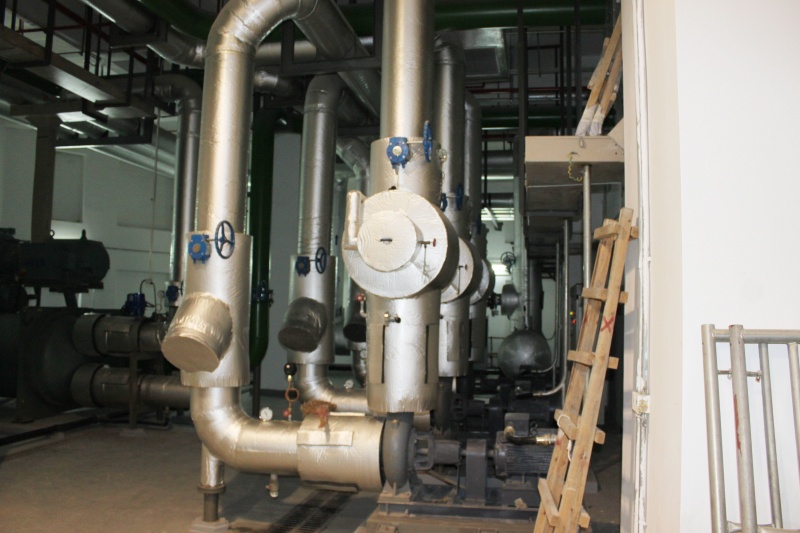
Refrigerant pipeline insulation is not merely a method for energy conservation; it is an absolute compliance requirement across national and international building codes. Proper insulation thickness prevents condensation, inhibits corrosion under insulation (CUI), and restricts massive thermodynamic heat gains in commercial refrigeration and HVAC systems.

Key Regulatory Standards:
  • ASHRAE Standard 90.1: Dictates the minimal thermal resistance (R-value) requirements based on the fluid temperature range and nominal pipe size. For common refrigerant suction lines operating below 40°F (4.4°C), a minimum thickness of 0.75" to 1.5" (19mm to 38mm) is standard.
  • IECC (International Energy Conservation Code): Section C403 mandates specific insulation metrics designed to control thermal degradation and minimize energy emissions from building mechanical installations.
  • European Union EN 14304: Specifies standard parameters for manufactured flexible elastomeric foam (FEF) products, detailing limits for thermal conductivity, water vapor diffusion resistance, and fire behavior.
  • BS 476 (Part 6 & 7): Essential British standard evaluating flame propagation and surface spread of flame, demanding Class 0 ratings for high-occupancy structures.

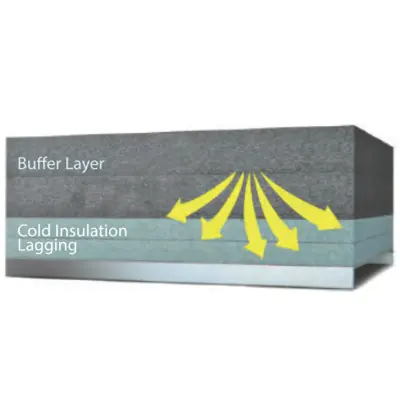
In modern industrial HVAC applications, selecting the appropriate thickness of elastomeric rubber foam insulation protects mechanical components from catastrophic condensation damage. If the ambient relative humidity levels are high, under-insulated pipelines quickly sweat. This dynamic triggers organic growth (mold), decreases structural ceiling integrity, and compromises the building's thermal envelope.

2. Thermodynamic Properties of Closed-Cell NBR/PVC Rubber Foam

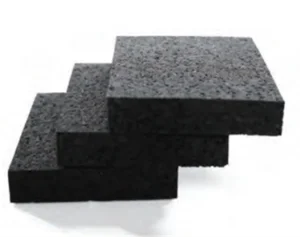
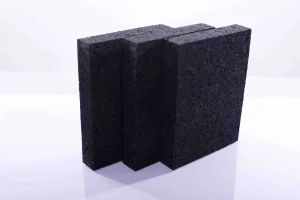
Our standard rubber foam utilizes a composite elastomer blend of Nitrile Butadiene Rubber (NBR) and Polyvinyl Chloride (PVC). The thermodynamic behavior is optimized by creating a cell structure where over 98% of cells are fully closed. This structure yields a highly reliable vapor barrier, which is functionally integrated throughout the material thickness, rendering it immune to localized surface damage.

Material Parameter Standard Value / Metric Applicable Compliance Standards
Material Composition NBR/PVC Elastomeric Foam Blend ASTM C534 Type I / II
Available Thickness Range 6mm to 50mm (0.24" to 2.0") Customizable OEM Profiles
Density Profile 40 kg/m³ to 55 kg/m³ ISO 845 / GB/T 6343
Service Temperature Range -40°C to +105°C (-40°F to +221°F) ASTM C411
Thermal Conductivity (k-value) ≤ 0.035 W/(m·K) at 0°C ASTM C177 / EN 12667
Moisture Resistance Factor (μ) ≥ 10,000 (Built-in Vapor Barrier) EN 12086 / ISO 1663
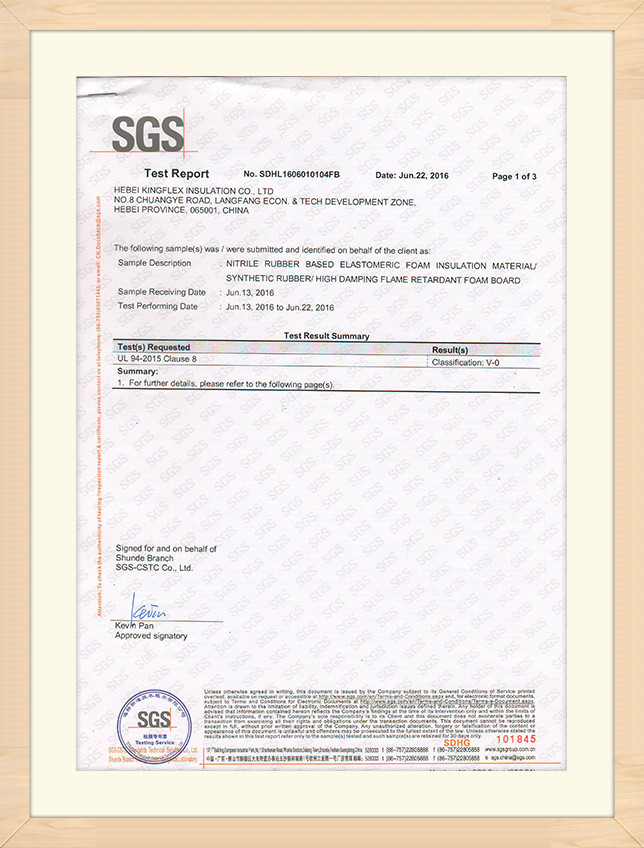
Fire Classification Class 0 / Class 1 / B1 / V-0 BS 476 Part 7, UL94, GB 8624

By enforcing a high moisture resistance factor (μ ≥ 10,000), our NBR/PVC matrix rejects moisture permeation. Unlike fibrous materials like glass wool or rock wool, which lose their thermal properties if exposed to water ingress, elastomeric rubber foam preserves its low thermal conductivity (k-value) for decades, yielding substantial lifecycle savings.

3. Kingflex Manufacturing Prowess & Advanced Facilities

Kingflex Factory Operation

Our Production Scale & Technical Capacity

Kingflex Insulation Co., Ltd. is a globally recognized manufacturing and trading combo specializing in premium thermal insulation products. Headquartered in Dacheng, China—widely regarded as the green building material capital of the country—our production facility spans across state-of-the-art automated spaces.

At present, Kingflex operates 5 large automatic assembly lines, generating an annual production capacity exceeding 600,000 cubic meters. This immense supply potential has designated our facility as a premier supplier certified by the Ministry of Energy, the Ministry of Electric Power, and the Ministry of Chemical Industry.

Key Team Matrix:
  • 8 Professional specialized R&D engineers.
  • 6 Certified International Project Consultations.
  • 230+ Highly skilled production experts and technicians.

4. Chinese Factory Efficiencies and Strategic Cost Advantages

Our facility's location in Dacheng, China, delivers massive industrial advantages that directly translate to procurement cost reductions for global mechanical engineers. By integrating raw material sourcing, automated foam extrusion lines, and regional logistics, Kingflex maintains competitive pricing without compromising E-E-A-T values or structural quality.

The Dacheng Eco-System

The industrial concentration of raw material processors, foaming agent compounders, and technical testing centers in Dacheng reduces internal processing waste. Raw NBR and PVC polymers are sourced directly from domestic chemical giants, avoiding high transport costs and guaranteeing dynamic supply chain resilience even during global logistics bottlenecks.

Additionally, our 5 automatic continuous extrusion networks run on computerized closed-loop feedback systems. These adjust vulcanization parameters in real-time, yielding absolute product density homogeneity and reducing material scrap rates to under 1.5%.
Automated Vulcanization Lines

History of Reliability

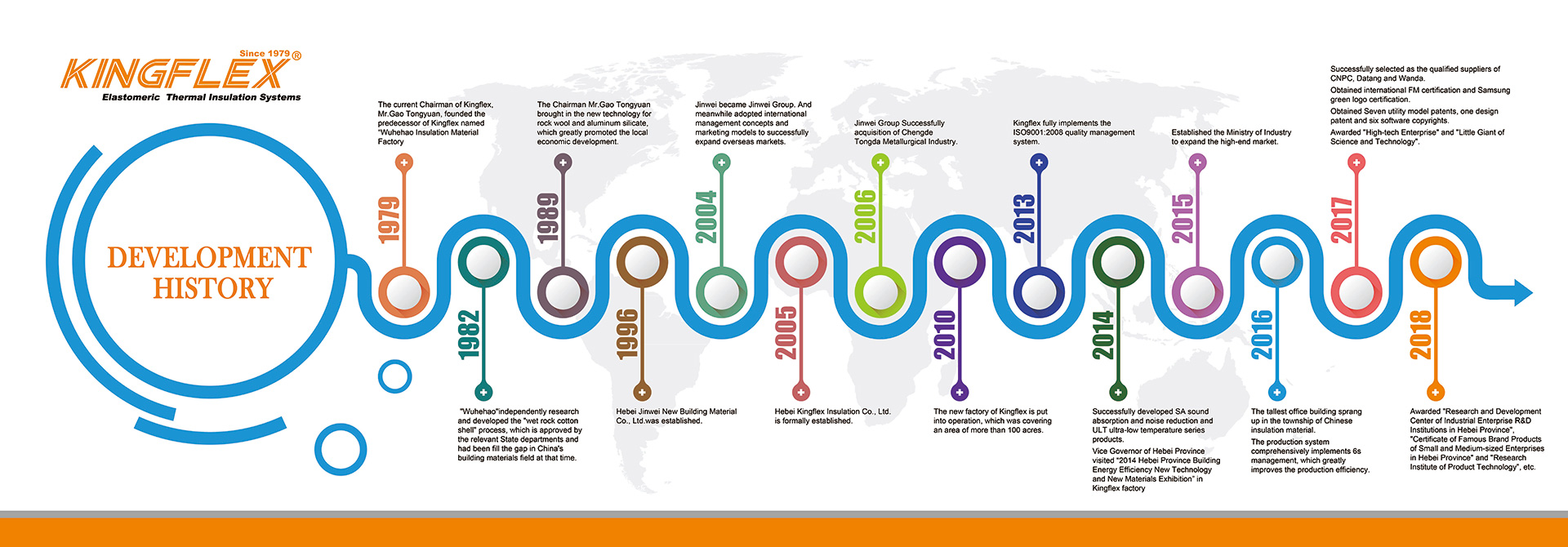
Established under the aegis of the Jinwei Group, which possesses more than 40 years of industrial history (established in 1979), Kingflex was the first commercial manufacturer of thermal insulation materials north of the Yangtze River. This institutional history allows our engineering teams to formulate rubber foam composites that handle thermal expansion, wind loads, and extreme weather profiles.

Our Impact in Numbers

Kingflex maintains strict compliance with the world's most rigorous building standard codes, ensuring energy loss reduction for top-tier contractors.

40+
Years Industry Experience
600K+
Cubic Meters Annual Capacity
66+
Exporting Countries
98%+
Closed Cell Rate

5. Localized HVAC/R Engineering Application Scenarios

Understanding local ambient weather and technical operating limits is key to picking the correct insulation thickness. Our NBR/PVC insulation sheet rolls and pre-formed tubes are engineered to support four primary environments:

Tropical & Humid Climates

In regions like Southeast Asia, high relative humidity (above 85% RH) makes condensation on chilled water pipes common. Kingflex closed-cell insulation controls surface condensation while protecting energy profiles on complex commercial HVAC networks.

Sub-Zero & Cryogenic Systems

For LNG logistics and industrial gas facilities operating down to -200°C (-328°F), special elastomeric formulas are required. Kingflex cryogenic systems prevent extreme heat leakage and keep structural lines frost-free.

Data Centers & Cleanrooms

Clean environments cannot tolerate insulation that sheds fibers or releases particles. Kingflex rubber foam is completely fiber-free and dust-free, meeting cleanroom indoor air quality (IAQ) requirements and preventing electronic component damage.

For architectural plans requiring both thermal security and high acoustic performance, our open-cell rubber foam soundproof boards deliver noise attenuation. These are ideal for generator chambers, pump stations, and sound-critical HVAC mechanical housings.
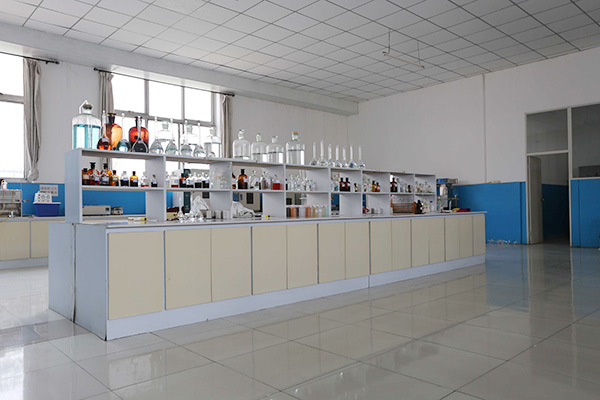
Rigorous R&D Testing & Global Standard Certification

R&D Lab Test 1

Continuous Vulcanization R&D

R&D Lab Test 2

Microstructure Inspection

R&D Lab Test 3

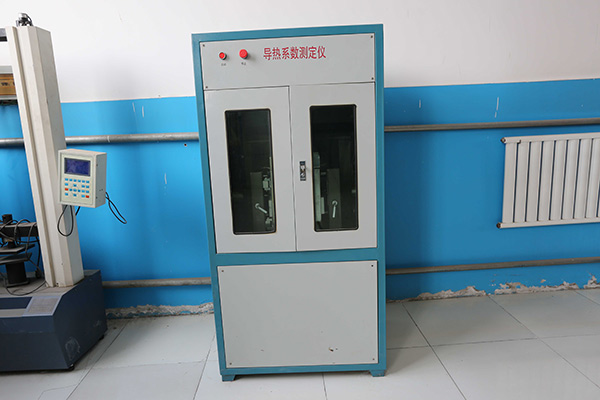
Thermal Conductivity Verification

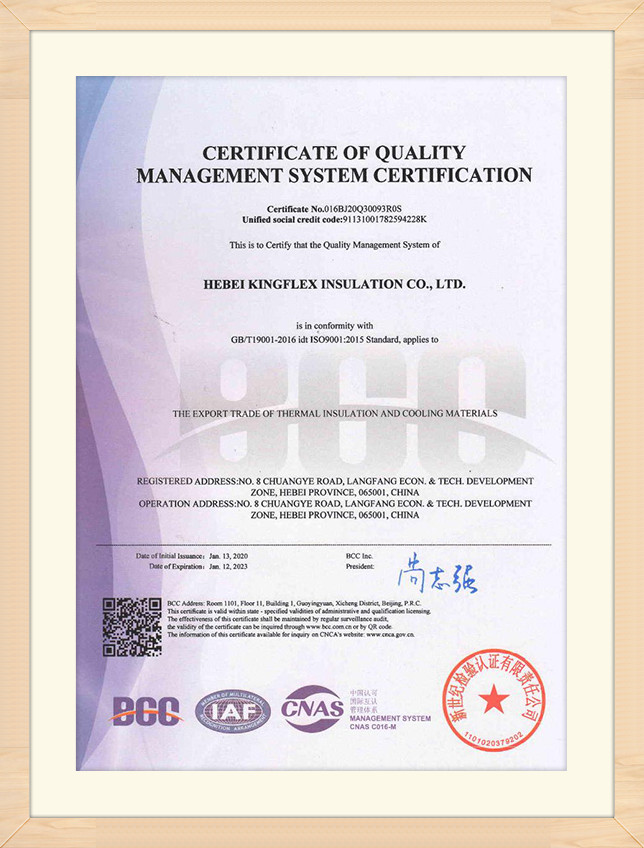
International Quality Accreditations

CE Certificate ISO Certification BS 476 Certification ASTM Certification

6. Future Trends in Refrigerant Insulation Technology

Modern building designs place strict demands on building materials. In response, thermal insulation engineering is shifting toward green chemistry and hybrid insulation formats.

  • Halogen-Free Formulations: While standard NBR/PVC delivers reliable flame retardancy, next-generation projects specify halogen-free elastomeric foam (HFFEF). This prevents the release of corrosive acid gases during fire incidents.
  • Zero GWP and ODP Blowing Agents: Environmental codes ban ozone-depleting substances. Kingflex uses water-based and zero-GWP blowing processes, helping clients earn LEED certifications.
  • Integrated Smart Jackets: Factory-applied polymer coatings shield foam from physical punctures, UV degradation, and weather wear, reducing onsite labor steps.

Global Reference Projects & Field Deployments

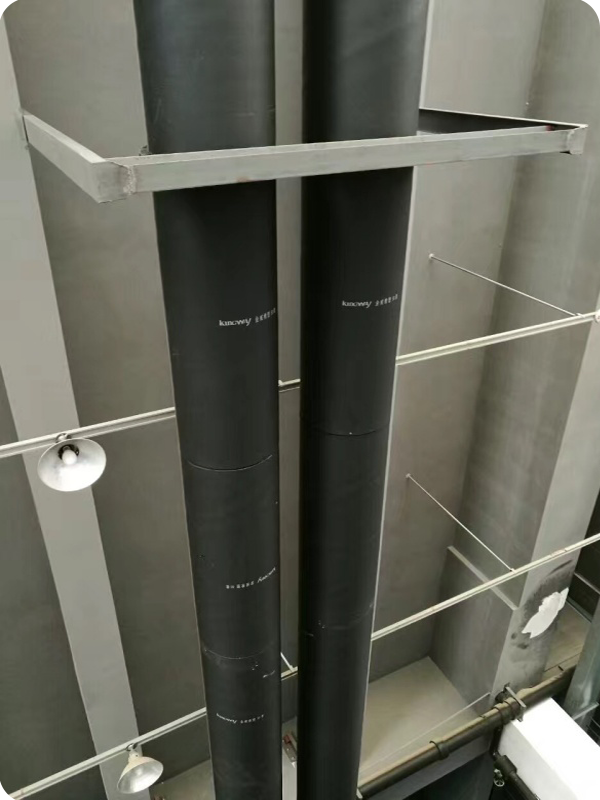
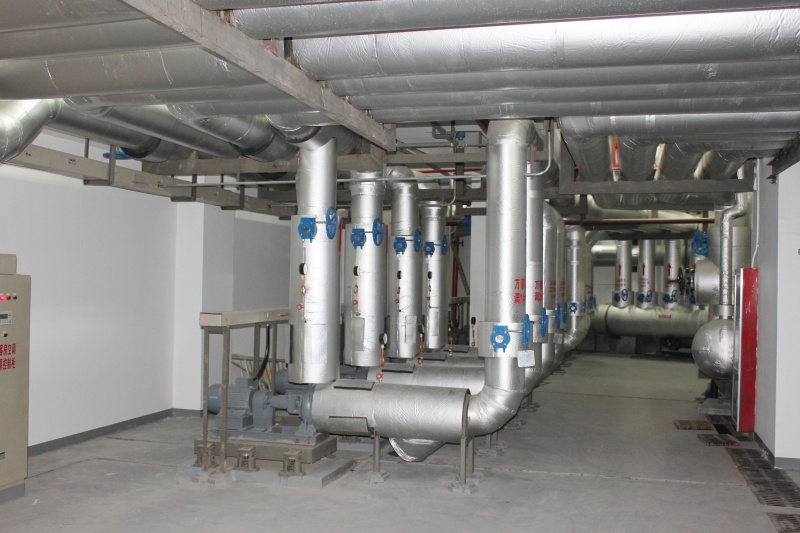
Our thermal insulation products are installed in high-demand environments globally, including commercial skyscrapers, industrial refrigeration complexes, and transport networks.

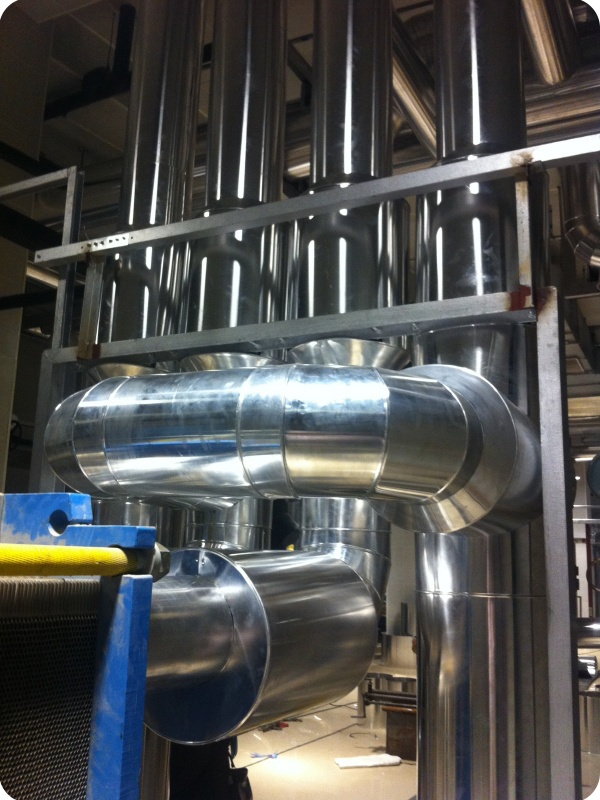
HVAC Ductwork Deployment Industrial Steam Pipe Wrapping Chilled Water Pipe Lines Cryogenic Piping Insulation

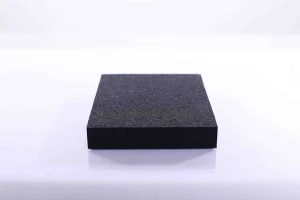
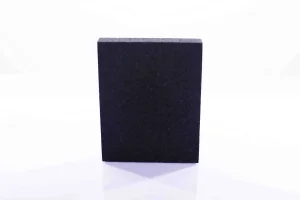
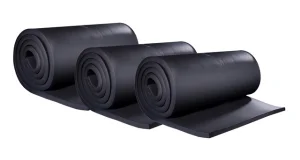
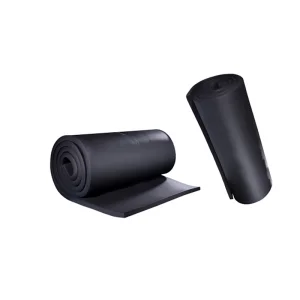
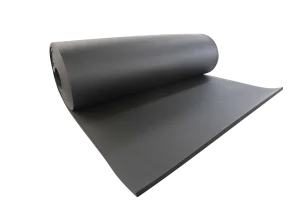
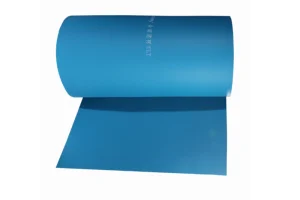
Black Rubber Foam Insulation Sheet Roll

Designed for mechanical ducts, large-diameter industrial pipes, and acoustic-thermal cladding installations.

Material Matrix:NBR/PVC Elastomer
Thicknesses:6mm - 50mm
Density:40 - 55 kg/m³
Operating Range:-40℃ to 105℃
Advantages: Closed-cell structures limit humidity absorption and heat transfer. Dynamic compression recovery exceeds 80%.

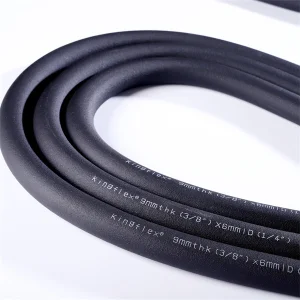
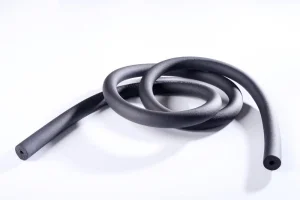
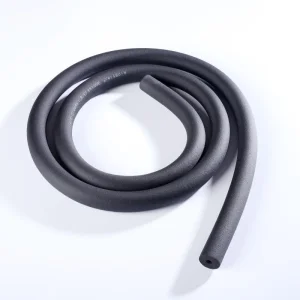
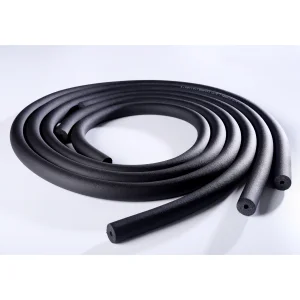
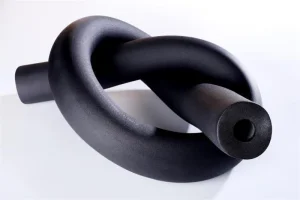
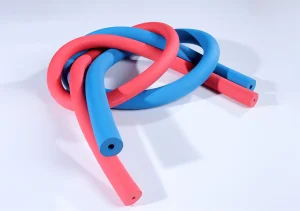
Black Rubber Foam Insulation Pipe

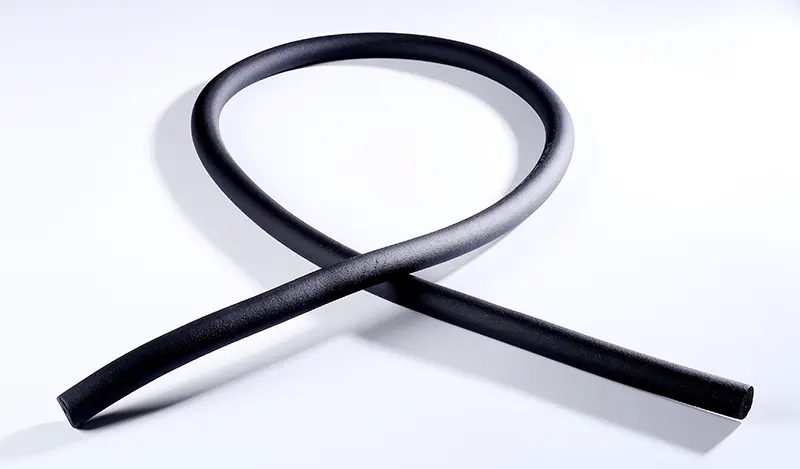
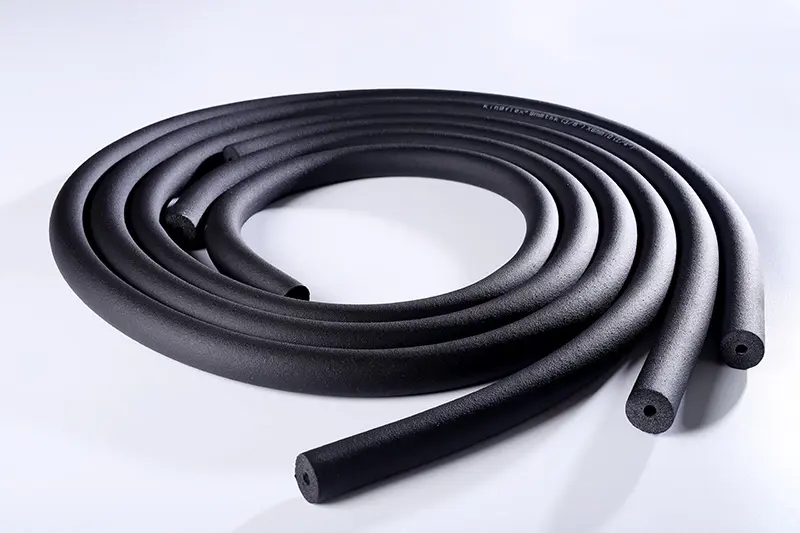
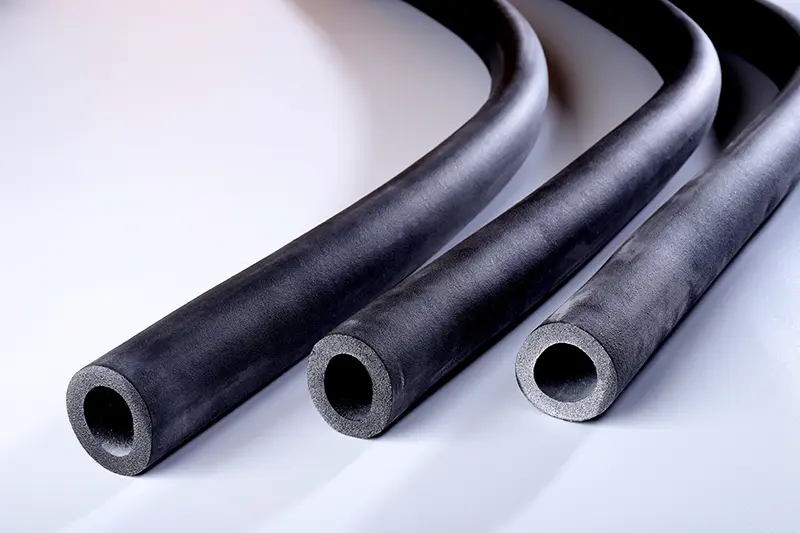
Pre-formed tubular design enables rapid installation on copper refrigerant line sets and water pipes.

Material Matrix:NBR/PVC Elastomer
Wall Thickness:9mm - 40mm
Inner Diameter (ID):6mm - 114mm
Operating Range:-40℃ to 105℃
Advantages: Exact inner sizing limits internal condensation risks. Helps prevent copper line corrosion.
Warehouse Pipeline Details Preformed Insulation Tapes Copper Line Protection Factory Packing Floor

Direct Factory Tour: 5 Automated Production Lines

Extrusion Line A Quality Inspection Line Foaming Oven Zone Auto Slitting Station Nitrile Rubber Stockpile Product Staging Yard Quality Sorting Station Shipping Container Dock Automatic Roll Wrapping Thickness Validation Tests Density Measurement Scales Packaging Operations

Direct Customer Chats & Feedback

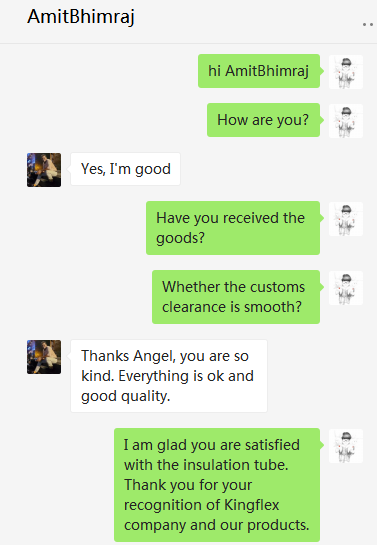
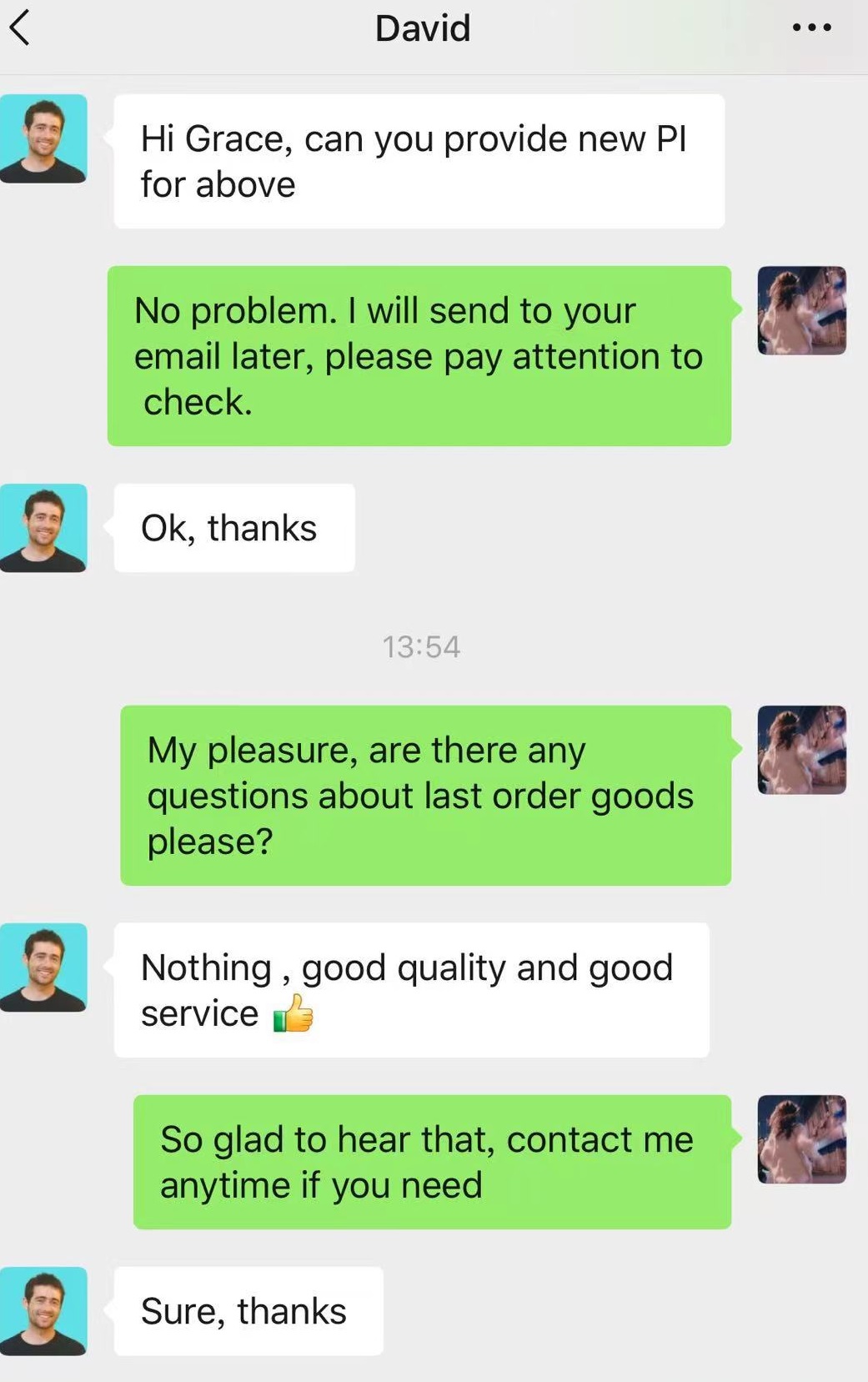
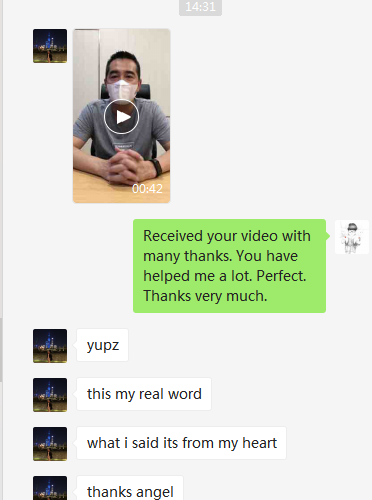
Client Feedback Chat 1 Client Feedback Chat 2 Client Feedback Chat 3 Client Feedback Chat 4 Client Feedback Chat 5

Insulation Material Product Lines

Rubber Foam Insulation Products

Closed-cell NBR/PVC sheets, rolls, and pre-cut pipe configurations optimized for architectural HVAC systems.

Glass Wool Insulation Products

Low-density spun glass fibers designed for thermal barriers and ceiling acoustics.

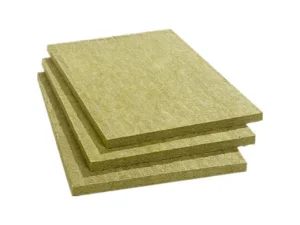
Rock Wool Insulation Products

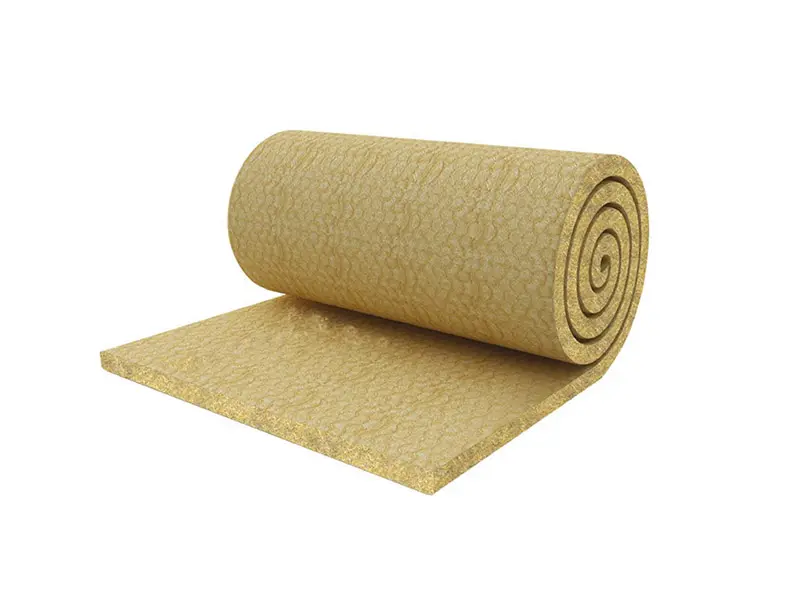
High-density basalt stone fiber panels built for high-temperature firestops.

7. Smart RfQ Guide for Global Enterprise Procurement

Procuring refrigerant line insulation at wholesale volumes requires careful review of mechanical specifications. Technical buyers should request detailed compliance data to avoid project delays:
  1. Confirm ASTM Testing Compliance: Request ASTM C534 testing certificates for physical properties, thermal conductivity profiles, and moisture absorption performance.
  2. Verify Fire Propagation Ratings: Confirm fire classifications (e.g., BS 476 Class 0, UL94 V-0, EN 13501-1) to ensure the materials comply with local mechanical insulation safety codes.
  3. Define Density Metrics: Densities between 40-55 kg/m³ balance physical durability with thermal resistance. Request density parameters suitable for your project's physical wear requirements.
  4. Calculate Shipping Volume: Since lightweight foam can be costly to ship, coordinate with Kingflex logistics to compress sheet rolls or nest smaller tubes inside larger profiles. This optimization maximizes shipping container capacity and lowers import costs.

Technical Q&A - Reference Standards & Operations

Q1: What is elastomeric rubber foam insulation used for?
A1: It is mainly used for HVAC ducts, air conditioning pipes, building thermal insulation, industrial pipeline cold insulation and sound insulation.
Q2: Is Kingflex rubber foam insulation fire resistant?
A2: Yes, our rubber foam insulation is fire retardant, meeting the fire safety standards required for modern commercial and industrial construction projects globally.
Q3: What is the difference between rubber foam and rock wool insulation?
A3: Rubber foam features a flexible, closed-cell, moisture-proof structure, making it ideal for HVAC lines, chilling pipes, and anti-condensation protection. Rock wool is high-temperature resistant and fireproof, which makes it better suited for high-temperature industrial steam lines.
Q4: Do you provide customized insulation products?
A4: Yes, we provide full OEM and ODM services. We can customize dimensions, internal diameters, density profiles, and self-adhesive backings to meet specific project needs.
Q5: What certifications do your products have?
A5: Our products have passed BS 476, CE, REACH, ROHS, UL94, ASTM and other international certifications, ensuring product quality and compliance with global standards.
Q6: Do Kingflex products have traceability?
A6: Yes, Kingflex products have traceability. We mark every manufacturing run with batch IDs to track raw materials, extrusion dates, and quality test records.
Q7: What thickness of Rubber foam insulation sheet roll can you produce?
A7: We produce rubber foam insulation sheet rolls in standard and custom thicknesses ranging from 6mm to 50mm.
Q8: What is the service life of rubber plastic pipe and board?
A8: When properly installed and maintained, Kingflex rubber foam insulation systems offer an operational service life of approximately 10 to 15 years.
Q9: How does the condensation control process work in closed-cell insulation?
A9: By sealing gas within closed cells, our NBR/PVC material keeps the outer surface temperature above the ambient dew point. Since moisture cannot easily penetrate the material, the system prevents surface sweating and protects mechanical lines.
Q10: Can Kingflex products withstand outdoor UV exposure?
A10: While standard NBR/PVC foam has moderate UV resistance, outdoor installations require protective jackets, aluminum cladding, or specialized UV-resistant coatings to prevent degradation from direct sunlight.

Affiliated Brands & Global Supply Network

Partner Logo 1 Partner Logo 2 Partner Logo 3 Partner Logo 4 Partner Logo 5 Partner Logo 6 Partner Logo 7 Partner Logo 8 Partner Logo 9 Partner Logo 10 Partner Logo 11 Partner Logo 12 Partner Logo 13 Partner Logo 14 Partner Logo 15 Partner Logo 16 Partner Logo 17

Need Engineering Details or Custom Dimensions?

Get in touch with our R&D engineers to receive technical details, product dimensions, or customized bulk quotes for global HVAC/R projects.
Request Technical Specifications Contact our Sales Team