In modern industrial manufacturing and commercial building systems, fluid dynamics and thermal conservation are heavily regulated. Proper insulation of water pipe infrastructure is no longer just a method to lower utility bills; it is a mandatory safety and performance standard governed by strict international building codes. Failure to comply can result in severe legal penalties, structural failure due to freeze damage, or building performance degradation. Understanding the relevant regional standards is critical for choosing the right materials, wall thicknesses, and installations for global engineering projects.
Compliance begins with defining target thermal characteristics, environmental degradation parameters, and flame-retardant index requirements. Standard regulations like the International Energy Conservation Code (IECC) and the ASHRAE 90.1 Standard outline thermal conductivity limits and minimum thickness requirements for service water-heating systems and chilled water pipelines. These benchmarks ensure minimum thermal losses in high-capacity supply loops while preventing unwanted condensation on plumbing layouts, safeguarding long-term structural integrity.
Different regions require different insulation materials based on local climate patterns, humidity levels, and specialized building designs. A standardized design approach does not work for complex global engineering tasks. For example, high-humidity coastal zones like Southeast Asia require a high water vapor resistance factor (μ ≥ 10,000) to prevent condensation and moisture buildup within HVAC structures. If moisture penetrates the insulation, the material loses its thermal properties, leading to mold growth and metal pipe corrosion.
In contrast, arctic industrial installations in Northern Europe or Canada demand extreme freeze-protection systems with low-temperature cracking resilience, designed to handle temperatures as low as -40°C. In these environments, flexible elastomeric structures maintain their elasticity, absorbing physical movements and thermal expansion without cracking or separating at the joints.

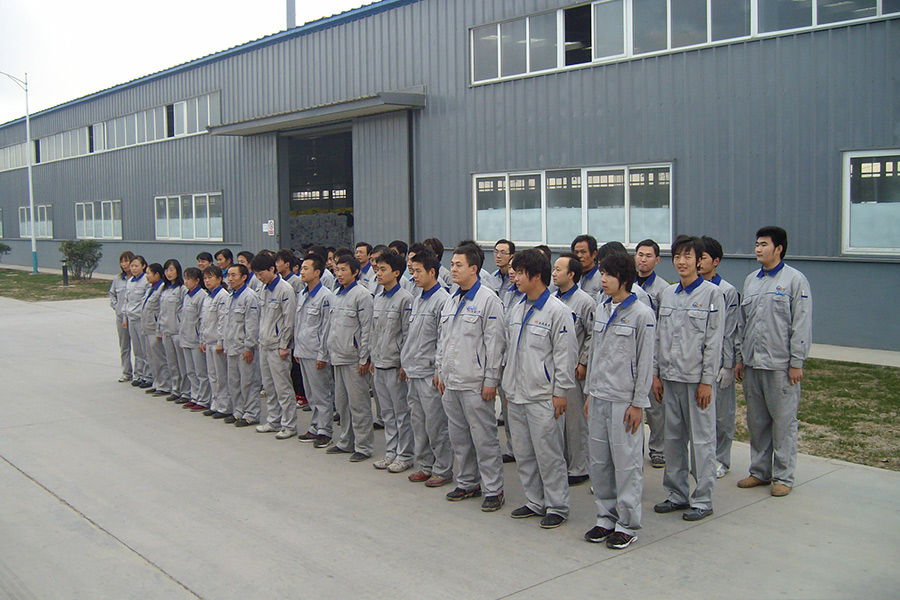
Kingflex Insulation Co., Ltd. is a leading manufacturer in the green building materials sector, operating in the Dacheng industrial zone in China. Benefiting from local manufacturing expertise and a highly integrated domestic raw material supply chain, Kingflex delivers high-performance insulation systems at competitive market prices.
Originally founded as part of the Jinwei Group—which dates back to 1979 as the first thermal insulation manufacturer north of the Yangtze River—Kingflex has built a strong reputation over more than 40 years of research and production. Today, Kingflex provides advanced, energy-efficient insulation materials designed to meet demanding architectural and industrial requirements worldwide.
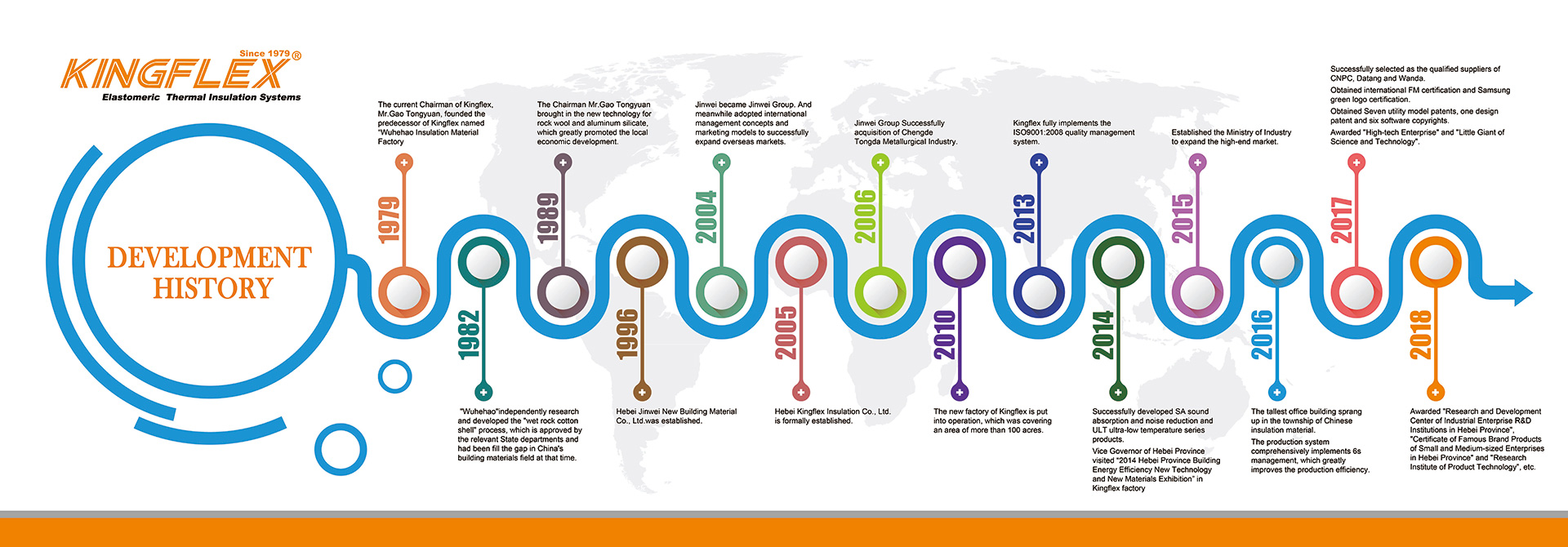
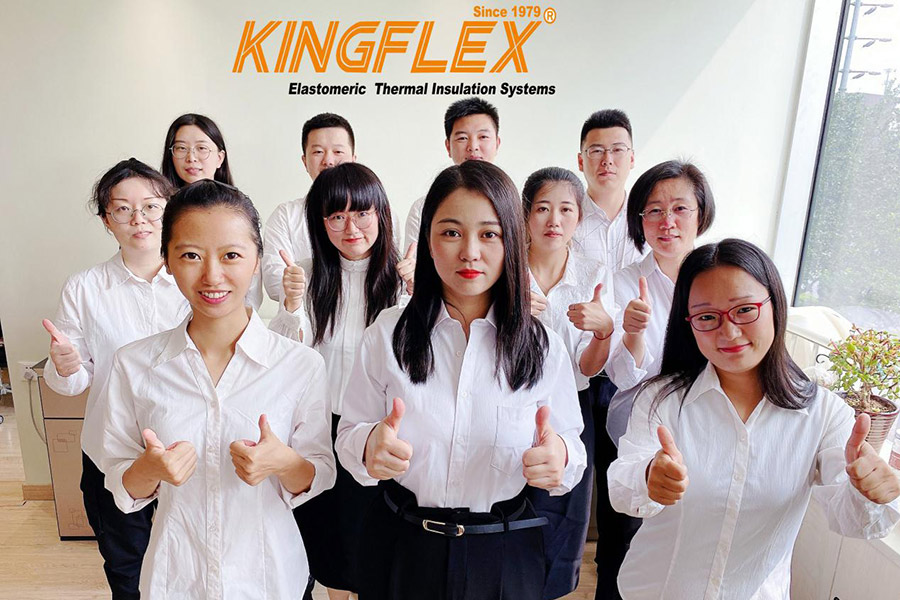
With 5 advanced automatic assembly lines, our manufacturing facility produces over 600,000 cubic meters annually. This high-capacity output helps stabilize lead times and pricing, even during global supply chain disruptions. Our team of 8 dedicated R&D engineers, 6 international sales specialists, and 230 technicians ensures that all custom product runs meet global quality standards.
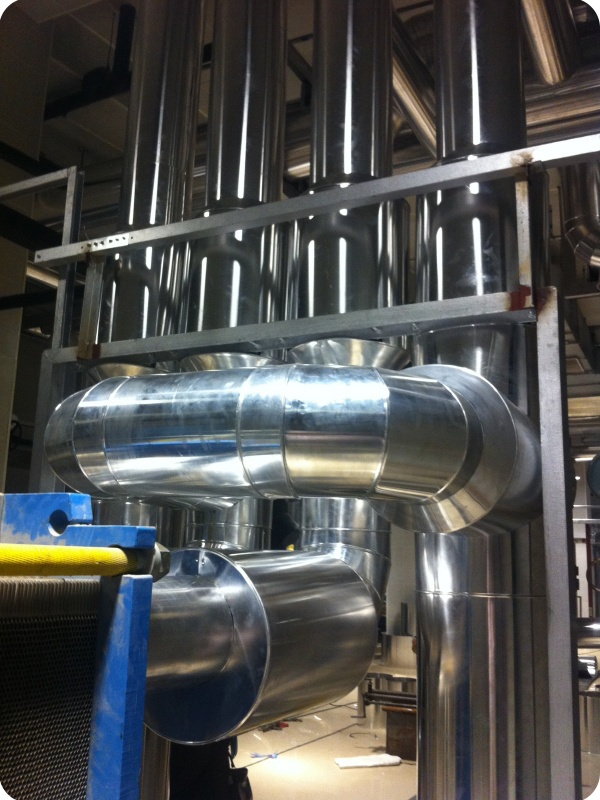
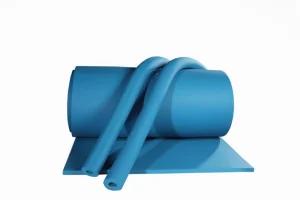
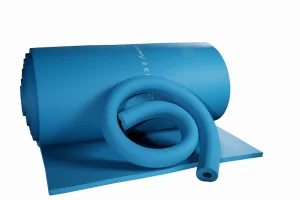
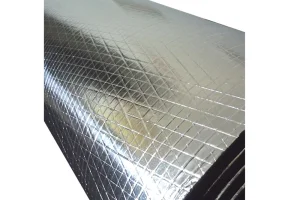
Our products are widely used in construction, petroleum, chemical processing, national defense, and aerospace applications. We offer customized OEM production, tailoring thickness options (6mm to 50mm) and protective outer layers (such as aluminum cladding) to meet specific project needs.
The physical properties of Kingflex elastomeric insulation materials are strictly controlled to guarantee consistent performance over a service life of 10 to 15 years. The closed-cell structure (with cells closed at a rate exceeding 98%) forms an effective barrier against water vapor transmission, ensuring stable thermal conductivity over the long term.
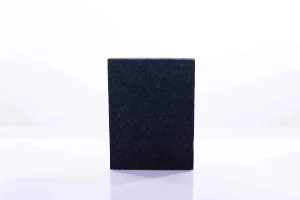
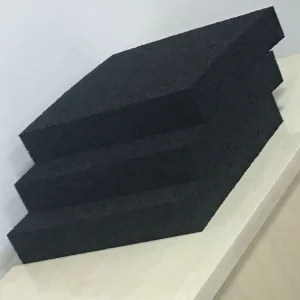
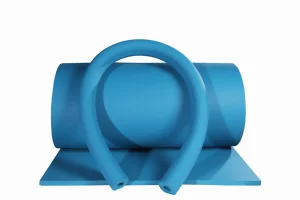
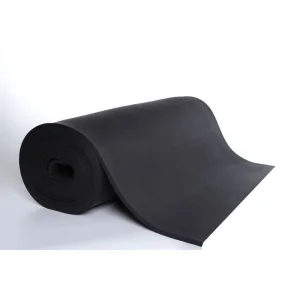
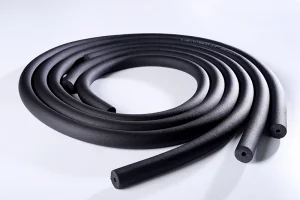
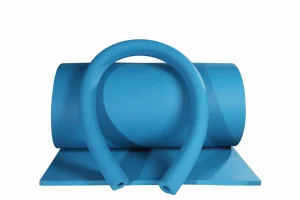
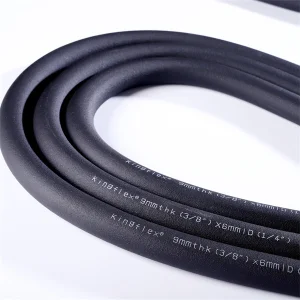
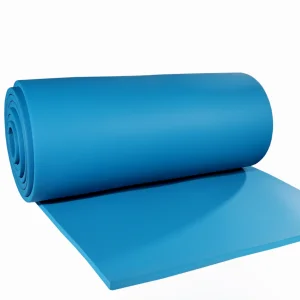
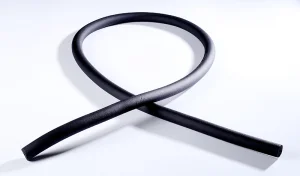
| Performance Characteristic | Black Rubber Foam Sheet Roll Specification | Black Rubber Foam Pipe Insulation Specification |
|---|---|---|
| Material Base | Nitrile-Butadiene Rubber / Polyvinyl Chloride (NBR/PVC) blend | Nitrile-Butadiene Rubber / Polyvinyl Chloride (NBR/PVC) blend |
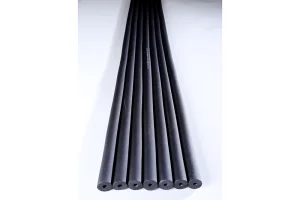
| Thickness Range | 6mm - 50mm | 9mm - 40mm |
| Inner Diameter (ID) | N/A (Flat sheet form) | 6mm - 114mm |
| Density | 40 - 55 kg/m³ | 40 - 55 kg/m³ |
| Service Temperature Limit | -40℃ to +105℃ | -40℃ to +105℃ |
| Closed-Cell Content | > 98% | > 98% |
| Compression Resilience | > 80% recovery rate | > 80% recovery rate |
| Fire Performance Class | Class 0 / Class 1 (BS 476 Part 7 / Part 6) | Class 0 / Class 1 (BS 476 Part 7 / Part 6) |
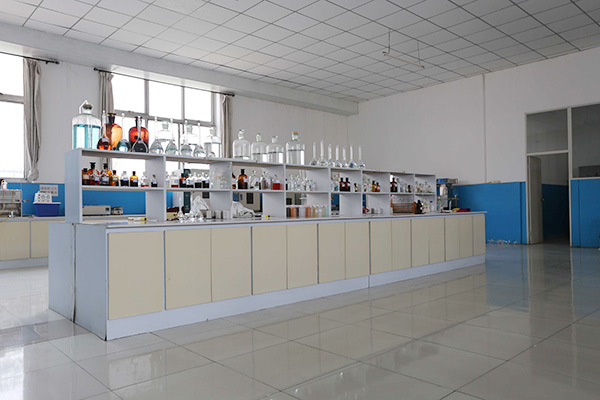
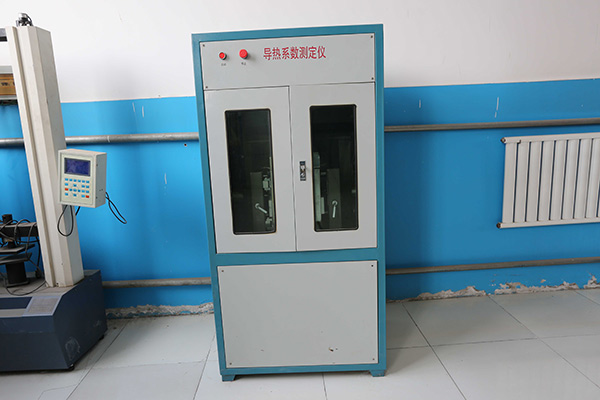
Our testing procedures simulate harsh environments to evaluate long-term insulation performance. Testing includes cyclic temperature changes, accelerated UV exposure, and moisture penetration analysis. By using state-of-the-art testing equipment, our engineering team ensures that every production batch matches the specifications listed in our technical data sheets.
This rigorous quality control process ensures that Kingflex insulation remains reliable under high physical loads and fluctuating temperature ranges, protecting your piping infrastructure from heat loss, condensation, and corrosion.

For large-scale construction, chemical processing, or HVAC distribution projects, sourcing insulation materials requires balancing performance, cost, and logistics. Project managers need to look beyond simple per-meter material costs and evaluate the total cost of ownership (TCO). This calculation must include installation efficiency, product lifespan, regulatory compliance risks, and shipping logisitics.
Sourcing from Kingflex provides international developers and engineering firms with several key benefits:
Every shipment features batch-specific production tracking, ensuring complete accountability for regulatory compliance checks.
We support customized dimensions, including density adjustments and protective foil laminates, to meet specific engineering criteria.
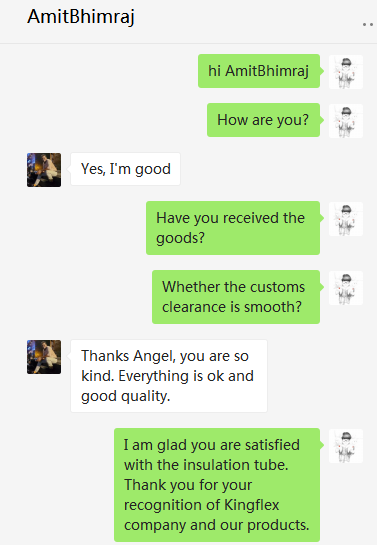
Our products are fully certified under BS 476, CE, REACH, RoHS, UL94, and ASTM, ensuring smooth approval processes with local building inspectors.
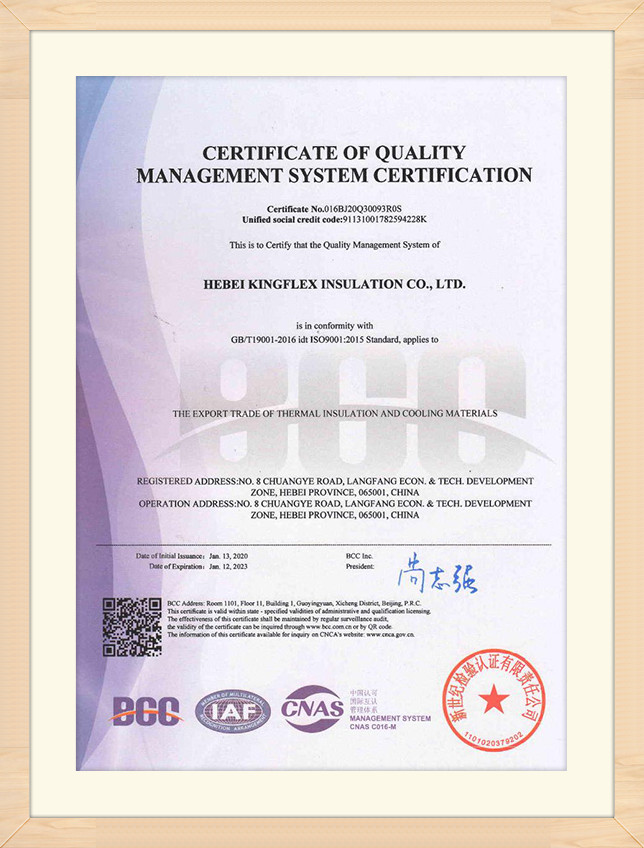


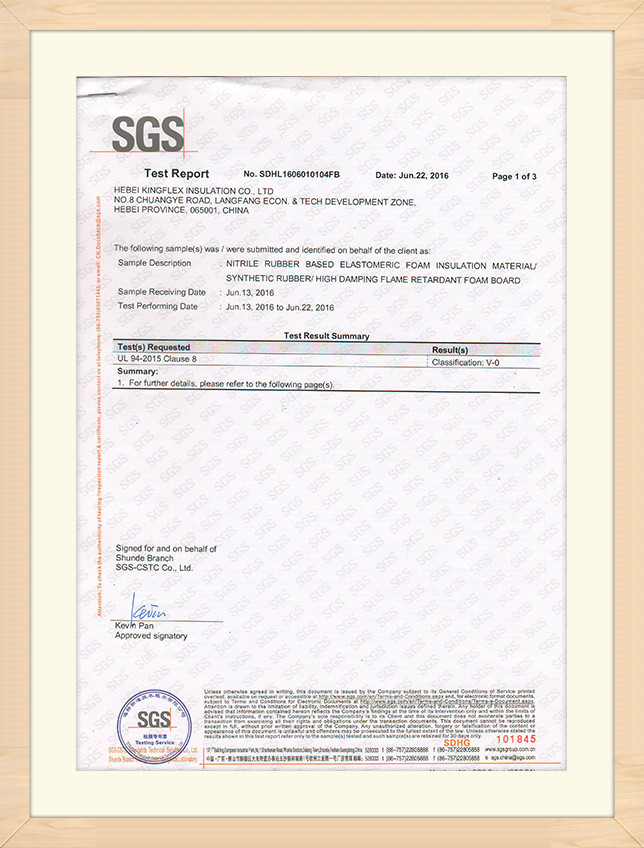
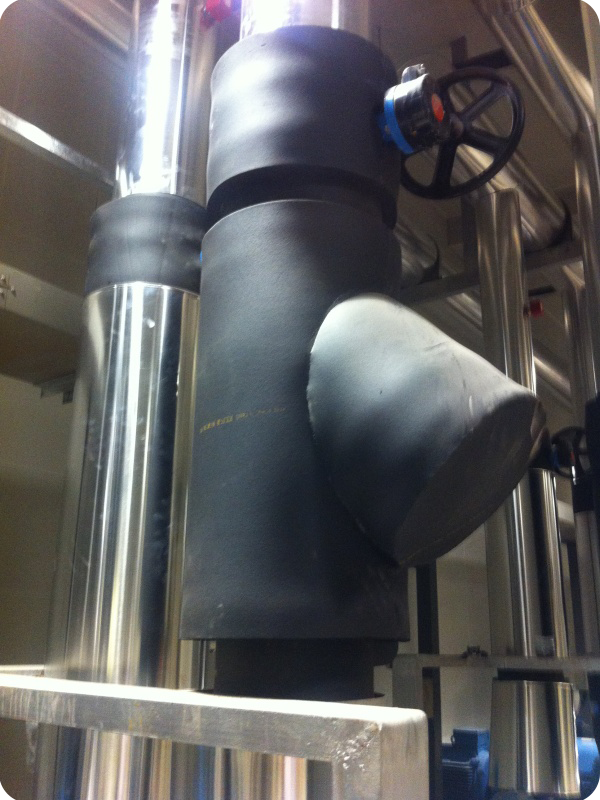
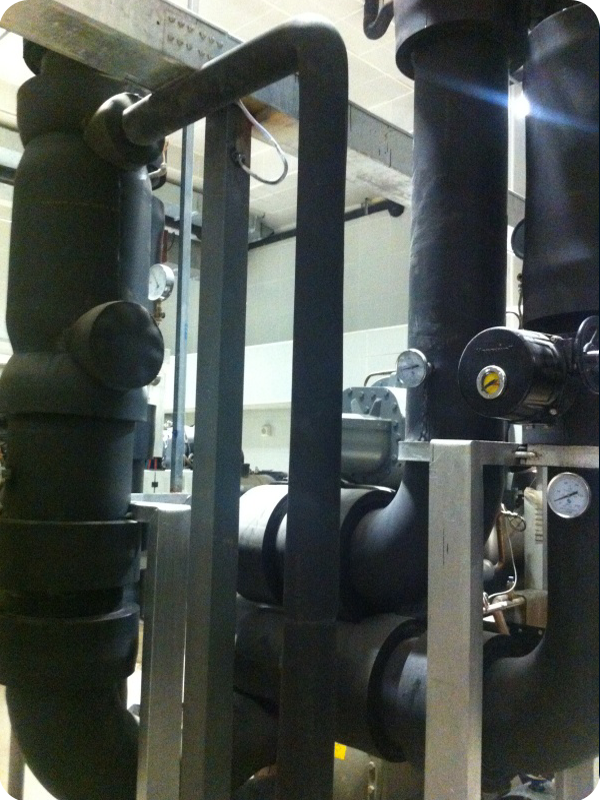
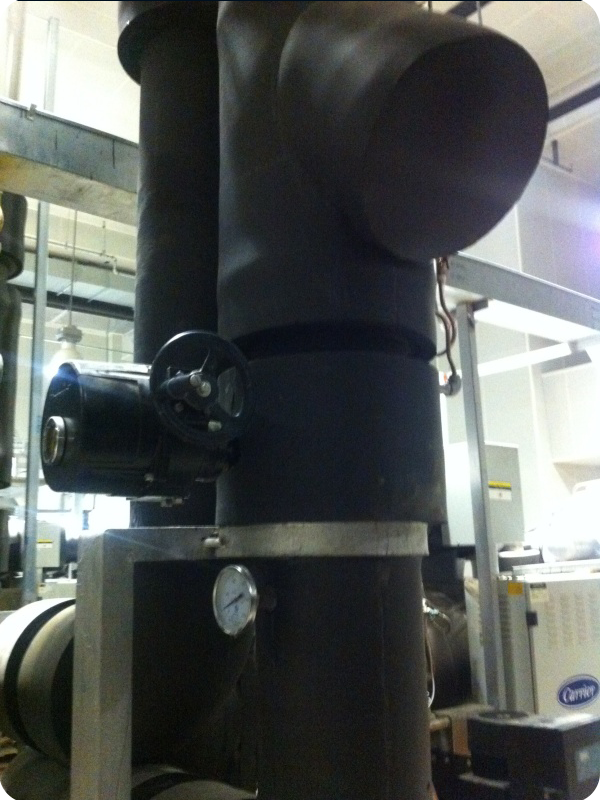
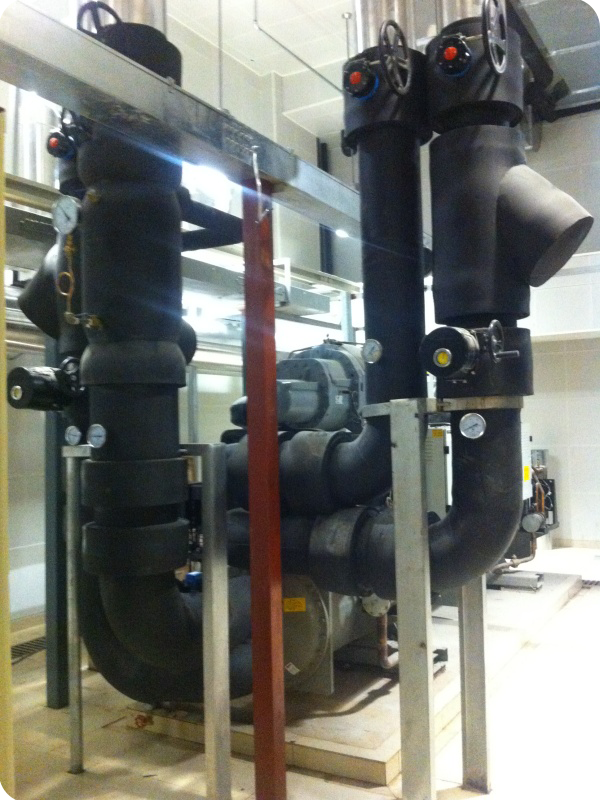
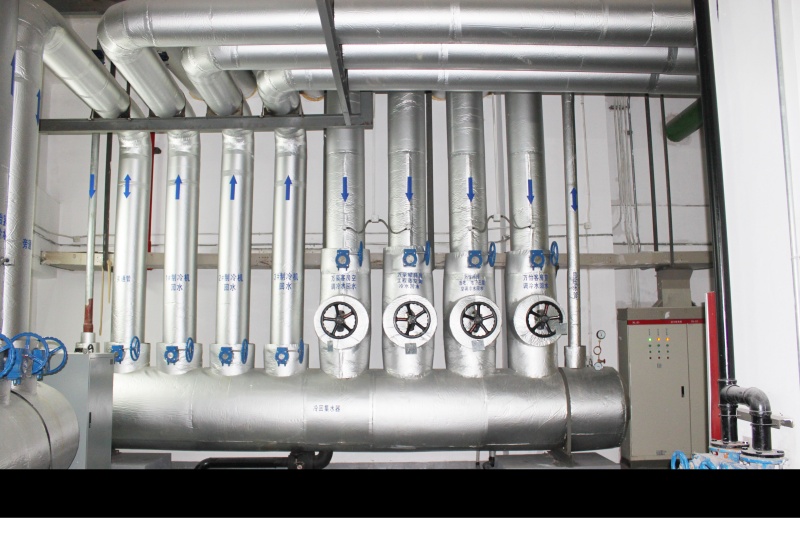
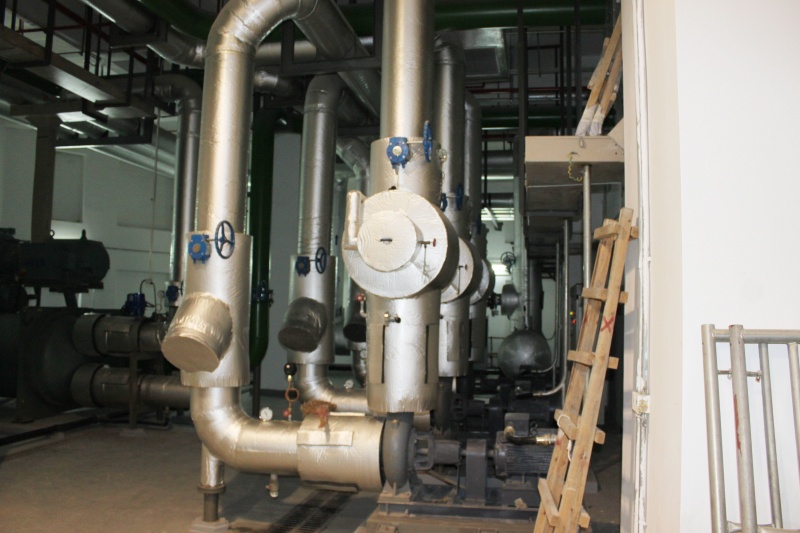
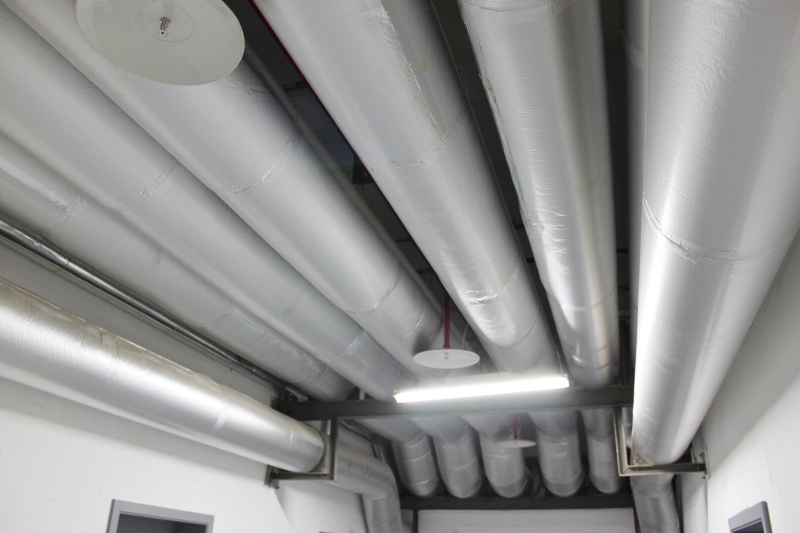
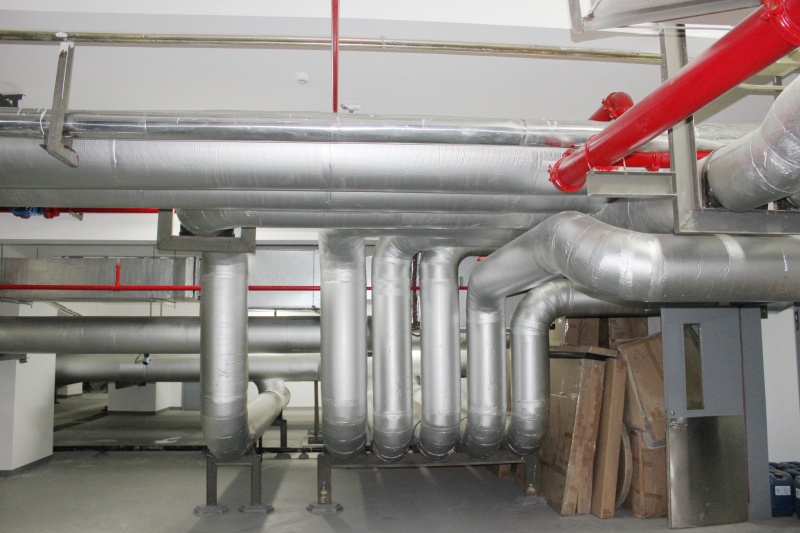
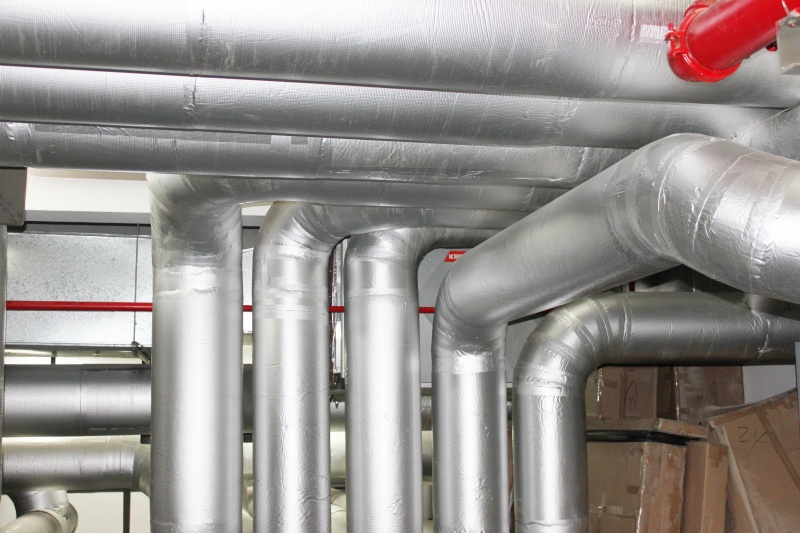
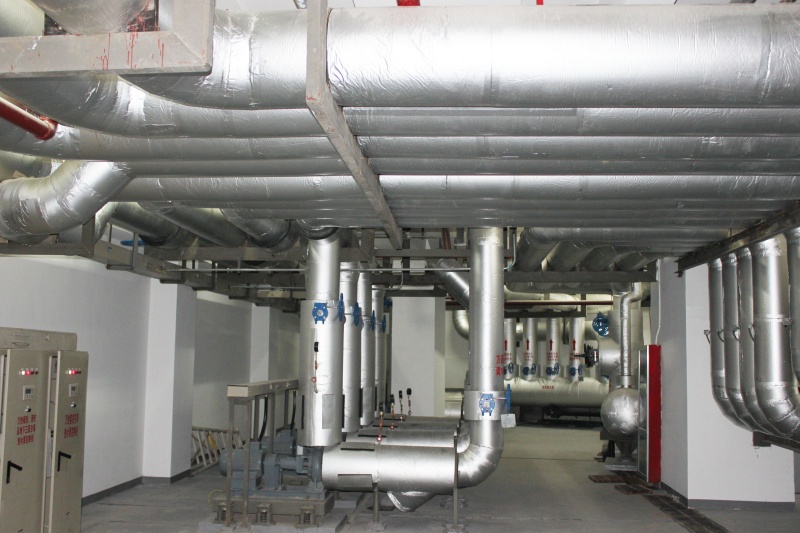
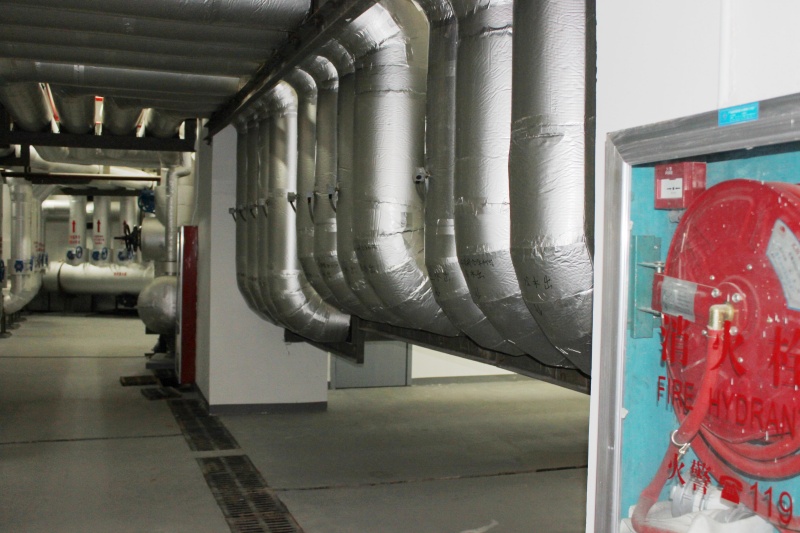
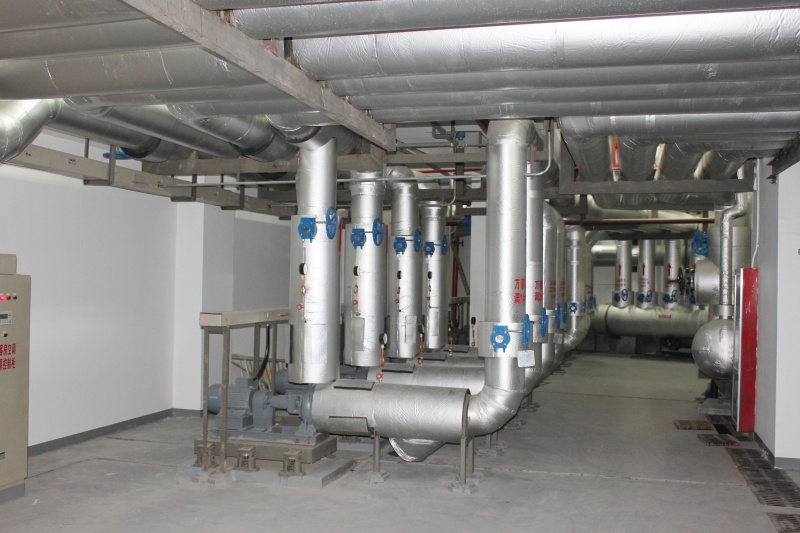
Our products are used in demanding applications around the world, including petrochemical facilities, commercial complexes, and public infrastructure projects. These case studies highlight the versatility and reliability of Kingflex insulation systems.

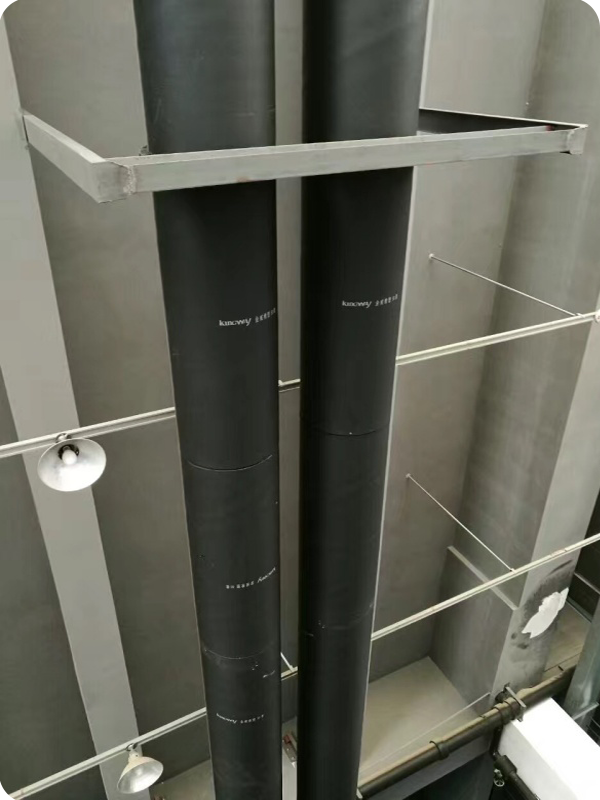









 Kingflex