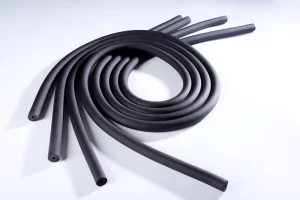
Engineered for architectural efficiency, mechanical piping, and duct thermal management systems.
Navigating the stringent energy demands, mechanical specifications, and regional climate guidelines across North America.
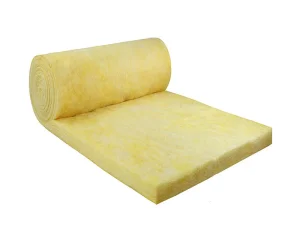
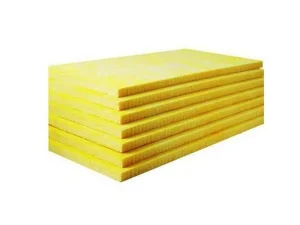
The North American building sector continues to advance its energy code criteria. Under the ASHRAE 90.1 standard and the International Energy Conservation Code (IECC), structural envelopes must deliver minimum continuous R-value thresholds to limit heat conduction. Modern high-density fiberglass wool boards and blankets are essential to eliminate structural thermal bridging.
By designing insulation materials to meet regional requirements (from Climate Zone 1 in Key West to Climate Zone 8 in northern Alaska), engineering specialists minimize localized heat loss, optimize energy expenditures, and guarantee multi-decade lifespan calculations for institutional systems.
Whether the target is LEED v4 points, building envelope carbon reductions, or lifecycle sustainability targets, glass wool materials offer the requisite thermal consistency ($\lambda \le 0.034 \text{ W/m}\cdot\text{K}$) to support high-efficiency mechanical engineering designs.
Evaluating materials development, binder updates, and technical performance modifications.
Transitioning away from phenol-formaldehyde systems. Modern production lines utilize bio-based binders derived from agricultural byproducts, lowering carbon footprints and helping facilities satisfy indoor air quality requirements (such as GreenGuard Gold).
Through high-speed centrifugal fiberization, glass fibers are drawn into narrower diameters, maximizing air entrapment pockets per unit volume to yield improved R-values without changing product thickness.
Integrating factory-applied FSK (Foil-Scrim-Kraft) or ASJ (All-Service Jacket) vapor barriers directly onto the mechanical fiberglass cylinders ensures protection against moisture ingress and Corrosion Under Insulation (CUI).
Turnkey thermal, acoustic, and safety installations across diverse market verticals.
Duct wrap thermal barriers and acoustics liners minimize airflow noise and prevent energy leakage on central air distribution loops, meeting local municipal code goals.
Rigid fiber pipe segments designed for steam distribution and chemical process lines operate continuously in high-temperature settings with minimal thermal degradation.
Custom component solutions for equipment housings, transport systems, and acoustic partition panels, helping reduce sound levels in industrial environments.

Kingflex Insulation Co., Ltd. represents a professional manufacturing and trading combo for thermal insulation systems. Kingflex’s main research development and production department operates from Dacheng, China—a hub for green-building materials. Concentrating on research, development, production, and sales, Kingflex designs solutions around efficiency and lifecycle performance.
Established by the Jinwei Group, which holds a historical record dating back to 1979 as a pioneer in northern China thermal insulation manufacturing, our organization leverages decades of production experience. Currently operating 5 large-scale automated assembly lines, Kingflex supports a capacity exceeding 600,000 cubic meters annually, satisfying requirements set by regional ministries and international procurement standards.
With eight professional engineers in the R&D department and an active production workforce, Kingflex delivers trace-monitored, certifiable glass wool and elastomeric rubber insulation solutions to projects globally.
Connect with Our EngineersIndependent verification ensures field reliability and safety compliance.
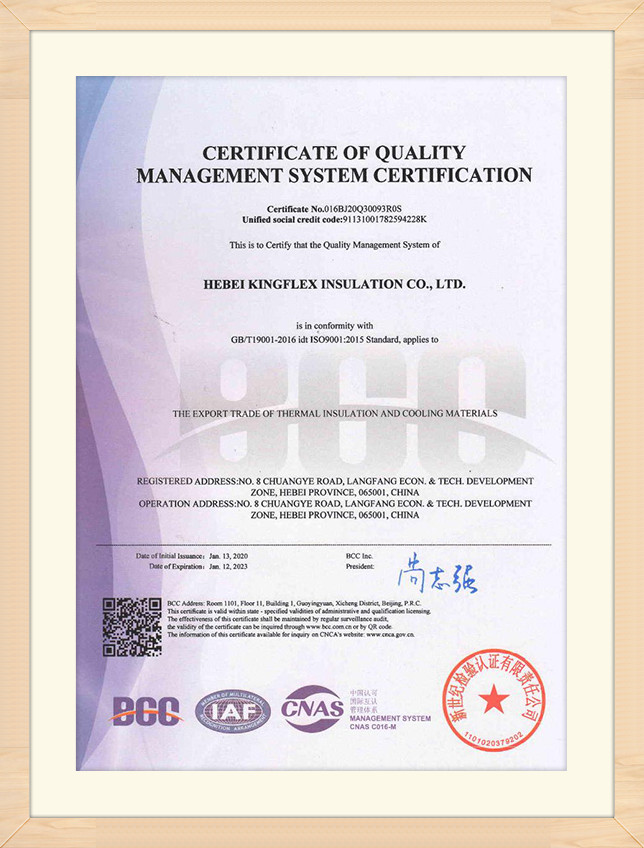
BS 476 Certification

CE Certification

ISO 9001 Protocol
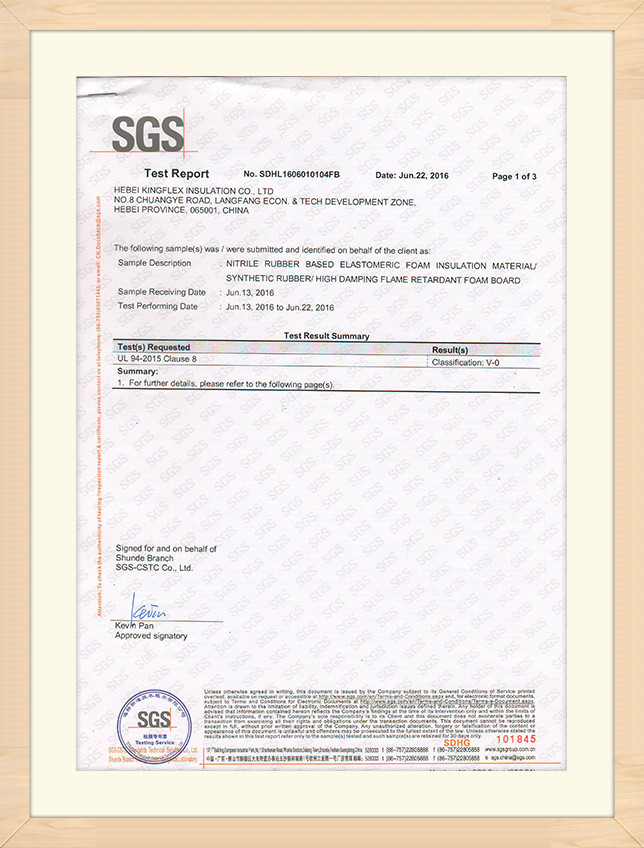
SGS / REACH Compliance
Flexible configuration properties customizable to meet project-specific engineering designs.
| Property | Specification Range |
|---|---|
| Material | NBR / PVC Blends |
| Thickness | 6mm - 50mm |
| Density | 40 - 55 kg/m³ |
| Service Temp | -40℃ to 105℃ |
| Closed Cell Rate | ≥ 98% |
| Property | Specification Range |
|---|---|
| Base Material | High-purity Inorganic Silica Fibers |
| Nominal Densities | 24 - 96 kg/m³ (Board Options) |
| Combustibility | Non-combustible Class A1 (EN 13501) |
| Foil Facings | FSK, ASJ, Black Glass Scrim (BGS) |
| Acoustic Performance | NRC up to 1.0 depending on thickness |
Real-world performance demonstrating system reliability under various mechanical loads.

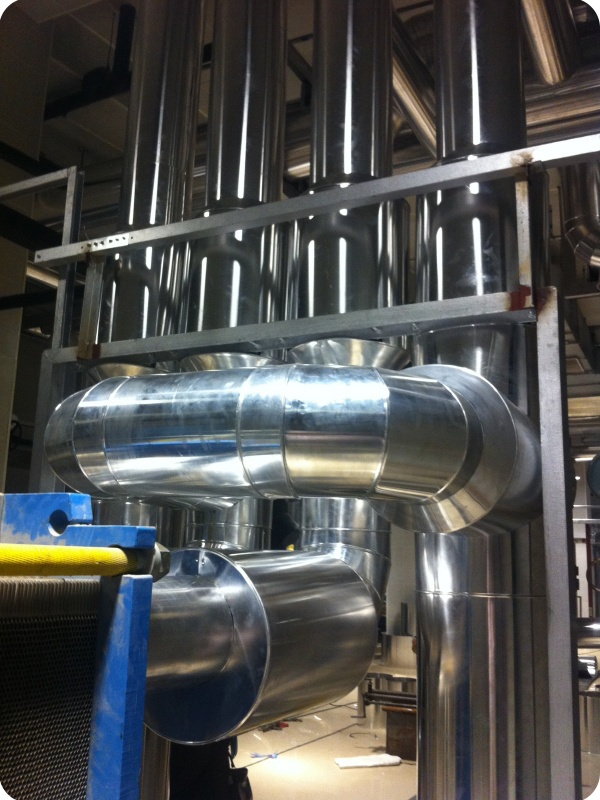
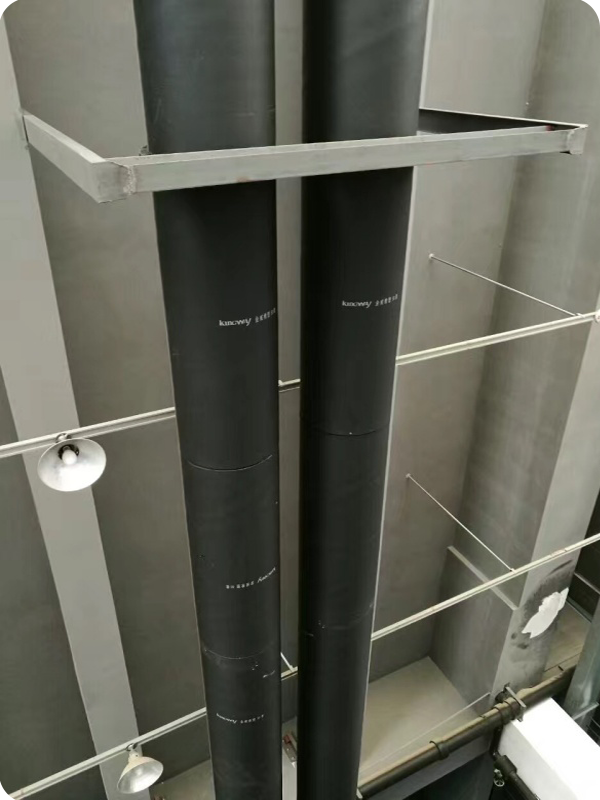
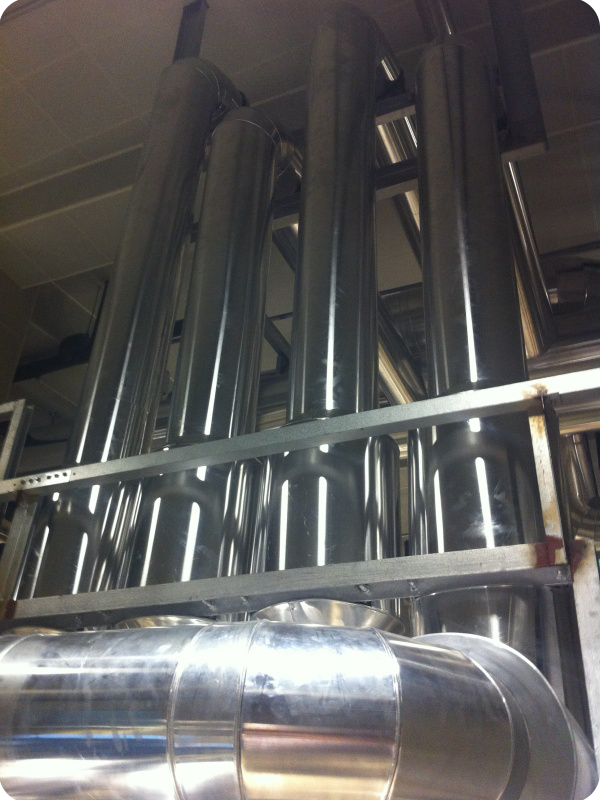
Ideally suited for HVAC air handlers, structural plenums, and high-volume distribution ducts, providing thermal stability and helping suppress vibration harmonics.
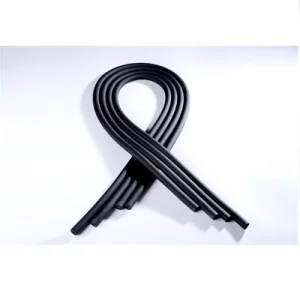
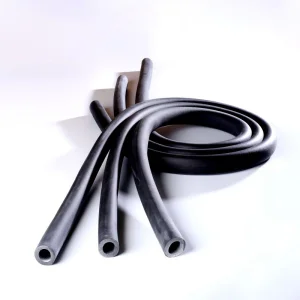
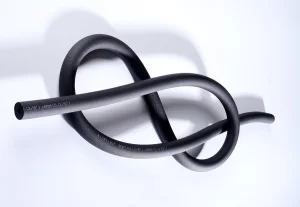
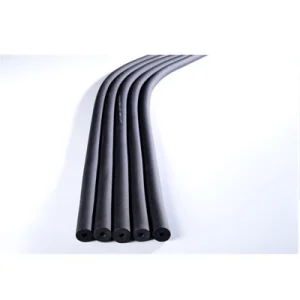
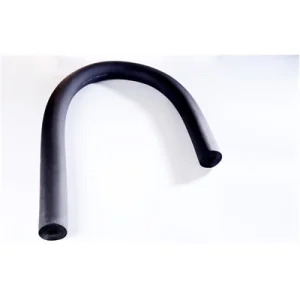
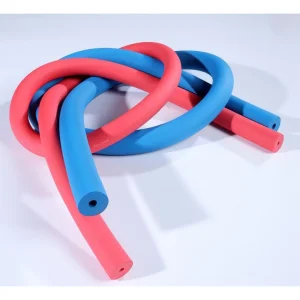
Engineered with a uniform cell layout to reduce piping heat loss, prevent condensation in cold lines, and mitigate structural vibration transmission.
Multilayer insulation solutions configured to manage structural contraction stresses in sub-zero applications down to cryogenic temperatures (-200℃).
Technical answers supporting material design, regulatory compliance, and procurement selection.
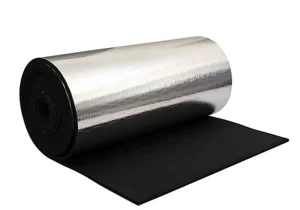
Elastomeric rubber foam is utilized primarily in HVAC duct systems, air conditioning distribution piping, building thermal envelope components, and industrial process piping to prevent surface condensation, reduce thermal transmission, and provide structural acoustic isolation.
Yes. Our insulation products are formulated with flame-retardant additives to satisfy commercial and industrial fire codes. They are rated self-extinguishing and comply with ASTM E84 Class A (25/50 flame spread/smoke index) and UL 94 V-0 flame-retardant testing standards.
Elastomeric rubber foam is a flexible, closed-cell material that offers high vapor barrier performance, making it suitable for HVAC chilled water, commercial mechanical systems, and refrigeration. Rock wool is a fibrous mineral insulation designed for high-temperature applications (up to 650℃), structural fire protection, and dry partition acoustic treatments.
Yes, we provide full OEM and design services to accommodate specific project plans, modifying density profiles, internal bore diameters, total sheet lengths, and jacket selections (such as FSK, ALU, or self-adhesives).
Our manufacturing processes and product lines are certified to meet BS 476 Class 0, CE EN 14303, RoHS compliance regulations, REACH declarations, and ISO 9001:2015 quality criteria.
Yes. Every production run has an assigned batch code printed on the packaging and along the pipe/sheet body. This identifies raw material feeds, extrusion details, and QA checks, enabling traceability if needed.
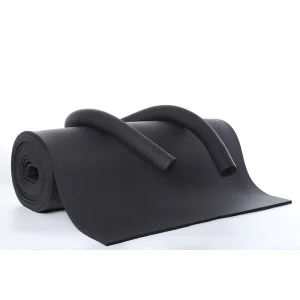
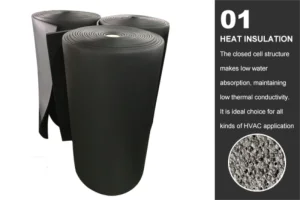
We produce closed-cell elastomeric rubber foam sheets in standard thicknesses ranging from 6mm to 50mm. Thick-wall variations can be produced to meet condensation control requirements in tropical zones.
When installed according to engineering guidelines and shielded from direct weathering, our thermal insulation solutions maintain performance for 10 to 15 years, depending on operation limits.
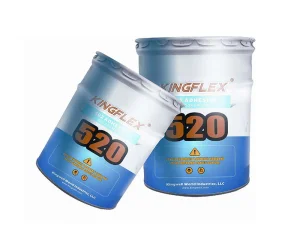
Examine our complete selection of elastomeric foam sheets, high-temp sleeves, and bonding solutions.
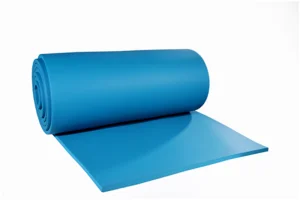
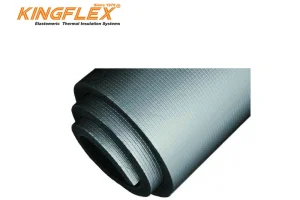
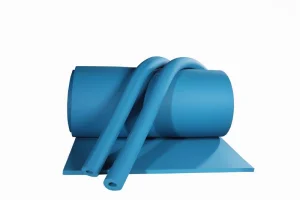
Get in touch with our technical team today to discuss project parameters, receive standard compliance certificates, and request free product samples.
Send Inquiry Now Kingflex