Premium glass fiber and elastomeric insulation systems optimized for residential cooling, industrial processes, and large-scale architectural projects across Cairo and Alexandria.
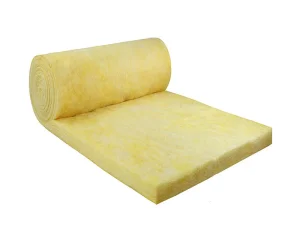
Engineered for large roof configurations and commercial building HVAC ducts in hot Egyptian climates. Features high tensile strength, exceptional fire resistance, and superior thermal acoustic absorption properties.
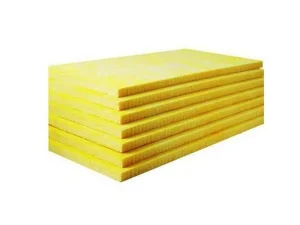
Structural and rigid glass wool boards customized for wall cavity insulation, partition systems, and mechanical room noise dampening. Delivers high density stability and standard non-combustibility.
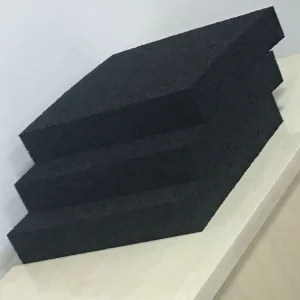
Premium open-cell elastomeric nitrile insulation designed for superior acoustics in ventilation ducts. Minimizes fan noise transmission while providing reliable moisture and condensation defense.
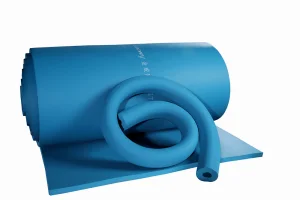
Specially formulated elastomeric foam capable of withstanding extreme cryogenic conditions. Ideal for LNG gas processing facilities and low-temperature industrial pipe runs near coastal ports.
As Egypt accelerates its sustainable infrastructure agenda—marked by the expansion of the New Administrative Capital (NAC), New Alamein City, and major petrochemical zones—thermal insulation has transitioned from a structural option to a critical energy-saving mandate. In arid climates where summer ambient temperatures frequently exceed 45°C, unregulated heat transfer dramatically drives up energy bills due to extensive air conditioning operation.
Glass wool insulation acts as a prime thermal barrier. Composed of fine, biosoluble glass fibers interlocked by a thermosetting resin, it traps millions of microscopic air pockets. This structure effectively suppresses heat transmission (conduction) and limits sound wave propagation. Implementing high-density glass wool blankets and boards in commercial roofs, curtain walls, and HVAC duct systems reduces cooling energy demands by up to 35%, supporting Egypt’s nationwide decarbonization efforts.
Furthermore, Egypt's strategic industrial sectors—such as LNG liquefaction plants in Idku and Damietta, and extensive maritime pipelines in the Suez Canal Zone—require specialized low-temperature cryogenic insulation. The integration of closed-cell elastomeric nitrile rubber and structured rock wool systems prevents pipeline sweating, condensation-related corrosion (CUI), and critical cold loss.
Provides low thermal conductivity (λ) ranging from 0.032 to 0.040 W/(m·K), ensuring excellent insulation efficiency under direct sunlight.
Exceptional sound absorption coefficients (NRC up to 0.95), minimizing airborne noises in offices, commercial structures, and factories.
Naturally fireproof glass wool fibers withstand temperatures up to 400°C without generating toxic smoke or fueling building fires.
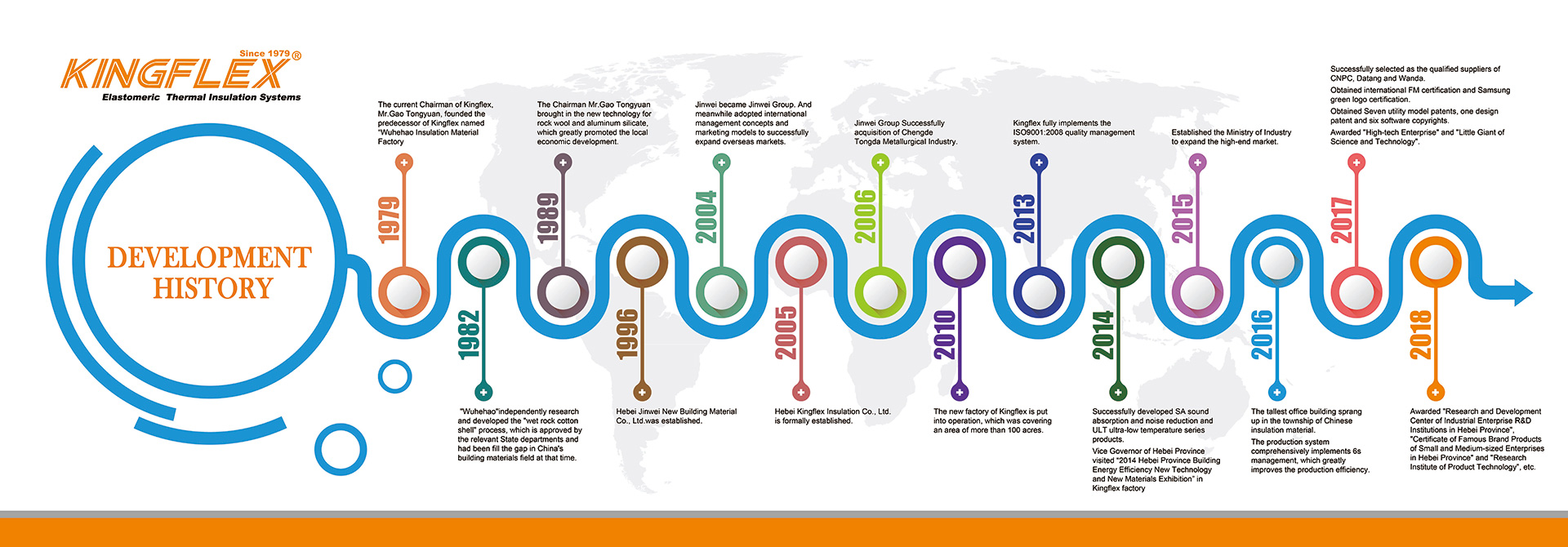
A heritage of manufacturing excellence, advanced R&D, and global compliance since 1979.

Kingflex Insulation Co., Ltd. is a professional manufacturing and trading combo for thermal insulation products. Our core research, development, and advanced production department is located in Dacheng, China—the well-known capital of green building materials. As an energy-saving, environmentally friendly enterprise, we concentrate on the research, development, production, and worldwide sales of advanced insulation systems.
In operation, Kingflex takes energy saving and consumption reduction as its core concept. We provide turnkey insulation solutions via high-level consultation, active research and development, continuous production line improvement, professional installation guidance, and reliable post-sale support. Our goal is to lead the development of the global building materials industry with top-tier efficiency.
Established under the parent umbrella of the Jinwei Group, which boasts more than 40 years of industrial history, Kingflex carries forward a rich legacy. The group was originally founded in 1979 and stands proud as the first manufacturer of thermal insulation materials north of the Yangtze River.
Annual m³ Capacity
Auto Assembly Lines
Exporting Countries
Years Heritage
Our employees are outstanding professionals in their respective disciplines, working collaboratively to make Kingflex an efficient and rewarding workplace. The Kingflex team is a tight-knit, talented group united by a shared vision: delivering consistently first-class service to our international clients.
To support high-tech customization and maintain strict quality standards, Kingflex maintains a state-of-the-art R&D department staffed by 8 professional engineers, alongside 6 dedicated international sales managers and 230 experienced operators in our production facilities.
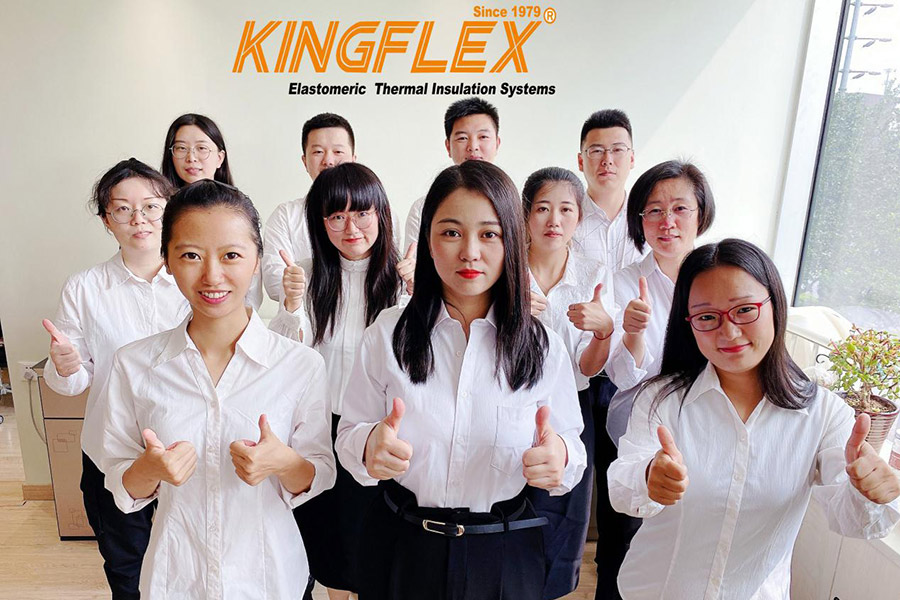
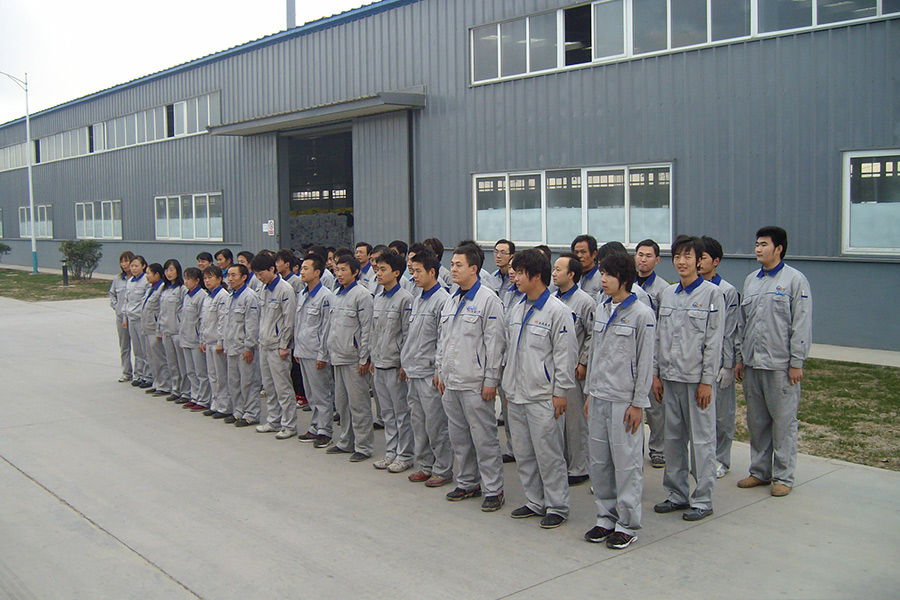

Combining technological manufacturing, reliable quality standards, and efficient maritime logistics from China to Egyptian ports.
Our insulation systems are tested and certified to global standards like BS 476, CE, REACH, RoHS, UL94, and ASTM. This ensures compliance with Egyptian building safety codes and engineering standards.
We offer fully custom dimensions, density configurations, and facings (such as reinforced aluminum foil, FSK jacket, or black tissue) designed to meet specific engineering drawings.
Every batch of products includes complete production log traceability. We manage high-volume export shipping to Alexandria, Damietta, and Sokhna Port with optimized vacuum compression to lower freight costs.
| Performance Characteristic | High-Density Glass Wool Products | Closed-Cell Elastomeric NBR/PVC Rubber |
|---|---|---|
| Operating Temperature | -120°C up to +400°C | -40°C up to +105°C |
| Thermal Conductivity (at 20°C) | 0.032 - 0.038 W/(m·K) | 0.034 - 0.036 W/(m·K) |
| Moisture Resistance (μ-factor) | Requires vapor barrier jacket (e.g., Aluglass) | Extremely high resistance (μ ≥ 7,000) |
| Fire Safety Classification | Class A1 Non-combustible (EN 13501-1) | Class 0 / Class 1 Flame Retardant (BS 476) |
| Primary Application Areas | HVAC large ducts, cavity wall partitions, hot steam pipes | Chilled water systems, VRF lines, refrigerant copper pipes |
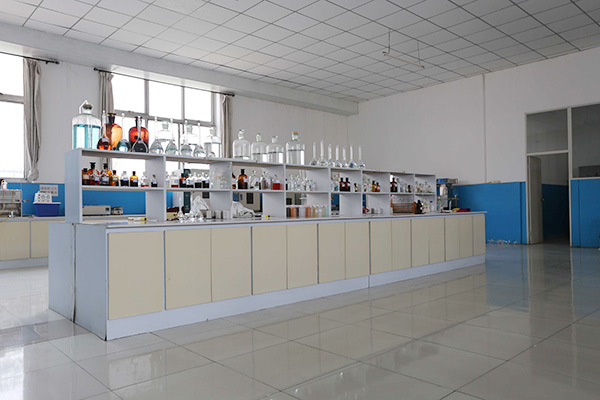
Inside our testing labs where precision meets global standards.

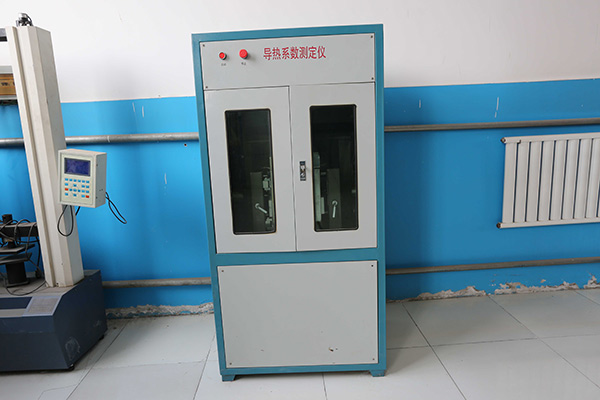
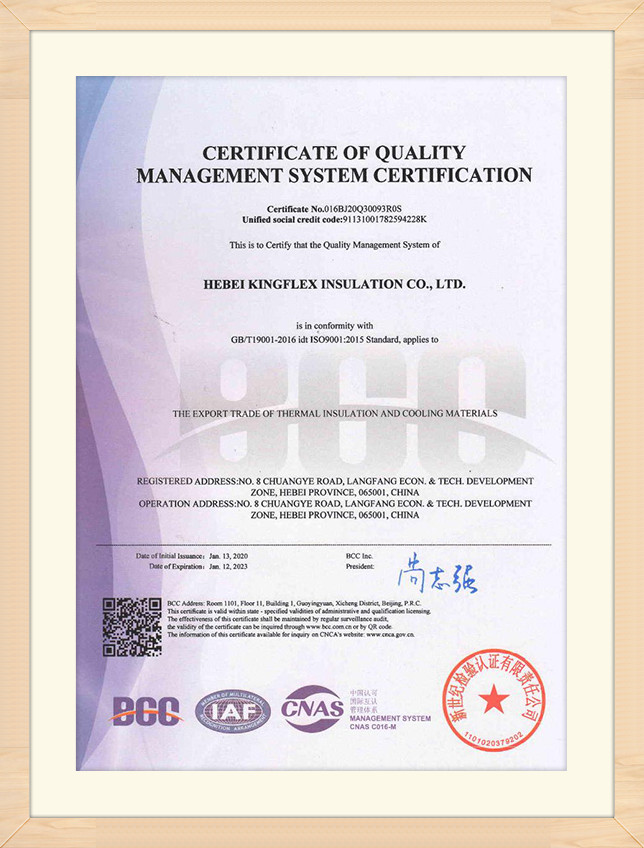


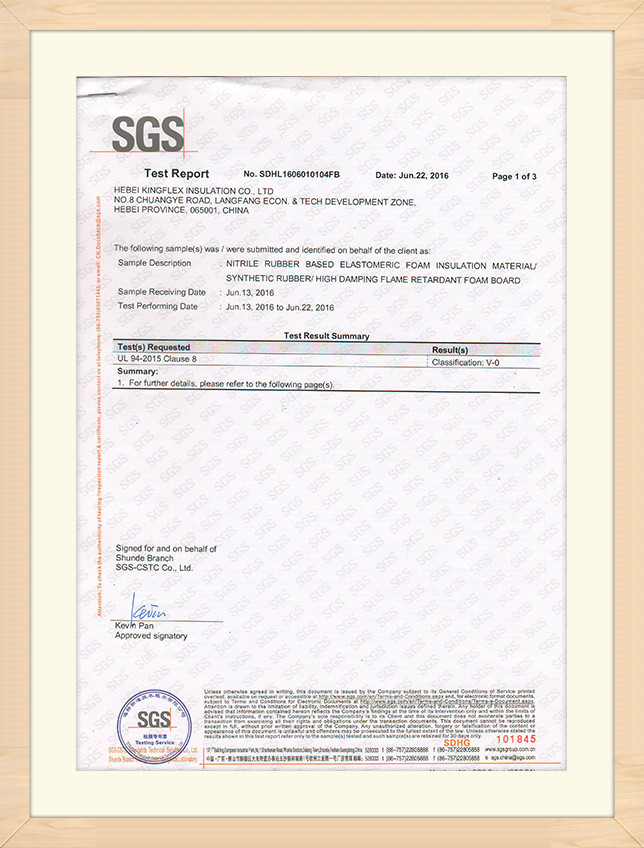
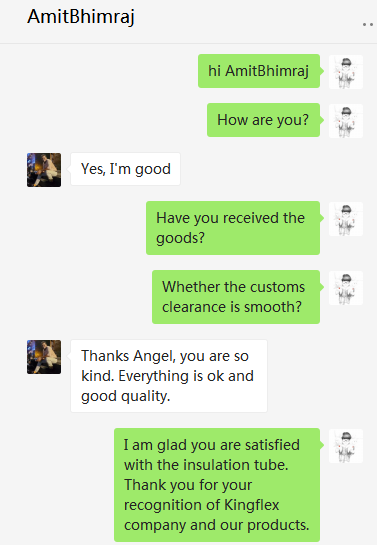
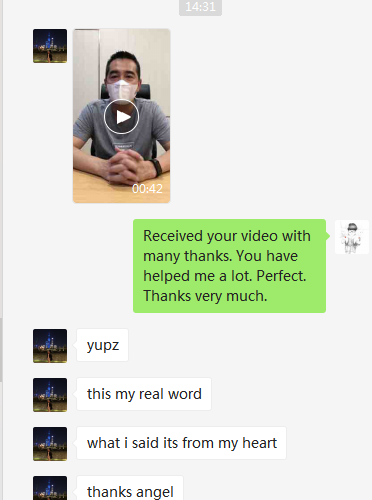
Proven installations in modern Egyptian projects and global feedback on performance.
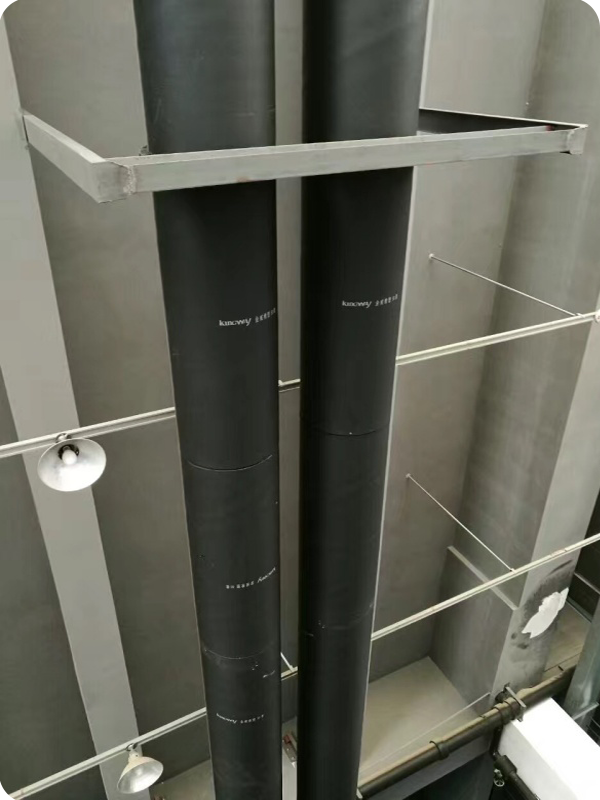
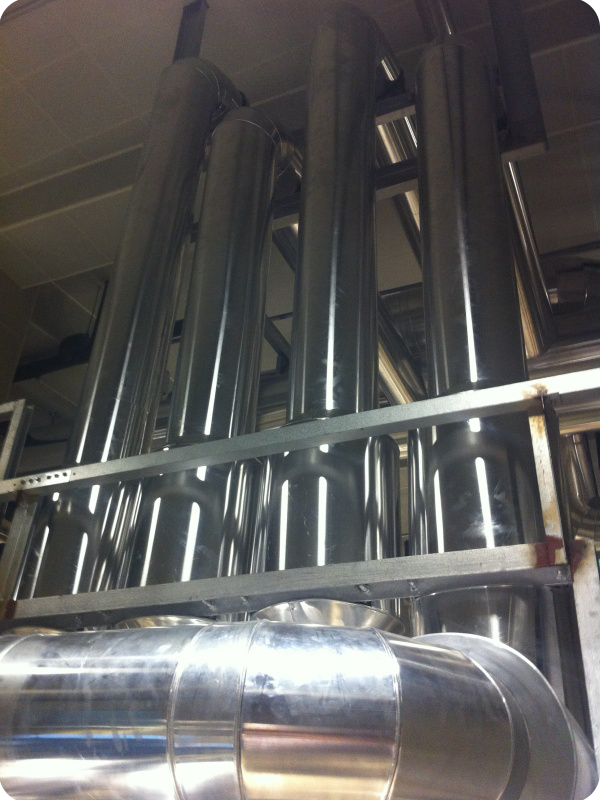
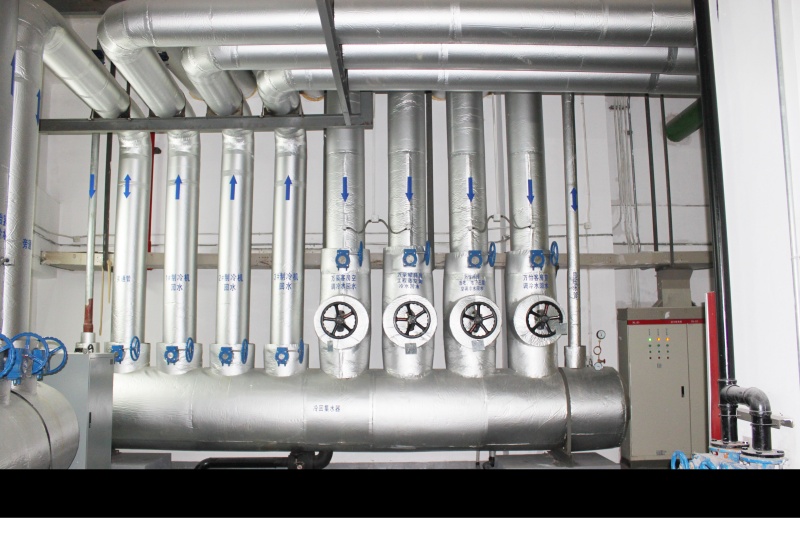
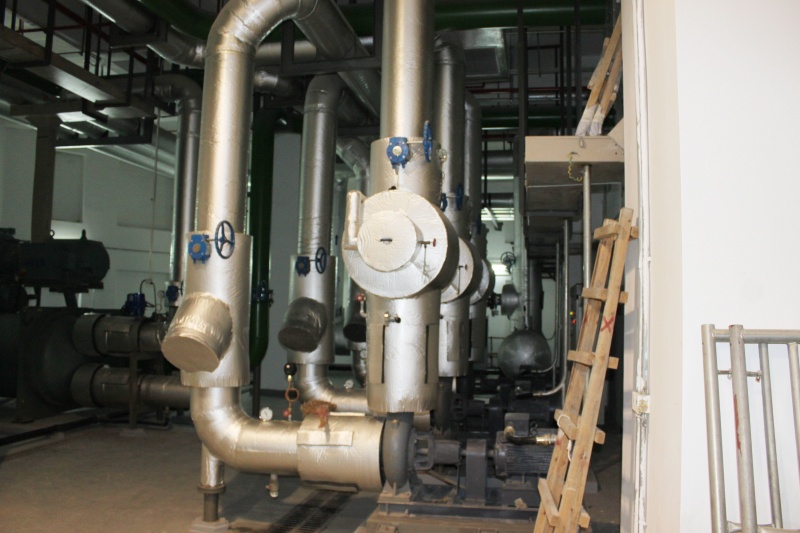
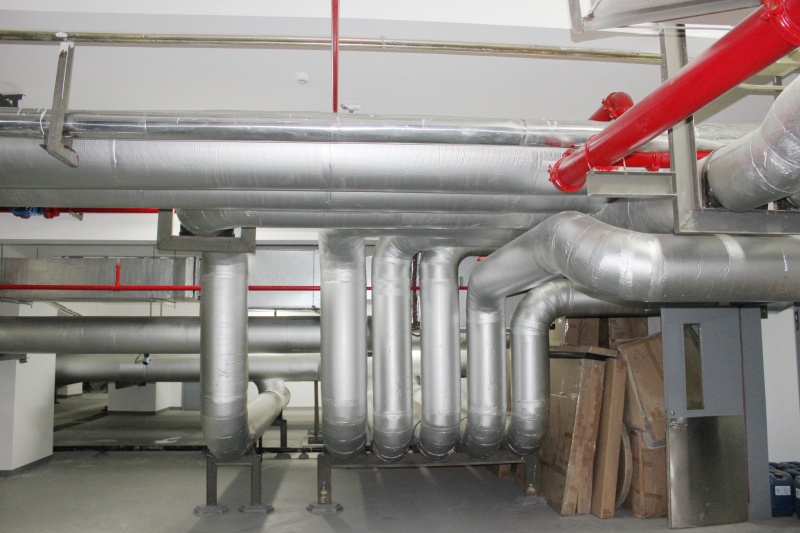
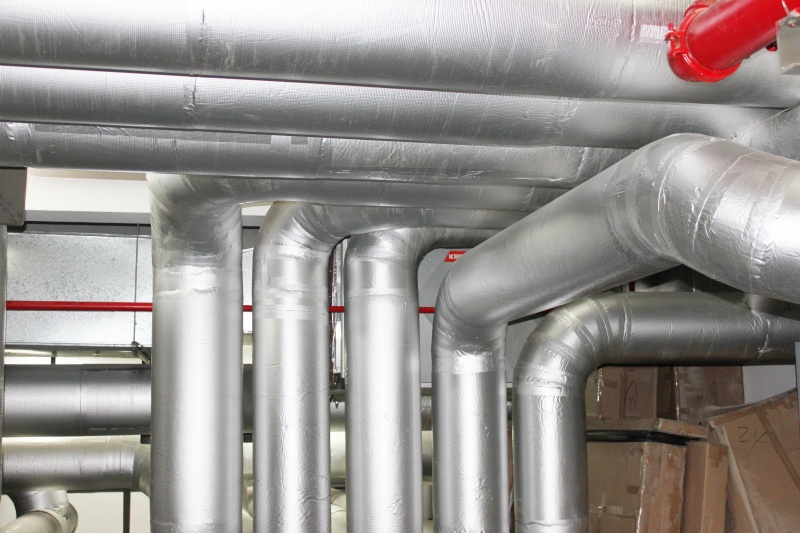
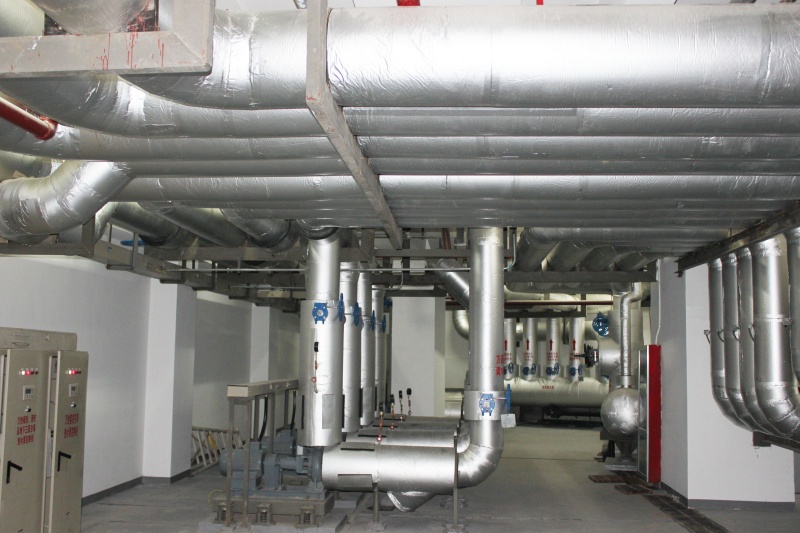
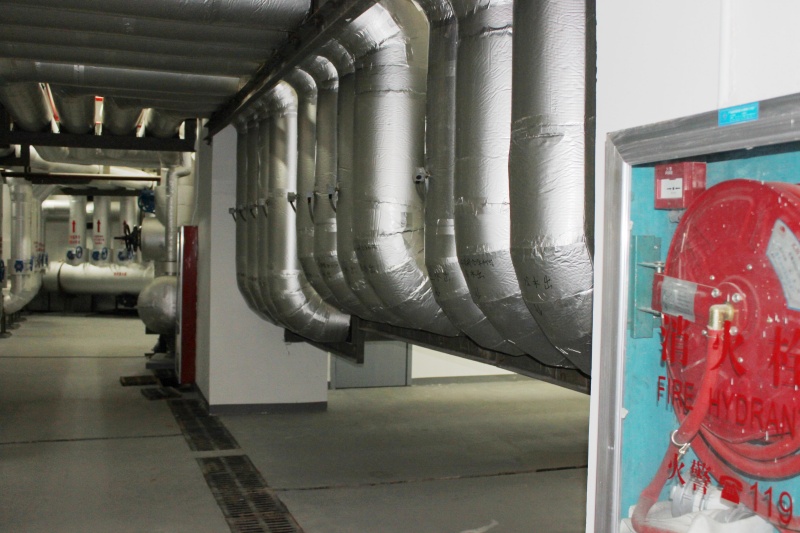
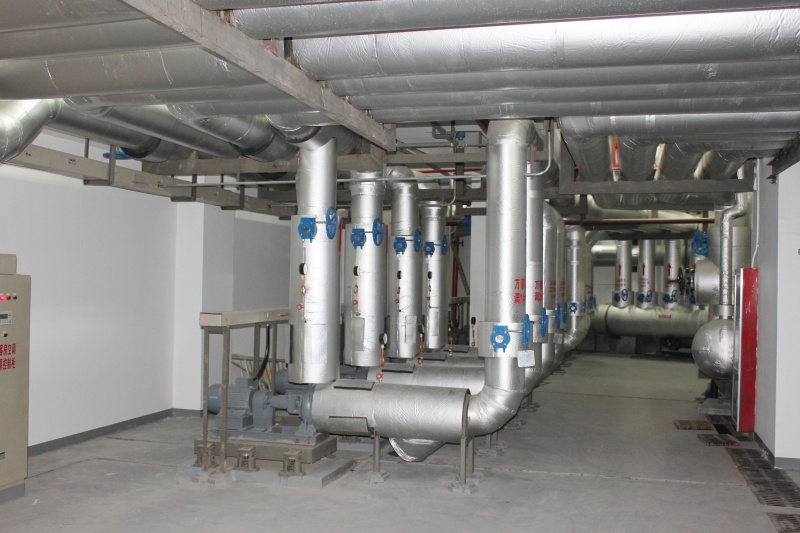
Our solutions have been implemented across commercial and public projects in Cairo, Alexandria, and Sokhna. By utilizing black rubber foam sheet rolls and rigid glass wool blankets, engineering contractors have achieved stable thermal control on large air-handling units (AHUs) and dual-temperature water pipes.

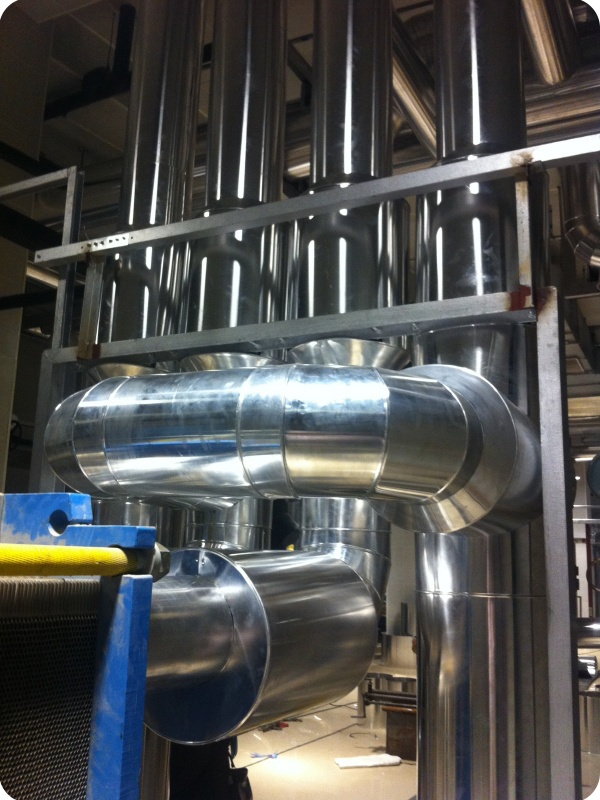



Discover our range of elastomeric, glass wool, and mineral fiber systems designed for diverse industrial and building applications.
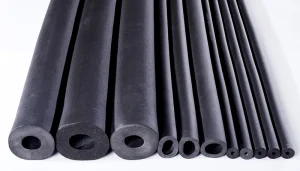
High-flexibility NBR tubing designed for VRF air conditioning lines. Limits temperature loss and prevents condensation in residential complexes.
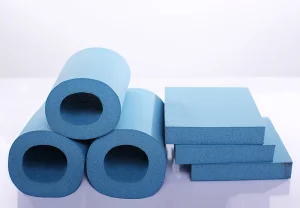
Ultra-low temperature multi-layer elastomeric insulation designed to prevent thermal cracking on liquid nitrogen and gas pipelines.
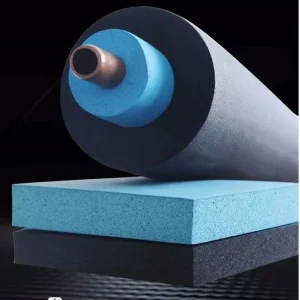
Industrial-grade elastomeric pipe covers built to handle high thermal stress in low-temperature process piping systems.
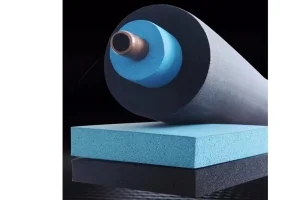
Closed-cell elastomeric panels offering outstanding moisture resistance for chemical processing equipment and low-temperature tanks.
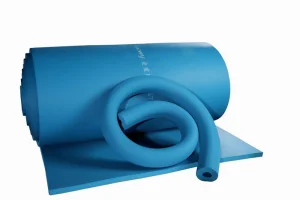
High-specification elastomeric thermal defense systems designed for LNG terminal storage tanks, offshore platforms, and port equipment.
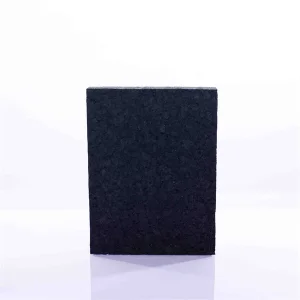
Acoustic attenuation insulation designed to absorb low-to-mid frequency vibrations in air-handling ducts and mechanical rooms.
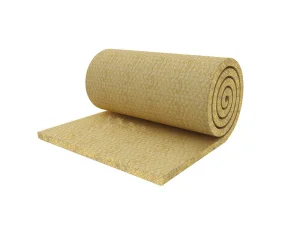
High-density mineral rock wool blanket featuring high temperature resistance. Ideal for industrial furnaces and high-pressure steam pipes.
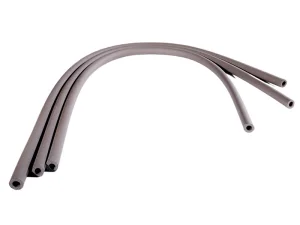
Halogen-free, non-toxic elastomeric tubes developed for closed public structures, railway stations, and high-safety environments.
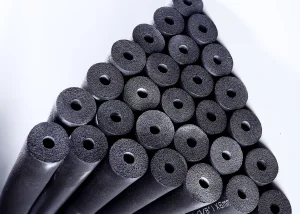
Standard HVAC elastomeric pipe insulation delivering balanced physical flexibility and consistent thermal conductivity ratings.
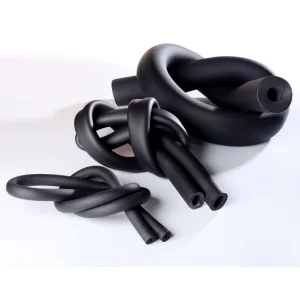
Premium-grade thermal piping insulation designed to reduce surface heat gain on outdoor condenser pipelines.
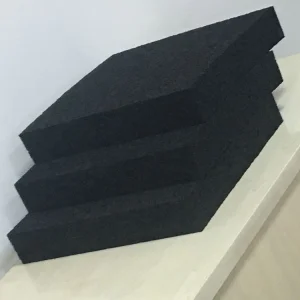
Open-cell elastomer foam sheeting optimized for machinery enclosures, inner HVAC casings, and partition soundproofing.
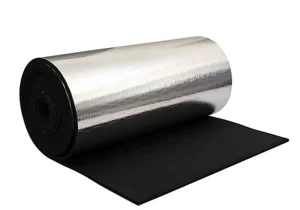
Heavy-duty aluminum-clad elastomeric insulation sheets providing enhanced physical protection and vapor barrier performance for outdoor ducts.
A look inside our 600,000 cubic meter facility supplying international projects.




Essential guidance for design engineers, MEP consultants, and global procurement managers serving the Egyptian market.
A1: It is mainly used for HVAC ducts, air conditioning pipes, building thermal insulation, industrial pipeline cold insulation, and sound insulation.
A2: Yes, our rubber foam insulation products are flame retardant, meeting the fire safety standards required for major commercial and industrial projects in Egypt (such as BS 476 Part 6 & 7 Class 0 and ASTM E84 compliance).
A3: Rubber foam is flexible, closed-cell, and naturally moisture-resistant, making it ideal for HVAC, refrigeration, and cold systems to prevent condensation. Rock wool and glass wool are fibrous, open structures with higher temperature tolerances, making them suitable for high-temperature steam lines, thermal wall cavities, and fire containment barriers.
A4: Yes, we offer comprehensive OEM services. We can customize density, inner/outer dimensions, thickness, and apply specialized protective facings (such as FSK foil, Aluglass, or self-adhesive backings) to suit project blueprints.
A5: Our products have passed BS 476, CE, REACH, ROHS, UL94, ASTM, and other major international certifications, ensuring compliance with global building codes and import standards.
A6: Yes, all Kingflex shipments are fully traceable. Each production batch undergoes strict quality control logging, from raw material sourcing to finished container loading.
A7: We can produce sheet rolls in thicknesses ranging from 6mm up to 50mm to meet different thermal barrier requirements.
A8: Under standard operating conditions with professional installation, the estimated service life ranges from 10 to 15 years.
A9: We are experienced with Egyptian customs import rules. We provide complete documentation, including certified test reports, bills of lading, certificates of origin, and compliance files, and can coordinate directly with your clearing agents at Alexandria, Sokhna, or Port Said ports.
A10: In high-temperature regions like Egypt, choosing the correct glass wool density (e.g., 24kg/m³, 32kg/m³, or 48kg/m³) ensures the material maintains structural integrity and low thermal conductivity, preventing sagging under extreme roof cavity heat.
 Kingflex