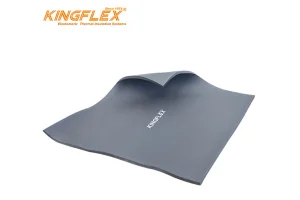
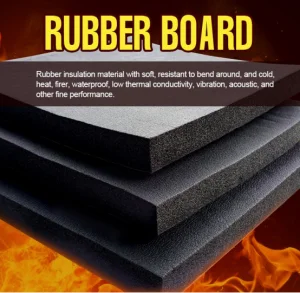
Engineered for extreme structural thermal protection and acoustic dampening under the specific climate conditions of East Africa.
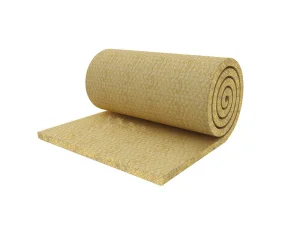
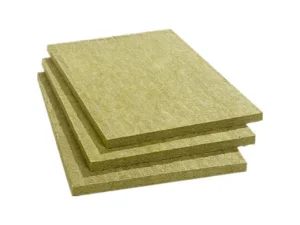
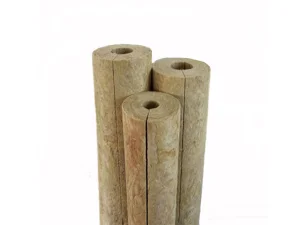
Ethiopia stands as one of the fastest-growing economies in East Africa, powered by historic infrastructure programs, massive industrial parks, and swift urban development. In metropolitan areas like Addis Ababa, Hawassa, Kilinto, and Bole Lemi, the boom in commercial properties, high-density residential buildings, and chemical facilities has significantly heightened structural fire safety and energy performance requirements. Specifically, basaltic rock wool insulation products have transitioned from optional specifications to critical project mandates under modern building codes.
As Ethiopia targets sustainable, self-sufficient manufacturing, industrial complexes require robust protection systems to contain high-temperature operations, insulate steam boilers, and secure HVAC networks. Rock wool insulation provides an outstanding defense, delivering a melting point above 1000°C alongside structural sound-dampening capabilities.
Ethiopia’s distinct topography, ranging from hot, dry lowlands to temperate highlands, generates thermal stress across building envelopes. Standard materials suffer from condensation and rapid aging under these daily temperature fluctuations. Closed-cell elastomeric rubber foams work well for medium-temperature systems, but high-temperature steam pipelines, fire barriers, and boiler systems demand rock wool’s heavy thermal capacity and structural integrity.
The global rock wool sector is evolving due to stricter international fire codes and rising energy prices. Modern manufacturing techniques leverage basaltic rock melting processes using advanced electric cupola furnaces, reducing energy footprints while ensuring high fibers consistency. In response to global trends, factories now apply biological organic binders, producing eco-friendly rock wool that is bio-soluble and compliant with EU and ASTM standards.
For developing markets like Ethiopia, importing high-efficiency rock wool insulation provides direct access to these global advancements, helping builders secure certifications like CE, UL94, and BS 476. By matching thermal conductivity limits (λ ≤ 0.035 W/m·K) and ensuring fire hazard classification A1, engineering groups in East Africa can confidently build international-grade facilities.
Implementing insulation solutions in Ethiopia requires identifying specific regional needs:
Designing engineers must evaluate physical characteristics to select the correct product density and dimensions. Below is the technical breakdown for Rock Wool and NBR/PVC Rubber Foam insulation materials:
| Insulation Category | Material Base | Density Range (kg/m³) | Service Temp Range | Standard Compliances | Recommended Applications |
|---|---|---|---|---|---|
| Rock Wool Board | Basaltic Mineral Ore | 60 - 150 kg/m³ | -260°C to +850°CASTM C612, BS 476 Class 0 | Building curtain walls, structural fire barriers, furnace insulation | |
| Rock Wool Pipe Shell | Fibrous Mineral Base | 100 - 130 kg/m³ | -120°C to +750°C | EN 13162, CE Certified | High-temperature industrial steam lines, hot process pipes |
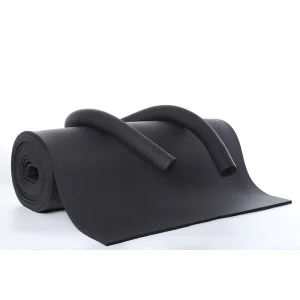
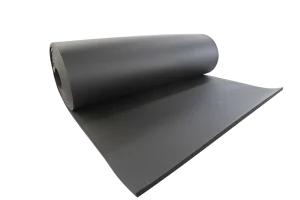
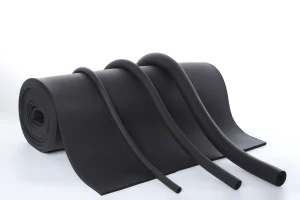
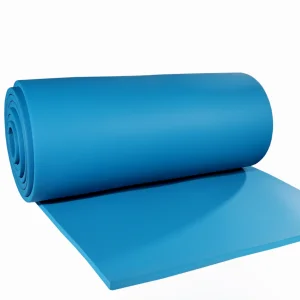
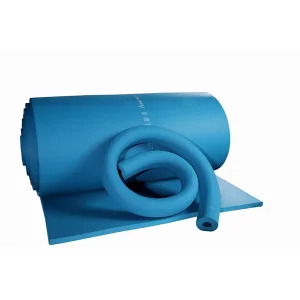
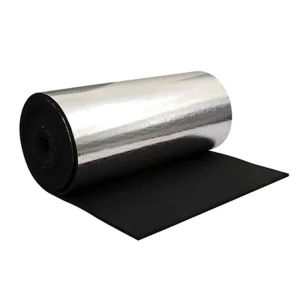
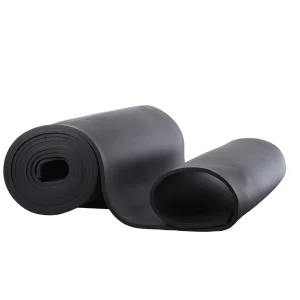
| NBR/PVC Rubber Foam Sheet | Closed-Cell Elastomeric | 40 - 55 kg/m³ | -40°C to +105°C | UL94 V-0, ASTM C534 | Chilled water systems, central AC ducting, condensation prevention |
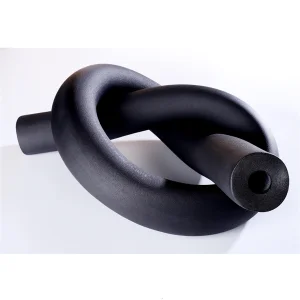
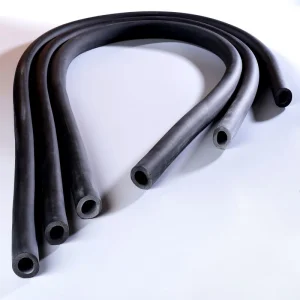
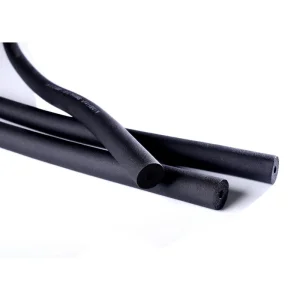
| Elastomeric Pipe Tube | Closed-Cell Elastomeric | 45 - 55 kg/m³ | -40°C to +105°C | BS 476 Part 7, CE | Refrigerant copper piping, HVAC plumbing, localized insulation |
Pricing in the East African region depends on density, raw material quality, logistics to the Port of Djibouti, and Ethiopian customs procedures. Below are indicative wholesale FOB rates, helpful for local quantity surveyors drafting project bills of quantities (BOQ):
| Product Configuration | Standard Dimensions (mm) | Target Density | Estimated FOB Price Range (USD/m³) | Minimum Order (MOQ) |
|---|---|---|---|---|
| Rock Wool Board (Fire Barrier) | 1200 x 600 x 50 / 100 | 80 kg/m³ | $130 - $185 | 1x40' HQ Container |
| Rock Wool Blanket (Alu Foil Faced) | 5000 x 600 x 50 | 60 kg/m³ | $95 - $145 | 1x40' HQ Container |
| Heavy Duty Industrial Rock Wool Board | 1200 x 600 x 100 | 120 kg/m³ | $180 - $240 | 1x40' HQ Container |
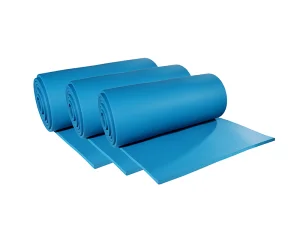
| NBR/PVC Elastomeric Rubber Roll | 10000 x 1000 x 25 | 45 kg/m³ | $3.2 - $5.5 / sq.m | 1x20' GP Container |
Kingflex Insulation Co., Ltd. is a professional manufacturing and trading combo for high-end thermal insulation products. Our core R&D and production departments are located in Dacheng, China—a renowned capital of green-building materials. We prioritize energy efficiency and environmentally friendly manufacturing practices.
We offer end-to-end insulation systems, from raw-material research and product formulation to expert installation support and post-sale technical guidance. Our approach ensures major industrial complexes and commercial properties across Africa receive high-performing energy savings.
Industrial Heritage: Kingflex was established by the Jinwei (Kingway) Group, which carries more than 40 years of industry experience since its founding in 1979. As the first thermal insulation manufacturer north of the Yangtze River, we maintain strict quality standards in all production processes.

We believe that a collaborative and dedicated workforce is the key to consistent delivery. The Kingflex team includes 8 professional R&D engineers, 6 experienced international sales associates, and 230 skilled production personnel, all working to provide a premium service experience.

Kingflex runs 5 large automated assembly lines, with an annual output capacity exceeding 600,000 cubic meters. Our factories are designated production centers for the Ministry of Energy and the Ministry of Chemical Industry, ensuring we can comfortably supply large-scale Ethiopian infrastructure developments.
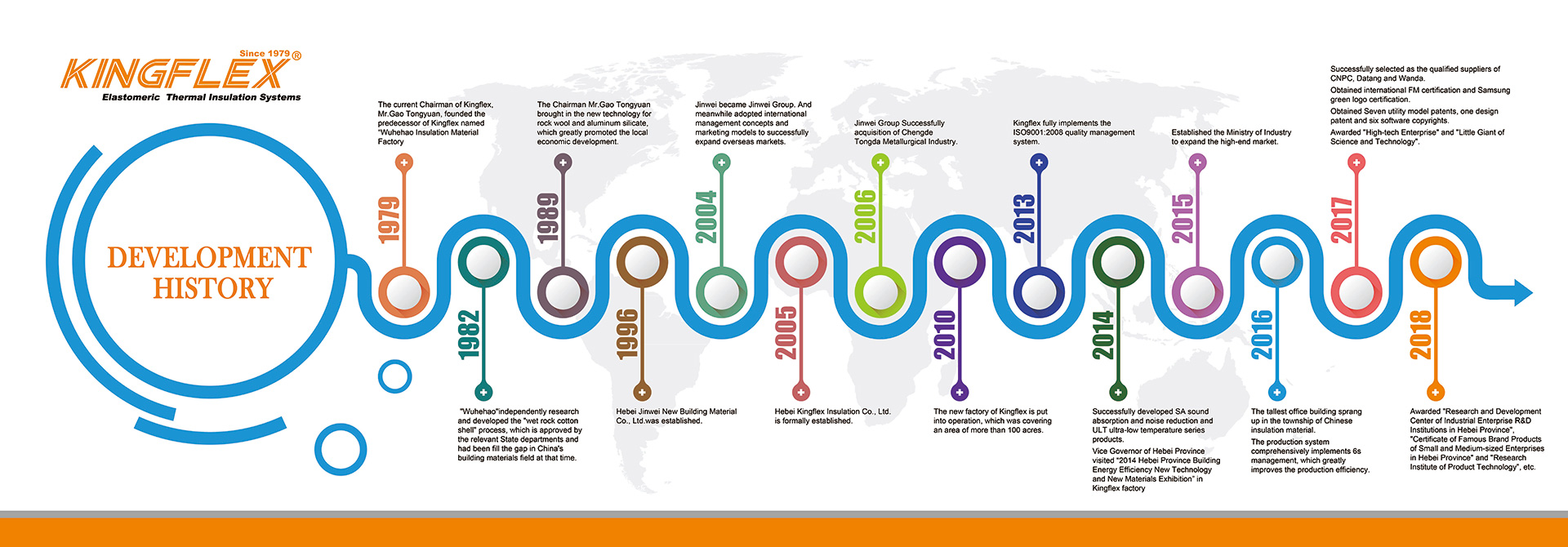
We specialize in complete system designs for energy saving, cold containment, and sound attenuation. Our products are exported to over 66 countries, ensuring projects worldwide benefit from proven technology and reliable field performance.
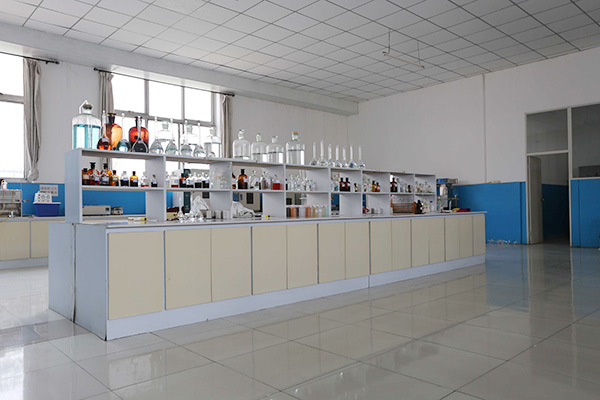

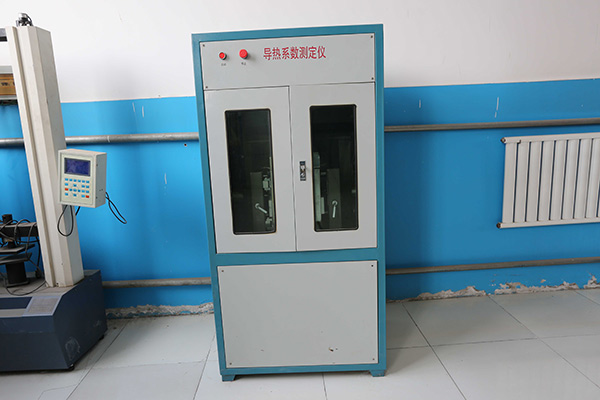
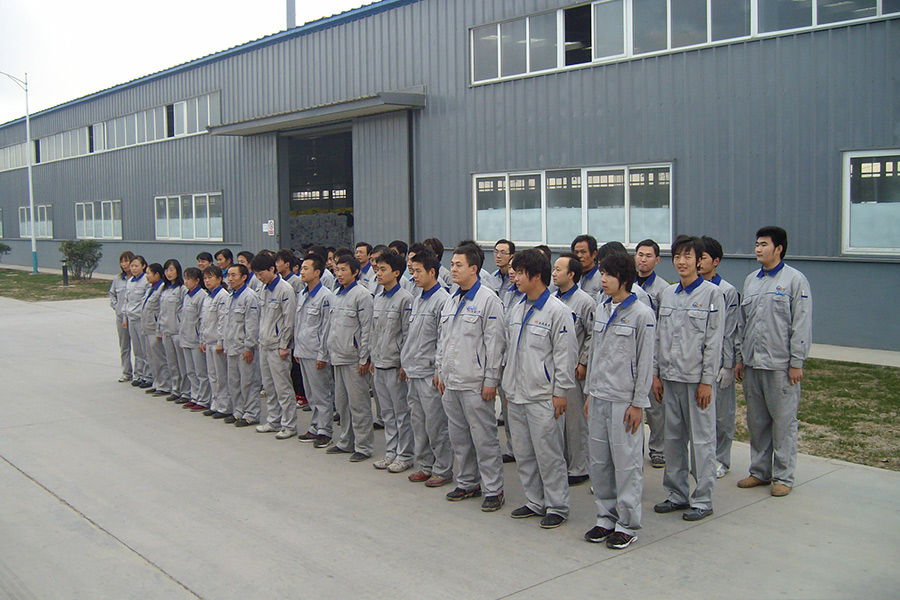

Our manufacturing processes and thermal products meet strict global criteria, offering reliable tracing for municipal projects.
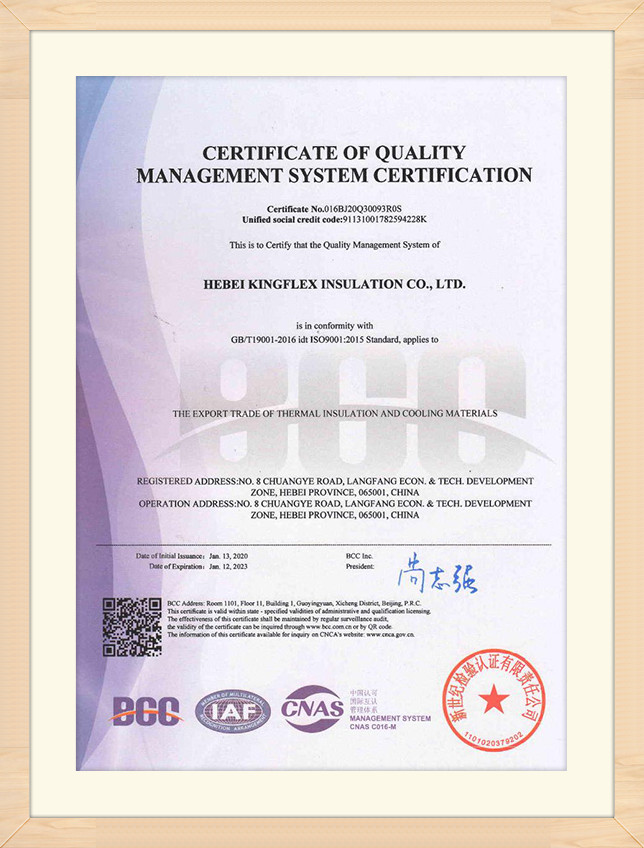


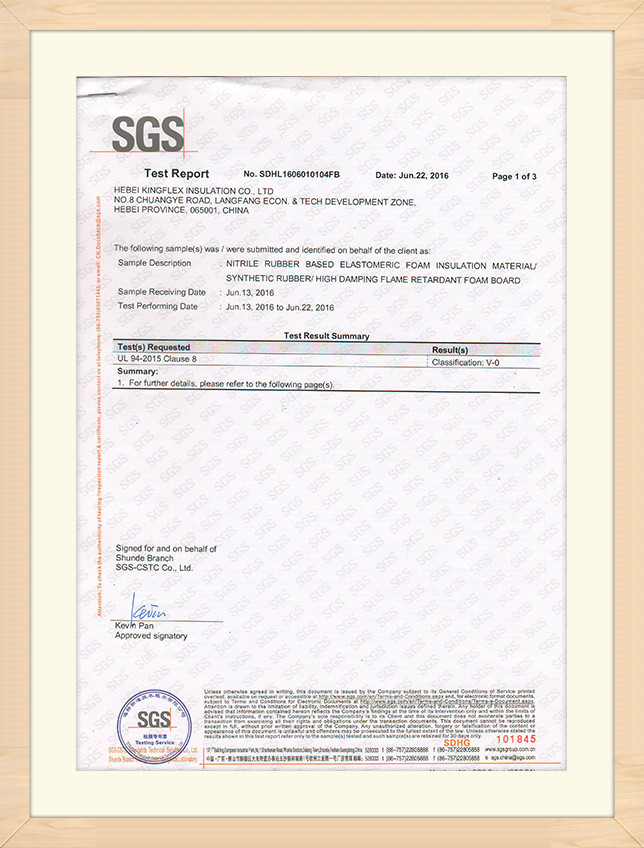
Real communication highlights our dedication to fast shipments, technical support, and product quality.





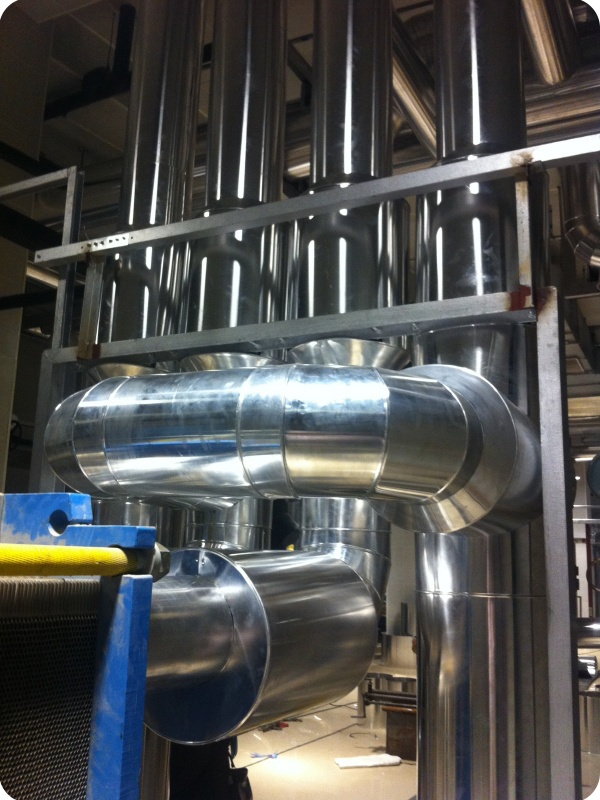
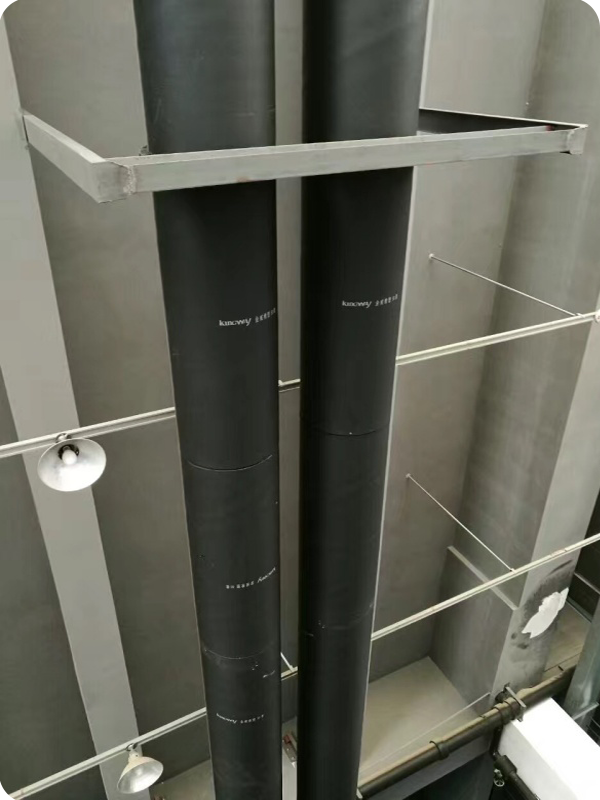
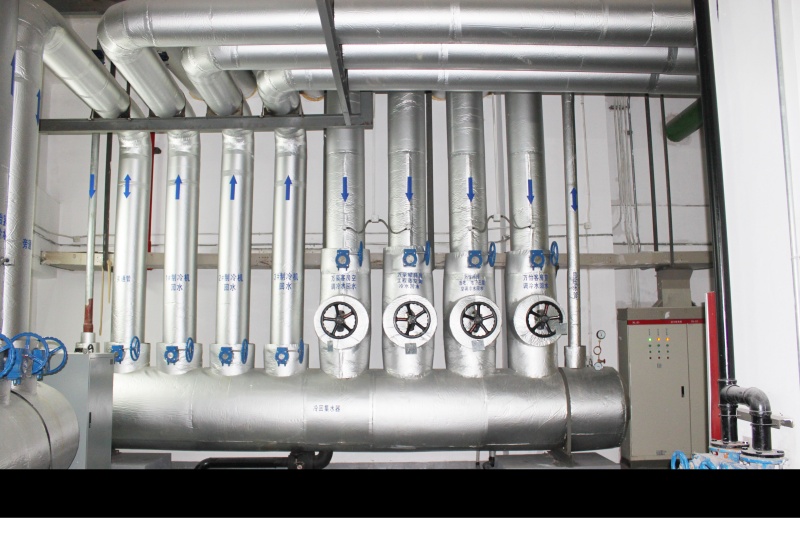
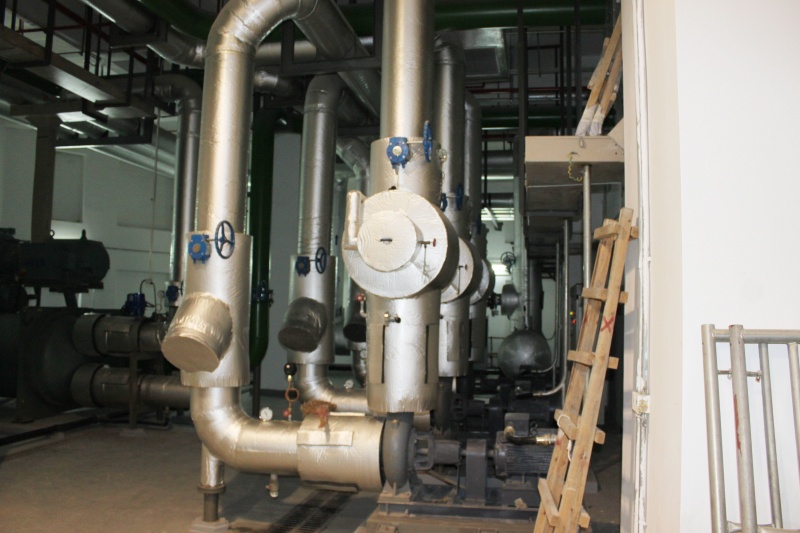
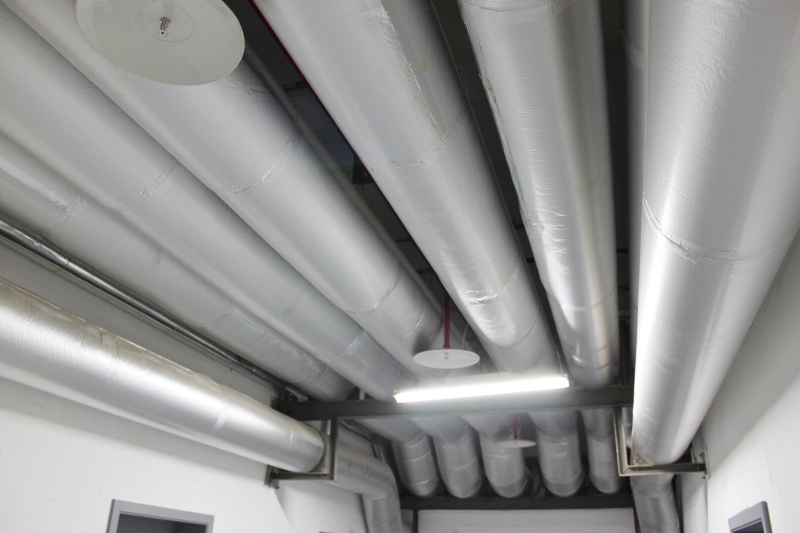
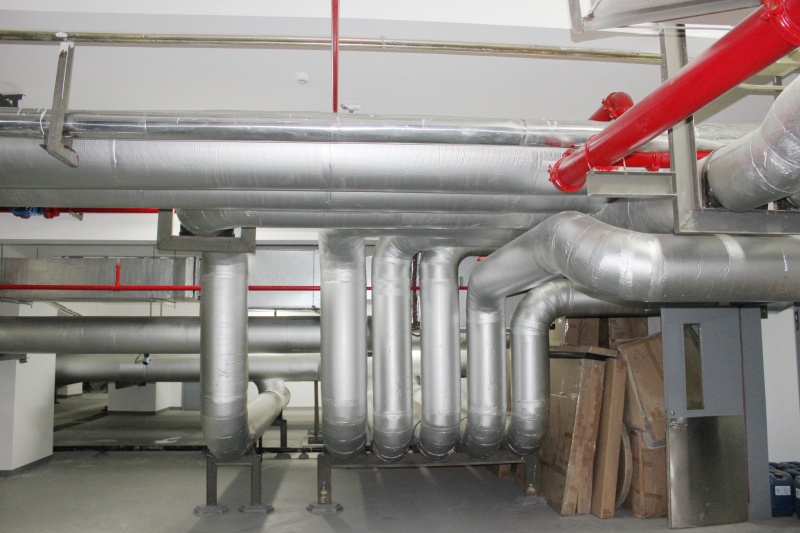
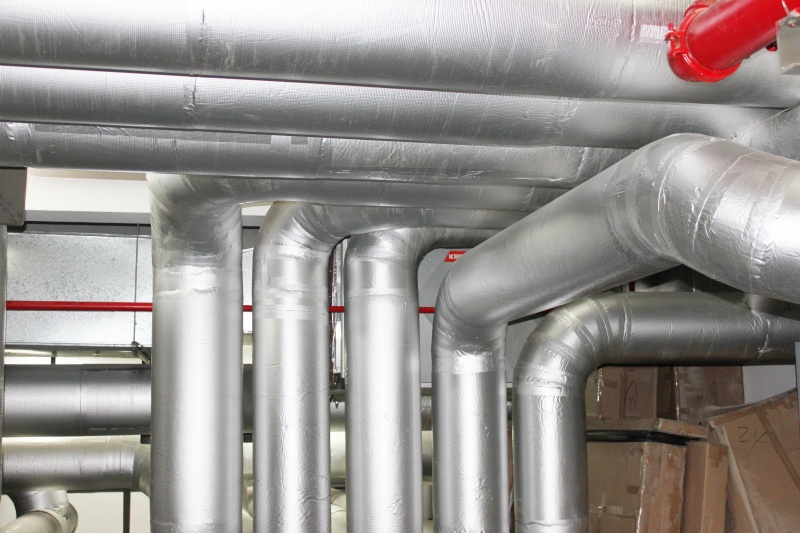
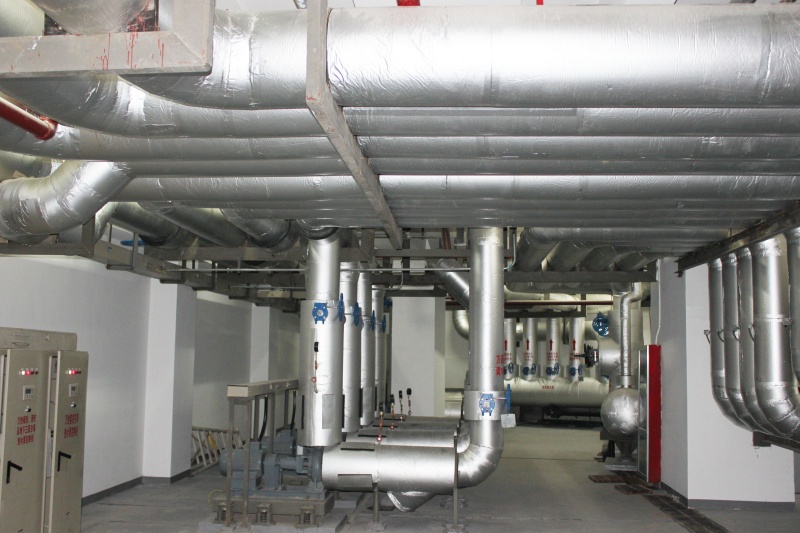
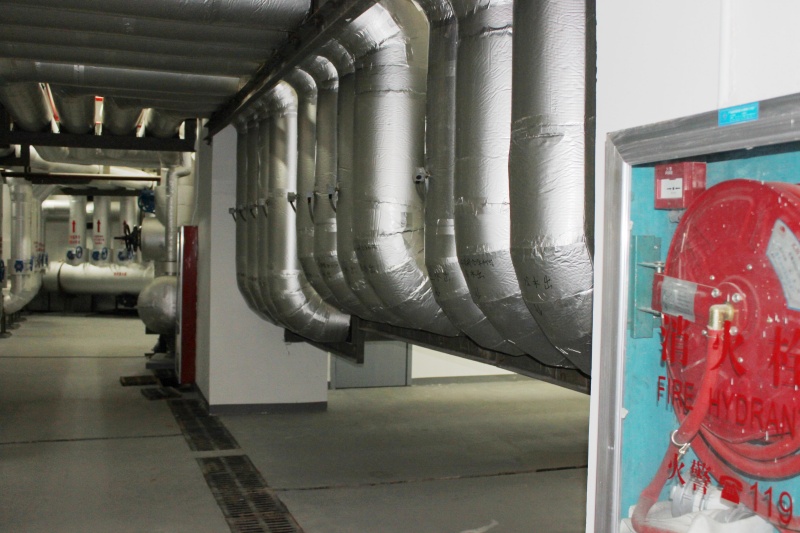
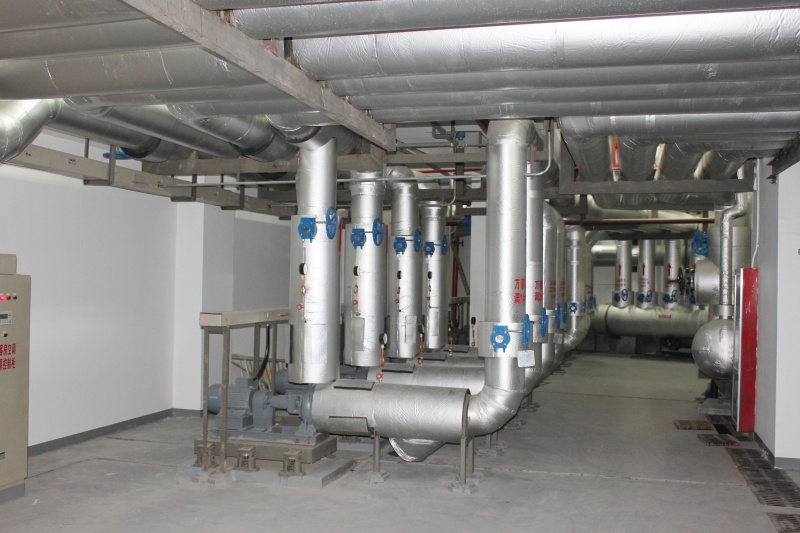
From large industrial complexes to modern commercial real estate, our high-density insulation products protect pipelines and structural framework across regional hubs.






Expert answers about material performance, specifications, global standards, and project logistics in East Africa.
Select from our certified insulation catalogs, designed to support construction and industrial projects throughout Ethiopia.
 Kingflex