Engineered for energy efficiency, fire compliance, and acoustic control in urban commercial construction.
An Executive Technical Briefing on Building Energy Act (GEG) Compliance, Structural Fire Safety, and Material Engineering
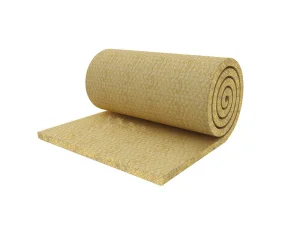
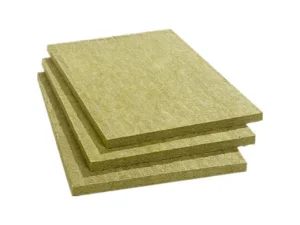
As the European Union moves aggressively toward carbon neutrality by 2050, municipal policies in major metropolises like Berlin are shifting structural requirements toward sustainable, high-efficiency building envelopes. Germany’s updated Building Energy Act (Gebäudeenergiegesetz - GEG) dictates rigorous standards for thermal resistance, limiting permissible U-values of external walls, roofs, and industrial piping networks. In this landscape, modern rock wool (stone wool) insulation has emerged as an indispensable technology. Providing a class-leading thermal conductivity ($\lambda$-value as low as 0.035 W/mK), superior sound attenuation, and an exceptional fire hazard mitigation profile, rock wool enables engineers and project developers to satisfy strict regulatory frameworks while maximizing investment returns.
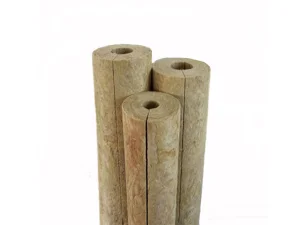
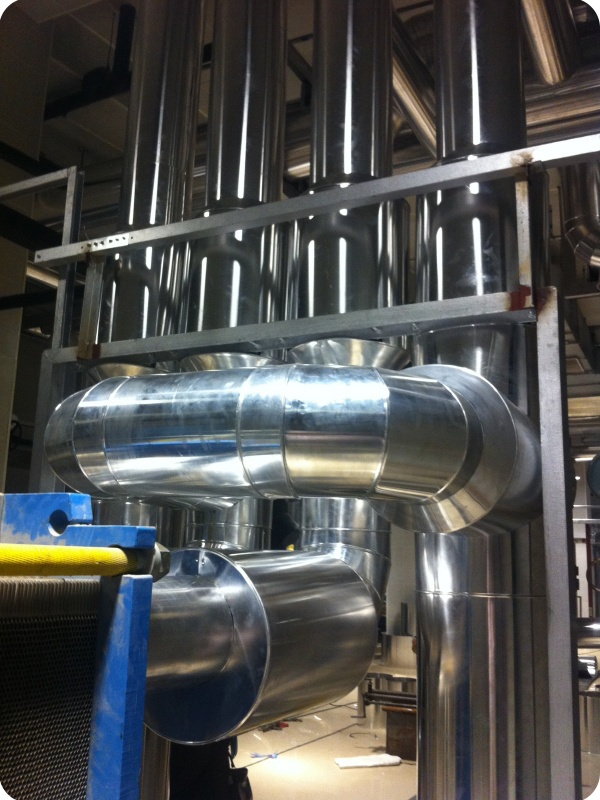
Berlin is characterized by a unique mix of historical structural retrofits (such as classic *Altbau* transformations in Kreuzberg, Mitte, and Prenzlauer Berg) and major new commercial nodes like Siemensstadt Square and the Adlershof Science and Technology Park. Retrofitting historical facades requires high-density mineral wool insulation that does not compromise historic aesthetics, yet delivers contemporary thermal performance and vapor permeability. Simultaneously, Berlin's municipal district heating network (Fernwärme), one of the largest in Europe, demands industrial-grade insulation pipes capable of resisting temperatures up to 650°C. Kingflex Rock Wool and Elastomeric Insulation systems are explicitly designed to address these complex thermal gradients, minimizing energy transit losses across municipal networks.
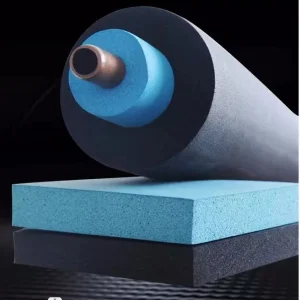
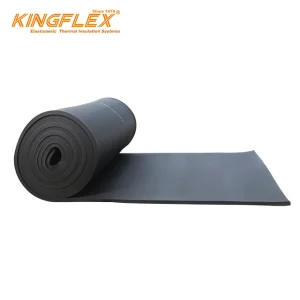
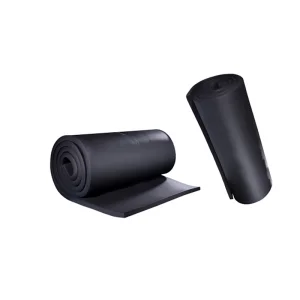
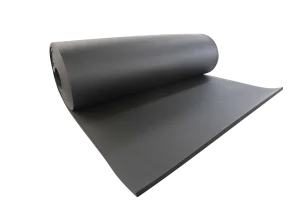
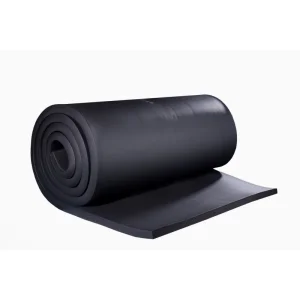
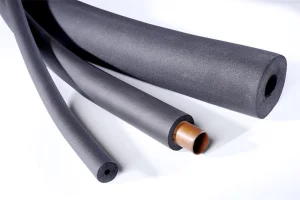
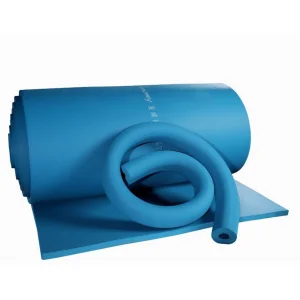
Engineers must balance different physical properties when selecting insulation systems. The table below highlights key performance differences between Kingflex Rock Wool Boards and Kingflex NBR/PVC Closed-Cell Elastomeric Foams, helping procurement agents in Berlin select the ideal product for their specific applications.
| Performance Metric | Kingflex Rock Wool Insulation | Kingflex Elastomeric Rubber Foam |
|---|---|---|
| Material Base | Basalt and volcanic rock fibers | NBR/PVC Synthetic Rubber |
| Thermal Conductivity ($\lambda$ at 10°C) | $\le 0.035 - 0.040$ W/m·K | $\le 0.033 - 0.035$ W/m·K |
| Service Temperature Limit | -120°C up to +650°C | -40°C up to +105°C (Ultra-low for cryogenic) |
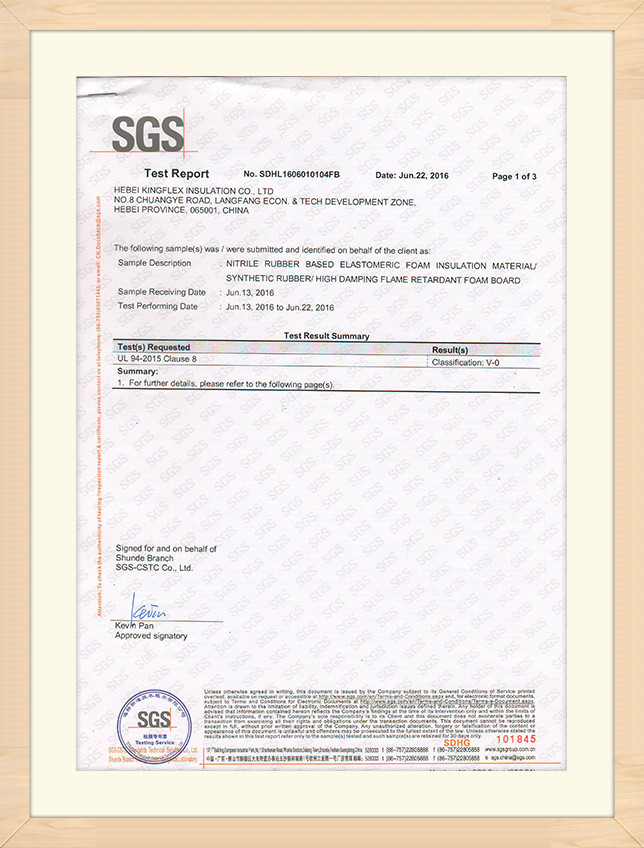
| Fire Classification (EN 13501-1) | Euroclass A1 Non-Combustible | Class B / Class 0 (Self-extinguishing) |
| Moisture Resistance | Vapor permeable (requires vapor barrier outdoors) | Closed-cell structure ($\mu \ge 10,000$) Built-in barrier |
| Primary Application | High-temperature industrial pipes, structural firewalls | HVAC ducts, chilled water lines, cryogenic pipes |
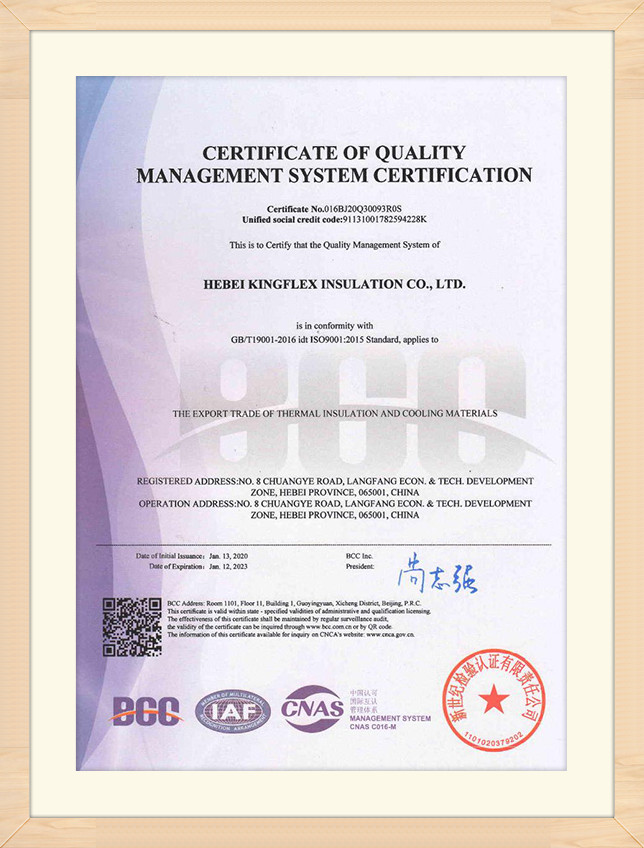
Procuring bulk quantities of mineral wool and rubber foam products from major production hubs in China requires a transparent, certified supplier. At Kingflex Insulation, our strategic integration with the Jinwei Group (established in 1979) allows us to execute large-scale, high-velocity bulk manufacturing. We coordinate seamless maritime and rail logistics, shipping from major Chinese coastal ports directly to key European logistics hubs such as Hamburg or Rotterdam. From there, inland freight brings high-density thermal boards and pre-formed pipe sections directly to construction sites across Berlin. Every shipment is backed by verified customs documents, CE certifications, and product conformity sheets complying with EU Construction Products Regulation (CPR).
Take a closer look at our testing and manufacturing operations, ensuring ISO compliance and high-performance product delivery.

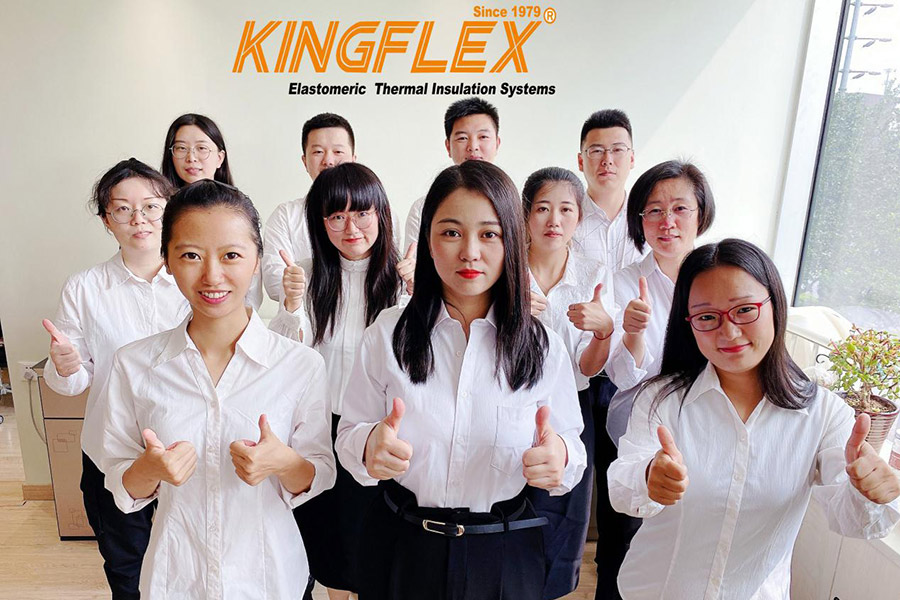
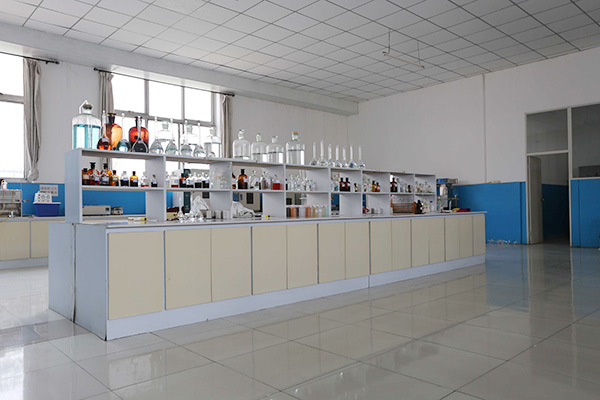

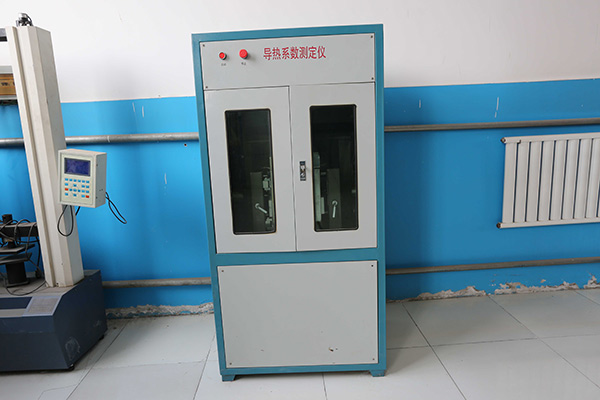

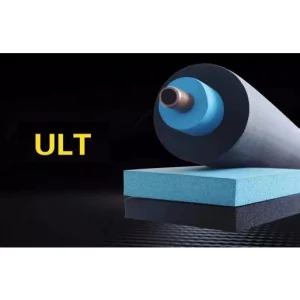
Engineered configurations designed to withstand extreme cold and demanding environmental conditions.
A Heritage of Thermal Innovation, Green Manufacturing, and Global Project Partnerships
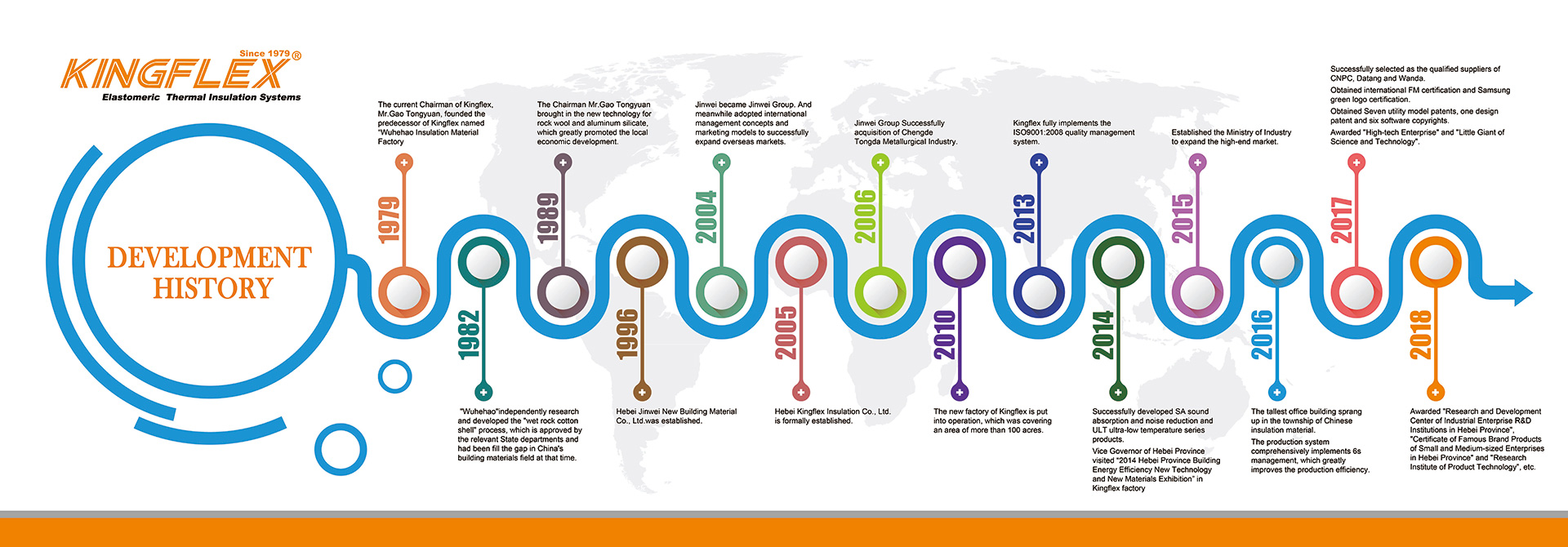
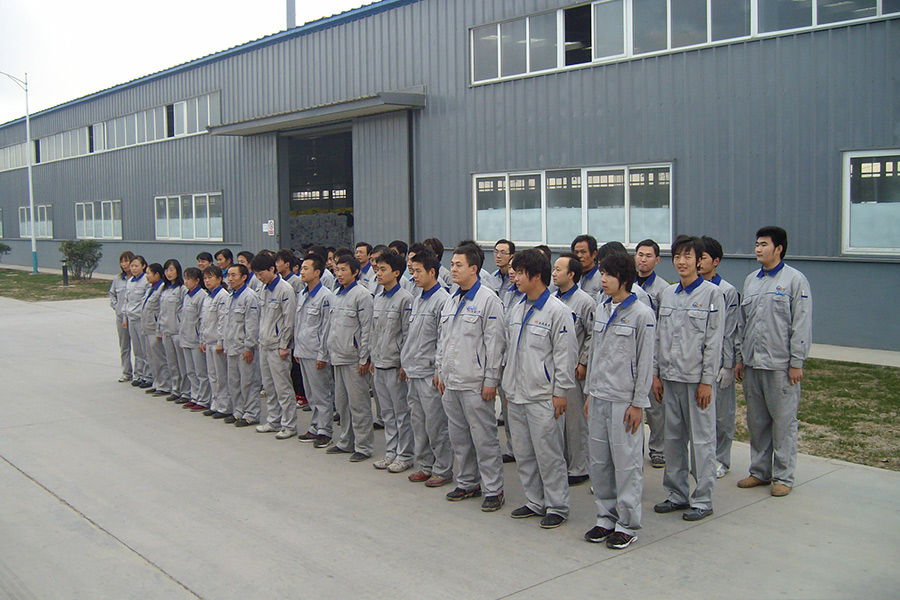
Established by the renowned Jinwei Group, which possesses a proud history spanning more than 40 years since its founding in 1979, Kingflex Insulation has grown into a dominant power in high-efficiency thermal materials. As the first manufacturer of thermal insulation materials north of the Yangtze River, Jinwei Group established a standard of engineering precision that Kingflex carries forward. Operating out of the Dacheng industrial zone—frequently cited as the capital of green-building materials in China—our current infrastructure includes 5 high-speed automatic assembly lines. With an annual capacity exceeding 600,000 cubic meters, Kingflex is officially designated as a key energy-saving partner for major governmental departments, including the Ministry of Energy and the Ministry of Chemical Industry.
Our commitment extends beyond volume manufacturing. With 8 dedicated research and development engineers in our R&D division, we continuously refine the density matrices and closed-cell consistency of our insulation sheets, pipes, and blankets. By optimizing thermal resistance while minimizing environmental footprints, we ensure our global partners receive materials that align with sustainable construction certificates such as LEED, BREEAM, and DGNB (German Sustainable Building Council).
Looking forward, Kingflex is investing heavily in bio-based binder formulations for our rock wool products to replace traditional phenol-formaldehyde matrices. This transition dramatically reduces volatile organic compound (VOC) emissions during installation and operational phases, rendering them perfect for indoor public buildings and hospitals in Berlin. Concurrently, our rubber foam production is integrating upgraded flame-retardant chemistry that minimizes smoke density, satisfying the most rigorous fire safety criteria for modern rapid transit structures, complex underground utilities, and chemical plants.


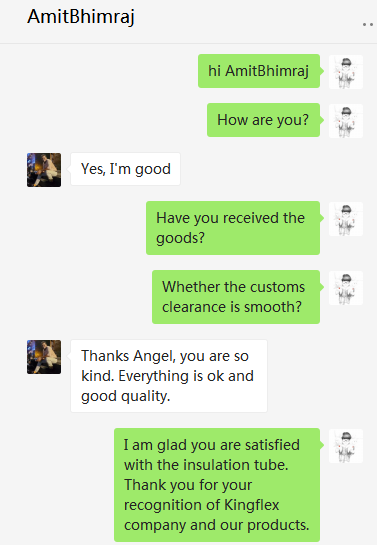
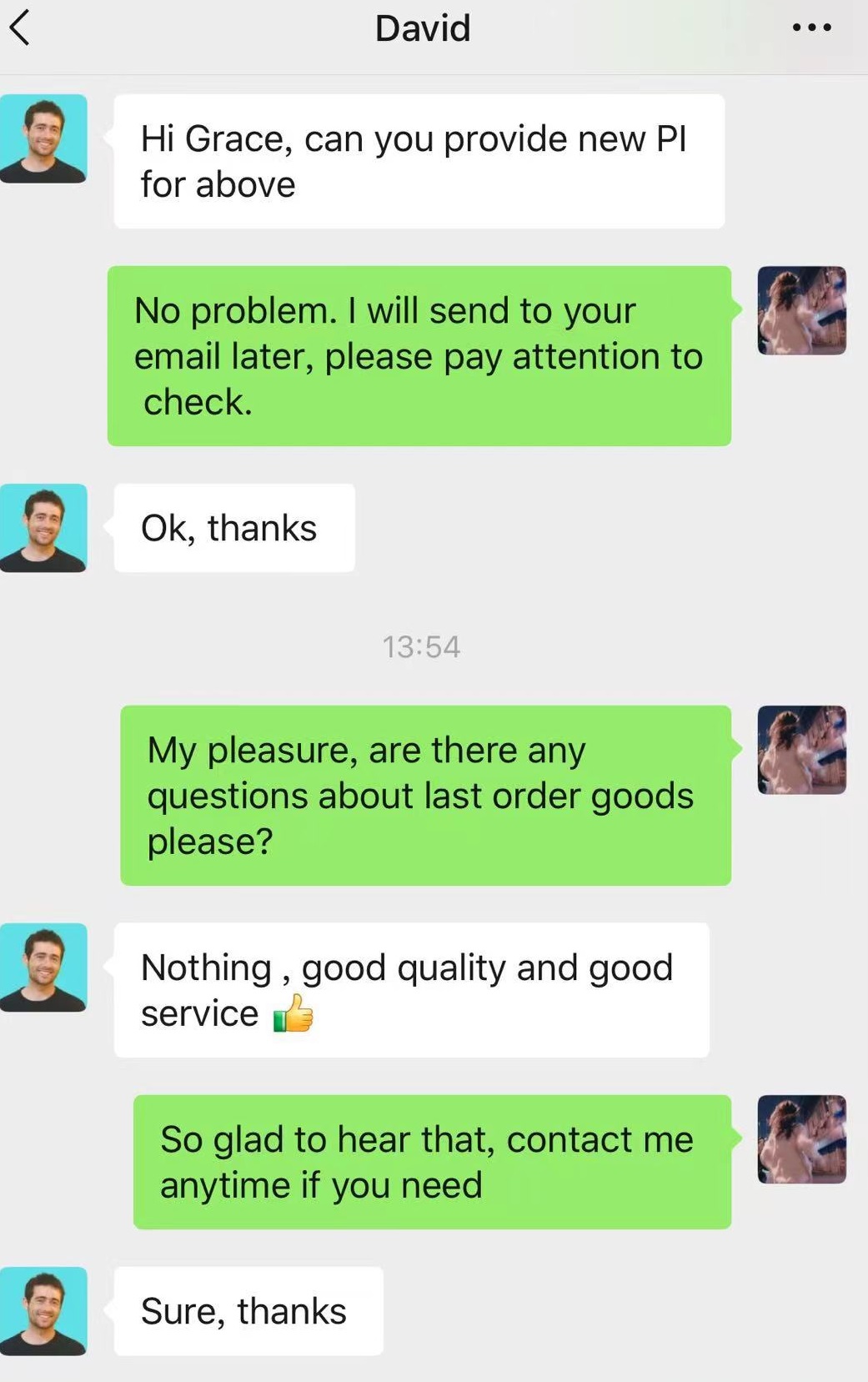
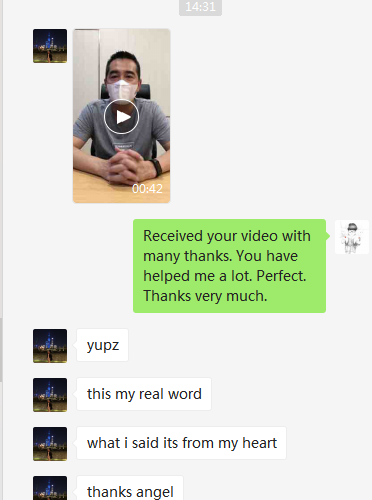
Transparent communications and successfully delivered municipal and commercial structures worldwide.



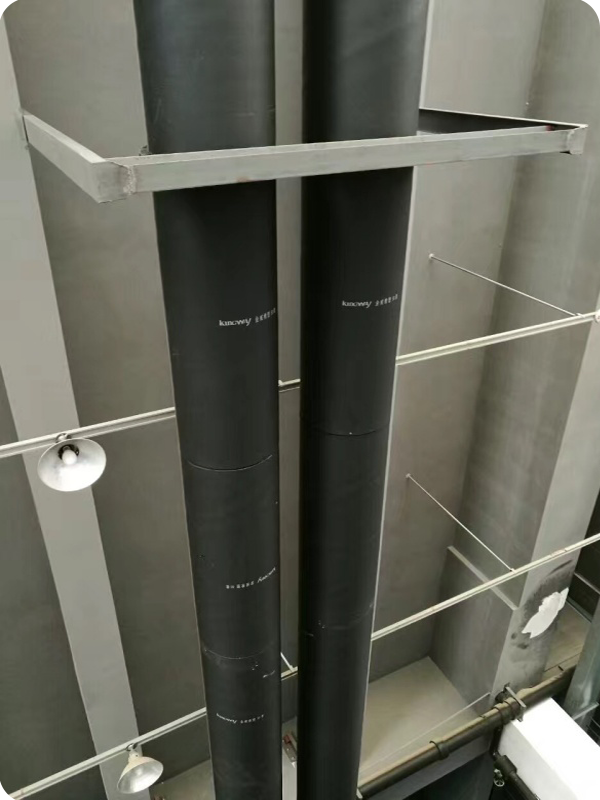
Explore our complete range of high-performance elastomeric and mineral-based insulation systems.
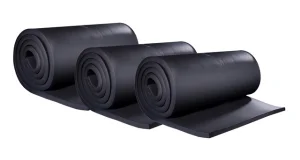
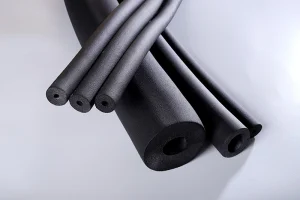
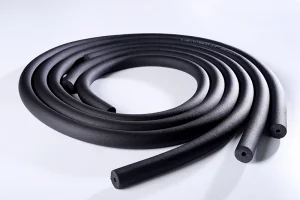
Essential answers to support engineering layout, procurement queries, and product standards.
Whether you are designing a high-capacity district heating pipe network or managing HVAC systems for office blocks in Berlin-Brandenburg, Kingflex delivers certified quality, vast production scale, and complete custom specifications.
Send Inquiry Now Kingflex