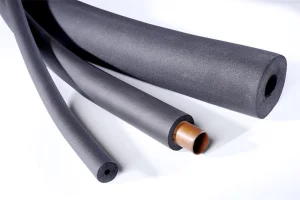
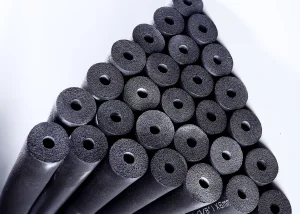
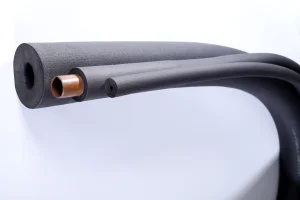
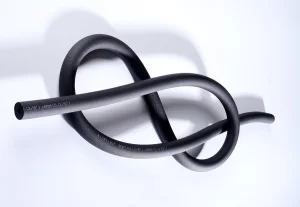
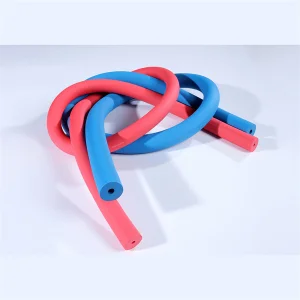
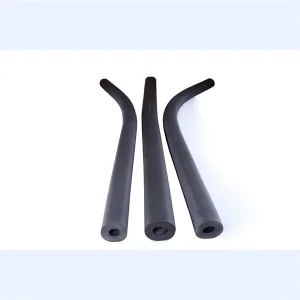
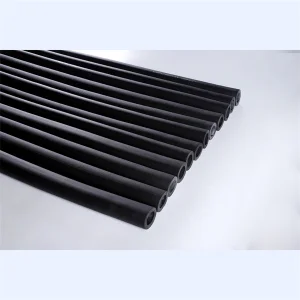
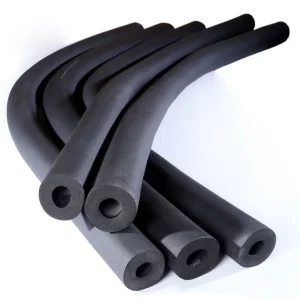
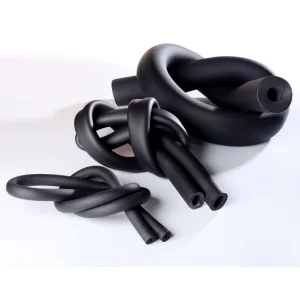
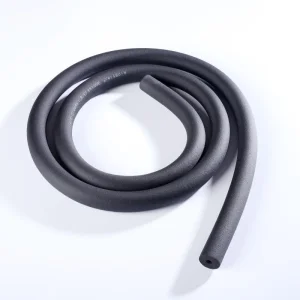
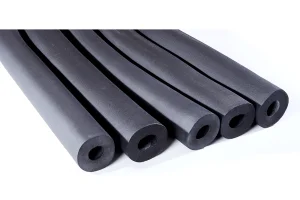
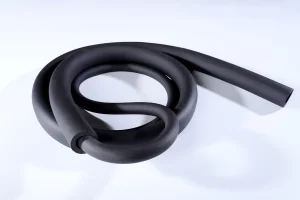
Pre-qualified elastomeric tube options engineered for high-humidity coastal thermal management and highland heating controls.
Rapid industrialization, building envelope regulations, and massive infrastructure developments are reshaping East Africa’s demand for energy-efficient thermal management.
Globally, the rubber foam insulation industry is expanding at a robust CAGR driven by international decarbonization goals and building efficiency standards. Advanced countries enforce strict values for thermal bridge prevention, driving global standards toward materials with high moisture resistance and low thermal conductivity (λ).
In East Africa, and specifically Kenya, the narrative shifts toward high performance under extreme environmental variability. Projects like Nairobi’s Konza Technopolis, massive commercial expansions in Westlands, tourism expansions in Mombasa, and the agricultural processing hubs in Eldoret require resilient solutions. Building systems must prevent condensation on air-conditioning systems in highly humid coastal climates while preserving thermal energy in cooler high-altitude regions like Nakuru and Naivasha.
Kenya's industrial manufacturing index has increased, calling for specialized thermal systems to secure cold chains and HVAC systems.
Stricter enforcement of energy efficiency metrics by local regulatory agencies demands high-performance closed-cell technology.
Tailoring elastomeric properties to specific regional industrial use cases to guarantee peak thermal defense.
Nairobi’s rising office towers and medical centers depend heavily on Variable Refrigerant Flow (VRF) and centralized HVAC systems. Our closed-cell rubber foam ensures zero condensation and controls ambient thermal exchange, significantly reducing energy bills for facility managers.
Kenya is a major exporter of fresh-cut flowers and produce. Cold chain integrity is critical from greenhouses in Naivasha to international flights out of JKIA airport. Elastomeric insulation tubes keep refrigerant lines at stable sub-zero temperatures, preventing product spoilage.
Geothermal energy production at Olkaria calls for high-durability thermal materials that can handle extreme outdoor exposure. Our heavy-duty insulation pipes prevent thermal loss and withstand chemical components present in industrial geothermal installations.
Why elastomeric NBR/PVC closed-cell foam outperforms traditional insulation methods in Kenya's unique climates.
| Insulation Material | Thermal Conductivity (λ) | Moisture Vapor Resistance (μ) | Fire Classification | Flexibility & Installation Ease | Primary Kenyan Fitment |
|---|---|---|---|---|---|
| Kingflex Elastomeric NBR/PVC | ≤ 0.034 W/m·K at 0°C | ≥ 10,000 | Class 1 / Class O (BS 476) | Excellent (Self-elastic) | HVAC, Refrigeration, Coastal Ducting |
| Glass Wool | ~ 0.038 W/m·K | 1 (Requires Vapor Barrier) | Non-combustible | Moderate (Prone to dust) | Acoustic Ceilings, Drywalls |
| Rock Wool | ~ 0.040 W/m·K | 1 (Requires Vapor Barrier) | High Temp Fire Resistant | Low (Rigid) | Industrial Steam Pipes, Boilers |
| PE Polyethylene Foam | ~ 0.039 W/m·K | ~ 2,000 | Class B | Good | General Plumbing, Packaging |
Our factory utilizes a unique combination of NBR (Nitrile-Butadiene Rubber) and PVC (Polyvinyl Chloride), creating an impermeable, completely closed-cell configuration. Each microscopic cell captures dry air, maximizing thermal resistance while preventing the ingress of atmospheric water molecules.
We prioritize environmental and workplace safety. Our products contain zero CFCs, HFCs, or HCFCs, supporting green building projects in Kenya. Fully compliant with international safety codes (BS 476 Part 7 Class 1 & UL94), the material is self-extinguishing and produces minimal smoke during fire hazards.
Integrating forty years of thermal technology development to supply reliable solutions for modern project demands.
Kingflex Insulation Co., Ltd. is a professional manufacturing and trading combo for thermal insulation products. Kingflex research development and production department is located in the well-known capital of green-building materials in Dacheng, China. It is an energy-saving, environmentally friendly enterprise concentrating on research, development, production, and sales.
In operation, Kingflex takes energy saving and consumption reduction as its core concept. We provide insulation solutions by means of consultation, research and development, production, installation guidance, and post-sale service to lead the development of the global building materials industry.
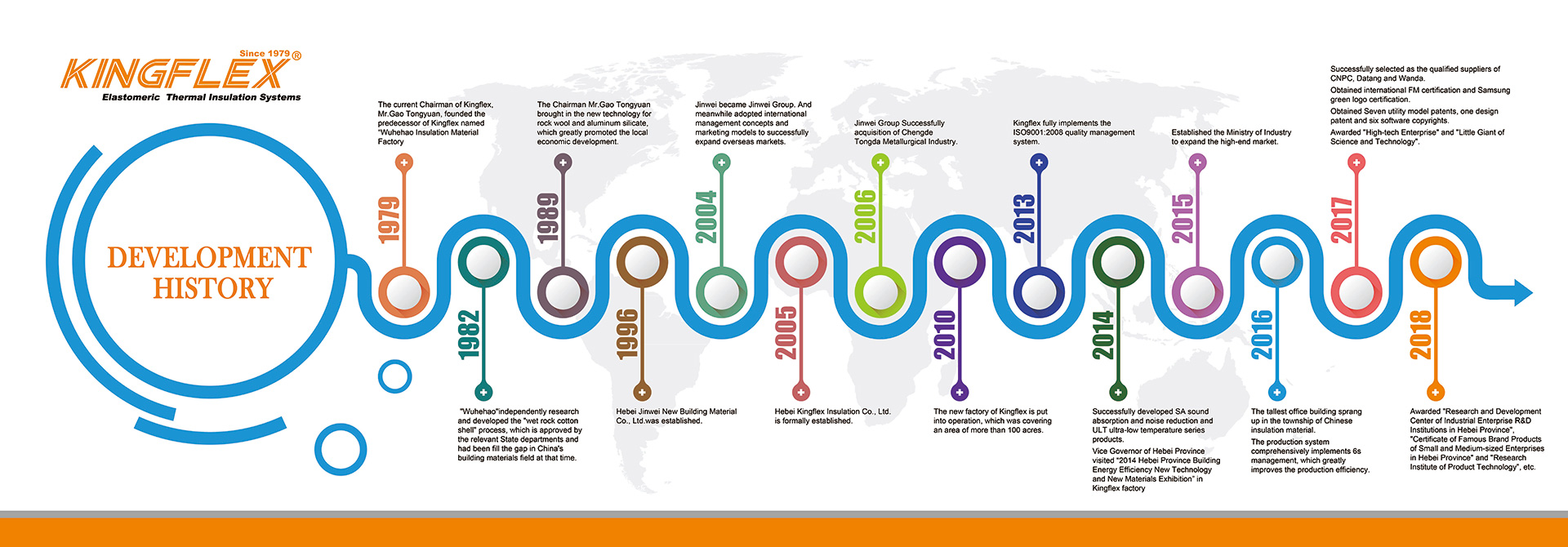
Established by the Jinwei Group, which has more than 40 years of history, Kingflex benefits from deep industry heritage. Kingway Group, established in 1979, was the first manufacturer of thermal insulation materials north of the Yangtze River.

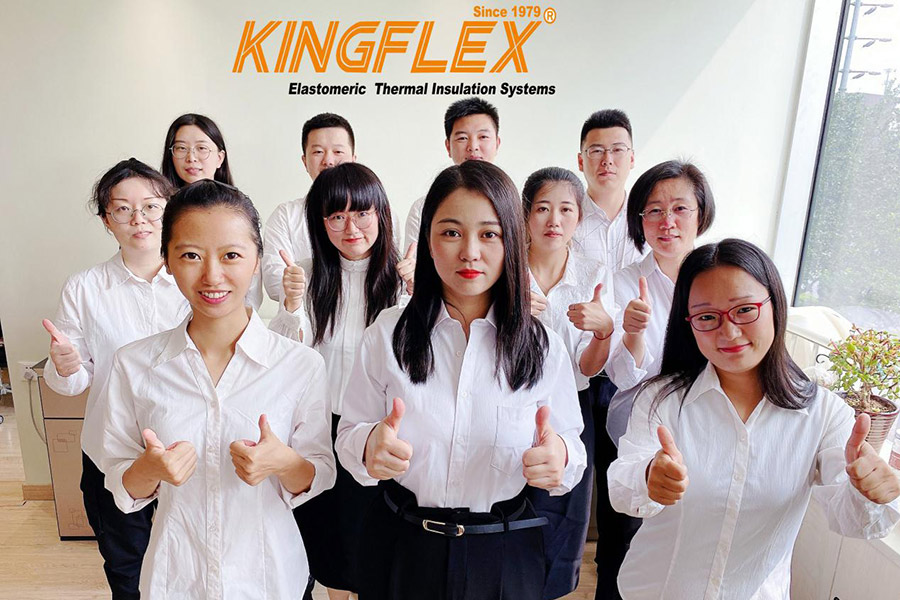
Kingflex has 8 professional engineers in our R&D Department, 6 professional international sales specialists, and 230 workers in our production department, working together to deliver consistently first-class service.
Currently running 5 large automatic assembly lines with an annual capacity exceeding 600,000 cubic meters. Kingflex is designated as a production enterprise by major energy and chemical ministries.
Fully compliant with BS 476, CE, REACH, RoHS, UL94, and ASTM. Rigorous quality control processes ensure each batch of insulation is fully traceable from raw material to site delivery.
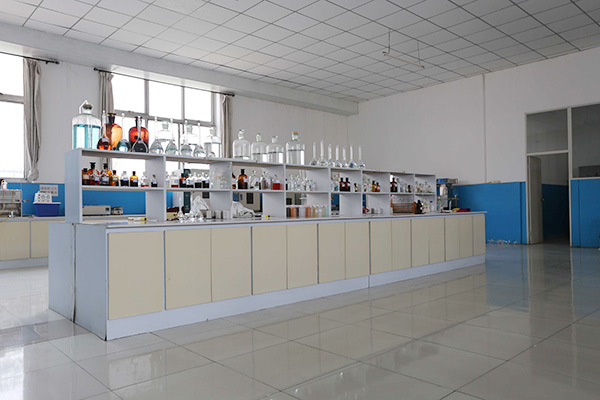

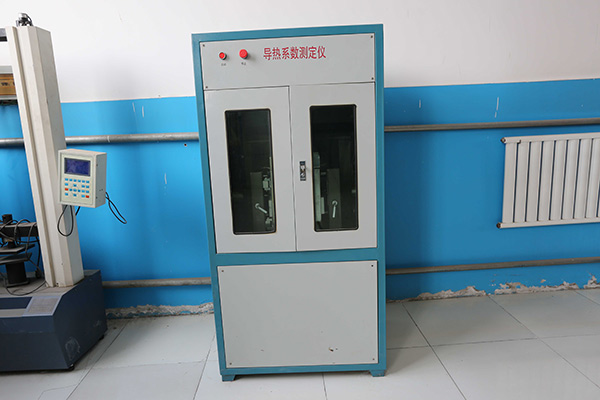
Global validation to meet strict Kenyan building codes and requirements set by international consultants.
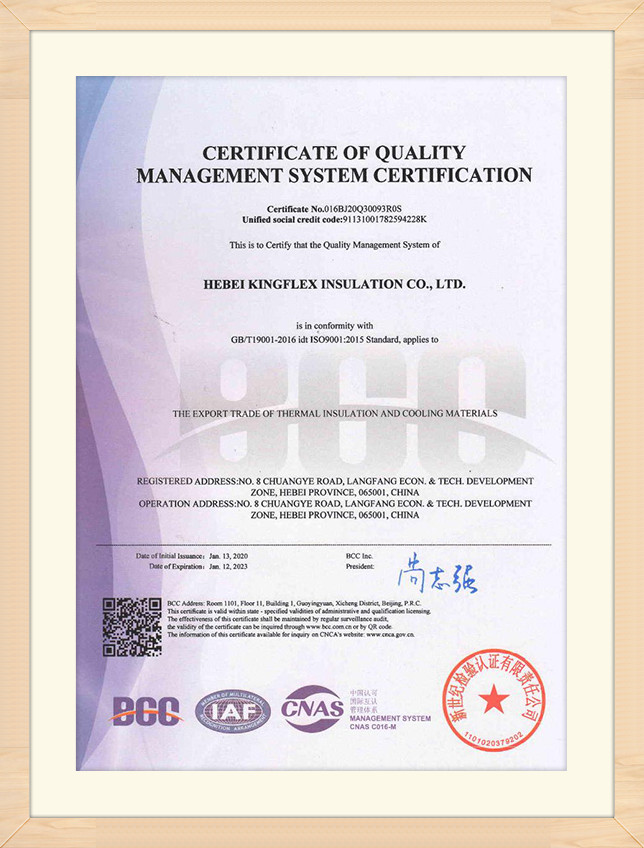


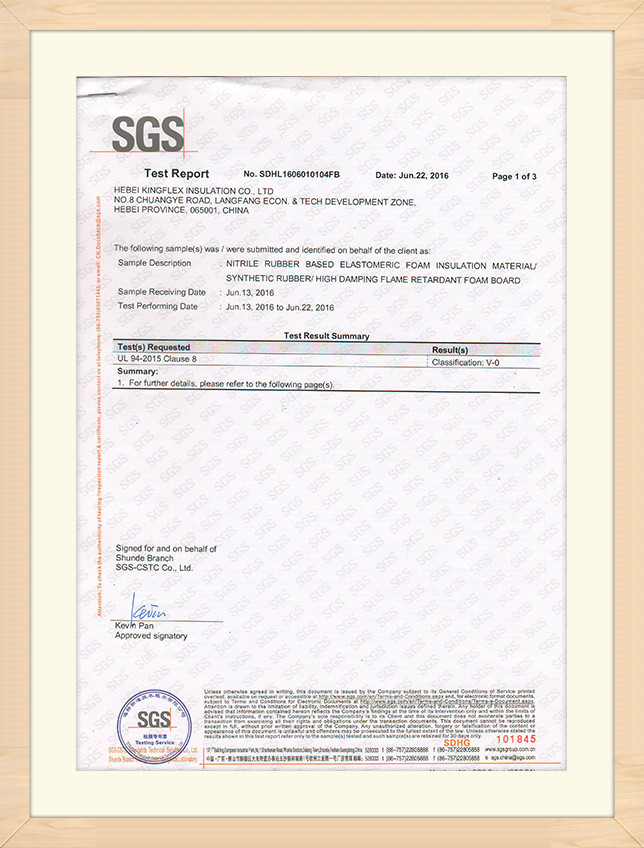
Providing reliable performance statistics for mechanical, electrical, and plumbing engineering specifications.
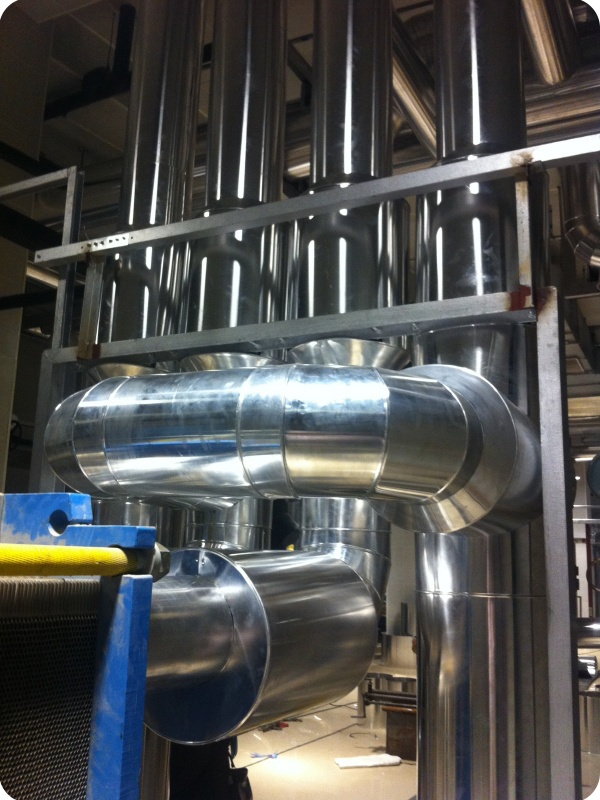
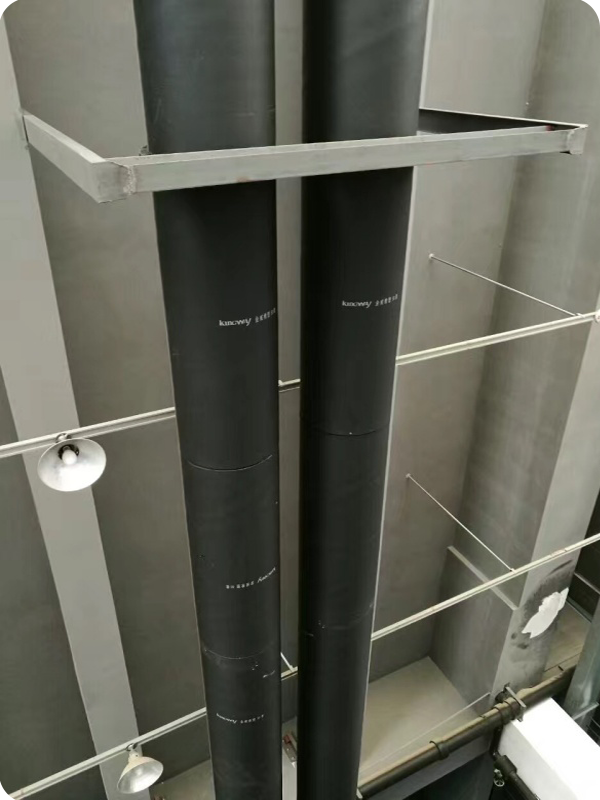
Ideal for large-diameter pipelines, ventilation systems, flat equipment surfaces, and massive refrigeration plant assemblies.
Customized for seamless application on copper tubing, multi-split VRV systems, central chilled water lines, and water pipes.

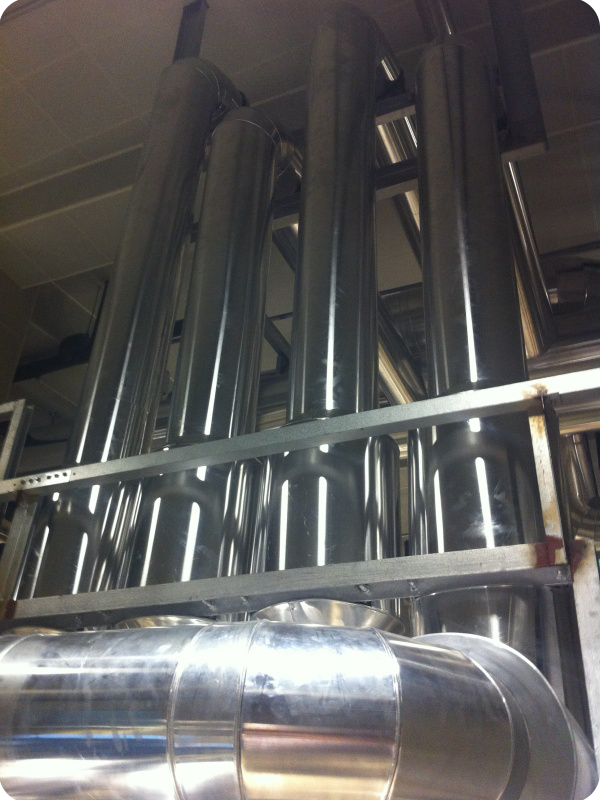
Building reliable relationships through clear communication, prompt deliveries, and verified compliance.


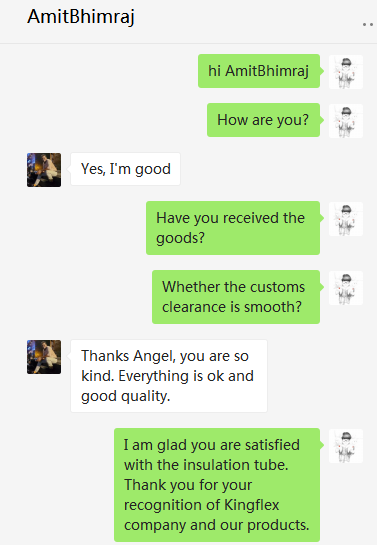

Expert technical answers regarding structural application, international logistics, fire safety, and thermal calculations.
It is primarily used for HVAC ducting, air conditioning pipes, thermal insulation for buildings, industrial pipeline cold insulation, and acoustic sound insulation in high-density areas.
Yes, our rubber foam products are fire retardant, meeting the fire protection standards required for commercial and industrial structures (BS 476 Class 1 & UL94 V-0).
Rubber foam is highly flexible, closed-cell, and water-resistant, making it ideal for low-temperature plumbing and HVAC systems. Rock wool is a fibrous, rigid material with excellent high-temperature tolerance, best suited for thermal systems, furnace linings, and industrial steam boilers.
Yes, we support comprehensive OEM services. We can adjust density, wall thickness, interior diameter, or custom laminations (such as aluminum foil facing) to meet specific design requirements.
Our manufacturing processes and products have passed BS 476, CE, REACH, RoHS, UL94, and ASTM testing, ensuring compliance with both European and East African regulatory frameworks.
Yes, every batch of Kingflex insulation is fully traceable. We maintain detailed production records from raw material processing through final packaging for quality assurance.
Our advanced extrusion machinery can produce sheet rolls ranging from 6mm to 50mm in thickness, accommodating various thermal design specifications.
Under normal operating conditions and proper installation, Kingflex elastomeric foam maintains its thermal properties for 10 to 15 years.
Select the specific elastomeric tube specifications for your upcoming HVAC, district cooling, or cold-chain logistics project.
 Kingflex