Discover high-performance elastomeric and acoustic insulation systems manufactured to comply strictly with BS 476 Part 7 fire protection standards.
Established over decades, Kingflex has built an authoritative footprint in thermal and acoustic insulation engineering.

Kingflex Insulation Co., Ltd. represents a highly professional manufacturing and trading combination specializing in premium energy-saving thermal insulation materials. Our core research, development, and advanced manufacturing facility are strategically located in Dacheng, China—historically celebrated as the green-building materials capital of northern China.
By centering our operations on energy conservation, cost reduction, and environmental stewardship, Kingflex bridges the gap between material design and site-level installation engineering. Our services extend from initial engineering consultation and rigorous material testing to supply chain execution and post-sale technical supervision. This comprehensive model drives progress across the global green building and civil construction sectors.
An in-depth technical analysis of combustion behavior, testing methodologies, and architectural requirements for safety-first thermal insulation.
The British Standard BS 476 Part 7 specifies a test method for measuring the lateral spread of flame along the surface of a product oriented in a vertical position under specified conditions of radiant heat. The classification system rates materials from Class 1 to Class 4 based on the speed and extent of the flame spread during the test:
| Classification | Flame Spread at 1.5 Minutes | Final Flame Spread Limit |
|---|---|---|
| Class 1 (Highest Rating) | Not more than 165 mm | Not more than 165 mm |
| Class 2 | Not more than 215 mm | Not more than 455 mm |
| Class 3 | Not more than 265 mm | Not more than 710 mm |
| Class 4 | Exceeds Class 3 limits | Exceeds Class 3 limits |
Achieving a Class 1 certification signifies that the elastomeric rubber foam exhibits exceptionally low flame propagation, making it self-extinguishing and preventing the rapid spread of fire. This is a critical requirement in high-occupancy structures such as commercial shopping malls, transit hubs, hospitals, and high-tech manufacturing cleanrooms, where smoke containment and flame suppression are essential to life-safety parameters.
To meet the rigorous BS 476 Part 7 Class 1 standard, Kingflex uses a specialized blend of Nitrile Butadiene Rubber (NBR) and Polyvinyl Chloride (PVC). This base polymer is modified with eco-friendly, halogen-free flame retardants and carbonaceous mineral fillers. The chemical structure forms a high-density, closed-cell configuration with a cell density exceeding 98%. When exposed to fire, the surface forms a dense, carbonaceous char layer that insulates the underlying foam from oxygen, mitigating thermal degradation and chemical decomposition.
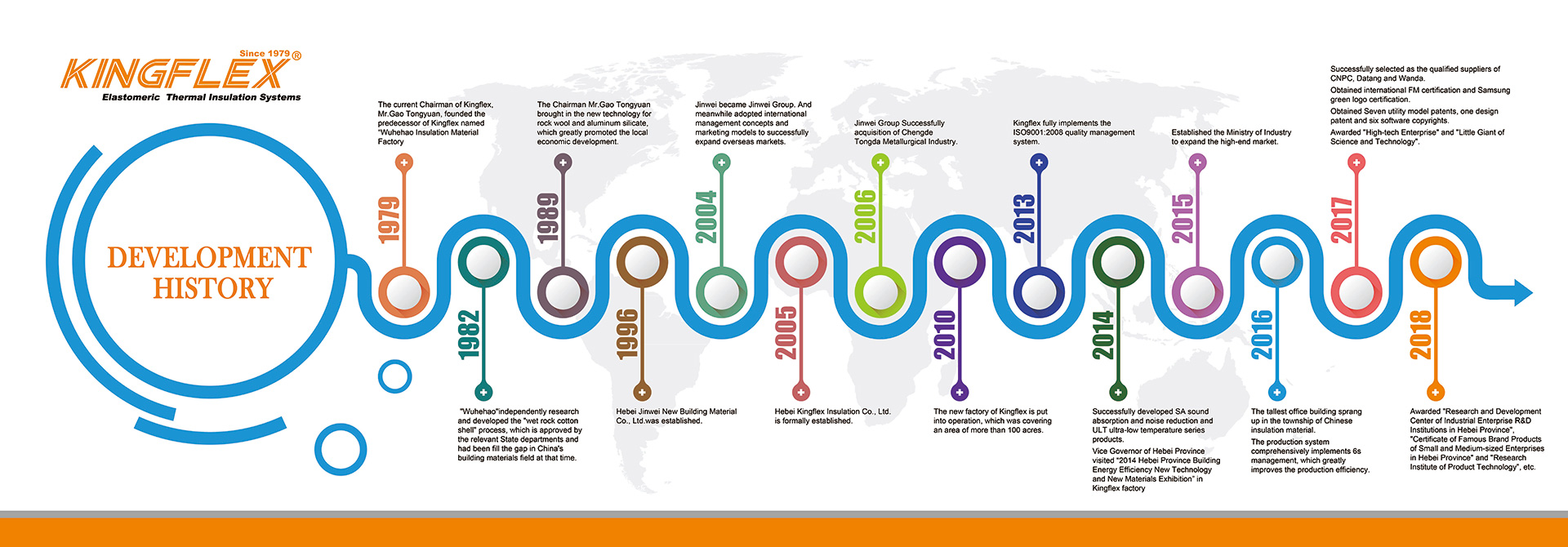
Kingflex's development originates from the Jinwei Group, founded in 1979.
Founded in 1979 as part of the Jinwei Group, Kingflex was the first major thermal insulation manufacturer north of the Yangtze River. Over the last 40+ years, our research team has refined the foaming processes of elastomers to match international benchmarks.
How Kingflex utilizes raw material hubs, process automation, and testing protocols to deliver performance at scale.
By shifting from labor-intensive extrusion to smart, continuous-line operations, we maintain uniform thickness control and continuous cellular integrity. This minimizes product variation across large orders, ensuring that density remains consistent within the optimal 40-55 kg/m³ range.
Located in the Dacheng material hub, Kingflex enjoys direct access to raw PVC and NBR feedstocks, minimizing transportation delays and volatile market shifts. Our location near major northern shipping ports (like Tianjin Port) allows us to offer short lead times for international projects.
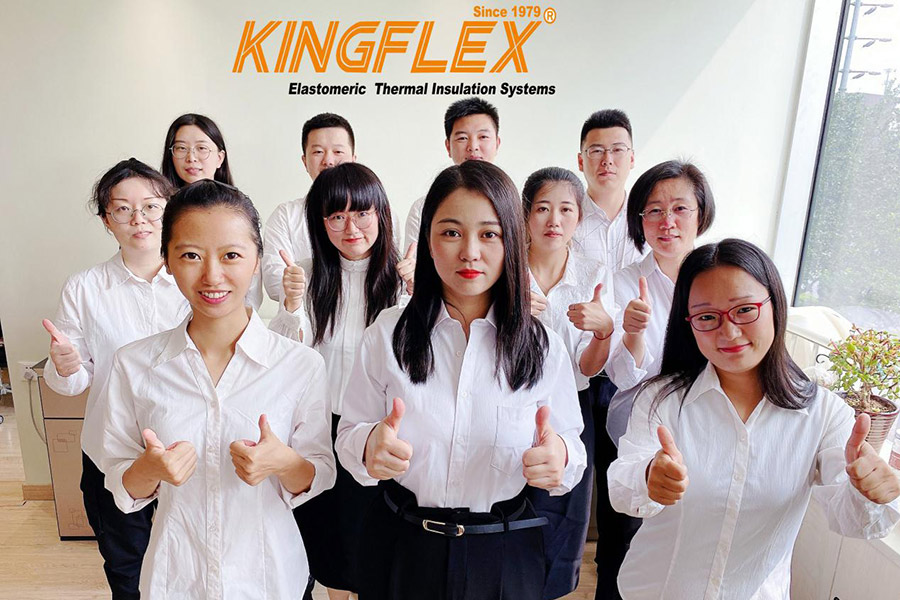
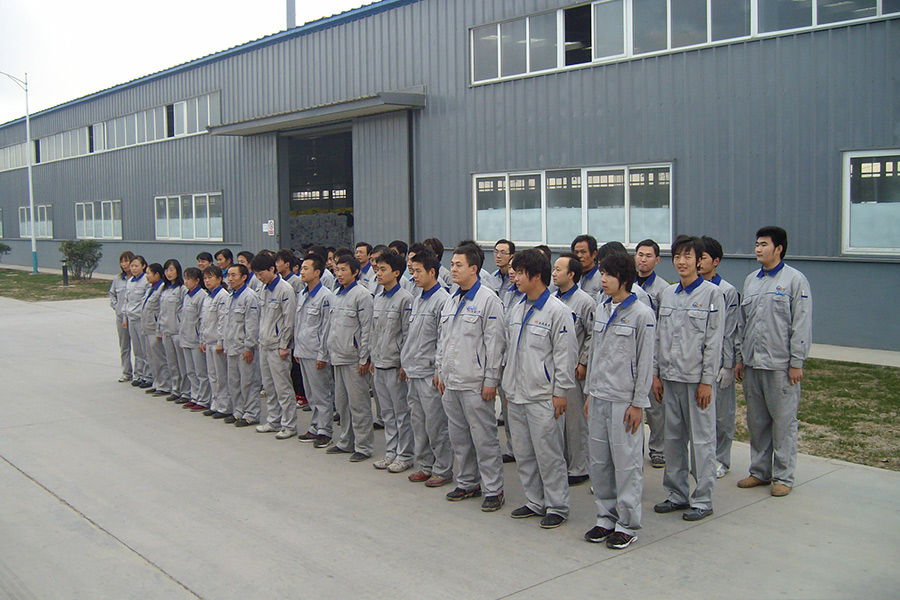
Kingflex's dynamic team consists of R&D specialists and international consultants.
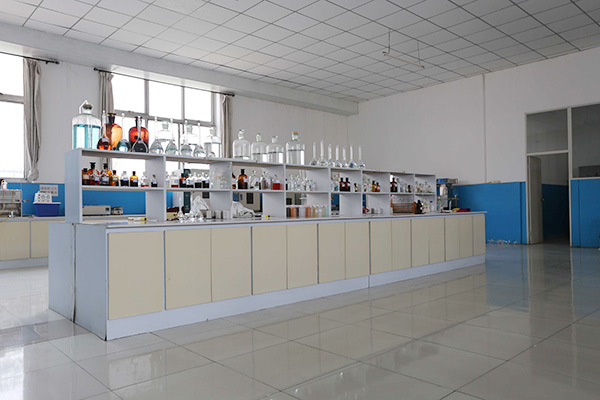

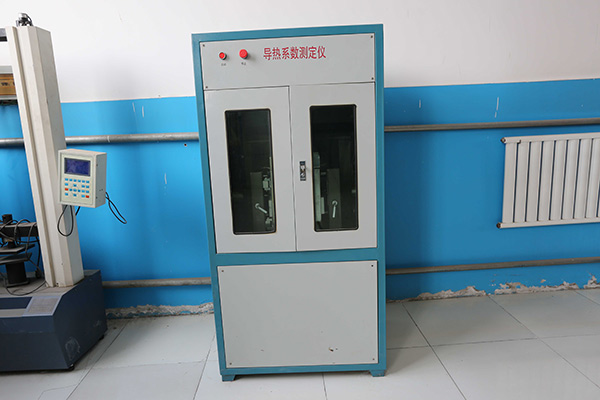
Every production batch undergoes certification and standard testing for international building markets.
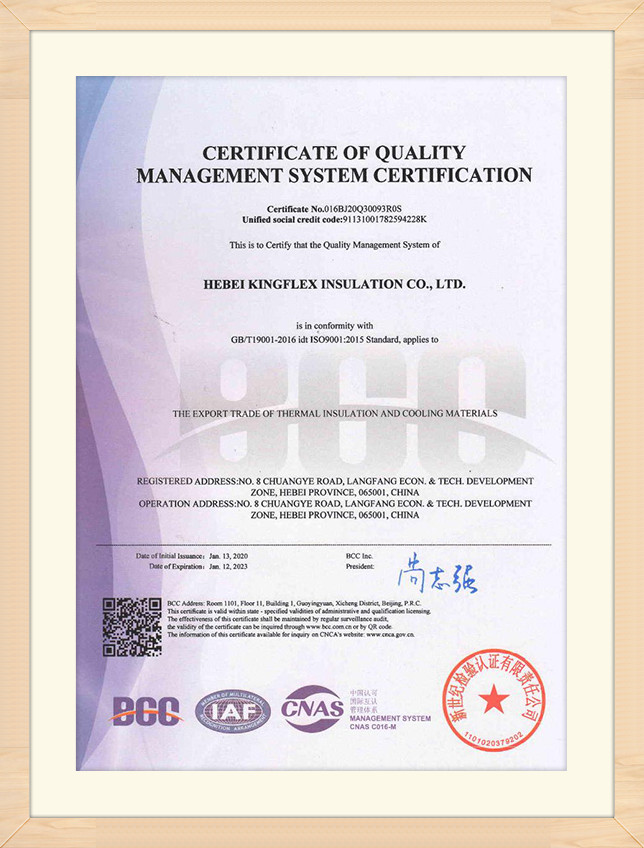


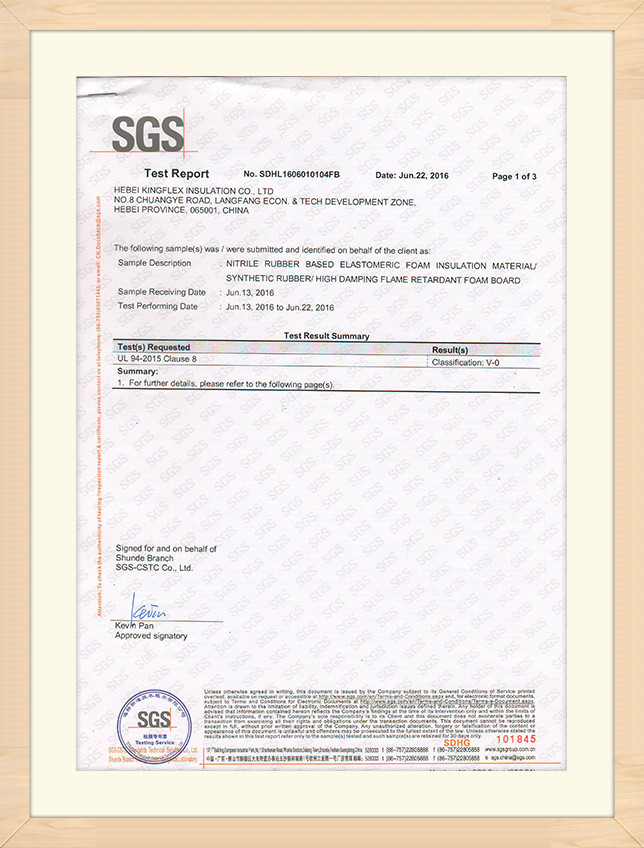

Unlike third-party traders, Kingflex insulation products offer raw material traceability. From the formulation stage through polymer mixing, continuous extrusion, and high-temp expansion, each production roll or pipe line is labeled with unique batch numbers.
This allows building engineers to trace structural safety parameters back to raw material test logs, facilitating code compliance, green building credits (like LEED, BREEAM), and insurance sign-offs for large infrastructure projects.
Our BS 476 Part 7 Class 1 materials are used in highly demanding applications, including:
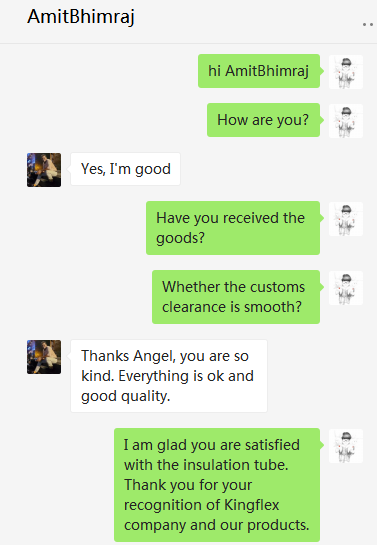
Transparent international transactions, client interactions, and project delivery updates show our dedication to global markets.




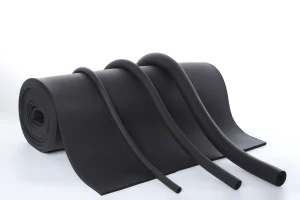
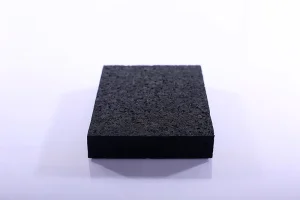
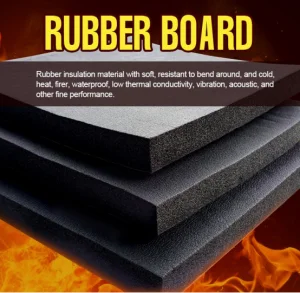
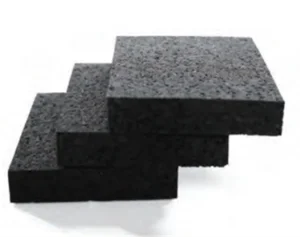
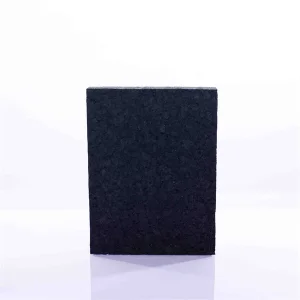
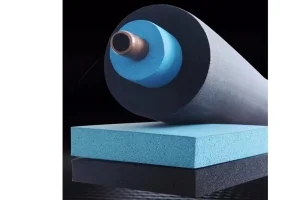
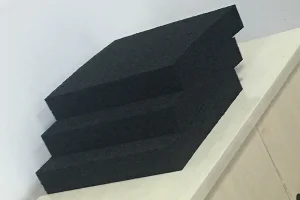
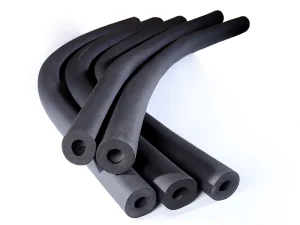
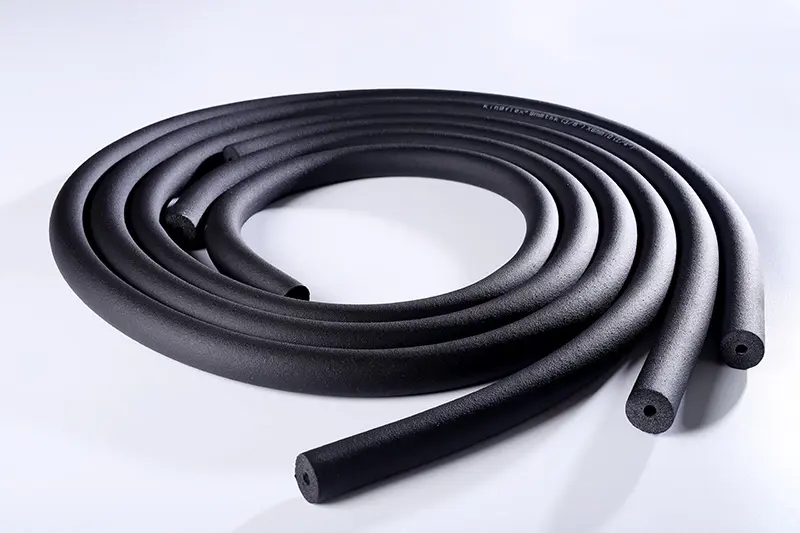
Standard parameters for sheets, rolls, and pipes. Custom formulations are available upon request.
| Parameter | Value / Range |
|---|---|
| Material Composition | Nitrile Rubber & Polyvinyl Chloride (NBR/PVC) |
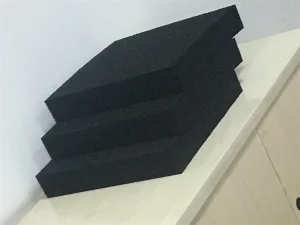
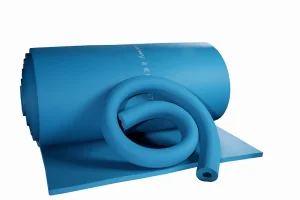
| Thickness Range | 6mm, 9mm, 13mm, 15mm, 19mm, 25mm, 32mm, 40mm, 50mm |
| Product Density | 40 - 55 kg/m³ |
| Operating Temperature | -40℃ to 105℃ |
| Cellular Structure | Closed-cell foaming, cell rate >98% |
| Fire Safety Standard | BS 476 Part 7 Class 1 (Self-extinguishing) |

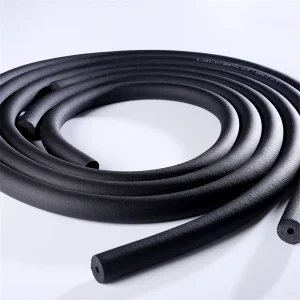
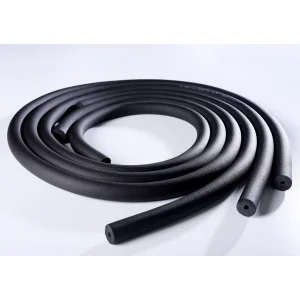
| Parameter | Value / Range |
|---|---|
| Material Composition | Nitrile Rubber & Polyvinyl Chloride (NBR/PVC) |
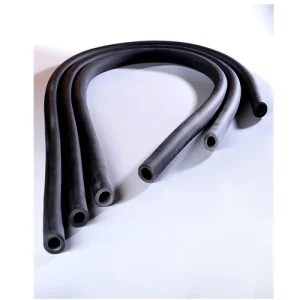
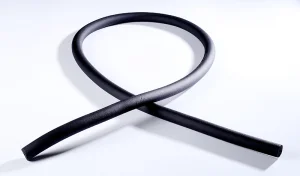
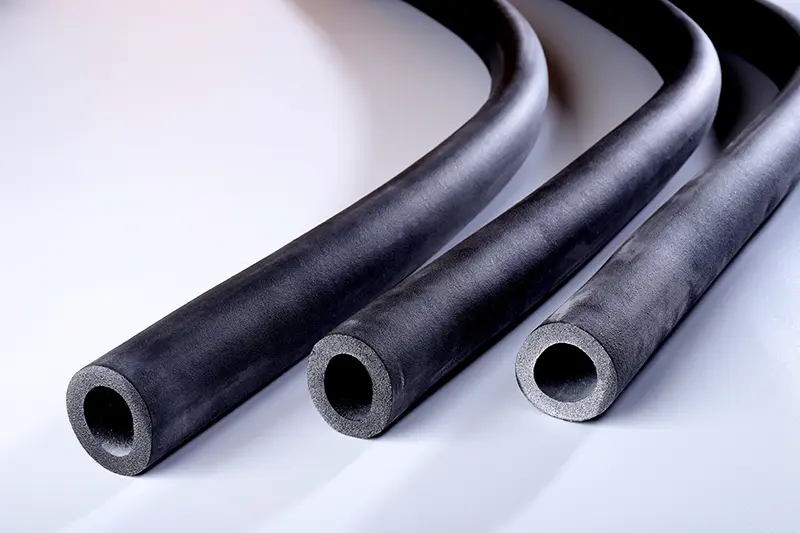
| Pipe Wall Thickness | 9mm, 13mm, 15mm, 19mm, 22mm, 25mm, 32mm, 40mm |
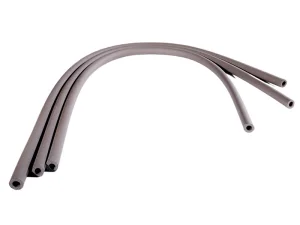
| Inner Diameter (ID) | 6mm to 114mm (Accommodates standard copper/steel pipes) |
| Thermal Conductivity | ≤ 0.034 W/(m·K) at 0℃ |
| Resilience Factor | Compression resilience rate >80% |
| Water Vapor Permeability | High resistance factor (μ ≥ 10,000) |
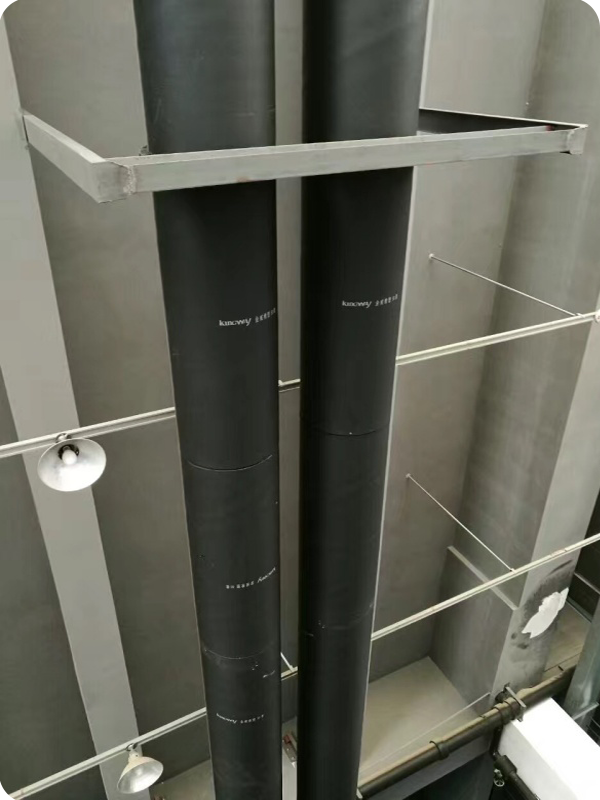
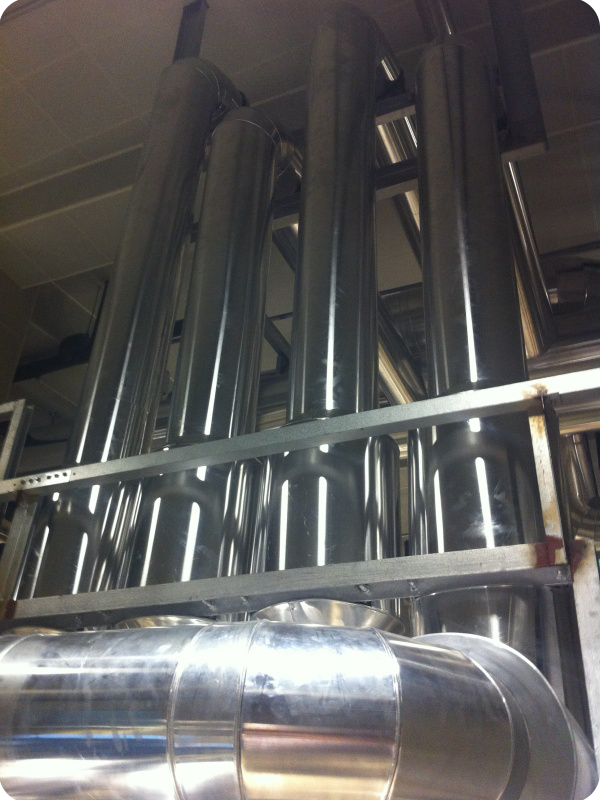
Direct factory-floor operations, raw material staging areas, and inventory logistics systems at Kingflex.
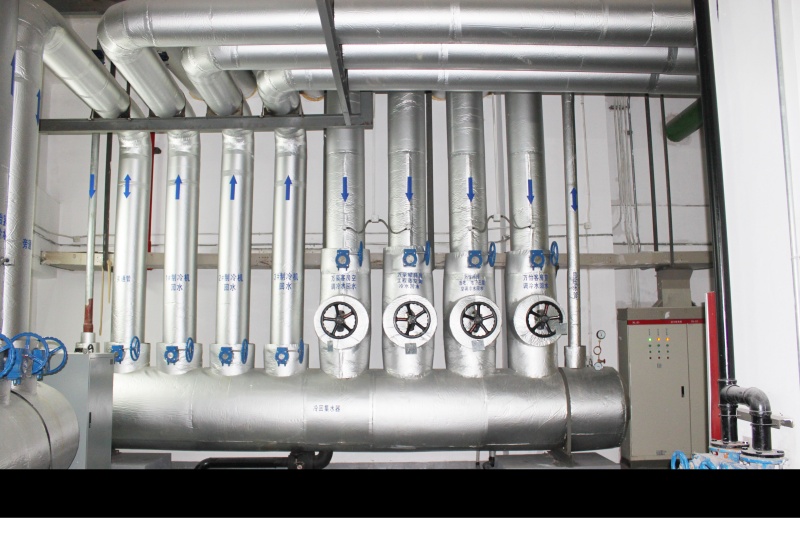


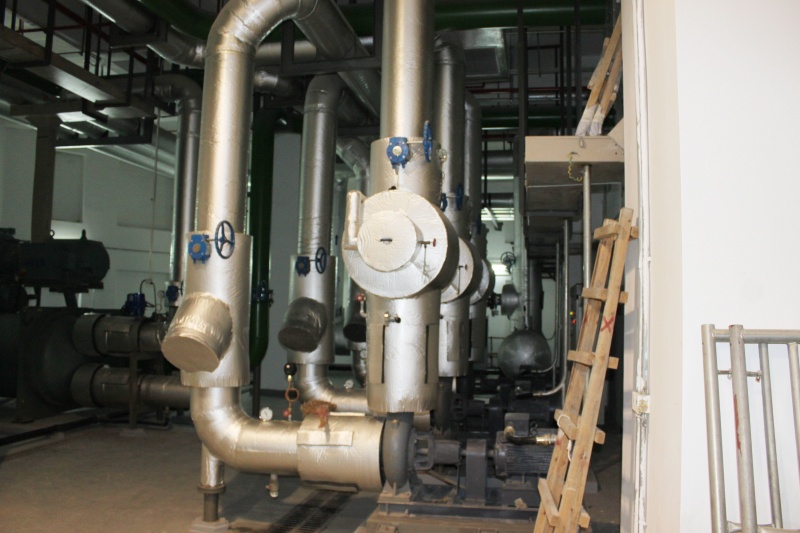
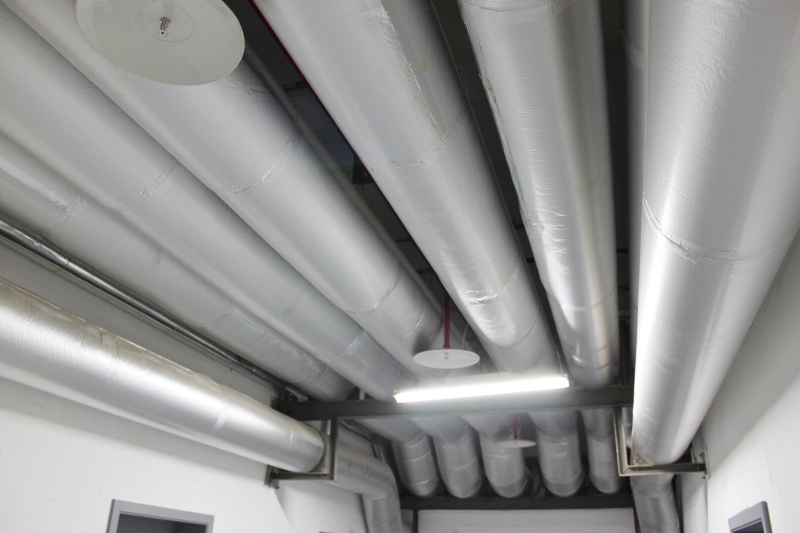

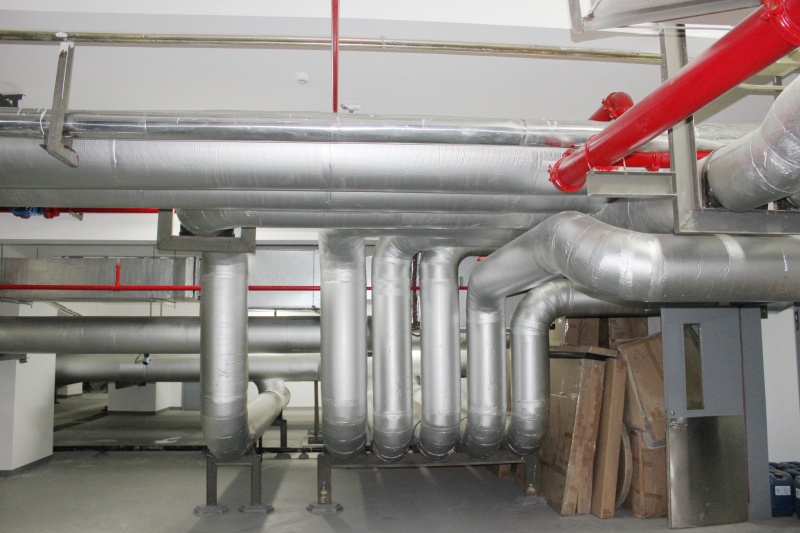
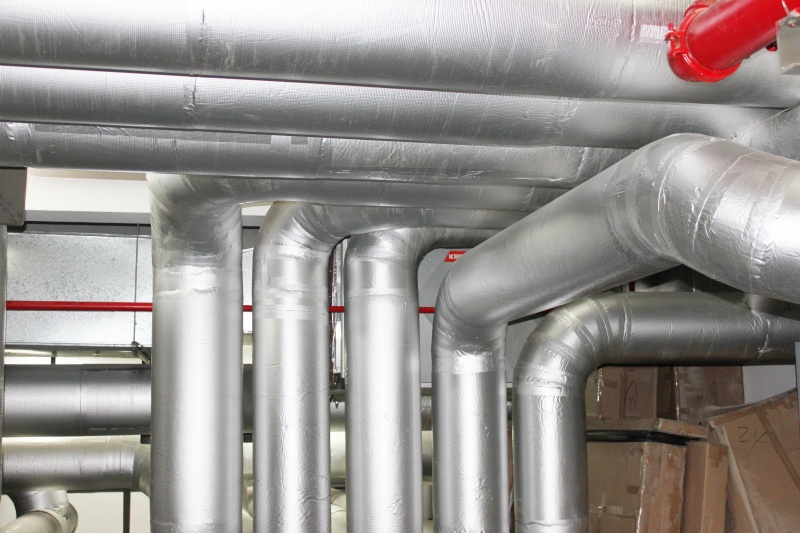
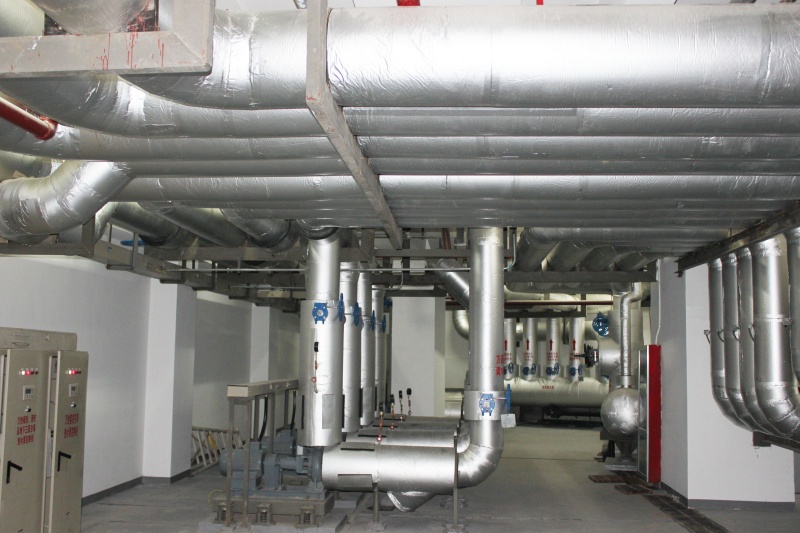
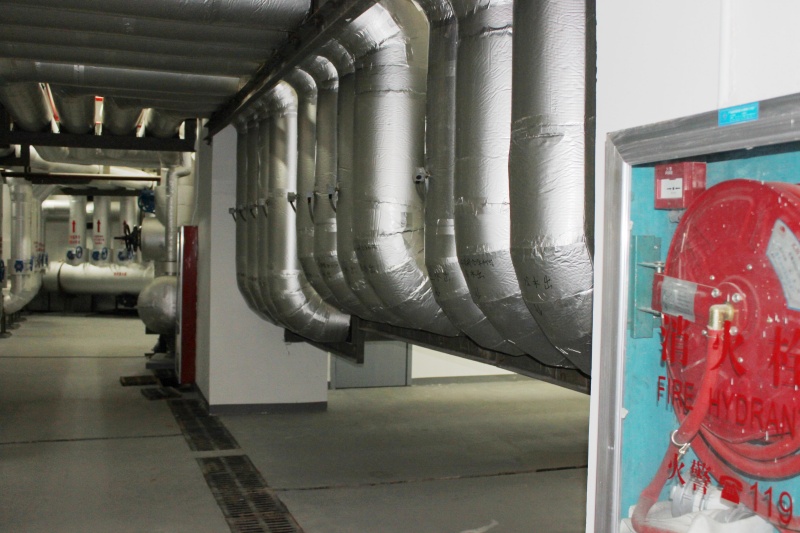
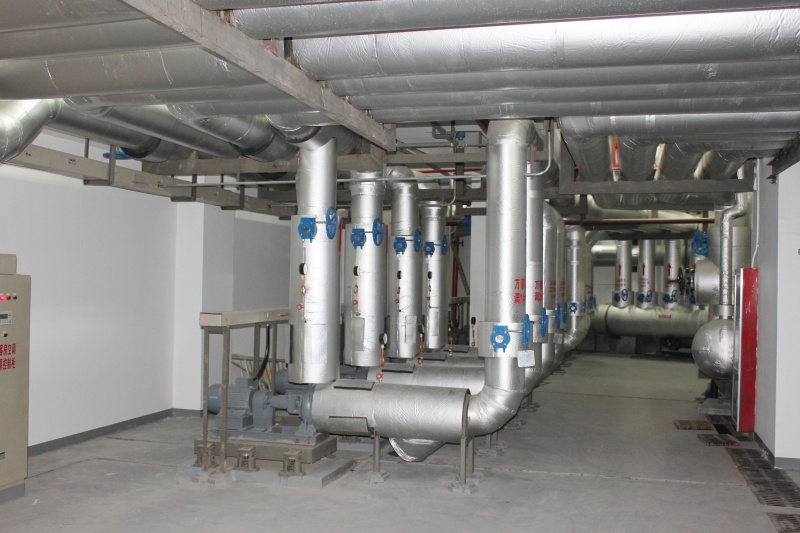

Analyzing the shift toward energy-efficient, low-carbon materials in industrial plant and HVAC designs.
Modern building codes require strict thermal insulation standards to minimize carbon footprints. Systems operating at suboptimal thermal efficiency lose substantial energy through radiative and convective heat exchange. Standard-compliant closed-cell NBR/PVC insulation forms a thermal barrier that preserves process temperatures in hot and cold distribution lines, helping structures achieve net-zero building designations.
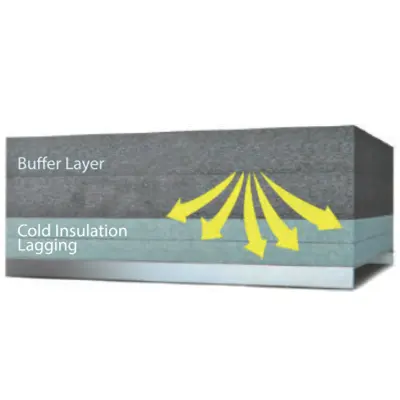
With the expansion of Liquefied Natural Gas (LNG) terminals and ultra-low temperature cryogenic systems, industrial facilities require insulation that remains flexible below -40℃. Traditional rigid materials can fracture under thermal stress. Kingflex's flexible, cryogenic-grade elastomeric foam prevents stress cracking and keeps low-temperature systems functioning efficiently.
When moist air contacts cold piping systems, condensation can occur, leading to moisture damage, corrosion under insulation (CUI), and mold growth. Kingflex's closed-cell structure operates as a built-in vapor barrier, maintaining dry conditions without requiring secondary vapor wraps.
Common questions regarding BS 476 Part 7 Class 1 certifications and installation practices.
Explore our selection of industrial closed-cell systems, elastomeric tubes, and cryogenic-rated insulation panels.
Standard industrial products, alternative insulation formats, and design templates.
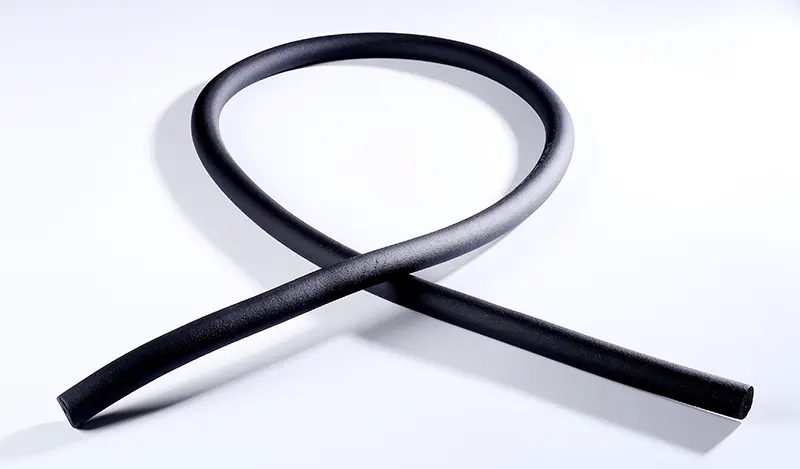





 Kingflex