Explore our elite line of manufactured thermal barrier and soundproof insulation systems, direct from our production facility.
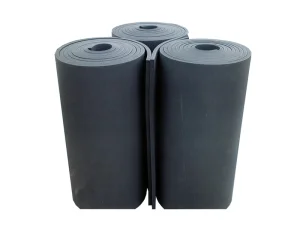
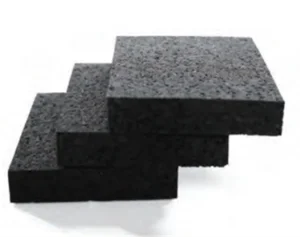
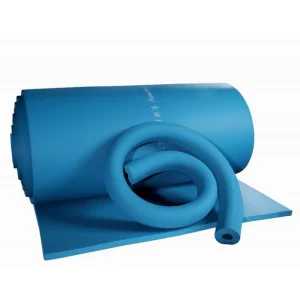
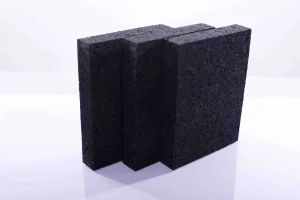
Deep engineering insights into preventing condensation, thermal gain, and system degradation in commercial and industrial HVAC infrastructure.
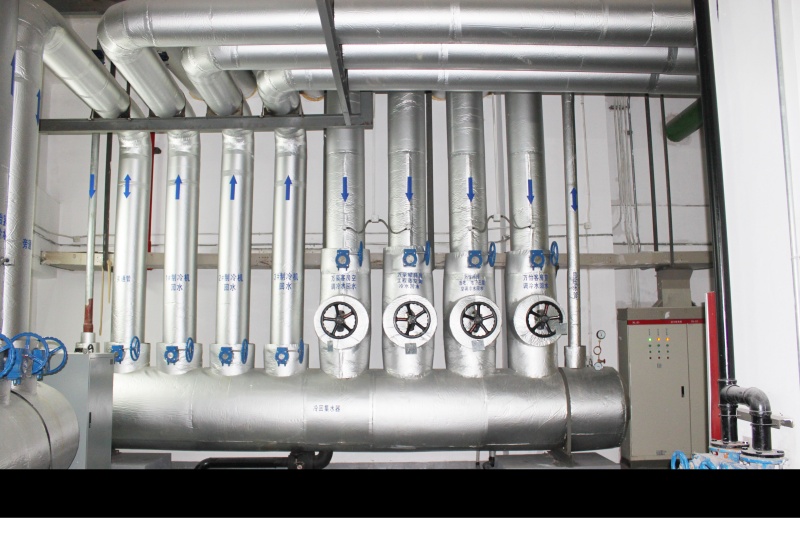
Unlike hot water or steam systems where insulation is primarily installed to prevent heat loss, chilled water lines (operating at 4°C to 7°C) demand rigid control over moisture and condensation. If ambient water vapor penetrates the insulation matrix, it will condense on the cold pipe surface. This leads to corrosion under insulation (CUI), mold growth, and a drastic loss in thermal resistance (since water has a thermal conductivity approximately 24 times higher than typical elastomeric foam). Hence, selecting the appropriate chilled water pipe insulation size, wall thickness, and vapor permeability ($\mu \ge 10,000$) is critical for sustainable system design.
Modern HVAC and District Cooling networks are evolving rapidly. Globally, engineering consultants are transitioning to low-conductivity, high moisture-resistance elastomeric closed-cell rubber materials to satisfy building efficiency standards (like ASHRAE 90.1, LEED, and BREEAM). Key design focus areas are moving toward materials that limit VOC emissions and eliminate halogens while maintaining class-leading fire and smoke safety certifications (e.g., BS 476 Part 7 Class 1, ASTM E84 25/50 flame/smoke rating, and UL94 V-0).
Procuring standard sizes for massive construction and industrial pipeline projects demands strict compliance with global pipe dimension standards. Piping networks utilize various standards including Nominal Pipe Size (NPS / ANSI), DN (Diameter Nominal / EN ISO), and CTS (Copper Tube Size). To ensure a snug fit, manufacturers must supply customized inner diameters (ID) matching external pipe dimensions, alongside varying wall thicknesses (typically from 9mm up to 50mm) to offset ambient relative humidity levels that often exceed 85% in subtropical or coastal plant locations.
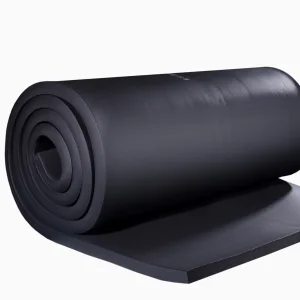
Technical reference specifications for Kingflex elastomeric closed-cell insulation pipe and sheet systems.
| Insulation Type | Material Composition | Available Thickness | Inner Diameter (ID) Range | Density Range | Operating Temperature Range |
|---|---|---|---|---|---|
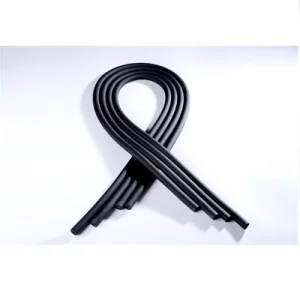
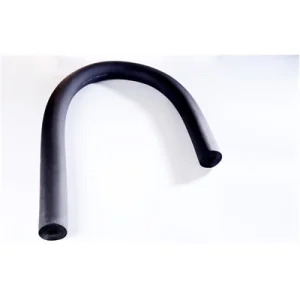
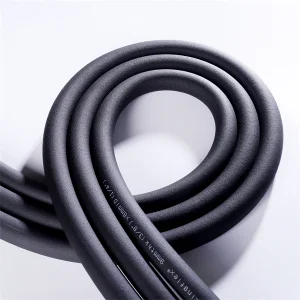
| Black Elastomeric Foam Tube | Premium NBR/PVC Rubber Blend | 9mm, 13mm, 19mm, 25mm, 32mm, 40mm | 6mm to 114mm (Standard NPS / DN) | 40 - 55 kg/m³ | -40°C to +105°C |
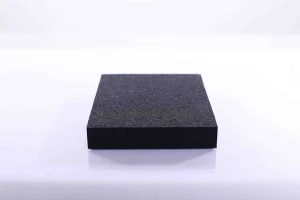
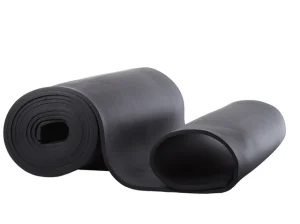
| Insulation Sheet & Roll | NBR/PVC Closed-Cell Foam | 6mm to 50mm (Sheets) | N/A (Flat Roll Sheets) | 40 - 55 kg/m³ | -40°C to +105°C |
| Cryogenic Insulation Systems | Specialist Ultra-Low Elastomeric Formulations | Custom Layered (20mm - 100mm+) | Custom Sized to Project Drafts | 50 - 65 kg/m³ | -200°C to +125°C |
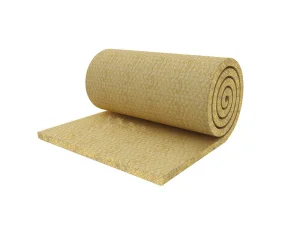
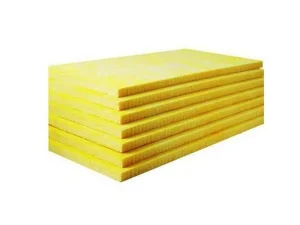
| Industrial Rock Wool Blanket | Basalt-based Mineral Wool Fiber | 25mm to 100mm | N/A (Rolls / Boards) | 60 - 150 kg/m³ | Ambient to +650°C |
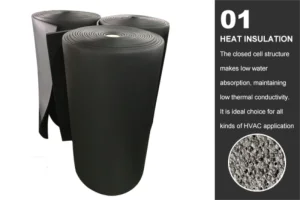
Our sophisticated manufacturing process yields exceptionally high closed-cell ratios, securing persistent low thermal conductivity and outstanding water vapor resistance.
Superb compression recovery rates allow seamless installation around complex pipe fittings, elbows, valves, and headers, minimizing insulation seams.
Certified globally via BS 476, CE, REACH, RoHS, UL94, and ASTM. Rigorous internal laboratory protocols verify quality across all manufactured production runs.
Kingflex Insulation Co., Ltd. is strategically situated in Dacheng, the recognized green-building materials capital of China. Empowered by over 40 years of engineering legacy stemming from the Jinwei Group (established in 1979 as the pioneer manufacturer of thermal insulation materials north of the Yangtze River), we operate as an energy-saving, environmentally conscious entity.
Our modern manufacturing facility features 5 massive automated high-speed extrusion lines, outputting an annual volume exceeding 600,000 cubic meters. Our direct integration of raw material compounding, automated continuous vulcanization, and advanced slitting technology minimizes external supply chain delays, giving international buyers unmatched cost advantages, precise sizing controls, and consistent product performance.
Through our specialist research and development department, staffed by 8 expert chemists and application engineers, Kingflex consistently leads insulation innovation. Our team coordinates directly with design consultants globally to draft and execute customized thermal insulation specifications.

How our elastomeric and mineral wool insulation systems perform across diverse target environments.
For high-rise office towers, mega-malls, and modern hospitals, our insulation prevents condensation, keeps HVAC systems highly energy efficient, and helps projects earn LEED credentials.
Engineered to insulate process pipes, high-temperature steam lines, and chemical holding tanks from thermal exchange, while offering strong corrosion protection (CUI resistance).
Our multi-layered cryogenic insulation systems deliver exceptional thermal control for liquefied natural gas (LNG) terminals, cold chain warehouses, and deep industrial cooling applications down to -200°C.
To calculate the required insulation thickness for a chilled water line, engineers must determine: the fluid temperature inside the pipe, the maximum design ambient temperature, and the maximum relative humidity. In humid climates (ambient temp 35°C with 85% RH), the dew point is very high. In these cases, standard 9mm or 13mm insulation walls may not prevent condensation on a 5°C chilled water pipe. Designers should upgrade to a 25mm, 32mm, or 40mm thick Kingflex elastomeric wall to ensure the outer surface temperature of the insulation remains above the ambient dew point.
Our laboratory processes verify material performance under extreme environments.
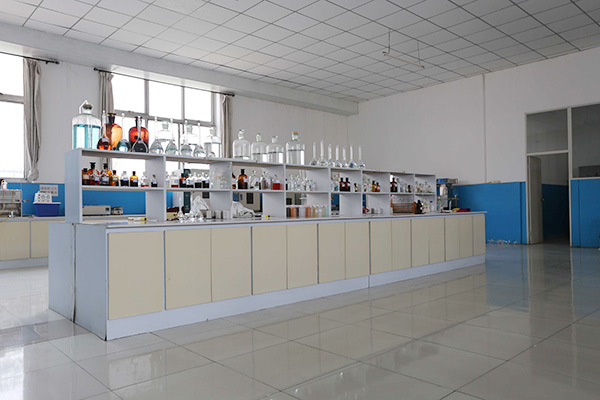

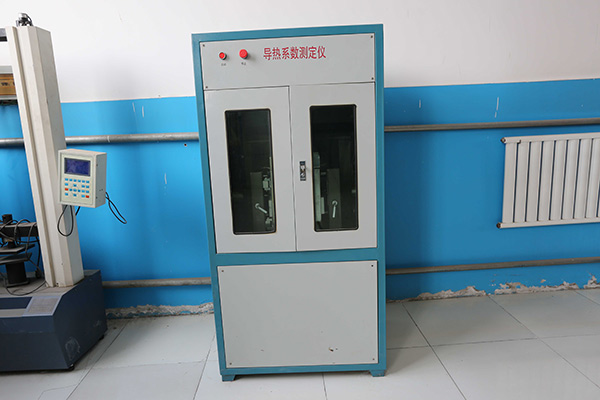

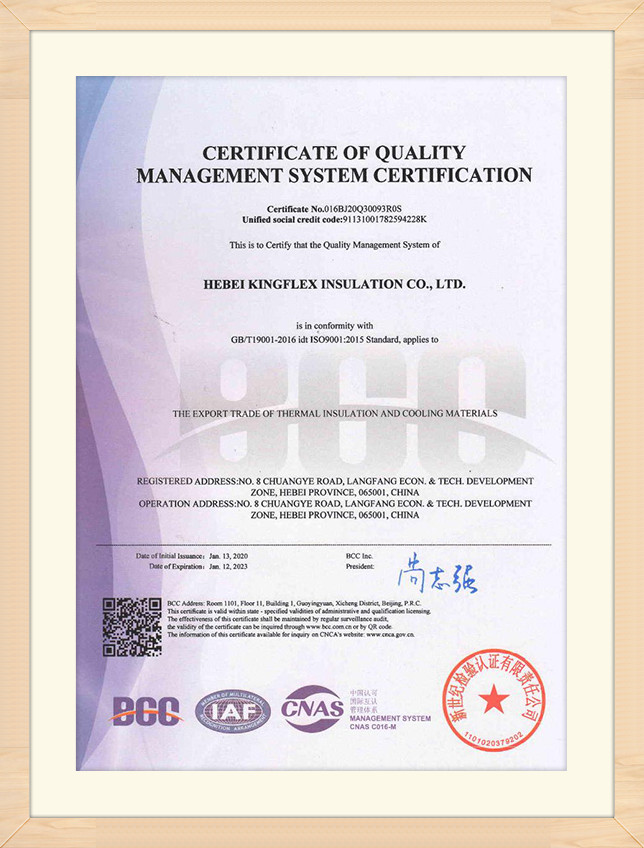
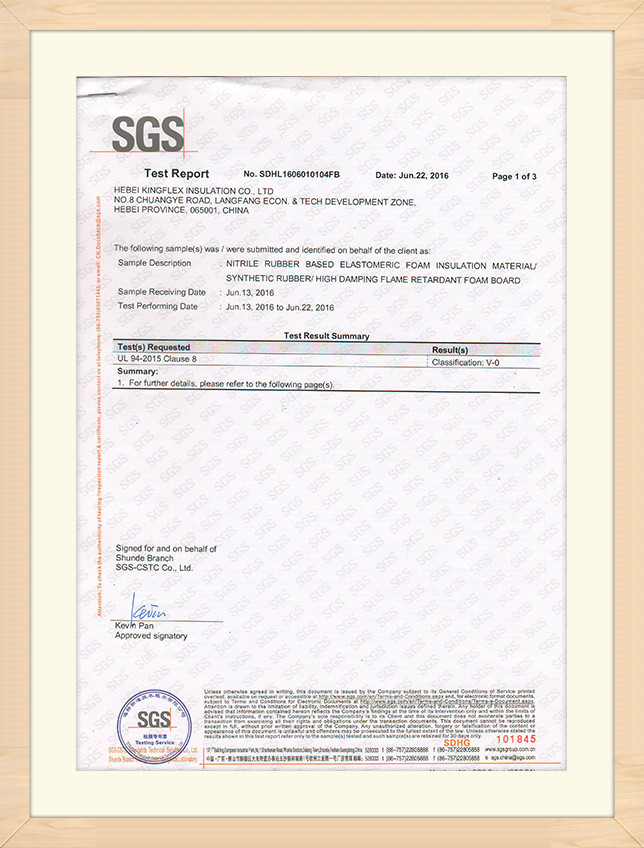
To guarantee structural and environmental safety for major projects, Kingflex materials undergo regular verification. Our products hold certifications from international testing organizations, verifying compliance with BS 476 Part 6 & 7, CE Mark standards, REACH, RoHS, UL94 flammability ratings, and ASTM thermal conductivity/vapor permeability indexes.

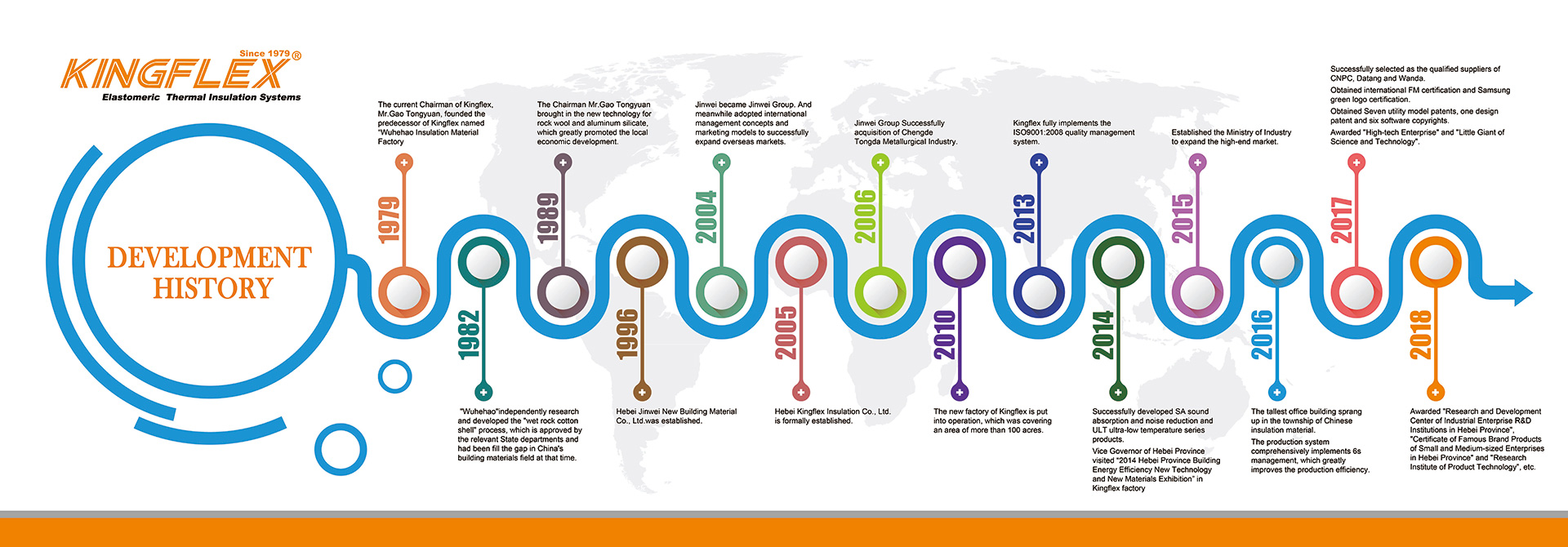
Founded by the Jinwei Group, which brings over 40 years of industry history, Kingflex carries forward a legacy of manufacturing excellence. Established in 1979, Jinwei Group was the first manufacturer of thermal insulation materials north of the Yangtze River. Today, Kingflex carries this legacy forward with continuous investments in automated manufacturing plants, green building chemistry, and international standard certification processes.
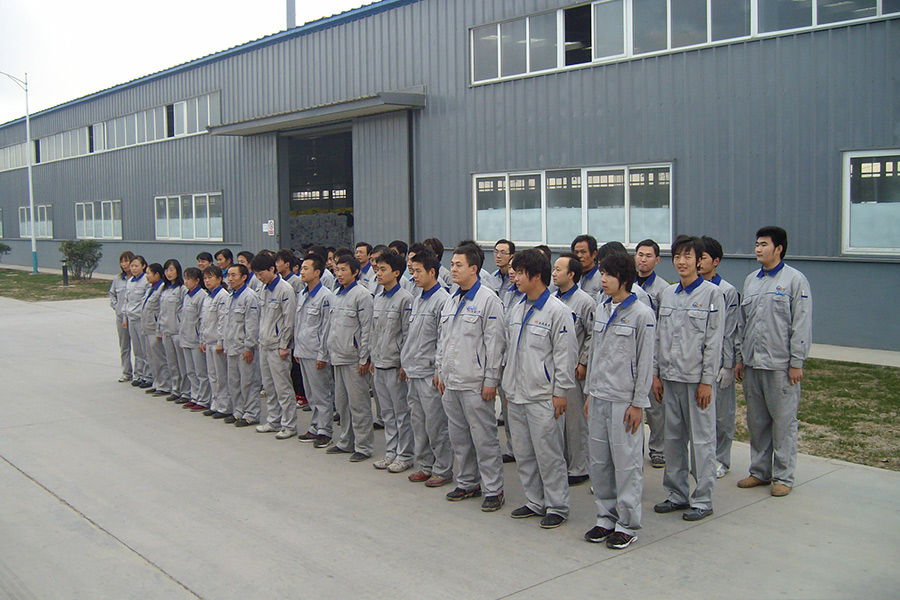
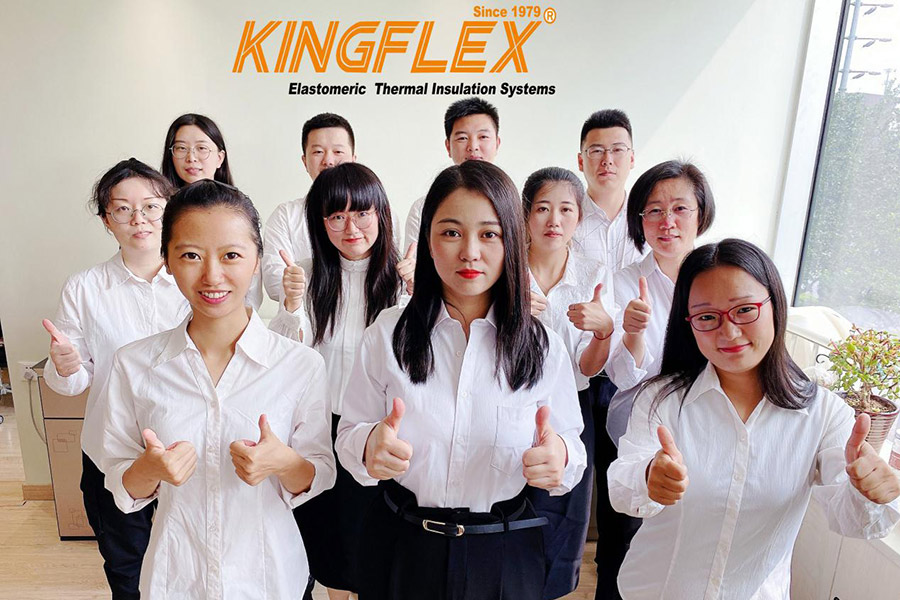
Our workers are skilled in their fields, and together they make Kingflex a productive, collaborative workplace. The Kingflex team is a tight-knit, talented group focused on delivering reliable customer service. We support our customers through 8 professional engineers in our R&D Department, 6 international sales specialists, and 230 manufacturing plant workers.
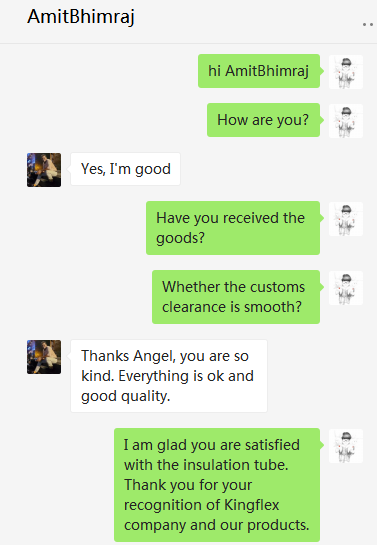
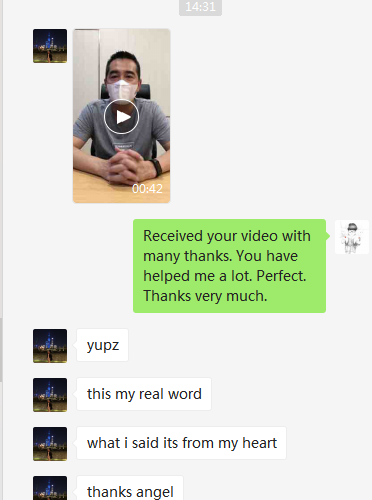
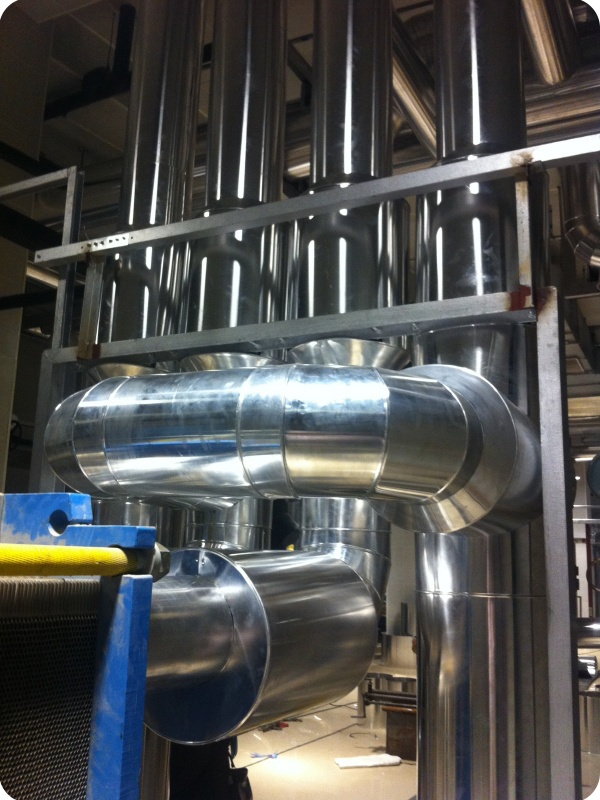
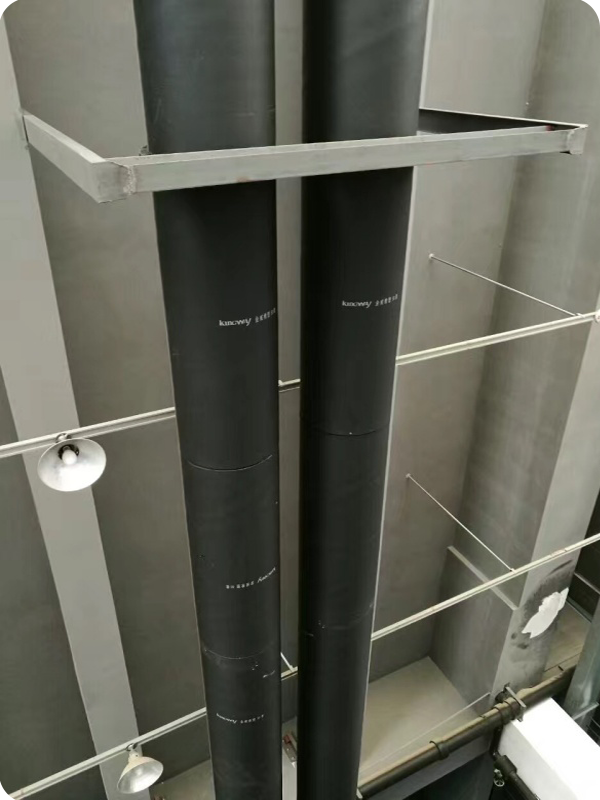
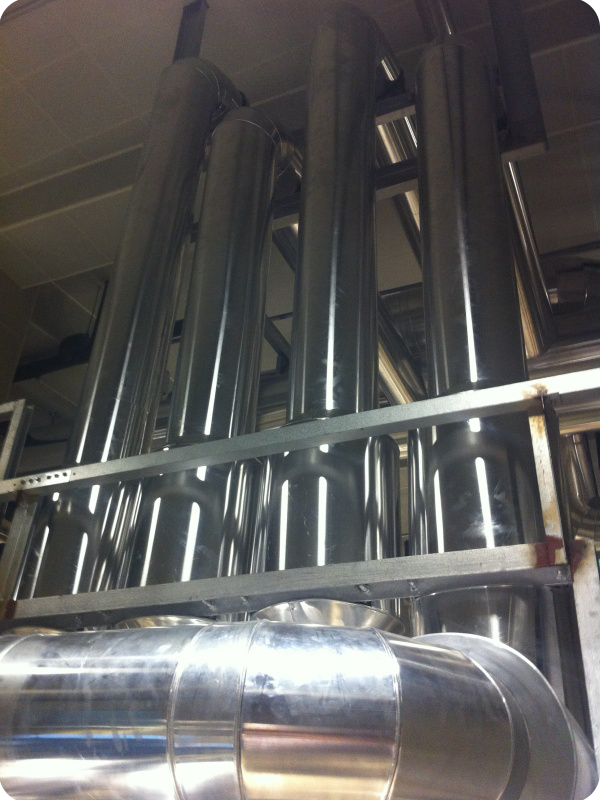
Real-world deployment photos and direct chat transcripts showing our supply reliability with global buyers.






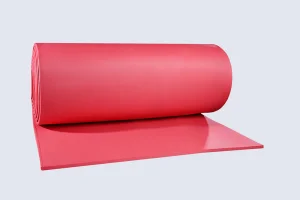
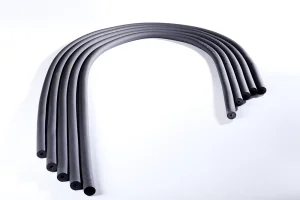
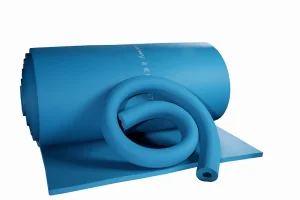
Technical details for Kingflex Standard Elastomeric Insulation Sheets & Pipes.
Standard Dimensions & Values:
Key Performance Advantages:
1. Foam structure features a closed-cell rate over 98% for reliable thermal performance.
2. Low water vapor permeability keeps thermal conductivity stable over years of operation.
3. Compression resilience over 80% prevents flattening during installation.
4. Reliable flame resistance, self-extinguishes if exposed to fire.
5. Low thermal conductivity prevents heat transfer and surface condensation.
Standard Dimensions & Values:
Key Performance Advantages:
1. Even cell structure provides excellent thermal insulation.
2. Advanced pipe coating machinery ensures uniform inner wall surfaces.
3. Compression resilience over 80% makes it easy to slide onto pipes.
4. Reliable flame resistance, self-extinguishes if exposed to fire.
5. High water vapor resistance limits moisture build-up.
6. Protects external plumbing systems from freezing and thermal cracking.
Answers to common engineering and procurement questions regarding chilled water pipeline insulation.
Explore our specialized cryogenic systems, open-cell panels, and mineral wool insulation products.
 Kingflex