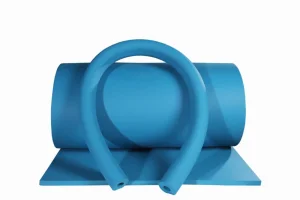
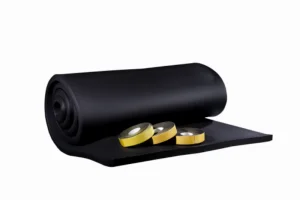
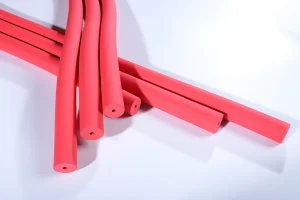
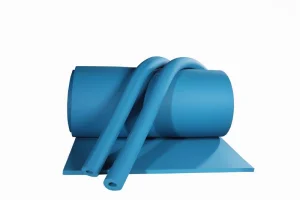
Explore our industrial-grade elastomeric insulation formulations engineered for extreme moisture barriers and operational stability.
Modern process industries operate under extreme thermal fluctuations, forcing a transition from traditional lagging to engineered clad pipe insulation.
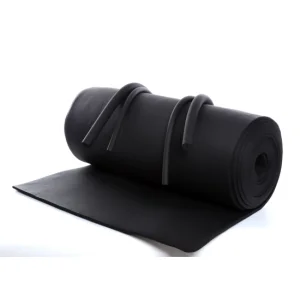
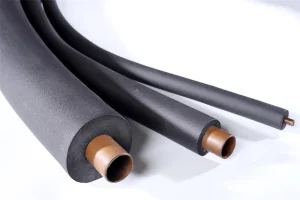
CUI remains a multi-billion dollar liability across chemical, oil, and gas infrastructures. Open-cell materials absorb ambient moisture, creating a localized corrosive microclimate. Our closed-cell clad rubber insulation isolates metal pipes completely, mitigating risk factors through zero-permeation profiles.
High-efficiency HVAC and industrial process loops require highly stable thermal conductivity parameters ($\lambda \le 0.034 \text{ W/(m}\cdot\text{K)}$). Over time, atmospheric exposure degrades baseline performance. Kingflex clad solutions ensure long-term stability without performance degradation.
High-pressure fluid lines, pumps, and compressors transmit significant structure-borne noise. Employing composite rubber elastomeric matrices provides essential acoustic damping properties, protecting workplace occupational health standards.
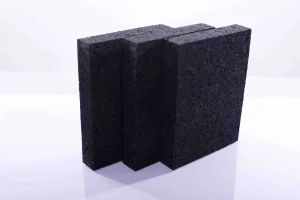
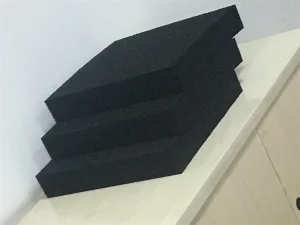
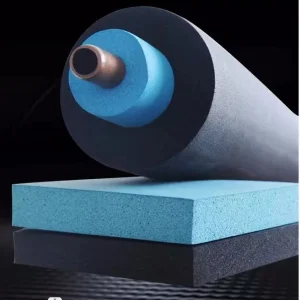
Understanding the molecular configuration of high-end rubber foam materials is critical to optimal project matching. Kingflex utilizes a synergistic NBR/PVC composite matrix to produce a high density of closed micro-cells (>98% closed-cell rate).
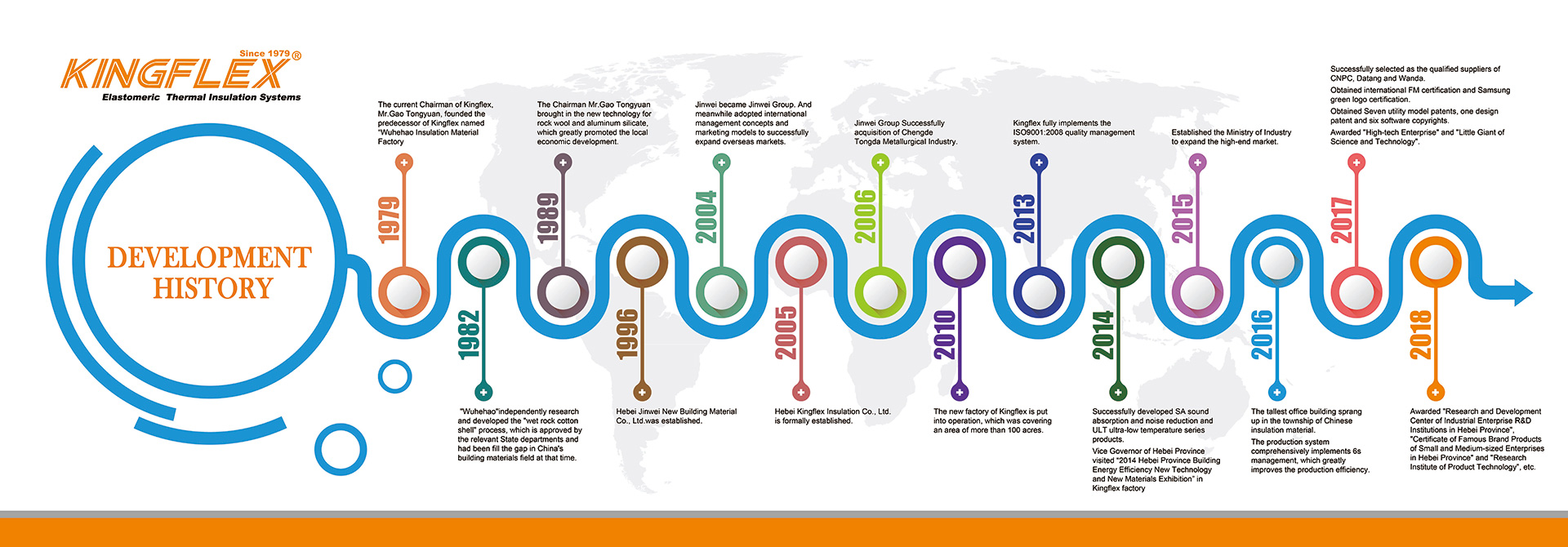
A manufacturing and trading titan traceably roots back to Jinwei Group, established in 1979 as the pioneer of North China thermal insulation materials.

Located in Dacheng, China—the capital of green-building materials—Kingflex occupies a key space in the global supply ecosystem. Operating under a strict commitment to energy conservation, we offer all-inclusive support spanning consulting, manufacturing, and installation guidance.
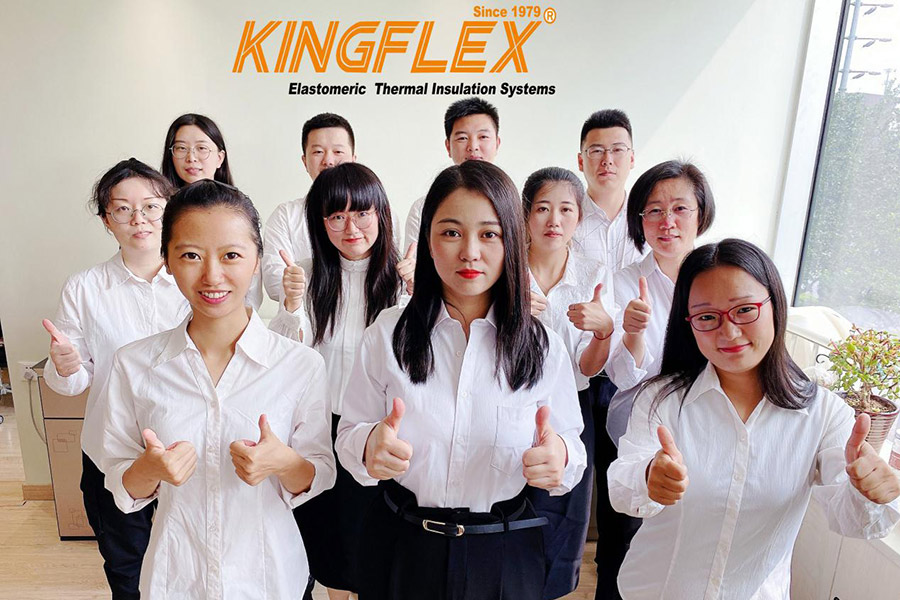
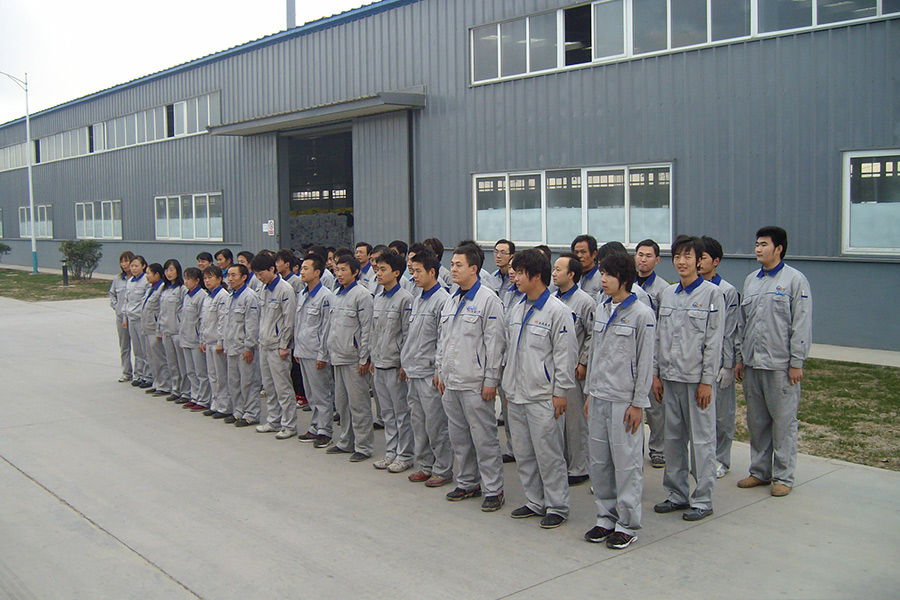
Our team comprises 8 expert engineers dedicated to custom chemical R&D, alongside 6 international logistics and sales representatives, and a workforce of 230 technicians on the assembly floors. This ensures consistent top-tier service output for global industrial projects.
How Kingflex factory innovation is leading the industry towards sustainable, smart, and ultra-durable cladding systems.
We are phasing in advanced co-extrusion technology. This integrates NBR insulation cores directly with UV-stabilized, high-impact thermoplastic outer wraps. This removes the need for field cladding installation, cutting labor costs by up to 40%.
Our lab is optimizing formulations for LNG and deep-cryogenic installations. These new elastic matrices prevent low-temperature stress cracking down to -200°C, offering a flexible alternative to cellular glass.
Working toward global green building requirements (LEED, BREEAM), we use clean foaming agent technologies. Our production maintains zero ODP (Ozone Depletion Potential) and extremely low Global Warming Potential (GWP).
Tested by global laboratories and installed across major petrochemical, commercial, and HVAC engineering structures.
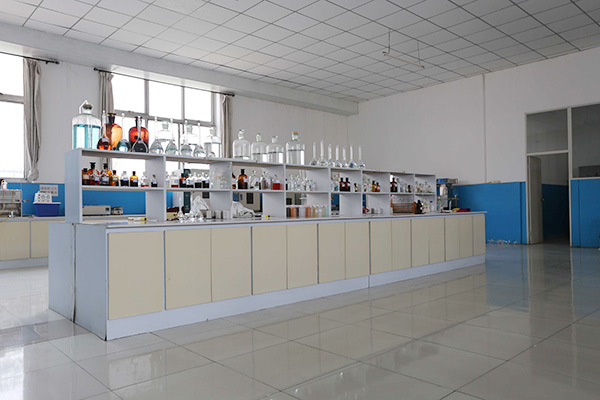

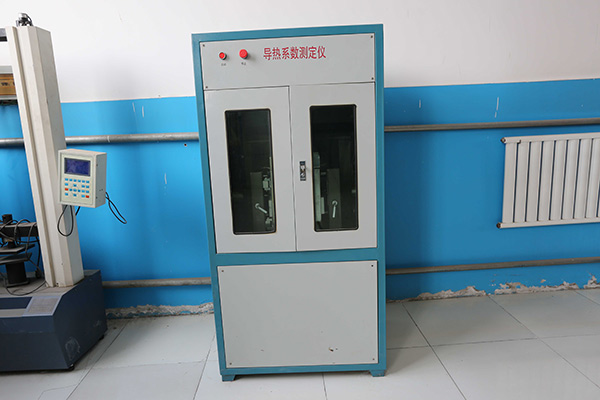
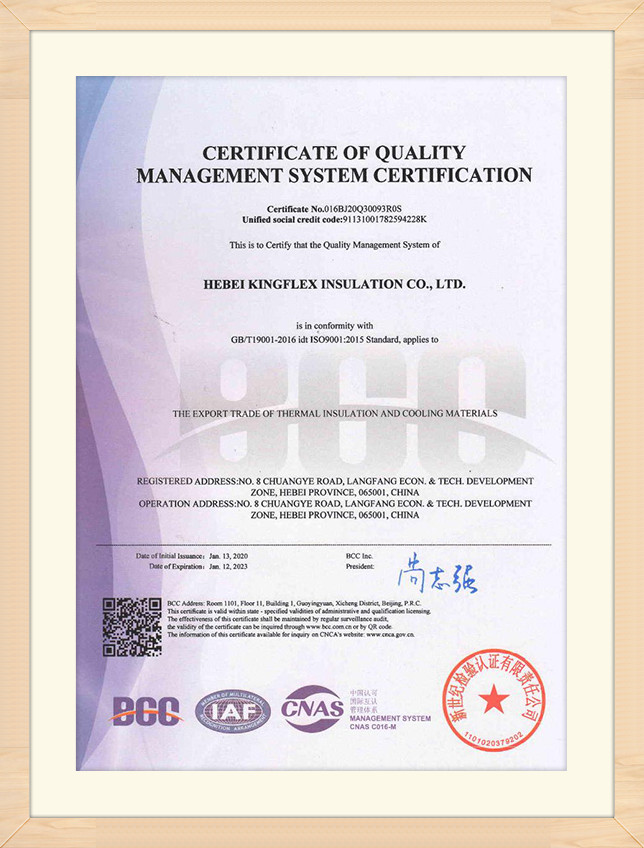


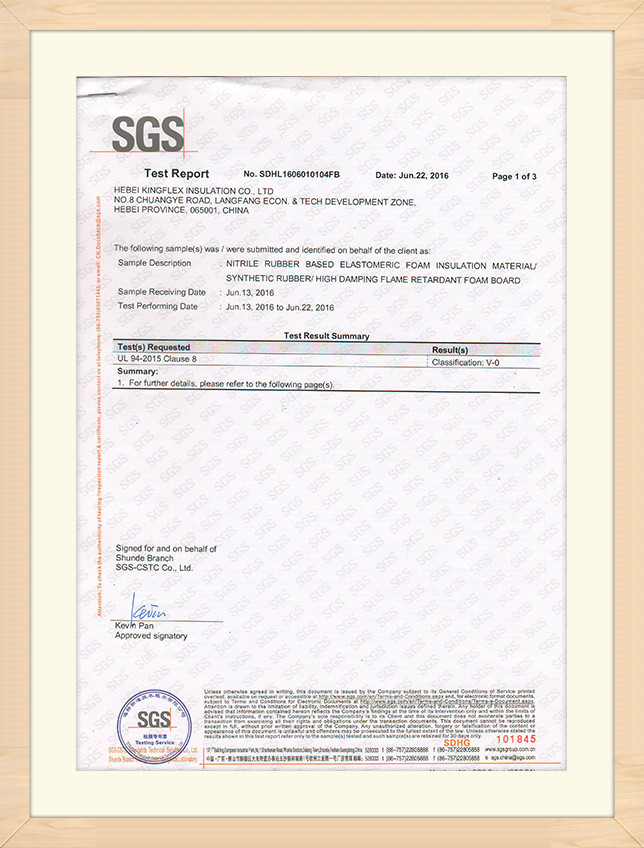
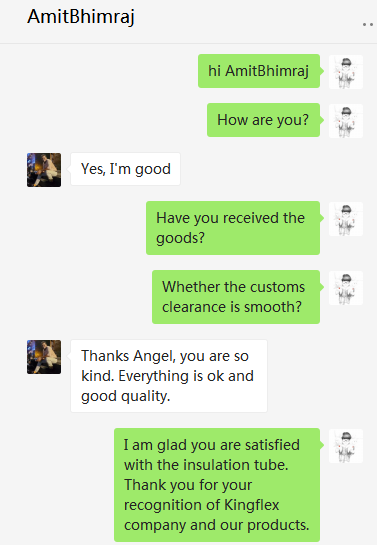
Every shipment from our Dacheng facility is marked with a unique batch number for raw material and production run verification. Our lines comply with internationally recognized standards, including BS 476, CE, REACH, RoHS, UL94, and ASTM certifications, ensuring straightforward customs clearance and on-site approval.
Targeted designs for specific environments and regional operating conditions.
Salt fog and high humidity accelerate galvanic corrosion on pipes. Our heavy-duty clad rubber foam prevents chloride intrusion, protecting copper, carbon steel, and stainless steel lines on ocean vessels and offshore platforms.
LNG transport and ethylene lines operate at temperatures down to -160°C. Using a multi-layer elastomeric cryogenic system prevents thermal expansion stress, which can crack rigid polyurethane or glass materials.
Airports, hospitals, and high-rise commercial structures require reliable indoor air quality and fire safety. Our Class 0 and Class 1 flame-retardant materials minimize smoke generation and comply with strict municipal building codes.
We maintain close communication with site managers, engineers, and distributors globally to continuously improve product performance.



Expert answers to common questions about industrial clad insulation and elastomeric rubber systems.
A1: It is primarily used for HVAC air ducts, refrigeration and air conditioning pipework, building thermal insulation, industrial process piping (for cold retention), and sound dampening systems.
A2: Yes, our elastomeric compounds include halogen-free flame retardants. They are self-extinguishing and meet international Class 0 and Class 1 standards (BS 476 Part 6/7, UL94, and ASTM validation).
A3: Rubber foam is a flexible, closed-cell material with high moisture resistance, making it ideal for condensation control in HVAC and cold systems. Rock wool is an open-cell, mineral fiber material designed for high-temperature applications and fire protection.
A4: Yes, we provide full OEM and ODM services. We customize thickness, internal diameters, outer jackets (cladding materials), and adhesive backing to meet specific project demands.
A5: Our products are fully tested and certified under BS 476, CE, REACH, RoHS, UL94, ASTM, and ISO 9001 guidelines to ensure global compliance.
A6: Yes, each batch is coded during production. This provides full traceability from the raw NBR/PVC polymer batch through processing to final container dispatch.
A7: Our regular production ranges from 6mm to 50mm thickness. Custom thicknesses can be arranged based on volume requirements.
A8: Under normal indoor and outdoor conditions with proper cladding and installation, our products have a service life of 10 to 15 years.
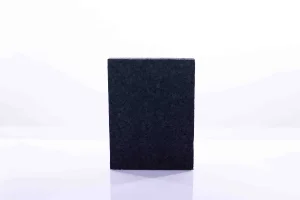
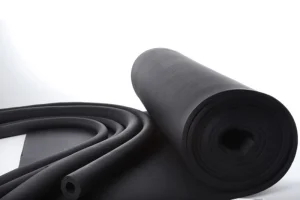
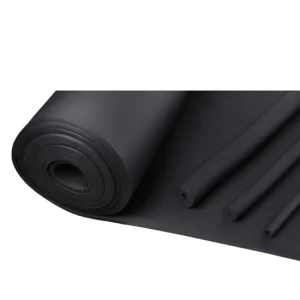
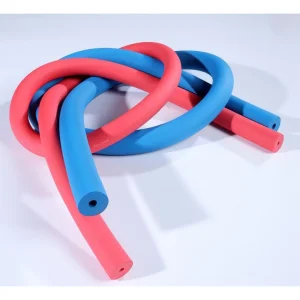
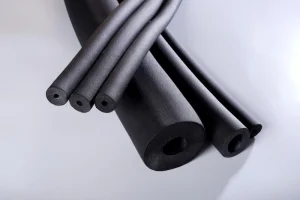
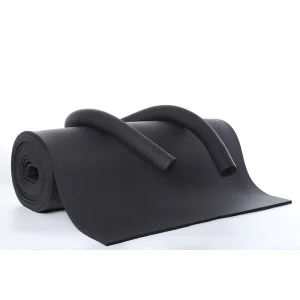
Select from our range of flexible pipe and sheet products designed for specialized industrial and commercial projects.
 Kingflex