Explore our industrial-grade elastomeric foam rolls, pipes, and ultra-low temperature systems engineered for maximum thermal efficacy and fire safety compliance.
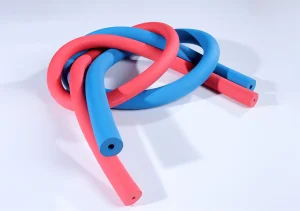
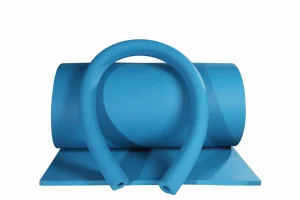
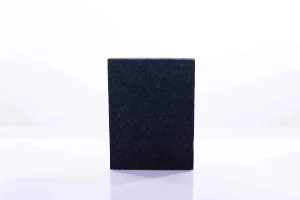
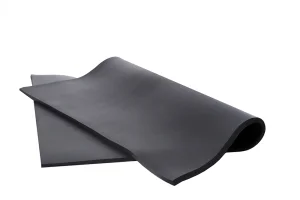
The global construction and industrial insulation sectors are undergoing a massive shift towards safety, energy efficiency, and low carbon footprints. Fire-rated insulation is no longer just a passive containment material; it is a critical system component designed to preserve structural integrity, prevent toxic gas dispersion, and manage energy efficiency under severe conditions.
Modern building codes such as British Standard BS 476 (Parts 6 & 7), European Standard EN 13501-1, American Standards ASTM E84 and UL 94, require materials that exhibit self-extinguishing behavior, minimal smoke production, and zero flaming droplets. For instance, the Class 0 rating represents the gold standard for high-performance buildings, indicating a fire propagation index of less than 12 and a flame spread index of less than 6. Closed-cell elastomeric rubber foam insulation is engineered to limit vertical and horizontal flame progression, protecting core structural elements from extreme heat conduction.
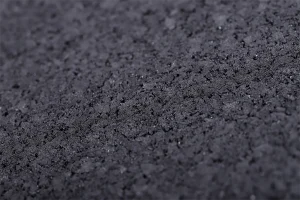
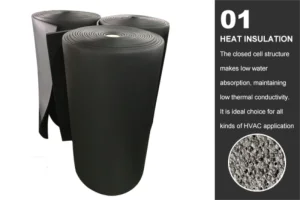
Unlike traditional fibrous materials like rock wool or fiberglass, NBR/PVC elastomeric foam features an integrated vapor barrier. Its cell density of over 98% prevents the migration of moisture, which is the primary cause of corrosion under insulation (CUI) and loss of thermal efficiency over time. If a fire starts, the formulation releases cross-linking fire-retardants that char and form a non-combustible protective carbon layer, blocking oxygen from feeding the fire.
Global procurement teams in Europe, the Americas, and the Middle East face complex logistics, rising material costs, and stringent compliance audits. Sourcing directly from reputable factories in Dacheng, China—known as the capital of green-building materials—allows commercial buyers to mitigate supply chain disruptions. The integration of Factory 4.0 smart technologies in our facilities ensures consistent density control, precise dimensional tolerances, and automated QA systems that guarantee traceability from raw monomers to finished insulation rolls.
Condensation on cold lines is the catalyst for mold, structural rot, and drop in thermal insulation value. The thermodynamic performance of NBR/PVC closed-cell foam is determined by the following formula:
Q = U × A × (Ti - To) where the overall heat transfer coefficient (U) remains constant over years due to a high moisture resistance factor (μ ≥ 7,000). The moisture barrier prevents the penetration of water vapor, keeping the thermal conductivity (λ) stable at ≤ 0.034 W/(m·K) at 0°C.
A professional manufacturing and trading combo for high-performance thermal insulation products.

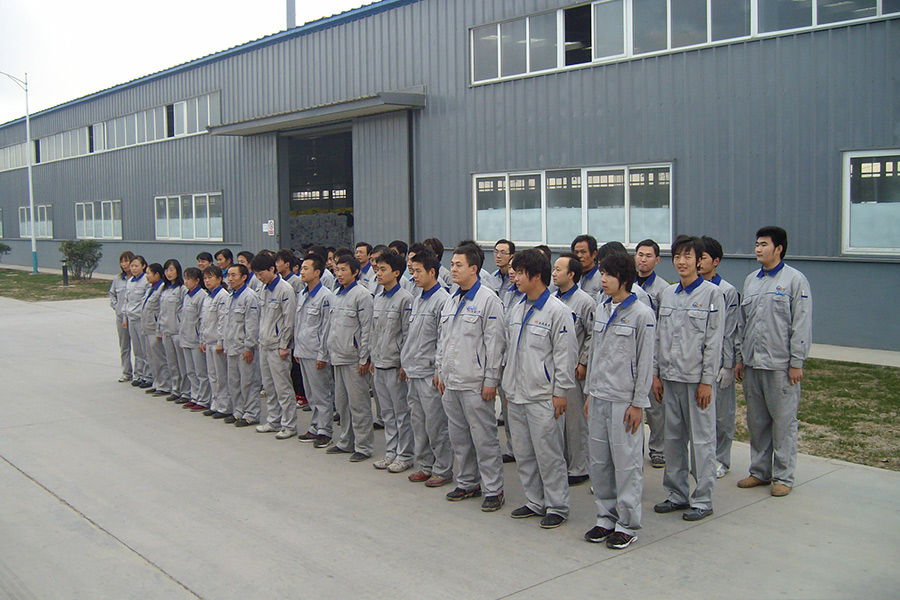
Located in the famous green building materials capital of Dacheng, China, Kingflex operates as an energy-saving, environmentally friendly enterprise. We focus on integrating research, development, manufacturing, and distribution of elastomeric rubber foam insulation.
Our core philosophy centers on energy saving and consumption reduction. We provide comprehensive insulation solutions, including pre-sales consultation, custom material development, installation guidance, and post-sales support to lead the global building materials industry forward.
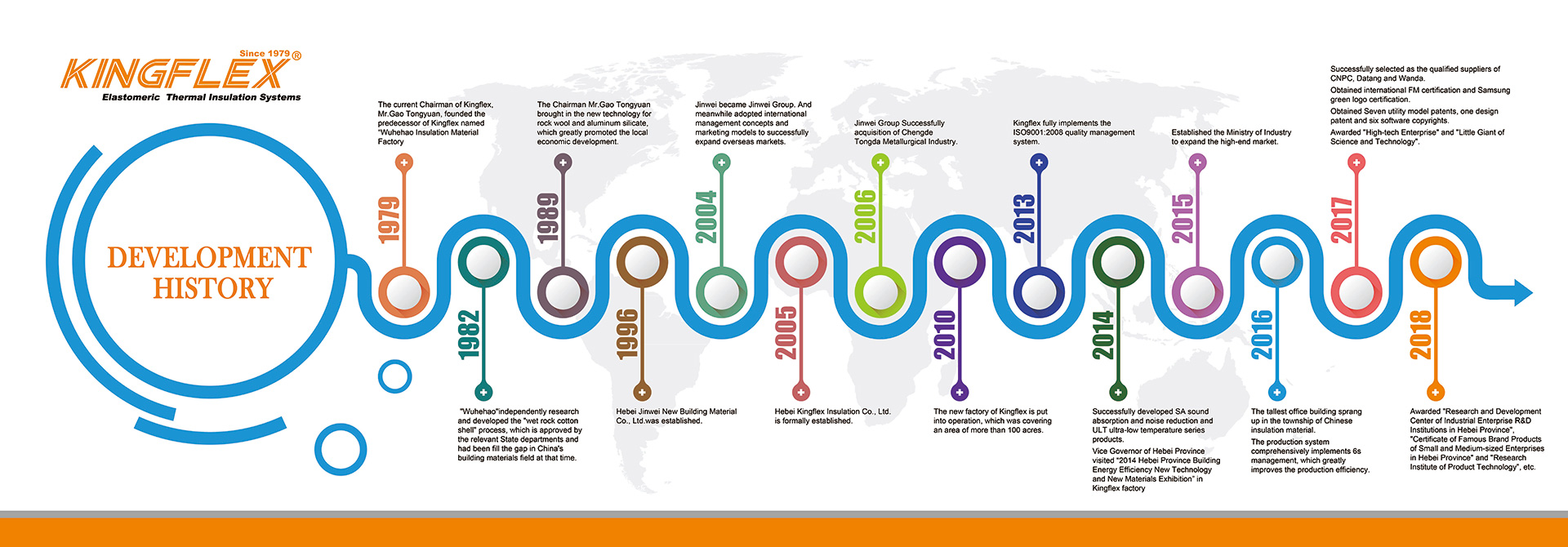
Kingflex was established by the Jinwei Group, which has a legacy spanning over four decades. Jinwei Group, founded in 1979, was the first thermal insulation materials manufacturer north of the Yangtze River. This historical backing provides us with deep technological experience and industry authority in the thermal insulation market.
Advanced R&D processes coupled with rigorous international testing to ensure your insulation projects meet critical local codes.
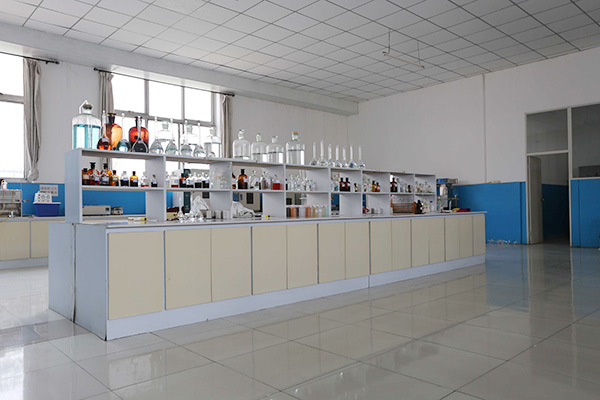

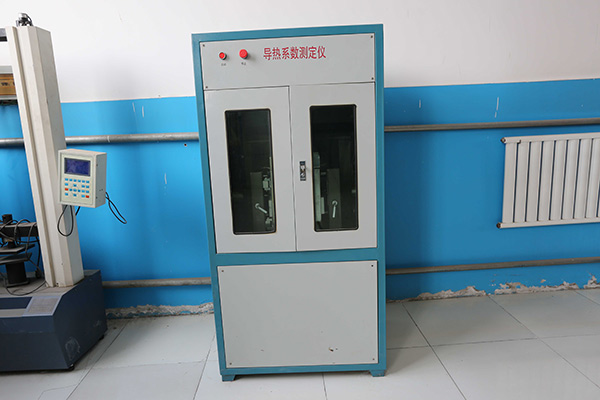
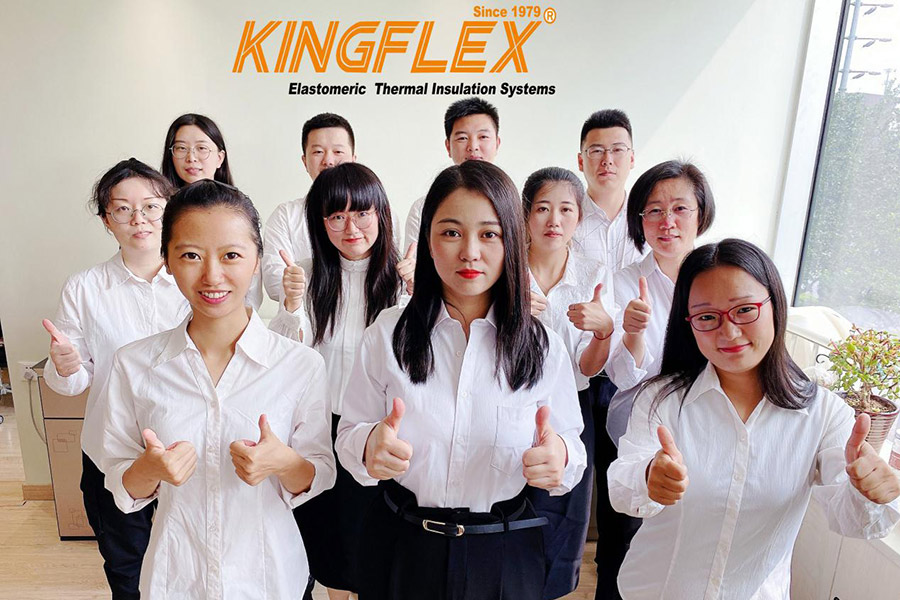
Our facility features 5 large automatic assembly lines, capable of outputting over 600,000 cubic meters annually. Kingflex is designated as a production enterprise by major regulatory bodies, including the Ministry of Energy, the Ministry of Electric Power, and the Ministry of Chemical Industry.


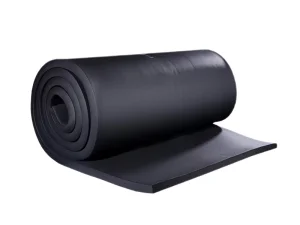
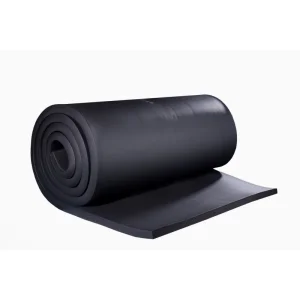
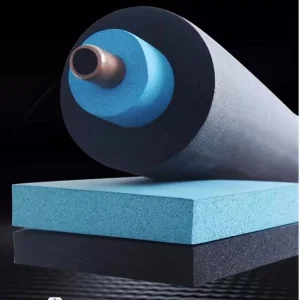
Detailed properties of our standard black rubber foam products, engineered to control thermal transmission and prevent fire hazards.
Material: NBR/PVC Elastomeric Foam
Thickness: 6mm to 50mm
Density: 40 to 55 kg/m³
Service Temp: -40℃ to 105℃
Key Advantages: Foams evenly and fully, closed-cell rate over 98%, compression resilience over 80%. Highly flame retardant with self-extinguishing parameters.
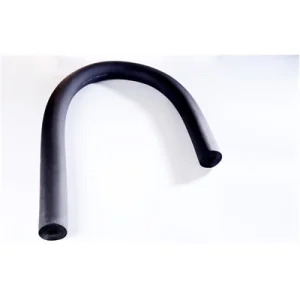
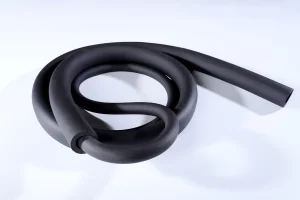
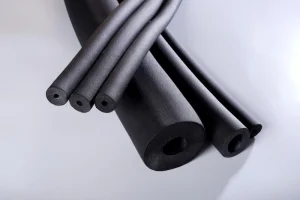
Material: NBR/PVC Closed-Cell
Thickness: 9mm to 40mm (ID: 6mm to 114mm)
Density: 40 to 55 kg/m³
Service Temp: -40℃ to 105℃
Key Advantages: High moisture resistance factor. Even coating via automated spraying. Protects pipelines from freezing, cracking, and ambient heat gain.
| Application Scenario | Primary Purpose | Recommended Material Type | Required Certifications |
|---|---|---|---|
| Central HVAC Air Ducts & Chilled Lines | Anti-condensation & heat gain prevention | NBR/PVC Sheet Rolls (15mm-25mm) | BS 476 Class 0, EN 13501-1 |
| Cryogenic Systems (LNG, Liquid Ethylene) | Extreme temperature preservation (-196°C) | Multi-layer Cryogenic Rubber Foam System | ASTM E84, UL 94, ISO 9001 |
| Acoustic Control in Hotel & Hospital Mech Rooms | Noise absorption and vibrational dampening | Open-cell/Closed-cell composite (6mm-12mm) | RoHS, REACH Compliance |
| High Temperature Industrial Steam Pipes | Thermal insulation & personnel protection | Rock Wool Blankets / High Temp Elastomeric | ASTM C547, BS 476 Part 4 |
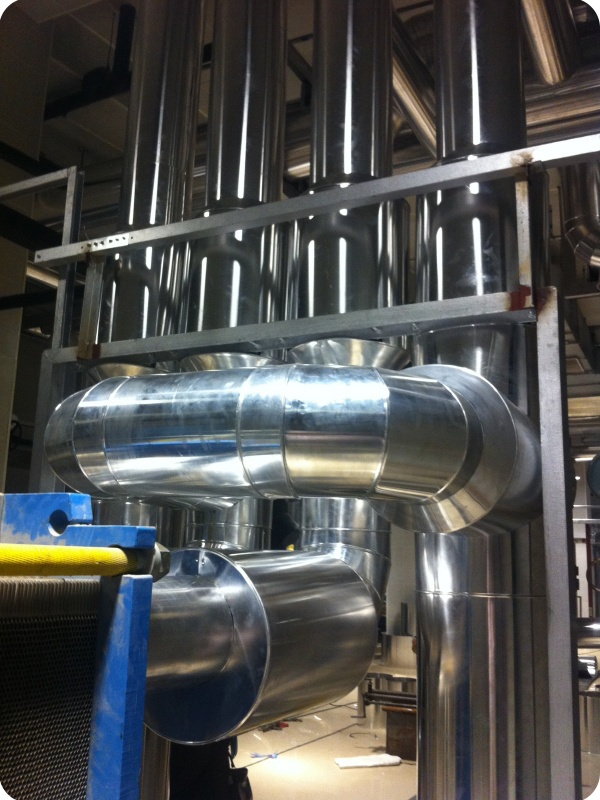
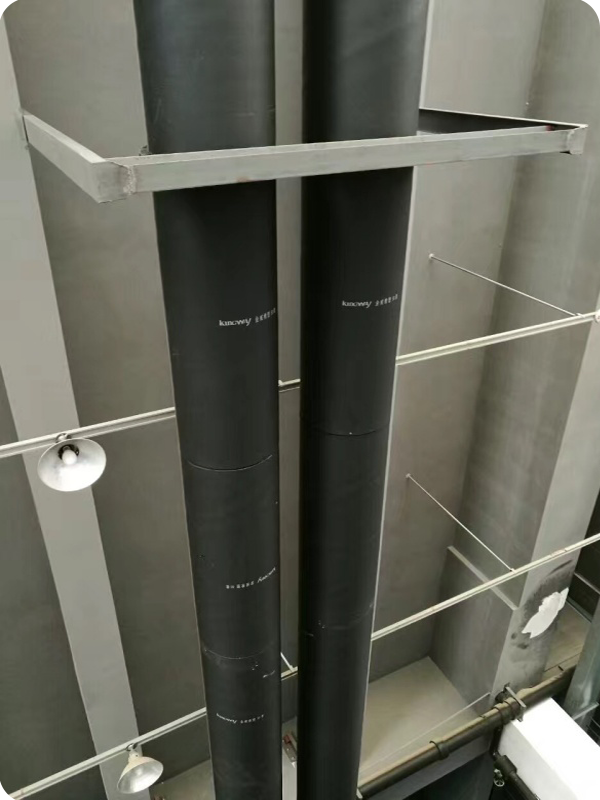
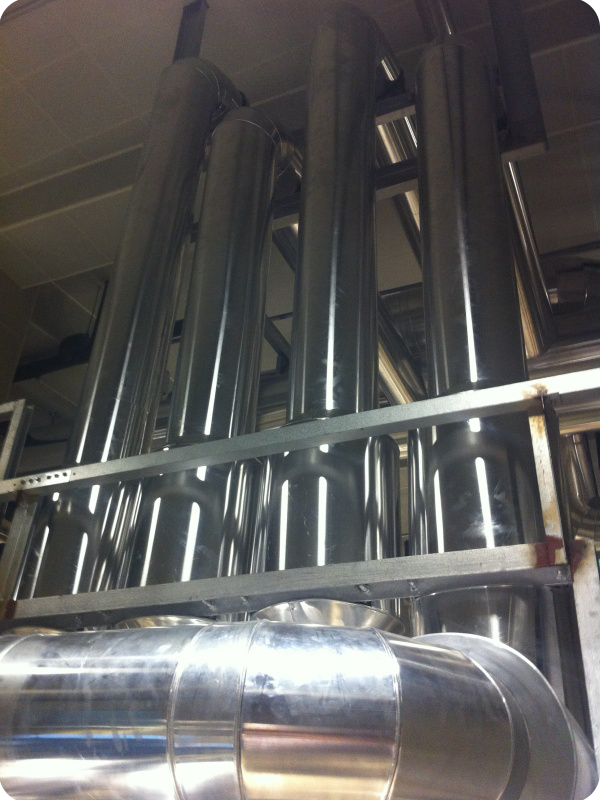
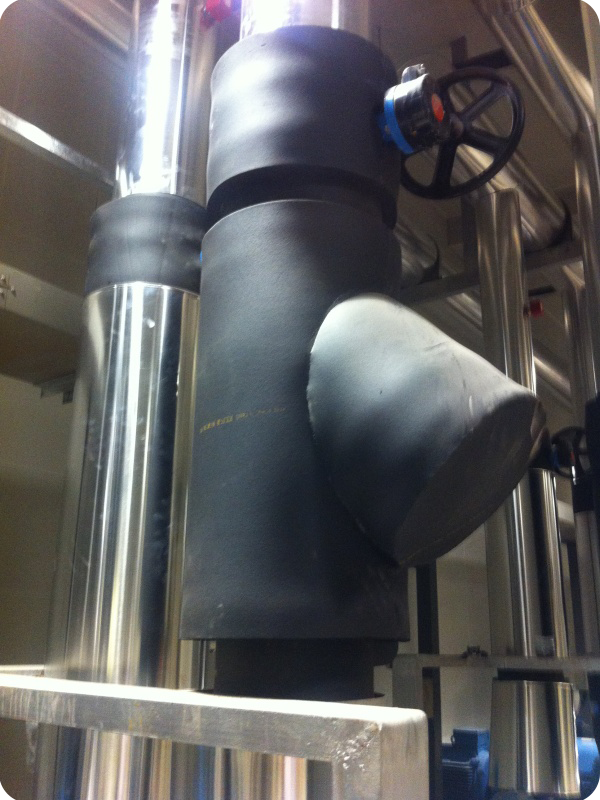
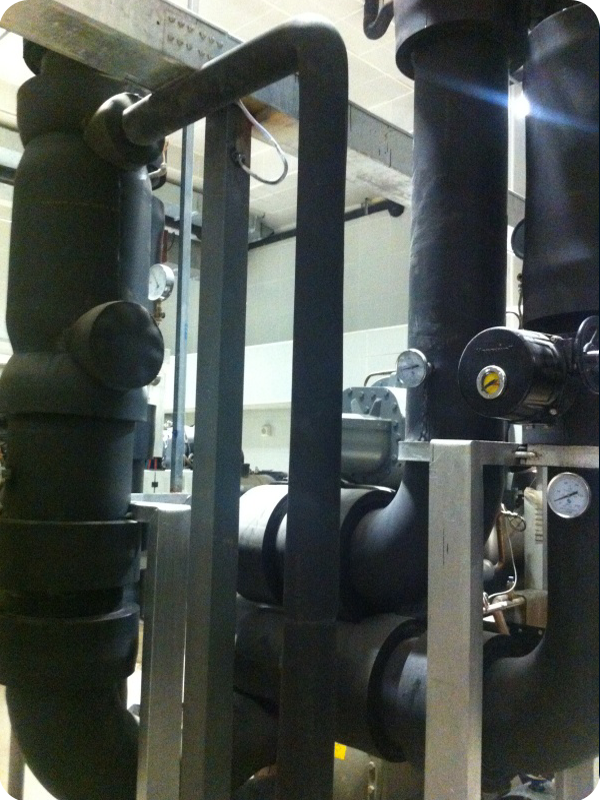
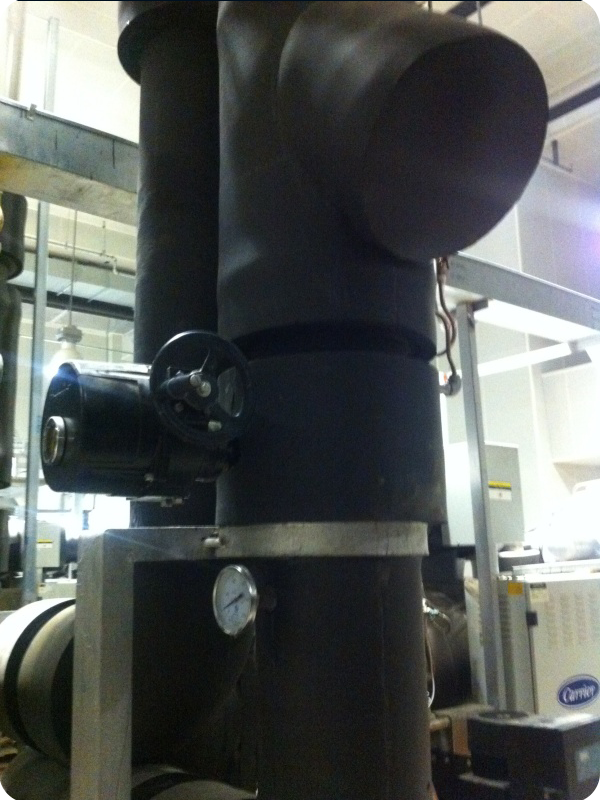
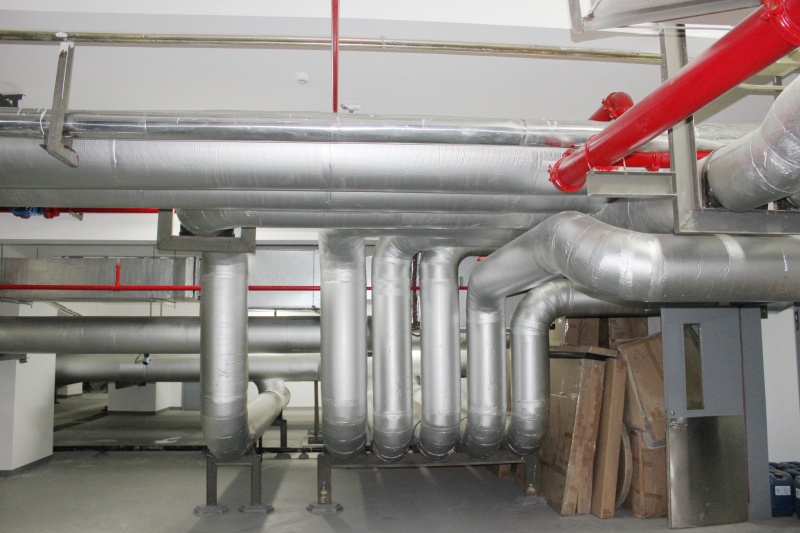
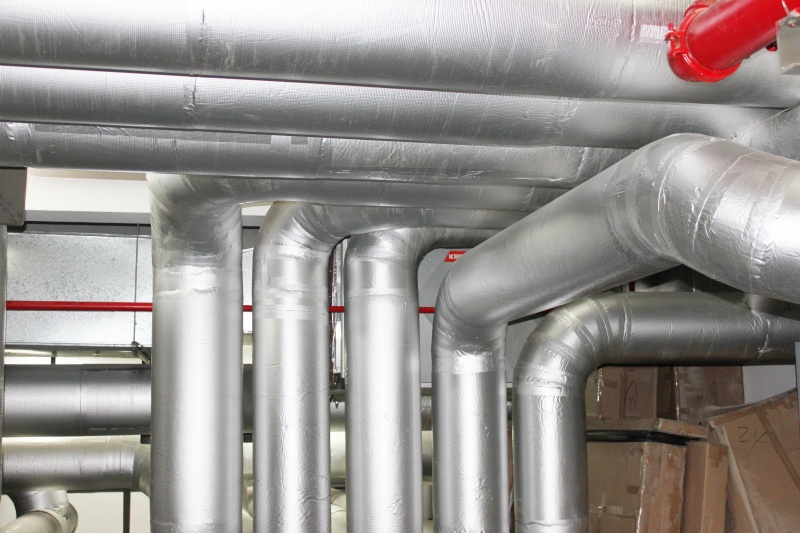
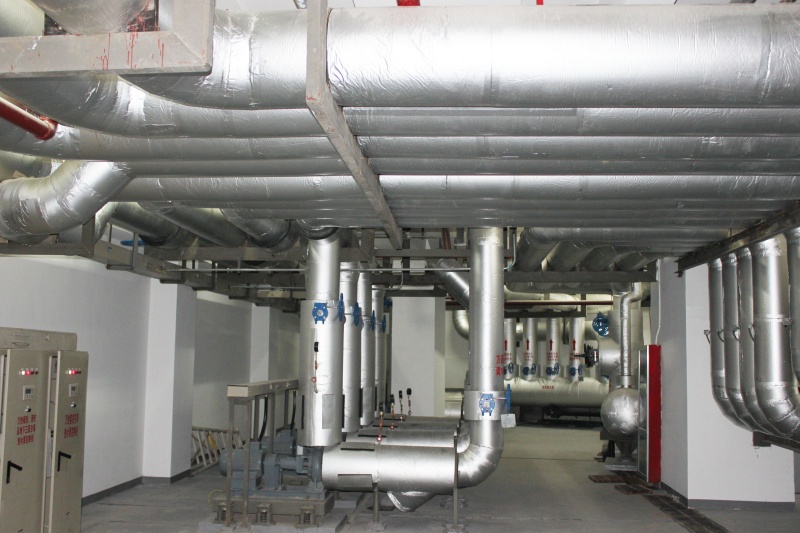
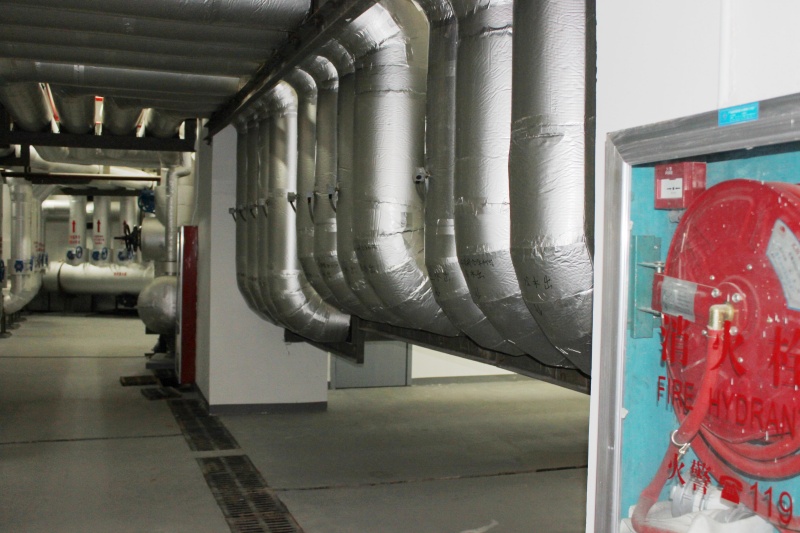
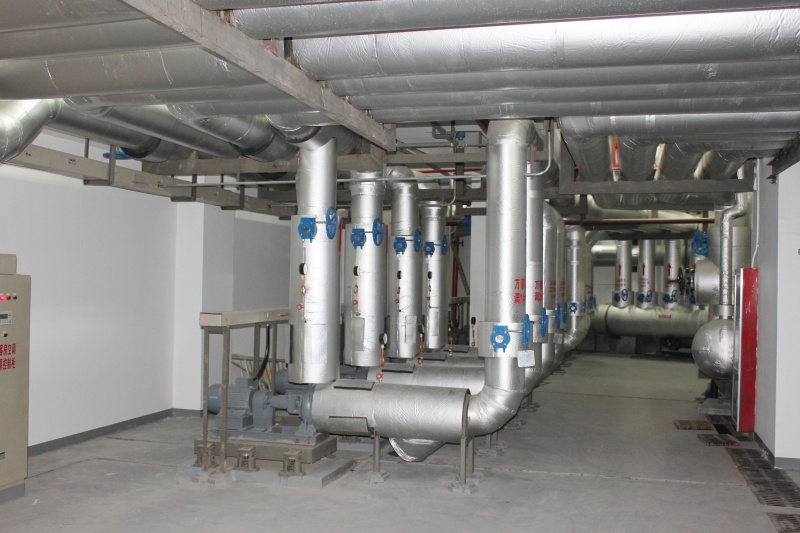
See our insulation sheets and pipes in action across diverse commercial, industrial, and maritime installations.

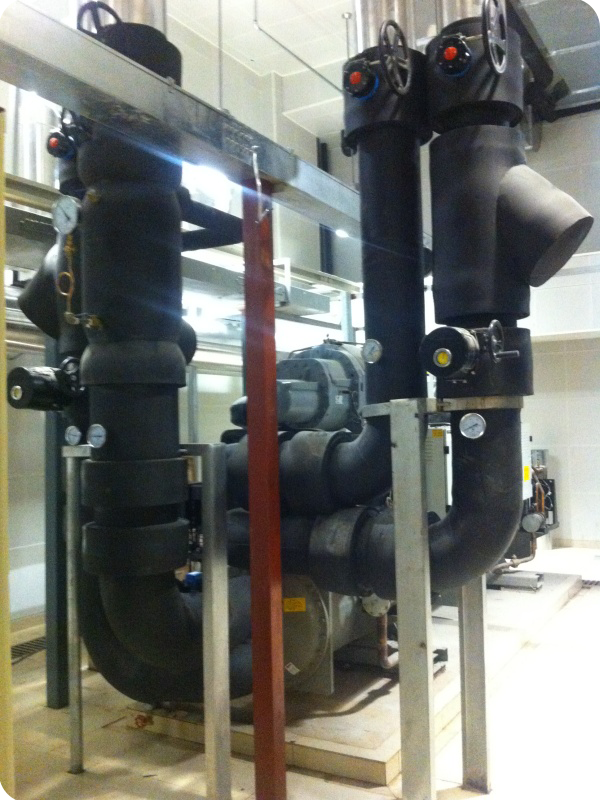
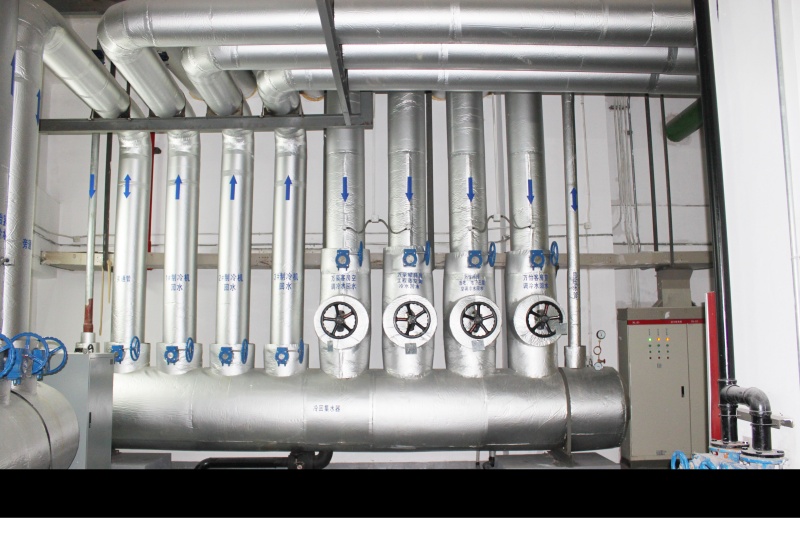


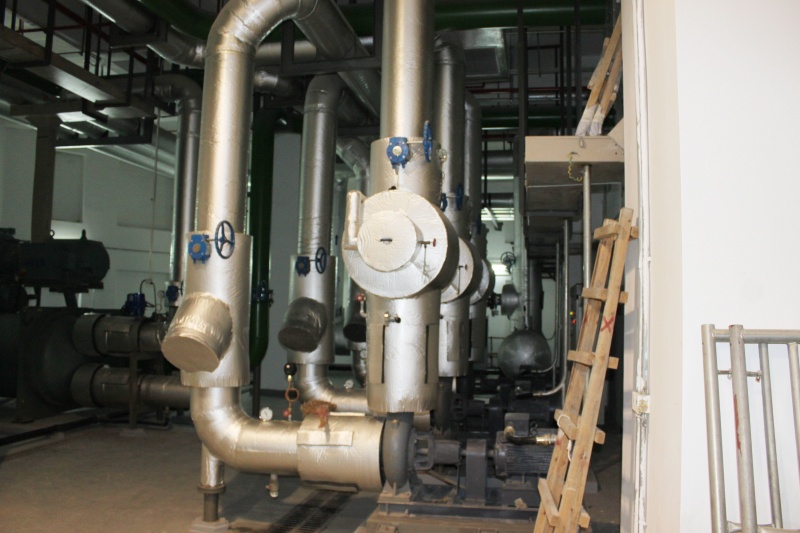
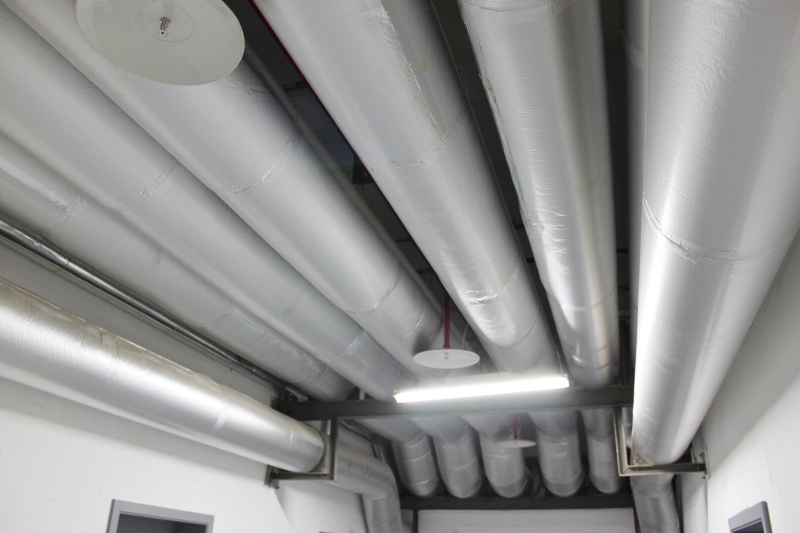


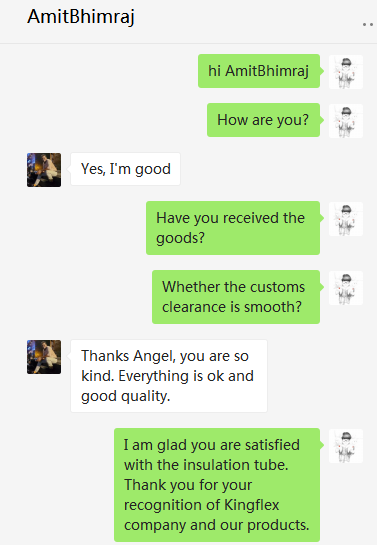
Transparency is key to building business-to-business trust. See direct feedback screenshots from our global partners regarding the reliability of our insulation systems.





Find technical answers regarding elastomeric rubber foam insulation design, application parameters, and fire rating standards.
It is primarily used for HVAC air duct wrapping, split air conditioning piping systems, structural thermal insulation in green buildings, industrial cold pipeline insulation, and acoustic absorption in high-traffic equipment rooms.
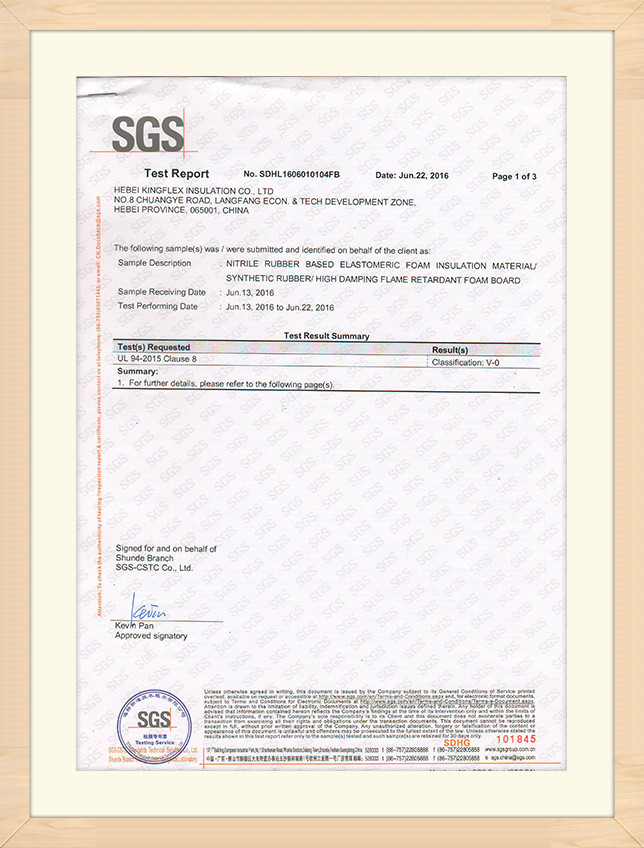
Yes, our rubber foam products are formulated with specialized fire retardants, meeting international standards such as BS 476 Class 0, EN 13501-1 Class B-s3-d0, and UL 94 V-0 flame ratings.
Rubber foam has a flexible, closed-cell microstructure that acts as a built-in vapor barrier, making it excellent for cold pipes and damp environments. Rock wool is a fibrous material with high temperature resistance (up to 1000°C), making it ideal for high-temperature industrial steam pipes.
Yes, we provide full OEM and ODM services. We can adjust the thickness, inner diameter, densities, and add protective cladding (like aluminum foil or self-adhesive backings) to match customized project blueprints.
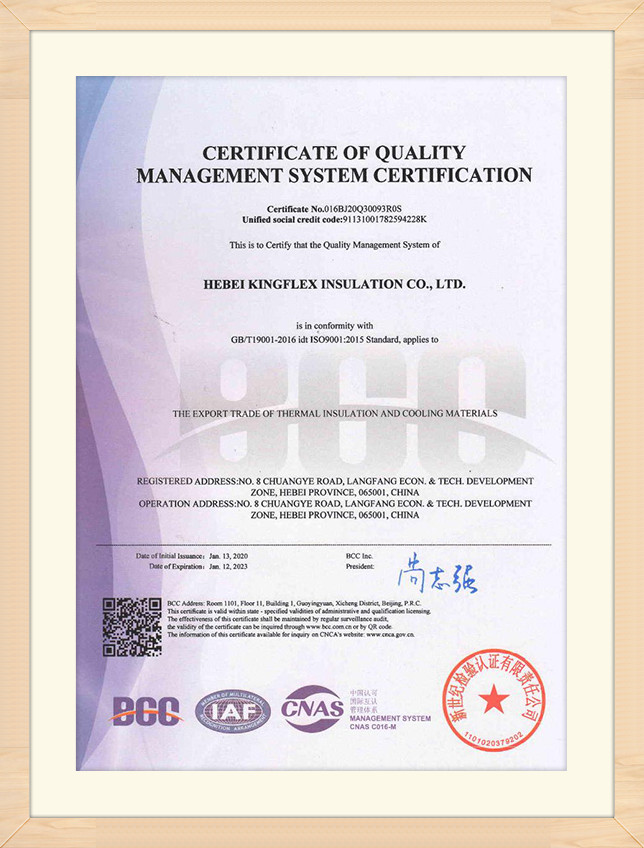
Our products have successfully passed BS 476, CE, REACH, RoHS, UL 94, and ASTM laboratory audits, ensuring high compliance for importation and construction site inspections globally.
Yes, each batch undergoes strict QA tracking. Every shipment is tagged with batch numbers linking back to production line logs, raw material testing parameters, and final inspector signatures.
We manufacture high-density sheet rolls in thicknesses ranging from 6mm up to 50mm, allowing for mono-layer or multi-layer custom applications.
Under typical operating temperatures (-40°C to 105°C) and correct installation, our rubber foam products maintain their primary properties for about 10 to 15 years.
Select specialized models including cryogenic tubes, waterproof sheets, and mineral-based rock wool materials.
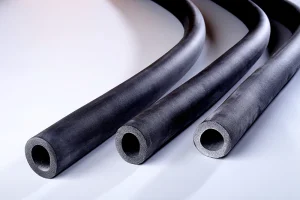
Explore specialized industrial insulation categories including rock wool systems and cryogenic pipelines.
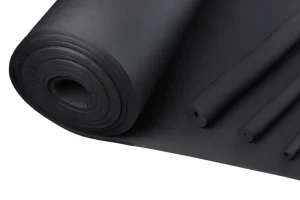
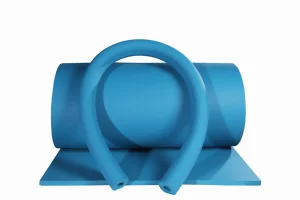
Advanced NBR/PVC closed-cell foams tailored for condensation prevention, HVAC ducting, and acoustic management.
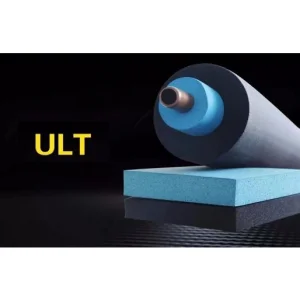
Engineered multi-layered systems protecting pipelines carrying liquefied gases down to -196°C.
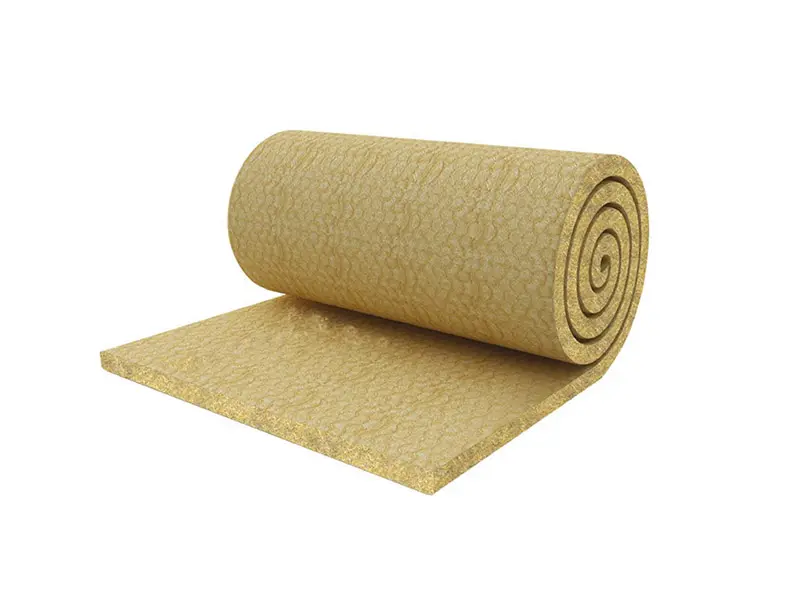
Non-combustible stone wool boards and blankets for high-temperature pipelines and structural fire barricades.

 Kingflex