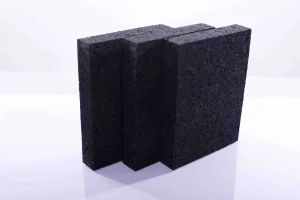
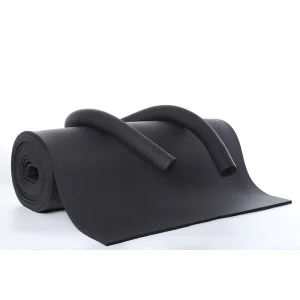
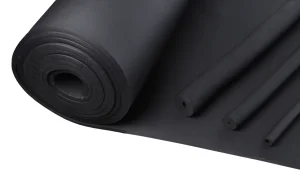
Advanced Closed-Cell Technical Insulations Engineered for Global Industrial Standards
Understanding the thermodynamics, structure, and system efficiency of modern NBR/PVC closed-cell elastomers.
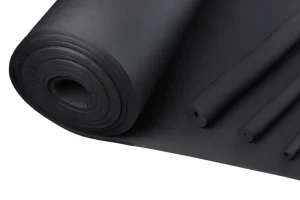
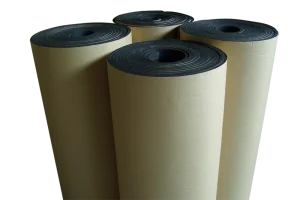
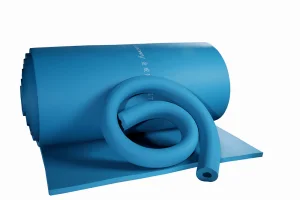
In modern industrial and building envelopes, temperature management and thermal efficiency represent critical elements for operational sustainability and system integrity. Elastomeric flexible closed-cell rubber foam insulation (Flex Insulation) represents a cutting-edge technical solution in this domain. Composed primarily of a synthetic Nitrile Butadiene Rubber (NBR) and Polyvinyl Chloride (PVC) blend, this material is processed through advanced extrusion and vulcanization chemistry to yield a high-density matrix of independent gas-filled cells.
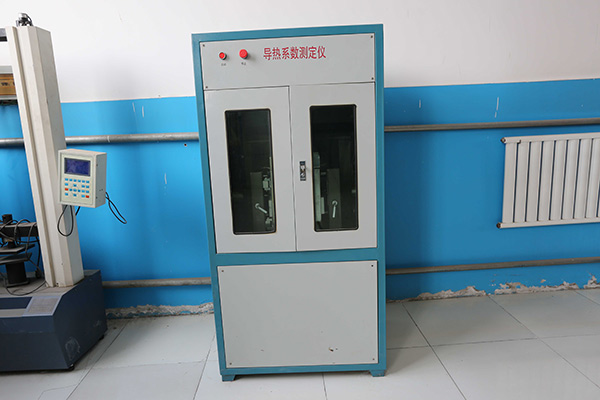
The core thermal efficacy of Kingflex insulation is determined by its extremely low thermal conductivity ($\lambda \le 0.034 \text{ W/m}\cdot\text{K}$ at 0°C) combined with a high water vapor resistance factor ($\mu \ge 10,000$). Unlike open-cell structural materials or fibrous mineral options, NBR/PVC structures prevent convective cell heat transfer and maintain their integrity against moisture ingress without the absolute requirement of an secondary external vapor barrier. This dual-defense mechanism ensures decades of consistent performance in heavy HVAC systems, cold-water transport lines, cryogenic setups, and petrochemical processing infrastructure.
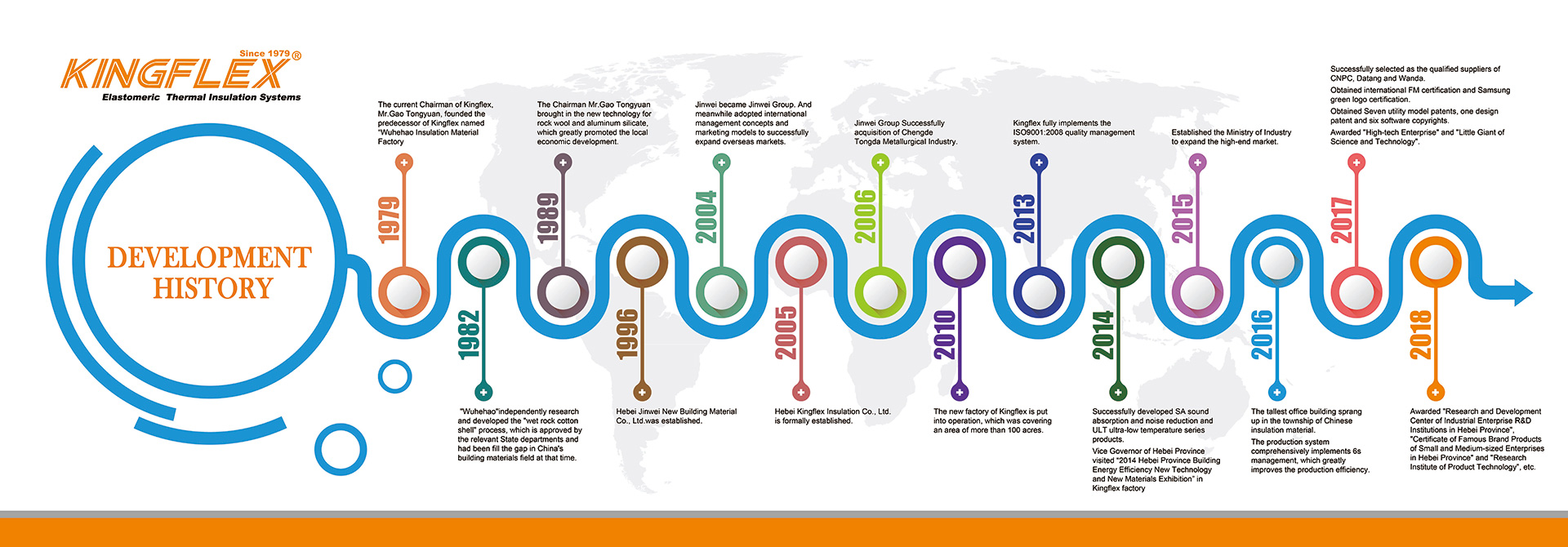
The manufacturing legacy of Kingflex Insulation Co., Ltd. and the Jinwei Group.
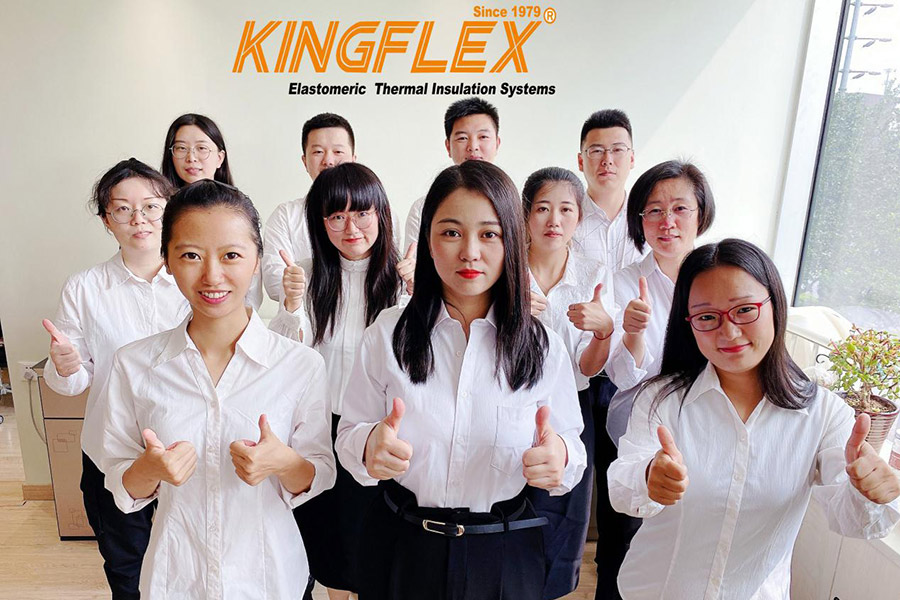
Kingflex Insulation Co., Ltd. is a professional manufacturing and trading combo for thermal insulation products. Our research, development, and primary production complexes are located in Dacheng, China—renowned as the capital of green building materials. Operating with an unwavering commitment to energy saving and carbon emission reductions, we provide comprehensive industrial solutions through high-end engineering consultation, focused R&D, customized manufacturing runs, and direct field-installation guidance.
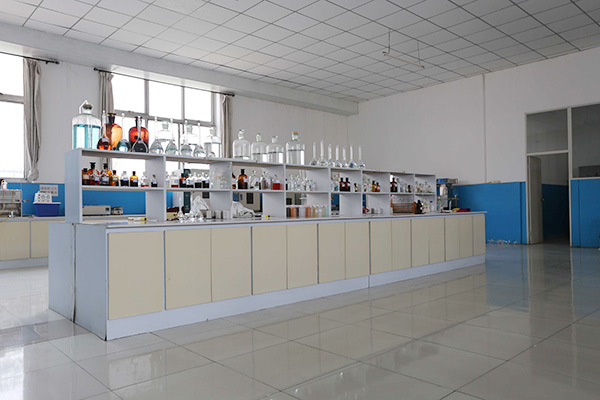
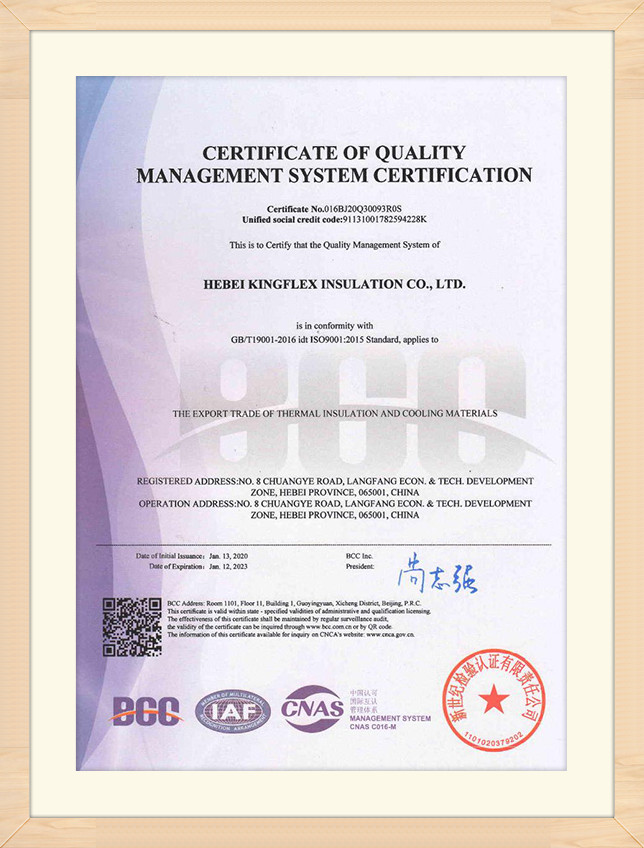
Established under the parent umbrella of the Jinwei Group, Kingflex inherits an industrial legacy dating back to 1979. With more than 40 years of pioneering history, Jinwei Group stood as the first domestic manufacturer of thermal insulation materials north of the Yangtze River. This institutional knowledge guarantees that our products adhere to rigorous thermodynamic principles and undergo strict quality checks at every level of manufacturing.
Our organization is defined by its deep technical expertise. The Kingflex workforce includes a dedicated R&D department featuring 8 senior chemical and thermal engineers, a streamlined international business unit consisting of 6 global operations managers, and a highly trained industrial manufacturing staff of 230 technicians. This alignment ensures that every batch meets stringent global compliance standards.
Kingflex maintains 5 fully automated continuous extrusion and vulcanization assembly lines. Our production processes are closely monitored via real-time digital sensors to guarantee consistent density, uniform cell structures, and flawless surface finishes across all standard sheets and tubes.
These capabilities have earned our facilities designated supplier status under the Ministry of Energy, the Ministry of Electric Power, and the Ministry of Chemical Industry in China.



Review standard physical parameters, structural dimensions, and performance benchmarks for sheets and pipes.
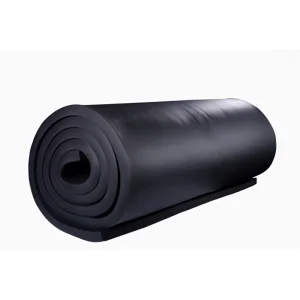
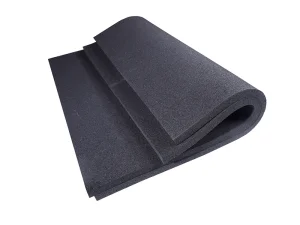
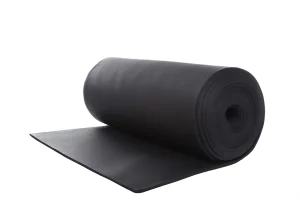
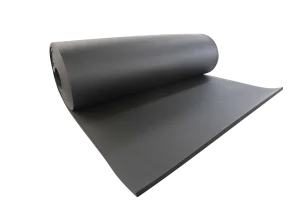
Formulated from an advanced NBR/PVC polymer compound featuring an ultra-high closed-cell ratio (>98%). This ensures excellent dimensional stability under physical load and prevents moisture ingress in humid environments.
Primary Advantages:
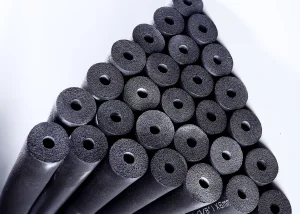
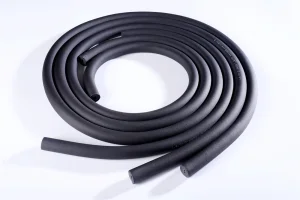
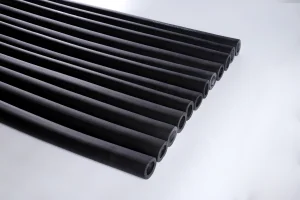
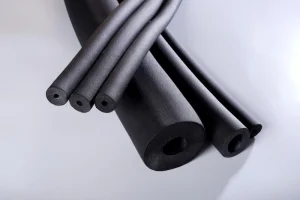
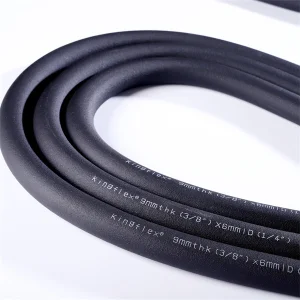
Designed for rapid, slip-on or slit-and-seal installations over copper, iron, and plastic pipelines. Extruded with a smooth skin barrier to protect against mechanical abrasions, atmospheric humidity, and chemical exposure.
Primary Advantages:
How flexible closed-cell elastomers perform across diverse climate zones and technical conditions.
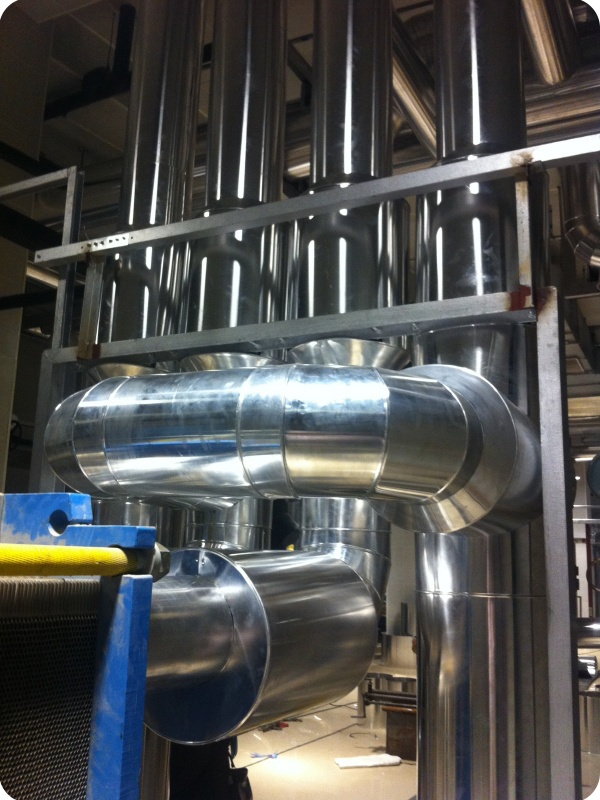
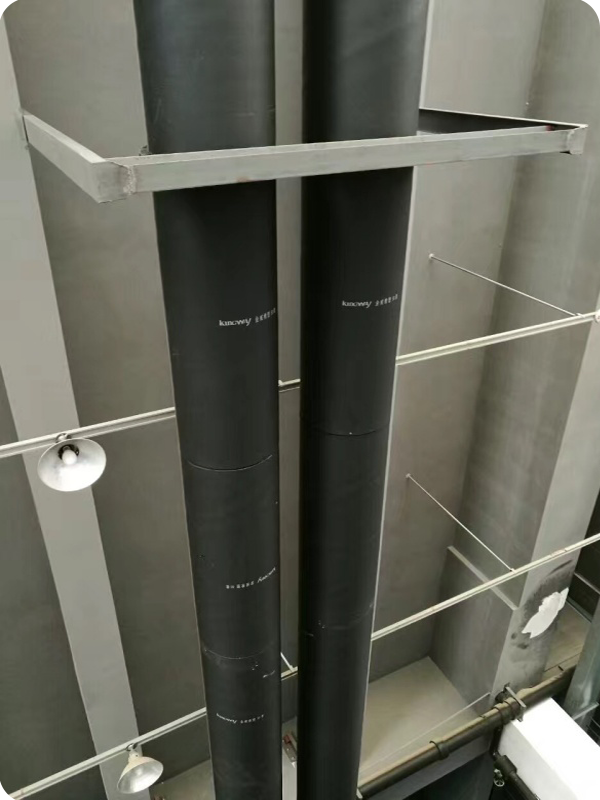
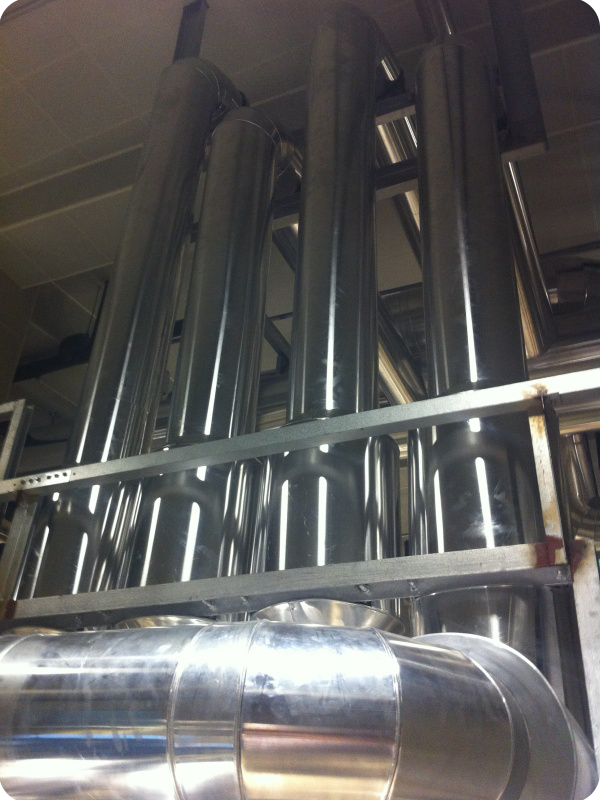
In high-humidity, warm environments, HVAC distribution systems are highly vulnerable to condensation. Kingflex elastomeric sheets and NBR/PVC tubing insulate cold supply ducts, chilled water pipe systems, and refrigerant lines. The material prevents moisture accumulation, which can cause structural decay, mold growth, and localized indoor air quality failures.
Super-chilled processes require robust thermal protection. Kingflex's cryogenic insulation systems (such as the Dienes cryogenic range) are engineered for temperatures down to -200°C. At these extremes, conventional insulation materials can turn brittle and crack. Kingflex's cryogenic formulations retain their flexibility, preventing thermal shock, stress cracking, and atmospheric moisture ingress.
Urban high-density housing, medical environments, and administrative spaces require low acoustic footprints. Our sound absorption sheets combine density with high elasticity to absorb sound waves across a wide frequency band. Installed in wall cavities, air shafts, and engine rooms, these sheets absorb ambient noise and reduce structural vibrations.

Evaluating the manufacturing speed, supply stability, and logistics of China's green building capital.
Located in the heart of Dacheng, Kingflex enjoys direct access to key domestic industrial chemical hubs. This proximity to high-grade synthetic rubbers, PVC resins, foaming agents, and fire retardants minimizes domestic supply volatility. We maintain stable production pipelines even during global chemical shortages.
By using automated, PLC-controlled extrusion lines, we minimize material waste and maintain high process safety. This automation allows us to produce consistent cell sizes, reducing thermal conductivity while maximizing manufacturing throughput.
Our logistical hubs are located near major international deep-water container ports, including Tianjin Xingang. This connection enables streamlined container loading, customs clearance, and cost-effective shipping routes to Europe, North America, Southeast Asia, and the Middle East.
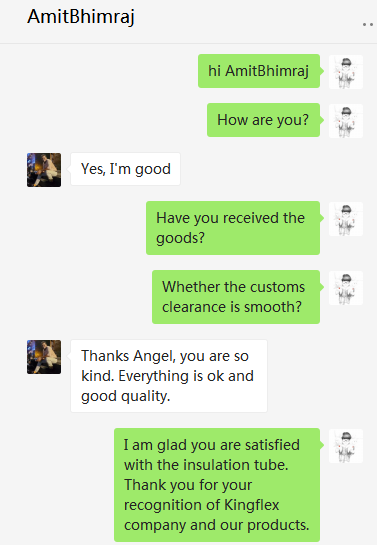
Kingflex maintains open and transparent communication channels with our international distributors. Below are verified feedback logs, quality audits, and operational chat transcripts showing our rapid responses, customized manufacturing runs, and professional logistics support.




Innovative developments in environmental metrics, aerogel composites, and smart monitoring systems.
Kingflex is transitioning its foaming systems to next-generation physical blowing agents with zero Ozone Depletion Potential (ODP) and ultra-low Global Warming Potential (GWP). This aligns our products with strict global environmental mandates, including REACH, RoHS, and local green building initiatives.
Our research team is currently developing silica-aerogel infused NBR matrices. Incorporating high-dispersity aerogels into the polymer grid can reduce thermal conductivity to less than 0.027 W/(m·K), allowing for thinner profiles in space-constrained installations.
We are exploring the integration of thin, flexible moisture and temperature sensors within our elastomeric layers. These smart sensors can alert building management teams to moisture ingress or thermal bridging in real-time, helping prevent damage to sensitive pipe systems.
Detailed answers to frequently asked engineering and logistics questions.
Explore our NBR/PVC sheets, pre-slit tubes, and cryogenic thermal insulation systems
 Kingflex